Mississippi Fishing Seasons Calendar
One of the biggest head-scratchers for any angler, whether you're a seasoned pro or just starting out, is figuring out when to hit the water for the best chance at your target species. Mississippi's diverse waterways mean that what's biting in the spring down on the Gulf Coast might be totally different from what's active in the northern reservoirs during the same month. This comprehensive guide will walk you through the fishing seasons across Mississippi, helping you pinpoint the prime times for reeling in your next big catch.
Understanding Mississippi's Fishing Seasons
Fishing isn't just about casting a line and hoping for the best; it's a dynamic dance with nature, heavily influenced by the rhythm of the seasons. Mississippi's unique climate, stretching from the temperate north to the subtropical Gulf Coast, means fish behavior changes dramatically throughout the year. Knowing these seasonal patterns is the secret sauce to consistent success on the water.
Why Seasons Matter for Anglers
Think about it: fish aren't just swimming aimlessly. Their lives revolve around cycles of feeding, spawning, and seeking comfort from temperature extremes. During the spring, many species are consumed with the urge to spawn, moving into shallower waters where they're often more vulnerable and aggressive. Come summer, they're seeking cooler, deeper refuges or finding shade under structure, requiring different tactics to reach them. Fall brings a feeding frenzy as they bulk up for winter, and even in the colder months, there are fantastic opportunities if you know where to look and how to present your bait. Ignoring these natural rhythms is like trying to catch a fish in a bathtub – you might get lucky, but it's far from optimal. Understanding these nuances not only boosts your catch rate but also helps you respect the fish's natural processes, contributing to more ethical and sustainable fishing practices.
General Seasonal Overview in Mississippi
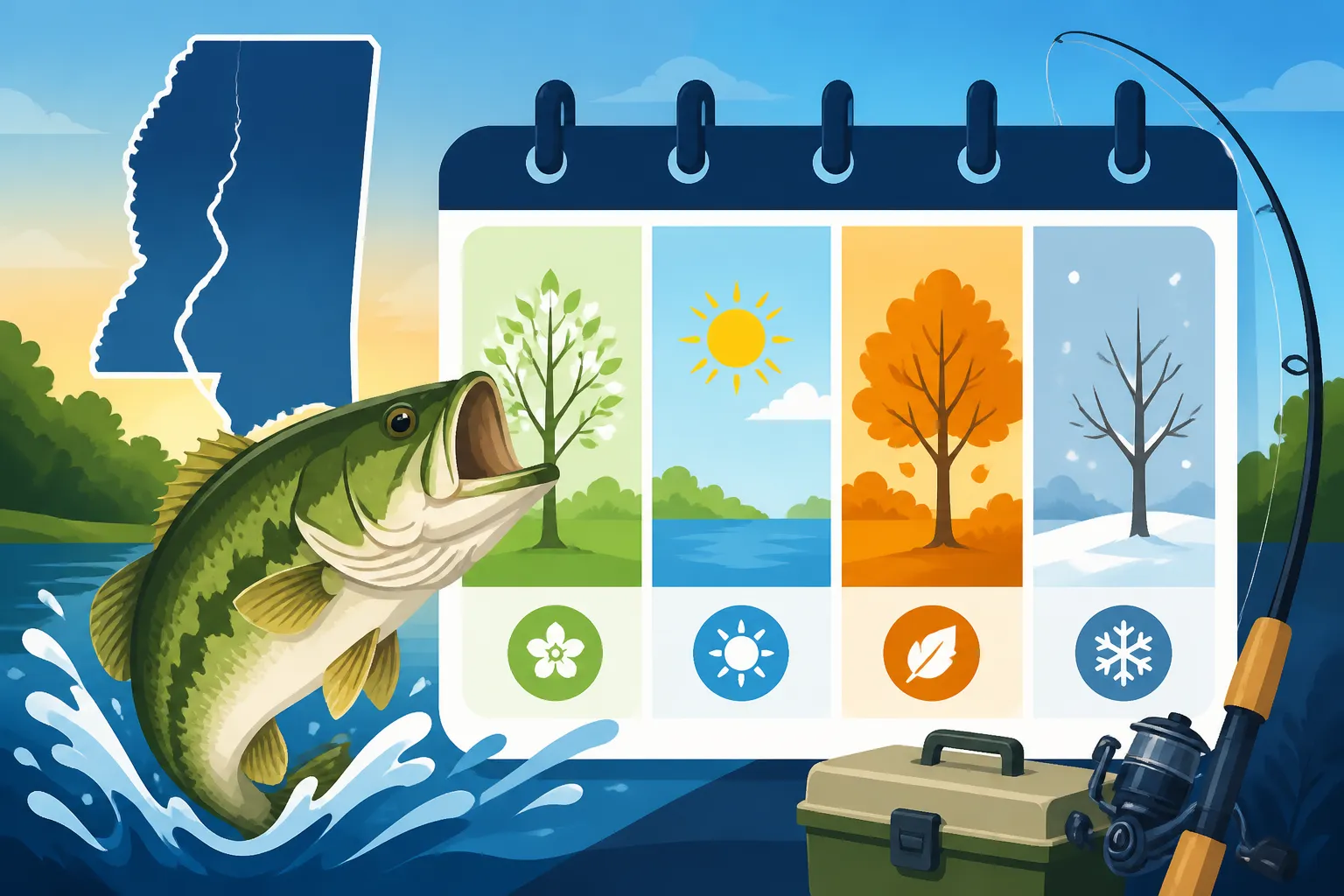
Broadly speaking, Mississippi's fishing year can be broken down into four distinct periods, each offering its own set of challenges and rewards. Spring, from roughly March to May, is an explosion of activity, driven by warming waters and the annual spawn. Summer, June through August, tests an angler's adaptability as fish retreat from the heat. Fall, September to November, presents some of the most consistent and exciting fishing as fish feed heavily. Finally, winter, December through February, demands patience and precision, but can yield some of the biggest fish if you can find them. Each of these seasons applies to both freshwater lakes, reservoirs, and rivers, as well as the vibrant inshore and offshore fisheries of the Mississippi Gulf Coast, though the specific species and tactics will certainly vary.
Spring Fishing: Rebirth and Ramps Up
Ah, spring in Mississippi! The trees are budding, the air is getting warmer, and the fish, well, they're practically jumping out of the water with excitement. This is arguably one of the most anticipated times for anglers, especially those chasing popular freshwater species. The warming water temperatures trigger a biological imperative in many fish: spawning.
Targeting Spawning Bass and Crappie
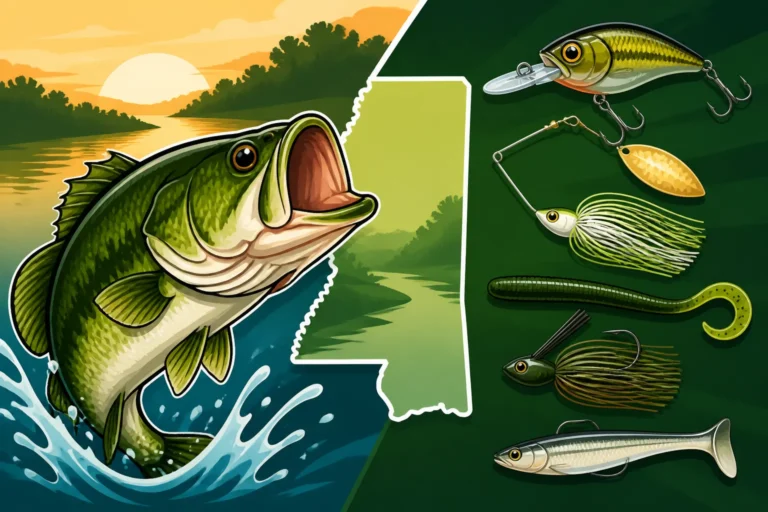
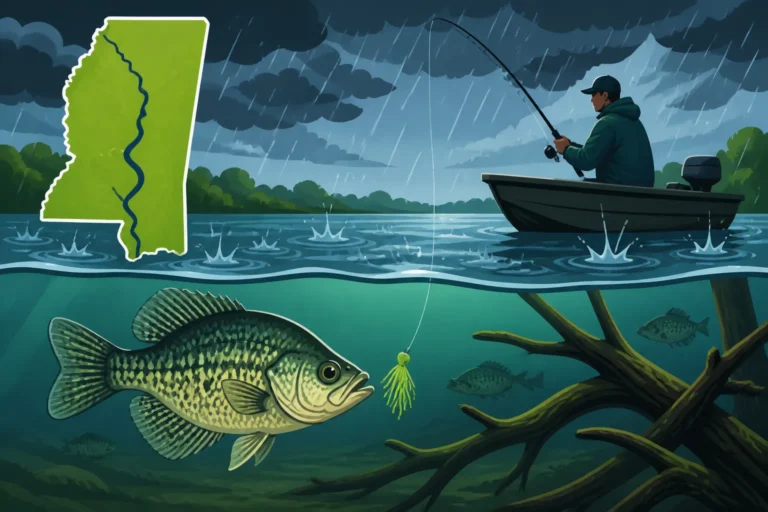
When the water temperatures hit that sweet spot – typically from the high 50s to low 70s Fahrenheit – both largemouth bass and crappie shift into their spawning cycles, making them incredibly accessible and aggressive. The "pre-spawn" phase sees fish staging in slightly deeper water adjacent to their spawning beds, gorging themselves to build energy. This is a fantastic time for big bites. When the actual "spawn" happens, often in shallow coves, on flats, or around submerged cover, bass and crappie move onto their beds. For bass, think shallow-running crankbaits, spinnerbaits, and soft plastics worked slowly around visible cover. Crappie, on the other hand, will be around submerged brush, lily pads, and cypress trees. Targeting them often involves spider rigging with minnows and jigs or vertical jigging those shallow cover areas. Lakes like Grenada Lake and Ross Barnett Reservoir are legendary for their spring crappie and bass action. For a deeper dive into techniques, check out our guides on Crappie Fishing Techniques for Mississippi Lakes and Bass Fishing Techniques for Mississippi Anglers.
Once the spawn is complete, the "post-spawn" can be a bit trickier, as fish are often tired and recuperating. They'll generally retreat slightly deeper to recuperate before resuming more aggressive feeding patterns. Patience and downsizing your baits can be key during this transition. Many anglers focus on areas where baitfish are abundant, as the recovering fish will be looking for easy meals. Look for drop-offs, creek channels, and the edges of weed lines where schools of baitfish might be congregating.
Catfish and Bream Action in Spring
It's not just bass and crappie getting in on the spring action. Catfish, too, become much more active as the water warms, shaking off their winter sluggishness. Channel catfish, blue catfish, and even flatheads will start moving into shallower areas to feed more aggressively. They're often found in river bends, around submerged timber, and in creek channels. Stink baits, cut bait, and live worms are always reliable choices. For detailed strategies, our Catfish Fishing Techniques guide is a must-read.
Meanwhile, for those who love the simpler pleasures of panfishing, spring marks the beginning of fantastic bream fishing. Bluegill and redear sunfish (shellcrackers) will begin their elaborate bedding rituals, creating visible "beds" in shallow, sandy, or gravelly areas. These beds can hold dozens of fish, making for fast and furious action, perfect for introducing kids to fishing. A simple cane pole with a cricket or a red wiggler worm under a bobber is often all you need. Focus on sunny, calm days in protected coves. Our article on Bream and Bluegill Fishing in Mississippi has all the tips you need to fill your cooler with these delicious panfish.
Summer Fishing: Heat, Depths, and Coastline Charms
As the Mississippi sun climbs higher and the temperatures soar, freshwater fishing can become a bit more challenging. However, those who adapt their strategies can still find incredible success, especially by exploring deeper waters or embracing the thrill of night fishing. And of course, summer truly brings the Mississippi Gulf Coast to life for saltwater enthusiasts.
Adapting to Warm Water for Freshwater Species
When the dog days of summer hit, freshwater fish like bass and crappie tend to seek refuge from the heat. This often means moving to deeper, cooler water, or hunkering down in dense, shaded cover such as thick hydrilla mats, beneath lily pads, or around large submerged structures like brush piles and timber. The key is to understand that their feeding windows often shrink to the cooler parts of the day – early morning, late evening, and sometimes, well into the night.
For bass, consider throwing deep-diving crankbaits along ledges and creek channels, or working jigs and Texas-rigged worms slowly through heavy cover. Topwater action can still be incredible during low-light hours. Crappie, too, will migrate to deeper water, often suspending over channel bends or congregating in massive brush piles. Spider rigging or vertical jigging with minnows and jigs can be highly effective once you locate these schools. Remember that electronics become your best friend in summer, helping you pinpoint these deep-water havens. If you want to dive deeper into summer bass tactics, check out How to Catch Bass in Hot Summer Weather. For crappie, understanding How Deep Do Crappie Go in Summer will give you a major advantage.
Mississippi Gulf Coast Saltwater Opportunities
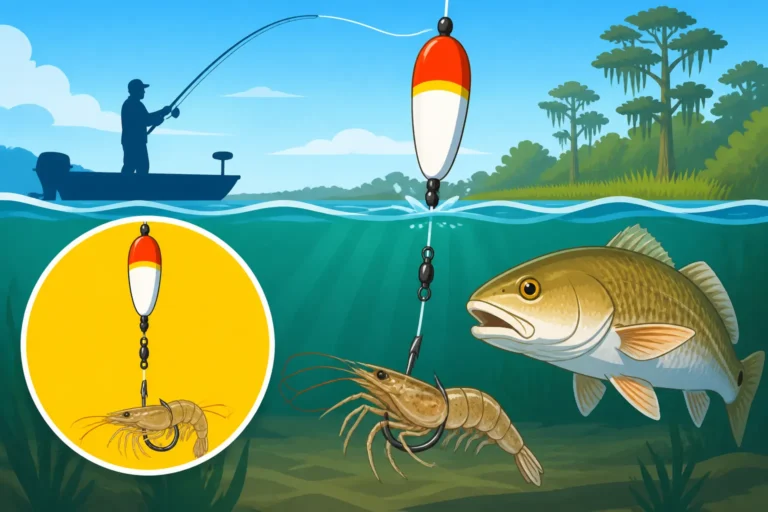
While freshwater fishing requires some adjustments, summer is prime time for saltwater angling along the Mississippi Gulf Coast. The warm waters bring an abundance of baitfish, attracting a wide array of game species. Redfish and speckled trout are staples, found in estuaries, bays, and around marsh grass. They'll readily hit live shrimp, finger mullet, or artificial lures like popping corks with plastic shrimp and topwater plugs during dawn and dusk. Our guides on Redfish Fishing on the Mississippi Coast and Speckled Trout Fishing on the Mississippi Coast are packed with invaluable information for chasing these iconic species.
Beyond the inshore delights, offshore opportunities really open up. The highly anticipated Red Snapper season, though often brief and strictly regulated by federal and state agencies, typically falls within the summer months, drawing anglers far offshore. Other pelagic species like Cobia also make appearances closer to shore, offering thrilling fights. If you're looking to target these, a good charter boat is often the way to go. You'll want to check the latest MDWFP regulations before planning a Red Snapper trip, as the season dates can vary annually. Our Red Snapper Fishing on the Mississippi Coast article offers more details on this exciting fishery. Don't forget your essentials for a day on the water: wide-brimmed hats, UV-protective clothing, and plenty of sunscreen. You can find quality gear and sun protection on platforms like Amazon to ensure you're comfortable and safe during those long, sunny days.
Fall Fishing: Feeding Frenzy and Transition
As the scorching summer heat begins to subside and a crispness returns to the air, fall emerges as one of the most exciting and productive seasons for fishing in Mississippi. The declining water temperatures signal a vital change for many fish species: it's time to eat, and eat big, in preparation for the leaner winter months ahead.
Aggressive Feeding Behavior for Bass and Crappie
Autumn in Mississippi's lakes and reservoirs often means one thing for game fish: a massive feeding frenzy. This is particularly true for largemouth bass and crappie, which key in on abundant baitfish, especially shad, that are also schooling up in larger numbers. As the water cools, these baitfish become more active and migrate towards shallower areas, drawing predatory fish with them. This "shad run" makes for some incredible action.
For bass, fall is a prime time to throw a variety of lures. Topwater baits can still be highly effective, especially on calm mornings, mimicking a struggling baitfish. Crankbaits, particularly those with a shad profile, can be deadly when retrieved along points, humps, and creek channels where bass are ambushing bait. Spinnerbaits and chatterbaits are also fantastic for covering water and triggering reaction strikes from aggressive fish. These fish are often found relating to the same structure they were in summer but might be more willing to chase. Our guide on Fishing the Fall Shad Run in Mississippi is an excellent resource for capitalizing on this exciting period.
Crappie fishing in the fall can be equally rewarding. As the water cools, crappie will begin to school up more tightly, often suspending over brush piles, channel edges, or even in open water following baitfish. Vertical jigging with small jigs or minnows, and especially trolling (sometimes called spider rigging), can be incredibly effective methods for locating and catching these schooling fish. Once you find a school, the action can be non-stop.
River Fishing and Coastal Opportunities
Fall also brings fantastic opportunities to Mississippi's numerous river systems. The Pearl River, Pascagoula River, and the iconic Mississippi River itself become hotspots for catfish and, notably, white bass. White bass runs in rivers and tailwaters can be legendary, with large schools aggressively chasing bait. Small inline spinners, spoons, and jigs are excellent choices for these feisty fighters. Our guide to White Bass Fishing in Mississippi can help you prepare for these exciting runs. For those looking for bigger catfish, fall is a prime time as they continue to feed actively before winter, often in deeper holes and along current breaks. Our comprehensive Mississippi River Fishing Guide has tips for targeting these giants in the mighty river.
Along the Mississippi Gulf Coast, fall fishing for redfish and speckled trout remains strong. As water temperatures continue to drop, these species may move into even shallower bays and marshes, seeking warmer water and abundant baitfish. The cooler temperatures also mean a more comfortable fishing experience for anglers, without the intense summer heat. Live bait remains a top choice, but artificial lures often become even more productive as fish are actively chasing prey. Kayak fishing in the calmer, cooler fall months can be particularly rewarding in these shallow coastal waters.
Winter Fishing: Patience and Deep Water Rewards
While many anglers might pack away their rods and reels once the colder temperatures set in, winter fishing in Mississippi can be surprisingly productive. It demands a different approach – one of patience, precision, and an understanding of how fish react to cold water. If you're willing to brave the chill, you might just find some of the biggest and most unpressured fish of the year.
Locating Deep-Water Fish
During the colder months, the metabolism of most freshwater fish slows down significantly. This means they're less active, feed less frequently, and tend to congregate in predictable, deeper areas where water temperatures are more stable. Crappie, for example, will often suspend over deep channels, seek refuge in large brush piles (natural or man-made), or hold tight to prominent ledges. Bass, too, will move offshore, often relating to deep points, humps, or creek channel bends.
The key to winter success is effectively locating these fish. Sonar and fish finders become indispensable tools, allowing you to scout for schools of fish or concentrations of structure in deeper water. Once located, slow presentations are paramount. For crappie, vertical jigging with tiny jigs (often 1/32 or 1/16 ounce) or slow-trolling minnows are incredibly effective. Bass anglers often turn to jigging spoons, blade baits, or slow-rolling a football head jig along the bottom. Patience is truly a virtue; you might not get many bites, but the ones you do get can often be from larger, quality fish. For specific techniques, our guides on Winter Crappie Fishing in Mississippi and How to Catch Crappie in Cold Winter Water are excellent resources.
Winter Catfish and Bream
Don't count out catfish in the winter, either! While they won't be as actively roaming as in warmer months, blue and channel catfish will still feed, particularly in deeper holes in rivers and reservoirs. They often stack up in slow-moving current breaks or in deep scour holes. Heavy baits like cut bait, chicken liver, or shrimp presented on the bottom are still effective. The bites might be subtle, but if you're patient, you can land some impressive winter catfish.
Bream fishing definitely slows down significantly, but on warmer, sunny days, especially in the late winter, you might find bluegill or redear sunfish congregated in the deepest brush piles or structure. Small worms or crickets presented very slowly and subtly might tempt a few bites. Again, electronics are crucial for pinpointing these elusive winter targets. While it's not the fast-paced action of spring, the satisfaction of catching fish in the dead of winter is a unique reward for the dedicated angler.
Understanding Specific Species Regulations and Peak Times
Navigating the world of fishing seasons and regulations in Mississippi can sometimes feel like solving a complex puzzle. While there are general peak times for certain species, the specific rules – from daily limits to size restrictions – are paramount and can change. Staying informed is crucial for a legal and enjoyable fishing trip.
Key Species & Their Prime Seasons Table
To help simplify your planning, here's a general overview of the prime fishing seasons for some of Mississippi's most popular species. Remember, "peak" means when they are typically most active and accessible, but they can often be caught outside these windows with adapted techniques.
| Species | Peak Season | General Location | Notes |
|---|---|---|---|
| Largemouth Bass | Spring, Fall | Lakes, Reservoirs, Rivers | Spring for spawning aggression, Fall for feeding frenzy. Summer/Winter require deeper, slower tactics. |
| Crappie | Spring, Fall | Lakes, Reservoirs, Rivers | Spring for shallow spawning, Fall for schooling. Winter can be great for big fish in deep water. |
| Catfish | Spring, Summer, Fall | Rivers, Lakes, Reservoirs | Very active in warmer months; still catchable in deep river holes during winter. Night fishing is popular in summer. |
| Bream (Bluegill, Redear) | Spring, Summer | Lakes, Ponds, Rivers | Spring is prime for bedding. Catchable all summer, especially in shaded areas. |
| Redfish | Spring, Summer, Fall | MS Gulf Coast (Inshore) | Strong year-round, but often more active in bays/marshes during cooler spring/fall. Summer means early/late fishing. |
| Speckled Trout | Spring, Summer, Fall | MS Gulf Coast (Inshore) | Excellent in cooler months; early/late day bites in summer. Often found near grass beds and oyster reefs. |
| White Bass | Spring, Fall | Rivers, Reservoirs (tailwaters) | Known for aggressive "runs" in rivers and below dams, especially in early spring and fall. |
| Red Snapper | Summer | MS Gulf Coast (Offshore) | Highly regulated, short federal/state seasons, usually in summer. Check MDWFP for exact dates. |
| Cobia | Spring, Summer | MS Gulf Coast (Nearshore/Offshore) | Migratory fish, typically found from late spring through summer around wrecks, buoys, and reefs. |
This table provides a snapshot, but it's important to understand that variations exist from year to year, and even from lake to lake.
State-Specific Regulations and Resources
This is where things get serious. While knowing the best season is fantastic, it's absolutely non-negotiable to be aware of and abide by Mississippi's specific fishing regulations. These rules are put in place by the Mississippi Department of Wildlife, Fisheries, and Parks (MDWFP) to protect fish populations and ensure sustainable fishing for future generations. Regulations can include:
- Creel Limits: The maximum number of fish of a certain species you can keep in a day.
- Size Limits: Minimum or maximum lengths for keeping a fish. Some species have slot limits, meaning you can only keep fish within a certain size range.
- Season Dates: While many species are open year-round, others, especially saltwater species like Red Snapper, have very specific open and closed seasons.
- Gear Restrictions: Rules about the type of tackle or methods you can use (e.g., limits on the number of rods, legality of trotlines or jug fishing).
These regulations can change, sometimes annually, sometimes mid-season if conservation efforts demand it. Therefore, before every fishing trip, especially if you haven't been out in a while or are visiting a new area, always consult the most current MDWFP fishing regulations. You can typically find their yearly guide online or pick up a physical copy wherever fishing licenses are sold. For a detailed breakdown of all the rules, our article Mississippi Fishing Regulations Explained is an essential read. And don't forget to check Mississippi Fishing Season Dates and Limits for specific species information. To ensure you're always compliant with size and creel limits, having an MDWFP-approved measuring board and a reliable scale is crucial. You can easily find these essential tools for accurate measurement and weight on Amazon.
Beyond the Calendar: Factors Influencing Fishing Success
While a seasonal calendar provides a fantastic roadmap, it's crucial to understand that Mother Nature often has her own agenda. Beyond the general seasons, numerous environmental factors can dramatically influence fish behavior on any given day. A truly successful angler learns to read these subtle cues and adapt their approach accordingly.
Weather, Water Conditions, and Barometric Pressure
The weather forecast is more than just a heads-up on whether you need a raincoat; it's a critical piece of the fishing puzzle.
- Temperature Swings: Rapid drops in air temperature, especially after a warm spell, can send fish into a funk, often pushing them deeper or making them reluctant to bite. Conversely, a stable period of rising temperatures usually gets fish more active.
- Fronts: Fishing right before a cold front rolls through can be fantastic, as fish often feed aggressively in anticipation of the change. After the front passes, with high, clear skies and high barometric pressure, fishing tends to slow down significantly. Fish often become lethargic and hug the bottom. For more on this, consult our guide on Fishing After a Cold Front.
- Rain and Water Clarity: A gentle, steady rain can sometimes turn on a bite, especially for bass, as it breaks up the surface, adds oxygen, and washes in food. However, heavy rains can muddy the water, disperse bait, and make fishing tough, forcing fish to rely more on their lateral lines than sight. Very clear water, on the other hand, often demands lighter lines, longer casts, and more subtle presentations to avoid spooking fish.
- Wind: A light to moderate chop on the water, caused by wind, can be a blessing. It breaks up the surface, making lures look more natural and helping to position baitfish. It also concentrates plankton, which attracts baitfish, which attracts game fish. However, extremely high winds can make boat control and casting difficult, and churn up too much sediment. Understanding How Wind Direction Affects Bass Fishing can be a game-changer.
- Barometric Pressure: Often overlooked, changes in atmospheric pressure significantly impact fish. A falling barometer (indicating an approaching storm or front) often means active fish, as they sense the change and feed aggressively. A high, stable barometer (clear skies after a front) often corresponds with slower fishing.
Learning to observe these factors and adjusting your bait choice, retrieve speed, and depth accordingly is what separates the consistently successful anglers from those who just get lucky.
Moon Phases and Tides for Optimal Fishing
Beyond the daily weather, celestial influences also play a role, particularly the moon and tides.
- Moon Phases: While debated among anglers, many swear by the "solunar theory," which suggests that fish activity correlates with moonrise, moonset, and overhead/underfoot moon positions. Full and new moon phases are often considered prime times for heightened activity due to stronger gravitational pulls affecting both water movement and potentially fish metabolism. While it's not a guarantee, many anglers check a solunar calendar before heading out, especially for freshwater species.
- Tides (Saltwater): For saltwater fishing along the Mississippi Gulf Coast, tides are absolutely critical – arguably more so than moon phases for freshwater. The movement of water, whether incoming or outgoing, creates currents that push baitfish, oxygenate the water, and often position game fish in ambush points. Incoming tides can bring cooler, cleaner water and bait into bays and estuaries. Outgoing tides can pull bait out of the marshes, concentrating fish at bottlenecks. Fishing around tide changes (high slack tide or low slack tide) can often be very productive as fish adjust their positions. Learning to read tide charts and understanding how tides affect specific fishing spots is an essential skill for any coastal angler.
Integrating these environmental factors into your seasonal planning will dramatically increase your chances of having a memorable and productive day on the water, regardless of the calendar month.
Gear and Preparation for Year-Round Fishing
You wouldn't show up to a football game without a helmet, right? The same logic applies to fishing: having the right gear and being properly prepared for the conditions and the species you're targeting is crucial for success and enjoyment, no matter the season.
Essential Gear for Each Season
While a basic rod and reel combo might get you by for general purposes, optimizing your tackle for the season and species at hand can make a world of difference.
- Spring: As fish are often shallow and aggressive, versatile medium-action spinning or baitcasting setups are ideal. Think about having a good selection of shallow-diving crankbaits, spinnerbaits, jigs, and soft plastics for bass. For crappie, light action rods with small jigs and minnow rigs are key. Don't forget waders if you plan on getting out in the shallows for bedding fish!
- Summer: When fish go deep, you'll need gear to match. For bass, heavier action rods capable of handling deep-diving crankbaits, heavy jigs, or punching through thick vegetation are valuable. For crappie, longer jigging poles or specialized spider-rigging setups are common to present baits at specific depths. For saltwater, medium-heavy rods suitable for casting live bait or lures for redfish and speckled trout are standard, along with sturdy tackle for potential offshore catches. Light, breathable clothing and plenty of hydration are non-negotiable.
- Fall: This is a season for versatility. Bass often respond to a wide range of presentations, so having a selection of topwater, crankbaits, spinnerbaits, and jigs ready is smart. Crappie anglers will benefit from trolling setups or sensitive jigging rods. Fall also brings the potential for big river catfish, so a stout rod and heavy line are a good idea. Layered clothing is essential as mornings can be chilly but afternoons pleasant.
- Winter: Patience and sensitivity are key. Ultra-light or light action rods with sensitive tips are best for detecting subtle bites from sluggish fish. Small jigs, spoons, and live minnows are primary baits. Warm, waterproof clothing, insulated boots, and gloves are absolutely essential to stay comfortable and focused on the water. You can find a fantastic array of seasonal fishing apparel, from thermal base layers to waterproof outer shells, on Amazon to ensure you're prepared for any conditions Mississippi throws your way.
Having multiple rod and reel setups rigged differently (e.g., one for topwater, one for plastics, one for crappie jigs) can save valuable time on the water. Ensure your line is fresh and your hooks are sharp!
Planning Your Trip Around the Calendar
Effective trip planning goes far beyond just checking the weather forecast for tomorrow. It involves thoughtful preparation based on the season.
- Research Specific Locations: While this guide offers general insights, specific lakes, rivers, or coastal areas will have their own unique characteristics and peak bite windows. Before you head out, do a little digging. For example, Best Fishing Spots in Mississippi is a great place to start your location research. Are you going to Ross Barnett Reservoir for bass, or Grenada Lake for crappie? Each spot has its own nuances.
- Licenses and Permits: Ensure your Mississippi Fishing License Guide is current and valid for the waters you plan to fish. You might need specific endorsements for saltwater or trout. Nothing ruins a fishing trip faster than a run-in with a game warden over an expired license.
- Booking Guides: If you're targeting a specific species during its prime season, especially for a trophy catch or a challenging technique, consider booking a reputable fishing guide. Guides are on the water constantly and can provide invaluable insights into current patterns, hot spots, and effective techniques. This can be especially beneficial if you're visiting a new area or trying a new type of fishing.
- Safety First: Always prioritize safety. Tell someone where you're going and when you expect to return. Have appropriate safety gear on board (life jackets, first-aid kit, communication device). Weather can change rapidly, so be prepared to adjust or postpone your trip if conditions become unsafe.
By taking the time to prepare and equip yourself properly for each season, you'll not only increase your chances of catching fish but also ensure a more comfortable, enjoyable, and safer experience on Mississippi's beautiful waters.
Disclaimer
The information provided in this guide is for general informational and educational purposes only. Fishing regulations, season dates, and limits are subject to change by the Mississippi Department of Wildlife, Fisheries, and Parks (MDWFP). Always consult the most current MDWFP official regulations guide before engaging in any fishing activities to ensure compliance. This guide does not constitute legal advice.