Mississippi Fishing Regulations Explained
One of the most common headaches for any angler isn't the tangled line or the one that got away, but the sheer confusion of navigating all the different rules and regulations. It can feel like you need a law degree just to cast a line! From licenses to limits, and from freshwater to saltwater, the regulations in Mississippi are put in place for a good reason – to protect our fisheries – but figuring them all out can be a real challenge. This comprehensive guide is here to untangle that knot, breaking down the essential Mississippi fishing regulations so you can spend less time worrying and more time enjoying the water.
Understanding the Foundation of Mississippi Fishing Regulations
Before we dive into the nitty-gritty of specific rules, it's helpful to understand the philosophy behind them. Regulations aren't just arbitrary hoops designed to make your life harder; they are the bedrock upon which sustainable fishing practices are built. Mississippi boasts incredible biodiversity, from the sprawling reservoirs up north to the vibrant Gulf Coast, and managing these resources requires a thoughtful, science-based approach.
The Role of MDWFP in Setting Rules
The Mississippi Department of Wildlife, Fisheries, and Parks (MDWFP) is the primary authority responsible for overseeing and enforcing fishing regulations across the state. They are the folks who conduct biological surveys, monitor fish populations, and study environmental factors to make informed decisions about seasons, limits, and methods of take. Think of them as the stewards of Mississippi's aquatic ecosystems. Their work is crucial because without proper management, our favorite fishing holes could quickly become depleted. They're constantly balancing the interests of recreational anglers, commercial fishermen, and conservationists, which is no easy feat. Changes to regulations often happen after extensive research and public input, aiming to ensure healthy fish stocks for generations to come.
Why Regulations Matter to Every Angler
Beyond just avoiding a hefty fine, understanding and respecting fishing regulations is about being a responsible angler and a good steward of our natural resources. Every time you follow a size limit or adhere to a creel limit, you're contributing to the long-term health of fish populations. Imagine if everyone just kept every fish they caught, regardless of size or species – our lakes and rivers would be barren in no time! Regulations ensure that enough fish can reach maturity to spawn, that popular species aren't overfished, and that diverse ecosystems can thrive. It also creates a more enjoyable experience for everyone, as healthy fisheries mean better fishing opportunities for all. It’s a shared responsibility, and every angler plays a part.
General Statewide Fishing License Requirements
Let's get down to brass tacks: do you need a license to fish in Mississippi? For most people, the answer is a resounding "yes." But like many things in life, there are exceptions. Navigating the different types of licenses and who qualifies for them can feel like a maze, especially if you're new to the state or just visiting.
Resident vs. Nonresident Licensing
Mississippi differentiates between residents and nonresidents when it comes to fishing licenses, and for good reason. Residents, who typically contribute to the state's tax base and economy year-round, often have access to more affordable or comprehensive license options. To qualify as a Mississippi resident, you usually need to have resided in the state for at least 30 consecutive days and hold a valid Mississippi driver's license or state-issued ID. Nonresidents, on the other hand, will generally pay a higher fee for their licenses, which can be annual, three-day, or one-day permits, depending on their planned duration of stay. It’s important to note that a separate nonresident license is required even if you hold a fishing license from your home state. You can find more detailed information in our comprehensive guide on Mississippi Nonresident Fishing License Guide.
For instance, a resident might purchase an annual fishing license that covers them for the entire year, whether they're fishing for bass in Ross Barnett Reservoir or crappie in Grenada Lake. A nonresident planning a week-long vacation to fish the Mississippi Delta might opt for a 3-day or 7-day license. It's crucial to ensure you purchase the correct type of license for your residency status to avoid any legal troubles on the water. Many people find it helpful to check the MDWFP website or consult with a local bait shop before heading out.
Age-Based Exemptions and Special Permits
Not everyone needs a license to fish in Mississippi, and these exemptions are often in place to encourage youth participation or to acknowledge certain groups. Generally, children under the age of 16 are exempt from needing a fishing license. This is fantastic for families looking to introduce their kids to the joys of angling without the added bureaucratic step. It’s a great way to foster a love for the outdoors from a young age.
Additionally, certain groups, such as resident seniors (typically those 65 and older) and resident disabled veterans, may qualify for special exempt licenses or discounts. These often require proof of age or veteran status but can significantly reduce or eliminate the cost of a fishing license. For example, resident seniors can obtain a special "Senior Exempt" license. It's always best to check the specific criteria and application process with MDWFP or on their official website. There are also specific rules around Mississippi Fishing License Exemptions that cover landowners fishing on their own property. Remember, even if you are exempt from a license, all other fishing regulations regarding creel limits, size limits, and methods of take still apply to you.
Where to Obtain Your Mississippi Fishing License
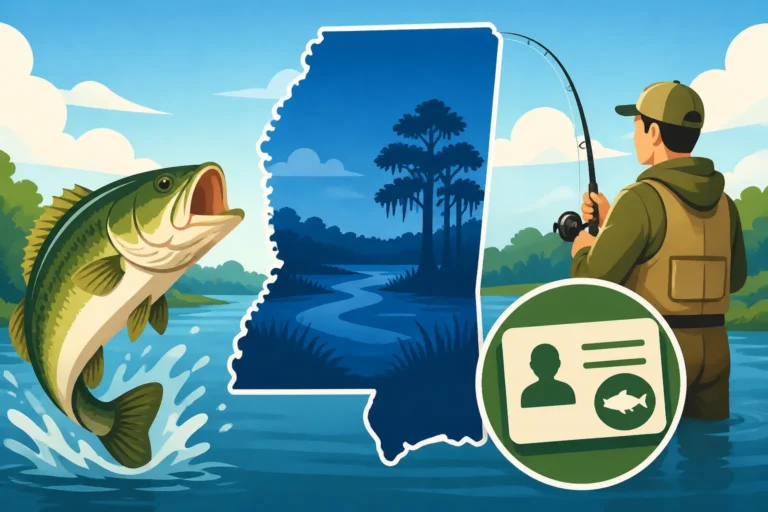
Gone are the days when you had to track down a specific government office to get your fishing license. Today, obtaining your Mississippi fishing license is easier than ever, thanks to multiple convenient options. The most popular method is often online, directly through the MDWFP website. This allows you to purchase and print your license from the comfort of your home, or even pull it up on your smartphone, making it incredibly convenient for spur-of-the-moment trips. This digital format is widely accepted by game wardens.
Beyond online purchases, you can also typically buy licenses from a variety of authorized vendors across the state. These often include local bait and tackle shops, sporting goods stores like Bass Pro Shops or even larger retailers like Walmart. These locations are great because the staff often have firsthand knowledge of local regulations or can answer quick questions you might have. Before you go, it's always a good idea to check their operating hours and ensure they are an official vendor. When purchasing, make sure to have your identification ready, especially if you're claiming residency or a special exemption. For a step-by-step guide, check out our article on How to Get a Mississippi Fishing License. Many anglers also find various accessories, like portable regulation booklets or waterproof license holders, on platforms like Amazon, which can be incredibly useful when out on the water.
Specific Regulations for Freshwater Fishing
Mississippi's freshwater fisheries are incredibly diverse, ranging from large reservoirs like Sardis Lake and Grenada Lake to countless rivers, streams, and private ponds. This diversity means that regulations can vary not just by species, but sometimes even by specific body of water. Staying informed about these nuances is key to a successful and legal fishing trip.
Statewide Creel and Size Limits for Popular Species
When you're fishing in Mississippi's freshwater, certain species are always top targets: largemouth bass, crappie, and catfish. For these popular game fish, there are generally statewide daily creel limits (the maximum number of fish you can keep in a single day) and size limits (minimum or sometimes maximum lengths). These limits are critical for managing fish populations and ensuring that enough fish survive to reproduce.
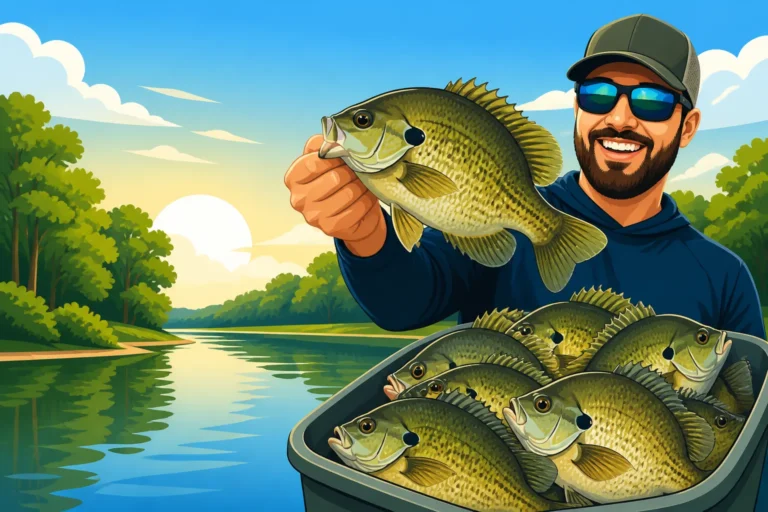
For instance, largemouth bass often have a daily creel limit of 10, with a minimum size limit of 12 inches on most public waters. However, some lakes might have slot limits, where you can keep fish below a certain size and above another, but not within a specific "slot" to protect trophy fish. Crappie (both white and black) typically have a generous daily creel limit of 30, with a minimum size of 9 inches on most reservoirs. Catfish, including channel, blue, and flathead, usually have a combined daily creel limit of 100, though flathead catfish often have a lower individual limit. It's crucial to know these numbers before you hit the water. You can find detailed breakdowns in our article on Mississippi Freshwater Fishing Rules or directly from the MDWFP's official regulations digest.
Rules for Specific Water Bodies
This is where things can get a little tricky. While statewide regulations provide a baseline, many major lakes and reservoirs in Mississippi have their own unique sets of rules, often stricter than the general statewide limits. These site-specific regulations are implemented based on localized biological data and management goals for that particular fishery. For example, a lake that MDWFP is actively trying to grow into a trophy bass fishery might have a higher minimum size limit for bass or even a protected slot limit that differs from the statewide rule.
Take crappie fishing as an example. While the statewide limit for crappie is 30 per day with a 9-inch minimum, specific lakes like Grenada Lake or Sardis Lake might have slightly different rules or even periods when certain rules are adjusted. Always check the specific regulations for the body of water you plan to fish. These localized rules are usually published in the annual MDWFP Outdoor Digest and are often posted at boat ramps and public access points. Ignoring these lake-specific rules could lead to unexpected fines, so a quick check before your trip is always a smart move. For more information, explore specific guides like Mississippi Crappie Regulations by Lake or Mississippi Black Bass Regulations.
Methods of Take and Prohibited Practices
Beyond how many fish you can keep and their size, Mississippi also regulates how you can catch them. Standard rod and reel fishing is universally accepted, of course, but there are rules about how many rods you can use, and other methods have specific guidelines or are entirely prohibited. For example, using more than two poles per angler is often restricted in certain areas or during specific times. Jug fishing and trotlines are popular methods for catfish, but they come with strict labeling requirements and limitations on the number of devices you can deploy.
Certain practices are outright illegal due to their detrimental impact on fish populations or the environment. These include shocking, poisoning, or dynamiting fish – methods that are severely punished. There are also specific rules about spearfishing and the use of gigs, typically reserved for non-game fish species or certain areas. It's vital to understand what methods are allowed for the species you're targeting and in the water you're fishing. For example, while noodling (hand-grabbing) for catfish is legal in Mississippi, it also has specific rules and seasons. Always ensure your chosen method aligns with the state's conservation efforts.
Navigating Mississippi's Saltwater Fishing Regulations
Fishing the Mississippi Gulf Coast offers a completely different experience than freshwater angling, and with that comes a distinct set of regulations. The Gulf is a dynamic environment, shared with neighboring states and federal waters, meaning rules can be influenced by regional and national conservation efforts. From targeting redfish in the marshes to deep-dropping for snapper offshore, understanding these saltwater nuances is crucial.
Saltwater License Requirements and Exemptions
Just like in freshwater, you'll generally need a license to fish in Mississippi's saltwater. For residents, this typically means purchasing a Mississippi Saltwater Fishing License. This license often complements a freshwater license if you plan to fish both environments, or it can be a standalone purchase if your angling adventures are exclusively coastal. Nonresidents also need a specific nonresident saltwater license.
It’s important to note that if you're fishing from a licensed for-hire vessel (like a charter boat), your individual license requirements might be different. Often, the vessel itself holds a blanket license that covers all onboard anglers, but it’s always wise to confirm this with your charter captain beforehand. Similarly, young anglers under 16 years old are generally exempt from saltwater license requirements, encouraging families to enjoy the Gulf's bounty. For a full breakdown, check out our Mississippi Saltwater Fishing License Guide. This guide will explain all the options, from annual licenses to temporary permits for visitors looking to enjoy the Coast.
Coastal Creel and Size Limits for Key Species
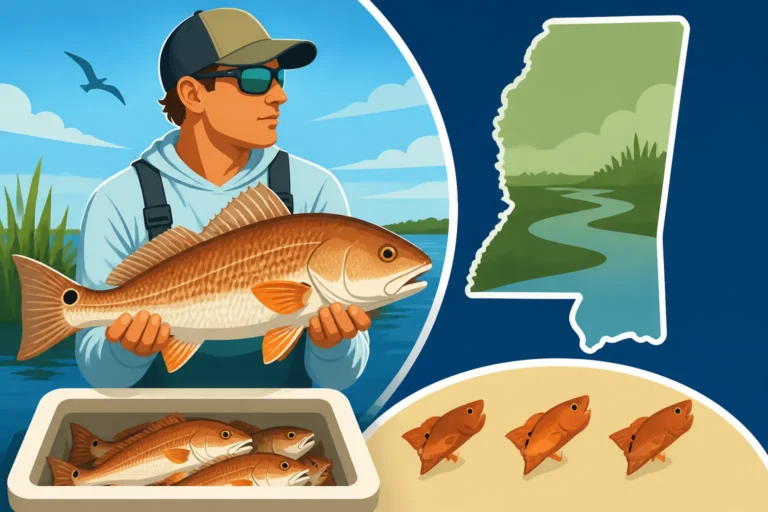
The Gulf Coast is famous for its vibrant game fish, with redfish and speckled trout often topping the list. Each species has specific creel and size limits designed to maintain healthy populations. For example, redfish typically have a slot limit, meaning you can only keep fish within a certain size range (e.g., between 18 and 30 inches, with one fish over 30 inches allowed as part of the total bag limit). This protects both juvenile and large, breeding-size fish. Speckled trout usually have a minimum size and a daily bag limit.
Beyond the popular inshore species, offshore fishing for species like red snapper, amberjack, and grouper comes with its own complex set of rules. These often involve federal regulations, as these fish migrate through federal waters. Limits can change frequently, sometimes even mid-season, based on scientific assessments and harvest quotas. It is absolutely imperative to stay updated on these for species like red snapper, which are managed by federal agencies in addition to the state. Always consult the MDWFP or Gulf of Mexico Fishery Management Council websites for the most current information before heading offshore.
Seasonal Closures and Federal Waters
One of the most significant differences in saltwater fishing is the prevalence of seasonal closures, particularly for species managed in federal waters. Red snapper season, for instance, is notoriously dynamic and can be quite short, sometimes only open for a few weekends a year, and the dates are announced closer to the season. These closures are critical for allowing fish populations to recover and ensuring sustainable harvests in the long term. If you’re planning a trip specifically for a species like red snapper, always check the Mississippi Red Snapper Season Dates well in advance.
Furthermore, understanding the distinction between state and federal waters is vital. Mississippi state waters extend 3 nautical miles from shore. Beyond that, you enter federal waters, where federal regulations take precedence. This is especially relevant for offshore species and can impact your creel limits, size limits, and even the type of gear you can use. Many recreational anglers fishing offshore will use a variety of apps and electronic charts, often available on platforms like Amazon, to precisely identify their location relative to state and federal boundaries. Ignorance of these boundaries is no excuse for violating regulations, so be prepared!
Understanding Gear Restrictions and Prohibited Activities
Fishing is not just about where and when you can fish, or what fish you can keep; it's also about how you can fish. Mississippi has specific regulations concerning the types and amounts of gear anglers can use, as well as certain activities that are either restricted or outright prohibited. These rules are in place to ensure fair chase, prevent overfishing, and protect the delicate aquatic environments.
Number of Poles, Trotlines, and Jugs
For most recreational anglers using a rod and reel, Mississippi generally allows a reasonable number of poles per person. In freshwater, the standard is usually two poles per person, but it's always good to verify any specific lake or river regulations, as some areas may have stricter limits. Imagine the chaos and entanglement if everyone was allowed to set up a dozen rods!
For those who enjoy more passive fishing methods, trotlines and jug fishing are popular, especially for catfish. However, these methods come with strict rules to prevent them from becoming hazards or unmanaged traps. Trotlines, which are long lines with multiple baited hooks, must typically be clearly marked with the angler's name and address or MDWFP customer ID number. There are also limits on the number of hooks and the total length of the trotline. Similarly, jug fishing, where individual lines with hooks are attached to floating jugs, also requires proper labeling and limits on the number of jugs allowed per angler. These regulations ensure accountability and prevent abandoned gear from becoming an issue.
Live Bait Rules and Prohibited Species
What you use to bait your hook is also subject to regulation in Mississippi. While many common live baits like worms, crickets, and minnows are perfectly legal, there are rules governing the collection and use of certain species, especially those that could be invasive. For instance, using certain non-native or invasive fish species as live bait is generally prohibited because if they escape, they could establish populations that harm native ecosystems. It’s always best to use bait native to the area you are fishing or commercially purchased bait from a reputable dealer.
There are also rules about which game fish you can use as bait. Generally, using game fish (like small bass or crappie) as bait is illegal because it circumvents creel limits. However, non-game fish like shad or bluegill, when legally caught, can often be used as bait. Always check the regulations to confirm which species are allowed as bait and if any size restrictions apply to baitfish. Being careful about your bait choices helps prevent the spread of diseases or unwanted species into new waters.
Noodling, Bowfishing, and Other Specialized Methods
Mississippi allows several specialized fishing methods that are unique and often thrilling, but each comes with its own set of detailed regulations. Noodling, also known as hand-grabbing for catfish, is a prime example. This ancient technique, where anglers catch catfish by hand, often by luring them out of underwater holes, is legal in Mississippi, but it has a specific season, usually from May 1 to July 15. This seasonal restriction is in place to protect catfish during their spawning period, ensuring the method doesn't negatively impact their populations.
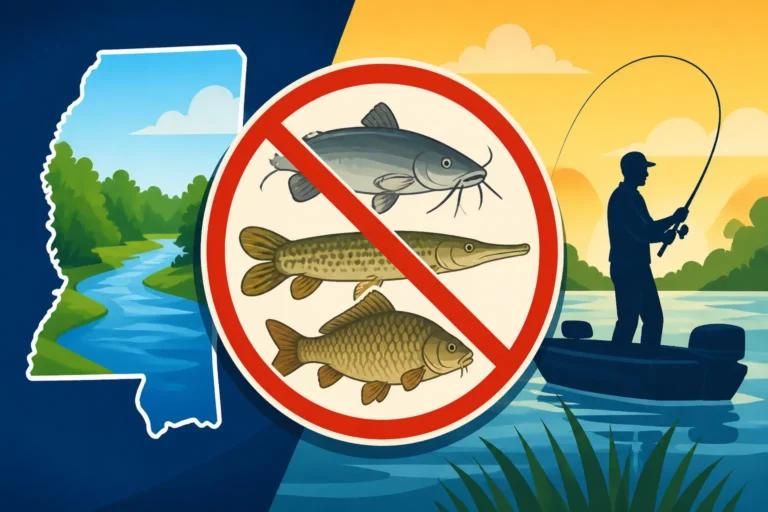
Bowfishing, another popular and exciting method, involves shooting fish with an arrow attached to a line. This is typically permitted for non-game fish species like gar, carp, and buffalo, which often have no creel or size limits. However, there are rules about where and when bowfishing is allowed, and game fish are usually protected from this method. Spearfishing also falls into this category, with regulations specifying which fish can be speared and in what waters. These specialized methods require a keen understanding of the rules to participate legally and safely. For instance, you won't want to accidentally spear a protected game fish. If you're considering trying one of these unique techniques, dedicate time to thoroughly understanding the specific Mississippi Non-Game Fish Rules and associated gear requirements.
Fishing in Border Waters and State Parks
Mississippi's geographic location means it shares significant waterways with neighboring states, and it also boasts a fantastic network of state parks with fishing opportunities. These unique situations come with their own sets of regulations that can sometimes be a bit different from standard statewide rules, requiring anglers to be particularly attentive.
Reciprocity and Rules for Shared Rivers
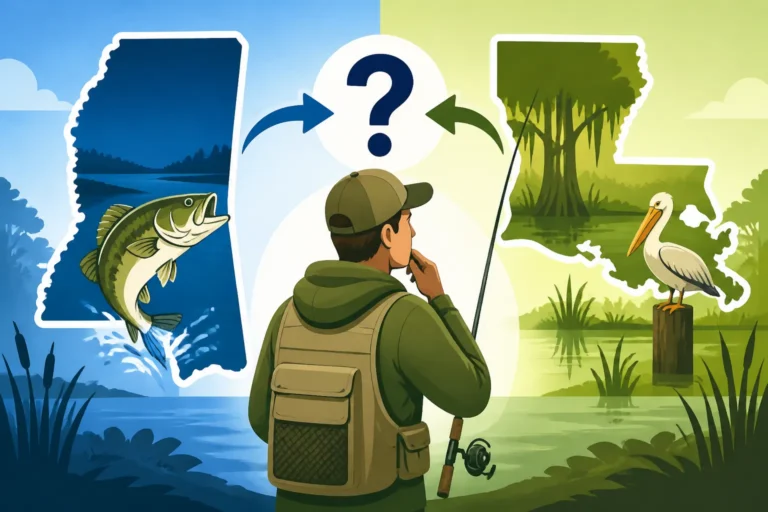
The Mississippi River, the state's namesake, is a prime example of a border water where things can get a little complicated. When fishing on shared waterways like the Mississippi River (with Louisiana and Arkansas) or the Tennessee-Tombigbee Waterway (with Alabama), you might encounter reciprocal agreements. These agreements, designed to simplify things for anglers, sometimes allow a fishing license from one state to be valid in the border waters of the other, but usually under specific conditions. For example, a Mississippi resident might be allowed to fish certain parts of the Mississippi River from the Louisiana bank with their Mississippi license, but only if they remain within the agreed-upon border waters and abide by the regulations of the state whose license they hold.
It is absolutely crucial to understand the specifics of any reciprocity agreement before you fish these shared waters. The boundaries can be invisible lines on the water, and fishing outside of them without the correct license can lead to fines. Always consult the MDWFP regulations for precise details on Mississippi Border Water Fishing Rules or directly contact the wildlife agencies of both states involved. Don't assume your license from one state automatically covers you everywhere in a shared river.
State Park Lake Permits and Regulations
Mississippi's state parks offer some fantastic, often well-managed, fishing opportunities. Many of these parks feature pristine lakes that are regularly stocked and maintained for recreational angling. While your regular Mississippi fishing license is typically required to fish in state parks, some parks may also require an additional daily or annual permit specifically for their lake. This is common in smaller, managed lakes where the revenue from permits helps cover stocking and maintenance costs.
For example, lakes within Percy Quin State Park or Lake Lowndes State Park might have a small additional fee on top of your state license. These permits are usually inexpensive and can be purchased at the park office or gate. Beyond permits, state park lakes might also have their own specific regulations regarding creel limits, size limits, or even methods of take, which could differ slightly from statewide rules. This is often done to enhance the quality of fishing in these managed environments. Always check with the park office upon arrival or visit the MDWFP website for information on Mississippi State Park Lake Fishing Permits before you cast a line to avoid any surprises.
Consequences of Violating Fishing Regulations
Nobody wants their relaxing day on the water to end with a ticket or, worse, a court appearance. Understanding the potential consequences of violating Mississippi's fishing regulations is an important part of being a responsible angler. These rules aren't just suggestions; they carry legal weight, and game wardens are out there to enforce them.
Penalties, Fines, and License Revocation
The severity of penalties for fishing violations in Mississippi depends largely on the nature and extent of the infraction. A minor offense, like accidentally being one fish over the creel limit, might result in a warning or a relatively small fine. However, more serious violations, such as fishing without a license, keeping undersized fish, or using illegal fishing methods, can lead to substantial fines, often ranging from hundreds to even thousands of dollars. Repeated offenses or very serious infractions, like commercial poaching or using illegal fish-killing methods, can result in much harsher penalties, including jail time, confiscation of gear (boats, rods, etc.), and the revocation of your fishing privileges for an extended period.
A common scenario is forgetting your license at home. Even if you technically have one, if you can't produce it when asked by a game warden, you could still face a fine. The state's system tracks violations, and accumulating them can lead to a suspension of your ability to purchase future licenses. It's truly not worth the risk. If you're curious about the specifics, our article on What Happens If You Fish Without a License in Mississippi? delves into this topic in detail.
How to Report Violations and Stay Informed
As responsible anglers, we all have a role in protecting Mississippi's fisheries. If you witness a fishing violation, such as someone greatly exceeding bag limits, fishing with illegal gear, or dumping pollutants, reporting it to the authorities is encouraged. You can typically report violations to the MDWFP by calling their dispatch number or contacting a local game warden. Providing as much detail as possible (location, description of individuals, vehicle information, type of violation) can greatly assist enforcement efforts. You don't have to be a vigilante, but being observant helps.
Staying informed about regulations is easier than ever. The MDWFP publishes an annual Outdoor Digest, which is essentially the bible of all hunting and fishing regulations. This digest is available online and in print at many license vendors. Regularly checking the MDWFP website for updates is also a good practice, especially before trips to specific lakes or for species with dynamic seasons, like those on the Gulf Coast. Many local bait shops also keep up with the latest rules and can offer guidance.
Staying Up-to-Date with Regulation Changes
One of the most challenging aspects of complying with fishing regulations is that they aren't static. Fisheries management is an ongoing process, and rules can change from year to year, or even mid-season, based on scientific data, environmental factors, and population trends. What was perfectly legal last year might have changed this year, and getting caught unaware is a common frustration.
Official Resources and Annual Digests
The single most important resource for staying current on Mississippi fishing regulations is the official Mississippi Department of Wildlife, Fisheries, and Parks (MDWFP) Outdoor Digest. This comprehensive guide is published annually and covers all hunting and fishing regulations for the upcoming year. You can typically find it online as a downloadable PDF on the MDWFP website, or pick up a physical copy at most bait and tackle shops, sporting goods stores, and MDWFP offices across the state. It details statewide creel limits, size limits, season dates, methods of take, and special regulations for specific water bodies.
Beyond the annual digest, the MDWFP website is an invaluable tool for real-time updates. Changes, especially emergency closures or modifications to federal water species seasons (like red snapper), are often posted immediately on their site. Subscribing to their email newsletters or following their social media channels can also provide timely alerts. Before any fishing trip, particularly if it's been a while since your last outing or if you're visiting a new location, a quick check of these official resources is highly recommended. Many anglers even download the PDF to their phone or tablet so they have it readily accessible on the water. Accessories like regulation summary cards, often sold on Amazon, can also be useful for quick reference.
Why Continuous Education is Key
The ever-evolving nature of fishing regulations means that continuous education isn't just a suggestion; it's a necessity for responsible angling. Relying on what you "heard" from a buddy or what you "remember" from years past can easily lead to unintentional violations. Fish populations fluctuate, environmental conditions shift, and management strategies adapt. For example, a new invasive species might prompt changes in bait regulations, or a particularly strong spawning season could lead to increased bag limits for a species.
By proactively educating yourself each season, you not only avoid potential fines and penalties, but you also become a more effective conservationist. You'll understand why certain rules are in place, which deepens your appreciation for the resource. Taking a few minutes to review the Mississippi Fishing Regulations Explained and related guides like Mississippi Fishing Season Dates and Limits at the start of each year, or before a major fishing trip, is a small investment of time that pays huge dividends in peace of mind and ethical angling. It helps ensure that our incredible Mississippi fisheries remain vibrant for everyone to enjoy, now and in the future.
Statewide Freshwater Creel and Size Limits for Popular Species
To give you a clearer picture of some common regulations, here's a table summarizing the general statewide limits for some of Mississippi's most popular freshwater game fish. Remember, these are statewide rules, and specific lakes or rivers may have different regulations, so always double-check for your chosen fishing spot!
| Species | Daily Creel Limit | Minimum Size Limit | Notes |
|---|---|---|---|
| Largemouth Bass | 10 | 12 inches | Some lakes have slot limits or higher minimums. |
| Spotted Bass | 10 | 12 inches | Combined with Largemouth Bass. |
| Smallmouth Bass | 10 | 12 inches | Combined with Largemouth and Spotted Bass. |
| Crappie (White/Black) | 30 | 9 inches | Many reservoirs have specific regulations. |
| Channel Catfish | 100 (combined) | None | Combined with Blue and Flathead Catfish. |
| Blue Catfish | 100 (combined) | None | Combined with Channel and Flathead Catfish. |
| Flathead Catfish | 10 (combined) | None | Combined with Channel and Blue Catfish, 10 is the total. |
| Bream/Sunfish | 100 (combined) | None | Includes Bluegill, Redear Sunfish, etc. |
| White Bass | 25 | None | |
| Hybrid Striped Bass | 10 | 15 inches | Combined with Striped Bass. |
Note: These limits are subject to change. Always consult the current MDWFP Outdoor Digest for the most up-to-date regulations.
Disclaimer
The information provided in this guide is intended for general informational purposes only and does not constitute legal advice. While we strive to ensure accuracy and provide the most up-to-date information available, fishing regulations are subject to change by the Mississippi Department of Wildlife, Fisheries, and Parks (MDWFP). It is the sole responsibility of each individual angler to be aware of and comply with all current federal, state, and local fishing laws and regulations before engaging in any fishing activity. Always consult the official MDWFP Outdoor Digest or their website for the most current and precise regulatory details.