Mississippi Bream and Bluegill Limit
There’s nothing quite like a day spent on a Mississippi lake or river, casting a line for those feisty bream and bluegill. It’s simple, joyful fishing that often brings back childhood memories. But as much as we all love reeling in those panfish one after another, the thought of accidentally breaking a regulation can cast a shadow over an otherwise perfect day. Understanding the daily limits for bream and bluegill in Mississippi is crucial, not just to stay on the right side of the law, but to help ensure our cherished fishing spots remain bountiful for generations to come. This guide will walk you through the specifics, helping you fish with confidence and responsibility.
Understanding Bream and Bluegill Limits in Mississippi
The Mississippi Department of Wildlife, Fisheries, and Parks (MDWFP) sets clear guidelines for how many fish you can keep, and for popular panfish like bream and bluegill, these rules are pretty straightforward, though it always pays to know the nuances. It’s easy to get caught up in the excitement when the bite is hot, but staying mindful of your creel limit is an essential part of responsible angling.
The Statewide Daily Creel Limit for Panfish
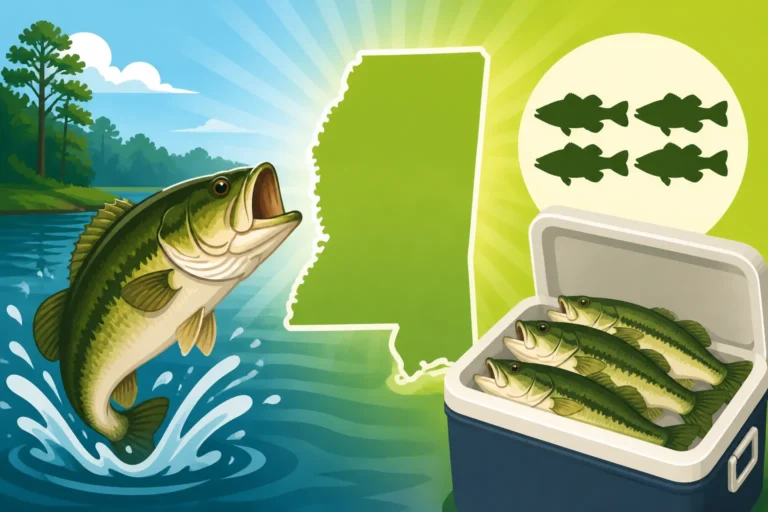
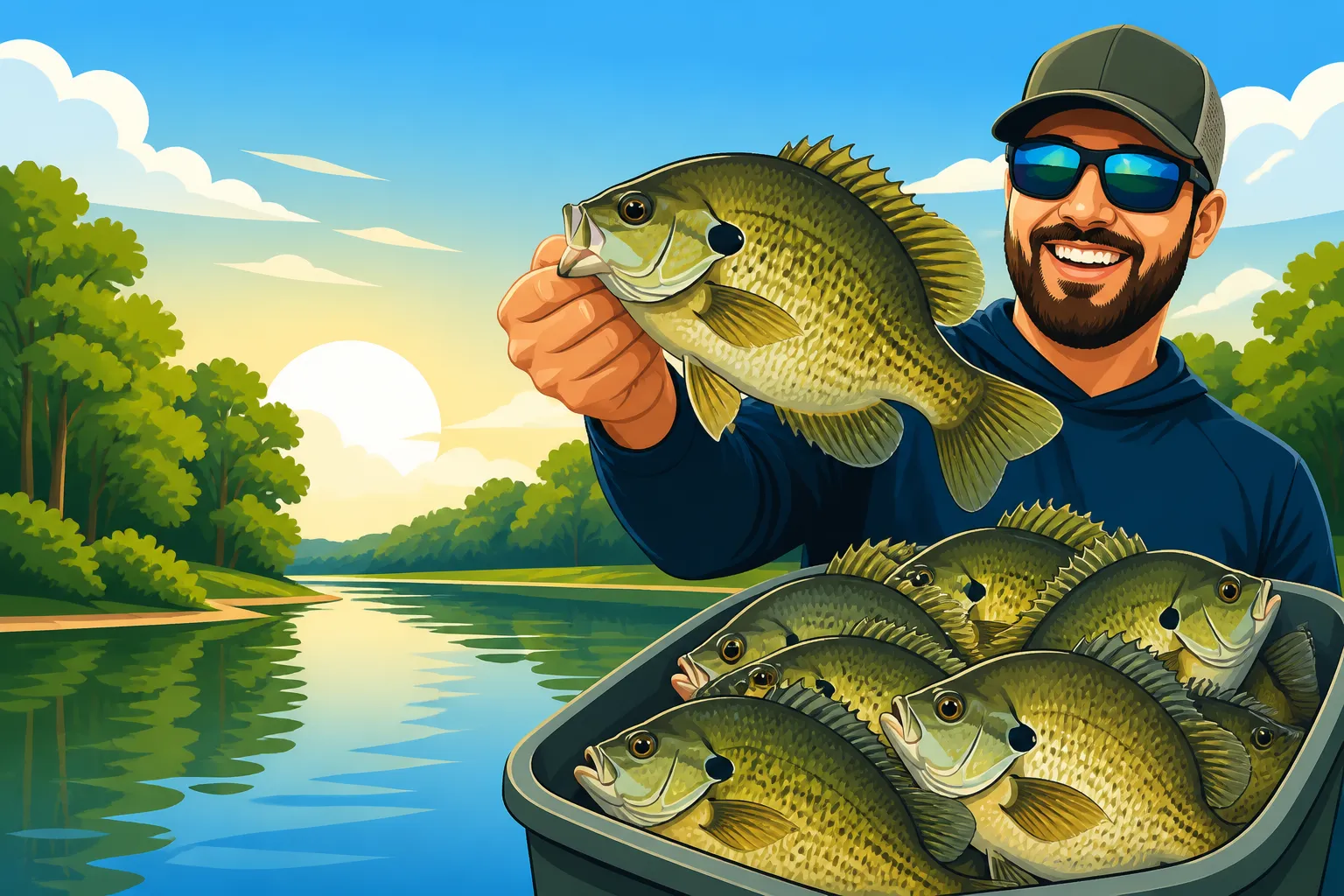
In Mississippi, the general statewide daily creel limit for what most folks call "bream" is generous, reflecting their abundance and reproductive success. This category typically includes popular species like bluegill, redear sunfish (often called shellcrackers), green sunfish, and warmouth. The standard limit is 50 fish per person per day, in any combination of these sunfish species. This means if you catch 30 bluegill and 20 redear sunfish, you've hit your combined limit of 50.
This limit is designed to allow anglers ample opportunity to enjoy their catch while still protecting the overall health of the fish populations. Imagine a small pond being fished by dozens of people daily, all taking as many fish as they can. Without limits, those ponds would quickly become depleted, ruining the fishing for everyone. The MDWFP has carefully studied these populations to determine a sustainable number, allowing for consistent recreational fishing enjoyment year after year. For a broader overview of all the rules, check out our guide on Mississippi Fishing Regulations Explained.
Species-Specific Nuances and Lake Exceptions
While the 50-fish aggregate limit is the rule of thumb across the state, it's vital to remember that not all waters are created equal. Sometimes, specific lakes or bodies of water, particularly those managed intensively by the MDWFP, might have slightly different or additional regulations. These exceptions are usually put in place to manage unique biological situations, such as recovering populations or trophy management programs.
For instance, while bream species usually fall under the general panfish limit, it’s always wise to check if you’re fishing a particular state-managed lake or a small community pond. These localized rules are often posted prominently at boat ramps or access points. It’s a good habit to consult the latest MDWFP fishing guide or their official website before heading out to an unfamiliar spot. This proactive approach ensures you're aware of any deviations from the Mississippi Freshwater Fishing Rules that might apply to your chosen destination. Even experienced anglers can sometimes be surprised by a hyper-local rule, so a quick check can save a lot of headaches.
Combined Limits: How It Works
The concept of a "combined limit" can sometimes trip up new anglers or those used to single-species limits. For bream and bluegill in Mississippi, it means you can't just catch 50 bluegill and then decide to go for another 50 redear sunfish. Your total aggregate catch of all sunfish species for the day cannot exceed 50.
Let's imagine a scenario: You and a buddy are fishing on a local reservoir. You're both having a fantastic time, and the bluegill are biting aggressively. By lunchtime, you've managed to put 35 bluegill in your livewell. Your buddy, meanwhile, has been targeting some of the larger redear sunfish and has 15. Together, that's 50 fish for each of you. Even though you only have 35 bluegill, you've reached your individual daily limit because your combined catch of sunfish species is 50. This structure is clearly laid out in the Mississippi Statewide Creel Limits documentation and is designed to simplify enforcement and ensure fairness, preventing overharvesting of any single panfish species while still providing a generous daily allowance for anglers.
Why These Regulations Exist
It might feel restrictive at times, especially when you're having one of those "fish on every cast" days, but fishing regulations aren't just there to make our lives harder. They are carefully crafted tools for conservation, ensuring that the natural resources we all enjoy today will still be there for future generations of anglers. Understanding the 'why' behind the rules can really help you appreciate their importance.
Ensuring Sustainable Populations
The primary reason for daily creel limits on bream, bluegill, and other fish species is to maintain healthy, sustainable fish populations. Bream and bluegill are incredibly prolific, but even their numbers can be impacted by consistent, unchecked harvesting. If too many large breeding-age fish are removed from a system, the reproductive capacity of the population can decline, leading to fewer fish available in the future.
Biologists with the MDWFP constantly monitor fish populations across the state, conducting surveys and collecting data on fish health, growth rates, and reproductive success. They look at factors like how many fish are being caught, how big they are, and what environmental pressures they face. Based on this scientific research, they adjust limits as needed to prevent overfishing and ensure that there are always enough fish left in the water to reproduce and keep the ecosystem thriving. This delicate balance ensures that popular spots, like those described in Best Spots for Bream and Bluegill in Mississippi, remain productive.
Fair Access for All Anglers
Another significant aspect of fishing limits is promoting fair and equitable access to the resource for everyone. Imagine if there were no limits. A few highly skilled or determined anglers could potentially harvest a massive number of fish, leaving fewer opportunities for others, especially those just starting out or families looking for a relaxing day on the water.
Creel limits ensure that the harvest is distributed more evenly among all licensed anglers. This means that whether you're a seasoned pro with all the latest gear or a parent taking a child fishing with a simple cane pole, everyone has a reasonable chance to catch fish and take home a meal. It's about sharing the bounty and recognizing that our fishing waters are a public trust, meant for the enjoyment and benefit of all Mississippians and visitors. These regulations help manage fishing pressure, especially during peak times like those covered in the Mississippi Fishing Season Dates and Limits, making sure everyone gets a fair shot.
Practical Application of Limits on Your Fishing Trip
Knowing the rules is one thing, but practically applying them on the water is another. When you're in the zone, reeling in fish, it can be easy to lose track. Here are some tips to help you stay compliant and enjoy your day without worry. Remember, even if you’re fishing with a group, each individual angler is responsible for adhering to their own daily limit.
Counting Your Catch Accurately
The excitement of a hot bite can make it easy to miscount, especially with smaller fish that pile up quickly. To avoid accidentally exceeding your bream and bluegill limit, develop a system for keeping track. A simple clicker counter, often used by golf pros or event organizers, is a cheap and effective tool. You can find these on Amazon for just a few dollars. Each time you put a fish in the livewell or stringer that you intend to keep, give it a click. This makes it impossible to lose count.
Another method is to use a dedicated cooler or stringer for each angler in your party. If you're fishing with family, ensure each person manages their own catch and understands their individual limit. For instance, if four people are fishing, and the limit is 50 per person, the group total could be 200 fish. However, each individual must stop when their 50 fish are kept. Don't be tempted to "share" a friend's limit if you've hit yours; that's still considered exceeding your personal creel limit.
Checking for Local Regulations Before You Go
While the statewide 50-fish limit for bream and bluegill is generally consistent, it cannot be stressed enough: always check the most current regulations for the specific body of water you plan to fish. The MDWFP publishes an annual Outdoor Digest, which is available online, at license vendors, and often at park offices. They also have a robust website and sometimes an app that provides real-time regulation updates.
This is especially critical if you're venturing to a new lake or river, or if you're fishing in a Mississippi State Park Lake Fishing Permit area, as these often have their own unique rules to manage their specific ecosystems. A quick check of the MDWFP's official site before you leave home can prevent an embarrassing situation or, worse, a fine. Even seasoned anglers can sometimes get caught off guard if they don't stay updated. Don't forget, you'll also need to make sure you have the proper licensing. If you're wondering, "Do You Need a License to Fish in Mississippi?" the answer is almost always yes for public waters. Our Mississippi Fishing License Guide has all the details.
Managing Your Catch Responsibly
Once you've reached your daily limit, the responsible thing to do is either switch to catch-and-release fishing or pack up for the day. Continuing to fish with the intention of keeping more than your limit is illegal, even if you try to cull smaller fish later. If you decide to practice catch-and-release after hitting your limit, be sure to handle the fish gently, minimizing their time out of water, and releasing them quickly to maximize their survival chances.
Proper storage of your kept fish is also crucial. Keep them alive in a livewell if possible, or immediately put them on ice in a cooler. A quality cooler, readily available on Amazon or at local sporting goods stores like Bass Pro Shops, is invaluable for preserving the quality of your catch, especially on hot Mississippi days. For those interested in identifying the specific types of panfish you might encounter, our Panfish Species Found in Mississippi guide offers more details. And if you're looking for specific bait or fly patterns to target these species, don't forget to check out Best Bait for Redear Sunfish or Best Fly Patterns for Bluegill.
Mississippi Bream and Bluegill Daily Limit Summary
To help you keep track, here's a quick summary of the common limits for bream and bluegill (sunfish species) in Mississippi:
| Category | Regulation | Notes |
|---|---|---|
| Statewide Daily Limit | 50 fish per person, combined aggregate of all sunfish species | Includes Bluegill, Redear Sunfish, Green Sunfish, Warmouth, etc. |
| Minimum Size Limit | Generally no statewide minimum size limit for bream/bluegill | Focus is on daily creel limit; always check for any rare lake-specific size limits. |
| Possession Limit | Equal to the daily creel limit for each day spent fishing | You cannot possess more than the daily limit multiplied by the number of days legally fished (e.g., 2 days of fishing = 100 fish). |
| Lake-Specific Exceptions | Rare, but possible for intensely managed lakes or state park lakes | Always check local signage or MDWFP regulations for the specific body of water you intend to fish. |
| Commercial Harvest | Different rules apply for commercial fishing | This guide focuses on recreational limits only. |
Disclaimer
Please remember that fishing regulations can change. While we strive to provide the most accurate and up-to-date information, it is ultimately your responsibility to consult the official Mississippi Department of Wildlife, Fisheries, and Parks (MDWFP) regulations before each fishing trip. This guide is for informational purposes only and should not be considered legal advice.