Mississippi Statewide Creel Limits
Oh, the sheer joy of reeling in a fantastic catch in Mississippi! There’s truly nothing quite like it. But then, as that excitement courses through you, a little voice often pops into your head: "Wait, how many of these can I actually keep?" That nagging question, that fear of accidentally breaking the rules, can really put a damper on what should be a relaxing day on the water. It’s a common frustration, and honestly, the regulations aren't always crystal clear or easy to find in one spot. This guide is here to untangle those complexities, helping you understand Mississippi’s statewide creel limits so you can fish with confidence and peace of mind.
Understanding Mississippi's Statewide Creel Limits
Fishing regulations, especially creel limits, can sometimes feel like a moving target. One day you’re sure of it, the next you hear something different, and suddenly you’re second-guessing everything. It’s not just you; these rules are in place for really good reasons, and understanding their purpose helps immensely in following them.
What Exactly is a Creel Limit and Why Do We Have Them?
At its core, a creel limit is the maximum number of fish of a particular species that an angler is allowed to harvest and keep in a single day. Think of your "creel" as your basket or cooler – it's what you're filling with your keepers. These limits aren't arbitrary numbers pulled from a hat; they are scientifically determined by wildlife agencies, like the Mississippi Department of Wildlife, Fisheries, and Parks (MDWFP), to manage fish populations effectively. The main goal? To ensure that our incredible fishing resources remain healthy and abundant for generations to come. Without these limits, overfishing could quickly deplete certain species, leading to ecosystem imbalances and, frankly, a lot fewer fish for all of us to enjoy. It's all about sustainability.
Consider the classic example of crappie fishing. If every angler kept every crappie they caught, especially during prime spawning season, the population would quickly dwindle. Setting a daily limit allows enough fish to remain in the water to reproduce, grow, and contribute to a robust fishery year after year. It's a balancing act: allowing anglers to enjoy their sport while simultaneously protecting the future of that sport.
Daily Limits vs. Possession Limits: The Key Difference
This is one of the most common areas of confusion for many anglers, and it's absolutely crucial to grasp the difference. A daily limit refers to the maximum number of fish you can catch and keep during one calendar day. If you go fishing from sunrise to sunset, that's your daily limit window. The moment midnight strikes, a new day begins, and theoretically, a new daily limit applies.
However, a possession limit is a different beast entirely. This refers to the total number of fish you can have in your possession at any given time, whether they were caught today, yesterday, or the day before. This typically includes fish in your cooler, in your boat, in your vehicle, or even at your home if they haven't been processed (filleted and packaged for long-term storage). The possession limit is usually, but not always, twice the daily limit. The intent here is to prevent anglers from stockpiling large quantities of fish over multiple days without having to report them or adhere to sustainable harvest practices. For instance, if the daily limit for a certain species is 10, and the possession limit is 20, you could catch 10 today and 10 tomorrow, bringing your total to 20. But if you already have 20 fish from previous trips at home, you cannot legally keep any more until some of those older fish are consumed or properly processed. Always check the specific regulations for the species and location you're fishing, as these can vary. Understanding this distinction is vital to avoid unintended violations.
The Role of MDWFP in Managing Fish Populations
The Mississippi Department of Wildlife, Fisheries, and Parks (MDWFP) is the primary authority responsible for setting and enforcing all fishing regulations in the state, including creel limits. Their fisheries biologists and wildlife managers continuously monitor fish populations across Mississippi's diverse waterways. They conduct extensive surveys, study growth rates, assess spawning success, and analyze angler harvest data to make informed decisions. It's a complex job that involves a lot of science and careful observation.
These dedicated professionals gather data from various sources – electrofishing surveys, gill netting, angler creel surveys (where they interview fishermen at boat ramps), and even public input. This information helps them understand the health of specific fish stocks, identify potential threats, and predict future trends. For example, if a particular lake shows signs of a declining crappie population due to heavy fishing pressure, the MDWFP might implement a more restrictive creel limit or even a size limit for that specific body of water to help the population recover. Conversely, if a species is overpopulated and stunted, they might liberalize limits to encourage harvest. Their goal is always to balance recreational opportunities with ecological sustainability. You can always find the most up-to-date information directly from their official publications, which detail everything you need to know about Mississippi Fishing Regulations Explained.
Freshwater Statewide Creel Limits for Popular Species
Mississippi is a paradise for freshwater anglers, boasting an incredible array of lakes, rivers, and ponds teeming with popular game fish. However, to keep these fisheries thriving, specific statewide creel limits are in place. It's important to remember that while there are general statewide rules, some specific lakes or river systems might have more restrictive or unique regulations, often referred to as "lake-specific" or "site-specific" limits. Always consult the official MDWFP regulations before heading out, especially if you're venturing to one of our big reservoirs.
Black Bass Regulations: Largemouth, Spotted, and Smallmouth
Black bass—encompassing Largemouth, Spotted, and Smallmouth Bass—are undoubtedly the kings of Mississippi's freshwater game fish. Anglers across the state spend countless hours chasing these powerful fighters. To protect these prized populations, Mississippi has established clear statewide creel limits for black bass.
Currently, the statewide daily creel limit for all black bass species combined is 10 fish per person. This means you can keep a combination of largemouth, spotted, or smallmouth bass, but the total number cannot exceed 10. There's usually a size restriction as well, which is often a 12-inch minimum length for largemouth and spotted bass, but this can vary by waterbody. For instance, some of our trophy bass lakes might have slot limits (e.g., you can only keep fish under 16 inches or over 22 inches, with a protected slot in between) or higher minimum sizes to promote the growth of larger fish. Always double-check the specific lake you're targeting; for example, the rules at Ross Barnett Reservoir might differ slightly from those at Lake Washington. The MDWFP provides detailed information on Mississippi Black Bass Regulations to help anglers stay compliant. Many anglers use a simple measuring board, often found on Amazon, to quickly check fish length before deciding to keep or release.
Crappie Limits: White and Black Crappie Guidelines
Crappie, whether white or black, are another hugely popular freshwater target in Mississippi, especially during the spring spawn. These panfish are delicious and provide exciting angling action. To sustain these prolific fisheries, the MDWFP has set statewide creel limits for crappie.
The statewide daily creel limit for crappie (both white and black combined) is generally 30 fish per person. This limit is quite generous, reflecting the reproductive capacity of crappie. However, just like with bass, crappie regulations can have lake-specific variations. For example, some of our most famous crappie lakes, like Grenada Lake, Sardis Lake, Enid Lake, and Arkabutla Lake, might have slightly different size or creel limits depending on annual surveys and population health. These specific regulations are put in place to ensure these renowned fisheries remain productive. It's a good idea to research Mississippi Crappie Regulations by Lake before you launch your boat, as ignoring these can lead to fines. These variations are a testament to the MDWFP's adaptive management strategies to maximize fishing opportunities while maintaining healthy populations.
Catfish Regulations: Channel, Blue, and Flathead Catfish
Catfish are a staple in Mississippi, cherished for their fighting spirit and excellent table fare. Anglers pursue Channel, Blue, and Flathead Catfish across the state's rivers and reservoirs. The statewide creel limits for catfish are designed to manage these robust populations.
For Channel Catfish, the statewide daily creel limit is 10 fish per person.
For Blue Catfish, the statewide daily creel limit is 10 fish per person.
For Flathead Catfish, the statewide daily creel limit is 5 fish per person.
These limits are set to allow for substantial harvest while still ensuring a healthy breeding population. Again, some specific waterbodies or river segments, particularly on the Mississippi River, might have nuances to these rules, especially concerning larger "trophy" class fish. It's always a smart move to review the specific Mississippi Catfish Regulations before you go, especially if you're trying a new spot. Catfish can grow to impressive sizes, and knowing your limits ensures you're fishing responsibly. Many anglers who target catfish rely on a sturdy digital scale, easily purchased from retailers like Amazon, to weigh their catches and track their success within legal limits.
Bream, White Bass, and Hybrid Striped Bass Limits
Beyond the major game fish, Mississippi offers fantastic fishing for a variety of other species, each with its own set of statewide creel limits designed for sustainability.
Bream (Sunfish Species): This category includes popular panfish like Bluegill, Redear Sunfish (Shellcrackers), and other sunfish. These are often targeted by families and anglers looking for consistent action. The statewide daily creel limit for bream is 50 fish per person, a generous limit that reflects their rapid reproduction rates and abundance. There are typically no size limits for bream, making them an excellent choice for kids and beginner anglers.
White Bass: Known for their schooling behavior and exciting "runs," white bass provide thrilling fishing opportunities, especially in the spring. The statewide daily creel limit for white bass is 25 fish per person, with no minimum size limit. They are an aggressive schooling fish, making it easy to catch a lot once you find a school, so this limit helps manage that potential for overharvest.
Hybrid Striped Bass (Wipers): These exciting sport fish are a cross between striped bass and white bass, offering a powerful fight. They are stocked in several Mississippi reservoirs. The statewide daily creel limit for hybrid striped bass is 10 fish per person, with a minimum length of 15 inches. It’s important to accurately identify these fish, as true striped bass (less common in many freshwater systems) might have different regulations. Remember, these limits are in place to ensure you can keep enjoying the fantastic Mississippi Freshwater Fishing Rules for years to come.
Navigating Mississippi's Saltwater Creel Limits
While often overshadowed by the freshwater bounty, Mississippi's Gulf Coast offers incredible saltwater fishing opportunities. From the fertile inshore marshes and bays to the deep blue waters of the Gulf of Mexico, a diverse array of species awaits. Just like in freshwater, stringent creel limits are critical to maintaining these vibrant marine ecosystems. The regulations for saltwater species can be more complex due to migratory patterns, federal waters, and ongoing conservation efforts, making it essential to be thoroughly informed before you cast a line.
Redfish and Speckled Trout: Coastal Favorites
Redfish (Red Drum) and Speckled Trout (Spotted Seatrout) are arguably the most iconic inshore game fish on the Mississippi Gulf Coast. Both are highly sought after for their fighting ability and delicious meat. Their popularity means strict regulations are necessary to ensure their populations remain healthy.
For Redfish, the statewide daily creel limit is generally 3 fish per person, with a slot limit of 18 to 30 inches total length. This means you can only keep redfish that measure within that 18 to 30-inch range. Any redfish shorter than 18 inches or longer than 30 inches must be immediately released. This slot limit is a powerful conservation tool, protecting both juvenile fish (under 18 inches) that haven't had a chance to spawn and large breeding adults (over 30 inches) that are vital for future generations.
For Speckled Trout, the statewide daily creel limit is typically 15 fish per person, with a minimum size limit of 15 inches total length. This means any speckled trout caught under 15 inches must be released. It's crucial to measure these fish accurately before putting them in your cooler. Both redfish and speckled trout are often found in the same habitats, like grassy flats, oyster beds, and bayou entrances, so anglers frequently target both species on a single outing. Keeping a reliable measuring tape, perhaps one you ordered from Amazon, securely attached to your kayak or boat is a must. Knowing the Mississippi Redfish and Speckled Trout Limits is fundamental for a responsible day on the water.
Flounder, Sheepshead, and Other Nearshore Species
Beyond redfish and speckled trout, the Mississippi Sound and its estuaries teem with a variety of other popular nearshore species, each with its own management regulations.
Flounder: Prized for their delicate flavor, flounder are often caught by anglers sight-fishing or using bottom rigs. The statewide daily creel limit for flounder is generally 10 fish per person, with a minimum size limit of 12 inches total length. Flounder gigging also falls under these regulations, with participants needing to adhere to the same creel and size limits.
Sheepshead: Known as "convict fish" due to their distinctive black and white stripes, sheepshead are challenging to hook but offer excellent eating. They are often found around pilings, jetties, and oyster reefs. The statewide daily creel limit for sheepshead is typically 10 fish per person, with a minimum size limit of 14 inches total length.
Black Drum: While not as popular as redfish, black drum are common in Mississippi's brackish waters and can grow quite large. The statewide daily creel limit for black drum is 5 fish per person, with a slot limit of 14 to 30 inches total length. One fish over 30 inches is allowed within the 5 fish limit.
These nearshore species add wonderful variety to a coastal fishing trip. However, because they share habitats and are often caught incidentally while targeting other species, it’s vital to be able to identify them quickly and accurately measure them to stay within the prescribed limits. This is all part of adhering to the broader Mississippi Saltwater Fishing License Guide rules.
Offshore Species: Red Snapper, Cobia, and More
Venturing into the deeper waters of the Gulf of Mexico opens up opportunities for truly impressive catches, but with offshore fishing comes an even more complex web of regulations, often involving both state and federal rules. Species like Red Snapper and Cobia are highly regulated due to their popularity and migratory patterns.
Red Snapper: This highly sought-after species is managed by both state and federal authorities, leading to a highly anticipated, but often brief, season each year. When the season is open, the Mississippi state daily creel limit for Red Snapper is typically 2 fish per person, with a minimum size limit of 16 inches total length. It's critical to note that the season length and specific dates for Red Snapper can vary annually and are often announced just weeks or even days before opening. Staying informed on Mississippi Red Snapper Season Dates is paramount, as fishing for them outside the season, even accidentally, can lead to severe penalties.
Cobia (Ling): These powerful, migratory fish are a favorite among offshore anglers. The statewide daily creel limit for Cobia is usually 2 fish per person, with a minimum size limit of 36 inches total length (fork length). Cobia are known to appear in Mississippi waters during their spring and fall migrations, and many anglers specifically target them during these windows. Reviewing Mississippi Cobia Fishing Regulations will provide specific details on seasons and methods.
King Mackerel and Spanish Mackerel: These fast-swimming predators are popular targets further offshore. For King Mackerel, the daily creel limit is typically 3 fish per person, with a minimum size of 24 inches fork length. For Spanish Mackerel, the daily creel limit is generally 15 fish per person, with a minimum size of 12 inches fork length.
Fishing offshore means being aware of which waters you are in – state waters (up to 9 nautical miles from shore) versus federal waters (beyond 9 nautical miles). Federal regulations can, and often do, differ from state regulations, especially for highly migratory species. Charter captains are usually well-versed in these nuances, but if you're venturing out on your own boat, comprehensive knowledge of both state and federal limits is non-negotiable.
Special Circumstances and Varying Regulations
Just when you think you've got a handle on the statewide rules, Mississippi throws a few curveballs your way. Not all waters are treated equally, and certain locations or situations come with their own unique sets of regulations. It's these special circumstances that often trip up even experienced anglers, so paying close attention to these details can save you a lot of headache and potential trouble.
State Park Lakes and Other Permitted Waters
Mississippi is home to a wonderful network of State Fishing Lakes and State Parks that offer excellent fishing opportunities, often in more controlled and accessible environments. These lakes, managed directly by the MDWFP or State Parks, frequently have their own specific creel and size limits that can differ from the general statewide regulations. These variations are usually implemented to enhance the fishing experience, create trophy fisheries, or manage smaller, more contained fish populations.
For example, a State Fishing Lake might have a more restrictive crappie limit (e.g., 15 fish instead of 30) or a higher minimum size limit for bass (e.g., 14 inches instead of 12) to promote larger fish. Some might even have "catch-and-release only" zones or specific rules about bait use. To add another layer, many of these lakes require a special Mississippi State Park Lake Fishing Permits in addition to your regular statewide fishing license. The reasoning is sound: these lakes often receive higher fishing pressure or are specifically managed for certain outcomes, and tailored regulations help achieve those goals. Always check the signage at the lake entrance, the park office, or the MDWFP website specifically for the lake you plan to visit. Assuming statewide rules apply everywhere is a common mistake that can lead to an uncomfortable conversation with a game warden.
Border Water Fishing Rules: The Mississippi River and Beyond
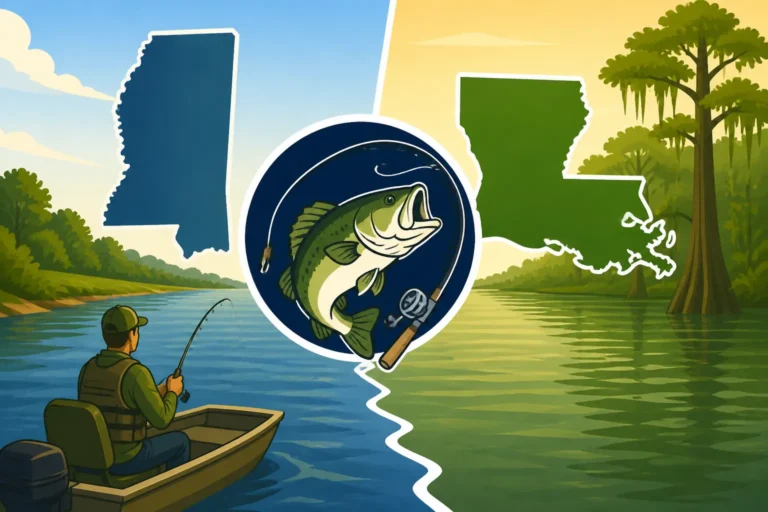
Fishing on shared waters, especially those that form state boundaries, introduces another layer of complexity to creel limits. The most prominent example in Mississippi is, of course, the mighty Mississippi River, which borders Louisiana and Arkansas. Other border waters include the Tennessee-Tombigbee Waterway (with Alabama) and certain streams shared with other states.
When fishing in these border waters, you need to understand which state's regulations apply. Generally, if you are actively fishing from the bank or in the main channel on the Mississippi side of the river, Mississippi's regulations apply. However, it gets trickier. Often, agreements between bordering states allow anglers with a valid fishing license from either state to fish the shared waters, but they must still adhere to the creel and size limits of the state in which they are licensed or, in some cases, the more restrictive of the two states. For instance, the Mississippi River might have a unique set of length or bag limits for certain species like catfish or paddlefish that differ from statewide regulations further inland.
This is a critical area where misinformation can easily lead to violations. Imagine you're fishing the Mississippi River near Vicksburg, and your buddy from Louisiana tells you their crappie limit is higher. If you're licensed in Mississippi, you still might be bound by Mississippi's limits, or vice-versa. Always clarify the exact rules for Mississippi Border Water Fishing Rules and any reciprocal agreements. It's usually safest to adhere to the most restrictive limit if there's any doubt. Ignorance of the law is not an excuse, and a quick check before you launch can save you a hefty fine.
Considerations for Tournaments and Youth Anglers
Fishing tournaments and youth fishing events are fantastic ways to enjoy the sport, but they too come with specific considerations regarding creel limits and regulations.
Fishing Tournaments: Many organized fishing tournaments, especially for bass or crappie, implement their own rules regarding fish handling, measuring, and weigh-ins. While these tournament-specific rules might govern how fish are handled, they do not override state creel and size limits. Tournament anglers must always adhere to the MDWFP's daily and size limits. In fact, many tournaments are catch-and-release, where fish are measured, quickly weighed, and released to minimize mortality, and only the largest fish within the legal slot are brought to the scales. Tournament organizers are usually very clear about how state regulations interface with their event rules, but it remains the individual angler's responsibility to know and follow the state's official Mississippi Fishing Season Dates and Limits.
Youth Anglers: Mississippi generally encourages youth participation in fishing, and there are often exemptions or different requirements for younger anglers. For instance, children below a certain age typically do not need a fishing license. However, even if they don't need a license, they are almost always still subject to the same creel and size limits as adult anglers. The idea is that everyone contributes to the sustainable harvest. When taking children fishing, it's a perfect opportunity to teach them about conservation and responsible angling practices, including how to properly measure and identify fish and adhere to limits. Even if a child catches 50 bream, that still counts towards the overall party limit if they are not licensed or the limits apply to everyone in the boat. Make sure you understand Do Kids Need a Fishing License in Mississippi? and any associated creel responsibilities.
| Species Category | Statewide Daily Creel Limit | Minimum Size Limit (if applicable) |
|---|---|---|
| Black Bass (all types) | 10 | Generally 12 inches (varies by lake) |
| Crappie (all types) | 30 | Varies by lake (some have 9 or 11 inches, some none) |
| Channel Catfish | 10 | None |
| Blue Catfish | 10 | None |
| Flathead Catfish | 5 | None |
| Bream (Sunfish) | 50 | None |
| White Bass | 25 | None |
| Hybrid Striped Bass | 10 | 15 inches |
| Redfish (Red Drum) | 3 | 18-30 inch slot (1 over 30" allowed) |
| Speckled Trout | 15 | 15 inches |
| Flounder | 10 | 12 inches |
| Sheepshead | 10 | 14 inches |
| Black Drum | 5 | 14-30 inch slot (1 over 30" allowed) |
| Red Snapper (Season-Specific) | 2 | 16 inches |
| Cobia (Ling) | 2 | 36 inches (fork length) |
Note: This table provides general statewide guidelines. Always consult the latest MDWFP regulations for the most accurate and up-to-date information, as limits can change, especially for specific waterbodies or seasonal species.
Avoiding Violations and Understanding Penalties
Nobody wants to have their fantastic fishing trip ruined by an unexpected run-in with a game warden or, worse, a fine. Understanding and respecting creel limits is not just about following the rules; it's about being a responsible steward of Mississippi's natural resources. While most violations are unintentional, they can still carry significant consequences. Being proactive and informed is your best defense against potential trouble.
Common Mistakes That Lead to Creel Limit Violations
It’s easy to make a mistake, especially when you’re excited about a successful day of fishing. However, even innocent errors can lead to violations. Here are some of the most common pitfalls anglers fall into:
- Miscounting Fish: This sounds simple, but it happens. You're constantly catching, keeping, and releasing, and maybe you lost track. This is especially true when multiple anglers are in a boat. Designate one person to keep a running tally or use a physical clicker counter, which can be easily purchased from Amazon, to keep accurate track.
- Misidentifying Species: Some fish look very similar, but have different limits. For instance, distinguishing between a spotted bass and a largemouth bass, or a white crappie and a black crappie, can be tricky for beginners. Even seasoned anglers can confuse a white bass with a small hybrid striped bass. Always err on the side of caution. If you're unsure, it's best to release the fish or confirm its identity with a reliable guide or app.
- Ignoring Lake-Specific Regulations: As mentioned earlier, many popular lakes like Grenada, Sardis, or the State Park Lakes have unique limits that supersede statewide rules. Assuming the general limit applies everywhere is a recipe for a ticket. Always check the specific regulations for the body of water you're fishing.
- Forgetting About Possession Limits: This is a big one. You might be within your daily limit, but if you have a cooler full of fish from yesterday's trip still in your vehicle, you could easily exceed the possession limit. This also applies to fish kept at home that haven't been consumed or fully processed for long-term storage.
- Not Knowing Size Limits: Keeping a fish that is too small (or, in the case of slot limits, too large) is just as much a violation as exceeding the number limit. Always carry a reliable measuring device.
- Improper Fish Cleaning: Cleaning or filleting fish before reaching your final destination can sometimes be a problem. In many cases, game wardens require you to keep fish in a state where they can be counted and measured to verify compliance. This means leaving enough of the skin on or keeping the fish whole until you're off the water or at a designated cleaning station. While some species have exceptions, it’s best to know the rules before you start filleting.
What Happens If You Exceed Creel Limits?
The consequences of exceeding creel limits in Mississippi can range from a warning to significant fines, confiscation of your catch and gear, and even potential loss of fishing privileges. The exact penalty often depends on the severity of the violation (how many fish over the limit), the species involved, and whether it’s a repeat offense.
If a game warden discovers you have violated creel limits, they will likely issue a citation. These citations come with monetary fines, which can quickly add up. For example, being over the limit by a few crappie could result in a fine per fish over the limit, plus court costs. More egregious violations, or those involving highly protected species, can lead to much steeper penalties. Beyond the financial hit, a violation can result in the confiscation of your fish, and in some cases, your fishing gear, including rods, reels, or even your boat if the violation is severe enough. Repeat offenders might face the suspension or revocation of their fishing license, meaning you won't be able to fish in Mississippi for a period of time. It's a serious matter, and the MDWFP takes these violations seriously to protect our natural resources. Knowing Mississippi Fishing License Penalties and Fines is crucial, not just for licenses, but for all regulations including creel limits.
Best Practices for Measuring, Counting, and Releasing Fish
To ensure you stay compliant and contribute to healthy fish populations, adopt these best practices:
- Know Before You Go: Before every fishing trip, take a few minutes to review the current MDWFP regulations for the specific body of water and species you plan to target. The MDWFP website is your best friend here.
- Keep a Tally: If multiple people are fishing from a boat, designate one person to keep a running count of all fish kept, or use individual clicker counters. This minimizes confusion and ensures accuracy.
- Measure Accurately: Always carry a reliable measuring device. A flat, sturdy measuring board that allows you to lay the fish flat against a ruler is ideal. Ensure the fish's mouth is closed for total length measurements and that the tail is squeezed or fanned for accurate length readings. If it's a slot limit, be meticulous with both minimum and maximum lengths.
- Proper Release Techniques: For fish that are under the size limit, over the limit, or outside a slot limit, proper release is paramount for their survival.
- Handle Minimally: Try to keep the fish in the water as much as possible.
- Wet Hands: Always wet your hands before touching a fish to protect its slime coat, which is crucial for disease resistance.
- Support the Fish: If you must remove it from the water, support its entire body, especially larger fish, to avoid internal injuries. Avoid holding fish solely by the jaw, particularly larger bass, as this can damage their spine.
- Remove Hook Quickly: Use needle-nose pliers or a dehooking tool to remove hooks quickly and gently. If a fish is deeply hooked, it's often better to cut the line as close to the hook as possible rather than tearing internal organs.
- Revive If Necessary: For exhausted fish, especially in warmer water, gently hold them upright in the water and move them back and forth to force water over their gills until they regain strength and can swim away on their own.
By being mindful of these practices, you not only avoid potential penalties but also actively participate in the conservation efforts that make Mississippi a phenomenal fishing destination.
Disclaimer
The information provided in this guide is for general informational purposes only and is not a substitute for official legal advice or current regulations. Fishing regulations, including creel limits, size limits, and seasons, are subject to change by the Mississippi Department of Wildlife, Fisheries, and Parks (MDWFP) and other governing bodies. It is the individual angler's responsibility to consult the most current official MDWFP regulations before engaging in any fishing activity. Always verify rules directly through the MDWFP website or official publications.