Do Kids Need a Fishing License in Mississippi?
One of the most common questions new parents, grandparents, or guardians ask when planning a fishing trip in the Magnolia State is whether their little ones need a license. It’s a completely valid concern, as navigating fishing regulations can often feel like wading through thick mud. Nobody wants to accidentally break the rules when all they're trying to do is create cherished memories with kids on the water. This comprehensive guide will clear up all the confusion about whether kids need a fishing license in Mississippi, detailing the specific age exemptions, important exceptions, and what adults need to know to ensure a smooth, legal, and fun outing for everyone.
Understanding Mississippi's Youth Fishing License Rules
It’s truly wonderful to see families getting out on the water and introducing the next generation to the joys of fishing. Mississippi understands the importance of fostering this love for the outdoors, which is why the state has made some thoughtful provisions regarding fishing licenses for its youngest anglers. Generally speaking, the rules are quite friendly for children, aiming to remove barriers to entry rather than create them. However, "generally speaking" doesn't cover every scenario, and that's where the details really matter.
Age Exemptions for Young Anglers
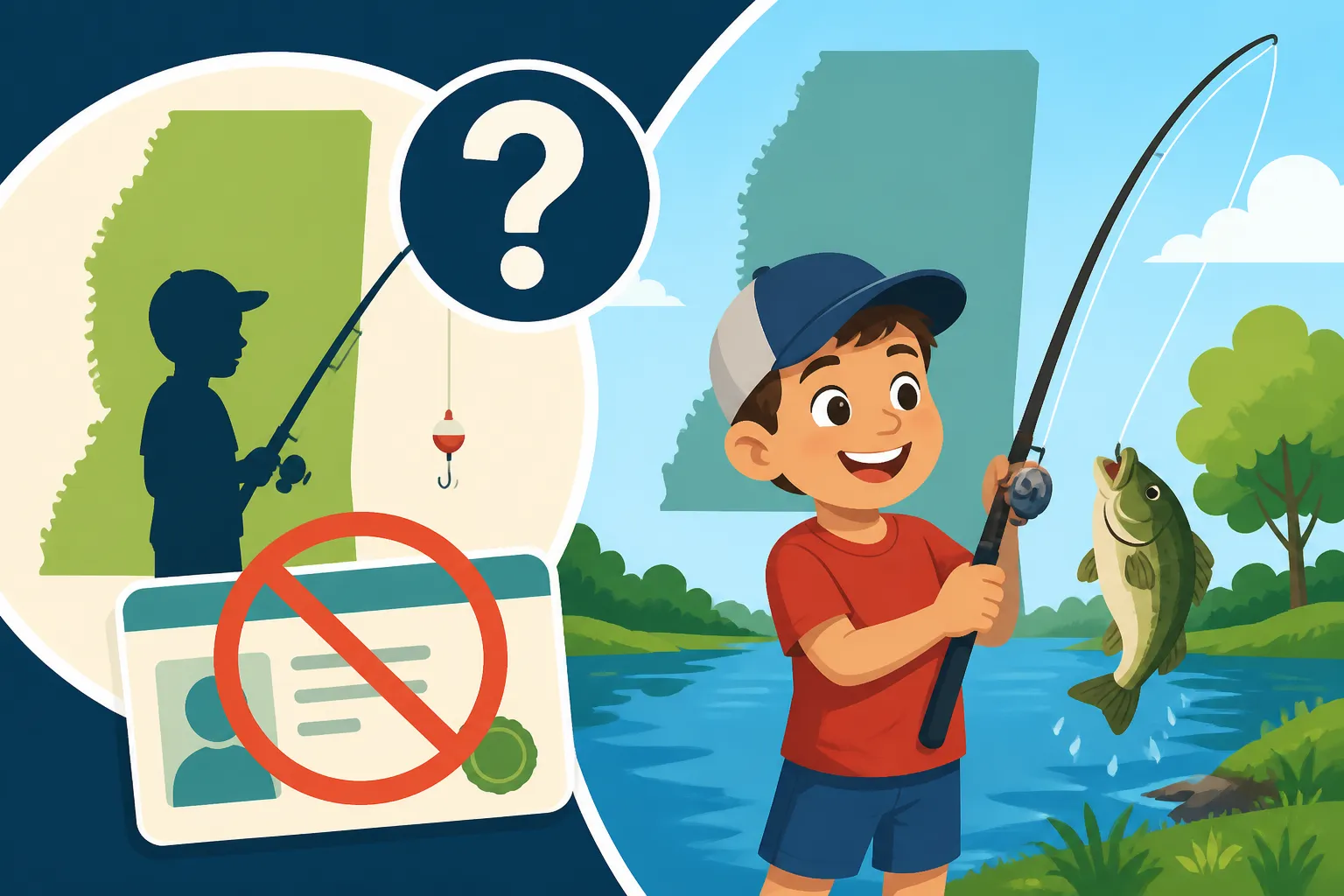
Let's get right to the heart of the matter for our budding Mississippi anglers. The Mississippi Department of Wildlife, Fisheries, and Parks (MDWFP) has a clear stance on youth licenses, designed to encourage participation without the burden of paperwork or fees for the youngest among us. For residents, any child under the age of 16 is exempt from needing a fishing license to fish in Mississippi's public waters. This means if you've got a resident 5-year-old, a 10-year-old, or even a 15-year-old who lives here in Mississippi, they can grab a rod and reel and start casting without a license in hand. It’s a fantastic way to introduce them to the sport without the hassle, letting them focus purely on the excitement of the catch.
This exemption is a huge relief for many families. Imagine trying to explain license types and fees to a curious youngster who just wants to feel the tug of a crappie or a catfish on their line. The state essentially says, "Go ahead, make those memories, we'll worry about licenses when they're a bit older." It simplifies the process immensely for parents, especially when planning spontaneous trips to local ponds or lakes. It’s worth noting that this applies to all forms of recreational fishing, whether they're dangling a worm from a dock or trying their hand at casting a small lure from a kayak.
Now, if you're visiting from out of state, the rules for children are just as accommodating, which is great news for families planning a vacation here. Non-resident children under the age of 16 are also exempt from needing a Mississippi fishing license. So, if your nieces and nephews are coming to visit from, say, Alabama or Louisiana, and you want to take them fishing on the Ross Barnett Reservoir or one of our beautiful state lakes, they won't need to purchase a license. This makes Mississippi an incredibly inviting destination for family fishing trips, ensuring that a child's age, not their residency, is the primary factor in license requirements.
This exemption exists largely to promote outdoor recreation and conservation from a young age. By removing the initial hurdle of acquiring a license, the state hopes to cultivate a lifelong appreciation for fishing and the natural environment. It's an investment in the future of Mississippi's fisheries, as today's excited young anglers are tomorrow's responsible conservationists and license-buying adults. While the kids are exempt, it's critical that any accompanying adult who is 16 or older and is fishing themselves has the appropriate Mississippi Fishing License Guide for their situation.
When a Youth License Might Still Be Required
While the general rule is quite clear and generous, there are a few very specific, albeit rare, situations where a child under 16 might encounter different requirements. It's always best to be prepared and knowledgeable, just in case one of these unique scenarios arises. These aren't common for the average family outing but are important to be aware of.
One area where things can sometimes get a little nuanced is with specific organized events or tournaments. While most youth fishing tournaments are designed with these exemptions in mind and often cover any necessary permits for participants, there might be an occasional high-stakes or specialized event that has its own unique rules. For instance, some tournaments, especially those with significant prizes or those sanctioned by national organizations, might require all participants, regardless of age, to possess a valid fishing license or a special tournament permit. This isn't the norm, but it's always wise to double-check the specific rules and regulations of any organized fishing competition your child plans to enter. The tournament organizers should clearly state any such requirements.
Another rare exception could involve certain specialized permits for highly regulated or unique fishing activities. For the vast majority of recreational fishing – whether it’s for bass, crappie, or catfish – the age exemption holds. However, if a child were to participate in an activity like commercial fishing (highly unlikely without significant adult involvement and special licensing for the boat/crew) or something extremely niche like scientific tagging efforts, there might be different rules. Again, these are far beyond the scope of a typical family fishing trip, but it illustrates that "always" and "never" are tricky words in the world of regulations.
It’s also important to remember that these exemptions apply to Mississippi's public waters. While fishing on private ponds in Mississippi typically has its own set of rules, often waiving license requirements if you have permission, it’s not an "age-based" exemption there so much as a "property-based" one. So, a child fishing on a stocked private pond with the owner's permission wouldn't need a license, but that's due to the private property status, not solely their age. For all other public waterways, from the smallest creek to the expansive Mississippi Sound, the under-16 exemption is firmly in place. Always verify the specifics, especially when visiting unfamiliar waters or participating in structured events, to avoid any confusion or issues.
The Importance of Knowing the Rules
Understanding Mississippi's fishing regulations, particularly concerning youth licenses, isn't just about avoiding penalties; it's about fostering a culture of responsibility and respect for our natural resources. While the state is very lenient with children, the adults accompanying them bear the ultimate responsibility for compliance. Ignorance of the law is never an excuse, and a simple check beforehand can prevent a great day on the water from turning sour.
Fines and penalties for fishing without a license can be substantial for adults, as detailed in What Happens If You Fish Without a License in Mississippi?. While a child themselves wouldn't be penalized, the accompanying adult could face repercussions if they are fishing without a license and should have one, or if they permit their child to engage in activities beyond the scope of the exemption. The MDWFP conservation officers are primarily focused on educating the public and ensuring compliance rather than just issuing tickets, but they have the authority to enforce the rules. A friendly chat with an officer can quickly become less friendly if there's a clear disregard for established regulations.
Beyond the legal aspect, adhering to fishing license rules and other regulations, such as Mississippi Fishing Regulations Explained, teaches children valuable lessons about conservation. When kids see adults taking the time to understand and follow rules, it instills in them a sense of civic duty and respect for the environment. It shows them that fishing isn't just about catching fish; it's about being a steward of the waterways and ensuring that these opportunities exist for future generations. Explaining why certain rules are in place – like size limits or daily creel limits – helps them understand the ecological balance.
Ultimately, knowing the rules is a foundational step in becoming a responsible angler. It's part of the educational process that comes with introducing kids to fishing. It empowers parents and guardians to confidently plan outings, knowing they are setting a good example and contributing to the sustainability of Mississippi's fisheries. By doing our homework, we ensure that the focus remains on the joy of the catch, the beauty of nature, and the priceless memories being made.
General Fishing License Requirements for Adults in Mississippi
While our focus here is on the little ones, it’s impossible to talk about kids and licenses without giving a nod to the adults who take them fishing. After all, if you’re over 16 and plan to wet a line yourself, you’ll definitely need a license, and understanding those requirements provides crucial context for youth exemptions. Mississippi has a tiered system, designed to cover various situations, whether you're a long-time resident or just passing through.
Resident vs. Non-Resident Licenses
The first major distinction in Mississippi fishing licenses revolves around your residency status. For those of us who call Mississippi home, acquiring a license is generally more affordable and comes with a wider range of options. A Mississippi resident is typically defined as someone who has resided in the state for at least 30 days immediately preceding the application for a license. You'll need proof of residency, like a Mississippi driver's license or state ID. The goal here is to ensure that residents, who contribute to the state's economy and tax base, benefit from more favorable licensing terms.
Non-residents, on the other hand, are individuals who do not meet the state's residency requirements. If you're visiting from out of state for a fishing trip, you'll need to purchase a non-resident license. These licenses are typically more expensive than resident licenses, which is common practice across most states. The reasoning is that non-residents are utilizing state resources without directly contributing to the same tax base as residents. However, Mississippi offers various non-resident options, including annual, 7-day, and even 3-day licenses, giving visitors flexibility depending on the length of their stay. You can find more details in our Mississippi Nonresident Fishing License Guide.
It’s worth reiterating that regardless of whether you're a resident or non-resident, if you are 16 years of age or older and actively engaging in fishing, you need the appropriate license. This includes casting, setting up trotlines, or even assisting someone else who is fishing if you are actively participating in the act of catching fish. This distinction is vital, especially when an adult is supervising a child; the adult must have their own license if they are fishing, even if the child does not require one. Checking out Mississippi Fishing License Costs can help you budget for your trip.
Freshwater vs. Saltwater Endorsements
Another crucial aspect of Mississippi's licensing structure is the differentiation between freshwater and saltwater fishing. Our state is blessed with an abundance of diverse waterways, from the vast inland reservoirs and rivers to the beautiful Gulf Coast. The type of water you plan to fish will dictate the specific license or endorsement you need.
If your angling adventures keep you within the state's rivers, lakes, and ponds, you'll need a freshwater fishing license. This covers popular species like largemouth bass, crappie, various species of catfish, and bream (sunfish). Mississippi's freshwater fishing opportunities are phenomenal, with iconic locations like Ross Barnett Reservoir, Grenada Lake, and Sardis Lake offering world-class fishing for these species. Knowing the specific Mississippi Freshwater Fishing Rules for these areas is critical.
For those drawn to the salty air and tides of the Mississippi Gulf Coast, a saltwater fishing license or an appropriate endorsement on your freshwater license is required. This applies to fishing in the Mississippi Sound, bays, estuaries, and offshore waters of the Gulf of Mexico. Common catches in these areas include speckled trout, redfish, flounder, red snapper, and cobia. It's important to understand that a standard freshwater license alone won't cut it in saltwater, and vice-versa. Many anglers choose a combination license that covers both, especially if they enjoy diverse fishing experiences throughout the state. Dive deeper into this topic with our Mississippi Saltwater Fishing License Guide.
The separation of freshwater and saltwater licenses reflects the distinct management strategies and conservation efforts for each ecosystem. Different fish species, habitats, and fishing pressures necessitate different regulations and funding. By having separate licenses, the funds generated from each type of license can be directed towards the specific conservation and management programs relevant to those waters. It's an effective way to ensure that our diverse fisheries remain healthy and productive for generations to come.
Combination Licenses and Special Permits
Mississippi offers several convenient options for anglers who want more comprehensive coverage or who combine fishing with other outdoor activities. These special permits and combination licenses can often be a more economical and hassle-free choice than purchasing individual licenses.
One of the most popular options for residents is the Mississippi Sportsman's License. This all-encompassing license bundles freshwater and saltwater fishing, along with various hunting privileges. For the avid outdoors person, it's often the best value, providing broad coverage for a full year. It eliminates the need to buy separate licenses for each activity, simplifying compliance and ensuring you're covered no matter where your outdoor pursuits take you. Understanding the full scope and benefits is easy with a read of Mississippi Sportsman's License Explained.
Another fantastic option, particularly for those looking for a long-term investment, is the Lifetime Fishing License. Available to Mississippi residents, a lifetime license covers all freshwater and saltwater fishing privileges for the duration of the holder's life. While it requires a larger upfront investment, it pays for itself over many years and means never having to worry about annual renewals again. It’s a thoughtful gift for a dedicated angler and ensures perpetual access to Mississippi's waters.
Beyond these broader licenses, there are also specific permits for certain locations or activities. For instance, some of Mississippi's State Park lakes may require a separate, additional permit on top of your state fishing license. These permits often contribute directly to the maintenance and stocking of those particular park lakes. While your general state license gets you access to most public waters, always check if you're fishing a specific managed lake within a state park. You can usually purchase these on-site or through the MDWFP website. These options illustrate Mississippi's commitment to providing diverse access while also ensuring the proper funding and management of its unique aquatic resources.
How to Ensure a Smooth Fishing Trip with Kids
Taking kids fishing is about more than just licenses; it’s about creating an experience that’s fun, safe, and educational. A smooth trip often hinges on good preparation and setting the right tone. When you combine knowing the regulations with practical tips, you’re setting the stage for unforgettable memories rather than frustrating moments.
Preparing for a Family Fishing Outing
A successful family fishing trip starts long before you even leave the driveway. The key is planning, and it's especially important when you have youngsters involved, who might have shorter attention spans or need more comfort. First and foremost, always double-check the local regulations for your chosen fishing spot. While kids under 16 generally don't need a license, confirming any specific rules for that particular lake, river, or coastal area, such as catch limits or restricted access points, is crucial. This proactive check ensures you won't encounter any surprises, giving you peace of mind.
Next, gathering the right gear is essential. For kids, simplicity and comfort are paramount. A basic spincast rod and reel combo is often ideal for beginners, as it's easy to use and less prone to tangles. Make sure it's appropriately sized for their hands and strength. You can find excellent, affordable starter kits on platforms like Amazon that include everything a child needs to get started. Don't forget the bait – live worms, crickets, or small minnows are usually irresistible to panfish and easy for kids to handle. Pack a small tackle box with extra hooks, bobbers, and weights. Comfort items are also critical: sunscreen, bug spray, hats, sunglasses, plenty of water, and snacks are absolute must-haves to keep spirits high, even if the fish aren't biting right away.
Safety considerations should always be at the top of your list. If you're going to be near water, especially on a boat or near a swift current, ensure every child (and even adults, depending on conditions) wears a properly fitted life jacket. Even if they're strong swimmers, accidents can happen quickly. Teach them basic water safety rules, like not running on docks or leaning too far over the edge of a boat. Explain how to handle hooks safely and how to properly hold a fish to avoid injury to both the angler and the fish. Having a small first-aid kit on hand for minor scrapes or hook pokes is also a smart move. By preparing thoroughly, you minimize potential stressors and maximize the enjoyment for everyone, making the outing truly memorable.
Teaching Kids About Conservation
Fishing with children offers a unique opportunity to instill vital lessons about environmental stewardship and conservation. It's more than just a pastime; it's a chance to connect with nature and understand our role in protecting it. A great way to start is by demonstrating proper catch and release techniques, particularly for fish that are undersized or if you've already met your Mississippi Fishing Creel and Size Limits. Show them how to gently unhook a fish, support its body, and safely return it to the water, explaining that this helps the fish grow larger and ensures there are plenty for others to catch later.
Discussing creel and size limits as part of your trip preparation can also be very educational. Explain that these rules aren't arbitrary but are put in place by the MDWFP to manage fish populations and ensure healthy breeding stocks. For instance, if you're fishing for crappie on Grenada Lake, and the daily limit is 15 fish per person with a 10-inch minimum size, explain why adhering to these limits is important for the lake's ecosystem. This helps kids understand the concept of sustainable harvesting and why we don't just keep every fish we catch. It’s about balance and ensuring future abundance.
Finally, teaching children to "leave no trace" is a fundamental principle of conservation. Encourage them to pick up any discarded fishing line, bait containers, or food wrappers, even if they aren't yours. Explain the harm litter can cause to wildlife and the environment. Bring a small trash bag specifically for your refuse and make it a habit to check your fishing spot before leaving, ensuring it's cleaner than when you arrived. You can also talk about the broader impact of pollution and the importance of clean water. By incorporating these lessons into every fishing trip, you're not just teaching them how to fish; you're nurturing responsible citizens who value and protect our precious natural world.
Frequently Asked Questions About Youth Fishing Licenses
Even after understanding the core rules, specific scenarios often pop up that can make you scratch your head. Let's tackle some of those common questions to ensure you're completely clear on youth fishing license requirements in Mississippi.
Fishing on Private Property
One of the most frequently asked questions revolves around fishing on private land, especially those inviting farm ponds dotted across the Mississippi landscape. The general rule for private ponds in Mississippi is quite accommodating: if you are fishing in a privately owned pond or lake that is entirely on private property and not open to the public, you and your children typically do not need a state fishing license, provided you have the permission of the landowner. This applies equally to residents and non-residents, and to adults and children alike. The key here is "private property" and "landowner permission."
However, it's vital to understand the nuances. The exemption usually applies when the pond is entirely contained within private land, meaning it's not connected to public waterways that allow fish to freely move in and out. If a pond or lake is connected to a public stream, river, or other public body of water, or if it's considered a "public water" by the state (even if surrounded by private land), then state fishing license requirements would apply, regardless of whether you have permission from the adjacent landowner. Always confirm the status of the water body.
Moreover, the "permission of the landowner" is not just a polite request; it's a legal requirement to avoid trespassing. Always seek explicit permission before fishing on private property. A simple conversation can clear up any doubts. Some landowners might have their own rules regarding catch limits, specific areas to fish, or even a small fee. For a deeper dive into this, check out our article on Do You Need a License to Fish on Private Ponds in Mississippi?. So, while private pond fishing can be a wonderfully relaxed experience, especially for kids, make sure you've covered all your bases regarding property access and the water body's status.
Free Fishing Days in Mississippi
Mississippi, like many other states, offers special "Free Fishing Days" throughout the year. These days are a fantastic opportunity for anyone, regardless of age or residency, to fish in most public waters without needing a state fishing license. It's truly a gift to the community, encouraging newcomers to try the sport and giving seasoned anglers a chance to enjoy a day on the water without the usual licensing considerations.
Typically, Mississippi designates one or two specific days, often in the early summer, as Free Fishing Days. During these times, the usual requirement for a state fishing license (for those 16 and older) is waived. This means an adult who usually needs a license can fish freely alongside a child who is already exempt. It’s an ideal time for families to plan a fishing outing together, experiment with new spots, or introduce friends to the hobby without any initial financial commitment to a license.
These days are announced well in advance by the MDWFP and are widely publicized. You can usually find the dates on the MDWFP website, through local news outlets, or by checking with bait shops and outdoor retailers. While the license requirement is waived, all other fishing regulations, such as creel limits, size restrictions, and gear restrictions, remain in effect. So, it's still crucial to be familiar with those rules. Free Fishing Days are a brilliant initiative to promote outdoor recreation and conservation, and they provide a perfect, no-hassle entry point into the world of Mississippi fishing. Mark your calendars and take advantage of these wonderful opportunities! You can find more details in our Free Fishing Days in Mississippi article.
Consequences of Not Following License Rules
While our emphasis has been on making fishing accessible for children, it's critical to understand that neglecting license requirements for adults can lead to serious consequences. Mississippi's conservation officers are on the water to protect our natural resources and ensure fair play for all. If an adult aged 16 or older is caught fishing without the required license, they can face significant penalties.
Typically, the fine for fishing without a license in Mississippi can range from a warning for a first-time, minor infraction to several hundred dollars, plus court costs. Repeated offenses or more egregious violations can result in even higher fines, confiscation of fishing equipment, and even loss of fishing privileges for a period. It's a real deterrent, and rightfully so, as license fees are a primary source of funding for fish stocking programs, habitat restoration, law enforcement, and other vital conservation efforts by the MDWFP. Without these funds, the quality of fishing in Mississippi would quickly decline.
When a child is involved, the responsibility squarely falls on the shoulders of the supervising adult. If an adult fishing with an exempt child is found to be without their own required license, it's the adult who will face the penalties. The child themselves will not be ticketed or fined, but the situation can certainly cast a shadow over what should have been a fun family day. Teaching responsible angling starts with being a responsible adult angler. Ensure you have your How to Get a Mississippi Fishing License in hand, whether you purchase it online, at a local retailer like Walmart or Bass Pro Shops, or even from the MDWFP website. A quick purchase upfront saves a lot of potential headaches and unwanted expenses down the line.
| Angler Category | Age | License Required (General Rule) | Key Considerations |
|---|---|---|---|
| Resident Children | Under 16 | No | Encouraged to participate freely; must follow all other fishing regulations (creel, size limits, etc.). |
| Non-Resident Children | Under 16 | No | Same exemptions as resident children; a great way for visiting families to enjoy Mississippi fishing. |
| Resident Adults | 16 and Over | Yes | Must have appropriate freshwater, saltwater, or combination license. Proof of residency required. |
| Non-Resident Adults | 16 and Over | Yes | Must have appropriate non-resident freshwater, saltwater, or combination license. Options for annual, 7-day, or 3-day. |
| All Anglers | Any Age (on Free Fishing Days) | No (temporarily) | Applies only on designated Mississippi Free Fishing Days. All other regulations (creel, size limits) still apply. Great for trying out fishing. |
| All Anglers | Any Age (on Private Ponds) | No (with landowner permission) | Applies only to privately owned ponds entirely on private land, not connected to public waters. Landowner permission is essential. |
Disclaimer
The information provided in this guide is for general informational purposes only and does not constitute legal advice. Fishing regulations can change, and specific rules may vary based on location, species, and current conditions. Always consult the official Mississippi Department of Wildlife, Fisheries, and Parks (MDWFP) website or their current regulations digest for the most accurate and up-to-date information before planning your fishing trip. Compliance with all state and local laws is the responsibility of the individual angler.