Do I Need a License to Fish on Private Ponds in Mississippi?
It's easy to feel a little lost when you just want to drop a line in a quiet pond. Many folks dream of that perfect, peaceful fishing experience, maybe on a friend's property or their own slice of heaven, only to be struck by the nagging question: "Do I actually need a fishing license for this?" The thought of unknowingly breaking a rule can definitely put a damper on your fishing plans. This guide is here to clear up that confusion, specifically addressing whether you need a license to fish on private ponds here in Mississippi.
Understanding Mississippi's Private Pond Fishing Rules
The simple answer to whether you need a fishing license for a private pond in Mississippi is often a resounding "no." However, like most things involving regulations, there are important details and specific situations that can change that answer in a heartbeat. It’s never as straightforward as we'd like it to be, is it? Let's break down the general rule and why it typically applies to private waters.
The General Exemption for Private Waters
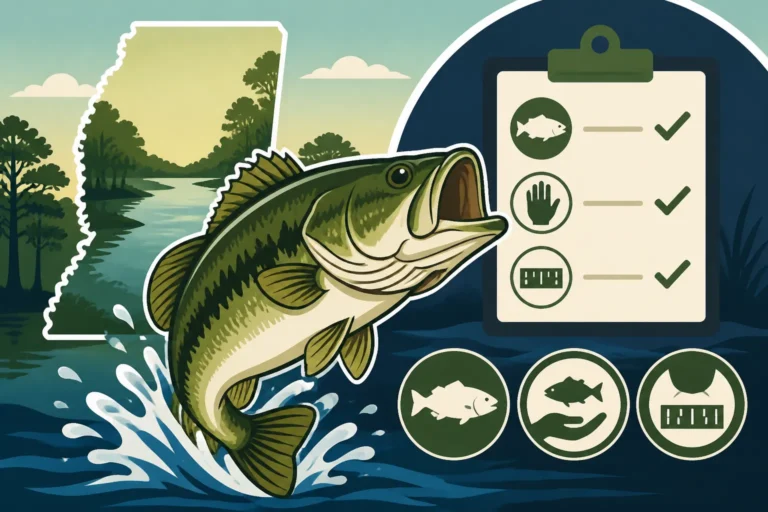
Here in Mississippi, the Mississippi Department of Wildlife, Fisheries, and Parks (MDWFP) generally exempts individuals from needing a state fishing license when fishing in privately-owned ponds or lakes. The key here is "privately-owned" and, crucially, that these waters must be entirely enclosed on private land, with no direct or indirect connection to public waters. This means the pond or lake exists completely within the boundaries of a private property and doesn't flow into or out of a public stream, river, or reservoir.
Imagine your buddy, let's call him Frank, owns a sprawling 50-acre property out near Canton, and on that property, he has a lovely pond that's fed only by rainwater and a small spring on his land. If you're fishing in Frank's pond with his permission, neither you nor Frank would typically need a state fishing license. This exemption is a huge relief for many landowners and their guests, as it encourages private pond management and recreational fishing without the added administrative hurdle. It really makes those weekend trips with family and friends much simpler, allowing you to focus on catching fish rather than paperwork.
What Constitutes a "Private Pond"?
Before you cast your line with confidence, it's vital to truly understand what the MDWFP considers a "private pond." This isn't just about the water being on someone's private land; it's about its isolation and the nature of its management. A true private pond is one where the landowner controls all access, has full responsibility for its stocking and management, and it doesn't serve as part of a larger public waterway system.
Think about a pond that's stocked solely by the landowner purchasing fish from a private hatchery, or one that's managed with private funds for personal recreational use. The MDWFP isn't expending public resources (like stocking or monitoring water quality) on these truly private, isolated bodies of water. Therefore, the revenue generated by state fishing licenses isn't deemed necessary for their management. This distinction is paramount because if the state does have a hand in managing or stocking the water, or if it contributes to the larger ecosystem of public waterways, then the exemption quickly vanishes. The goal is to ensure that those benefiting from public resources contribute to their upkeep, while respecting the autonomy of private property owners.
Important Exceptions Where a License Might Still Be Required
Now, this is where it gets a little more complex. While the general rule is no license for private ponds, there are very specific scenarios where you absolutely will need a valid Mississippi fishing license, even if the water is on private property. Ignoring these exceptions can lead to unexpected fines and a ruined fishing trip. It’s always better to be safe than sorry, especially when conservation officers are out protecting our natural resources.
Ponds with Public Access or Connections to Public Waters
This is arguably the most common pitfall for anglers assuming their "private pond" fishing is license-free. If a pond, even one located entirely on private land, has a direct or indirect connection to public waters, you usually need a license. This could mean a creek that flows out of the pond and eventually into a river, or even an underground spring that feeds both the private pond and a public waterway. The logic is that fish can move freely between these connected waters, making the private pond part of the larger public fishery.
Consider a scenario where a large private estate has a beautiful lake, but that lake is fed by and drains into a tributary of the Pearl River. Even though the lake is entirely within the private property lines, because fish can swim in and out from public waters, anyone fishing there would need a license. The same applies if the property owner allows public access, even if it's just for a fee. For example, if a private landowner opens their pond to the public for a daily fishing charge, that pond is no longer considered "private" in the context of the license exemption, as it's essentially operating as a commercial recreational fishing spot available to the general public. To understand general requirements, you can always refer to the comprehensive Do You Need a License to Fish in Mississippi? guide.
Privately Owned but Publicly Stocked Waters
Another significant exception involves private waters that, despite being on private land, are part of a public stocking or management program. Sometimes, to enhance recreational opportunities, the MDWFP or other governmental programs might stock fish in certain private ponds or lakes, particularly those that offer some level of public access or are part of cooperative agreements. If the state is investing public funds and resources into stocking fish, then they expect anglers to contribute by purchasing a license.
A prime example might be a pond owned by a homeowner's association within a large community. While technically "private property" for residents, if the MDWFP periodically stocks it with bass or crappie as part of a broader program, then residents and guests fishing there would need a license. This is a crucial detail often overlooked, so it's always wise to check with the landowner or the MDWFP directly if you suspect a pond might fall into this category. It's similar to how some larger, more accessible bodies of water like Mississippi State Park Lake Fishing Permits operate, where even though they might feel localized, they are part of a broader public system.
Border Waters and Reciprocal Agreements
Mississippi shares borders with several other states, and certain bodies of water, like the Mississippi River, form these borders. While your private pond might be far from these main border waters, it's important to understand that if any of your fishing takes place near or in waters subject to interstate agreements, the rules can change. If your "private pond" somehow touches or is directly influenced by Mississippi Border Water Fishing Rules, you might find yourself needing a license.
This is less common for completely enclosed private ponds but can be a factor if a pond is extremely close to a state line and has any connection to a shared waterway. Always verify the specifics, especially if your property is on the fringes of Mississippi. The general rule here is: if you're fishing in waters where Mississippi has a shared management agreement with another state, the state's licensing requirements will almost certainly apply, regardless of who "owns" the land around it.
The Importance of MDWFP Regulations and Landowner Permission
Understanding the specific regulations set by the MDWFP and securing explicit landowner permission are two non-negotiable pillars for any responsible angler fishing on private property in Mississippi. These aren't just suggestions; they are critical components for legal and ethical fishing, designed to protect both the natural resources and your peace of mind.
Why MDWFP Regulations Are Non-Negotiable
The Mississippi Department of Wildlife, Fisheries, and Parks (MDWFP) is the governing body for all fishing and hunting activities in the state. Their regulations, including those on private waters, are in place for very good reasons. They ensure sustainable fish populations, protect aquatic ecosystems, and fund crucial conservation efforts. When you buy a Mississippi Fishing License Guide, you're not just getting permission to fish; you're contributing directly to the management of fish hatcheries, habitat restoration projects, and enforcement efforts that keep our waters healthy for future generations. Ignoring these rules, even on what you think is a private pond, can lead to serious consequences.
Consider a scenario where you're fishing on a private pond that, unbeknownst to you, is actually connected to a public stream. If a MDWFP conservation officer spots you, they might assume you're fishing in public waters without a license. This could result in Mississippi Fishing License Penalties and Fines, which are not only costly but also detrimental to your record. The officer isn't there to ruin your day, but to enforce laws that safeguard Mississippi's natural resources. It's your responsibility to be informed. A quick call to the MDWFP or a check on their official website can clear up any doubts about a specific body of water.
The Crucial Role of Landowner Exemption and Permission
The Mississippi Landowner Fishing License Exemption is a wonderful provision, but it hinges entirely on permission. Even if a pond is truly private and fully enclosed, you must have the explicit permission of the landowner to fish there. Trespassing, even without fishing, is illegal. Fishing without permission is not only illegal but also incredibly disrespectful to property owners. Always ask first, and ideally, get that permission in writing or at least a clear verbal confirmation. This builds trust and ensures you're welcomed back.
Furthermore, if you are the landowner, you have the right to fish your truly private, enclosed pond without a license. But remember, if you invite guests, it's prudent to inform them about the rules. It's also your responsibility to understand if your pond falls under any of the exceptions mentioned earlier. Many landowners find that managing their own pond is a fulfilling hobby. For those looking to stock or improve their private ponds, resources are available to guide them, sometimes even on Amazon where you can find books on pond management and aquaculture.
| Feature | Truly Private Pond (no public connection/funding) | Public Water / Connected Private Pond |
|---|---|---|
| Fishing License Required? | Generally NO (for landowner and guests with permission) | YES |
| Public Access? | NO | YES (or private land with public use) |
| MDWFP Stocking? | NO | POSSIBLY |
| Connection to Public Water? | NO (fully enclosed) | YES |
| Primary Funding/Management | Private landowner | State/Public |
| Example | Farmer's pond on isolated acreage | Pond draining into a state lake |
Acquiring a Mississippi Fishing License When Needed
So, you've assessed your situation, maybe consulted the Mississippi Freshwater Fishing Rules, and realized that for your particular "private pond" scenario or general fishing plans, a license is indeed required. Don't fret! Getting a Mississippi fishing license is a straightforward process, designed to be as convenient as possible for anglers. It's a small investment that pays huge dividends in terms of peace of mind and contributing to conservation.
Where and How to Purchase Your License
The Mississippi Department of Wildlife, Fisheries, and Parks (MDWFP) has made it incredibly easy to acquire a fishing license. Your most convenient option is often to purchase it online directly from the MDWFP website. This allows you to get your license immediately, print a temporary copy, and even store it digitally on your phone. It's perfect for those last-minute decisions to go fishing or for planning a trip in advance. The online portal is user-friendly, and you can complete the process in just a few minutes. If you want a detailed walkthrough, check out How to Buy a Mississippi Fishing License Online.
Beyond the online option, you can also purchase a license in person at various authorized license agents across the state. This includes many bait and tackle shops, sporting goods stores like Bass Pro Shops or even some Walmart locations. These vendors are equipped to issue your license on the spot. Bringing a valid form of identification is usually all you need. For those who prefer a physical card or like to support local businesses, this is a great alternative. It’s always a good idea to confirm that the specific location you plan to visit is an authorized agent.
Understanding License Types and Costs
Mississippi offers a variety of fishing licenses to suit different needs, whether you're a resident, a non-resident, looking for a short-term trip, or a longer annual commitment. Understanding these options can help you choose the most economical and appropriate license for your fishing habits. You might just need a basic freshwater license, or perhaps a combination license if you also plan to hunt. For saltwater fishing enthusiasts, there's a specific Mississippi Saltwater Fishing License Guide to consider.
The basic Mississippi Fishing License Cost varies depending on whether you're a resident or non-resident, and the duration of the license (annual, 3-day, 1-day). For example, a non-resident annual license will cost more than a resident annual license, but short-term options like a 1-day or 3-day license are available for visitors or those only planning a brief trip. Seniors and youth also have special considerations; for instance, Do Seniors Get a Free Fishing License in Mississippi? can provide more specific details. Always check the MDWFP website for the most current pricing and license categories, as these can change.
What Happens If You're Caught Without a License (When One Is Required)?
It's a mistake no one wants to make, but it happens: unknowingly fishing without a required license. As we mentioned, if you're fishing a private pond that does fall under one of the exceptions, and you don't have a license, you could face penalties. The MDWFP takes these infractions seriously because they undermine conservation efforts and fair play among anglers.
The consequences of fishing without a license in Mississippi typically involve a fine. The exact amount can vary based on the specific circumstances, such as whether it's a first offense or a repeat violation. In some cases, your fishing gear might even be confiscated. It's not a pleasant experience, and it's easily avoidable. The best approach is to always err on the side of caution. If there's any doubt about whether a license is needed for a particular body of water, go ahead and purchase one. The cost of a license is minimal compared to the potential fines and legal hassle. It's always best to be compliant, so familiarizing yourself with What Happens If You Fish Without a License in Mississippi? is a good preventative measure.
Disclaimer
The information provided in this guide is for general informational purposes only and does not constitute legal advice. Fishing regulations can change, and interpretations may vary. Always consult the most current official regulations published by the Mississippi Department of Wildlife, Fisheries, and Parks (MDWFP) or contact them directly for specific clarification regarding your individual situation before fishing.