Mississippi Crappie Spawning Season Closure Rules
It’s a common worry for many anglers: "Are there specific closed seasons for crappie during their spawning period in Mississippi?" You're not alone in asking, as concerns about conservation and accidentally breaking regulations are totally valid. Many states, and even other fish species right here in Mississippi, have very strict seasonal closures. This comprehensive guide is here to clear up any confusion you might have, providing a detailed look at Mississippi’s crappie regulations and offering practical advice for ethical fishing during this exciting time of year.
The Truth About Mississippi's Crappie Spawning Season Closures
Let's get right to the heart of the matter because this is where a lot of anglers get understandably confused. The idea of a closed season during the spawn is deeply ingrained in fishing culture, and for good reason in many places.
No Statewide Closed Season for Crappie Spawning
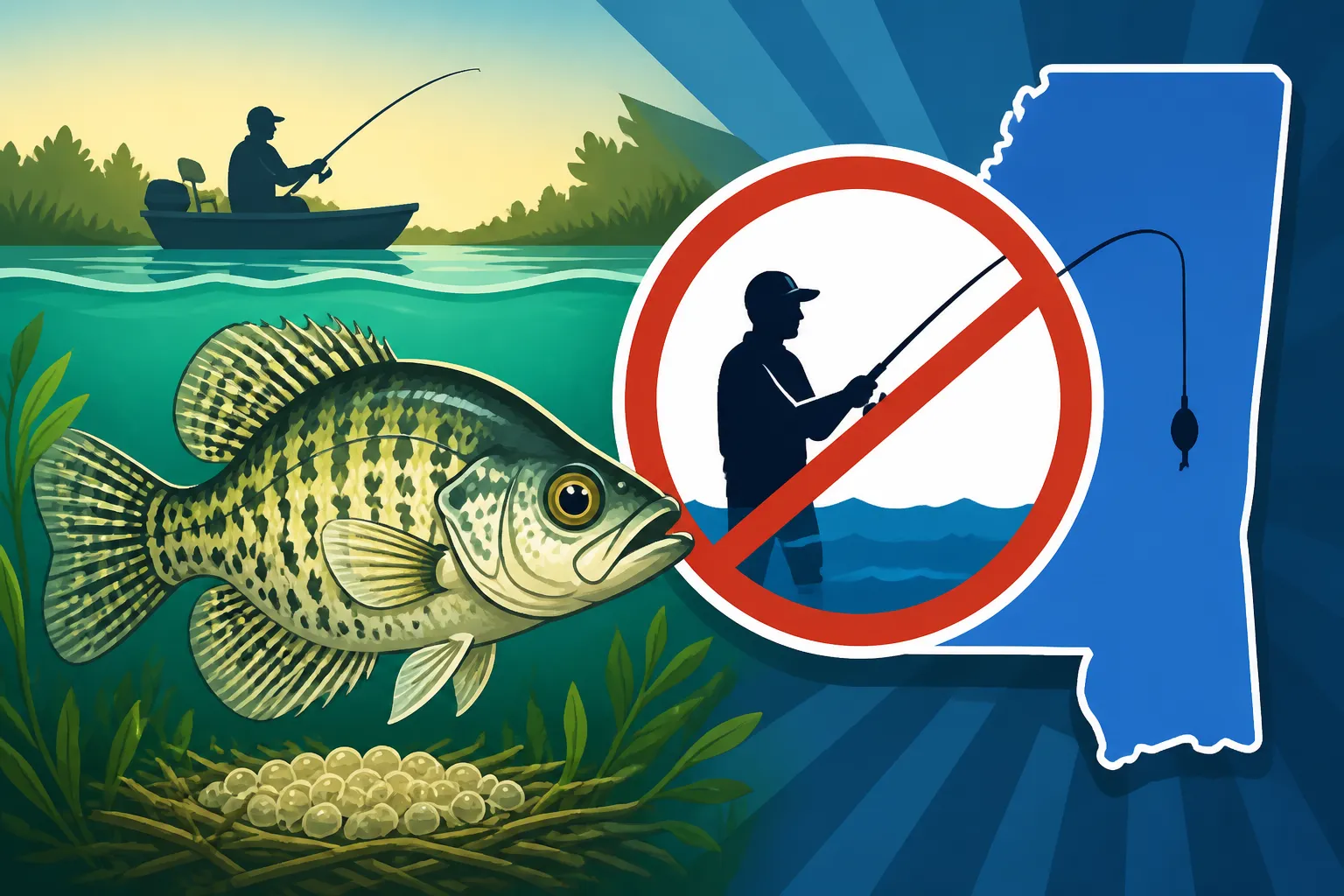
Here in Mississippi, unlike some other states or for certain prized game fish, there is no statewide closed season specifically for crappie during their spawning period. That's right, you can fish for crappie year-round, even when those beautiful slabs are moving shallow to make their nests. This often comes as a surprise to folks who fish in other regions where spring closures are common to protect spawning fish. The Magnolia State takes a different approach, managing its crappie populations primarily through daily creel limits and, crucially, specific size limits on particular bodies of water.
This means you don't have to pack away your jigs and minnow buckets when the water temperatures start creeping into the 60s and 70s, signaling the start of the spawn. Instead, you can enjoy some of the most exciting and productive fishing of the year. However, just because there isn't a closed season doesn't mean it's a free-for-all. It simply shifts the responsibility to understanding and adhering to the other vital regulations, which vary significantly depending on where you cast your line.
Why the Confusion Exists Among Anglers
It's completely understandable why anglers might be confused about crappie spawning season closures. The world of fishing regulations can feel like a labyrinth, and rules often differ wildly from one state to another, or even between different species within the same state. For instance, if you've ever fished in neighboring Arkansas, you might know they have specific crappie seasons or sometimes spring closures on certain lakes to protect spawning fish. When you move to Mississippi, it’s natural to assume similar protective measures are in place.
Furthermore, other highly sought-after species in Mississippi do have very specific and often short seasons. Just think about the highly anticipated, but brief, Red Snapper season on the Gulf Coast. This kind of intense, time-limited fishery can lead anglers to mistakenly believe that all popular species must have similar restrictive periods. Then there's the power of local lore and word-of-mouth. Sometimes, a well-meaning buddy at the bait shop might share information that's either outdated, specific to a different body of water, or even applies to another state entirely. It's easy for these anecdotes to spread and create a general sense of uncertainty. This is precisely why it's so important to rely on official sources for your information, ensuring you're always fishing within the current guidelines and protecting our valuable fisheries.
Understanding Mississippi's Crappie Regulations
While there isn't a closed season for crappie during the spawn, understanding the specific rules that do apply is paramount. Mississippi's approach focuses on daily harvest limits and size restrictions, which can vary greatly depending on the particular lake or waterway you're fishing. It's a system designed to allow year-round enjoyment while still ensuring the long-term health of our crappie populations.
Statewide Crappie Limits
Generally speaking, for most public waters in Mississippi without special regulations, the statewide daily creel limit for crappie (both white and black crappie) is 30 fish per person. This means you can keep up to 30 crappie of legal size in a 24-hour period. For many smaller ponds, rivers, and lesser-known lakes, there's often no minimum length limit, allowing anglers to keep fish of any size, up to that 30-fish daily bag. However, this is where the major caveat comes in: this statewide rule is merely a baseline, and many of our most popular and productive crappie fishing destinations have their own unique and often more restrictive rules.
It's absolutely crucial to remember that this "statewide" rule doesn't apply everywhere. You can't just assume it’s 30 fish and no size limit when heading to a trophy crappie lake. Always, always check the specific regulations for the body of water you intend to fish. Relying on outdated information or general assumptions can quickly lead to misunderstandings, or worse, unintended violations. The Mississippi Fishing Regulations Explained guide offers a broader look at the overall rules, but when it comes to crappie, the devil is often in the details of individual lakes.
Deep Dive into Major Mississippi Crappie Lake Regulations
This is where the rubber meets the road for serious crappie anglers in Mississippi. While the statewide limit provides a general guideline, our most famous and productive crappie lakes operate under specific regulations designed to foster trophy-sized fish and maintain robust populations. These rules are non-negotiable and are often strictly enforced, so knowing them before you launch your boat is essential. Understanding these differences is key to enjoying a successful and legal fishing trip on some of the Best Crappie Lakes in Mississippi.
Let's break down some of the specific regulations for popular crappie destinations, which you can also find in detail within the Mississippi Crappie Regulations by Lake article:
- Grenada Lake: Known as a crappie mecca, Grenada Lake has a daily creel limit of 30 crappie per person. However, there's a crucial minimum length limit: no crappie less than 11 inches total length may be kept. This 11-inch rule helps protect the younger fish and allows them to grow into the slabs Grenada is famous for. If you're wondering How Many Crappie Can You Keep on Grenada Lake?, the answer is 30, but make sure they're legal size!
- Sardis Lake: Another premier crappie destination, Sardis Lake mirrors Grenada with a daily creel limit of 30 crappie per person and the same 11-inch minimum length limit. This consistent regulation across these major flood control reservoirs helps in their management and keeps expectations clear for anglers pursuing the larger fish these lakes produce. More on this can be found in the Sardis Lake Crappie Size Limit guide.
- Enid Lake: Completing the trio of North Mississippi flood control reservoirs, Enid Lake also adheres to the 30 crappie daily creel limit and an 11-inch minimum length limit. It’s clear that MDWFP (Mississippi Department of Wildlife, Fisheries, and Parks) aims for consistency in managing these highly productive waters for trophy crappie. For more specific information, check out the Enid Lake Crappie Daily Limit breakdown.
- Arkabutla Lake: Similar to its sister lakes, Arkabutla Lake follows the 30 crappie daily creel limit and an 11-inch minimum length limit. Anglers fishing these waters should always be equipped with a reliable measuring board, easily found on Amazon, to ensure every fish kept meets the legal requirement. For a deeper dive into these specifics, read our article on Arkabutla Lake Crappie Regulations.
- Eagle Lake: This historic oxbow lake near Vicksburg presents slightly different rules. Here, the daily creel limit remains 30 crappie per person, but the minimum length limit is 10 inches total length. While an inch might not seem like much, it's a significant difference from the northern reservoirs and highlights the importance of checking each lake's specific rules. Our guide on Eagle Lake Crappie Limit and Minimum Size has more details.
- Lake Washington: Another fantastic Delta oxbow, Lake Washington also features a daily creel limit of 30 crappie per person with a 10-inch minimum length limit. These variations often reflect the unique ecological characteristics and management strategies for each particular waterway. Don't let an oversight cost you; consult the Lake Washington Crappie Limit article for comprehensive information.
To help visualize these crucial differences, here’s a quick summary of the crappie regulations for some of Mississippi’s most popular lakes:
| Lake Name | Daily Creel Limit (per person) | Minimum Length Limit |
|---|---|---|
| Statewide | 30 | None (if not specified) |
| Grenada Lake | 30 | 11 inches |
| Sardis Lake | 30 | 11 inches |
| Enid Lake | 30 | 11 inches |
| Arkabutla Lake | 30 | 11 inches |
| Eagle Lake | 30 | 10 inches |
| Lake Washington | 30 | 10 inches |
Remember, these rules are subject to change, so always verify the latest information directly from the MDWFP before your trip. Having a small, waterproof laminated card with these rules, or even a digital copy on a waterproof phone case from Amazon, can save a lot of headaches on the water.
Ethical Angling During the Crappie Spawn
Even without a closed season, the crappie spawn is a sensitive time for the fish population. As responsible anglers, we have a duty to approach this period with extra care and a commitment to ethical practices. It’s not just about following the law; it’s about ensuring the health of the fishery for years to come.
Minimizing Impact on Spawning Crappie
When crappie are on the beds, they are often more aggressive and territorial, making them easier to catch. This can lead to high catch rates, which is fantastic for anglers, but it also means we need to be extra mindful of our impact. Many crappie will be full of eggs (females) or actively guarding nests (males). Catching and releasing these fish, if done improperly, can put significant stress on them and potentially harm future spawns.
If you're not planning to keep a fish, aim for a quick release. Minimize the time the fish is out of the water, especially if it’s a big female full of roe. Wet your hands before handling the fish to protect its delicate slime coat, which is vital for disease resistance. Using barbless hooks, or simply crushing the barb on your existing hooks with pliers (a handy tool you can find on Amazon), can also make releases quicker and less damaging. Try to avoid dragging fish across rough surfaces in the boat, and gently revive them by holding them in the water until they swim away strongly. By taking these simple steps, you're not just fishing; you're actively contributing to the sustainability of our crappie resources. For more tips on how to target these fish effectively and ethically, our Crappie Fishing Techniques for Mississippi Lakes guide offers some excellent strategies.
Responsible Harvest and Conservation
Part of ethical angling during the crappie spawn, and indeed any time of year, is practicing responsible harvest. This means more than just staying within the Mississippi Statewide Creel Limits and minimum size requirements; it involves making conscious choices about the fish you keep. If you’re fishing a lake with an 11-inch minimum, for example, and you catch several 10.5-inch crappie, it might be tempting to bend the rules. But sticking to the exact measurements, perhaps with a reliable measuring board from Amazon, is crucial.
Consider selective harvesting. While taking home a meal of delicious crappie is one of the joys of fishing, sometimes it's beneficial to release the largest, healthiest breeders, especially the big females, to ensure they can contribute to future generations. Conversely, in some situations, especially where there's no size limit, keeping a few of the smaller "eating size" crappie can actually help thin out an overpopulated fishery, allowing the remaining fish to grow larger. The MDWFP works hard to manage our fisheries, and our adherence to regulations, along with thoughtful fishing practices, plays a huge role in supporting their conservation efforts. Every angler has a part to play in protecting our beautiful crappie fisheries for decades to come.
Accessing Official Regulations and Resources
Navigating fishing regulations can sometimes feel like a treasure hunt, but thankfully, in Mississippi, the path to accurate and up-to-date information is straightforward. Relying on official sources is not just a recommendation; it's a necessity to ensure you're always fishing legally and responsibly.
The Mississippi Department of Wildlife, Fisheries, and Parks (MDWFP)
When it comes to official fishing regulations in Mississippi, the Mississippi Department of Wildlife, Fisheries, and Parks (MDWFP) is your ultimate authority. Their website is a comprehensive hub of information, covering everything from licensing to specific lake regulations. It’s imperative to bookmark it or, even better, download their annual Outdoor Digest. This digest is a fantastic resource, detailing all the current rules, limits, and any special provisions for different bodies of water. You can find digital versions readily available, and for those who like to have a physical copy, they're often printed and distributed widely.
Imagine you're planning a trip to a new lake; before you even pack your bags, a quick check of the MDWFP website will confirm the current crappie limits, whether it's a 10-inch or 11-inch minimum, and any other relevant rules for Mississippi Freshwater Fishing Rules. This proactive step saves you potential headaches on the water and ensures you're aligned with conservation efforts. Keeping a digital copy on your phone, perhaps protected in a sturdy waterproof case also available on Amazon, means you have the official rules at your fingertips, even out on the water, without needing cell service for a live search.
Local Bait Shops and Guides as Resources
While the MDWFP website is the definitive source, don't underestimate the value of local resources. Your nearest bait shop isn't just a place to pick up minnows and jigs; it's often a community hub brimming with local knowledge. The folks working behind the counter are usually avid anglers themselves and can provide invaluable insights into current conditions, recent bites, and often have physical copies of the MDWFP Outdoor Digest. They can help clarify nuances in regulations that might be specific to their area or even tell you where to find the local MDWFP office if you need further assistance.
Similarly, experienced local fishing guides are a goldmine of information. These professionals, like the excellent Grenada Lake Fishing Guides you might hire, not only know where the fish are biting but are intimately familiar with all the local regulations, quirks, and seasonal patterns. They make a living by knowing the rules, so they can be fantastic informal educators. Don't hesitate to strike up a conversation or ask questions if you're ever unsure about a particular rule or a local fishing spot. Their firsthand knowledge can often fill in the gaps that even the most comprehensive official documents might not fully cover in a practical, on-the-water sense.
Disclaimer
Please remember that fishing regulations are subject to change. While we strive to provide the most accurate and up-to-date information, it is always your responsibility to consult the official Mississippi Department of Wildlife, Fisheries, and Parks (MDWFP) website or their current Outdoor Digest for the definitive and most recent regulations before you fish. Our content is for informational purposes only and should not be considered a substitute for official government publications.