Best Crappie Lakes in Mississippi
For any angler chasing those delectable slabs, the quest for the best crappie lakes in Mississippi can feel like a never-ending journey. You hear whispers of a hot bite here, a monster crappie caught there, but trying to piece together reliable, current information on where to truly find consistent success can be frustrating. You want to spend your precious time on the water, not endlessly scrolling through outdated forums or getting lost on unfamiliar stretches. This comprehensive guide is designed to cut through that noise, offering you a deep dive into Mississippi's premier crappie fisheries, revealing their secrets, and equipping you with the knowledge to make your next crappie trip a memorable one.
Understanding Mississippi's Crappie Haven
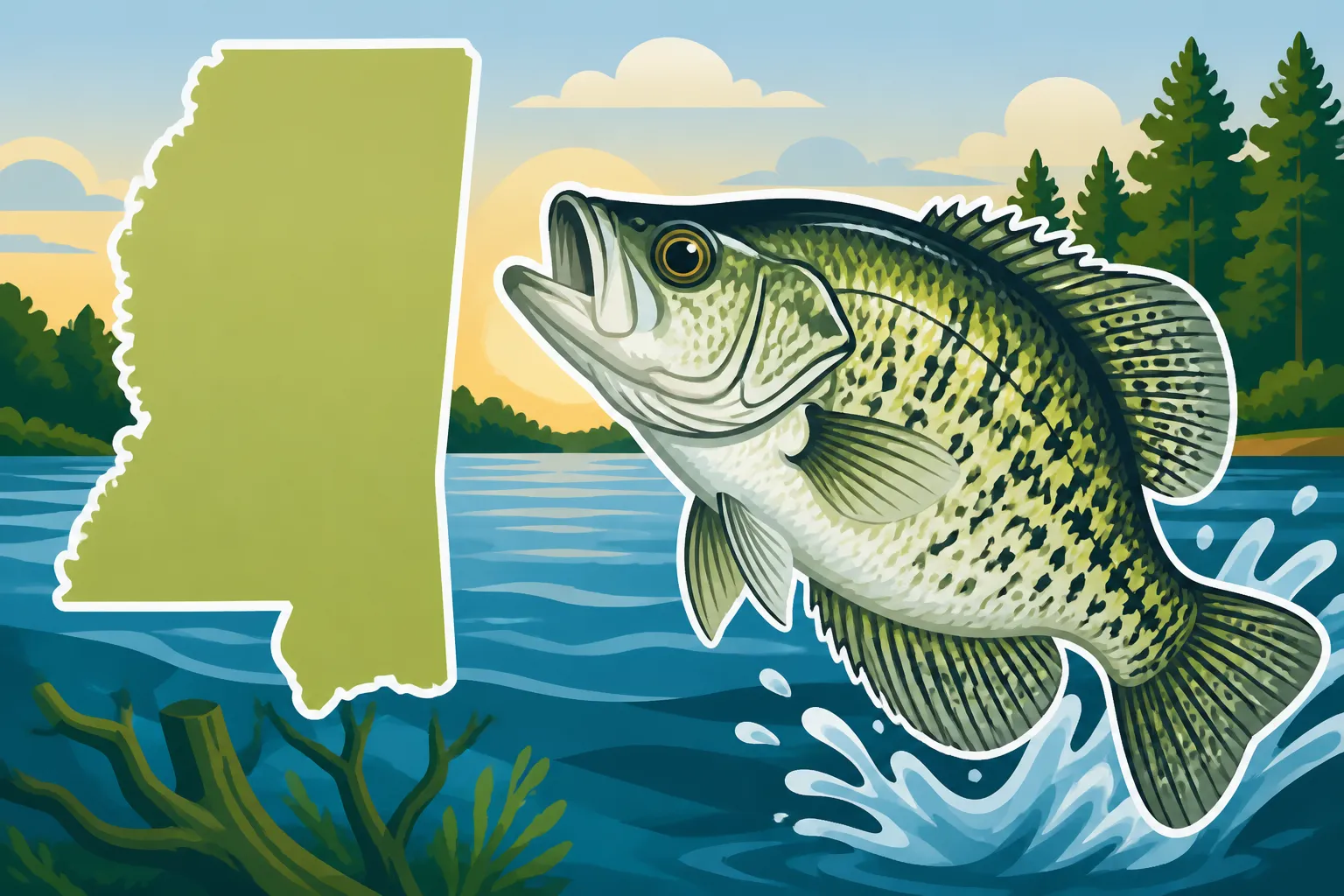
Mississippi is a genuine paradise for crappie anglers, drawing enthusiasts from all over the country. The state's diverse water bodies, from vast flood control reservoirs to historic oxbow lakes and meandering rivers, provide ideal habitats for both black and white crappie to thrive. But what makes these waters so special, and why do crappie hold such a prominent place in the hearts of Mississippi fishermen and women?
The Allure of Mississippi Crappie Fishing
There’s something undeniably captivating about crappie fishing in Mississippi. Perhaps it’s the sheer abundance of these panfish, known for their spirited fight and, let's be honest, their delicious table fare. Mississippi's warm climate and fertile waters create conditions ripe for rapid crappie growth, leading to populations of both healthy numbers and impressive sizes. Anglers here often target both black crappie, which prefer clearer, cooler waters with more vegetation, and white crappie, which are more tolerant of turbid waters and often found in open areas of large reservoirs. The pursuit of a "slab" – a crappie weighing over two pounds – is a common obsession, and Mississippi lakes consistently produce these trophy-sized fish. It's a sport that appeals to everyone, from families looking for a relaxing day on the water with easy catches to serious tournament anglers meticulously mapping out brush piles and contour lines.
The passion for crappie here isn't just about catching fish; it's a way of life. Generations of Mississippians have bonded over the shared experience of setting trotlines for catfish or patiently waiting for crappie to bite. The culture around crappie fishing fosters a sense of community, with local bait shops serving as hubs of information and friendly competition. It’s a sport that rewards patience, observation, and a deep understanding of the subtle nuances of fish behavior, making every successful trip feel like a hard-earned victory.
Key Factors for a Top Crappie Lake
What exactly makes a lake a "top" crappie lake? It's not just about size, though larger reservoirs often have more diverse habitats. Instead, it boils down to a combination of environmental factors and active management that create and sustain robust crappie populations. Understanding these factors can help you predict where the next hot bite might occur or why certain lakes consistently outperform others.
Firstly, a rich forage base is absolutely critical. Crappie are primarily piscivorous, meaning they eat other fish, with shad being a major component of their diet. Lakes with abundant gizzard and threadfin shad populations will naturally support healthier, faster-growing crappie. If the baitfish population declines, crappie growth can slow, and overall numbers might dwindle. Secondly, diverse habitat is essential. Crappie are structure-oriented fish, relying on submerged timber, brush piles, rock formations, creek channels, and even artificial structures to ambush prey and seek refuge from predators. The more varied and extensive these structures are, the more places crappie have to hide and feed, leading to a more widespread and robust fishery.
Finally, effective fishery management by the Mississippi Department of Wildlife, Fisheries, and Parks (MDWFP) plays a huge role. This includes stocking programs, habitat improvement projects (like deploying artificial brush piles), and carefully crafted regulations. These rules, such as those found in the Mississippi Fishing Regulations Explained and specific Mississippi Crappie Regulations by Lake, ensure the long-term health and sustainability of the crappie populations. Monitoring fish health, growth rates, and angler harvest helps biologists make informed decisions that keep these lakes producing for years to come, ensuring future generations can enjoy the same fantastic crappie fishing experiences.
The Northern Giants: Premier Crappie Lakes
Northern Mississippi is widely regarded as a crappie mecca, home to some of the most famous and productive flood control reservoirs in the entire country. These lakes are legendary for their crappie fishing, attracting anglers from far and wide seeking to fill their livewells with slabs.
Grenada Lake: The Crappie Capital
When you talk about crappie in Mississippi, Grenada Lake almost always comes up first. This massive 35,000-acre flood control reservoir, located near the city of Grenada, proudly carries the moniker "Crappie Capital of the World," and for good reason. Its sprawling waters are renowned for producing incredible numbers of large white crappie, with many fish regularly tipping the scales over two pounds. The lake's structure is dominated by old river channels, vast flats, submerged timber, and numerous brush piles, all providing ideal crappie habitat.
Anglers flock to Grenada particularly in the spring during the spawn, when crappie move into shallower water, making them more accessible. Popular areas include the flooded timber in the Graysport and Wolf Creek arms, as well as around submerged structure along the main lake's numerous creeks. During summer and winter, crappie often retreat to deeper creek channels and brush piles, where advanced electronics and techniques like spider rigging or Livescoping become invaluable. You can learn more about specific tactics and hotspots in our dedicated Grenada Lake Fishing Guide. The lake's robust crappie population is a testament to its rich forage base and the extensive submerged cover that provides both protection and feeding grounds, leading to consistent success for those who learn its patterns.
Sardis Lake: A North Mississippi Powerhouse
Just west of Oxford, Sardis Lake offers another phenomenal crappie fishing experience, boasting 98,000 acres when at flood stage, though its normal conservation pool is much smaller. While Grenada might be the "capital," Sardis is certainly a powerhouse, offering a slightly different crappie dynamic with excellent populations of both white and black crappie. Sardis is characterized by its broad flats, numerous points, and extensive amounts of standing timber, particularly in its upper reaches.
Spring is, again, prime time on Sardis, with crappie moving into the shallower flooded timber and around riprap banks to spawn. Areas like the Clear Creek and Hurricane Creek arms are especially popular during this period. As the water warms, crappie transition to deeper water, congregating around submerged creek channels and man-made brush piles. Trolling with multiple rods, often called spider rigging, is a highly effective method on Sardis, allowing anglers to cover large areas and present baits at varying depths. Exploring the nuances of this fantastic fishery is easy with our Sardis Lake Fishing Guide. The lake's fertile waters and diverse submerged structure make it a consistent producer of both good numbers and quality-sized crappie throughout the year, rewarding anglers who adapt their approach to the seasonal movements of the fish.
Enid Lake: Consistent Catches
Rounding out the "Big Three" northern reservoirs, Enid Lake, situated north of Water Valley, is another outstanding crappie destination. Covering approximately 15,000 acres at pool stage, Enid is often praised for its consistency and is a favorite among local anglers. While perhaps not as famous for "slab" crappie as Grenada, Enid consistently produces excellent numbers of keeper-sized fish, making it a reliable choice for a productive day on the water.
Enid Lake features a mix of submerged timber, creek channels, and numerous humps and drops that hold crappie. Its relatively stable water levels compared to the other flood control lakes can sometimes make crappie patterns more predictable. During the spring spawn, look for crappie in the shallow, flooded bushes and timber in the upper arms of the lake, such as Wallace Creek and Long Branch. As the seasons progress, crappie move into deeper water, often suspending over creek channels or schooling around the extensive submerged timber found throughout the main lake. For more detailed insights into this consistent performer, consult our Enid Lake Fishing Guide. Anglers utilizing both single-pole jigging and slow trolling techniques often find success, adjusting their presentations to match the crappie's preferred depth and feeding activity, which can shift throughout the day based on light and baitfish movement.
Central Mississippi's Crappie Hotspots
While the northern lakes grab many headlines, Central Mississippi also offers fantastic opportunities for crappie anglers, featuring both a sprawling reservoir and a classic oxbow lake, each with its unique charm and challenges. These lakes provide a different flavor of crappie fishing, often closer to urban centers but still offering excellent results.
Ross Barnett Reservoir: A Diverse Fishery
Ross Barnett Reservoir, affectionately known as "The Rez," is a massive 33,000-acre body of water located just northeast of Jackson. It's truly a diverse fishery, renowned for its excellent bass and catfish populations, but don't sleep on its crappie potential! The Rez holds a healthy population of both white and black crappie, thriving in its varied habitats which include vast open water, cypress swamps, submerged timber, and riprap shorelines.
Crappie patterns on Ross Barnett can be influenced by its expansive size and the presence of numerous tributaries like the Pearl River. In spring, crappie push into the shallow, cypress-filled backwaters and along the riprap banks of the main lake and its causeways, particularly around the Pelahatchie Bay area and the main dam. As summer heat sets in, the crappie often move to deeper structures, congregating in the main river channel or around man-made brush piles that anglers have strategically placed. Using a good fish finder is critical for locating these deeper holding spots. For those looking to master this complex but rewarding lake, our Ross Barnett Reservoir Fishing Guide provides invaluable tips. The sheer variety of habitat means that anglers can find crappie throughout the year, but understanding their seasonal migrations from shallow cover to deeper water ambush points is key to unlocking consistent catches on The Rez.
Eagle Lake: Hidden Gem for Slabs
Nestled near Vicksburg, Eagle Lake is a beautiful 4,700-acre oxbow lake, a relic of the meandering Mississippi River. Oxbows are often celebrated for their incredible fertility and their ability to produce exceptionally large panfish, and Eagle Lake is a shining example when it comes to crappie. This lake is known for yielding some truly massive crappie, often referred to as "slabs," making it a pilgrimage site for anglers dreaming of a personal best.
The crappie in Eagle Lake thrive in its rich, fertile waters, which are typically calmer and clearer than the main river. The lake's primary crappie habitats include extensive cypress trees, submerged timber, and numerous boat docks and piers, all providing excellent cover and ambush points. Springtime sees crappie moving into the shallower areas around cypress knees and brush, making them accessible to vertical jigging or float fishing. During the hotter months, they often suspend around the deeper timber or seek refuge under boat docks. Knowing the ins and outs of this unique oxbow can drastically improve your odds, and our Eagle Lake Fishing Guide offers specific advice. While the fishing can sometimes be challenging due to the clear water and dense cover, the reward of hooking into an oversized Eagle Lake crappie is well worth the effort, confirming its reputation as a hidden gem among Mississippi's crappie lakes.
Western Mississippi's Riverine Lakes
The western part of Mississippi, deeply influenced by the mighty Mississippi River, offers a distinct type of crappie fishing experience. Here, you'll find more oxbow lakes – ancient river bends cut off from the main channel – which are celebrated for their fertile waters and impressive crappie populations.
Lake Washington: Oxbow Legacy
South of Greenville, Lake Washington stands as one of Mississippi's largest and most famous oxbow lakes, encompassing approximately 5,000 acres. This historic lake is a crappie powerhouse, consistently producing both high numbers and large sizes, particularly for white crappie. Its legacy as a premier crappie destination is well-earned, attracting anglers who appreciate its tranquil beauty and abundant fishing opportunities.
Lake Washington's crappie habitat is characterized by a mix of cypress trees, extensive submerged timber, duck blinds, and man-made structures along its residential shoreline. The lake's fertile, somewhat stained water provides excellent cover for crappie, making them feel secure and actively feed. During the spring spawn, crappie move into the shallow cypress trees and brush, becoming highly catchable for anglers using jigs or minnows under a bobber. In the warmer months, crappie often suspend in the deeper portions of the lake, particularly over sunken timber and creek channels, or seek shade under docks. Mastering the nuances of this rich environment can be greatly aided by our Lake Washington Fishing Guide. The consistent productivity of Lake Washington, combined with its classic oxbow charm, makes it a must-visit for any serious crappie angler in Mississippi looking for quality fishing.
Arkabutla Lake: Productive Waters
Located just south of the Mississippi-Tennessee border, Arkabutla Lake is another significant flood control reservoir, covering around 11,000 acres at its conservation pool. While perhaps overshadowed by its larger northern cousins like Grenada and Sardis, Arkabutla consistently proves itself as a very productive crappie fishery, especially for those who learn its unique rhythms. It's often a great choice when other lakes are crowded or when seeking a more intimate fishing experience.
Arkabutla Lake's crappie habitat consists of numerous creek channels, vast shallow flats, and extensive submerged timber and brush piles. The lake’s typically murkier water, especially after heavy rains, often means crappie are less skittish and more willing to bite. Spring brings crappie into the shallower timber and brushy coves for spawning, offering excellent opportunities for jigging and casting small crankbaits. As the water warms, crappie retreat to the deeper creek channels and suspended over structure, requiring anglers to adapt their presentations. Techniques like spider rigging and slow trolling are particularly effective for covering water and locating these deeper schools. For more detailed fishing tips and strategies for this productive body of water, our Arkabutla Lake Fishing Guide is an excellent resource. The consistent action on Arkabutla makes it a favorite for many anglers seeking a reliable crappie bite throughout the seasons.
Eastern Mississippi and Beyond: Other Notable Spots
While the northern and western regions are famous for crappie, don't overlook other excellent opportunities scattered across the state. Mississippi's diverse geography means that quality crappie fishing can be found in unexpected places, offering unique challenges and rewards.
Pickwick Lake: Multi-Species Marvel
Up in the far northeastern corner of Mississippi, Pickwick Lake is a true multi-species marvel, but its crappie fishing often flies under the radar compared to its renowned smallmouth bass and catfish. Part of the Tennessee River system, Pickwick is a large, deep, clear-water reservoir that offers a different crappie challenge and experience. While not a "numbers" lake in the same vein as Grenada, Pickwick produces some truly impressive black crappie, often larger than those found in the muddier flood control reservoirs.
The crappie in Pickwick thrive in its clear waters, gravitating towards submerged timber, stump fields, deep rock bluffs, and brush piles along creek channels. The spawning period, typically in April and May, sees crappie moving shallower, but often still holding around structure. Anglers often target them by vertically jigging small jigs or minnows around timber in bays and creek arms. In summer and winter, crappie go deep, suspending over channels or holding tight to structure at depths of 15-30 feet, requiring precise presentations. Our Pickwick Lake Fishing Guide delves deeper into how to tackle this unique fishery. For those who appreciate the challenge of clear-water crappie and the chance at a true trophy black crappie, Pickwick Lake is a fantastic option, offering a rewarding experience for meticulous anglers.
Bay Springs Lake: Clear Water Challenges & Rewards
Also in Northeast Mississippi, Bay Springs Lake is another clear-water gem that can offer excellent crappie fishing, albeit with its own set of challenges. As part of the Tennessee-Tombigbee Waterway, Bay Springs is known for its deep, clear water and abundant standing timber, creating a picturesque but sometimes demanding fishing environment. It's a lake that rewards patience and a subtle approach, often yielding quality crappie for those who master its nuances.
Crappie in Bay Springs thrive in the extensive submerged timber and along its deep creek channels. Because of the clear water, crappie can be very spooky, especially in shallower areas. Anglers often find success by targeting deeper brush piles and standing timber, especially on cloudy days or during low-light conditions. Vertical jigging small, subtle baits or slow-trolling minnows at precise depths are common techniques. Spring sees crappie moving towards the edges of timber lines and brush in shallower bays, but they tend to remain deeper than in turbid lakes. For those willing to adapt to clear-water tactics, Bay Springs offers the reward of chunky, healthy crappie. You'll often find that the fish caught here are robust and firm, a testament to the clean environment.
Seasonal Strategies for Crappie Success on Mississippi Lakes
Crappie behavior is highly seasonal, driven by water temperature, spawning urges, and the availability of their primary forage. Understanding these seasonal shifts is crucial for consistent success on any of Mississippi's diverse crappie lakes. What works in spring will likely fall flat in summer, and vice-versa.
Spring Spawning Frenzy
Ah, springtime! This is arguably the most anticipated season for crappie anglers in Mississippi, as crappie move shallow to spawn, becoming more accessible and aggressive. Generally, when water temperatures climb into the low 60s Fahrenheit, often in March, April, and sometimes early May depending on the year, crappie will push into very shallow water – sometimes as little as one or two feet deep. They seek out protected coves, flooded timber, brush piles, cypress trees, and even riprap banks to lay their eggs.
During this period, anglers can have incredible success by targeting these shallow areas. Techniques include casting small jigs (1/32 or 1/16 ounce) to visible cover, often under a slip bobber to control depth, or simply dipping a jig or live minnow vertically into dense brush. Look for signs of activity, like subtle ripples or flashes. The fish are often congregated in large numbers, making it possible to fill a cooler quickly. Remember to approach these areas quietly and carefully, as shallow crappie can be easily spooked. For a deeper dive into the nuances of this exciting season, you'll want to check out our Crappie Fishing Techniques for Mississippi Lakes guide.
Summer Deep Water Dives
As the Mississippi summer heats up, pushing water temperatures into the 80s, crappie retreat from the shallows and seek refuge in cooler, deeper water. This is when the fishing can get tough if you're not equipped or familiar with deep-water tactics. Crappie will often suspend over creek channels, congregate around deep brush piles, or hold to the thermocline if one forms. Depths can range from 10 to 30 feet, sometimes even deeper.
To find summer crappie, a good fish finder is indispensable. You're looking for schools of baitfish, often shad, and the crappie suspended nearby. Popular techniques for summer include spider rigging, where multiple rods are deployed from the front of the boat, presenting jigs or minnows at various depths while slowly trolling. This method allows you to cover large areas of water and pinpoint the exact depth the fish are holding. Another effective approach is vertical jigging directly over known deep-water structure, using heavier jigs to get down quickly. It’s a game of precision, but the rewards can be great, often yielding large, healthy crappie that have been feeding heavily in the deeper cool water.
Fall Transition and Feeding
Fall is a favorite season for many crappie anglers, as declining water temperatures signal a feeding frenzy as crappie fatten up for the coming winter. This transition period sees crappie becoming more active and often more predictable than in summer, as they follow baitfish migrating from open water into creek arms and bays. Water temperatures typically range from the low 70s down to the high 50s.
During the early fall, crappie might still be found in deeper water, but as the season progresses, they'll often move shallower, especially during sunny afternoons. They can be found relating to creek channel bends, secondary points, and brush piles in 8-15 feet of water. Trolling, casting jigs, and even tight-lining minnows are all effective. The key is to locate the baitfish – where the shad are, the crappie won't be far behind. As the fall progresses, they'll become even more aggressive, and anglers can often find fast action. This is an excellent time to experiment with different lure colors and retrieve speeds, as the crappie are often less finicky when actively feeding.
Winter Slab Hunting
While some anglers pack away their gear for the colder months, dedicated crappie fishermen know that winter can offer some of the best opportunities for catching true "slab" crappie in Mississippi. The key to winter success lies in understanding that crappie metabolism slows, and they become concentrated in very specific areas, making them easier to target once located. Water temperatures will often be in the 40s and low 50s.
During winter, crappie typically retreat to the deepest available cover, often suspending in the main river or creek channels, relating to deep timber, bluff walls, or large brush piles. They will move very little, so precise bait presentation is crucial. Slow, subtle presentations are paramount. Vertical jigging with very small jigs (1/32 to 1/8 ounce) or fishing a single live minnow on a light wire hook directly into a brush pile or suspended school is often the most effective method. A good fish finder with down imaging and side imaging capabilities is almost a necessity to locate these tight schools. Remember that these fish are lethargic, so a gentle twitch or a barely perceptible movement is often all it takes to trigger a bite. Our Winter Crappie Fishing in Mississippi guide offers more detailed advice for tackling this rewarding, yet challenging season.
Essential Gear and Techniques for Mississippi Crappie
Having the right equipment and knowing how to use it can make all the difference when chasing crappie on Mississippi's lakes. From the rod in your hand to the bait on your hook, every choice impacts your success.
Rods, Reels, and Line Choices
Crappie fishing in Mississippi demands sensitivity and finesse. For single-pole jigging or casting, a light-action spinning rod, typically 6 to 7 feet long, is ideal. Look for a rod with a fast tip that allows you to detect even the slightest bite, as winter crappie bites can be incredibly subtle. Pair this with a small spinning reel spooled with 4-6 lb monofilament or fluorocarbon line. Monofilament offers a bit of stretch, which can be forgiving with lighter hooks, while fluorocarbon provides excellent sensitivity and less visibility underwater.
For popular techniques like spider rigging or long-lining, specialized longer rods are often employed. Spider rigging setups typically involve multiple long, sensitive rods (8 to 16 feet) fanned out around the boat, allowing you to present baits at various depths and distances. These rods are usually paired with small, baitcasting-style reels or even simple line-spooling devices, primarily used for line storage rather than casting. The key across all setups is a balance of sensitivity, strength for landing larger crappie, and light enough line to ensure a natural bait presentation.
Bait and Lure Selection
When it comes to bait, live minnows are a time-honored favorite and often the most consistent producers for crappie in Mississippi. A small, lively minnow hooked lightly through the lip or back is hard for a crappie to resist. However, artificial lures, particularly soft plastic jigs, have become incredibly effective, offering versatility and convenience. Jig sizes typically range from 1/32 to 1/8 ounce, depending on depth and water current.
Color choice for jigs can be crucial and often depends on water clarity and light conditions. In clear water, natural colors like white, clear, or light greens often work best. In stained or muddy water, brighter colors like chartreuse, pink, or orange can be more visible. Many anglers experiment with two-tone jigs, combining a bright color with a more natural one. Beyond jigs, tiny crankbaits can be deadly when trolling, mimicking baitfish and attracting aggressive crappie. For a comprehensive guide to what crappie are biting on, our Best Bait for Crappie in Mississippi has all the details you need to make an informed choice.
Technology and Tactics
Modern technology has revolutionized crappie fishing. High-definition fish finders with side imaging and down imaging capabilities are indispensable for locating submerged brush piles, creek channels, and schools of crappie and baitfish. More advanced systems like Garmin's LiveScope or Humminbird's Mega Live allow anglers to see fish and their reactions to baits in real-time, greatly increasing efficiency.
Tactics like trolling and spider rigging, often combined with these advanced electronics, allow anglers to cover vast expanses of water and present multiple baits at precise depths. Trolling for Crappie on Mississippi Reservoirs is an art form, requiring careful boat control and depth management. Spider Rigging Techniques are particularly popular on the large northern reservoirs, enabling anglers to saturate an area with baits. For tighter spots or when crappie are concentrated, vertical jigging or "dipping" into cover remains a highly effective, albeit more physically demanding, approach. Regardless of your chosen technique, a keen eye on your electronics and an understanding of crappie behavior will be your greatest assets. If you're looking for local expertise, platforms like FishingBooker can help you find experienced guides who know the latest technology and techniques for each specific lake.
Crappie Regulations and Conservation in Mississippi
Responsible angling is about more than just catching fish; it's about preserving the resource for future generations. Understanding and adhering to Mississippi's fishing regulations, particularly those concerning crappie, is a fundamental part of being a good steward of our natural waters.
Understanding Creel and Size Limits
Mississippi implements specific regulations for crappie to manage populations and ensure sustainable fishing. These regulations often include daily creel limits (the maximum number of fish an angler can keep per day) and size limits (minimum length requirements). These limits can vary not only by species (black crappie vs. white crappie) but also by specific lake. For instance, some of the major flood control reservoirs might have different rules than smaller state lakes.
It’s absolutely critical to be aware of the specific limits for the body of water you're fishing before you even cast a line. Ignoring these rules, even unknowingly, can lead to significant fines and penalties. For up-to-date and specific information, always refer to the current MDWFP fishing regulations handbook or their official website. Our guide to Mississippi Fishing Creel and Size Limits offers a general overview, but always double-check the most current official sources for the particular lake you're targeting. These regulations are put in place by biologists who study the fish populations and ensure that enough crappie are left to reproduce, keeping the fishery healthy and vibrant for years to come.
Supporting Crappie Habitats
Conservation efforts extend beyond just regulations; they also involve actively supporting and improving crappie habitats. The MDWFP, along with local angling clubs and community groups, often undertakes projects to enhance crappie fishing by installing or refreshing artificial brush piles. These brush piles provide crucial cover for crappie to hide from predators, ambush baitfish, and shelter during spawning or harsh weather.
Anglers can play a significant role in conservation by participating in these habitat enhancement projects or by practicing responsible fishing techniques. This includes properly releasing undersized fish or fish you don't intend to keep, minimizing stress on the fish, and always disposing of trash properly. Even choosing to hire a licensed guide, many of whom are listed on platforms like FishingBooker, indirectly supports the local fishing economy, which often contributes back to conservation efforts. By understanding the Mississippi Freshwater Fishing Rules and actively contributing to habitat health, we ensure that Mississippi's crappie lakes continue to be a source of enjoyment and sustenance for everyone.
| Lake Name | Primary Crappie Species | Approximate Size (Acres) | Notable Features | Best Season for Crappie | Crappie Fishing Style |
|---|---|---|---|---|---|
| Grenada Lake | White Crappie | 35,000 | Legendary for "slab" crappie, extensive timber | Spring, Winter | Spider Rigging, Vertical Jigging |
| Sardis Lake | White & Black Crappie | 98,000 (flood) | Large flats, standing timber, consistent numbers | Spring, Fall | Trolling, Spider Rigging, Casting Jigs |
| Enid Lake | White & Black Crappie | 15,000 | Consistent catches, varied structure | Spring, Fall, Winter | Spider Rigging, Vertical Jigging, Small Crankbaits |
| Ross Barnett Reservoir | White & Black Crappie | 33,000 | Cypress swamps, river channel, diverse habitat | Spring, Fall | Jigging, Trolling, Dock Fishing |
| Eagle Lake | White Crappie | 4,700 | Oxbow lake, trophy crappie, cypress trees | Spring, Winter | Vertical Jigging, Float Fishing |
| Lake Washington | White Crappie | 5,000 | Large oxbow, fertile water, abundant timber | Spring, Fall | Jigging, Minnows under bobber |
| Arkabutla Lake | White & Black Crappie | 11,000 | Productive waters, deep channels, brush piles | Spring, Fall | Spider Rigging, Trolling, Jigging |
| Pickwick Lake | Black Crappie | ~43,000 (MS portion) | Clear water, deep bluffs, large black crappie | Fall, Winter | Vertical Jigging, Live Bait |
| Bay Springs Lake | Black Crappie | ~6,700 | Clear water, standing timber, challenging | Fall, Winter | Vertical Jigging, Subtle Presentations |
Disclaimer
The information provided in this guide is for general informational purposes only and should not be considered legal advice regarding fishing regulations. Fishing rules and regulations, including creel limits, size limits, and licensing requirements, are subject to change. Always consult the official Mississippi Department of Wildlife, Fisheries, and Parks (MDWFP) website or their current printed regulations handbook before you go fishing to ensure compliance with the most up-to-date laws. This guide is not responsible for any violations that may occur due to outdated or misinterpreted information.