Trolling for Crappie on Mississippi Reservoirs
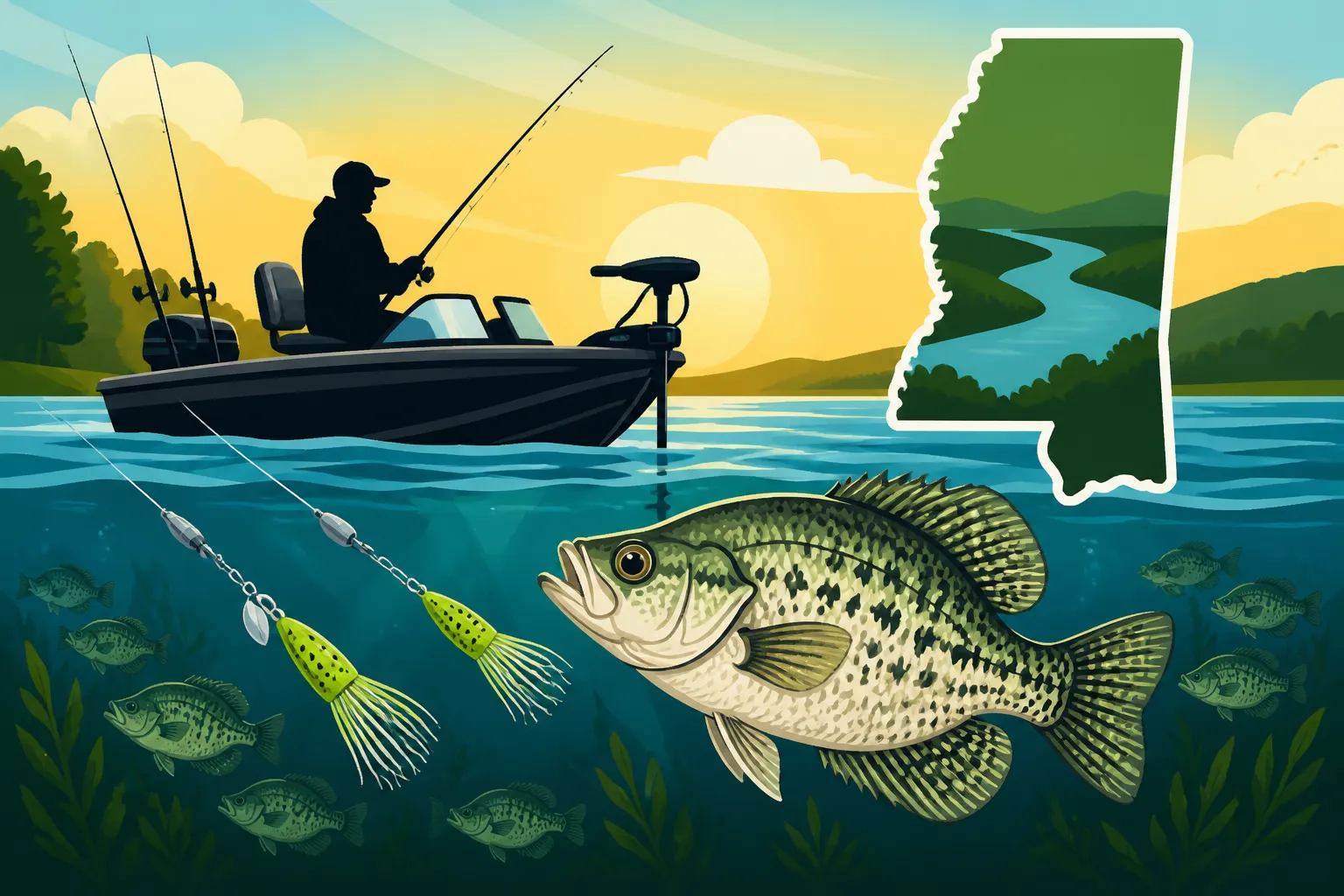
There's nothing quite as frustrating as heading out to your favorite Mississippi crappie spot, seeing promising sonar readings, and then realizing the fish just aren't biting where you expected. We've all been there, anchored down, meticulously casting, only to come up empty-handed. But what if you could cover vast amounts of water, present your bait to hundreds of crappie in a single outing, and dramatically increase your chances of finding those elusive slabs? This comprehensive guide will walk you through the world of trolling for crappie on Mississippi's incredible reservoirs, showing you how to turn inconsistent days into memorable hauls.
The Undeniable Advantage of Trolling for Crappie
For many anglers, the idea of "trolling" might conjure images of big boats offshore, chasing tuna or marlin. But for freshwater crappie, especially on our expansive Mississippi reservoirs, trolling is a highly effective, often overlooked technique that can absolutely revolutionize your fishing experience. It's about systematically searching for fish rather than waiting for them to come to you.
Why Traditional Methods Fall Short on Big Water
When you're fishing a vast body of water like Grenada Lake or Ross Barnett Reservoir, traditional techniques like anchoring over a brush pile or casting to visible structure can be incredibly effective if you've found the sweet spot. The problem is, crappie, being the finicky creatures they are, don't always stick to the same places, and they certainly don't broadcast their current location. Trying to pinpoint them on massive lakes can feel like searching for a needle in a haystack. You might spend hours moving from one promising spot to another, only to find the crappie have shifted, suspended, or simply aren't in a biting mood in that particular area.
This often leads to wasted time and a lot of head-scratching. You see other boats landing fish, but your tried-and-true methods aren't working. The sheer size of Mississippi's major reservoirs means crappie can be spread out across vast flats, suspended over deep channels, or tucked away in submerged timber that's nearly impossible to target effectively from a stationary position. Relying solely on static fishing often limits your ability to adapt to these widespread fish populations and their ever-changing moods.
How Trolling Unlocks More Consistent Catches
Trolling, in essence, is active searching. Instead of waiting, you're moving, constantly presenting baits to new fish and new potential hotspots. This allows you to efficiently cover huge areas, pinpointing where crappie are actively feeding and at what depth. Imagine systematically dragging a dozen baits across a mile-long flat at different depths and speeds. You're not just hoping a fish swims by; you're actively seeking them out. When a rod bends, you've found a clue. That bite tells you not only where the fish are but also how deep they are, what speed they prefer, and what bait they're hitting.
This dynamic approach builds a picture of the fish's behavior in real-time. You learn patterns, identify transition lines, and discover new, productive areas that you might never find through spot-fishing alone. Trolling removes much of the guesswork, transforming fishing from a static waiting game into a strategic hunt, leading to far more consistent and often larger hauls of crappie. It's about being proactive and adapting to the fish, rather than expecting the fish to adapt to you.
Gearing Up for Mississippi Crappie Trolling Success
To truly excel at trolling for crappie on Mississippi's big reservoirs, having the right equipment makes a world of difference. It's not just about getting bait in the water; it's about precision, efficiency, and durability.
The Right Rods, Reels, and Line for Your Spread
When it comes to trolling for crappie, you're not using your standard panfish setup. You want rods that are long, sensitive, and forgiving. Most experienced crappie trollers will opt for rods ranging from 7 to 14 feet, with some even longer for specific "spider rigging" setups. A sensitive tip is crucial for detecting subtle crappie bites, which can often feel like nothing more than a slight tap or extra weight on the line as you're moving. The longer length helps spread out your lines, preventing tangles and allowing you to cover a wider swath of water. For a more in-depth look at optimal choices, check out our guide on Choosing the Right Rod and Reel for Mississippi Fishing.
For reels, a simple, reliable spinning reel or a small baitcasting reel will do the trick. You don't need heavy-duty gear; smooth drag and decent line capacity are more important. Many anglers prefer spinning reels for their ease of use, especially when managing multiple lines. As for fishing line, there are a few schools of thought. Monofilament line in 4-8 pound test is a classic choice for its stretch and forgiveness, which can be helpful when a crappie strikes. However, some anglers prefer fluorocarbon leaders for their invisibility underwater, or even braided line for its incredible sensitivity and strength, especially when fishing in deeper water or around cover. The key is to match your line to the conditions and the specific technique you're employing, ensuring good knot strength and minimal visibility.
Advanced Electronics and Trolling Motors for Precision
Modern electronics are truly the unsung heroes of successful crappie trolling. A good depth finder with side imaging and down imaging capabilities is invaluable. These units, like those offered by Lowrance or Garmin, allow you to literally "see" structure, baitfish schools, and even individual crappie in incredible detail as you move. You can identify submerged creek channels, brush piles, rock formations, and standing timber – all prime crappie habitat – long before your baits reach them. This visual information lets you make informed decisions about where to steer your boat and at what depth to present your offerings. Understanding how to interpret what your fish finder is showing you is a skill that will pay dividends, especially when searching for fish in new areas. Our article on Reading a Fish Finder for Crappie goes into more detail on maximizing these tools.
Equally crucial is a reliable trolling motor, preferably one with GPS capabilities. Brands like Minn Kota and MotorGuide dominate this space for good reason. A GPS-enabled trolling motor allows you to set a precise speed and course, and the motor will hold it, even against wind and current. This is critical for maintaining a consistent bait presentation, which crappie often prefer. Imagine trying to hold a steady 0.8 mph while manually steering against a crosswind – it's nearly impossible. With a modern trolling motor, you can "anchor" electronically over a spot, follow a contour line, or run parallel to a submerged feature, all hands-free. This frees you up to focus on your rods and monitor your electronics, dramatically increasing your efficiency. You can find a wide range of these specialized trolling motors and advanced fish finders, along with rod holders and other accessories, available on platforms like Amazon.
Essential Baits and Lures for Trolling Rigs
The beauty of crappie trolling is the versatility of baits you can use. The most common and often most effective choice is live minnows. Rigging them correctly on a small jig head or a plain hook with a split shot ensures they swim naturally, attracting crappie with their erratic movements. You can troll minnows under a slip bobber or simply on a weighted line to reach desired depths. For more specific live bait recommendations, consult our guide on Best Bait for Crappie in Mississippi.
Beyond live bait, soft plastic jigs are incredibly popular. Small tubes, grubs, and tiny paddle-tail swimbaits in sizes from 1/32 to 1/8 ounce are excellent choices. Experiment with colors based on water clarity and sunlight – chartreuse, white, black/chartreuse, and natural shad patterns are perennial favorites. You can troll these jigs individually, or even in tandem rigs, which allows you to present two different baits or colors at once, doubling your chances. Understanding how to present these jigs effectively is a cornerstone of crappie fishing; our article on Jig Fishing for Crappie can provide further insights. Tiny crankbaits are another fantastic option, especially when crappie are more aggressive or you need to reach specific depths. Lures like the Bandit 300 series or small Rapala Shad Raps have a built-in wobbling action that can trigger strikes from active crappie. The key is to vary your presentations until you discover what the crappie are keying in on that particular day.
Mastering the Art of Crappie Trolling Techniques
Once you have your gear in order, it's time to understand the different ways to troll for crappie. There's more to it than just dragging baits behind the boat; subtle differences in technique can yield vastly different results.
Understanding "Pushing" vs. "Long-Lining" Strategies
These are the two fundamental approaches to crappie trolling, and each has its distinct advantages depending on the conditions and the crappie's behavior.
"Pushing", often called "spider rigging" (which we'll delve into more deeply next), involves placing numerous rods, typically 6 to 12 or more, off the bow of your boat, facing forward. The boat moves slowly forward, and the baits are "pushed" in front of the boat, just barely out of sight. This technique is fantastic for covering specific structures like creek channels, old roadbeds, or scattered timber. Because the baits are out front, you can often see fish on your sonar before your baits reach them, allowing for micro-adjustments in depth or direction. It's an excellent method for targeting tight schools of crappie or those holding close to cover in moderate depths. The slow speed and subtle bait presentation often appeal to less aggressive or finicky crappie, making it a powerful tool, especially in colder water or when fish are pressured.
"Long-lining", sometimes called "pulling," involves letting out a long length of line (often 50-100 feet or more) behind the boat, allowing the lure or bait to reach its running depth. Rods are usually placed along the sides and stern. This method is ideal for covering expansive open water flats, chasing baitfish schools, or when crappie are suspended over deeper water. Because the baits are so far behind the boat, any boat shy fish are less likely to be spooked. You can deploy a variety of baits at different depths and distances, creating a wide "net" to intercept scattered crappie. It's typically done at slightly higher speeds than pushing, allowing crankbaits to run true and jigs to maintain a natural swimming action. Long-lining excels at locating active fish over large areas, making it a great strategy for finding where the fish have spread out.
| Trolling Technique | Rod Placement | Boat Speed | Target Area | Advantages | Disadvantages |
|---|---|---|---|---|---|
| Pushing | Bow, Forward | Very Slow (0.3-0.8 mph) | Specific Structure, Cover, Depths | Precise bait presentation, less line out, good for concentrated fish, avoids snags better. | Requires more rod holders, slower coverage. |
| Long-Lining | Sides, Stern | Slow to Moderate (0.8-1.5 mph) | Open Water, Flats, Suspended Fish | Covers vast areas, less boat-shy fish, more natural bait action. | More line out (tangling risk), less precise depth control. |
Optimizing Your Spread with Spider Rigging
Spider rigging is essentially an advanced form of "pushing" that maximizes the number of lines and baits you can present. It's called "spider rigging" because with all the rods splayed out from the boat, it can look a bit like a spider with many legs. This technique involves using specialized, often purpose-built rod holders mounted around the boat, typically on the bow, to hold anywhere from 6 to 12 or even more long crappie rods. Each rod is set at a slightly different angle and depth, often with different baits or jig colors. Our guide on Spider Rigging Techniques provides a detailed breakdown of this setup.
The primary benefit of spider rigging is its ability to create a massive "net" of baits, covering a wide swath of water both horizontally and vertically. This is particularly effective when crappie are scattered, or you're unsure of their exact depth preference. By running multiple baits at varying depths, you quickly identify the crappie's feeding zone. For example, you might have one rod with a jig running at 10 feet, another at 12 feet, and a third with a minnow at 15 feet. When a specific depth starts producing, you can adjust the other rods accordingly. This method is a fantastic way to locate and then consistently catch crappie, especially on large, featureless flats or along subtle contour changes that might otherwise go unnoticed.
Dialing In Depth and Speed for Active Bites
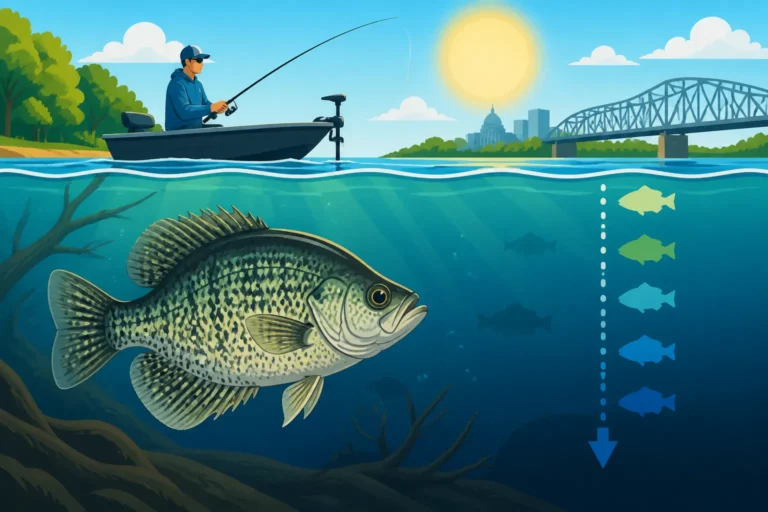
This is where the art of crappie trolling truly comes into play. The right depth and speed are critical for triggering strikes. Your electronics are your best friend here. As you move, constantly monitor your fish finder to see at what depth crappie are holding. Are they near the bottom, suspended in the middle of the water column, or tucked into the tops of submerged trees? Adjust your bait presentation to match that depth. This might involve adding more weight, using a different jig head size, or simply letting out more line if you're long-lining. Pay close attention to subtle changes in the bottom contour or the presence of baitfish, as crappie are often found nearby.
Speed is equally important. Crappie generally prefer slower presentations, especially in colder water. A typical trolling speed for crappie ranges from a glacial 0.3 mph (for pushing live minnows in winter) to about 1.5 mph (for long-lining crankbaits in warmer water). However, crappie can be incredibly finicky about speed on any given day. If you're not getting bites, try making small adjustments: speed up slightly, then slow down. A common tactic is to make a wide turn with your boat; the baits on the outside of the turn will speed up, while those on the inside will slow down. Often, crappie will hit one side of the boat more than the other, giving you a clue about their preferred speed. Water temperature plays a significant role in determining optimal speed, with fish typically more active in warmer water and sluggish in cold conditions. You can generally tell when the crappie are biting based on the time of day and year, as explained in Best Time of Day to Catch Crappie and other seasonal guides.
Top Mississippi Reservoirs for Trolling Big Crappie
Mississippi is blessed with some of the finest crappie fisheries in the country, and several of its large reservoirs are absolutely prime for trolling, offering diverse structures and robust populations.
Northern Giants: Grenada and Sardis Lake
If there are two names synonymous with giant crappie in Mississippi, it's Grenada Lake and Sardis Lake. These U.S. Army Corps of Engineers flood control reservoirs in northern Mississippi are renowned for producing "slab" crappie – fish weighing two pounds or more are common. Both lakes feature vast expanses of open water, significant standing timber, submerged creek channels, and numerous brush piles, making them ideal grounds for trolling. Our Grenada Lake Fishing Guide and Sardis Lake Fishing Guide offer more detailed insights into these crappie hotspots.
On Grenada, the main lake channels and the large flats are prime trolling territory. Anglers often focus on areas where old creek beds intersect with submerged timber, particularly in the fall and winter when crappie school up. In spring, as crappie move shallow for the spawn, trolling the deeper edges of flats leading into spawning coves can be incredibly effective. Sardis Lake offers similar opportunities, with its deep channels and extensive areas of standing timber being key attractions. Trolling here allows you to systematically pick apart these structures, presenting baits to crappie holding at different depths within the cover. Many successful anglers on both lakes utilize spider rigging, fanning out numerous rods to cover a wide area, often with a mix of live minnows and small jigs, to entice these legendary slabs.
Central and North Mississippi Gems: Ross Barnett and Enid Lake
While Grenada and Sardis often steal the crappie spotlight, other Mississippi reservoirs also offer exceptional trolling opportunities. Ross Barnett Reservoir, located just north of Jackson, is a massive body of water known for its diverse fishery, including excellent crappie populations. Trolling on "The Rez" is particularly effective in the main lake channels, especially during the colder months when crappie stack up. Large flats, humps, and the edges of weed lines are also excellent areas to troll, particularly around Pelahatchie Bay. Its large size means crappie can be spread out, making trolling an efficient method to locate active schools. For more information on this central Mississippi gem, check out the Ross Barnett Reservoir Fishing Guide.
Further north, Enid Lake holds its own as a fantastic crappie fishery. Known for producing both quantity and quality, Enid provides ample opportunities for trollers. Similar to Grenada and Sardis, Enid features old creek channels, expansive flats, and plenty of submerged timber, all of which are crappie magnets. Trolling the deeper portions of the lake during the winter can lead to incredible catches, while in spring, anglers can target crappie moving into shallower bays and coves. The key to success on Enid, as with any large reservoir, is to use your electronics to identify submerged structure and concentrations of baitfish, then tailor your trolling depth and speed accordingly. Each of these lakes presents unique challenges and rewards, but the common thread is that trolling provides a versatile strategy for consistent crappie success across various seasons and conditions.
Adapting Your Trolling to Mississippi's Seasons
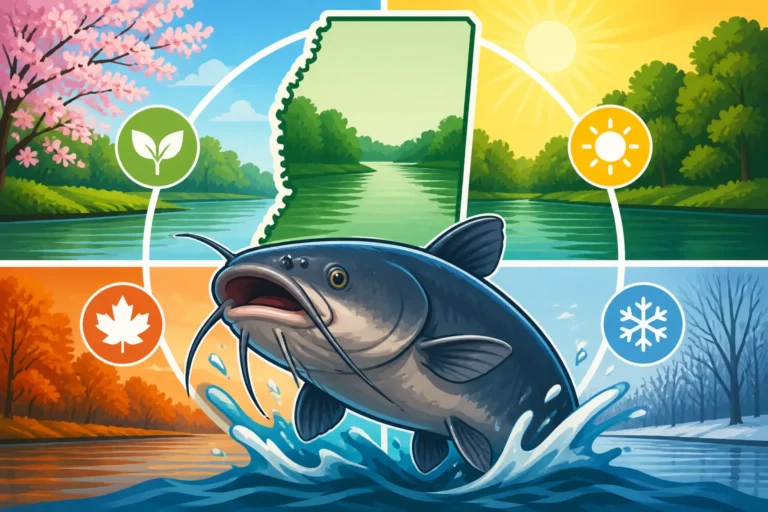
Crappie behavior changes dramatically with the seasons, driven primarily by water temperature and spawning cycles. A successful crappie troller understands these shifts and adjusts techniques accordingly.
Spring and Summer Trolling for Crappie
Spring is arguably the most anticipated season for crappie anglers in Mississippi, as fish move shallow for the spawn. However, even during the spawn, trolling can be incredibly effective, particularly in the pre-spawn and post-spawn phases. In the early spring, as water temperatures creep into the low 50s, crappie begin staging in creek channels and along the edges of flats leading to traditional spawning grounds. Slow trolling with live minnows or small jigs at these depths (often 8-15 feet) can intercept large numbers of fish gathering before they commit to the shallower beds. During the actual spawn, when water temperatures reach the high 50s to mid-60s, crappie will move into very shallow water (1-5 feet) around brush, cypress trees, and lily pads. Trolling jigs or tiny crankbaits very slowly along the outside edges of these shallow areas can be deadly. Our Mississippi Spring Fishing Guide offers more seasonal specifics.
As Mississippi's intense summer heat settles in, crappie will generally retreat to deeper, cooler water. They'll often suspend over creek channels, congregate around deep brush piles, or hold to the thermocline (the layer where warm surface water meets cooler deep water) if one is present. This is when long-lining crankbaits or deep-diving jigs becomes particularly effective. Anglers might troll at slightly higher speeds (1-1.5 mph) to cover more water and entice active summer crappie. Focus your efforts on the main lake bodies, particularly around structure in 15-30 feet of water. Understanding how to use your electronics to find these deeper fish and present baits at their exact depth is crucial for summer success. Always remember to check the water temperature before heading out, as it dictates much of the crappie's behavior.
Fall and Winter Strategies for Slab Crappie
Fall is a fantastic time for crappie trolling, as fish become incredibly active, feeding aggressively in preparation for winter. As water temperatures begin to drop from the mid-70s into the 60s, crappie will start to follow baitfish (like shad) into the main lake creek channels and secondary points. This "fall shad run" can lead to some incredible trolling action. Both pushing and long-lining can be effective, depending on how concentrated the crappie are. Anglers often find success by trolling jigs or small crankbaits along the channel edges, focusing on depths where baitfish schools are visible on the sonar. Crappie will often be suspended just below the baitfish, looking for an easy meal. This period of intense feeding means crappie are often more willing to chase a trolled bait.
Winter crappie fishing in Mississippi can be some of the most rewarding, especially for those targeting trophy slabs, but it requires patience and precision. As water temperatures drop into the 50s and even 40s, crappie become much more lethargic. They'll school up tightly, often in deep water, typically in main lake channels, deep pockets, or around the deepest standing timber. Slow trolling (0.3-0.8 mph) with live minnows is often the most productive strategy during winter. Spider rigging multiple rods, each presenting a minnow at a slightly different depth, allows you to pinpoint the exact level where crappie are holding. Focus on subtle presentations and detecting very light bites. This is a time when your electronics are absolutely indispensable for locating these tightly grouped fish. For more detailed winter insights, check out our Winter Crappie Fishing in Mississippi guide.
Overcoming Common Trolling Obstacles
Even with the right gear and techniques, trolling for crappie isn't without its challenges. Knowing how to troubleshoot common issues can save you frustration and keep you on the fish.
Navigating Structure and Minimizing Snags
One of the biggest frustrations in crappie trolling, especially on reservoirs with abundant submerged timber and brush piles, is getting snagged. It's an inevitable part of the game, but there are ways to minimize it. The first line of defense is your electronics. Side imaging is particularly useful here, allowing you to see structure off to the sides of your boat. Try to troll parallel to dense cover rather than directly through it. If your down imaging shows a thick brush pile, you can adjust your depth or course to go over or around it. Sometimes, using lighter line on your jig presentations or adding a small leader of lighter line (e.g., 4 lb test leader to an 8 lb main line) can act as a "breakaway," allowing you to sacrifice just the jig and hook instead of your entire rig or line.
Another strategy is to use "snag-proof" jig heads where the hook is recessed into the plastic, or rig your soft plastics weedless. While this might reduce hook-up percentages slightly, it can dramatically reduce snags in heavy cover. When pushing jigs, try to keep your baits just above the visible structure. If you feel a tick or the bait momentarily stops, often that's a crappie, but sometimes it's also a branch. A quick, gentle lift of the rod can often free the bait. Knowing the underwater topography of your chosen reservoir, perhaps through detailed mapping on your fish finder, will help you anticipate and navigate these snaggy areas more effectively, keeping your baits in the strike zone longer.
Adjusting to Dynamic Weather and Water Conditions
Mississippi's weather can be notoriously fickle, and changing conditions can significantly impact crappie behavior and your ability to troll effectively. Wind is perhaps the biggest challenge. A strong wind can make it difficult to maintain a consistent trolling speed and direction, even with a GPS-enabled trolling motor. If the wind is too strong, you might need to adjust your strategy, perhaps moving to a more protected cove or trolling directly into or with the wind to maintain better boat control. On especially windy days, consider heavier jig heads to keep your baits down. Rain can also affect conditions, sometimes stirring up muddy water, which might require a switch to brighter colored baits or those that create more vibration.
Barometric pressure also plays a role. Crappie, like many fish, can become less active during rapidly changing or falling barometric pressure. If the bite slows, it might be time to slow down your trolling speed even further, downsize your baits, or switch to live minnows for a more natural presentation. Conversely, stable or rising pressure often signals more aggressive feeding. Always keep an eye on the forecast and be prepared to adapt. Having appropriate rain gear and protective clothing (which you can easily find on Amazon) can make a huge difference in your comfort and ability to stay on the water when conditions aren't perfect. Being flexible and willing to experiment with different speeds, depths, and bait choices is key to consistently catching crappie, no matter what Mother Nature throws your way.
Disclaimer
Fishing conditions and regulations in Mississippi can change. Always consult the latest Mississippi Department of Wildlife, Fisheries, and Parks (MDWFP) regulations before heading out on the water. This guide is for informational purposes only.