Noodling for Catfish
Traditional rod-and-reel fishing for catfish can be incredibly relaxing, but let's be honest, sometimes you crave a more visceral, heart-pounding encounter with those whiskered giants. If you've ever felt that itch for a truly hands-on challenge, then the ancient art of noodling for catfish in Mississippi might just be your next great adventure. This guide will walk you through everything you need to know to safely and legally try your hand at this unique, adrenaline-fueled fishing method.
The Raw Thrill of Noodling: What It Truly Means
Noodling, often referred to as "hand fishing," is a method of catching catfish using only your bare hands. It's not for the faint of heart, but for those who embrace the challenge, it offers an unparalleled connection to nature and a rush that traditional fishing often can't match. It’s a method steeped in tradition, passed down through generations in many Southern communities, including right here in Mississippi.
Understanding the "Bare Hand" Approach
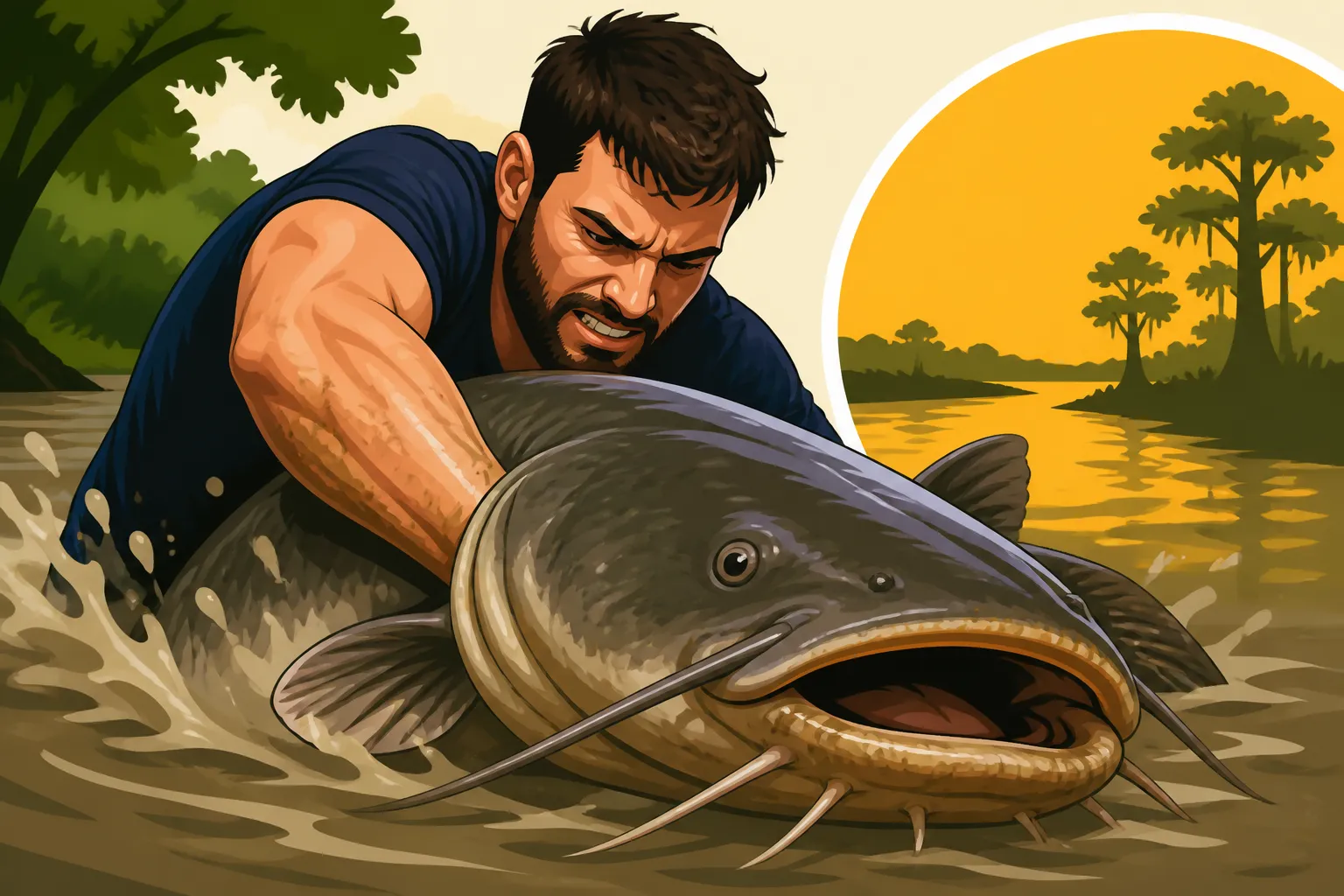
At its core, noodling involves wading or diving into the water, locating submerged holes or crevices where large catfish take shelter, and then reaching into those dark, unknown spaces to lure the fish out with your hand. The goal is to get the catfish to "bite" or latch onto your hand, allowing you to get a firm grip and wrestle it to the surface. It sounds wild, and it absolutely is. This isn't about casting a line and waiting; it's about active, direct engagement. Imagine the feeling of blindly reaching into a murky hideout, feeling around, and then suddenly, a powerful fish clamps down on your arm. That moment of raw instinct, the struggle, and the eventual triumph of pulling a monster catfish from its lair is what hooks many noodlers for life. It's less about the gear and more about pure grit and understanding fish behavior.
The Allure of Trophy Catfish in Tight Spaces
Catfish, especially larger species like flatheads and blue catfish, are territorial and seek out dark, enclosed spaces for shelter, particularly during spawning season or when resting. These "holes" can be under undercut banks, inside hollow logs, beneath root balls, or within rock piles. These are precisely the places that noodlers target. What makes noodling so enticing is the potential to encounter truly massive fish. While a rod and reel might struggle to pull a trophy-sized catfish out of a snaggy, submerged structure, a determined noodler can often leverage the fish's own defensive instincts against it. When you feel that powerful head shake and the sheer bulk of a large flathead wrapping around your arm, you understand why people are so drawn to this method. It's a primal dance, a test of strength and nerve, often resulting in bragging rights about pulling out a true beast of the river.
Navigating the Legal Landscape: Is Noodling Permitted in Mississippi?
Before you even think about sticking your hand into a murky hole, it's absolutely crucial to understand the legalities. Misconceptions about noodling abound, and violating regulations can lead to serious fines or even legal trouble. The good news is that noodling is legal in Mississippi, but it comes with very specific rules you must follow.
Mississippi Department of Wildlife, Fisheries, and Parks Regulations
The Mississippi Department of Wildlife, Fisheries, and Parks (MDWFP) oversees all fishing activities in the state, including noodling. According to MDWFP regulations, "hand grabbing" or noodling is permitted for certain species of catfish. The key here is the "bare hand" rule: you are only allowed to use your hands to catch the fish. This means no artificial devices like hooks, gaffs, ropes, or snares can be used to pull the fish out of its hole. The intent is for the angler to physically enter the fish's hiding spot and subdue it with their hands alone. This strict adherence to the bare-hand method is what distinguishes legal noodling from poaching. It's a challenging rule, but it's in place to ensure fair chase and prevent harm to the fish or habitat from indiscriminate methods. You can find more comprehensive details on Mississippi Fishing Regulations Explained on the MDWFP website. Additionally, a valid Mississippi fishing license is always required, regardless of your chosen fishing method. Understanding the nuances of Mississippi Fishing License Guide is your first step.
Understanding Permitted Waters and Species
While noodling is legal, it's not a free-for-all. Generally, hand grabbing for catfish is permitted in most public waters across Mississippi. However, specific lakes or wildlife management areas might have their own local ordinances or temporary closures, so always check with the MDWFP or local authorities if you're venturing into a new area. The primary target species for noodling in Mississippi are channel catfish, blue catfish, and flathead catfish. These are the species that tend to seek out the kind of submerged holes and structures that noodlers target. It's important not to confuse these with other fish that might inhabit similar spaces, such as protected species or non-game fish for which noodling might be illegal or simply ineffective. Knowing the differences between various catfish species and their typical habits, as discussed in our Catfish Identification Chart guide, is essential for responsible noodling. Always be mindful of Mississippi Fishing Creel and Size Limits as well, which apply to noodling just as they do to any other fishing method. For instance, while it might be legal to noodle, you still can't exceed the daily bag limit for catfish. If you're wondering, "Is Noodling Legal Statewide in Mississippi?", the answer is generally yes, but always double-check specific location rules before you go.
Gearing Up and Prepping for a Noodling Expedition
Unlike traditional fishing, noodling doesn't require a tackle box full of lures or a fancy rod and reel. However, that doesn't mean you can go completely unprepared. Your "gear" primarily revolves around safety and preparedness, as you'll be putting yourself in direct contact with powerful fish and their environment.
Essential Safety Gear You Can't Afford to Skip
Safety must be your absolute top priority when noodling. This isn't a casual outing; it's an intense physical activity that carries inherent risks. First and foremost, invest in a good pair of heavy-duty, cut-resistant gloves. Catfish have sharp pectoral fins, dorsal spines, and surprisingly abrasive mouths, and without proper protection, you'll end up with painful cuts and scrapes. Many experienced noodlers recommend gloves designed for handling sharp objects or even specialized fishing gloves; you can find durable options on Amazon. Eye protection, like safety glasses, is also highly recommended to prevent accidental pokes from fish fins or debris.
Beyond personal protection, consider a sturdy life vest or personal flotation device, especially if you plan to noodle in deeper waters or areas with strong currents. A sharp knife or line cutter, easily accessible, can be critical if you get tangled in submerged debris. A basic first-aid kit is non-negotiable for treating minor injuries on the spot. Finally, and perhaps most importantly, never go noodling alone. The buddy system is critical for safety; your partner can assist you in landing a large fish, provide help if you get stuck, or call for emergency assistance if needed.
Scouting and Locating Prime Catfish Haunts
Successful noodling relies heavily on your ability to find where the big catfish live. Catfish are creatures of habit and prefer certain types of underwater structures. Look for undercut banks along rivers and lakes – these are natural tunnels created by erosion where catfish love to hide. Submerged logs, root balls from fallen trees, and rock crevices also make excellent catfish homes. In some areas, old culverts, concrete pipes, or even discarded tires can provide attractive hiding spots. Understanding catfish behavior, particularly during their spawning season (typically late spring to early summer in Mississippi), is key, as they become even more protective of their nests in these hidden areas.
Before you even get in the water, spend time scouting from the bank or a boat. Look for disturbed mud around potential holes, indicating recent fish activity. Consider water depth and current; catfish usually prefer calmer water but often near deeper channels or current breaks. For those looking to explore prime areas, checking out a guide like Mississippi River Fishing Guide can give you insights into the types of structures found in larger river systems. Pay attention to water clarity; while catfish don't rely on sight as much as some other species, clear water can make identifying suitable holes easier. Remember, reconnaissance is half the battle; the more you know about your chosen spot beforehand, the safer and more successful your trip will be.
Building the Right Mindset and Team
Noodling isn't just a physical endeavor; it's a mental one. You need to be prepared for discomfort, scrapes, and the sheer unpredictability of encountering a wild animal in its own element. A strong, positive mindset, coupled with a healthy respect for the risks, is essential. This isn't a sport for the easily squeamish or those who panic under pressure. You will get muddy, you will get wet, and there's a good chance you'll encounter things other than catfish in those holes.
Building the right team is equally important. As mentioned, never noodle alone. Your noodling partner needs to be someone you trust implicitly, someone who is strong, level-headed, and understands the risks involved. Communicate constantly with your partner about what you're doing, what you're feeling, and when you need assistance. Discuss emergency procedures before you even get in the water. A good partner isn't just there to help land a fish; they're there to watch your back, provide moral support, and ensure your safety. Consider taking a basic water safety or first-aid course with your partner to enhance your preparedness. This mutual trust and teamwork are what truly make a noodling expedition successful and safe.
The Art of the Catch: Noodling Techniques in Action
Once you've done your scouting, geared up, and mentally prepared, it's time to get into the water and put your skills to the test. The actual act of noodling involves a sequence of steps, from finding the fish to safely bringing it to hand.
The Delicate Dance of Locating and Feeling the Fish
The first step is to systematically search for holes where catfish might be hiding. This often involves wading along the bank or diving down to explore submerged structures. You might use your feet to gently probe the bottom or your hands to feel along the edges of logs and banks. Once you locate a promising hole – perhaps an opening under a root system or a dark cavity – you'll carefully insert your arm or foot. The trick is to be patient and methodical. Don't just jam your arm in; slowly feel around inside the cavity. You're looking for the characteristic feel of a catfish's body, its smooth skin, or the tell-tale "bump" of its head.
When you feel a fish, the real "dance" begins. Catfish are naturally defensive, especially when protecting a spawning bed or their territory. Your goal is to gently annoy the fish enough to get it to react, ideally by biting your hand. Slowly move your hand or fingers, wiggling them slightly. The catfish will often try to push your hand away, but eventually, its instinct to defend its space will kick in, and it will often clamp down on your hand or arm. This is where those heavy-duty gloves come in handy! Feeling the fish's reaction, discerning its size, and anticipating its next move is an acquired skill that comes with practice.
Executing the Grab: Securing Your Prize
Once the catfish has latched onto your hand or arm, it's time to execute the grab. This is the moment of truth. You need to quickly and firmly secure the fish. The most common technique is to slide your hand further into its mouth, past its rough "rasps," and then hook your fingers firmly into one of its gill plates from the inside. This provides a solid, secure grip that gives you leverage. Alternatively, for smaller fish, you might be able to get a firm grip around its body, just behind the head, being careful to avoid its sharp dorsal and pectoral fins. For a powerful flathead, the challenge often involves keeping its head pointed away from you as it thrashes.
The fight can be intense, especially with a large fish. Catfish are incredibly strong and will twist, turn, and roll to escape. Your partner is crucial here. As you bring the fish out of its hole, your partner should be ready to assist, either by grabbing the fish as it emerges or by helping you stabilize yourself in the water. It’s a team effort to overcome the fish's natural strength and the resistance of the water. For a sturdy stringer or even specialized catfish handling gloves, checking Amazon can be a good starting point to equip yourself for landing and securing your catch once it's out of the water.
Bringing the Fish to Shore and Handling It Safely
Once you have a firm grip and have managed to wrestle the catfish from its hiding spot, the next challenge is getting it safely to the shore or into a boat. This again is where your partner's assistance is invaluable. If you're in shallow water, you might be able to walk it to the bank. In deeper water, your partner might need to help guide you or the fish, or even have a net ready for smaller catfish. Remember, a thrashing catfish can cause injury even out of the water, so maintain your grip firmly.
Once on land, immediately place the fish on a stringer or in a cooler with ice. This ensures the fish remains fresh and also prevents it from flopping back into the water or injuring itself or you. If you plan to release the fish, handle it as gently as possible, minimizing its time out of water. For those aiming for a state record, make sure you know the proper procedures for weighing and verifying your catch, as detailed in our guide on the Mississippi State Record Catfish Weight. Always prioritize the well-being of the fish, whether you plan to keep it or release it.
Risks and Responsibilities: Staying Safe and Sustainable
While noodling offers an exhilarating experience, it's imperative to approach it with a deep understanding of its inherent risks and a commitment to responsible, ethical practices. This isn't just about protecting yourself, but also about preserving Mississippi's rich aquatic ecosystems for future generations.
Understanding and Mitigating the Dangers
The hidden dangers of noodling are numerous and serious. When you reach into an unseen underwater cavity, you're not just risking a catfish bite. Snakes, particularly water moccasins, frequently inhabit the same types of bank holes and submerged logs as catfish. Snapping turtles, with their powerful jaws, can inflict severe injury. Muskrats and other burrowing animals can also create dens in these areas. You might encounter broken glass, rusty metal, or other sharp debris that could cause deep lacerations or punctures. In certain waters, there's always the risk of getting tangled in old fishing line, trotlines, or submerged branches.
Beyond wildlife and debris, there's the very real risk of drowning. Strong currents can pull you into unexpected situations, and getting stuck in a tight hole underwater can be terrifying and deadly. Always assess the water conditions before entering. Wear a life vest, even in shallow water, and ensure your partner is always within arm's reach and actively aware of your situation. Having a clear exit strategy from any hole you enter is vital. Never push your limits or take unnecessary chances.
Practicing Ethical Noodling for Future Generations
Responsible angling is paramount, and noodling is no exception. Just like with any other fishing method, you must adhere to all state regulations regarding catch limits and size restrictions. Don't be tempted to take more fish than legally allowed or more than you can realistically consume. Practicing catch and release for larger breeding fish, especially if you're not going to eat them, helps ensure healthy fish populations for the future. Understanding Mississippi Freshwater Fishing Rules will provide the foundation for ethical practices.
Respect for the environment is equally important. Avoid damaging banks, disturbing natural habitat, or leaving trash behind. When exploring potential noodling holes, do so gently and minimize disturbance. Remember that these holes are not just homes for catfish, but for a whole host of aquatic creatures. Noodling should be an experience of connecting with nature, not conquering it. For anglers interested in various forms of Catfish Fishing Techniques, it's clear that while the methods differ, the underlying principles of respect for the resource remain the same.
| Feature | Noodling for Catfish | Rod and Reel Fishing for Catfish |
|---|---|---|
| Method | Bare hands, reaching into underwater holes | Rod, reel, line, bait, hooks, casting/still fishing |
| Gear Required | Heavy-duty gloves, life vest, partner, first-aid kit | Rod, reel, line, variety of baits/lures, tackle box, cooler |
| Experience Level | Requires physical strength, nerve, and direct engagement; often done by experienced anglers | Can be enjoyed by all skill levels, from beginner to expert |
| Safety Risks | High (drowning, bites from fish/wildlife, submerged hazards, getting stuck) | Moderate (hook injuries, boating accidents, weather exposure) |
| Adrenaline Factor | Very High – direct, physical confrontation with fish | Moderate – anticipation of a bite, fight on the line |
| Target Fish | Primarily large Flathead and Blue Catfish in holes | All catfish species, various sizes, across different habitats |
| Environmental Impact | Potential for habitat disturbance if not careful | Minimal direct habitat disturbance, focus on responsible harvest |
| Legality | Legal in Mississippi with specific bare-hand rules | Legal throughout Mississippi with standard regulations |
Responsible anglers also understand the importance of avoiding overfishing, a key aspect discussed in Mississippi Fishing Seasons Calendar. By committing to ethical and safe practices, you can ensure that the thrill of noodling remains a cherished tradition in Mississippi for years to come.
Disclaimer
Fishing inherently carries risks. The information provided in this guide is for informational purposes only and does not constitute professional advice. Always prioritize safety, adhere to all local and state regulations, and consider consulting with experienced local guides or authorities before attempting any fishing method, especially one as physically demanding and potentially dangerous as noodling. The author and publisher are not responsible for any injuries or incidents that may occur.