Catfish Fishing Techniques
There's nothing quite like the thrill of a catfish tugging on your line, fighting with all its might, whether it's a feisty channel cat in a farm pond or a colossal blue cat in the mighty Mississippi. Many anglers, new and seasoned, often struggle to consistently land these powerful bottom dwellers, facing challenges from choosing the right bait to understanding their elusive habits. This comprehensive guide is here to untangle those frustrations, diving deep into the most effective catfish fishing techniques proven to work right here in Mississippi.
Understanding Mississippi Catfish Species
Before you even think about casting a line, it's incredibly helpful to know which catfish you're actually targeting. Mississippi waters are home to three main species, each with its own personality, preferred hangout spots, and dietary quirks. Understanding these differences is your first step to becoming a more effective catfish angler.
Channel Catfish Characteristics and Habitat
Channel catfish are probably the most commonly encountered catfish in Mississippi, and for good reason! They're abundant, widespread, and a blast to catch, offering a spirited fight that belies their average size. You'll find these opportunistic feeders almost everywhere – from the sprawling reservoirs like Ross Barnett and Grenada Lake to smaller community ponds and slow-moving rivers. They thrive in warmer waters and prefer areas with moderate current, often hanging around structure like submerged timber, rock piles, or even just a good, deep bend in a creek channel.
What makes channel cats so appealing is their aggressive feeding habits and willingness to bite a wide variety of baits. They're scavengers by nature, always on the hunt for a meal, which is why stink baits, cut bait, and good old-fashioned worms are so effective. Anglers sometimes get frustrated when they can't distinguish a channel cat from a bullhead, but channels usually have a forked tail and scattered black spots on their bodies when young. Learning their preferred habitats – often deeper holes adjacent to shallower feeding flats – will significantly increase your chances of hooking into these delightful fish.
Blue Catfish: The River Monsters
If you're looking for a true heavyweight fight, the blue catfish is your ultimate target in Mississippi. These are the giants of our waterways, capable of reaching truly impressive sizes, with the state record pushing well over 100 pounds. Blue cats are primarily river dwellers, dominating the larger systems like the Mississippi River, Pearl River, and parts of the Tennessee-Tombigbee Waterway. They prefer strong currents and deep channels, often congregating in deep bends, scour holes, and around major submerged structures like old bridge pilings or log jams.
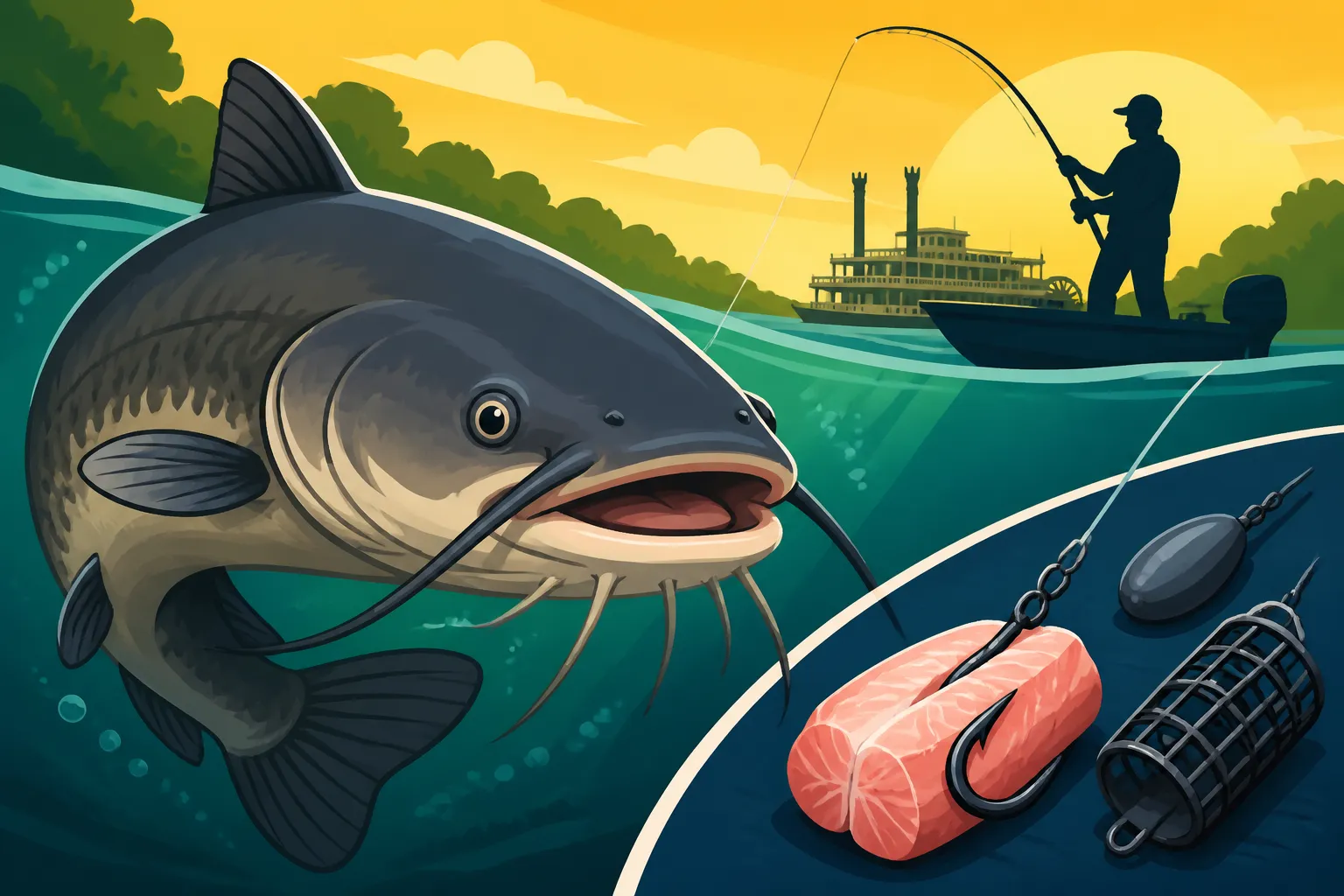
Tackling blue catfish isn't for the faint of heart or the lightly equipped. Anglers often face the frustration of inadequate gear when a monster blue cat decides to strike. You'll need heavy-duty rods, powerful reels, and robust line to stand a chance against these powerful fish. Unlike channel cats, blue cats are more predatory, often feeding on smaller fish like shad, skipjack, and even smaller catfish. This means cut bait, especially fresh cut shad, is typically the most effective offering for landing these river monsters. Their sheer size and incredible fighting power make every hook-up an unforgettable experience, but also one that demands preparation.
Flathead Catfish: Ambush Predators
The flathead catfish is the enigmatic third member of Mississippi's catfish trio. Instantly recognizable by its distinctive flattened head, lower jaw that protrudes beyond the upper, and usually a mottled brown or yellowish-brown coloration, the flathead is a true ambush predator. Unlike the omnivorous channel cat or the predominantly piscivorous blue cat, flatheads have a strong preference for live prey. They won't usually touch stink baits or dough balls; instead, they're looking for a lively meal.
Flatheads are often found in similar riverine environments as blue cats, favoring slower-moving sections of large rivers and sometimes deep, snag-filled areas of reservoirs. They are masters of concealment, preferring to hide out in log jams, brush piles, undercut banks, or any heavy cover where they can lie in wait to ambush unsuspecting baitfish. A common frustration for anglers is how challenging it can be to consistently target flatheads due to their specific dietary preferences and their tendency to remain hidden. To catch a flathead, you'll almost always need a sturdy rod and reel setup, and, most importantly, fresh, lively bait like a sunfish or a small carp, fished directly into their lairs. They offer a unique, powerful, and often stubborn fight once hooked.
Essential Gear for Mississippi Catfish Anglers
Having the right equipment can make all the difference between a successful, enjoyable day on the water and a frustrating one. Catfish, especially the larger species, demand robust tackle that can handle their incredible strength and stubborn fight. Don't skimp on your gear; it's an investment in your fishing success.
Rods, Reels, and Line Selection
Choosing the right rod, reel, and line combination is paramount for catfish angling. For the abundant channel catfish, a medium-heavy spinning or baitcasting rod, typically 6 to 7.5 feet long, will serve you well. Pair this with a reliable spinning reel in the 3000-4000 series or a baitcasting reel capable of handling 15-25 pound test line. This setup offers enough backbone for channel cats while remaining sensitive enough to detect lighter bites.
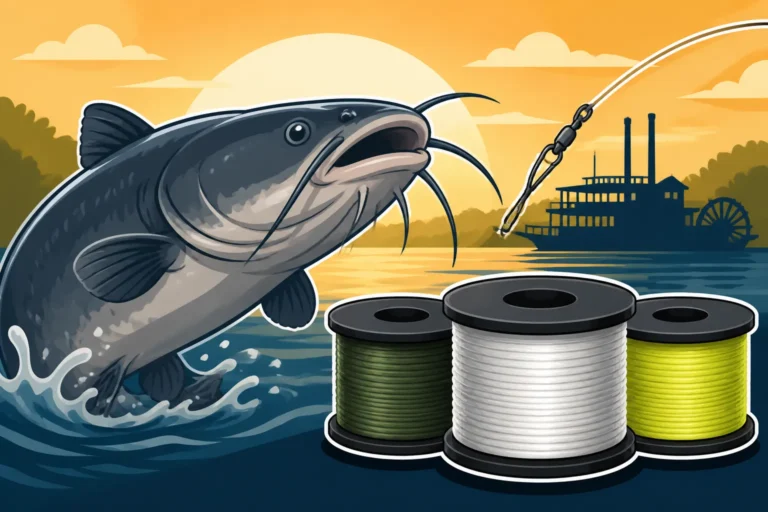
When you start targeting blue and flathead catfish, especially the bigger ones, you need to step up your game significantly. Here, a heavy to extra-heavy power rod, 7 to 10 feet long, is essential. These longer rods provide better casting distance and leverage to fight powerful fish. For reels, a conventional baitcasting reel or a heavy-duty spinning reel (6000 series and up) with a strong drag system is crucial. For line, braided line in the 30-80 pound test range is often preferred due to its superior strength, low stretch, and abrasion resistance. Monofilament can work for channel cats, but for the heavy hitters, braid is king. You can find a wide array of options for "Best Fishing Line for Catfish" and heavier rods on platforms like Amazon, offering competitive prices and quick delivery.
Terminal Tackle for Catfish Rigs
The business end of your fishing line, known as terminal tackle, needs to be just as robust as your rod and reel. This includes hooks, weights, swivels, and leaders. For hooks, circle hooks are almost universally recommended for catfish. Their design, which sets the hook in the corner of the fish's mouth as it swims away, significantly reduces gut-hooking, making them ideal for both catch-and-release and ensuring a healthy fish if you plan to keep it. Sizes typically range from 2/0 for smaller channel cats up to 10/0 or even larger for trophy blue and flathead catfish.
Weights are crucial for getting your bait down to where the catfish are. No-roll sinkers are excellent in current, while egg sinkers or pyramid sinkers work well in calmer waters or when bank fishing. The weight you choose depends on current strength and depth, but typically ranges from 1/2 ounce to several ounces. Swivels are important to prevent line twist and connect your main line to your leader. Heavy-duty barrel or ball-bearing swivels are best. Leaders, often made of tough monofilament or fluorocarbon (30-80 pound test), provide an extra layer of abrasion resistance against rough catfish mouths and submerged snags.
Essential Accessories and Safety Gear
Beyond the core tackle, a few essential accessories can greatly improve your catfish fishing experience and ensure safety. A large, sturdy landing net is absolutely indispensable, especially for bigger fish that are too heavy or powerful to simply hoist onto the bank or into the boat. Long-nose pliers or a hook remover are vital for safely extracting hooks, particularly from a catfish's powerful, toothy jaws. A good pair of gloves can protect your hands from spines and rough scales.
Don't forget the practicalities! A cooler for keeping your bait fresh and your caught fish chilled is a must. A sharp knife for cutting bait and a comfortable chair for those longer waiting periods are also highly recommended. Safety should always be a priority, especially when boating. Always have enough life jackets for everyone on board, and be familiar with the current Mississippi Life Jacket Rules for Anglers. A basic first-aid kit is also a wise addition to your tackle box, just in case of minor cuts or scrapes.
Top Baits and Attractants for Catfish
Catfish are known for their strong sense of smell and their willingness to eat a wide variety of things, but certain baits consistently outperform others. Matching your bait to the species you're targeting and the conditions you're fishing in can make a huge difference.
Natural and Prepared Baits
For channel catfish and often blue catfish, natural and prepared baits are incredibly effective. Cut bait is a perennial favorite, with fresh shad, skipjack herring, or even small pieces of bream (where legal) being top choices. The oil and blood from cut bait create a powerful scent trail that catfish can detect from a distance. Chicken livers are another classic, though they can be messy and tend to fall off the hook easily; wrapping them in a small piece of nylon mesh can help keep them secure. Good old earthworms and nightcrawlers are also excellent, especially for smaller channel cats and even flatheads if presented correctly.
Prepared "stink baits" or "dough baits" are specifically designed to attract catfish with their potent odors. These range from solid nuggets to soft pastes that adhere to a sponge or specially designed bait holder. Brands like Catfish Charlie, Sonny's Super Sticky Bait, and others have a loyal following. While primarily effective for channel cats, some larger blue cats will also take them. You can easily find a vast selection of these popular prepared baits on Amazon, often with reviews from other anglers to help you choose.
Live Bait Options
When it comes to flathead catfish, live bait is almost non-negotiable. These opportunistic predators prefer to ambush live prey. Small sunfish (bluegill, bream), minnows, small carp, or even larger shad are excellent choices. The key is to keep the bait alive and lively on the hook to attract the flathead's attention. A live bait rig, often a simple Carolina rig or a three-way rig, allows the bait to swim naturally near cover.
While flatheads are the primary target for live bait, blue catfish will also readily take live offerings, especially larger ones in river systems. Channel catfish, too, can be caught on live minnows or small worms. The challenge with live bait lies in keeping it healthy and active, which often requires a well-aerated bait bucket or livewell. The movement and distress signals of live bait are irresistible to flatheads, making it a technique worth mastering if you're serious about targeting these unique fish.
Enhancing Baits with Attractants
To give your chosen bait an extra edge, many anglers turn to scent attractants. These come in various forms, including dips, sprays, and gels, designed to intensify the odor of your bait or lure. For cut bait or prepared baits, a dip or spray that mimics fish oils, blood, or other strong scents can extend the scent trail and make your offering even more enticing. Some anglers even inject scents directly into their cut bait for a prolonged release.
For artificial lures, which aren't typically used for catfish but can sometimes pick up channels, a scent spray can help mask human odors and encourage a bite. The science behind attractants is that they stimulate a fish's chemoreceptors, triggering a feeding response. While not always necessary, especially if you have fresh, prime bait, a quality attractant can sometimes make the difference on slower days or in murky water where visibility is low and scent is paramount. Experiment with different scents to see what works best in your local waters.
Proven Catfish Fishing Techniques
Catching catfish isn't just about having the right gear and bait; it's about understanding and implementing effective techniques. Whether you're casting from the bank or drifting from a boat, there are specific strategies that can dramatically improve your success rate.
Bank Fishing Strategies
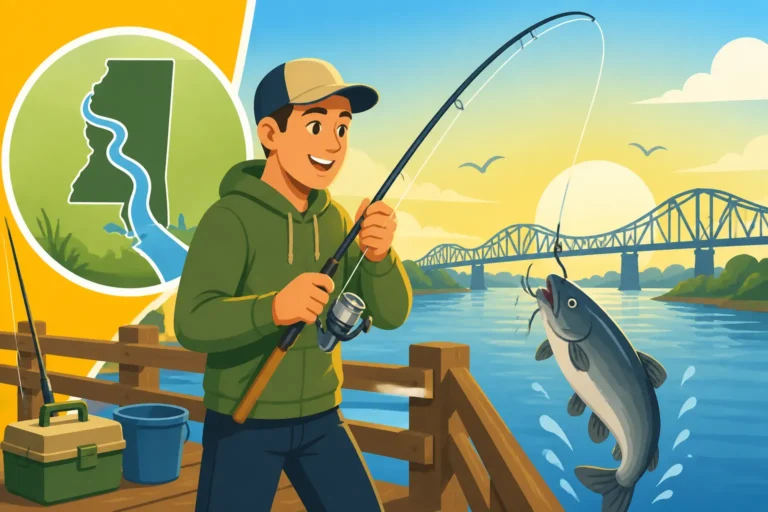
Bank fishing for catfish is incredibly popular in Mississippi, offering accessibility and a relaxing way to enjoy the sport. The key to successful bank fishing is finding the right location. Look for areas with deeper water close to shore, current breaks, submerged structure like fallen trees, or points that jut out into the water. Creek mouths feeding into larger bodies of water are also prime spots, especially after a rain. Places like the spillway areas of some reservoirs or access points along larger rivers can be fantastic for "Best Spots for Bank Fishing Without a Boat in Mississippi".
For rigging, a simple Carolina rig is a staple for bank anglers. This involves an egg sinker (or no-roll sinker in current) above a swivel, with a leader (12-24 inches) and a circle hook. This allows your bait to lie naturally on the bottom while the weight keeps it in place. A three-way rig, using a three-way swivel, can also be effective, allowing you to present a bait off the bottom while another weight holds your rig down. The most common frustration here is often impatience; bank fishing for catfish requires letting your bait soak for extended periods. Setting up multiple rods, spaced out along the bank, can help you cover more water and increase your chances.
Boat Fishing: Drifting and Anchoring
Boat fishing opens up a whole new world of catfish possibilities, allowing you to access areas unreachable from shore and employ more dynamic techniques. Two primary methods dominate boat fishing for catfish: drifting and anchoring. Drifting is excellent for covering large areas, especially on expansive reservoirs like Ross Barnett or Sardis Lake, or wide river sections. You simply deploy your baits and let the wind or current push your boat along, allowing your bait to naturally cover potential holding areas. Using specialized drift socks can help control your speed and direction, ensuring your bait stays in the strike zone. This is particularly effective for blue catfish actively searching for food.
Anchoring is the preferred method when you've identified a specific hotspot – perhaps a deep hole, a prominent current seam, a brush pile, or an old roadbed. Precise anchoring directly over or just upstream of these structures is critical. Using a good depth finder to locate structure and fish concentrations is invaluable here. Once anchored, you can drop multiple lines, each with a different bait or rig, to see what the fish prefer. Mastering "How to Anchor Properly for River Catfishing" is a skill that will consistently put you on fish in moving water, allowing your baits to sit enticingly in ambush points.
Specialized Techniques: Jug Lining and Trotlines
For those looking to catch a significant quantity of catfish, or simply enjoy a more passive, hands-off approach, jug lining and trotlining are traditional and highly effective methods in Mississippi. Jug lining involves using individual floats (jugs) with a baited line attached. These can be deployed and allowed to drift, or anchored in place. Each jug acts as an independent fishing device, and when a fish strikes, the jug will start to move or dance, signaling a bite. It's a fun and exciting way to target catfish, especially in calmer lake waters or slower river sections.
Trotlining is a more substantial setup, using a long main line stretched across a body of water or along a bank, with multiple baited hooks attached at intervals on droppers. Trotlines can be highly productive but require careful setup and adherence to regulations. Both jug lining and trotlining have specific rules regarding the number of devices, hook limits, and labeling requirements in Mississippi, so it's crucial to consult the Mississippi Trotline and Jug Fishing Rules before deploying them. These methods are typically more labor-intensive to set up and maintain but can yield impressive catches.
Noodling for Catfish: A Unique Challenge
Noodling, also known as hand-fishing or grabbling, is a truly unique and ancient method of catching catfish that has a strong cultural presence in certain parts of Mississippi. Instead of using a rod, reel, or line, noodlers physically reach into submerged holes, log jams, or undercut banks, attempting to locate and literally grab large catfish by hand. It's an incredibly physical, adrenaline-pumping, and often muddy endeavor that requires courage and skill.
While certainly not for every angler, noodling offers a direct, primal connection to the fish. It typically targets large flathead catfish, which often use these submerged structures as nesting sites or ambush points. It's vital to be aware of the "Is Noodling Legal in Mississippi?" regulations, as rules can vary by state and even by specific water body. Noodling is not without its risks, including potential encounters with snakes, snapping turtles, or other wildlife. For those who embrace the challenge, however, landing a massive catfish with your bare hands is an unmatched accomplishment and a story you'll tell for years.
Seasonal and Environmental Considerations
Catfish, like all fish, are influenced by the changing seasons and environmental factors. Understanding how these elements affect their behavior and location is crucial for consistent success. Adjusting your tactics to match the time of year can transform a slow fishing trip into a memorable one.
Spring Catfish Patterns and Spawning
Spring in Mississippi brings warmer temperatures and renewed catfish activity. As water temperatures rise into the 60s Fahrenheit, catfish begin to emerge from their winter lethargy and move into shallower waters to feed aggressively in preparation for spawning. This pre-spawn period is often one of the best times to target trophy catfish, as they are actively gorging themselves. Look for them in creek channels, transition zones between deep and shallow water, and along flats adjacent to major river bends or reservoir main channels.
As water temperatures climb further into the 70s, catfish will enter their spawning phase, typically from late spring through early summer. During this time, they become more territorial and might be less focused on feeding, often found in secluded, dark areas like hollow logs, rock crevices, or undercut banks to protect their nests. Post-spawn, as they recover, they'll resume aggressive feeding, often staying in or near the same shallower areas for a while before moving back to deeper haunts as summer progresses. Knowing these movements helps you pinpoint their likely locations throughout the spring.
Summer Catfish Tactics
Mississippi summers are hot, and while it might make for uncomfortable fishing for us, catfish are quite active, especially the blue and channel varieties. During the peak heat of the day, catfish will often retreat to deeper, cooler water where oxygen levels are more stable. Look for them in the deepest channels of rivers, the main lake basins of reservoirs, or around areas with current that brings in oxygen and cooler water, such as below dams or spillways.
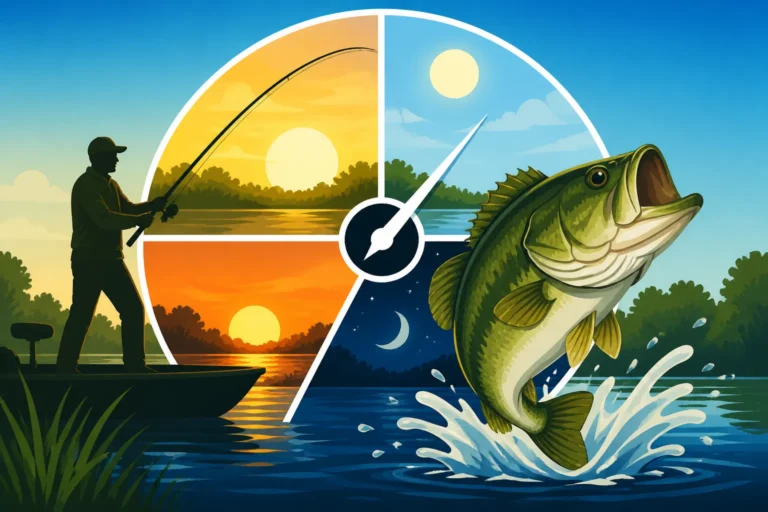
Night fishing becomes incredibly effective during the summer months because catfish are primarily nocturnal feeders and the cooler night air makes for a much more pleasant experience for anglers. Setting up for "Mississippi Night Fishing Rules" allows you to target them when they are most active. They'll often move shallower at night to feed on baitfish that have also migrated from the depths. Using strong scents and even glowing bobbers can aid in successful night fishing. Always remember that "Best Weather Conditions for Catfish Fishing" often involves stable weather, but catfish can be quite responsive after a summer rain, which can wash food into the water and boost oxygen levels.
Fall and Winter Catfish Fishing
Fall is another fantastic season for catfish in Mississippi. As water temperatures begin to cool, catfish enter a "fall feed" to pack on weight for the upcoming winter. They become incredibly active and can be found transitioning between shallower feeding areas and deeper wintering holes. This is a great time to target both numbers and size, as fish are moving and aggressively feeding on abundant baitfish like shad. Look for them along creek channels, points, and humps where they can intercept schools of bait.
Winter catfish fishing can be challenging but highly rewarding. As water temperatures drop into the 40s and 50s, catfish become much more lethargic, conserving energy. They will congregate in large schools in the deepest, most stable water they can find – deep river bends, reservoir main channels, or thermal refuges like power plant discharges. The key to winter success is slowing down your presentation, using smaller baits, and being incredibly patient. They might not bite aggressively, but they will still feed. Fishing below dams in tailwaters can also be excellent in winter, as the water flow often concentrates both baitfish and hungry catfish.
Finding Catfish Hotspots in Mississippi
Mississippi offers an incredible array of waters, from vast river systems to sprawling reservoirs and quaint state lakes, all teeming with catfish. Knowing where to go is half the battle, and understanding the unique characteristics of each type of water body will help you pinpoint the best spots.
River Systems and Their Catfish Potential
Mississippi's river systems are legendary for their catfish, especially the colossal blue and flathead species. The undisputed king is the Mississippi River itself, a massive, dynamic waterway known for producing state-record blue cats. Within the "Mississippi River Catfish Hotspots", look for deep scour holes created by strong currents, submerged wing dams, old bridge pilings, log jams, and the mouths of tributaries. The river's ever-changing nature means constantly adapting and observing, but the rewards can be truly monumental.
Beyond the Mississippi River, the Pearl River offers excellent channel and blue catfish opportunities, particularly in its middle and lower stretches where it widens and deepens. The Pascagoula River, flowing towards the Gulf Coast, is another strong contender, known for its healthy populations of channel catfish and respectable blues. Further north, the Tennessee-Tombigbee Waterway provides a unique riverine environment with good current and diverse structure, offering productive fishing for all three major species. In all these rivers, understanding current breaks, eddy lines, and deep water access is key to finding where catfish hold.
Reservoir and Lake Catfish Havens
Mississippi's major reservoirs are incredibly popular destinations for catfish anglers, offering fantastic fishing for channel and blue catfish, and even some flatheads. Grenada Lake, famous for its crappie, also holds a significant population of large blue and channel catfish. Look for them in the main lake's creek channels, deep river bends, and along submerged roadbeds. The "Grenada Lake Fishing Guide" will give you specific insights into its potential. Sardis Lake, Arkabutla Lake, and Enid Lake, often collectively referred to as the "North Mississippi Flood Control Reservoirs," all offer similar great opportunities, especially during the spring and fall transitions.
Ross Barnett Reservoir, near Jackson, is another prime catfish lake. Its extensive creek channels, submerged timber, and deep flats near the main river channel are all excellent places to target. Lake Washington, in the Delta, is a natural oxbow lake known for its rich habitat and abundant channel catfish. When fishing these reservoirs, focus on areas with baitfish concentrations, which can be found using your electronics. Humps, points, and areas with submerged timber or brush piles are always worth exploring.
State Fishing Lakes and Local Ponds
For more accessible, often family-friendly catfish fishing, Mississippi's State Fishing Lakes and countless local ponds offer fantastic options. These smaller, managed lakes are regularly stocked with channel catfish, providing consistent action, especially for anglers using simple bank fishing setups. Lakes like Lake Mary Crawford, Lake Jeff Davis, or Lake Columbia are part of the "Mississippi State Fishing Lakes Overview" and provide excellent opportunities for a relaxing day of catching eating-size catfish.
While often overlooked, private farm ponds across the state can also be catfish goldmines. Many landowners stock their ponds with channel catfish, and without heavy fishing pressure, these fish can grow large and be relatively easy to catch. However, always remember the crucial question, "Do I Need a License to Fish on Private Ponds in Mississippi?" Generally, if you are fishing on private waters owned by you or with permission from the owner, and those waters are entirely contained within the private property and have no connection to public waterways, a license might not be required. Always verify local regulations, but private ponds offer a unique, secluded experience for catfish enthusiasts.
Mississippi Catfish Regulations and Responsible Angling
Understanding and adhering to fishing regulations isn't just about avoiding fines; it's about ensuring the long-term health and sustainability of Mississippi's incredible catfish populations. Responsible angling practices benefit everyone.
Understanding Limits and Licensing
Before you even think about dropping a line, make sure you have a valid Mississippi fishing license. Whether you're a resident or a visitor, almost all forms of fishing require one, and the penalties for fishing without one, outlined in "Mississippi Fishing License Penalties and Fines", can be quite steep. You can find comprehensive information in the main "Mississippi Fishing License Guide" which covers all the various options and requirements.
Beyond the license, it's critical to be aware of the daily creel and size limits for catfish. These limits are in place to manage fish populations and prevent overharvesting. While there are statewide regulations, individual lakes or river systems may have specific rules, especially for species like blue catfish or flathead catfish. For example, "Mississippi Catfish Regulations" often specify combined daily limits for different catfish species, along with any length restrictions. Always check the latest Mississippi Department of Wildlife, Fisheries, and Parks (MDWFP) regulations guide before you head out, as these can change annually. Ignoring these rules not only puts you at risk of a citation but also harms the future of our fisheries.
Catch and Release vs. Harvest
Catfish are excellent table fare, and harvesting a few for a delicious meal is a cherished part of the fishing experience for many. However, responsible anglers also understand the importance of managing the resource. For truly large, trophy-sized blue or flathead catfish, many choose to practice catch and release. These older, larger fish are vital for the breeding population and often contain higher levels of contaminants compared to smaller, younger fish. Taking a photo and releasing a giant blue cat allows it to continue contributing to the fishery and provides another angler with the chance to catch it.
If you plan to harvest, ensure you're within the legal limits and only keep what you'll reasonably consume. Learning "How to Fillet a Catfish" properly is a valuable skill that maximizes your yield and makes preparation easier. For fish you intend to release, handling them carefully is paramount. Minimize their time out of water, support their body weight, and use circle hooks to prevent deep hooking. Gently revive them before letting them go, ensuring they swim away strong.
Environmental Stewardship
Being a responsible angler extends beyond just licenses and limits; it's about being a good steward of our natural resources. This means practicing "leave no trace" principles every time you visit a fishing spot. Pack out everything you pack in, including all trash, discarded fishing line, and bait containers. Fishing line, especially, can be incredibly harmful to wildlife if left behind.
Avoid damaging sensitive habitats, such as spawning beds or bank vegetation. If you encounter any illegal activity, such as poaching or pollution, report it to the MDWFP. By actively participating in environmental stewardship, we ensure that Mississippi's waters remain healthy and productive, providing excellent catfish fishing opportunities for generations to come.
Catfish Species at a Glance: Mississippi
| Catfish Species | Average Size (Mississippi) | Habitat Preference | Primary Diet | Best Baits | Distinctive Features |
|---|---|---|---|---|---|
| Channel Catfish | 1-10 lbs (up to 30+ lbs) | Rivers, lakes, ponds (moderate current) | Omnivorous (scavengers) | Stink bait, cut bait, worms, chicken liver | Forked tail, scattered black spots (when young), barbels |
| Blue Catfish | 10-50 lbs (up to 100+ lbs) | Large rivers, deep channels (strong current) | Piscivorous (fish eaters) | Fresh cut shad, skipjack, large live bait | Deeply forked tail, no spots, slate blue/gray color |
| Flathead Catfish | 5-40 lbs (up to 70+ lbs) | Rivers, impoundments (heavy cover, woody debris) | Live prey (fish) | Live sunfish, minnows, small carp | Flattened head, protruding lower jaw, square/slightly rounded tail, mottled color |
Disclaimer
The information provided in this guide is for general informational purposes only and is subject to change. Fishing regulations, license requirements, and local conditions can vary. Always consult the most current regulations published by the Mississippi Department of Wildlife, Fisheries, and Parks (MDWFP) before engaging in any fishing activities. Adherence to all local, state, and federal laws is the responsibility of the angler.