Fishing During Summer Heat in Mississippi
Mississippi summers are brutal, and fishing when the mercury climbs can feel like an impossible task. The scorching sun and oppressive humidity often send anglers packing, convinced the fish have simply stopped biting and aren't worth the effort. But don't give up your summer fishing dreams just yet! This comprehensive guide will arm you with the knowledge and strategies to not just survive, but truly thrive, while fishing during the summer heat in Mississippi.
Understanding the Challenges of Summer Heat
When that Mississippi sun starts beating down, it's not just us anglers who feel the burn. The entire aquatic ecosystem reacts to rising temperatures, fundamentally changing how and where fish behave. Understanding these underlying challenges is your first step to outsmarting the heat and landing more fish.
Water Temperature's Impact on Fish Behavior
As water temperatures soar, especially in shallower areas of lakes, ponds, and rivers, fish experience significant physiological changes. Their metabolism often speeds up initially, making them more active, but only within a certain comfort zone. Once temperatures exceed this zone, which varies by species, their metabolism can actually slow down, leading to lethargy. This is why you'll often hear experienced anglers talk about fish becoming "sluggish" in the middle of a hot summer day. They're not necessarily gone, they're just not expending energy to chase down prey in uncomfortable conditions. They'll seek out cooler refuge, which could be deeper water, dense shade, or areas with current.
Think about it from a fish's perspective: imagine trying to run a marathon in a sauna. You'd move slowly, conserve energy, and seek out any cool spot you could find. That's essentially what fish are doing when surface temperatures hit the high 80s or even 90s in Mississippi. Species like largemouth bass, while fairly tolerant, will definitely feel the heat, as will crappie and bream. These warm temperatures stress them, making them less inclined to chase a fast-moving lure in open water. Your approach needs to shift from aggressive presentations to subtle, slower techniques targeting their hideouts.
Oxygen Depletion and Fish Activity
Beyond temperature, one of the most critical factors affected by summer heat is dissolved oxygen (DO) levels in the water. Warmer water simply cannot hold as much oxygen as colder water. This scientific fact has huge implications for fish. Fish need oxygen to breathe, just like us, and when DO levels drop, they become even more stressed and inactive. This effect is compounded in stagnant, shallow, or nutrient-rich waters where decomposition uses up even more oxygen.
You'll often find fish "gasping" at the surface in extreme cases of oxygen depletion, but long before that, they'll be seeking out areas where DO is more abundant. These oxygen-rich zones typically include deeper waters where temperatures are cooler, areas with fresh inflow from cooler creeks or springs, or places with active current that mixes and aerates the water. Structures that break the current, like submerged timber or brush piles, can also create pockets of slightly higher oxygen. Targeting these areas isn't just about finding cooler water; it's about finding water where fish can actually breathe comfortably enough to feed.
Species-Specific Strategies for Summer Success
Fishing during Mississippi's scorching summer months requires a specialized approach, tailoring your techniques to the specific species you're pursuing. What works for a stubborn catfish certainly won't fool a finicky crappie when the thermometer is pushing triple digits.
Targeting Largemouth Bass in Summer
Largemouth bass are resilient, but they're not immune to the heat. During the peak summer, these fish often move to deeper, cooler water, preferring areas with good cover like submerged timber, rock piles, ledges, and deep grass lines. They also become much more active during low-light periods. Your best bet for summer bass will typically be at dawn, dusk, or even at night.
When the sun is high, target bass using slower, deeper presentations. Jigs, Texas-rigged worms, and deep-diving crankbaits that mimic baitfish are excellent choices. Look for specific structures that offer shade and depth, such as bridge pilings on the Ross Barnett Reservoir, deep creek channels in Sardis Lake, or the shadowy edges of dense hydrilla beds. Pitching jigs or heavy Texas rigs into the thickest cover you can find, and letting them sit for a moment before a slow retrieve, can often trigger a strike from a heat-stressed bass that isn't willing to chase. Consider exploring Best Bass Fishing Lakes in Mississippi for more specific location advice.
Crappie Techniques for the Heat
Crappie, much like bass, will retreat to deeper water to escape the heat and find stable oxygen levels. This means leaving the shallow brush piles of spring and heading for deeper structure. Look for brush piles, standing timber, or stake beds in 15-30 feet of water, often near old creek channels or ledges. Electronic fish finders become invaluable tools for locating these submerged sanctuaries.
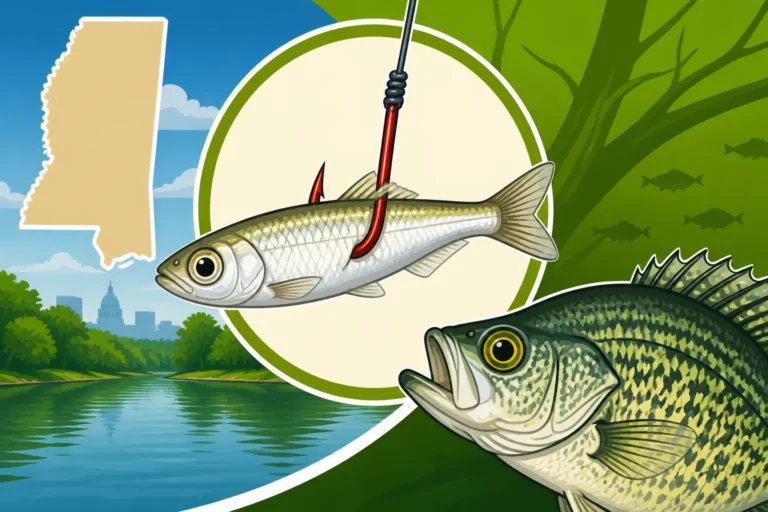
Many seasoned Mississippi anglers employ "spider rigging" techniques during summer, using multiple rods with jigs or live minnows fished at varying depths until they pinpoint the crappie's preferred level. Vertical jigging directly over identified brush piles is another effective method. You might also find success in the very early morning or late evening when crappie briefly move shallower to feed on baitfish. For those truly dedicated to the art, exploring Crappie Fishing Techniques for Mississippi Lakes offers even more in-depth strategies.
Catfish: The Summer Champions
If there's one species that truly thrives in the Mississippi summer heat, it's the catfish. Channel cats, blue cats, and flatheads are generally much more tolerant of warm water and lower oxygen levels than their gamefish counterparts. This makes summer an absolutely prime time for catfishing. They'll still seek deeper holes in rivers and lakes, but they're often more willing to feed throughout the day, especially if there's a good current.
For channel and blue catfish, cut bait (shad, skipjack herring, or even chicken liver) and stink baits are incredibly effective. You can fish these on the bottom using a slip-sinker rig from the bank or a boat. Jug fishing and trotline setups are also popular and highly productive summer methods, especially in the larger reservoirs and the Mississippi River system. Flathead catfish, being ambush predators, prefer live bait like sunfish or small mullet, fished near fallen trees or rocky structures in deeper bends of rivers. Don't forget your sturdy gear – a good heavy-duty rod and reel from a brand like Penn or Ugly Stik can handle these powerful fish.
Coastal Opportunities: Redfish and Speckled Trout
While freshwater fishing presents its own challenges, the Mississippi Gulf Coast offers fantastic summer fishing for saltwater species like redfish and speckled trout. These fish react similarly to their freshwater cousins, often becoming more active during cooler parts of the day or in areas with strong current and good oxygenation.
For speckled trout, early mornings and late evenings are prime. Focus on fishing speckled trout around grass beds, oyster reefs, and points in tidal marshes and bays, especially where moving water creates current breaks. Live shrimp under a popping cork is a classic and highly effective method. Redfish, particularly the smaller "slot" reds, can be found in similar areas. They'll readily take live or cut bait, and even artificial lures like soft plastics or spoons. During the heat of the day, look for deeper pockets in the marsh or target the shaded side of structure like docks and bridge pilings in bays such as Biloxi Bay or Bay St. Louis. Remember, a valid Mississippi Saltwater Fishing License Guide is crucial for these excursions.
Essential Gear and Preparation for Hot Weather
Summer fishing in Mississippi isn't just about what you catch; it's about staying comfortable and safe while you're out there. The right gear and preparation can make all the difference between a miserable trip and a memorable one.
Hydration and Sun Protection Essentials
This cannot be stressed enough: hydration is paramount. Bring more water than you think you'll need. Seriously. Frozen water bottles are a great way to keep your cooler cold and then thaw into refreshing drinks throughout the day. Electrolyte drinks or powders are also highly recommended to replace salts lost through sweating. A good cooler, like those from Yeti or even a high-quality RTIC cooler, is indispensable for keeping drinks and snacks cool, and you can often find great value options on Amazon for essentials.
Sun protection is equally critical. A wide-brimmed hat that shades your face and neck is non-negotiable. Look for UV-protective clothing – long-sleeved shirts made from moisture-wicking, breathable fabrics with a UPF (Ultraviolet Protection Factor) rating of 30 or 50 are excellent investments. Many brands like Columbia or Huk offer these, and you can find a wide selection on Amazon. Don't forget polarized sunglasses to reduce glare and help you spot fish, and liberal application of waterproof sunscreen (SPF 30 or higher) to all exposed skin. A neck gaiter or buff can also protect your neck and face from relentless sun exposure.
Selecting the Right Summer Baits and Lures
In the challenging conditions of summer heat, fish can become finicky, and presentation often trumps sheer quantity of lures. For many species, especially bass and crappie, live bait frequently outperforms artificials. Live minnows, crickets, or worms can entice a lethargic fish that might ignore a faster-moving lure. Keep your live bait well-aerated and in cool water to ensure it stays lively.
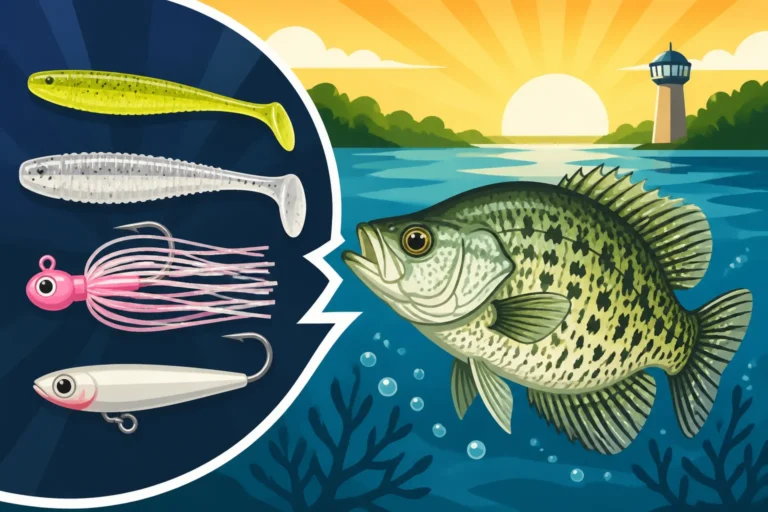
For artificial lures, consider slower presentations. Soft plastics, such as Texas-rigged worms or creature baits, fished slowly along the bottom or through dense cover, can be highly effective for bass. For crappie, small jigs tipped with a crappie nibbler or a piece of Berkley PowerBait fished vertically are excellent. Color choice might shift too; sometimes natural colors work best in clear, warm water, while darker or brighter colors can be better in stained or deeper water. Don't be afraid to experiment, but remember that the fish's activity level will likely be lower, so a slower, more tempting presentation is key.
Boat and Equipment Checks for the Heat
The summer heat puts extra strain on your equipment, especially if you're boating. Before you head out, perform thorough checks. Ensure your boat's cooling system is working efficiently to prevent engine overheating. Check battery levels, as heat can accelerate battery drain. Make sure your livewell and aerator are functioning perfectly to keep your bait and any kept fish healthy.
Beyond the boat, consider how the heat affects your other gear. Keep tackle boxes out of direct sunlight to prevent soft plastics from melting or warping. If you're using electronic fish finders or GPS units, be mindful of their operating temperatures; excessive heat can damage them. A small fan or a shaded position can help prolong their life. Always have enough fuel, safety equipment, and a fully charged cell phone – conditions can change rapidly, and being prepared is vital. A general understanding of Mississippi Boat Fishing Regulations will also serve you well.
Safety First: Protecting Yourself from the Summer Sun
It's easy to get caught up in the thrill of the bite, but ignoring the dangers of Mississippi's summer heat can quickly turn a fun day into a serious health risk. Prioritizing your well-being is just as important as your tackle selection.
Recognizing and Preventing Heat-Related Illnesses
The most common heat-related issues you'll encounter are heat exhaustion and, more severely, heat stroke. Heat exhaustion symptoms include heavy sweating, cold, pale, clammy skin, nausea, muscle cramps, fatigue, and dizziness. If you experience these, it's crucial to get to a cooler, shaded spot immediately, drink plenty of fluids, and cool your body with wet cloths.
Heat stroke is a medical emergency. Symptoms include a body temperature of 103°F or higher, hot, red, dry or damp skin, a fast, strong pulse, headache, dizziness, nausea, confusion, and even loss of consciousness. If you suspect heat stroke, call 911 immediately. While waiting for help, try to cool the person down with cold compresses or by immersing them in cool water. The best prevention is proactive: stay hydrated, wear appropriate clothing, take frequent breaks in the shade, and avoid strenuous activity during the hottest parts of the day.
Emergency Preparedness on the Water
Beyond personal health, general emergency preparedness is vital when you're on the water in the summer. Always let someone know your float plan – where you're going, when you expect to return, and who you're with. This simple step can be a lifesaver if something unexpected happens.
A well-stocked first aid kit is essential, including bandages, antiseptic wipes, pain relievers, and any personal medications. Consider adding rehydration salts or packets, easily found on Amazon, to your kit as well. Ensure your cell phone is fully charged and stored in a waterproof bag. A VHF marine radio is also a smart addition for those venturing further offshore or on larger bodies of water where cell service might be spotty. Knowing basic CPR and first aid can make a critical difference if an emergency arises while you're out enjoying the beautiful, but sometimes challenging, waters of Mississippi.
Best Times and Locations for Summer Fishing
Adapting your schedule and knowing where to focus your efforts are key strategies for successful summer fishing in Mississippi. The fish aren't gone; they've simply adjusted their routines to cope with the heat, and you should too.
Early Morning and Late Evening Bites
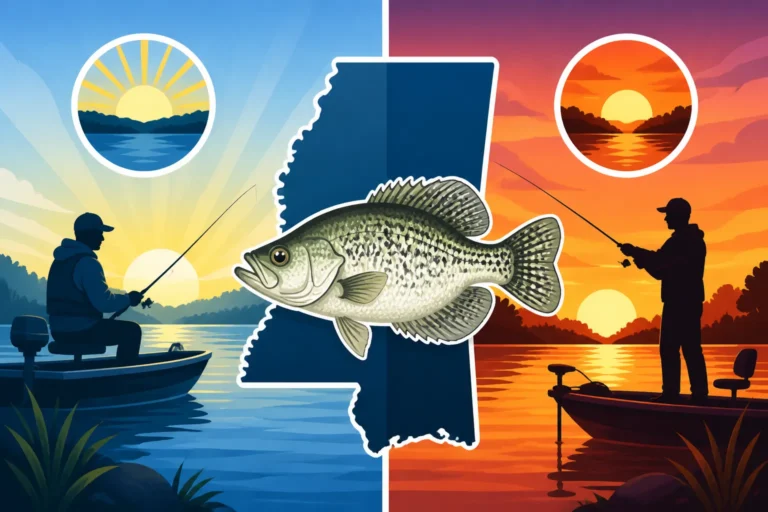
Without a doubt, the early morning and late evening hours are the prime times for summer fishing in Mississippi. As the sun rises and before it sets, water temperatures are at their coolest, and dissolved oxygen levels tend to be higher. This combination creates a much more comfortable environment for fish, prompting them to move out from their deeper hideouts and into shallower feeding zones.
Think about it: just after sunrise, the water hasn't had all day to heat up, and baitfish are often active, providing an easy meal for hungry gamefish. Similarly, as the sun begins to dip below the horizon, the water starts to cool, and fish will often have another feeding window before settling into their nocturnal patterns. For bass and crappie, these low-light periods are when you can often find them cruising the edges of lily pads, submerged grass, or brush piles that might be too hot during midday. Even saltwater species like redfish and speckled trout will be more aggressive in the cooler hours along marsh edges and oyster reefs. Trying to fish the middle of the day can often feel like a waste of time and energy, but those golden hours at dawn and dusk are truly magical.
Finding Deeper, Cooler Waters
When the sun is high and you're determined to fish midday, your strategy needs to shift drastically to finding deeper, cooler waters. In large reservoirs like Grenada Lake or Sardis Lake, this means targeting creek channels, river bends, and main lake points that drop off quickly into deeper water. Fish will often suspend at specific depths where the temperature and oxygen levels are most favorable, often forming a "thermocline" where cooler, oxygenated water sits below warmer surface water. Your fish finder becomes an invaluable tool for identifying these temperature breaks and locating schools of fish holding at those depths.
In rivers, deeper holes and bends with good current can provide both cooler water and higher oxygen levels. For smaller ponds and lakes, the deepest section of the pond, or areas where springs might feed in cooler water, can hold fish. Even a slight depth increase of a few feet can make a significant difference in water temperature and fish comfort. Don't be afraid to probe new areas with your electronics; the fish are there, you just have to find their summer sanctuaries. This is especially true for species like blue catfish, which often patrol the deepest river channels.
Utilizing Shade and Structure
Fish are just like us – they love shade on a hot day! Any structure that provides overhead cover and creates a shadow will attract fish looking for relief from the sun. This includes natural features like overhanging trees, fallen timber, dense lily pad fields, and hydrilla beds. Man-made structures are equally attractive: boat docks, bridge pilings, submerged roadbeds, and even old tires or sunken boats can be fish magnets.
When fishing these areas, pay close attention to the shaded side of the structure. Bass, crappie, and even bream will often hug these shadows. For docks and bridge pilings, fish your baits and lures tight to the structure, allowing them to fall slowly into the darker, cooler water below. Flipping and pitching techniques are perfect for this. In dense vegetation, try to get your bait into pockets within the cover. Remember, these fish aren't likely to move far to strike, so a precise, slow presentation right in their face is often what it takes to coax a bite.
| Species Targeted | Best Times (Summer) | Ideal Conditions | Recommended Locations | Key Techniques |
|---|---|---|---|---|
| Largemouth Bass | Early Morning, Late Evening, Night | Low Light, Cooler Water | Deep ledges, Submerged timber, Thick hydrilla, Bridge pilings | Jigs, Texas-rigged worms (slow), Deep crankbaits, Topwater (low light) |
| Crappie | Early Morning, Late Evening | Cooler Water, Stable DO | Deep brush piles, Standing timber, Creek channels | Spider rigging, Vertical jigging with minnows/jigs |
| Catfish (All Species) | All Day, Especially Night | Current, Deeper Holes | River bends, Deep lake holes, Below dams | Bottom fishing with cut bait, Stink bait, Jug lines, Trotlines |
| Redfish | Early Morning, Late Evening | Moving Tide, Cooler Water | Marsh edges, Oyster reefs, Tidal creeks, Docks | Live shrimp/mullet, Soft plastics, Spoons |
| Speckled Trout | Early Morning, Late Evening | Moving Tide, Cooler Water | Grass beds, Oyster reefs, Bay points | Live shrimp under popping cork, Soft plastics |
Disclaimer
Fishing inherently involves risks. Always prioritize your safety and adhere to all local, state, and federal regulations. The information provided in this guide is for educational purposes only and should not replace professional advice or personal judgment. Be aware of weather conditions, stay hydrated, and never fish alone if possible. Ensure you have the proper Mississippi Fishing License Guide before heading out.