Crappie Fishing Techniques for Mississippi Lakes
It can be incredibly frustrating to head out to your favorite Mississippi lake, full of hope for a cooler full of crappie, only to spend hours without a single bite. Many anglers find themselves wondering if they're using the wrong bait, fishing in the wrong spot, or just missing some crucial piece of the puzzle. This comprehensive guide is here to unravel the mysteries of crappie fishing in Mississippi, offering proven techniques and insights to help you consistently land more slabs, no matter the season.
Understanding Mississippi Crappie: Species and Behavior
Before you even think about casting a line, truly understanding the crappie you're chasing is paramount. It's like trying to understand a person – you need to know their habits, what they eat, and where they like to hang out. Mississippi's waters are teeming with these delicious panfish, and a little biological know-how goes a long way.
White Crappie vs. Black Crappie in Mississippi
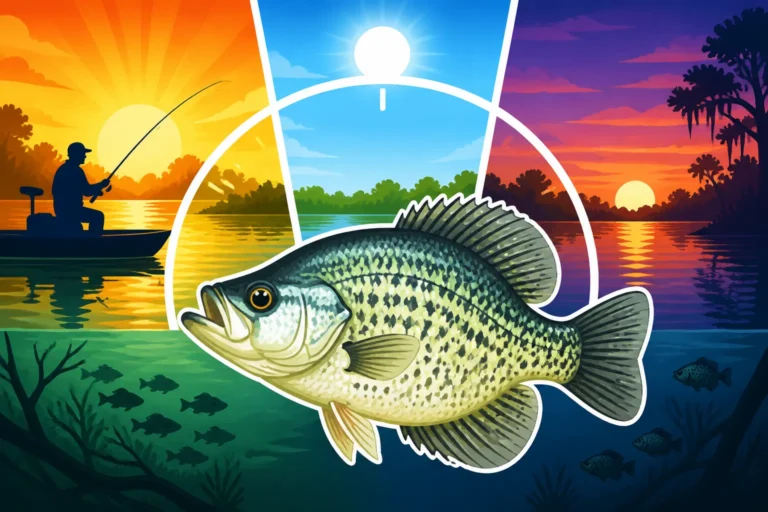
While many anglers simply refer to them all as "crappie," our Mississippi lakes are primarily home to two distinct species: white crappie and black crappie. Recognizing the differences isn't just a fun fact; it can subtly influence your fishing approach. White crappie are often found in more turbid, open-water environments, frequently preferring large schools and holding to vertical cover like submerged timber or brush piles in rivers and larger reservoirs. They tend to have distinct vertical bars along their sides, typically six or seven.
Black crappie, on the other hand, usually prefer clearer, cooler water with more abundant vegetation. You'll often find them lurking around lily pads, hydrilla beds, or sunken brush in smaller lakes and coves. Their coloration is more mottled, with irregular spots scattered across their silvery-gold bodies, giving them a "peppered" look. While both are fantastic sportfish, knowing which species is more prevalent in your chosen lake or specific area can help you select the right kind of cover to target. The Mississippi Department of Wildlife, Fisheries, and Parks (MDWFP) regularly stocks both species in various waterways, ensuring a healthy population.
Crappie Diet and Feeding Habits
Crappie are primarily piscivores, meaning they love to eat other fish. Their main diet consists of small baitfish like shad, minnows, and small sunfish. This is why live minnows are such an effective bait choice, especially when crappie are less active or when targeting larger "slab" crappie. However, they are also opportunistic feeders and will readily consume insects, insect larvae, and small crustaceans. This varied diet is why artificial lures like jigs can be so incredibly effective, as they can mimic both baitfish and insects.
Their feeding habits also change with the seasons and water temperature. In warmer months, they are more active and aggressive, chasing down schools of baitfish. In colder water, their metabolism slows significantly, and they become much more lethargic, preferring to ambush prey rather than expend energy in a chase. Understanding this physiological change is critical for selecting the right presentation – a fast retrieve in winter might scare them off, while a slow, subtle twitch could be irresistible. For a deeper dive into what these fish prefer to munch on, check out our guide on Crappie Diet and Feeding Habits.
Seasonal Movements and Preferred Habitat
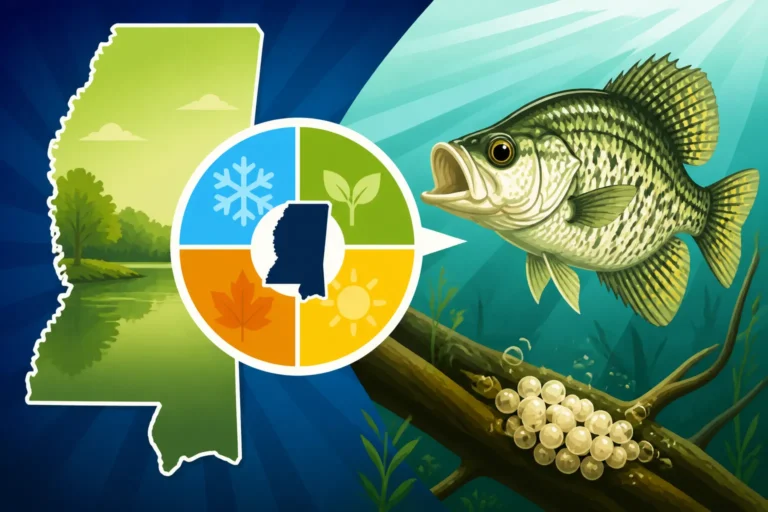
Crappie are creatures of habit, but their habits are dictated by the seasons. They are constantly on the move, seeking optimal water temperatures, food sources, and spawning grounds. In spring, as water temperatures rise, crappie migrate from deeper winter haunts to shallower waters to spawn. They seek out submerged brush, stumps, and vegetation in coves and protected areas.
As summer heat arrives, they retreat to deeper, cooler waters, often suspending over ledges, submerged creek channels, or congregating around deep brush piles and standing timber. Fall sees them following baitfish schools into shallower areas as the water cools, becoming more active feeders before winter sets in. In winter, they'll typically school up in deep, stable water, often near the main river channel or deep structure, holding very tightly to cover. Knowing these patterns is the first step in locating them year-round.
Essential Gear for Mississippi Crappie Anglers
Having the right tools for the job is non-negotiable when it comes to successful crappie fishing. You wouldn't use a sledgehammer for delicate work, and similarly, using the wrong rod or lure for crappie can be a recipe for frustration. The good news is that crappie gear doesn't have to break the bank.
Rods, Reels, and Line Selection
For crappie, precision and sensitivity are key. You'll want a lightweight spinning rod, typically 6 to 7 feet long, with a fast action and a light to medium-light power. This allows for accurate casts of light jigs and provides the sensitivity needed to detect those often subtle crappie bites, which can sometimes feel like nothing more than a slight "tick" or added weight on your line. Brands like Lew's, Ugly Stik, and Bream Buster offer excellent crappie-specific rods that provide fantastic feel without excessive cost.
Pair your rod with a small spinning reel, something in the 500 to 1000 series. These reels are lightweight, balance well with crappie rods, and provide smooth drag, which is crucial for fighting larger crappie on light line. For line, fluorocarbon or monofilament in the 4 to 6-pound test range is ideal. Fluorocarbon offers low visibility and good sensitivity, while monofilament provides excellent knot strength and shock absorption. Some anglers even use light braided line (6-10 lb) with a fluorocarbon leader for maximum sensitivity and strength, especially when fishing around heavy cover. You can find excellent quality crappie combos and fishing line options on Amazon, often with great deals.
Choosing the Right Baits and Lures
This is where crappie fishing gets fun and endlessly debatable! The "best" bait often depends on the season, water conditions, and the specific lake. However, there are some staples that every Mississippi crappie angler should have in their tackle box.
- Live Minnows: Undeniably, live minnows are often the most effective bait, especially when crappie are finicky or when you're after those bigger "slab" fish. They're natural, irresistible, and often the go-to for many seasoned anglers. You can rig them under a float or on a bare hook with a small split shot for a natural presentation.
- Jigs: Small plastic jigs are incredibly versatile. Sizes typically range from 1/32 to 1/8 ounce, though heavier jigs might be needed for deep water or current. Popular body styles include tubes, grubs, curly tails, and small shad bodies. Colors are critical and can vary by water clarity: chartreuse, white, and electric chicken for stained water; natural colors like black/blue or clear/glitter for clear water.
- Soft Plastics: These are similar to jigs but often used on lighter jig heads or under floats. Brands like Bobby Garland's Crappie Pro series, Strike King, and Mister Twister make a huge variety of shapes and colors.
- Crankbaits and Spinnerbaits: While less common for crappie, small crappie-specific crankbaits and inline spinnerbaits can be deadly for active, aggressive fish, especially when trolling or casting into schools.
To truly optimize your bait choice, understanding the local forage is key. For more in-depth advice on what to tie on, check out our guide on the Best Bait for Crappie in Mississippi.
Electronics and Accessories for Success
In modern crappie fishing, electronics are no longer a luxury; they're an invaluable tool. A good fish finder with down imaging and side imaging capabilities can reveal schools of crappie and their preferred cover, like submerged timber or brush piles, that would otherwise be invisible. Units from Humminbird and Garmin are popular choices among serious crappie fishermen, offering clear displays and powerful transducers.
Beyond the major electronics, don't overlook essential accessories:
- Tackle Box/Bag: Keep your jigs, hooks, sinkers, and tools organized.
- Net: A long-handled crappie net is crucial for landing those big slabs, especially when fishing from a boat.
- Pliers/Forceps: For hook removal, saving your fingers and the fish.
- Clippers: For cutting line quickly and cleanly.
- Measuring Device/Scale: To ensure you're compliant with Mississippi Crappie Regulations by Lake and to track your trophy catches.
- Livewell/Cooler: To keep your catch fresh until you're ready to head home.
Investing in these tools can dramatically increase your efficiency and enjoyment on the water.
Spring Crappie Fishing Techniques: The Spawn Hunt
Ah, spring! The air warms, the dogwoods bloom, and crappie abandon their deep-water winter homes for the shallows. This is arguably the most anticipated time of year for crappie anglers in Mississippi, as the fish are concentrated and actively feeding, preparing for and engaging in the spawn.
Locating Spawning Beds
As water temperatures climb into the high 50s and low 60s Fahrenheit, crappie begin their migration to shallow water spawning grounds. They seek out protected, calm areas in coves, creeks, and pockets, typically in 1 to 5 feet of water. Look for areas with some type of cover: submerged brush piles, stumps, lily pad stems, cypress trees, or even old tires and debris. These structures provide protection for their eggs and fry. Darker bottom areas, like mud or sand, tend to warm faster and often attract crappie first.
You can often spot these spawning beds with your eyes on sunny, calm days, as the fish may be visible or you'll see disturbances on the water's surface. A good pair of polarized sunglasses is indispensable for spotting fish and cover in the shallow, clear water. Take your time, cruise slowly, and use your trolling motor to cover likely areas, paying close attention to any sudden depth changes or concentrations of cover.
Shallow Water Presentations
Once you've located a promising area, the key is a stealthy and precise presentation. Crappie on the beds can be surprisingly skittish, especially if there's a lot of boat traffic.
- Cork and Jig/Minnow: This is a classic and highly effective method. Rig a small 1/32 to 1/16 ounce jig (or a small hook with a live minnow) under a slip bobber or fixed cork. Set your depth so the bait is suspended just above or into the cover. Cast gently beyond the cover and slowly retrieve, letting the bait tantalize the crappie. Popular jig colors in spring often include chartreuse, pink, and white.
- Pitching/Flipping Jigs: For dense cover, pitch or flip a weedless jig directly into pockets and openings. Let it slowly fall, then gently twitch it. Crappie often bite on the fall or as the bait is barely moving. Use a slightly longer rod (7-8 feet) for better control and leverage in tight spots.
- Casting Small Crankbaits: If crappie are actively chasing bait in open pockets or along weed lines, small, shallow-diving crankbaits can elicit aggressive strikes. Choose natural baitfish patterns or bright colors.
- Dipping: When fishing vertical cover like cypress trees or standing timber, many anglers use a long crappie pole (10-14 feet or more) to "dip" a jig or minnow directly into the cover without disturbing the fish below. This is incredibly effective for precision targeting.
Remember that crappie will often congregate in specific depth ranges on the beds, so experimenting with your presentation depth is crucial. Don't be afraid to try different colors and sizes of jigs until you find what they prefer that day.
Post-Spawn Strategies
After the intense period of spawning, crappie often undergo a brief recovery period. They may move slightly deeper, often to the first available drop-off or deeper cover adjacent to the spawning flats. This post-spawn phase can be tricky, as fish can be spread out and less aggressive.
Target these fish by focusing on creek channel edges, secondary points, and the mouths of coves. They will still relate to cover but might be 5 to 10 feet deep instead of 1 to 3 feet. Slowly troll small jigs or minnows along these transition areas. The crappie might not be as eager to chase, so a slower, more deliberate retrieve is often best. Look for schools of baitfish, as hungry post-spawn crappie won't be far behind. This is a good time to consult the Mississippi Fishing Seasons Calendar to understand when the spawn typically winds down in your target area.
Summer Crappie Fishing Techniques: Deep Water Tactics
Mississippi summers are notorious for their heat, and just like us, crappie seek refuge from the scorching sun and warming surface waters. This means anglers need to shift their focus from the shallows to the deeper, cooler zones of the lake.
Finding Crappie in Thermoclines and Structure
As surface temperatures soar into the 80s and even 90s, crappie retreat to cooler, more stable water. In many Mississippi reservoirs, a thermocline will set up – a layer where water temperature changes rapidly. Crappie will often suspend just above, within, or just below this thermocline, as this zone typically offers optimal temperature, oxygen levels, and often, concentrations of baitfish. Your fish finder is essential here to identify these layers.
Beyond the thermocline, crappie will relate to significant deep-water structure. Look for:
- Deep creek channels: Especially where they wind through the lake bed or intersect with major river channels.
- Submerged timber and brush piles: These are classic crappie magnets, providing both cover and ambush points.
- Ledges and humps: Offshore structures that create current breaks or attract baitfish.
- Bridge pilings: Deep bridge structures can hold large schools of crappie year-round.
Modern electronics with side imaging or 360 imaging are game-changers for identifying these submerged structures and the schools of crappie holding to them without having to idle directly over them. This allows for a more stealthy approach.
Deep Trolling and Spider Rigging
These are two of the most popular and effective methods for summer crappie in Mississippi's large reservoirs like Grenada Lake or Ross Barnett Reservoir.
-
Deep Trolling: Involves pulling multiple lines with jigs, crankbaits, or even rigged minnows behind the boat at slow speeds (usually 0.8 to 1.5 mph). The goal is to cover large areas and present baits at varying depths until you find where the crappie are holding. Using a combination of lead-head jigs (1/8 to 1/4 ounce), sometimes paired with a small spinner blade, or deep-diving Bandit crankbaits can be very effective. Vary your lure type, color, and leader length to pinpoint the most productive combination. For a detailed breakdown, explore our guide on Trolling for Crappie on Mississippi Reservoirs.
-
Spider Rigging: This technique uses multiple long rods (often 10 to 16 feet or more) positioned around the boat like spider legs. Each rod presents a bait (typically a jig or a minnow-rigged jig) at a specific depth, allowing you to cover a wide vertical and horizontal column of water while slowly drifting or using a trolling motor. This is excellent for targeting crappie that are suspended or tightly grouped around deep brush piles. Many anglers prefer this method for its precision in depth control. We've got a comprehensive guide dedicated to Spider Rigging Techniques that will walk you through setting up your boat and tackle for this effective strategy.
Night Fishing for Summer Crappie
When the daytime heat is unbearable, don't put your rods away! Summer nights offer a fantastic opportunity for crappie fishing, especially on lakes like Lake Washington or Pickwick Lake. The cooler night air is much more comfortable, and crappie often become more active as they follow baitfish drawn to artificial lights.
To night fish effectively, you'll need a good light source. Submersible fishing lights are ideal; they emit a green or white glow that attracts plankton, which in turn attracts baitfish, and finally, crappie. Position your boat over a known crappie hotspot (a deep brush pile, bridge piling, or channel edge) and deploy your light. Give it some time, usually 30 minutes to an hour, for the food chain to establish itself. Then, fish with jigs or minnows vertically in the illuminated zone, paying close attention to the edges of the light where crappie often lurk, ambushing their prey.
Fall Crappie Fishing Techniques: Following the Baitfish
As summer fades and the crisp air of autumn descends upon Mississippi, crappie fishing often experiences a resurgence. The cooling water temperatures invigorate both crappie and their primary food source, making for some exciting action. This period requires a shift in strategy, as fish transition from their deep summer haunts.
Transitioning to Cooler Waters
In early fall, crappie begin to move out of their deepest summer patterns, but they don't immediately rush back to the shallows. Instead, they'll often be found in transitional areas: deeper creek channels leading into flats, secondary points, and larger brush piles along subtle breaks in depth. As the water continues to cool and approaches the 60-degree Fahrenheit mark, crappie activity picks up significantly. They become more aggressive, feeding heavily in preparation for the leaner winter months.
Focus your efforts on the areas between their summer and spring locations. Think about the path they'd take. For instance, if they spent summer in a main river channel bend, they'll likely start moving up the creek arms feeding into that bend. Your electronics will be vital for scanning these transitional zones for schools of baitfish and the crappie that are shadowing them.
Targeting Baitfish Schools
Fall is synonymous with the "shad run" or "baitfish migration." As water temperatures drop, shad and other small baitfish move from deeper, open water into coves, creeks, and along shorelines, often congregating in massive schools. Crappie will follow this buffet, aggressively feeding on the abundant forage.
Look for signs of baitfish on your fish finder – large, dense clouds of tiny targets. If you see bait, crappie are likely nearby, often positioned beneath or on the edges of these schools, waiting for an opportune moment to strike. Casting small jigs or minnow-imitating crankbaits directly into or around these bait balls can be incredibly productive. Pay attention to bird activity too; diving seagulls or terns are often a dead giveaway for schooling baitfish near the surface, which indicates predator fish are pushing them up.
Jigging and Casting in Fall
With crappie becoming more active and often suspended or relating to structure in moderate depths (8-15 feet), both vertical jigging and casting techniques shine in the fall.
- Vertical Jigging: If you find crappie tightly grouped around a brush pile or a submerged timber, dropping a 1/16 or 1/8 ounce jig directly onto their heads can be deadly. Use your electronics to position your boat precisely over the fish. Let the jig fall to their depth, then employ a subtle lift-and-drop or tiny twitching motion. Often, the crappie will hit it on the fall or during a pause. Soft plastics in natural colors or those with a lot of shimmer tend to work well. This is particularly effective when you see individual fish or small groups on your screen.
- Casting: When crappie are scattered or actively chasing bait along a flat or shoreline, casting small tube jigs, grubs, or even tiny spinnerbaits can cover more water and elicit reaction strikes. Work your lures with a steady retrieve, perhaps adding a twitch or two to mimic a wounded baitfish. Experiment with different retrieve speeds until you find what triggers a bite. This is also a good time to try casting small crankbaits that dive to the depth where the crappie are feeding. This active approach works well when fish are keying in on moving prey. You can find a vast selection of these lures on Amazon, perfect for experimenting with different colors and actions.
Winter Crappie Fishing Techniques: Cold Water Strategies
Winter crappie fishing in Mississippi can be incredibly rewarding, but it demands patience and a nuanced approach. While the biting cold might deter some anglers, those who brave the elements often find themselves with coolers full of some of the biggest slabs of the year. The key is understanding how crappie behave in cold water.
Locating Deep Winter Schools
When water temperatures dip into the 40s and low 50s, crappie become much more lethargic. Their metabolism slows, and they seek out the most stable, often deepest, water available. This usually means congregating in large, dense schools in specific locations. Look for them in:
- Main river or creek channels: Especially in the deepest bends or where channels narrow.
- Deep standing timber or brush piles: These provide essential cover and thermal refuge.
- River system holes: Deeper holes in river beds or oxbow lakes can be prime winter spots.
- Underwater humps or ledges adjacent to deep water: These structures can intercept migrating schools.
The beauty of winter crappie is that once you find one, you've often found a whole school. They stack up tightly, making them ideal targets for vertical presentations. This is where your fish finder with clear 2D sonar and possibly side imaging becomes absolutely essential for identifying these schools. Without it, you're essentially fishing blind in vast open water.
Vertical Jigging and Slow Presentations
Because crappie are less active in cold water, they're often unwilling to chase a fast-moving bait. The most effective winter techniques involve putting the bait right in front of their noses and keeping it there with minimal movement.
-
Vertical Jigging: This is the undisputed champion of winter crappie fishing. Once you've located a school on your electronics, position your boat directly over them. Drop a small 1/32 to 1/8 ounce jig (often a hair jig, feather jig, or tiny soft plastic tube) directly into the school. The trick is to keep it still, with only the slightest quiver from your rod tip, or a very slow, subtle lift-and-drop motion. Crappie bites in winter can be incredibly subtle – sometimes it just feels like your line goes "mushy" or gains a little weight.
-
Dead Sticking: This technique involves simply holding your bait (a minnow on a hook with a split shot, or a jig) completely still at the depth of the fish. You can do this by hand, or by placing your rod in a rod holder, waiting for the crappie to eventually mouth the bait. This requires immense patience but can be deadly on extremely cold, tough days. Some anglers use multiple rods, each rigged differently and at varying depths, to present a buffet of options to the sluggish fish.
Always remember that these fish are conserving energy, so a slow, deliberate approach is key. Don't be afraid to leave your bait motionless for extended periods. When fishing our lakes in colder weather, knowing when and where to go can significantly increase your chances of success. For a more detailed guide to embracing the chill, check out our insights on Winter Crappie Fishing in Mississippi.
Advanced Crappie Fishing Tips for Mississippi Lakes
Once you've mastered the basic seasonal techniques, it's time to refine your approach and delve into some advanced tips that can truly set you apart from the average angler. These insights focus on optimizing your equipment, adapting to changing conditions, and exploring alternative fishing methods.
Reading Your Electronics for Crappie
Modern fish finders are powerful tools, but they're only as good as your ability to interpret what they're telling you. Learning to read your electronics effectively is a skill that takes time and practice but pays dividends.
- Distinguishing Crappie from Baitfish: On 2D sonar, crappie often appear as distinct, arched marks, or sometimes as a "Christmas tree" shape if a school is tightly stacked. Baitfish, on the other hand, typically show up as dense clouds or balls. Over time, you'll learn to differentiate the larger, individual marks of crappie from the smaller, more numerous marks of bait.
- Understanding Down and Side Imaging: Down imaging gives you a photographic-like view directly beneath your boat, making it easier to identify brush piles, stumps, and individual fish holding near them. Side imaging extends your view out to the sides, allowing you to scan vast areas quickly for submerged timber, ledges, and schools of crappie holding to structure without driving directly over them. Learn to adjust your sensitivity and contrast settings for the clearest image possible in varying water conditions. A thorough understanding of your unit can unlock hidden potential; consider reading our guide on Reading a Fish Finder for Crappie to enhance your skills.
- Interpreting Depth and Structure: Don't just look for fish; look for what the fish are relating to. Crappie are almost always near some form of cover or structure. Use your electronics to find channel edges, humps, old roadbeds, and the subtle contours of the lake bottom. Mark these waypoints, even if you don't see fish on them initially, as they are potential crappie magnets throughout the year.
Adapting to Water Conditions
Water conditions are never static, and successful crappie anglers learn to adapt their techniques to whatever Mother Nature throws their way.
- Water Clarity: In clear water, use lighter lines (4 lb test), smaller jigs, and more natural colors (like clear, smoke, or black/blue). In stained or muddy water, you can bump up to 6 lb test, use brighter colors (chartreuse, orange, electric chicken), and maybe a slightly larger jig profile to create more vibration.
- Current: If you're fishing in moving water (rivers, spillways, or even strong wind-driven current in lakes), adjust your jig weight to ensure your bait stays in the strike zone without being swept away too quickly. Heavier jigs (1/8 to 1/4 ounce) are often necessary. Crappie will typically orient themselves facing into the current, waiting for food to drift by, so position your boat accordingly.
- Weather Changes: Cold fronts can shut down crappie activity for a day or two, making them very lethargic. Fish slower, offer smaller baits, and focus on deep, stable areas. Warm fronts can activate fish, particularly in spring and fall, causing them to move shallower and feed more aggressively. Always check the forecast and adjust your plans. For example, after a strong rain, water might be muddier, requiring different color choices.
Bank Fishing and Kayak Fishing for Crappie
You don't always need a fancy boat to catch crappie in Mississippi. Many of our lakes offer excellent opportunities for bank anglers and those who prefer the quiet approach of a kayak.
- Bank Fishing: Focus on areas that offer deeper water access from shore or have readily available cover within casting distance. Public fishing piers, jetties, bridge accesses, and areas around boat launches are often productive. In spring, many crappie will move into accessible shallow coves. Use a long crappie pole for dipping or a spinning rod for casting small jigs or minnows under a bobber. Early mornings and late evenings are often the best times from the bank. For tips on where to start, you might find our article on How to Catch Crappie From the Bank in Spring very useful.
- Kayak Fishing: Kayaks offer unparalleled stealth and access to shallow, tight spots that larger boats can't reach. They are ideal for exploring flooded timber, lily pad fields, and shallow creek arms. Rig your kayak with a small fish finder, a few rod holders, and a lightweight anchor. Paddle or pedal quietly into promising areas and pitch jigs or slow-troll with a small trolling motor. Kayak fishing allows you to cover water effectively while maintaining a low profile, which can be crucial for spooky crappie, especially in clearer waters.
By employing these advanced tactics and continually honing your skills, you'll be well on your way to becoming a consistently successful crappie angler in Mississippi's diverse waterways.
Table: Mississippi Crappie Fishing Techniques by Season
| Season | Primary Location | Key Depths (approx.) | Go-To Baits/Lures | Recommended Techniques | Notes |
|---|---|---|---|---|---|
| Spring | Shallow coves, creek arms, vegetation, brush, stumps | 1-5 feet | Live Minnows, Small Jigs (1/32-1/16 oz), Small Crankbaits | Cork & Jig/Minnow, Pitching/Flipping Jigs, Dipping | Crappie concentrated for spawn, focus on cover. |
| Summer | Deep creek channels, main lake points, thermocline, offshore brush | 10-25+ feet | Live Minnows, Jigs (1/8-1/4 oz), Deep-Diving Crankbaits | Deep Trolling, Spider Rigging, Night Fishing | Crappie go deep for cool water and oxygen. |
| Fall | Transitional areas, creek mouths, baitfish schools, main lake points | 5-15 feet | Live Minnows, Small Jigs (1/16-1/8 oz), Small Crankbaits | Vertical Jigging, Casting Jigs, Trolling | Crappie follow baitfish, become more aggressive. |
| Winter | Deep river/creek channels, tight brush piles, standing timber | 15-40+ feet | Live Minnows, Tiny Jigs (1/32-1/16 oz, hair/feather) | Vertical Jigging, Dead Sticking | Crappie school tightly, very lethargic; subtle bites. |
Disclaimer
Fishing involves inherent risks, and conditions can change rapidly. Always prioritize your safety, wear appropriate personal flotation devices, and be aware of weather changes. Ensure you are familiar with and adhere to all current Mississippi fishing regulations, including licensing requirements, creel limits, and size restrictions, which can vary by lake and species. This guide is for informational purposes only and does not guarantee fishing success.