How to Catch Crappie From the Bank in Spring
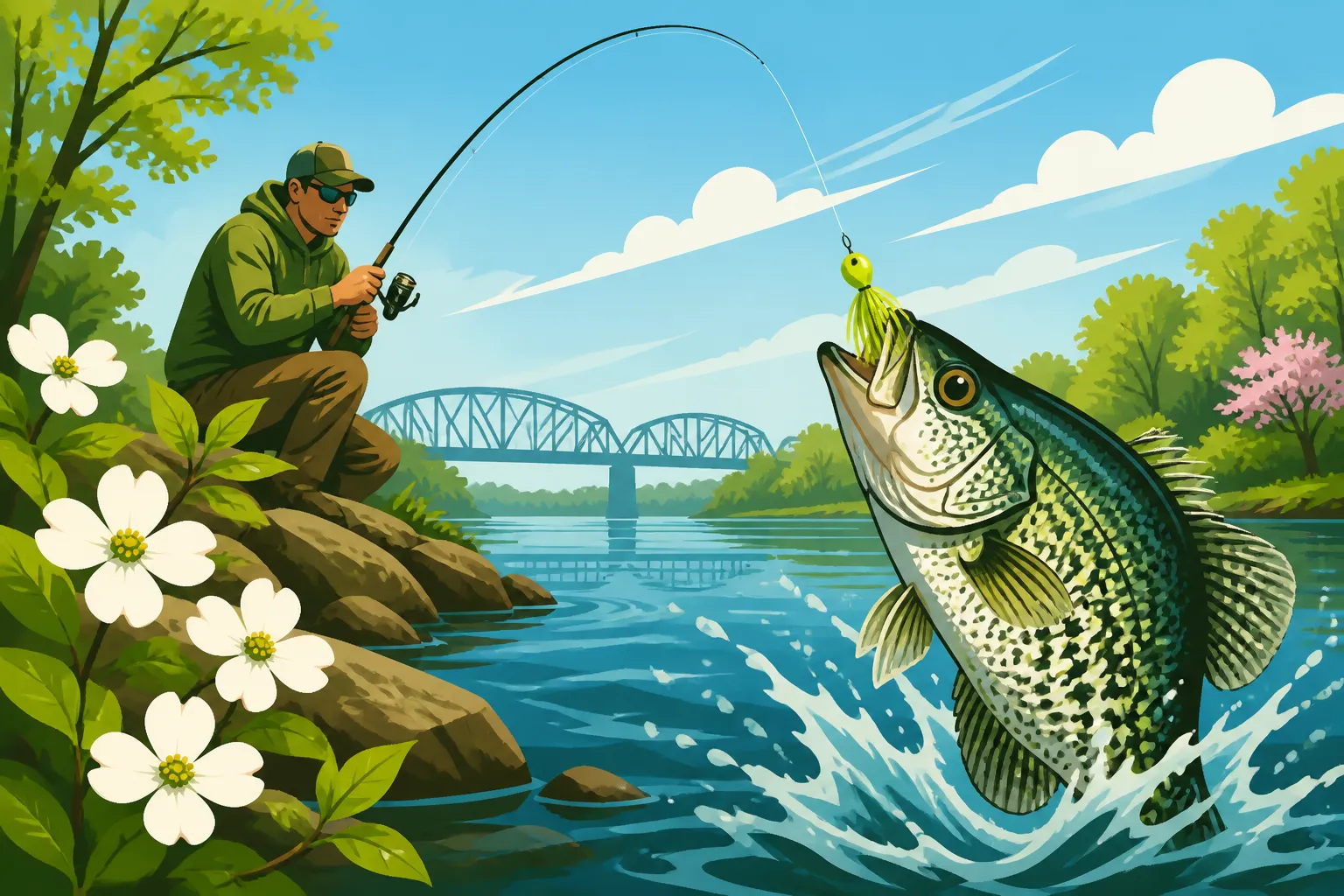
There's nothing quite like the itch to get out on the water after a long winter, especially when you know the crappie are starting to get active. But let's be honest, trying to catch crappie from the bank in the spring can feel like trying to find a needle in a haystack if you don't have a boat. The fish are on the move, the weather is unpredictable, and sometimes it feels like they're just out of reach. This guide is all about giving you the strategies and confidence to reel in those slabs from shore, making your spring crappie fishing dreams a reality, no boat required.
Unraveling Spring Crappie Movements from the Bank
Spring crappie fishing is a fantastic experience, but it’s definitely a game of understanding movement. These fish aren't just sitting still waiting for your bait; they're actively transitioning from their deep winter haunts to shallower waters for the spawn. When you're stuck on the bank, this transitional period can feel like a disadvantage, but with a little knowledge, you can predict their pathways and intercept them. It's about thinking like a crappie and anticipating where they'll be given the conditions.
The Spring Spawn Migration and How It Affects Bank Access
As water temperatures creep up in late winter and early spring, crappie start to stir. They've spent the colder months conserving energy in deeper, more stable water, but now, the biological imperative of the spawn kicks in. This means they'll begin migrating from those deeper channels and basins towards shallower coves, creeks, and protected areas where they'll eventually build nests. For a bank angler, this migration is your golden ticket. You're no longer trying to reach fish in the middle of a vast lake; you're looking for them along their journey, often close to shore.
The key here is understanding that this isn't an overnight move. It's a gradual progression, often occurring in stages. Early spring might see them staging in slightly deeper water adjacent to spawning flats, still within casting distance of the bank if you know where to look. As temperatures continue to rise, especially into the 50s and 60s Fahrenheit, they'll push right up against cover in very shallow water. This is when bank fishing becomes incredibly productive, as the fish are concentrated and actively feeding before, during, and after the spawn. Look for areas with a gentle slope that allows them easy access to deeper water if a cold front pushes them back. Understanding the nuances of the spawn is critical, and diving into topics like "Crappie Spawning and Egg Production" can give you an even deeper appreciation for their seasonal patterns.
Identifying Crappie Holding Areas Near the Bank
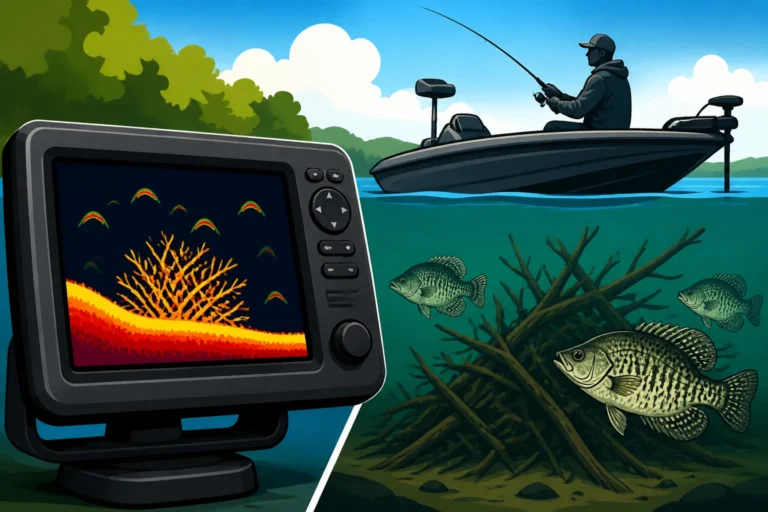
Even from the bank, you can spot prime crappie real estate if you know what to look for. Crappie, especially in spring, are cover-oriented fish. They love structure – anything that provides shade, ambush points, or protection from predators. From the bank, this translates to visible cover like downed trees, brush piles, submerged logs, lily pad stems from the previous year, or even old docks and bridge pilings. Don't overlook these spots; they are magnets for crappie.
Beyond obvious cover, consider the topography of the bank itself. Points that jut out into the water can act as highways for crappie migrating along the shoreline. Coves and pockets that warm up faster due to sun exposure are also excellent places to target, as crappie will often move into these areas first. Look for any changes in the bottom contour, even subtle ones, such as small drop-offs or humps near the bank. These can concentrate fish as they move between depths. Pay close attention to wind-blown banks, too, as the wind can push warmer surface water and baitfish into these areas, creating a feeding frenzy. Knowing "Where Crappie Spawn in Mississippi Lakes" can significantly narrow down your search for these productive bankside spots.
Impact of Water Temperature and Clarity on Bank Crappie
Water temperature is arguably the single most important factor when targeting spring crappie, especially from the bank. Crappie are cold-blooded, and their activity levels are directly tied to the water's warmth. In early spring, when water temperatures are in the low 50s, crappie might still be a bit sluggish and holding in slightly deeper water near the bank, often relating to submerged timber or creek channels. As the temperature climbs into the mid-50s to low 60s, they become much more active and push into the shallower spawning grounds. This is prime time for bank anglers.
Water clarity also plays a crucial role. In clear water, crappie can be spooky, requiring lighter line, smaller baits, and a more subtle approach. They might also hold slightly deeper or tighter to cover to feel secure. In stained or murky water, crappie tend to be less wary and will often move shallower, relying more on their lateral line to detect vibrations. This can be fantastic for bank anglers, as they're often more willing to bite larger, more aggressive presentations. However, extremely muddy water after heavy rains can push them deeper or into areas where they can find clearer water. Keep an eye on local conditions, and remember that even a few degrees difference in water temperature or a slight change in clarity can drastically impact where the crappie are holding. For more on this, check out articles like "Best Water Temperature for Crappie Fishing."
Gearing Up for Successful Bank Crappie Fishing
When you're fishing from the bank, your gear choices become even more critical because you don't have the luxury of a boat to cover vast expanses of water. Every cast counts, and having the right rod, reel, line, and bait can make all the difference in whether you're just casting or actually catching. Don't think you need a massive tackle box; often, simplicity and effectiveness are your best friends.
The Ideal Rod, Reel, and Line Setup for Bank Anglers
For bank fishing for crappie, you'll want a setup that offers a good balance of casting distance, sensitivity, and the ability to handle delicate crappie mouths. A light to ultralight spinning rod is generally preferred, typically in the 6 to 7-foot range. A longer rod, say 7 to 8 feet, can give you an advantage by allowing longer casts to reach those staging areas just out of typical range, and it also helps with line management around shoreline cover. The longer rod can also help you keep the fish out of snags once hooked.
Pair this with a small, lightweight spinning reel (size 1000 or 2000) spooled with 4 to 6-pound test monofilament or fluorocarbon line. Monofilament is more forgiving with its stretch and easier to cast, while fluorocarbon offers excellent sensitivity and low visibility, which can be crucial in clear water. Some anglers even prefer a light braided line for maximum sensitivity, using a fluorocarbon leader for stealth. For a truly sensitive setup, especially if you're trying to detect those subtle crappie bites, consider a quality "Crappie Fishing Techniques for Mississippi Lakes" rod that has a soft tip but enough backbone to manage a decent slab. You can find some excellent budget-friendly options for these setups on retailers like Amazon.
Top Baits and Lures for Spring Bank Crappie
When it comes to baits and lures for spring crappie from the bank, you've got a fantastic array of options, and versatility is key.
Live Minnows: These are often irresistible to crappie, especially in colder early spring water when crappie might still be a bit finicky. Hook them lightly through the lips or just behind the dorsal fin. A small float and a split shot are all you need to present a live minnow effectively.
Jigs: Jigs are arguably the most versatile crappie lure. Small jigs, typically 1/16 to 1/32 ounce, tipped with soft plastic bodies are incredibly effective. Popular soft plastic styles include tube jigs, curly tail grubs, and tiny paddle tail swimbaits. Experiment with colors: chartreuse, white, black/chartreuse, and various shad patterns are often spring favorites. If you’re looking to stock up, Amazon offers a huge selection of different colors and styles from brands like Bobby Garland and Strike King. The technique of "Jig Fishing for Crappie" is a fundamental skill every bank angler should master.
Small Crankbaits: While less common for bank anglers, small, shallow-diving crankbaits can be deadly when crappie are aggressive and actively chasing baitfish. Look for models that dive only a few feet deep, as you'll be fishing relatively shallow water.
Soft Plastics on a Bare Hook: Sometimes, the simplest approach is the best. A tiny soft plastic grub or a piece of Berkley PowerBait crappie nibblers on a small jig head or even a plain Aberdeen hook can entice picky crappie, especially when they're sight fishing on their beds.
For a quick reference, here's a table of popular spring crappie baits for bank fishing:
| Bait Type | Description | Ideal Conditions | Presentation | Notes |
|---|---|---|---|---|
| Live Minnows | Small, active baitfish (shiners, fatheads) | Early spring, colder water, finicky fish | Under a bobber, slow retrieve, stationary | Highly effective, requires live bait well |
| Tube Jigs | Small, cylindrical plastic body with tentacles | All spring conditions, especially around cover | Jigging, slow retrieve, twitching | Versatile, great action with minimal movement |
| Curly Tail Grubs | Soft plastic with a wiggling tail | Active fish, warmer water | Steady retrieve, jigging | Mimics baitfish, good vibration |
| Paddle Tail Swimbaits | Small swimbait with a vibrating tail | Aggressive fish, moderate to warm water | Steady retrieve, cast & pause | Excellent baitfish imitation |
| Crappie Nibblers | Scented, biodegradable soft pellets | Finicky fish, slow bite, sight fishing | Tipped on jigs or small hooks under bobber | Adds scent and attraction, small and subtle |
Remember that the "Best Bait for Crappie in Mississippi" can vary by lake and even by day, so always be ready to experiment.
Essential Bank Fishing Accessories
Bank fishing often means you're carrying everything you need on your back or in a small bag. So, optimizing your accessories is key.
Tackle Bag or Backpack: A comfortable bag that can hold your tackle, extra spools of line, a small first-aid kit, and snacks is a must. Look for something durable and waterproof.
Pliers/Forceps: Essential for removing hooks, especially if a crappie swallows the bait. Long-nose pliers are incredibly helpful.
Line Clippers/Small Scissors: For cleanly cutting line.
Bobbers/Floats: A variety of slip bobbers and fixed floats will allow you to present your bait at different depths. Slip bobbers are fantastic for reaching deeper areas from the bank without struggling with a long leader.
Sinkers/Split Shots: Small split shot weights are necessary to get your bait down to the desired depth.
Measuring Tape/Scale: To ensure you're adhering to "Mississippi Fishing Creel and Size Limits" and to record your personal best catches.
Chair/Bucket: A lightweight, foldable chair or a five-gallon bucket (which can also double as tackle storage or a livewell) can make a long day of bank fishing much more comfortable.
Net: A long-handled landing net is invaluable for scooping up crappie, especially if you're fishing from a high bank or trying to land a larger fish without breaking your light line.
Sun Protection: Hat, sunglasses, and sunscreen are non-negotiable for any extended time outdoors.
Proven Techniques for Catching Spring Crappie from Shore
Now that you've got your gear sorted, let's talk about how to actually get those crappie to bite. Bank fishing for crappie isn't just about casting and hoping; it's about strategic presentation, patience, and understanding how to work your bait effectively without the luxury of moving your boat around.
Simple Yet Effective Bobber and Jig Rigs
When fishing from the bank, a bobber and jig or minnow setup is your bread and butter, especially for spring crappie. It's simple, highly effective, and allows you to present your bait at a precise depth.
Fixed Bobber Rig: This is ideal for shallow water, typically less than 5 feet deep. Attach a small bobber to your line, then tie on a jig or hook with a minnow a set distance below it. The bobber keeps your bait suspended, and any twitch or dip indicates a bite. This rig is excellent for fishing around visible cover like lily pads or brush piles right near the bank.
Slip Bobber Rig: This is where the magic happens for bank anglers looking to fish deeper water. A slip bobber slides freely on your main line, stopping at a small bobber stop that you can adjust. This means you can cast a bait set to fish 10-15 feet deep, even with a 7-foot rod, simply by sliding your bobber stop to the desired depth. This rig allows you to easily cast into deeper staging areas adjacent to spawning flats, which might be just out of reach with a fixed bobber. It's also perfect for probing those submerged brush piles or creek channels without constantly snagging. Experiment with different depths until you find where the crappie are holding. Using a small jig or a minnow on a light hook beneath a slip bobber is one of the most productive methods for "Mississippi Spring Fishing Guide" crappie from the bank.
Slow Retrievals and Subtle Presentations
Crappie, especially in cooler spring waters or when they're staging, can be finicky. They often prefer a slow, deliberate presentation rather than an aggressive, fast retrieve. Think subtle movements, not jarring action.
Dead Sticking: Sometimes, doing almost nothing is the best approach. Cast your jig or minnow out, let it sink to the desired depth, and simply let it sit. The natural movement of a live minnow or the subtle fall of a light jig can be enough to trigger a bite. This is particularly effective when crappie are sluggish or when you suspect they are holding tight to cover.
Slow Roll/Swimming a Jig: If you're using a small curly tail grub or paddle tail swimbait, a slow, steady retrieve is often all it takes. The tail will do all the work, creating a subtle vibration that attracts crappie. Experiment with different retrieve speeds, pausing occasionally to let the jig flutter.
Lift and Drop (Jigging): This technique works well with jigs. Cast out, let your jig sink, and then gently lift your rod tip a foot or two, letting the jig fall back down on a semi-slack line. Most bites will occur on the fall. This mimics a dying baitfish or an insect struggling in the water. Remember, crappie often feed upwards, so a slowly falling bait is incredibly enticing.
When fishing around cover, be patient and make multiple casts to the same area from different angles. Crappie might be tucked deep into a brush pile, and it might take a few precise presentations to coax them out.
Fan Casting and Covering Water from the Bank
Since you can't move your boat to cover different areas, fan casting becomes your primary tool for locating active crappie from the bank. Don't just cast straight out in front of you. Instead, imagine a fan spreading out from your position.
Start by casting to your far left, letting your bait work through the water. Then, make a cast slightly to the right of your previous cast, and repeat this pattern until you've covered the entire area directly in front of you, all the way to your far right. This systematic approach ensures you're presenting your bait to as many potential crappie holding spots as possible within your casting range.
As you fan cast, pay close attention to where you get bites. Is it closer to the bank, further out, near a specific piece of cover, or at a particular depth? This feedback is crucial for patterning the fish. Once you identify a productive zone, concentrate your efforts there. If you're not getting bites after thoroughly working an area, move down the bank to a new spot and repeat the process. Bank fishing requires patience and persistence, but by systematically covering water, you drastically increase your chances of success.
Finding the Best Bank Spots and Timing Your Trips
Even with the perfect gear and techniques, you won't catch fish if you're not in the right place at the right time. For bank fishing, identifying accessible, productive spots and understanding the daily and seasonal patterns of spring crappie are paramount.
Prime Bank Locations for Spring Crappie in Mississippi
Mississippi is blessed with incredible crappie fishing, and many of its top lakes offer excellent bank access, especially during the spring spawn. When you're looking for prime bank spots, think about locations that offer a combination of accessible shoreline, good cover, and proximity to deeper water.
State Parks and Public Access Areas: Many state parks, like those around Sardis Lake, Grenada Lake, and Enid Lake, offer designated bank fishing areas, piers, and shoreline access. These spots are often managed for fishing, meaning they might have brush piles added or offer easy access to productive coves. Check out specific guides like the "Grenada Lake Fishing Guide" or the "Sardis Lake Fishing Guide" for details on public access points.
Bridge Pilings and Culverts: Bridges offer fantastic vertical cover and often span creek channels or deeper sections of water. Crappie will stage around bridge pilings before moving into shallower areas. Culverts where smaller creeks feed into a main lake or reservoir are also hotspots, as they provide current, new water, and often shallow access points for spawning.
Boat Ramps and Marinas (off-season/less busy times): While active boat ramps can be busy, the edges of these areas, especially where there's submerged structure or old docks, can hold crappie. During the spring, especially on weekdays, these spots can be surprisingly productive as crappie move into these often deeper-water, man-made structures.
Natural Shoreline Cover: Look for areas with fallen trees, submerged timber, cattails, or lily pad beds (even dead ones from the previous year). These natural covers provide shelter and ambush points. Pay special attention to the edges of these covers, as crappie often patrol these transition zones. For general advice, consider reading "Best Crappie Lakes in Mississippi" to pinpoint promising waters.
Best Time of Day for Spring Crappie Action
The "Best Time of Day to Catch Crappie" in spring can vary, but generally, early morning and late afternoon into early evening are prime times.
Morning Bite: As the sun rises and starts to warm the shallow waters, crappie often become very active. They'll move out from their overnight cover to feed, especially on bright, sunny days. The first few hours after sunrise can be incredibly productive.
Afternoon/Evening Bite: As the sun gets lower in the afternoon, shadows lengthen, and the water temperature often reaches its daily peak. Crappie, which might have moved slightly deeper during the harsh midday sun, will often move back into shallower feeding grounds. The hour or two before sunset can often rival the morning bite in terms of intensity.
Midday Lull: During the bright, high sun of midday, crappie can become a bit more sluggish and often retreat to deeper, shadier cover. If you're fishing during this time, focus on targeting dense cover or slightly deeper drop-offs near the bank.
However, don't dismiss midday entirely, especially on overcast or rainy days. Cloudy conditions can prolong the prime feeding windows, as the reduced light penetration makes crappie feel more secure in shallower water throughout the day.
Reading the Weather and Water Conditions
Being a successful bank angler in spring means becoming a bit of a weather and water detective. Spring weather in Mississippi can be notoriously fickle, with warm days quickly followed by cold fronts, and these changes dramatically affect crappie behavior.
Cold Fronts: A sudden drop in temperature after a warm spell can push crappie back out of the shallow spawning areas into deeper staging zones. If a cold front moves in, focus your efforts on those deeper edges of creek channels or main lake points accessible from the bank. They might be less active, requiring slower presentations. It can feel a lot like "How to Catch Crappie in Cold Winter Water."
Warm Fronts and Stable Weather: Conversely, a prolonged period of stable, warm weather will get crappie excited and moving shallow. This is when your fixed bobber rigs in inches of water near cover can shine.
Rainfall: Light rain can sometimes improve crappie fishing, as it darkens the water and can wash insects and nutrients into the lake, attracting baitfish and subsequently crappie. However, heavy rainfall can muddy the water significantly and lower water temperatures, pushing crappie to seek clearer, more stable conditions. Look for areas where inflowing water might be clearer, or target the edges of newly inundated vegetation.
Wind: A gentle breeze rippling the surface can be beneficial, breaking up light penetration and making crappie feel safer in shallow water. Wind can also push baitfish and warmer surface water to one side of a cove, concentrating crappie. However, strong winds can make casting difficult and make boat control (if you eventually get one!) impossible, so plan your bank fishing trips on less windy days if possible. By keenly observing these environmental cues, you can significantly increase your chances of finding and catching spring crappie from the bank.
Disclaimer
Fishing conditions and regulations can change rapidly. Always consult the latest Mississippi Department of Wildlife, Fisheries, and Parks (MDWFP) regulations before heading out. This guide is for informational purposes only and does not constitute legal advice regarding fishing licenses or regulations.