Fishing the Fall Shad Run in Mississippi
As the sweltering Mississippi summer finally gives way to cooler temperatures, many anglers might feel a slight disappointment, thinking the peak fishing season is winding down. But for those in the know, autumn ushers in one of the most exciting and productive times on the water: the fall shad run. This natural phenomenon revitalizes our lakes and rivers, turning sluggish summer bites into aggressive feeding frenzies, and this guide is here to help you unlock its full potential.
Understanding the Fall Shad Run Phenomenon
The fall shad run isn't just a rumor among seasoned anglers; it's a predictable, powerful force of nature that completely resets the feeding patterns across our beloved Mississippi waters. If you've ever wondered why some anglers seem to hit the jackpot in the cooler months, often it's because they're clued into this massive baitfish migration. It's a prime example of nature providing an incredible opportunity for those willing to chase it.
The Annual Migration Cycle of Shad
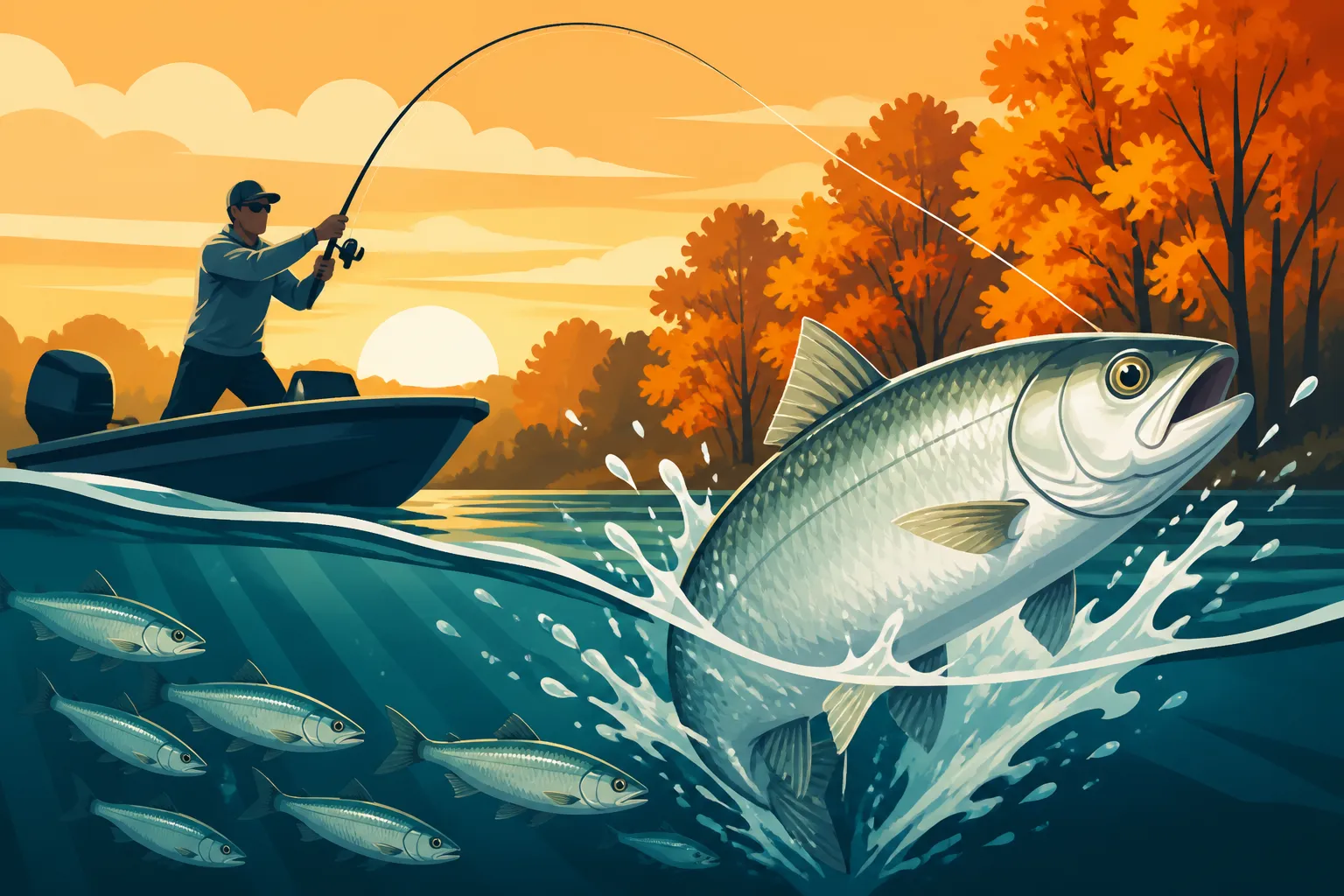
As the days shorten and a crispness returns to the air, gizzard shad and threadfin shad, two of the most prevalent baitfish in our lakes and rivers, begin their annual migration. This isn't a random wander; it's a calculated, instinctual move. Shad gather in immense schools, often numbering in the thousands, and start moving from deeper, open waters towards shallower creeks, coves, and river arms. They're primarily searching for warmer, more stable water, protection from the onslaught of predators, and eventually, suitable wintering grounds where they can survive the cold. This congregating behavior makes them incredibly vulnerable, creating a colossal, easily accessible buffet for every predatory fish in the system. Think of it like a wild salmon run, but for our freshwater game fish.
This migration isn't uniform across the state. What might be happening on Ross Barnett Reservoir could be slightly different in timing and intensity than what's occurring on Grenada Lake or the vast stretches of the Mississippi River. However, the underlying principle remains constant: shad move, and the game fish follow, looking for easy meals before the deep chill of winter truly sets in. This is a critical time for fish to put on essential weight to carry them through the lean months, and they become incredibly aggressive, often abandoning their typical cautious behavior in favor of gorging themselves. If you're paying attention, you can pinpoint these movements and be right in the middle of the action.
How Water Temperature Triggers the Run
Water temperature is the undisputed conductor of the fall shad run orchestra. While air temperatures can fluctuate wildly in Mississippi during autumn, it's the sustained cooling of the water that truly gets the shad moving. Typically, when water temperatures dip into the low 70s and then consistently drop into the 60s Fahrenheit, that's when you start seeing the real action. In most parts of Mississippi, this often happens from late September through November, depending on how quickly the cold fronts push through and how rapidly the large bodies of water cool.
The science behind it is quite simple: as the water cools, shad's metabolism changes, and they seek out more stable, often warmer, environments. Shallower bays and the upper reaches of creeks and rivers, where the water warms and cools more rapidly and offers more protection, become thermal refuges. This temperature shift pushes them out of their summer haunts in the main lake and into these more confined areas, effectively compressing the bait and making them significantly easier targets for hungry predators. Keeping a reliable water thermometer handy can be your secret weapon, helping you pinpoint exactly when and where the run is starting to heat up in your preferred fishing spots.
Impact on Game Fish Behavior
The arrival of these vast shad schools completely reorients the behavior of virtually every game fish in the system, including largemouth bass, crappie, catfish, and even hybrid striped bass. Their entire focus shifts almost exclusively to these abundant food sources. Forget trying to tempt a sluggish summer bass with a finesse worm; during the shad run, they're looking for a big meal, and they want it now. Their predatory instincts kick into overdrive, leading to aggressive strikes and feeding frenzies that can be truly exhilarating to witness and be a part of.
This profound impact means that game fish will often be found in areas they might not frequent during other seasons. They'll push far up into creeks, aggressively patrol shallow flats adjacent to deep water, and ambush shad in current breaks. You'll often see tell-tale signs of this activity: diving birds, fish busting on the surface, and baitfish frantically skipping across the water trying to escape. Understanding that the game fish are now thinking and acting like a pack of wolves chasing a herd is absolutely crucial to intercepting them. It's a feeding free-for-all, and you're invited to the party with your rod and reel.
Why the Fall Shad Run is a Game Changer for Anglers
For many of us who live and breathe Mississippi fishing, the fall shad run isn't just another season; it's the season. It offers a unique set of advantages that can make your angling efforts incredibly rewarding, often leading to personal bests and unforgettable days on the water. It’s a period of excitement and opportunity that no dedicated angler should miss.
Increased Feeding Activity of Predator Fish
One of the most exciting aspects of the fall shad run is the sheer increase in feeding activity across the board. After a long, hot summer where fish can be sluggish and spread out, the cooling water and abundant bait bring them back to life with a vengeance. They know winter is coming, and they instinctively understand that this is their last big chance to bulk up before leaner times. This urgency makes them far more aggressive and less wary than during other times of the year. You'll find fish that might have ignored your offerings earlier in the year now hitting them with reckless abandon and powerful strikes.
This aggressive feeding often results in incredible topwater action, particularly for bass and hybrid stripers. There’s nothing quite like seeing a huge boil on the surface as a predator smashes into a school of shad, sending spray everywhere. Even if they're not busting the surface, their underwater feeding binges mean they're actively moving, actively hunting, and much more likely to strike your bait. It’s a period of high-octane fishing where every cast feels like it has potential. If you're looking for an adrenaline rush, the fall shad run delivers it in spades.
Opportunity for Trophy Catches
Because game fish are so intensely focused on packing on weight for the coming winter, the fall shad run presents an exceptional opportunity to land true trophy-sized fish. Larger fish, especially, need to consume massive amounts of calories to sustain themselves through the colder months, and the dense schools of shad provide exactly that. This means those wary, older, bigger bass, crappie, and catfish that are often harder to tempt during other seasons become much more vulnerable. They're willing to take bigger baits and take greater risks to secure a substantial meal.
I've personally seen some of the biggest largemouth bass and monster crappie caught during this specific period. The sheer volume of food available allows them to maintain and grow to impressive sizes, and their desperation to feed makes them susceptible to a well-placed offering. If you've been dreaming of that double-digit bass or a crappie that stretches your measuring board, dedicating your efforts to the fall shad run could very well make that dream a reality. It's about being in the right place at the right time, with the right offering, when the biggest fish are at their hungriest.
Predictable Patterns and Locations
Unlike the sometimes-scattered and unpredictable fishing of summer, the fall shad run creates remarkably predictable patterns. Once you understand the basic movements of shad and the impact of water temperature, you can often pinpoint exactly where the action is likely to be. Shad will gravitate towards specific types of cover and structure as they move, creating natural ambush points for predators. These can include creek channels, main lake points, shallow flats, and areas with submerged timber or brush piles.
This predictability means less time searching aimlessly and more time fishing productively. You can often return to the same areas day after day, or even week after week, and find consistent success as long as the conditions remain stable. For instance, knowing that shad will often push into the backs of major creeks in the larger reservoirs means you can focus your efforts there. It takes some of the guesswork out of fishing, allowing you to fine-tune your techniques rather than constantly scrambling to locate fish. The Mississippi Fishing Season Dates and Limits, especially for species like bass and crappie, often align perfectly with these predictable feeding patterns.
Prime Locations for Targeting the Fall Shad Run
Knowing when the shad run is happening is only half the battle. To truly capitalize, you need to know where to find this incredible action. Mississippi offers a diverse range of water bodies, each with its own nuances, but all capable of hosting spectacular fall shad runs.
Major Reservoirs and Their Tributaries
Mississippi is blessed with several fantastic reservoirs, and these impoundments are often ground zero for the most intense fall shad run activity. Lakes like the Ross Barnett Reservoir Fishing Guide, Sardis Lake Fishing Guide, Grenada Lake Fishing Guide, and Pickwick Lake are prime examples. In these large bodies of water, shad will typically move from the open main lake basins into the major creek arms and river tributaries that feed them. The backs of these creeks often warm or cool faster than the main lake, providing either a comfortable temperature zone or a staging area for their migration further upstream.
Look for areas where these creeks narrow or where there's a distinct, easily identifiable channel. The main creek channels, especially where they intersect with points, humps, or submerged structure, become natural highways for migrating shad. These are precisely the places where large schools of bass, crappie, and hybrid stripers will stack up, waiting to ambush their prey. Think about the upper reaches of Pelahatchie Creek on Ross Barnett or the major arms of the Yazoo River system on the northern reservoirs. The key is to follow the bait, and in these reservoirs, the bait often follows the natural flow of the old riverbeds and creek channels that are now submerged.
River Systems and Their Backwaters
Beyond the massive reservoirs, Mississippi's extensive river systems, particularly the mighty Mississippi River Fishing Guide, also experience significant and often overlooked shad runs. Here, the dynamics shift slightly due to the constant current. Shad will still be looking for refuge and food, but they often utilize the calmer, shallower backwaters, oxbows, and sloughs adjacent to the main river channel. These areas offer a welcome break from the strong current and can hold warmer, more stable water temperatures as fall progresses, making them attractive to both bait and predators.
Anglers targeting river systems should focus on the mouths of tributaries, cut banks, and points that create current eddies where shad can rest and gather. The transition zones between the main river and its connected backwaters are especially productive. Catfish anglers, in particular, find tremendous success during these riverine shad runs, as blues and flatheads gorge themselves on the concentrated baitfish before the deep cold of winter sets in. Areas like the lower Pearl River or the Pascagoula River also offer excellent opportunities where freshwater species gather near brackish water before dispersing or heading upstream.
Key Features: Choke Points, Humps, and Flats
No matter the specific body of water, certain structural features consistently attract and hold shad during their fall migration, making them critical targets for savvy anglers. Understanding these "hot spots" is paramount to consistent success.
- Choke Points: These are narrow areas where a large volume of water is funneled through. Think of bridge pilings, dam tailraces (like those below Sardis or Enid lakes, which can also hold concentrations of shad), or tight bends in a river channel. Shad get naturally compressed in these areas, making them easy targets. Predators will lie in wait, often just downstream of the current break, ready to pounce on anything that passes by.
- Humps and Ridges: Submerged humps, main lake points, and subtle ridges that extend into open water act as natural navigation points for shad and perfect ambush points for predators. Fish will often hold on the sides or tops of these structures, darting into passing schools of bait. These are particularly effective in larger, clearer reservoirs where fish can use the structure to their advantage.
- Shallow Flats: Especially in the early stages of the run, shad will push onto expansive shallow flats, particularly those with a gradual slope or scattered cover like stumps or grass beds. These sun-warmed areas provide comfortable zones for shad, and predator fish will aggressively patrol them, often busting bait on the surface in spectacular fashion. As fall progresses and water cools further, shad might move deeper off the edges of these flats, so be prepared to follow them.
Understanding these key features and how shad utilize them in relation to temperature and current is paramount to locating active fish. A good depth finder can really help you locate these subtle changes in bottom contour where shad might be holding, especially when you're looking for How to Find Bass Around Submerged Timber, or pinpointing deeper schools of crappie.
Essential Gear and Baits for the Shad Run
When the fall shad run kicks off, it's not the time for delicate presentations. Fish are on the hunt, and you need gear and baits that can match their aggressive mood and the sheer volume of bait in the water. The right setup can make all the difference between a frustrating day and an epic one.
Recommended Rods, Reels, and Line
For bass anglers chasing the fall shad run, versatility and power are key. Medium-heavy to heavy power casting rods (typically 6'6" to 7'6" in length) paired with high-speed baitcasting reels are ideal. This setup allows you to cast heavier lures long distances, cover water efficiently, and quickly retrieve line to keep up with fast-moving fish or to work a bait through a schooling frenzy. For line, 15-20 lb fluorocarbon or monofilament is common, providing a good balance of strength, sensitivity, and castability. Braid (30-50 lb) with a fluorocarbon leader is also a fantastic option, especially when fishing around heavy cover or needing maximum casting distance and immediate sensitivity to strikes.
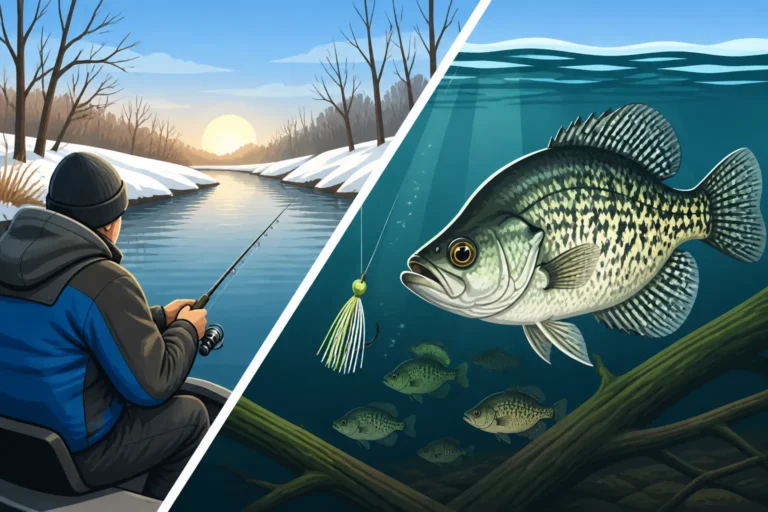
Crappie anglers will want something lighter, but still robust enough to handle the larger slabs that feast during this period. Medium-light spinning rods (6' to 7') with 2500-sized reels spooled with 6-10 lb braided line and a fluorocarbon leader are excellent. This combination offers unparalleled sensitivity for detecting subtle bites and ample strength for hauling in big crappie. For catfish, especially the bigger blues and flatheads that feast voraciously during the shad run, heavy-action casting rods with robust baitcasting reels (like an Abu Garcia Ambassadeur or a similar heavy-duty model) and 20-30 lb monofilament or heavy braid (50-80 lb) are an absolute must. Remember, the fish are eating big and fighting hard, so your gear needs to be capable of handling their increased size and powerful fight. If you're looking for reliable gear without breaking the bank, checking out options on Amazon can be a good starting point for building out your fall arsenal.
Top Lures Mimicking Shad
The name of the game during the shad run is imitation. You want lures that accurately mimic the size, profile, and action of the plentiful shad. Having a diverse selection is crucial for adapting to conditions.
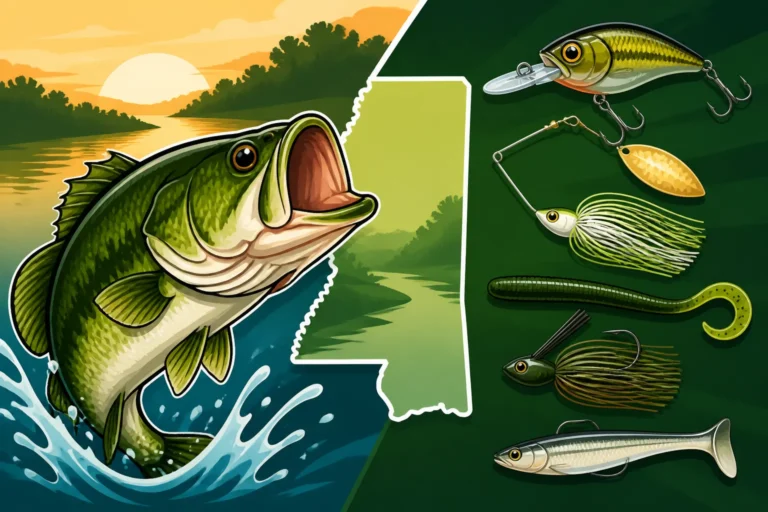
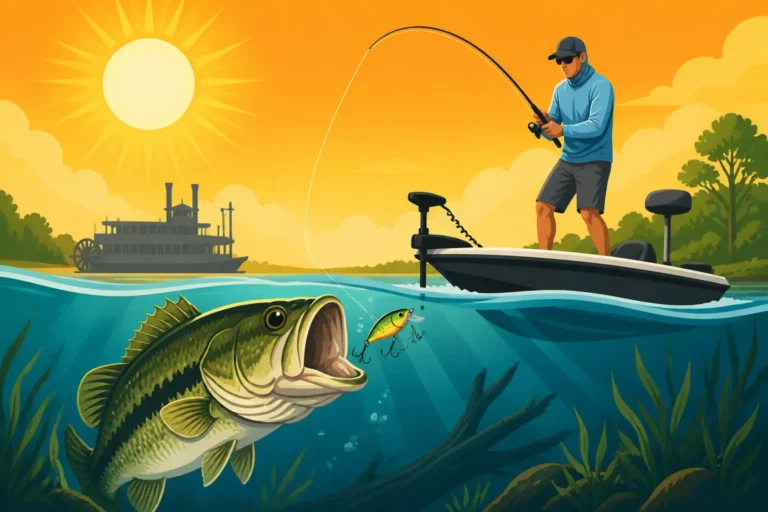
- Crankbaits: Medium to deep diving crankbaits in realistic shad patterns (chrome/blue, white, grey, natural shad) are absolute killers. Brands like Strike King, Rapala, or Berkley make excellent choices. These lures can be retrieved at varying speeds and depths to cover different parts of the water column and provoke aggressive reaction strikes from hungry predators.
- Swim Baits: Soft paddle-tail swimbaits, either rigged on a jighead or weedless, are incredibly effective. Their lifelike swimming action is almost impossible for actively feeding fish to resist. Sizes from 3-6 inches are generally appropriate, depending on the size of the local shad population.
- Spoons: Casting spoons (like a Johnson Silver Minnow or a Hopkins Shorty) or jigging spoons are fantastic for busting schools of shad on the surface or when fish are holding deeper. A rapid retrieve for casting spoons or a lift-and-drop jigging motion can elicit vicious strikes when fish are schooled up.
- Topwater Lures: When fish are actively busting on the surface, walking baits, poppers, or prop baits in shad colors can lead to some of the most explosive strikes imaginable. There's nothing quite like seeing a bass annihilate a topwater lure in a feeding frenzy.
- Lipless Crankbaits: These vibrating baits are excellent for covering water quickly and generating reaction strikes, especially when fish are suspended or holding tightly to cover and need an aggressive offering to trigger a bite.
Many anglers find that having a variety of these lures in their tackle box, readily available from online retailers like Amazon, allows them to adapt to changing conditions and fish behavior during the run. For more specific advice on what lures might be best for bass, you might check out our detailed guide on Best Lures for Largemouth Bass.
Live Bait Strategies
While artificial lures are incredibly effective and exciting to use, nothing beats live bait when the fish are being particularly picky, or when you're specifically targeting certain species like trophy catfish or monster crappie. Live shad, caught with a cast net, are hands down the most effective bait during the fall run. They are exactly what the fish are actively feeding on, making them truly irresistible.
- For Bass and Stripers: Hook live shad through the back or lips and fish them under a bobber near schooling activity or free-lined near structure. The natural distress of a live shad is a powerful, undeniable attractor to predatory game fish.
- For Crappie: Smaller shad (often colloquially called "shiners" or "minnows" by crappie anglers, but truly just small shad) fished under a slip bobber or tight-lined around brush piles are deadly. This is especially true when crappie are grouped up, gorging on the abundant baitfish. Our Best Bait for Crappie in Mississippi article has more detailed information on maximizing your crappie success.
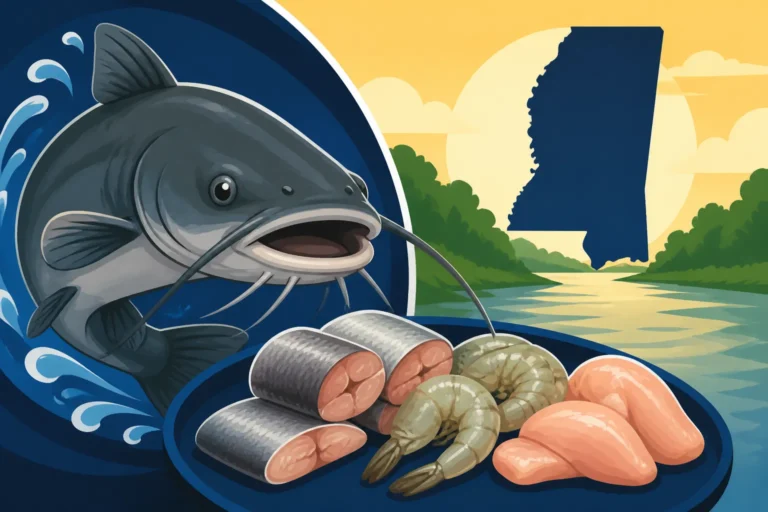
- For Catfish: Larger live shad, or even freshly cut sections of shad, are supreme baits for blue and flathead catfish during the fall run. Rig them on a Carolina rig or a three-way swivel rig and position them on the bottom in known catfish haunts or along shad migration routes. Freshness is key with cut bait – the more oils and scent it releases, the better it attracts hungry catfish. You can read more about Best Bait for Catfish in Mississippi for comprehensive information.
The effort of catching your own live shad often pays off exponentially, giving you a distinct advantage over anglers relying solely on artificials. If you're serious about maximizing your catch during the shad run, it's a worthwhile investment of time.
Mastering Techniques for Fall Shad Run Success
The fall shad run calls for specific tactics to consistently put fish in the boat. It's about being versatile, observant, and knowing when to switch up your approach based on what the fish and bait are doing. Being static in your approach will often lead to frustration, while adaptability leads to rewards.
Casting and Retrieving Strategies
When shad are actively being pursued by predators, often breaking the surface in spectacular fashion, casting and retrieving becomes your primary technique. The goal is to imitate a fleeing, injured, or panicked shad – an easy meal for a hungry predator.
- Fast Retrieves: When you see fish busting on top or bait showering, cast a topwater lure, swimbait, or lipless crankbait directly into the commotion and retrieve it quickly, almost frantically. This mimics a panicked shad trying to escape and triggers aggressive reaction strikes from excited game fish. Don't be afraid to "burn" your bait – sometimes the fastest retrieve is the most effective during a feeding frenzy.
- Varying Speeds and Pauses: If the surface action is sporadic or fish are just below the surface, try a medium-speed retrieve with occasional pauses or twitches. This can mimic an injured or disoriented shad, an easy meal for a lurking predator. Especially with crankbaits or swimbaits, a sudden change in speed or direction can be the exact trigger needed for a strike.
- Fan Casting: Don't just cast in one direction repeatedly. Fan cast to cover a wide area, especially when searching for schooling fish that are moving. Once you locate them, you can focus your casts more precisely. Pay particular attention to wind direction, as this can often push shad into certain areas or against specific structures. Understanding How Wind Direction Affects Bass Fishing, for instance, can be a real game-changer here.
It's all about observing the water and adapting your retrieve. If one speed isn't working, try another. If one lure isn't getting bites, switch to something different but still in a realistic shad pattern.
Vertical Jigging and Trolling Tactics
When shad and predators are holding deeper, perhaps in a creek channel, on a submerged hump, or along a distinct contour line, vertical jigging and trolling become highly effective. This is often the case when the surface bite dies down, or as the water cools further into late fall and fish become less inclined to chase bait all the way to the top.
- Vertical Jigging: This technique is fantastic for targeting suspended schools of crappie, bass, or even hybrid stripers found with your electronics. Use jigging spoons, blade baits, or heavy swimbaits. Drop your lure directly onto the school you've identified, then use a sharp upward snap of the rod tip, allowing the lure to fall back on a semi-slack line. Most bites happen subtly on the fall, so pay close attention. This is a very precise method, allowing you to target fish at specific depths with high accuracy.
- Trolling: For covering large areas and locating dispersed schools of shad and game fish, trolling crankbaits or swimbaits is a proven method. For crappie, spider rigging multiple rods with small jigs or minnows can be deadly when they're following shad along creek channels or over brush piles. Adjust your speed and lure depth until you start getting bites. Trolling is particularly effective on the larger, more expansive reservoirs like Grenada Lake or Sardis Lake.
Both vertical jigging and trolling require good sonar or a fish finder to accurately identify baitfish and game fish concentrations. Without it, you're often just fishing blind. Modern fish finders, even portable ones available on Amazon, can greatly enhance your success during the shad run.
Adjusting to Changing Conditions
The fall shad run isn't a static event; conditions can change daily, even hourly. A key to consistent success is being able to adapt your approach to these dynamic circumstances. What worked yesterday might not work today, and the most successful anglers are those who can pivot.
- Weather Fronts: A strong cold front can push fish deeper and make them more lethargic, reducing their willingness to chase. Conversely, stable, warm weather in early fall can keep the surface bite going strong. Adjust your lure depth and retrieval speed accordingly. Fish often become harder to catch immediately after a front passes but may resume feeding aggressively a day or two later once conditions stabilize. Consider how Fishing After a Cold Front, and what the Best Barometric Pressure for Fishing, might affect fish behavior.
- Time of Day: Early morning and late evening often provide the best surface action as shad are most active and game fish are aggressively hunting under low light conditions. During midday, fish might drop deeper, seeking comfort, requiring jigging or deeper-running lures.
- Water Clarity: Clearer water often calls for more natural colors and more subtle presentations, as fish have better visibility. Stained or muddy water might require brighter colors, more vibration, or even scent-enhanced baits to attract attention from a distance.
Being flexible and willing to experiment with different techniques and lures is paramount. Pay attention to what's happening around you – what are other successful anglers doing? What are the birds doing? What are your electronics telling you? The fish will tell you what they want if you pay close enough attention and are ready to adjust.
Reading the Water and Weather During the Shad Run
Becoming a successful angler during the fall shad run isn't just about throwing the right bait; it's about becoming a detective, reading the subtle (and sometimes not-so-subtle) clues the environment provides. The water and weather offer invaluable insights into where the fish are and what they're willing to bite.
Interpreting Water Clarity and Current
Water clarity plays a huge role in how game fish feed during the shad run. In clearer waters, fish rely heavily on sight to ambush their prey. This means your lures should be as natural-looking as possible, with realistic colors, accurate profiles, and subtle actions. You might also need to use lighter line and make longer casts to avoid spooking wary fish. Clear water often means fish will hold slightly deeper or relate more tightly to cover, using it to conceal themselves before striking.
Conversely, in stained or murky water, fish use their lateral lines and sense of smell more prominently to locate prey. Here, brighter, more contrasting colors (like chartreuse, firetiger, or pure white) can be more effective, as can lures that produce a lot of vibration or sound, like lipless crankbaits or spinnerbaits. Current, especially in river systems like the Mississippi or below dams, also dictates fish positioning. Shad will use current breaks to conserve energy, and predator fish will position themselves just outside these breaks, waiting to ambush. Look for eddies, submerged rocks, fallen trees, or bridge pilings that create these current seams. Even a slight current can position bait and predators in predictable ways.
The Role of Barometric Pressure and Fronts
The barometer is often overlooked by casual anglers but can be a powerful indicator during the fall shad run. A stable or slowly rising barometer generally means good fishing. Fish tend to be more active, feeding aggressively, and often higher in the water column. This is when you'll see those incredible surface bites and frenzies.
However, a rapidly falling barometer, often signaling an approaching cold front, can make fish go into a feeding frenzy right before the front hits. They instinctively know tough conditions are coming and will feed voraciously to prepare. Once the front passes and the pressure stabilizes at a high level, fishing can often become tougher. Fish may move deeper, become less active, and require slower, more subtle presentations. Understanding these pressure changes helps you anticipate fish behavior. If you're planning a trip, checking the barometric pressure along with the general Mississippi Fall Fishing Guide, and considering how these factors align, can give you a significant advantage.
Fishing During Different Times of Day
The time of day can dramatically influence how and where you find fish during the fall shad run. Being aware of these patterns can help you strategize your fishing efforts for maximum success.
- Early Morning and Late Evening: These are often the "golden hours" for surface activity. As the sun is low, shad feel more comfortable in shallower water, and predator fish capitalize on the low light conditions for ambushes. This is prime time for topwater lures, shallow-running crankbaits, and swimbaits. Look for birds diving or fish busting bait on the surface – these are tell-tale signs of intense feeding.
- Midday: As the sun gets higher and brighter, shad often drop deeper, or move into shaded areas or under docks. Consequently, game fish will follow. This is when deeper techniques like vertical jigging, deep-diving crankbaits, or fishing live bait on the bottom become more effective. Pay attention to temperature changes as well; if it's a particularly warm fall day, midday might still see active fish, but if a cold snap has hit, they'll likely be hunkered down.
- Night Fishing: While less common for targeting the shad run itself with artificials, night fishing can be incredibly productive for catfish during this period. As shad move into shallower areas, catfish will follow under the cover of darkness, making them more accessible. Glow-in-the-dark lures or live bait can work wonders.
Always observe, adapt, and don't be afraid to try something different if your initial plan isn't producing. The fall shad run is a dynamic period, and the most successful anglers are those who can read the conditions and adjust their approach on the fly.
| Lure Type | Best Use Case | Ideal Shad Size Mimicked | Common Species Targeted | Notes |
|---|---|---|---|---|
| Crankbaits | Covering water, targeting various depths | Small to Medium (2-5 in) | Bass, Hybrid Striper, Crappie | Vary retrieve speed; deep divers for deeper fish, shallow runners for flats. |
| Swim Baits | Realistic presentation, moderate depths | Small to Large (3-7 in) | Bass, Hybrid Striper, Large Crappie | Rigged on jigheads or weedless; excellent when fish are visually hunting. |
| Jigging Spoons | Vertical presentations, schooling fish, deep water | Small to Medium (2-4 in) | Bass, Crappie, Hybrid Striper, Catfish | Great for suspended fish; aggressive rip-and-fall action. |
| Topwater Lures | Surface activity, low light conditions | Small to Medium (3-6 in) | Bass, Hybrid Striper | Walking baits, poppers, prop baits. Exciting visual strikes. |
| Lipless Crank | Covering large areas, reaction strikes | Small to Medium (2-5 in) | Bass, Hybrid Striper | High vibration for stained water; good for bouncing off cover. |
| Live Shad | Most natural presentation, all conditions | Any | Bass, Crappie, Catfish, Hybrid Striper | Incredibly effective, but requires cast netting. Rigged free-line or under bobber. |
Disclaimer
The information provided in this guide is for educational and entertainment purposes only. Fishing conditions, regulations, and techniques can change, and it is the angler's responsibility to stay informed of all current rules and regulations set forth by the Mississippi Department of Wildlife, Fisheries, and Parks (MDWFP). Always prioritize safety on the water and practice responsible angling.