How to Catch Bass in Hot Summer Weather
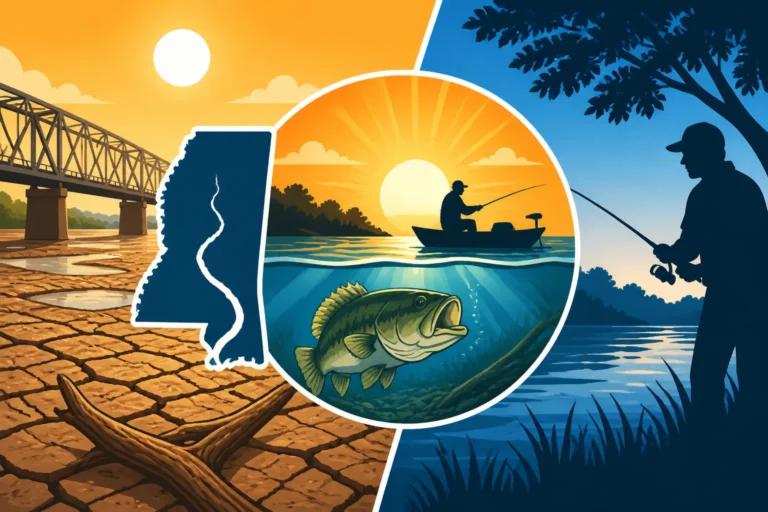
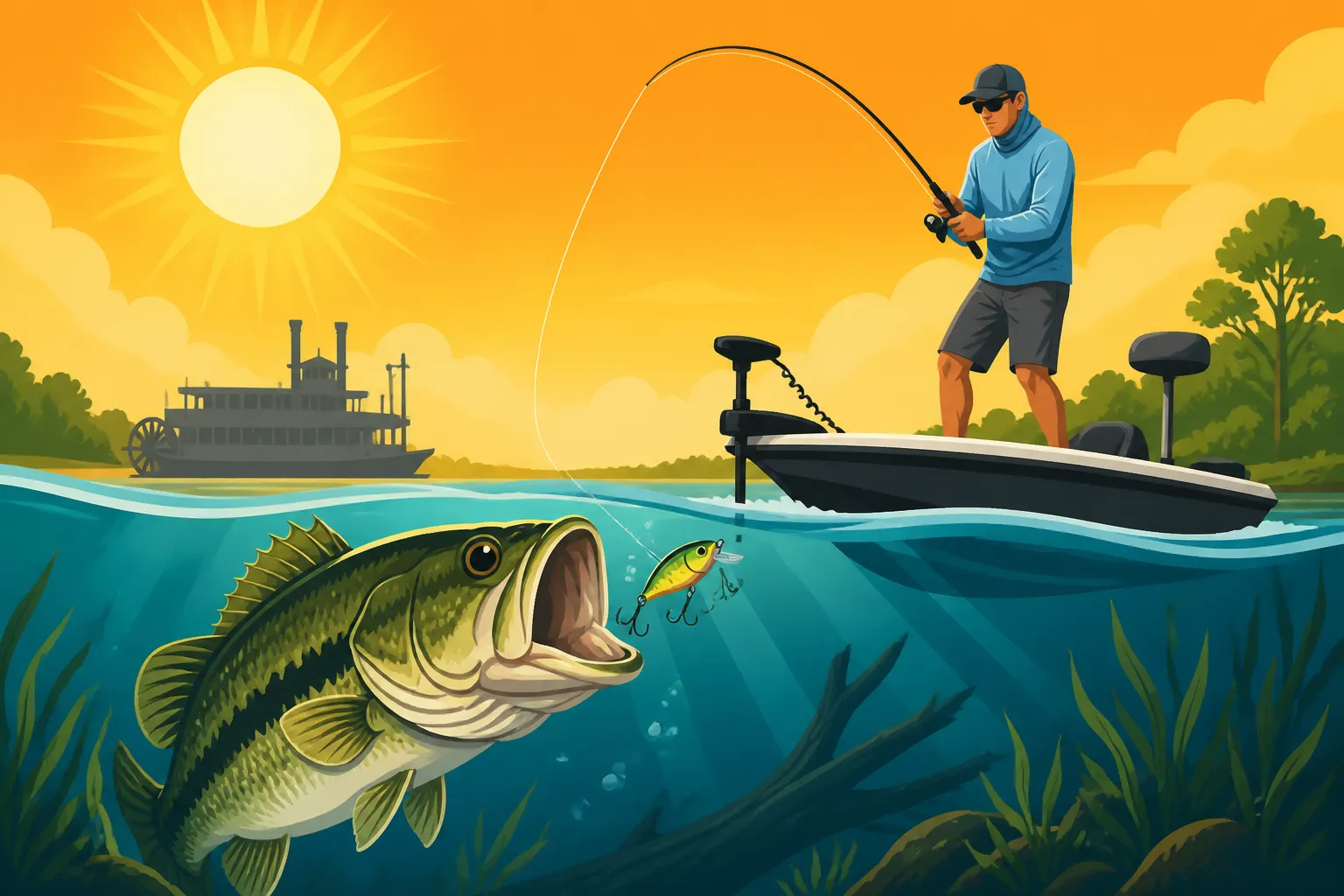
Oh, the Mississippi summer heat! If you've spent any time on our lakes and rivers from June through August, you know that fishing for bass can feel like trying to catch a ghost. The scorching sun, high water temperatures, and often crowded ramps can make it incredibly frustrating to find those elusive largemouths. This guide is here to cut through that frustration, offering proven strategies and insights to help you consistently put bass in the boat, even when the thermometer is pushing triple digits.
Understanding Summer Bass Behavior in Mississippi
Summer fishing for bass in Mississippi isn't just about throwing a lure and hoping for the best. It's about understanding how these fish react to the oppressive heat, how their environment changes, and how that impacts their feeding patterns. Once you get a handle on their summer habits, you can start to predict where they'll be and what they'll eat.
Why Bass Go Deep and Get Finicky
When the surface temperatures on Mississippi lakes like Ross Barnett Reservoir or Sardis Lake start climbing into the 80s and even 90s, bass aren't exactly sunbathing. They're seeking refuge, and that usually means heading for deeper, cooler water. This is where the concept of the "thermocline" becomes incredibly important. The thermocline is that distinct layer in the water column where the temperature changes rapidly. Above it, the water is warmer and often has less oxygen. Below it, the water is cooler, but eventually, oxygen levels can drop too low. Bass will typically hold right around or just above this thermocline, where the water is cool enough but still has plenty of dissolved oxygen.
They also get finicky because their metabolism slows down in the heat. They don't need to chase food as aggressively, and they become very opportunistic. Instead of actively hunting, they'll often hold tight to cover, waiting for an easy meal to swim by. This means your presentations need to be slower, more precise, and often mimic vulnerable baitfish or crawfish. Learning to read your electronics to find this thermocline and any associated structure can be a game-changer when you're looking for How to Catch Bass in Hot Summer Weather.
The Importance of Low Light Conditions
While bass often retreat to deeper waters during the bright midday sun, they don't stay there exclusively. As the sun begins to set, and especially during dawn, dusk, and through the night, the surface water cools down significantly. This cooling effect, coupled with reduced light penetration, makes shallow water more comfortable and less threatening for bass. It’s during these low-light periods that bass often move out of their deep-water sanctuaries and into shallower feeding grounds.
Think about it: the same baitfish that were hiding in deep brush piles during the day will also push shallow to feed under the cover of darkness. This creates a prime opportunity for bass to ambush prey in areas they wouldn't dare visit in the glaring sun. For Mississippi anglers, these low-light windows, particularly early morning before the sun gets high and late evening into the night, are often the most productive times to target active bass. You might even find them lurking around docks, lily pads, or other bank cover during these times.
Essential Gear and Tackle for Summer Bass Fishing
Having the right tools for the job can make a huge difference when you're trying to coax a bite out of summer bass. You wouldn't use a fly rod to pull a stump, and similarly, you need gear that can handle the specific challenges of hot weather techniques.
Rods, Reels, and Line for Heavy Cover
Summer bass in Mississippi often relate to heavy cover, whether it's dense hydrilla mats, submerged timber, or thick brush piles. This means you need stout gear to not only get the fish out of that cover but also to effectively present your baits. For flipping and pitching jigs or heavy Texas-rigged worms into thick stuff, a heavy or extra-heavy action baitcasting rod, typically 7 to 7.5 feet long, is ideal. These rods have the backbone to horse a big bass out of snaggy situations.
Pair these rods with a sturdy baitcasting reel that has a good drag system and a high gear ratio (7.1:1 or higher) for quick line pickup. When it comes to line, you'll want something strong and abrasion-resistant. Braided line, like 50-65 lb test, is fantastic for punching through vegetation and offers incredible sensitivity and no stretch, which is crucial for a solid hookset in heavy cover. If you're fishing around less abrasive cover or clearer water, a heavy fluorocarbon line (17-25 lb test) can be a great choice because it's virtually invisible underwater. You can find a wide selection of these heavy-duty rods, reels, and lines on platforms like Amazon if your local tackle shop is out of stock. For deeper dives into specific equipment, check out guides like Choosing the Right Rod and Reel for Mississippi Fishing.
Lures That Trigger Summer Bites
Summer bass often become highly selective, so having a diverse arsenal of lures is key. Here are some staples:
- Deep Diving Crankbaits: These are workhorses for reaching bass holding on ledges, humps, or deep points. Look for baits that can dive 12-25 feet or more, in natural baitfish colors (shad, bluegill) or crawfish patterns. Brands like Strike King, Rapala, or Berkley offer excellent options. The key is to make them deflect off structure, which often triggers a reaction strike.
- Jigs: Heavy jigs (3/8 oz to 1 oz) with bulky trailers are perfect for punching through mats or probing brush piles. Black and blue, green pumpkin, and brown are classic colors. The slow, methodical fall of a jig can be irresistible to a bass nestled in cover.
- Plastic Worms and Creatures: Texas-rigged or Carolina-rigged plastic worms (10-12 inches) or creature baits are excellent for targeting deep structure. The subtle movement and scent of these baits are often what it takes to tempt a finicky bass. Dark colors like junebug, black, or blue fleck are popular choices in stained water.
- Topwater Lures (for low light): While not for the midday sun, topwater baits like hollow-bodied frogs, walking baits (e.g., Heddon Super Spook), or poppers can be absolutely explosive during those early morning, late evening, or even night fishing windows. Frogs are exceptional for fishing over lily pads and matted vegetation.
- Swimbaits: Both soft and hard swimbaits can be incredibly effective when bass are targeting larger baitfish. Slowly retrieved along ledges or through suspended schools of bait, they can draw strikes from big, hungry bass.
Experimentation is key, but these lures generally form the backbone of a successful summer bass angler's tackle box.
Proven Techniques for Hot Weather Bass
Once you've got your gear ready, it's time to talk tactics. Summer bass fishing is often about precision, patience, and knowing when and where to apply specific presentations.
Targeting Deep Structure and Cover
This is arguably the most crucial technique for midday summer bass. When the sun is high and temperatures are peaking, bass are seeking cooler, more stable environments. This means they'll gravitate towards deeper structure and cover. Think about those hidden gems: submerged brush piles, deep rock piles, sharp ledges that drop into creek channels, or even just subtle humps out in the middle of a bay.
Your electronics, like a good fish finder with side imaging and down imaging, become your best friend here. Spend time idling over likely areas, scanning for these structures and, most importantly, for any signs of baitfish or bass congregated around them. Once you've located a promising spot, mark it precisely. Then, position your boat to make accurate casts. Jigs, heavy Texas-rigged worms, or deep-diving crankbaits are your go-to lures. Cast past the structure and slowly work your bait through it, feeling for any subtle bumps or changes. Remember, a slow retrieve is often more effective; you want to give the bass time to react to the bait as it passes their hideout. For more advanced tips on this, you might explore resources on How to Find Bass Around Submerged Timber.
Early Morning and Late Evening Strategies
As mentioned earlier, these low-light periods offer the most active shallow-water bites. In the early morning, as the first rays of sun peek over the horizon, or in the late evening as it dips below, bass often venture out of their deep-water haunts to feed. This is prime time for topwater action! Throwing a walking bait or a hollow-bodied frog over matted vegetation in areas like Pelahatchie Bay on Ross Barnett Reservoir can result in explosive strikes.
If topwater isn't producing, shallow-running crankbaits, spinnerbaits, or ChatterBaits can be very effective in stained water or around sparse cover. Focus on areas where baitfish are likely to gather: points, weed lines, shallow docks, or shoreline brush. The key is to cover water efficiently and look for active feeding signs. Don't be afraid to experiment with retrieve speeds; sometimes a fast, erratic retrieve triggers a reaction, while other times a slower, more deliberate approach is needed. These are the moments when you can often catch bigger, more aggressive fish before the day's heat drives them deep.
The Power of Night Fishing
Many anglers shy away from night fishing, but it can be incredibly rewarding for summer bass in Mississippi. With the sun completely down, the water cools, and bass often become much more comfortable and aggressive in shallow water. It's also a fantastic way to escape the crowds and the brutal heat.
When fishing at night, focus on baits that create a strong vibration or silhouette. Darker colors like black, blue, or purple are often preferred because they create a more distinct profile against the night sky. Large spinnerbaits with Colorado blades, bladed jigs, or slow-rolled worms and jigs are excellent choices. Scent can also play a huge role; consider adding some fish attractant to your soft plastics. Work your baits slowly and deliberately, allowing the bass to track them by feel and vibration. Safety is paramount when night fishing; ensure you have proper lighting, know your waterways well, and ideally, go with a buddy. Many lakes in Mississippi offer great night fishing opportunities, but always check local regulations for specific rules regarding night angling.
Adjusting to Specific Mississippi Summer Scenarios
Mississippi's diverse waters, from large reservoirs to winding rivers, present different challenges and opportunities for summer bass anglers. Understanding these nuances can significantly improve your success.
Fishing in Reservoirs vs. Rivers
Fishing a vast reservoir like Grenada Lake is a very different beast from fishing a flowing river system like the Pearl River or even segments of the Mississippi River.
Reservoirs: In reservoirs, bass will often relate to distinct ledges, humps, and man-made cover like brush piles. The thermocline and oxygen levels are critical factors. You'll typically find schools of bass concentrated in these deeper areas during the day. Trolling motor control and accurate electronics are paramount for identifying and staying on these spots. Look for channels, major creek arm junctions, and submerged roadbeds. Understanding how Mississippi Crappie Regulations by Lake vary can also give you insight into where other species might be holding, which in turn can indicate where bass might be feeding.
Rivers: River bass, on the other hand, are highly influenced by current. Even in summer, they use current breaks to ambush prey and conserve energy. Look for eddies, log jams, rock wing dams, bridge pilings, and any other structure that breaks the main flow. Bass will often position themselves just out of the main current, waiting for food to drift by. While they might still seek deeper holes, current is often the primary driver of their location. Spinnerbaits, jigs, and squarebill crankbaits that can be worked along these current breaks are highly effective. Be mindful of water levels, which can fluctuate significantly, impacting access and fish location.
Post-Front Conditions and Slow Bites
One of the most frustrating scenarios for any angler is a strong cold front rolling through during summer. The day after a front, often characterized by bright skies, high pressure, and a sudden drop in temperature, can make bass incredibly lethargic and difficult to catch. They often become "locked down" and unwilling to chase baits.
In these conditions, patience and downsizing are your best friends. Instead of fast-moving lures, switch to finesse presentations. A lightweight Carolina rig, a shaky head jig, or a Neko rig with a smaller worm can often tempt a non-committal bass. Slow your retrieve dramatically – almost agonizingly slow. Let your bait sit motionless for extended periods. Focus on the same deep cover and structure you would normally, but present your baits with extreme subtlety. Sometimes, a very small, dark-colored jig worked meticulously through a brush pile is the only thing that will get a bite. Don't be afraid to fish areas that might seem unproductive on a normal day; sometimes the fish just move to the tightest, densest cover available and refuse to budge.
Summer Bass Lure Selection Guide
Here's a quick reference table for choosing your summer bass lures based on common conditions you'll encounter in Mississippi.
| Condition | Best Lure Types | Recommended Colors | Retrieval Tip |
|---|---|---|---|
| Midday Sun (Deep Water) | Deep Diving Crankbaits, Heavy Jigs, Texas-Rigged Worms, Football Jigs | Shad, Crawfish, Green Pumpkin, Black/Blue | Slow roll crankbaits, yo-yo jigs, slow drag worms |
| Early Morning/Late Evening | Topwater Poppers, Walking Baits, Hollow-bodied Frogs, Spinnerbaits | Natural Shad, Bone, Black, White | Erratic pops/walks, steady retrieve with pauses |
| Night Fishing | Large Spinnerbaits (Colorado Blades), Jigs, Bladed Jigs, Slow-Rolled Worms | Black, Blue, Junebug | Slow & steady, focus on vibration and scent |
| Heavy Vegetation/Mats | Punching Jigs, Hollow-bodied Frogs, Heavy Texas-Rigged Creature Baits | Black/Blue, Green Pumpkin, White (Frog) | Punch through, pause, pop, or walk over mats |
| Post-Front (Finicky Bass) | Finesse Jigs, Shaky Heads, Carolina Rigs, Drop Shots, Small Worms | Green Pumpkin, Natural, Watermelon | Extremely slow, subtle movements, long pauses |
Having a well-stocked tackle box from places like Amazon or local tackle shops like Academy Sports + Outdoors will ensure you're ready for whatever summer throws at you. Remember, the best lure is often the one you have confidence in and that matches the conditions.
Final Thoughts on Summer Bass Fishing
Catching bass in the heat of a Mississippi summer can be tough, no doubt. The key is to be adaptable, understand the fish's behavior, and have the right gear for the job. Don't be afraid to change up your routine; wake up early, stay out late, or even venture out after dark. Focus on deep cover and structure during the day, and embrace those low-light opportunities for more aggressive bites. With a bit of patience and the right approach, you can turn those frustrating summer days into memorable fishing trips. And always remember to stay hydrated out there! For more detailed seasonal advice, be sure to check out our Mississippi Summer Fishing Guide.
Disclaimer
Fishing conditions and regulations in Mississippi can change. Always consult the latest Mississippi Department of Wildlife, Fisheries, and Parks (MDWFP) official regulations before heading out on the water. This guide is for informational purposes only and does not supersede state laws or recommendations.