How to Catch Flounder on the Mississippi Coast
Ah, the elusive flounder! You know that feeling, right? You're out on the Mississippi Coast, enjoying the salty air, watching the gentle lapping of the waves, and you just know those flatfish are lurking somewhere, practically invisible against the sandy bottom. Trying to figure out their hideouts and what makes them bite can be a real head-scratcher. This guide is going to peel back the layers on how to consistently catch flounder along our beautiful Mississippi coastline, turning those frustrating "misses" into triumphant "catches" and making your next trip to the coast much more rewarding.
Understanding Flounder on the Mississippi Coast
Before you even think about casting a line, getting to know your target is key. Flounder aren't like your typical active predators; they're masters of disguise and ambush, and understanding their habits will dramatically improve your chances of success. They blend in so perfectly with the bottom, it's like they're playing a perpetual game of hide-and-seek.
Flounder Behavior and Habitat
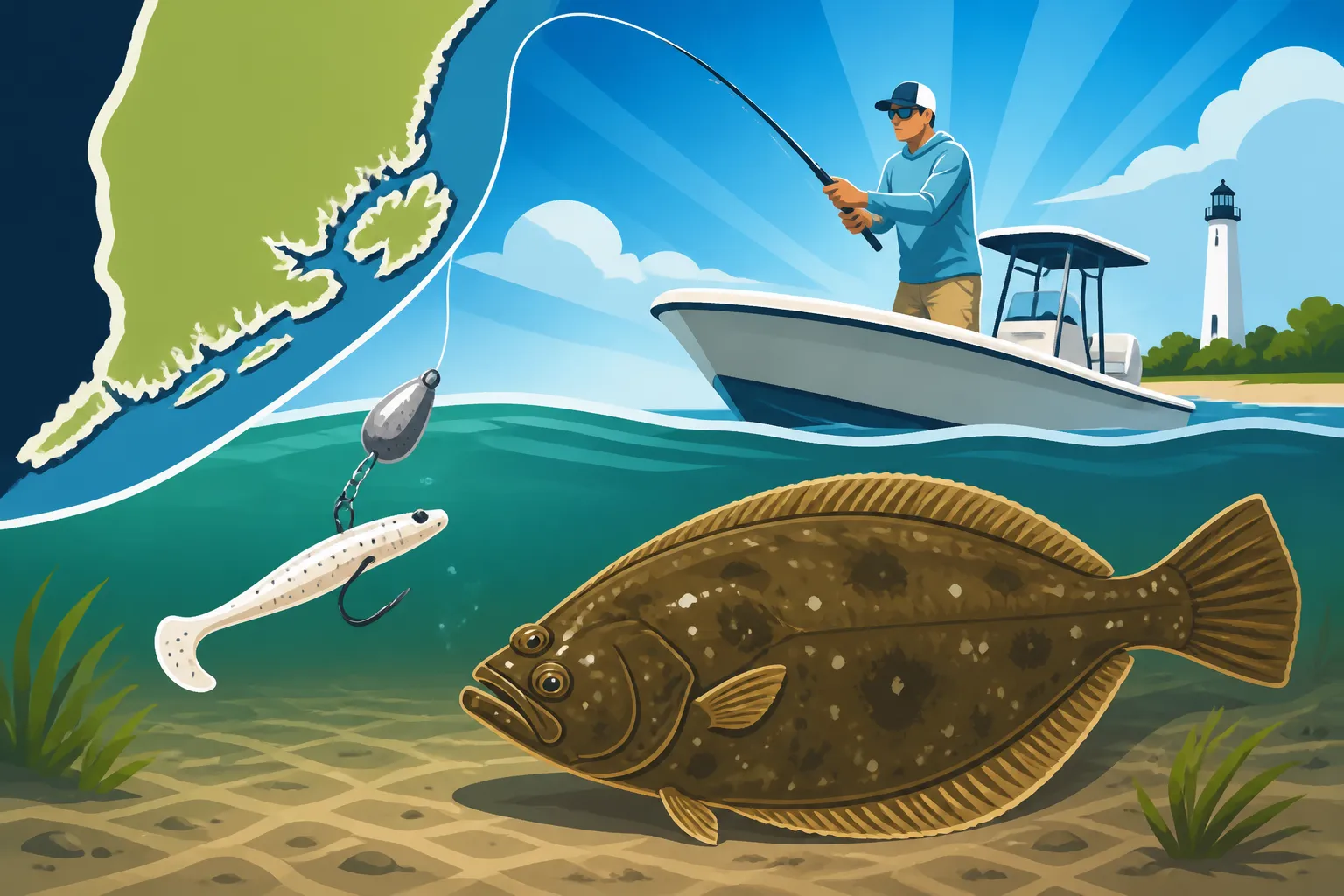
Flounder are fascinating creatures, primarily bottom-dwellers that spend their lives camouflaged against sandy, muddy, or shell-laden seabeds. They're what we call "lie-in-wait" predators. This means they'll bury themselves almost completely, with only their eyes protruding, waiting for an unsuspecting baitfish or shrimp to swim by. Once their prey is within striking distance, they launch a swift, surprising attack. This unique hunting style heavily influences how we approach catching them.
On the Mississippi Coast, you'll find flounder in a variety of places, often correlating with where their prey congregates. Think about areas that offer both concealment and a passing food source. This includes sandy or silty bottoms around oyster reefs, grass beds, bridge pilings, jetties, and dock structures. Tidal creeks and bayous are absolute hotspots, especially during outgoing tides when baitfish are swept out of the shallows. River mouths and cuts leading to the open Gulf also serve as major flounder highways. These fish aren't usually found in open, featureless water; they prefer areas with some sort of irregularity or structure that allows them to hide effectively. The clearer the water, the more they rely on this camouflage, sometimes burying themselves even deeper.
Best Seasons for Flounder Fishing
Just like us, flounder have their preferred seasons, and understanding their migratory patterns is crucial. Generally, the warmer months are when flounder are most abundant inshore along the Mississippi Coast. As spring transitions into summer and the water temperatures rise, these flatfish move from their deeper, offshore wintering grounds into the shallower bays, bayous, and coastal waters to feed and spawn. This is prime time for inshore anglers. You'll find them actively feeding, and they'll be more accessible from piers, banks, and smaller boats.
However, many experienced anglers will tell you that the late fall, often October and November, offers some of the best "flounder run" action. As water temperatures begin to drop, flounder start their migration back out to deeper offshore waters for the winter. During this period, they feed aggressively to pack on reserves, making them more susceptible to baits and lures. This pre-winter feeding frenzy can lead to some incredible catches, often with larger, fatter fish. While you can catch them year-round, these peak seasons offer the highest probabilities for success.
Ideal Conditions for Flounder
Flounder, like most fish, are influenced by environmental conditions. The tide, water clarity, and even barometric pressure can play a role. When fishing for flounder, paying attention to the tide is probably the single most important factor. Flounder tend to be most active during moving tides, especially an outgoing tide. As the water recedes from marsh grass and shallow flats, it flushes out shrimp, small crabs, and baitfish, creating a buffet line for waiting flounder. The movement of water also helps carry the scent of your bait. A slack tide, whether high or low, often means slower fishing.
Water clarity is another big one. While flounder are masters of camouflage, they still rely on their vision (and lateral line) to detect prey. Slightly stained but not overly muddy water is often ideal. If the water is too clear, they might be extra wary, or they might not need to move as much to find food. If it's too muddy after a heavy rain, their visibility is impaired, and they might shut down or move to clearer areas. You'll also notice that calm, overcast days can sometimes be surprisingly productive, as the reduced light may make them feel bolder. Strong winds can make fishing difficult, especially if you're trying to feel those subtle flounder bites, so a calmer day often leads to a better experience.
Essential Gear for Flounder Fishing
You wouldn't try to build a house with a butter knife, right? The same goes for fishing. Having the right tools makes all the difference when you're trying to outsmart a camouflaged bottom-dweller like a flounder. While you don't need highly specialized, expensive gear, having tackle suited for their unique bite and habitat is crucial.
Rod, Reel, and Line Selection
For flounder fishing on the Mississippi Coast, you'll want a setup that offers a good balance of sensitivity and backbone. A light to medium-light spinning rod, typically in the 6.5 to 7.5-foot range, is usually perfect. Look for a rod with a fast or extra-fast action tip. This means the tip bends easily, allowing you to feel those subtle "thumps" or "tugs" that indicate a flounder has taken your bait, but the rest of the rod has enough power to set the hook and fight a decent-sized fish.
Pair this with a reliable 2500 to 3000 series spinning reel. You want something smooth with a decent drag system, as even a modest flounder can put up a surprisingly good fight. For line, many experienced anglers swear by braided line, usually 10 to 20-pound test. Braid has almost no stretch, which significantly increases your sensitivity, helping you detect those light flounder bites even when there's some slack in your line. If you're using braid, always add a fluorocarbon leader of 15 to 20-pound test, about 18-36 inches long. Fluorocarbon is nearly invisible underwater and is more abrasion-resistant than braid, which is a huge plus when fishing around oyster shells, rocks, or other sharp structures. If you prefer monofilament, a 10 to 15-pound test will work, but you'll sacrifice some sensitivity. You can find a wide selection of suitable rods and reels, as well as leader material and hooks, at your local tackle shop or even online through retailers like Amazon.
Terminal Tackle and Rigs
The right rig can be the difference between a productive day and a frustrating one. When targeting flounder, presenting your bait right on or very close to the bottom is non-negotiable.
- Carolina Rig: This is arguably the most popular and effective rig for flounder. It consists of an egg sinker (1/2 to 1 ounce, depending on current and depth) threaded onto your main line, followed by a swivel, and then a fluorocarbon leader (12-24 inches) tied to a hook. The sinker slides freely on the main line, allowing the flounder to pick up the bait without feeling immediate resistance from the weight. This is key because flounder often mouth their prey for a moment before swallowing.
- Jig Heads: Sometimes simplicity is best. A 1/4 to 3/4 ounce jig head, tipped with live bait or a soft plastic, can be incredibly effective. The weight of the jig head depends on the current and depth you're fishing. The trick is to keep it bouncing gently along the bottom.
- Popping Corks (occasionally): While not a primary flounder rig, a popping cork can sometimes be useful in certain situations, especially if flounder are holding slightly off the bottom around grass beds or shallow structure. You'd typically use a shorter leader (12-18 inches) beneath the cork with a small jig head or a bare hook for live shrimp. The popping action can attract attention, but the bait still needs to be relatively close to the bottom.
- Hooks: When it comes to hooks, a sharp, strong hook is non-negotiable. Octopus hooks or kahle hooks in sizes 1/0 to 3/0 are excellent choices. These styles are designed to be easily swallowed by fish, increasing your hook-up ratio, especially with soft-mouthed flounder. Make sure they are razor-sharp!
Baits for Flounder
Flounder are opportunistic predators, but they definitely have their favorites. When you're trying to entice one out of its sandy hideout, presentation and appeal are everything.
- Live Bait: Hands down, live bait is often the king for flounder. Nothing quite mimics the natural movement and scent of their preferred prey.
- Live Shrimp: This is a universal flounder magnet. Whether fished on a Carolina rig, a jig head, or under a popping cork, live shrimp are hard for a flounder to resist. Hook them through the horn or just behind the black spot on their head for the most natural presentation.
- Finger Mullet: Small finger mullet (2-4 inches) are another top choice, especially for larger flounder. Hook them through both lips or through the eye sockets.
- Minnows/Killifish: These small baitfish, often called "mud minnows" or "bull minnows," are incredibly hardy and irresistible to flounder. Hook them through the lips or just in front of the dorsal fin.
- Artificial Lures: Don't count out artificials! Sometimes they can out-produce live bait, especially if you're covering a lot of ground.
- Soft Plastics: Gulp! Shrimp, paddletail, or curly-tail grub-style baits rigged on a jig head are highly effective. Colors like chartreuse, white, natural shrimp, or glow can be deadly. The key is to work them slowly along the bottom, mimicking a wounded baitfish or shrimp.
- Bucktail Jigs: These classic lures are heavy enough to get to the bottom quickly and can be tipped with a piece of natural bait (like a shrimp tail) for added appeal. A slow, lift-and-drop retrieve often works wonders. You can learn more about general tips for using artificials in a guide like Best Lures for Largemouth Bass, many principles of which apply to saltwater jigging too.
Remember, the fresher the live bait, the better! Keep your bait lively in a good aerated livewell.
Proven Techniques for Targeting Flounder
Now that you're geared up and understand flounder habits, let's talk about the actual fishing. Catching flounder isn't always about brute force; it's often about finesse, patience, and knowing how to present your bait just right.
Bank and Pier Fishing Strategies
Not everyone has a boat, and that's perfectly fine! The Mississippi Coast offers plenty of opportunities to catch flounder from the bank or a pier. The trick here is to be observant and patient.
When fishing from the bank or a pier, your casting range becomes a significant factor. You'll want to target areas where flounder are likely to ambush prey. Look for natural depressions, the edges of oyster beds, or any irregularities on the bottom near the bank. Pier pilings, especially those with barnacles or other growth, can hold flounder. Cast your Carolina rig or jig head out and let it sink to the bottom. The key retrieve here is a slow, methodical drag or hop. You want your bait to imitate a wounded or foraging creature moving along the bottom. Don't be afraid to let it sit for a few moments, then give it a slight drag, and pause again. Flounder are ambush predators, so they need time to spot and commit to the bait.
If you're using live bait, give the flounder time to "eat" it after you feel the initial tap or thump. They often grab the bait, hold it, and then reposition it to swallow. Counting to 5-10 seconds before setting the hook can significantly increase your hook-up ratio. A common frustration for beginners is setting the hook too quickly and pulling the bait right out of the flounder's mouth. For more insights on fishing specific coastal areas, check out resources like Best Gulf Coast Piers for Fishing in Mississippi or Biloxi Bay Fishing Guide.
Boat and Kayak Fishing Approaches
Having a boat or kayak opens up a whole new world of flounder fishing possibilities, allowing you to access prime spots that are unreachable from shore.
- Drifting: This is one of the most effective methods from a boat. Position your boat upcurrent or upwind from a likely flounder holding area (like a channel edge, a flat next to a pass, or an oyster bed). Deploy your Carolina rigs or jig heads and let your boat slowly drift over the bottom, dragging your bait along. This allows you to cover a lot of ground and effectively present your bait to numerous potential flounder hideouts. Use a drift sock or a trolling motor to control your speed, ensuring your bait stays on the bottom. Pay close attention to your depth finder to identify subtle changes in bottom contour or structure.
- Targeting Channels and Passes: These natural funnels are perfect spots, especially during strong tidal flows. Flounder will often line up on the edges of channels, waiting for bait to be swept by. Anchor strategically or slowly drift through these areas, focusing your casts along the drop-offs and current seams. Understanding how to read tide charts can be incredibly helpful here; a guide like How to Read Tide Charts for Gulf Coast Fishing can provide valuable insights.
- Sight Fishing (shallow flats): In very clear, shallow water, especially from a kayak or a poling skiff, you might be able to sight fish for flounder. Look for disturbances in the sand, subtle outlines, or the distinct shape of a flounder's head and eyes. A careful, quiet approach is essential here. You can learn more about general kayak techniques in Kayak Fishing Techniques.
Regardless of your vessel, the slow, methodical retrieve remains crucial. Experiment with different weights for your rigs to ensure your bait is always making contact with the bottom without getting hung up constantly.
Flounder Gigging (Ethical Considerations)
While the focus of this guide is primarily on catching flounder with rod and reel, it's worth briefly mentioning flounder gigging, as it's a popular and traditional method on the Mississippi Coast. Flounder gigging involves spotting flounder at night in shallow water, usually with the aid of powerful lights, and spearing them with a long pole equipped with a multi-pronged spear (a "gig"). It's a completely different skill set than rod-and-reel fishing, relying more on keen eyesight and stealth.
If you're interested in gigging, it's important to understand that it typically requires specific gear for lights and gigs, and often a shallow-draft boat or even just wading in shallow flats during low tide. Like all fishing, there are specific regulations regarding gigging, including legal hours, gear restrictions, and possession limits. Always check the current Mississippi Fishing Regulations Explained to ensure you are compliant with all local laws and ethical practices before engaging in flounder gigging. This method is often done at night, and safety is paramount when wading in unfamiliar waters in the dark.
Maximizing Your Flounder Catch and Handling
So, you've got the gear, you know the spots, and you're out there. Now comes the exciting part: feeling that bite and bringing in your catch! But flounder have a trick or two up their sleeves, even after they've taken the bait.
Setting the Hook and Fighting Flounder
This is where many anglers get frustrated with flounder. Their bite can be incredibly subtle, or it can feel like a heavy weight. Often, you'll feel a distinct "thump" or just a sudden increase in weight. Your instinct might be to set the hook immediately, but that's often a mistake with flounder! As mentioned earlier, they tend to grab the bait, hold it, and then "chew" on it, turning it to swallow it whole. If you pull too soon, you'll likely just yank the bait right out of their mouth.
The general rule of thumb for live bait fishing is to wait. When you feel that initial grab, resist the urge to react. Drop your rod tip slightly towards the water, feed a little slack, and count to anywhere from 5 to 10 seconds. This allows the flounder to fully commit to the bait and get the hook well into its mouth. After your count, reel up any slack until you feel the weight of the fish, and then set the hook with a firm, sweeping motion. Because their mouths are relatively soft, you don't need a massive, jarring hookset.
Once hooked, flounder put up a strong, often surprising, fight for their shape. They'll try to use their flat body to create resistance in the water and burrow back into the bottom. Keep steady pressure on them, and don't horse them in too quickly, especially when they're close to the boat or bank. Their mouths can tear, and you don't want to lose a good fish at the last moment. A net is your best friend when landing a flounder to avoid any last-minute escapes.
Handling and Care After the Catch
Once you've successfully landed a flounder, proper handling ensures both your safety and the quality of your catch. Flounder have surprisingly sharp teeth, so be careful when removing the hook. A pair of pliers or a dehooking tool is highly recommended. Avoid reaching your fingers directly into their mouth.
If you plan to keep your catch, immediate and proper care is essential. Flounder are excellent table fare, but their meat quality deteriorates quickly if not handled correctly. The best practice is to immediately place them on ice in a cooler. This rapidly lowers their body temperature, preserving the freshness and flavor of the meat. Don't just let them sit in a bucket of warm water; that's a recipe for soft, less-than-tasty fillets. For specific cleaning methods, the general principles for filleting any flatfish apply. Many anglers consider flounder one of the finest-eating fish in the Gulf, so taking the time to care for your catch properly is well worth the effort.
Important Regulations
Before you head out, always, and I mean always, familiarize yourself with the current fishing regulations for the Mississippi Coast. These regulations are put in place to manage fish populations and ensure healthy fisheries for future generations. For flounder, this typically includes specific size limits (a minimum length the fish must be to keep) and creel limits (the maximum number of fish you can keep per person per day).
These limits can change seasonally or annually, so relying on old information is a gamble. The Mississippi Department of Wildlife, Fisheries, and Parks (MDWFP) is your go-to source for the most up-to-date information. You can usually find a pamphlet at local tackle shops, or visit their website. Knowing your Mississippi Fishing Regulations Explained and understanding specific details like Redfish Slot Limit on the Mississippi Gulf Coast (though different species, the principle of checking limits is the same) is not just good practice, it's the law, and fines for violations can be steep. Measure your fish accurately and release any undersized flounder gently and quickly.
Here's a quick comparison of common flounder fishing methods:
| Method | Best For | Typical Rig/Bait | Key Advantage | Notes |
|---|---|---|---|---|
| Carolina Rig | Covering ground, varied bottom | Egg sinker, swivel, fluorocarbon leader, live bait (shrimp, mullet, minnows) | Allows flounder to take bait without resistance | Requires patience for bite detection |
| Jig Head (slow drag) | Targeting structure, subtle bites | Jig head (1/4 – 3/4 oz), soft plastic or live bait | Direct contact, good for feeling bottom | Can get snagged easily in heavy structure |
| Drifting (Boat/Kayak) | Covering large flats, channel edges | Carolina rigs, jig heads, live bait or artificials | Efficiently covers broad areas | Wind/current can make bait control difficult |
| Bank/Pier Casting | Accessible locations, targeting defined edges | Carolina rigs, jig heads, live bait | No boat needed, good for specific spots | Limited range, often requires longer waits |
| Gigging (Night) | Shallow flats, clear water | Gigging light, multi-pronged spear | Visual hunting, exciting experience | Night-only, requires specific gear/conditions |
Remember, flounder fishing is a rewarding pursuit that combines stealth, patience, and a good understanding of their unique habits. Get out there on the Mississippi Coast, apply these tips, and enjoy the thrill of reeling in one of the ocean's best camouflaged (and tastiest!) predators!
Disclaimer
This article is for general informational purposes only and does not constitute professional advice. Laws, prices and regulations vary by location and change over time. Consult a qualified professional for guidance on your specific situation.