How to Catch Redfish From a Pier
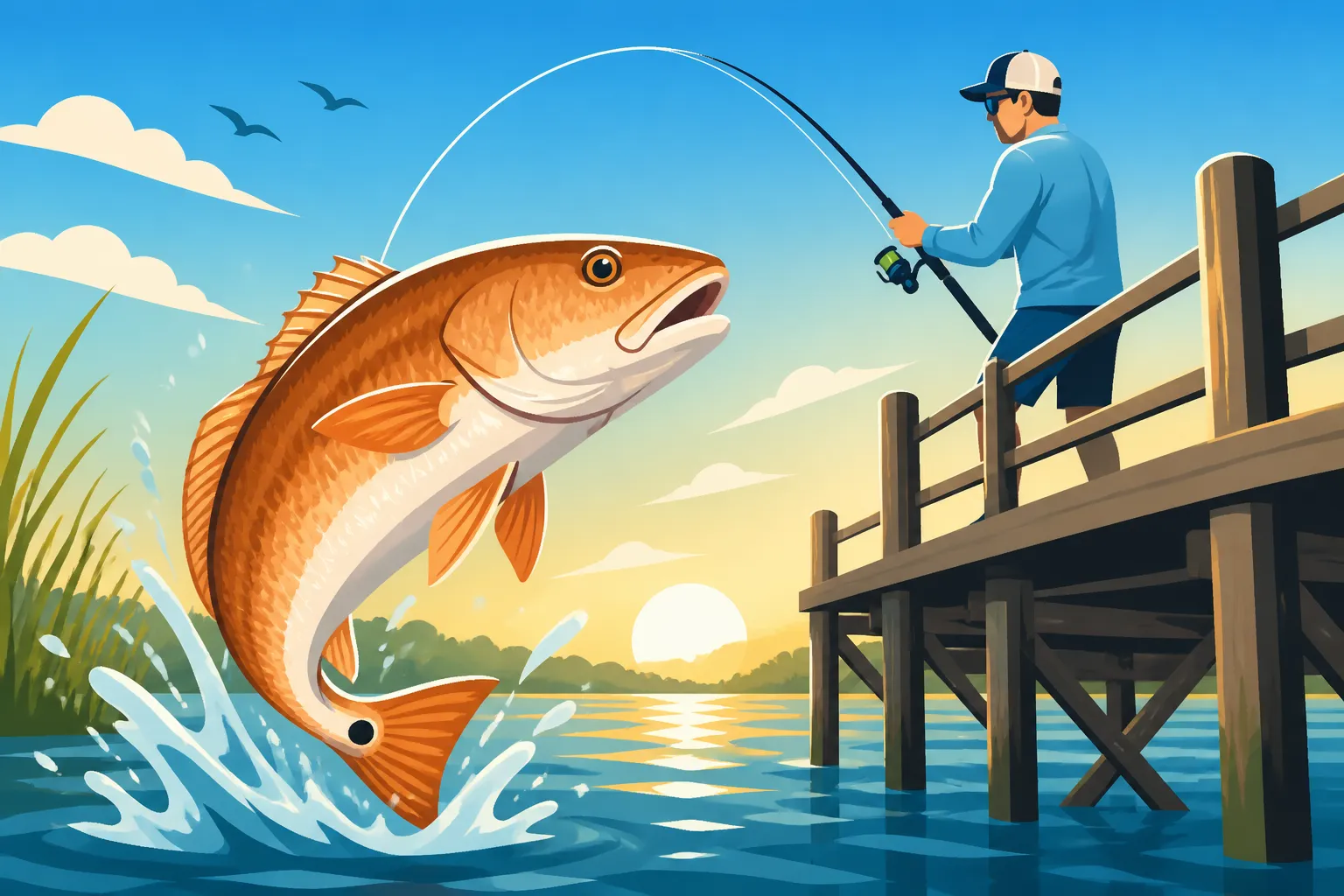
There’s nothing quite like the excitement of hearing that drag scream as a powerful fish takes your bait, especially when you’re casting from the sturdy comfort of a fishing pier. But let’s be honest, trying to pinpoint where to drop your line for elusive redfish on a busy pier, knowing what bait to use, and navigating the nuances of saltwater fishing can feel like trying to solve a puzzle in a hurricane. This comprehensive guide is here to untangle those frustrations, giving you the insider tips and techniques needed to consistently hook into those hard-fighting red drum from any pier along the Mississippi Gulf Coast.
Understanding Redfish Behavior Near Piers
Catching redfish from a pier isn't just about throwing a line in the water; it's about understanding why they're there in the first place and how they behave in these unique environments. Piers act like magnets for marine life, creating a complex ecosystem that redfish absolutely love.
Why Piers Attract Redfish
Piers, whether constructed of wood, concrete, or steel pilings, provide an incredible amount of structure in an otherwise relatively open environment. This structure offers vital protection from strong currents and predators, creating ambush points for redfish to lie in wait. Think of the pilings as underwater forests or reefs; they become encrusted with barnacles, mussels, and various small organisms, which in turn attract baitfish like mullet, pinfish, and shrimp – all prime food sources for redfish. These areas are essentially bustling underwater cafeterias where redfish can feed with relative ease. Furthermore, the shadows cast by the pier decking offer a degree of concealment, allowing redfish to lurk unseen, ready to pounce on unsuspecting prey. The Mississippi Gulf Coast, with its many public and private piers, provides ample opportunities for anglers to tap into this natural attraction.
Key Redfish Indicators and Habits
Redfish, often called red drum, are opportunistic feeders with a keen sense of smell and a tendency to "tail" in shallow waters as they root around for crabs and shrimp. Near piers, however, their habits can be a bit different. They often cruise the pilings, moving in and out of the shadow lines, especially during changing tides. Look for nervous baitfish skipping on the surface or congregating tightly around the pilings – that’s a sure sign that predators, including redfish, are nearby. Sometimes, you might even see a tell-tale reddish flash just below the surface as a redfish turns, or hear the distinct "drumming" sound they make, which can indicate their presence. Pay close attention to the tide; incoming or outgoing tides often create currents that concentrate baitfish around pier structures, making redfish more active. For more detailed insights, checking out Redfish Diet and Feeding Habits can truly elevate your understanding.
Essential Gear for Pier Redfishing
Having the right tackle can make all the difference between a frustrating day of lost fish and a triumphant one filled with bent rods. You don't need the most expensive gear, but reliability and suitability for the task are paramount.
Rod and Reel Setup
For pier fishing for redfish, you'll want a medium-heavy to heavy spinning rod, typically 7 to 9 feet in length. This longer rod length gives you the casting distance needed to reach beyond the immediate pier structure and offers better leverage when fighting a strong fish around pilings. A strong backbone is crucial for muscling a bull red away from obstructions. Pair this with a robust spinning reel in the 4000 to 6000 size range, capable of holding at least 200 yards of 20-30 lb braided line. Braided line is highly recommended because it offers superior strength for its diameter, minimal stretch for better sensitivity, and excellent abrasion resistance, which is vital when fishing around barnacle-encrusted pilings. Brands like Shimano or Penn offer reliable options that you can often find on Amazon with good reviews. Don't forget to tie on a 30-40 lb fluorocarbon leader, about 2-3 feet long, to the end of your braid. Fluorocarbon is nearly invisible underwater and offers excellent abrasion resistance against rough structures.
Terminal Tackle Essentials
Your terminal tackle needs to be as tough as the fish you’re targeting. For redfish from a pier, a sturdy Carolina Rig or a basic bottom rig are your go-to setups.
- Carolina Rig: This rig is excellent for live or cut bait. It consists of a barrel swivel tied to your main line, followed by a sliding egg sinker (1/2 to 2 oz, depending on current) above the swivel. Then, attach your fluorocarbon leader (18-30 inches) to the other end of the swivel, and finally, a strong circle hook at the end of the leader. Circle hooks are fantastic for redfish as they tend to hook in the corner of the fish's mouth, minimizing harm and making release easier, especially when adhering to specific limits like the Redfish Slot Limit on the Mississippi Gulf Coast.
- Bottom Rig: A simple two-hook dropper rig with a pyramid or Sputnik sinker at the bottom can also be effective, especially when fishing for multiple species or when you want your bait to stay firmly put in heavier currents. Ensure all your swivels, snaps, and hooks are saltwater-grade and corrosion-resistant. Stocking up on these essentials is easy, and you can often find tackle kits specifically designed for saltwater fishing on Amazon, which can save you time and ensure you have the necessary components.
Bait Selection and Presentation
Redfish aren't particularly picky eaters, but some baits are undoubtedly more effective than others, especially when targeting them from a pier. The general rule is to use what’s naturally available in the area.
- Live Bait: Live shrimp are absolute redfish candy and are probably the most reliable bait on the Mississippi Coast. Fished on a Carolina rig or under a popping cork, they are irresistible. Live mullet, pinfish, or croakers are also excellent choices for larger redfish. You can often catch these baitfish right off the pier with a sabiki rig.
- Cut Bait: Freshly cut pieces of mullet, menhaden, or even larger shrimp are incredibly effective, especially when the scent disperses in the water. Cut bait is particularly good for larger redfish that might be cruising deeper water around the pilings. Just make sure your pieces aren't too large for the hook.
- Artificial Lures: While live and cut bait are kings from piers, artificials can certainly work, especially if you're actively casting and retrieving. Soft plastics mimicking shrimp or baitfish, fished on a jig head, are very popular. Gold spoons and bucktail jigs can also entice aggressive redfish. For a deeper dive into bait, check out Best Bait for Redfish. When presenting your bait, try to cast parallel to the pier, close to the pilings, or into any noticeable current breaks. Let your bait drift naturally, giving it a chance to sit on the bottom or suspend just above it.
Master Your Pier Fishing Techniques
Fishing from a pier offers a different set of challenges and opportunities than boat fishing or surf casting. Mastering specific techniques will greatly increase your success rate.
Casting and Retrieval Strategies
From a pier, precise casting is often more important than distance. You want to get your bait as close as possible to the pier pilings, especially on the down-current side where fish often lie in ambush. Aim for gaps between pilings or just outside the shadow lines. For artificial lures, a slow, steady retrieve with occasional twitches or pauses can imitate a wounded baitfish effectively. When using live or cut bait, cast it out and let it settle. If you're getting no bites, occasionally reel in a few feet or slowly drag it along the bottom to cover more ground. Don't be afraid to try different depths; redfish can be cruising anywhere from just below the surface to the very bottom, depending on the tide and time of day. Sometimes, a subtle, slow retrieve right along the bottom works wonders.
Reading the Water and Pier Structure
Successfully catching redfish from a pier often comes down to how well you "read" the water and the structure itself. Look for areas where currents create eddies or calmer pockets of water, as baitfish often congregate there, and redfish will follow. Pay attention to changes in water color, which could indicate deeper channels or oyster beds nearby. The end of the pier, where currents are often stronger, can be a hotspot, as can areas where debris has accumulated around pilings. If the pier has any submerged structures, like old pilings or rubble, these are prime targets. Observing other anglers can also provide clues; if someone is consistently catching fish in a particular spot or with a specific technique, it’s worth paying attention. For more context on fishing specific locations, understanding guides like Biloxi Fishing Pier Guide can provide valuable local insights.
Handling Your Catch and Regulations
Once you hook a redfish, the fight is on! Redfish are powerful, and they will try to use the pier pilings to their advantage, rubbing your line against them. Keep your rod tip up and apply steady pressure to steer the fish away from obstructions. Be prepared for strong runs, especially from larger fish. When it comes to landing your catch, most piers have fish-friendly nets or hoists designed to bring fish up safely. Avoid simply hoisting the fish out of the water by the line, as this can easily break your line or injure the fish.
Crucially, always be aware of the current fishing regulations in Mississippi. Redfish often have specific slot limits, meaning only fish within a certain size range can be kept. For example, a common regulation might be a 16-inch minimum and a 30-inch maximum, with a daily creel limit of three fish per angler. These limits are in place to protect the fishery and ensure healthy populations for future generations. Knowing the Mississippi Redfish and Speckled Trout Limits is not just good practice, it's the law. Always have a tape measure handy to verify your catch's length, and if a fish is outside the legal slot, release it quickly and carefully.
Maximizing Your Chances: Tips and Tricks
Beyond the basics, a few seasoned tips can significantly improve your redfish pier fishing experience.
Timing Your Trip
Timing is everything when it comes to pier fishing for redfish. The best times are often around dawn and dusk, when light levels are low, and redfish are typically more active feeders. Overcast days can also extend this prime feeding window. Tides play a massive role; a strong incoming or outgoing tide often brings baitfish closer to the pier and creates current seams that redfish patrol. Slack tide, when the water is still, can be slower. Checking a local tide chart before you go can give you a huge advantage. Understanding Best Tide for Surf Fishing on the Mississippi Coast can also provide valuable information relevant to pier fishing, as the tidal influences are similar. Also, consider the moon phase; while debated, many anglers swear by certain moon cycles affecting fish activity.
Safety and Comfort on the Pier
Pier fishing can be a long game, so make sure you're prepared for the elements and the environment. Bring plenty of water, sunscreen, and a hat, as direct sun exposure can be intense on the Gulf Coast. A comfortable folding chair can be a game-changer during slower periods. Be mindful of others on the pier; give fellow anglers space, avoid casting over their lines, and keep your area tidy. Always be aware of your surroundings, especially if fishing at night – safety in numbers is often a good idea. Also, don't forget your Mississippi Saltwater Fishing License Guide, as it's a legal requirement to fish on public piers. Many pier essentials, from coolers to fishing carts, can be conveniently purchased from Amazon before your trip, ensuring you have everything you need for a comfortable and productive day.
Here's a quick reference for common Redfish Pier Fishing Essentials:
| Item | Description | Importance |
|---|---|---|
| Rod & Reel | Medium-heavy to heavy spinning combo (7-9 ft rod, 4000-6000 reel) | High |
| Braided Line | 20-30 lb test for strength and sensitivity | High |
| Fluorocarbon Leader | 30-40 lb test, 2-3 feet long, for abrasion resistance and stealth | High |
| Circle Hooks | 3/0 to 6/0, appropriate for bait size, aids in safe release | High |
| Egg/Pyramid Sinkers | 1/2 oz to 2 oz, depending on current strength | High |
| Barrel Swivels | Saltwater-grade, to prevent line twist and connect leader | Medium |
| Live Shrimp/Mullet | Top live bait choice for redfish | High |
| Cut Bait | Fresh mullet, menhaden, or larger shrimp for scent | High |
| Soft Plastics/Jigs | Artificial lures mimicking shrimp or baitfish | Medium |
| Pliers/Line Cutters | Essential for handling hooks and cutting line | High |
| Measuring Tape | Crucial for adhering to Redfish Size on the Mississippi Coast limits | High |
| Fishing Net/Hoist | For safely landing larger fish from the pier | High |
| Sun Protection | Hat, sunglasses, sunscreen to prevent sunburn | High |
| Cooler | For drinks, snacks, and keeping legal catches fresh | High |
This guide should give you a solid foundation for heading out to any pier along the Mississippi Gulf Coast with confidence. Remember, fishing is a journey of learning, and every trip offers new insights. Good luck, and tight lines!
Disclaimer
Fishing regulations, license requirements, and local conditions can change. Always consult the latest Mississippi Department of Wildlife, Fisheries, and Parks (MDWFP) regulations before heading out. This guide is for informational purposes only and does not constitute legal advice or an official endorsement of any products or services. Please fish responsibly and safely.