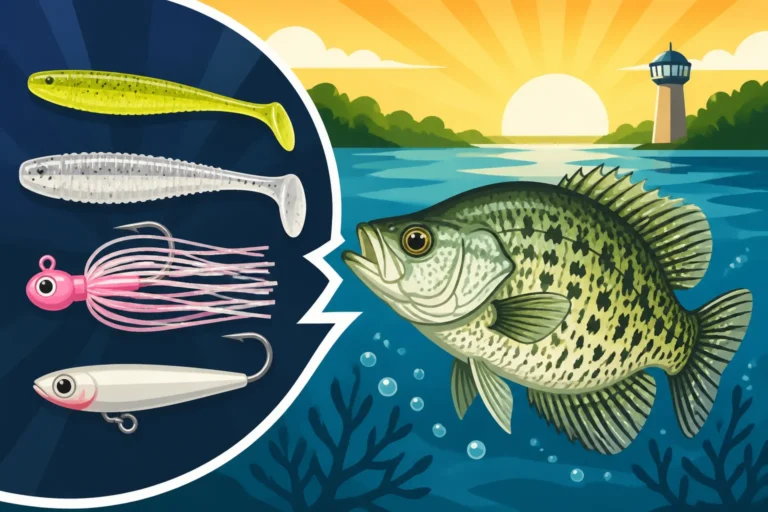
Best Time of Day to Catch Speckled Trout
It’s a common frustration for anyone who loves fishing the Mississippi Gulf Coast for speckled trout. You wake up before dawn, full of hope, launch your boat, or stake out your favorite pier, only to spend hours casting without a single bite. Or maybe you hit the water midday, thinking a sunny afternoon is perfect, and again, nothing. The truth is, speckled trout, like many predatory fish, are creatures of habit influenced heavily by light, tide, and temperature. Knowing the best time of day to target them can make all the difference between a disappointing trip and a cooler full of delicious fish. This guide will dive deep into the daily cycles of speckled trout, helping you understand their behavior and pinpoint the prime hours to cast your line along Mississippi’s beautiful coast.
The Golden Hours: Early Morning and Dawn
There's a reason why so many serious anglers set their alarms before the sun even thinks about rising – the early morning bite for speckled trout is often legendary. As the first rays of light begin to pierce the darkness, and even just before, you're entering a prime feeding window.
Why Dawn and Early Morning Are So Effective
Speckled trout are visual predators, but they thrive in low-light conditions. When the sun is just peeking over the horizon, or still hidden, the ambient light is perfect for them to ambush baitfish without being easily seen by their prey or larger predators. This reduced light intensity provides a tactical advantage for the trout, making them more aggressive and less cautious. The water temperature is also usually at its coolest during these hours, especially after a mild night, which invigorates the fish and brings them into shallower waters to feed before the heat of the day sets in.
Think about it: the baitfish, like mullet and shrimp, are also waking up and becoming active. As they start moving in the shallow grass flats or around oyster reefs, the speckled trout are right there, ready to capitalize on the morning rush. You’ll often hear stories of incredible topwater blow-ups during this time because trout are actively looking upwards for prey silhouetted against the brightening sky. This makes it an exciting time for anglers who love that explosive strike on the surface.
Tactics for Maximizing the Dawn Bite
To make the most of these early hours, your approach needs to be strategic. Start with topwater lures as soon as there's enough light to see them. Walk-the-dog style baits or poppers can be incredibly effective when worked aggressively over shallow grass beds or sandy potholes. The commotion on the surface mimics a struggling baitfish, drawing hungry trout up from below. As the sun gets a little higher and you start to see more ambient light, you might transition to suspending twitch baits or soft plastics rigged under a popping cork. The "pop" of the cork simulates a feeding frenzy, drawing attention to your bait. You can find a fantastic selection of these specialized lures on Amazon, ensuring you have the right tools for the job before you even hit the water.
Focus your efforts on areas where baitfish are likely to congregate. Look for areas with moving water, like tidal creeks emptying into the main bay, or current lines around points and oyster reefs. The tide plays a crucial role too; a rising or falling tide often creates currents that funnel bait, making these choke points prime ambush locations for trout. Remember, while the bite can be furious, it can also be short-lived once the sun gets high, so be prepared to adapt quickly. If you're wondering what specifically to tie on, our guide on the Best Bait for Speckled Trout can give you some excellent pointers.
Navigating the Midday Lull
As the sun climbs higher in the sky and beats down on the Mississippi coast, things often slow down considerably for speckled trout fishing. Many anglers pack it in, thinking the day is a bust. However, with a little adjustment in technique and location, you can still find success during these typically challenging hours.
Why Midday Can Be Tough
The primary reasons for the midday slowdown are increased light penetration and rising water temperatures. Speckled trout, being sensitive to light, tend to retreat from the shallow, sun-drenched flats. The bright conditions also make them more visible to predators like dolphins and larger fish, and they become warier of their own prey. Furthermore, as the water heats up, especially in the shallower sections, trout seek cooler, more comfortable temperatures. This combination of factors drives them to deeper water or to find refuge in shaded areas.
When the trout move deeper, their metabolism can also slow down a bit, making them less inclined to chase fast-moving baits. They become more opportunistic feeders, looking for an easy meal rather than actively hunting. This means your presentation needs to be slower, more subtle, and often closer to their comfort zone.
Strategies for Midday Success
Don't despair if your morning bite dies out; there are still fish to be caught. The key is to think like a trout and find where they've moved for comfort. Look for deeper channels, ledges, or drop-offs adjacent to areas where they feed during low light. Places like the edges of navigation channels, deep holes near oyster reefs, or the shadows cast by bridges and piers become prime locations. These structures provide both shade and deeper, cooler water.
When fishing these deeper areas, opt for heavier jig heads paired with soft plastic lures. A slow, bouncing retrieve along the bottom or a suspended presentation with a MirrOlure MirrOdine XL can entice lethargic trout. Live bait, like a struggling shrimp or a lively croaker, fished on a Carolina rig or a slip float, can also be incredibly effective, as it offers a tempting, easy meal that requires minimal effort from the trout. For pier anglers, casting into the shadows directly under the pier or out into the deeper water around the pilings can yield surprising results.
Visibility is also crucial during midday. A good pair of polarized sunglasses, easily found on Amazon, can cut through the glare on the water, allowing you to spot subtle signs of bait or even cruising trout that you might otherwise miss. Remember, patience is a virtue during these hours; you might not get as many bites as at dawn, but the ones you do get can often be quality fish. Knowing the current Speckled Trout Size Limit in Mississippi and How Many Speckled Trout Can You Keep in Mississippi? is always important, especially when you start catching them.
The Evening Prime: Twilight and Beyond
Just like the early morning, the evening hours, particularly from late afternoon through sunset and into twilight, offer another fantastic window of opportunity for speckled trout anglers. As the sun begins its descent, many of the same conditions that made the morning bite so good return, rejuvenating the trout's feeding drive.
Why Evenings Mirror Mornings for Trout Activity
As the harsh midday sun softens and eventually dips below the horizon, several environmental factors shift in favor of the speckled trout. The light intensity diminishes, once again providing that advantageous low-light cover for ambushing prey. Concurrently, the water temperature, which peaked during the afternoon, slowly begins to cool, making shallower areas more inviting for trout to move back into from their deeper midday retreats.
This cooling trend and reduced light signal to both predator and prey that it's time for another feeding cycle. Baitfish, which may have been hiding or sluggish during the heat, become more active and venture out into the open, drawing the trout with them. You'll often notice a similar pattern of surface activity, though sometimes less aggressive than the dawn frenzy, as trout key in on readily available prey. The evening bite can be particularly enjoyable because the day's heat has dissipated, and the typically calmer conditions make for a more relaxing fishing experience.
Effective Techniques for the Evening Bite
Your evening strategy should largely mirror your successful morning tactics, focusing on areas where baitfish are present and the tide is favorable. Start with topwater lures in the late afternoon as the shadows lengthen and work them along grass lines, oyster bars, and shorelines. As the light fades into dusk, switch to suspending twitch baits or soft plastics under a popping cork. The key is to match the hatch – pay attention to what baitfish are active and choose lures that imitate them in size and profile.
The twilight period, right before it gets truly dark, can be incredibly productive. Trout are often less wary and more willing to chase. This is also a fantastic time to use live bait, especially live shrimp or finger mullet, as their natural movements are irresistible to hungry trout. If you're fishing from a pier or a lighted dock, position yourself to cast into the areas where the light transitions into shadow. This "edge" is where baitfish often congregate, and trout will patrol these lines, darting out from the darkness to strike. Our detailed guide on Speckled Trout Fishing Techniques provides even more insights into maximizing your evening efforts.
The Mysteries of Night Fishing for Speckled Trout
While dawn and dusk are widely recognized as prime times, fishing for speckled trout at night is a tactic that many overlook, or simply haven't tried. Yet, under the right conditions, particularly around artificial lights, night fishing can be incredibly productive and offer a unique, serene angling experience on the Mississippi Gulf Coast.
Why Trout Bite at Night
Speckled trout are not exclusively daytime predators. Their excellent vision, even in low light, allows them to hunt effectively after dark. The primary draw for night fishing is artificial illumination. Dock lights, bridge lights, and even streetlights near the water's edge act like magnets for baitfish. Tiny shrimp, small crabs, and various forage fish are drawn to these lights, creating a concentrated buffet for opportunistic trout. The trout position themselves just outside the brightest halo of light, lurking in the shadows, waiting for an easy meal to swim by.
The lack of boat traffic and human activity at night can also make trout less wary. They might move into areas they'd avoid during the day, offering access to less pressured fish. Furthermore, during the hot summer months, night fishing provides a welcome escape from the oppressive heat, and the cooler water temperatures can re-energize the trout, prompting a more aggressive bite.
Tactics for a Successful Night Expedition
To succeed at night, you need to understand the dynamics of light and shadow. Focus on any structure that has consistent artificial lighting. Piers, marinas, residential docks, and bridge pilings are all prime candidates. The strategy is to cast your bait or lure just outside the illuminated zone, allowing it to drift or be retrieved into the light. This mimics baitfish swimming from darkness into the light, where trout are waiting to ambush.
Soft plastics, especially those in glow-in-the-dark colors or rigged under a popping cork with a small glow stick attached, are highly effective. A slow, steady retrieve is usually best, allowing the trout to zero in on your offering. Live shrimp, whether free-lined or under a float, are also killer baits under lights. The natural movements are hard for a trout to resist. You'll want to have a reliable headlamp (a good quality one can be found on Amazon) for tying knots and handling fish, but remember to minimize its use over the water to avoid spooking fish.
Night fishing also demands extra caution. Be aware of your surroundings, both on the water and along the shoreline. Having a partner is always a good idea, and ensure you have all necessary safety gear. While the challenges are different, the rewards of a successful night trip, with the cool air and the quiet of the coast, can be truly memorable. For those looking to explore different areas, our comprehensive Mississippi Gulf Coast Fishing Guide can point you to some fantastic night fishing spots.
Tides, Weather, and Moon Phases: Beyond the Clock
While the time of day is crucial, it's just one piece of the puzzle. Truly optimizing your speckled trout fishing requires understanding how other environmental factors interact with the daily clock. Tides, weather patterns, and even moon phases can dramatically influence whether those prime morning or evening hours live up to their potential.
The Indispensable Role of Tides
For saltwater species like speckled trout, tides are arguably the most critical factor, often trumping the exact time of day. Moving water, whether incoming or outgoing, stimulates feeding. A strong current churns up the bottom, dislodges baitfish, and creates ambush points for predators.
- Incoming (Rising) Tide: As the tide floods, it pushes nutrient-rich water and baitfish into shallow areas like grass flats, marsh ponds, and bayous. Trout will often move with the incoming water, positioning themselves at the mouths of creeks, along grass lines, or near oyster reefs to intercept this influx of food.
- Outgoing (Falling) Tide: A falling tide can be equally productive, as it pulls water and baitfish out of the shallows, concentrating them in deeper channels, guts, and around points. Trout will stage themselves at these pinch points, waiting for the outgoing current to deliver their next meal.
- Slack Tide: This is often the toughest part of the tide cycle. When the water isn't moving, baitfish tend to disperse, and trout often become less active. While you can still catch fish, the bite is generally slower.
The best scenario is often a moving tide that coincides with the "golden hours" of dawn or dusk. For example, a falling tide at sunrise can be absolutely phenomenal as trout feast on bait being flushed out of the marshes. Always check your local tide charts – knowing the Best Tide for Surf Fishing on the Mississippi Coast, or any other area, can dramatically increase your chances of success.
How Weather Influences the Bite
Weather conditions are another major influencer. While we can't control the weather, understanding how it affects trout behavior allows us to adjust our plans.
- Cloudy Days: Overcast conditions mimic low light, often extending the productive bite windows throughout the day. Trout may remain in shallower areas longer, and topwater action can persist well into what would typically be a midday lull.
- Sunny Days: Bright, clear skies usually reinforce the need to fish early, late, or in deeper, shaded areas during midday. The trout will be more light-sensitive and seek cover.
- Wind: A moderate chop on the water can actually be beneficial. It breaks up the surface, making it harder for baitfish to spot predators and for predators to be seen by their prey. This can make trout more aggressive. However, excessively strong winds make boat control difficult and can muddy the water, hindering visibility.
- Cold Fronts: A strong cold front can shut down the bite for a day or two. Rapid temperature drops make fish sluggish. After a front passes, the bite often resumes, but the fish might be deeper and require a slower, more subtle presentation.
The Moon's Subtle Pull
While not as immediately impactful as tides or weather, the moon phase can also play a role. Many experienced anglers swear by the "solunar tables," which predict peak feeding times based on the moon's position relative to the earth. Generally, the days leading up to and during a full or new moon can be very productive. The stronger gravitational pull during these phases often correlates with more extreme high and low tides, which in turn means more water movement and more active feeding periods for trout. It's not a hard and fast rule, but it's another piece of information to consider when planning your trip.
By integrating your knowledge of these factors, you can move beyond simply looking at the clock and truly understand the optimal windows for catching speckled trout.
Table: Speckled Trout Fishing at Different Times of Day
Understanding how trout behave throughout the day, and adapting your tactics accordingly, is key to consistent success. Here's a quick reference to help you plan your next trip:
| Time of Day | Light Conditions | Typical Trout Location | Activity Level | Recommended Baits/Lures | Key Considerations |
|---|---|---|---|---|---|
| Dawn/Early Morning | Low light, increasing | Shallow flats, grass beds, creek mouths, oyster reefs | High, actively hunting | Topwater plugs, suspending twitch baits, soft plastics under popping cork, live shrimp | Rising/falling tide, calm water often best for topwater. |
| Midday | Bright sun, high glare | Deeper channels, ledges, shaded structures (piers, bridges) | Moderate, more cautious | Heavier jig heads with soft plastics (slow retrieve), live bait on Carolina rig | Seek shade and deeper water. Polarized sunglasses are essential. |
| Late Afternoon/Dusk | Diminishing light | Shallow flats, grass beds, creek mouths, oyster reefs | High, actively hunting | Topwater plugs (early), suspending twitch baits, soft plastics under popping cork, live bait | Similar to morning, less boat traffic, often calmer water. |
| Night | Dark, artificial lights | Around dock lights, bridge lights, lighted piers | Varies, can be high under lights | Glow-in-the-dark soft plastics, live shrimp under lights, suspending baits | Focus on light/shadow lines. Minimal light exposure from angler. |
The Importance of Adaptability on the Water
Even with all the knowledge in the world about prime fishing times, the single most important quality an angler can possess is adaptability. Mother Nature rarely adheres strictly to our perfect plans or ideal forecasts. Weather can change in an instant, tides can be stronger or weaker than predicted, and fish behavior can sometimes defy all logic.
Being adaptable means having a variety of baits and lures ready, being willing to change locations quickly if a spot isn't producing, and constantly experimenting with retrieve speeds and depths. If the topwater bite isn't happening at dawn, don't keep throwing it for two hours; switch to a sub-surface bait. If the midday sun is baking the shallows, move to the deep edge of a channel or under a bridge. The trout are almost always somewhere; it's up to us to find them.
Moreover, pay close attention to local knowledge and current conditions. Talk to other anglers at the boat ramp or bait shop. Check current fishing reports for specific areas like Biloxi Bay Fishing Guide or Pascagoula Bay Fishing Guide. Sometimes, a hot bite might occur at an unusual time simply because of a unique local factor or a sudden influx of bait. Keep a fishing log to track your successes and failures, noting the time of day, tide, moon phase, weather, and what worked. Over time, this personal data will become an invaluable tool, helping you predict the Best Time of Day to Catch Speckled Trout with incredible accuracy in your favorite spots.
Disclaimer
Fishing conditions and regulations in Mississippi can change. Always consult the latest Mississippi Department of Wildlife, Fisheries, and Parks (MDWFP) regulations before heading out. This guide is for informational purposes only and does not constitute legal advice.