Does a Full Moon Affect Fishing?
It's a question almost every angler has pondered, staring up at that big, bright orb in the night sky: "Does a full moon really affect fishing?" You've heard the old wives' tales, the seasoned veterans swearing by it, and perhaps even experienced those frustrating days when the bite just shuts off, coinciding perfectly with a lunar peak. This guide will dive deep into the fascinating (and sometimes bewildering) relationship between the full moon and fishing success in Mississippi, offering insights and practical advice to help you navigate those lunar-charged waters.
Understanding Lunar Influence on Fish Behavior
For centuries, humans have observed the moon's powerful gravitational pull, most obviously seen in the ocean's tides. It's natural, then, to wonder if this same cosmic dance impacts the creatures living beneath the surface, especially when the moon is at its brightest and most influential: the full moon.
The Science (or Lack Thereof) Behind Moon Phases
While the moon's effect on tides is undeniable, its direct influence on fish feeding behavior is a topic that blends science, anecdote, and a good dose of angler intuition. Scientifically, the gravitational pull of the moon and sun creates what are known as "solunar periods" – times when fish are theoretically more active due to increased gravitational forces affecting their internal biological clocks, mimicking tidal flows even in landlocked waters. During a full moon, these forces are amplified, suggesting periods of heightened activity.
However, many biologists will tell you that while the moon might play a role, it's often overshadowed by more immediate environmental factors. Water temperature, oxygen levels, barometric pressure, and the availability of baitfish are usually considered far more critical in determining if fish will bite. So, when someone tells you the full moon ruined their fishing trip, it could be a combination of factors, not just the celestial body. But that doesn't mean we can entirely dismiss its potential impact; it's a piece of the puzzle, albeit one that's sometimes difficult to isolate.
Full Moon Specifics: Light and Activity
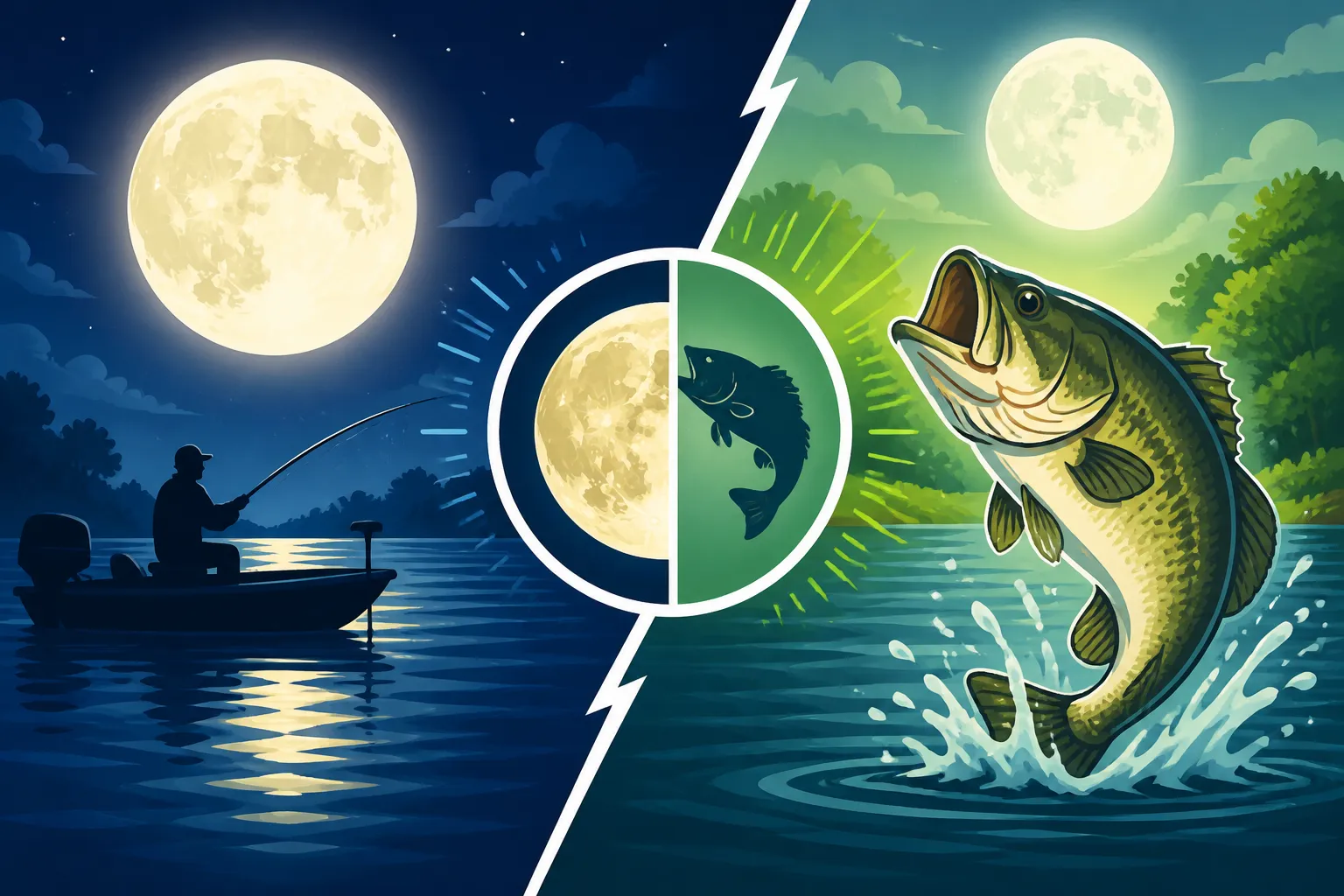
The most apparent change during a full moon is, of course, the increased ambient light at night. For nocturnal predators, this can be a game-changer. Imagine a dark, moonless night in the depths of a Mississippi lake, then suddenly, the landscape is bathed in a soft, silvery glow. This additional light can extend feeding windows for fish that typically hunt under the cover of darkness, like some species of catfish or even larger bass. They might hunt more effectively, picking off baitfish that are more exposed.
This extended nocturnal feeding can have a ripple effect on daytime activity. If fish have been feasting all night under the bright moon, they might be less inclined to bite aggressively during the daylight hours. Their stomachs are full, and their energy reserves are replenished. This is where a lot of angler frustration comes from – you hit your favorite spot at dawn, expecting a hot bite, only to find the fish sluggish. It's not that they're not there; they might just be taking a siesta after an all-night buffet. Understanding this potential shift is key to adjusting your approach.
How a Full Moon Might Impact Your Mississippi Fishing Trip
Let's get down to the brass tacks of how a full moon specifically interacts with fishing in our beloved Mississippi waters, both fresh and salt.
Saltwater Tides and Feeding Frenzies
When it comes to saltwater fishing along the Mississippi Gulf Coast, the moon's influence on tides is a non-negotiable factor. A full moon, along with a new moon, creates what are known as "spring tides" (no, not because of the season, but from the old English word "springen" meaning to leap up). During spring tides, the gravitational pull of the sun and moon align, resulting in higher high tides and lower low tides. This means stronger tidal currents.
Stronger currents can be a double-edged sword, but often, they are a boon for anglers. They stir up the water, dislodge baitfish from cover, and concentrate them in areas where the current creates eddies or choke points. This can trigger intense feeding frenzies for species like redfish, speckled trout, and even flounder. Imagine fishing a tidal creek near Biloxi Bay or Bay St. Louis; as the tide rips in or out during a full moon, baitfish are pushed past structure, making them easy targets for hungry predators. Knowing how to read these tidal charts and target the peak feeding windows during these strong tidal movements is crucial for saltwater success, even if the fish had a nighttime snack. You'll find that stronger currents often coincide with aggressive bites.
Freshwater Fish Activity and Nocturnal Feeding
Moving inland to Mississippi's vast freshwater lakes and rivers, the moon's effect shifts from tidal pull to ambient light. On a full moon night, the surface of a reservoir like Ross Barnett Reservoir or Grenada Lake can be surprisingly bright. This prolonged period of illumination can significantly alter the feeding patterns of many freshwater species.
Consider catfish, for instance. They are inherently nocturnal feeders, relying on their keen sense of smell and barbels to hunt in the dark. A bright full moon might just make them even more active, allowing them to cover more ground and spot prey more easily in the enhanced light. Anglers targeting catfish might find that night fishing around the full moon can be incredibly productive. For species like largemouth bass or crappie, the effect is more nuanced. While they are primarily daytime feeders, a full moon might extend their feeding into the night. If they're actively chasing shad or minnows under the moonlight, they might be less inclined to chase your lures during the bright midday sun. This means you might need to adjust your approach, perhaps by focusing on early morning or late evening bites, or even considering night fishing for these species. It’s all about anticipating their changed schedules.
Practical Strategies for Fishing During a Full Moon in Mississippi
So, the full moon is here. Do you pack up your gear and stay home, or do you adapt? The savvy angler knows adaptation is the name of the game.
Adjusting to Nocturnal Patterns
If the fish are feeding at night, why not join them? Mississippi offers fantastic opportunities for night fishing, particularly for species like catfish, crappie, and even bass. For catfish, a full moon can be ideal, offering enough light to navigate safely while still providing the low-light conditions they prefer. Target river bends, deep holes, or the mouths of creeks where catfish will congregate. Using strong, smelly baits like cut bait or chicken liver can be very effective.
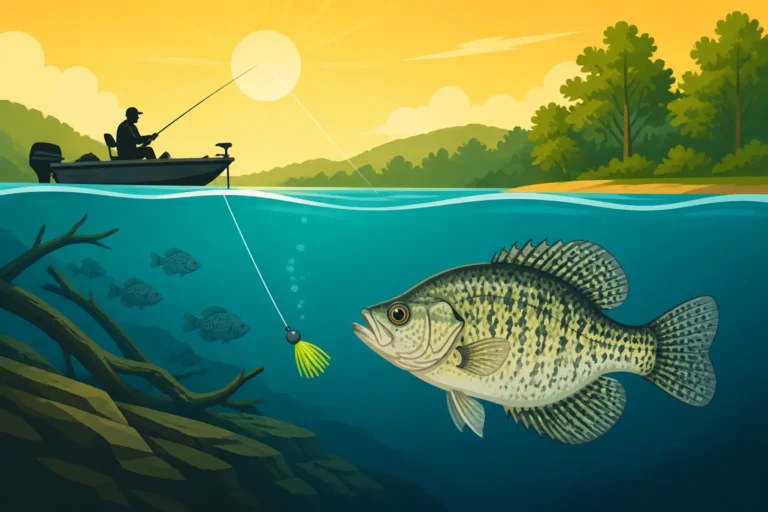
For crappie, setting up lights around your boat or dock at night can attract baitfish, which in turn draws in crappie. This is a popular technique on lakes like Sardis Lake and Enid Lake. You might find a whole different kind of bite under the lunar glow. Bass anglers might experiment with dark-colored topwater lures or bladed jigs that create a strong silhouette against the moonlit surface, focusing on shallow cover or points where bass might ambush prey. Always ensure you have proper lighting and safety gear when fishing at night; a good headlamp purchased from a reputable retailer like Amazon can make all the difference. Remember, fishing at night often requires a different set of strategies and an understanding of how fish move and feed in low light.
Focusing on Peak Feeding Windows
Even if fish are feeding at night, they still have periods of heightened activity during the day. Many anglers swear by solunar tables, which predict peak fishing times based on the moon and sun's positions. While not foolproof, these tables can offer a guideline. During a full moon, you might find that the bite is more active around moonrise and moonset, even if those occur during daylight hours.
Instead of fishing all day, try concentrating your efforts during these specific windows. For example, if the moon is setting at 9 AM, hit the water an hour or two before and fish intensely through that period. Similarly, for saltwater anglers, paying close attention to the peak of the incoming or outgoing tide, especially when it coincides with a major or minor solunar period, can unlock incredible action. Don't be afraid to change your schedule; if the fish are eating at 3 PM because of a lunar alignment, be there! Also, consider the impact of the Best Time of Day to Catch Bass or Best Time of Day to Catch Crappie based on traditional feeding patterns, and see how the moon might shift those.
Common Misconceptions and Angler Folklore
The world of fishing is rich with traditions, beliefs, and "secrets" passed down through generations. The full moon is undoubtedly one of the most talked-about topics in this realm, leading to both profound truths and exaggerated tales.
Separating Fact from Anecdote
It's easy to blame a slow fishing day on the full moon. After all, it's a convenient, unprovable culprit. However, separating genuine lunar influence from mere coincidence or angler bias can be tricky. Many experienced anglers truly believe the full moon makes fish tougher to catch during the day, citing firsthand experiences of "bright moon, slow bite." And there's a kernel of truth there if fish are indeed feeding more at night.
However, a single anecdote doesn't make a scientific fact. What one angler experiences on Grenada Lake for crappie might be completely different from another's experience fishing for redfish on the Mississippi Gulf Coast. The fish species, water body, weather conditions, and even the angler's skill and tackle choice all play significant roles. It's important to approach these beliefs with an open mind but also a critical one, asking if there might be other, more immediate factors at play. The true impact of the moon is likely a subtle modifier rather than a definitive "on/off" switch for fishing success. For instance, understanding What is the Best Time to Fish for Bass in Mississippi? will involve many variables beyond just the moon.
Other Factors That Outweigh the Moon
While the moon can undoubtedly play a part, in many scenarios, its influence is dwarfed by more immediate environmental conditions. If the barometric pressure is plummeting, a major cold front has just moved through, or the water temperature has drastically changed, these factors will almost certainly have a more significant impact on fish behavior than the phase of the moon. Fish are highly sensitive to their immediate surroundings.
For example, a sudden drop in temperature might send bass deeper, making them less likely to bite regardless of the moon phase. High, muddy water after a heavy rain might make it nearly impossible for any fish to find your lure. Even something as simple as an abundance of natural forage – if there's a huge hatch of insects or a massive shad spawn – fish might be so preoccupied with natural food sources that they ignore artificial presentations, full moon or not. When planning your trip, consider the Best Barometric Pressure for Fishing or Fishing After a Cold Front as potentially more critical elements than the lunar phase alone.
Ultimately, the moon's phase is one piece of a very large, complex puzzle. It's worth considering, especially for coastal anglers dealing with strong tides or freshwater anglers thinking about night fishing, but it shouldn't be the only factor dictating your fishing plans.
Fishing Success Factors and the Full Moon
To help put the full moon's potential influence into perspective, let's look at how it might stack up against other critical factors.
| Factor | Influence During a Full Moon | General Impact on Fishing |
|---|---|---|
| Lunar Phase (Full) | Saltwater: Stronger tides, increased current. Freshwater: Brighter nights, potential for increased nocturnal feeding, slower daytime bite. | Moderate, more pronounced in tidal zones. Can shift feeding patterns. |
| Barometric Pressure | Independent of moon phase. | High: Often stable, good fishing. Falling: Can trigger feeding. Low: Generally poor fishing. |
| Water Temperature | Independent of moon phase. | Crucial. Dictates metabolism, location, and activity level for most species. |
| Weather Conditions | Independent of moon phase. | Wind, rain, clouds, fronts all drastically affect fish behavior and angler comfort. |
| Baitfish Presence | Can be affected by moon (night light exposure). | Abundance of forage is key. Fish will be where the food is. |
| Water Clarity | Independent of moon phase. | Clear water: fish spooky. Stained/muddy: fish less wary, but harder to find bait. |
| Time of Day | May see a shift towards nocturnal or crepuscular (dawn/dusk) feeding during full moon. | Traditionally, dawn and dusk are prime. Midday can be tough in summer. |
| Angler Skill/Knowledge | Essential regardless of moon phase. | Understanding fish behavior, presenting bait, and locating fish are paramount. |
As you can see, while the full moon has its potential effects, it's often just one of several variables to consider. Smart anglers take all these elements into account. For instance, you might find that fishing for Mississippi Crappie Regulations by Lake will be less about the moon and more about localized limits and sizes. Similarly, understanding the Mississippi Fishing Season Dates and Limits for various species is a constant factor, regardless of lunar cycles.
So, the next time that big, bright full moon hangs in the sky, don't automatically assume your fishing trip is doomed. Instead, use the knowledge that fish behavior might be altered, adjust your timing, try new techniques like night fishing, and pay even closer attention to all the other environmental cues. You might just find yourself having one of your most memorable Mississippi fishing experiences under the lunar glow! And if you're looking to explore more specific regulations, checking out our comprehensive Mississippi Fishing License Guide is always a good idea.
Disclaimer
Fishing conditions and regulations in Mississippi can change. Always consult the latest rules and guidelines from the Mississippi Department of Wildlife, Fisheries, and Parks (MDWFP) before heading out on the water. This guide is for informational purposes only.