What Is the Best Time to Fish for Bass in Mississippi?
If you've spent countless hours on Mississippi's beautiful lakes and rivers, only to come back with stories of "almosts" rather than big catches, you know the frustration. Bass fishing isn't just about the right lure or technique; a huge piece of the puzzle is timing. Understanding when bass are most active throughout the year, day, and even under specific weather conditions can dramatically improve your success. This comprehensive guide will break down the prime opportunities for catching bass in Mississippi, helping you align your efforts with their natural feeding patterns.
Seasonal Strategies for Mississippi Bass Fishing Success
Bass, like many other fish, are highly influenced by the changing seasons, which dictate their metabolism, spawning cycles, and feeding habits. Mississippi's varied climate means you'll need to adapt your approach as the year progresses, from the warming waters of spring to the colder depths of winter.
Spring: The Time of Reawakening and Spawning
Spring is often hailed as the most exciting time for bass fishing in Mississippi, and for good reason. As water temperatures begin to rise from their winter lows, bass become increasingly active, moving from their deep-water winter haunts to shallower areas. This period can generally be broken down into three distinct phases: pre-spawn, spawn, and post-spawn.
During the pre-spawn phase, typically from late February through April, bass are on the move and feeding aggressively to build energy for the upcoming spawn. Look for them in staging areas near deeper water, such as points, humps, and submerged creek channels. They'll readily hit a variety of baits, from lipless crankbaits to jigs, as they prepare for the big event. Water temperatures around 50-60 degrees Fahrenheit are usually ideal for this feeding frenzy. It's a fantastic time to cover water and locate active fish, often in areas where you wouldn't expect them later in the year. Many anglers will head to the edges of major creek beds or the mouths of spawning coves, tossing bigger baits to entice those pre-spawn giants.
The spawn itself, which usually occurs from April into May when water temperatures consistently reach 60-70 degrees Fahrenheit, sees bass moving onto shallow flats, protected coves, and alongside submerged cover to build nests. Male bass guard the nests, and while they can be caught, many anglers prefer to leave them undisturbed to ensure successful reproduction. If you do target spawning bass, light tackle and careful presentations are key. Bass can be very territorial around their beds, striking at anything perceived as a threat. Understanding When Do Bass Spawn in Mississippi? is crucial for planning your spring trips, as timing can vary slightly depending on the specific lake and conditions.
Following the spawn, usually from late May through June, bass enter the post-spawn phase. This can be a challenging period, as fish are often exhausted and scattered. They may move to slightly deeper water near spawning areas, recuperating before resuming their summer patterns. However, as they recover, they'll become hungry again. This is a great time for finesse techniques, soft plastics, and topwater lures fished around cover. Think about shady banks, docks, and submerged timber where they might be resting and ambushing prey.
Summer: Early Mornings and Deep-Water Tactics
Mississippi summers are hot, and the scorching sun can make bass fishing tough during midday. However, savvy anglers know that summer still offers fantastic opportunities, especially during the cooler parts of the day.
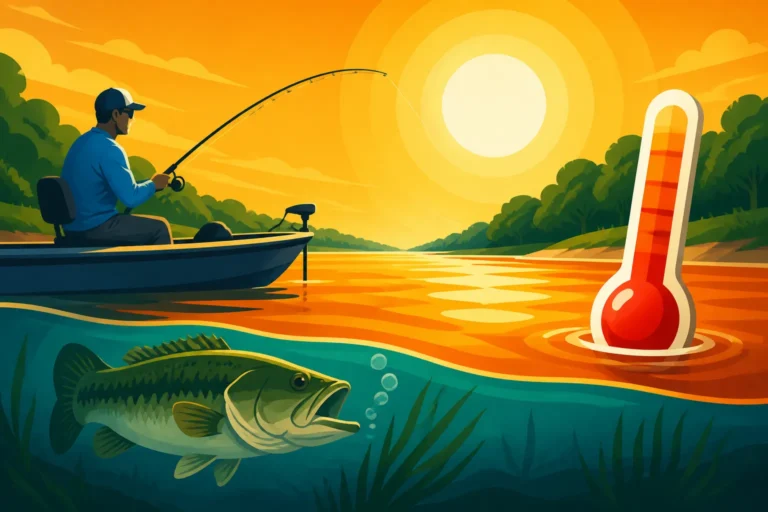
The best time to fish for bass during the summer months (July through August) is typically at dawn or dusk, when surface temperatures are lower, and bass are more willing to venture into shallower feeding grounds. Topwater baits like poppers, frogs, and walking baits can be incredibly effective during these low-light conditions, especially around thick vegetation or submerged wood. Many anglers enjoy the explosive strikes that topwater fishing provides during these prime hours.
During the harsh midday heat, bass often retreat to deeper, cooler waters, seeking refuge in the thermocline (a layer of water where the temperature rapidly changes with depth) or congregating around deep structure such as ledges, humps, and channel bends. This is where your electronics become invaluable. Learning to read your fish finder to locate schools of baitfish and nearby predators can be a game-changer. Drop-shot rigs, deep-diving crankbaits, and heavy jigs are excellent choices for targeting these deep-water bass. Fishing these deep zones can be incredibly productive, often yielding larger fish that are less pressured. If you want to refine your approach, consider exploring How to Catch Bass in Hot Summer Weather for more detailed strategies to tackle the heat.
Fall: The Autumn Feeding Frenzy
Fall in Mississippi (September through November) is another prime time for bass fishing, as fish begin to feed heavily in preparation for winter. This period is often characterized by the "shad run," where schools of baitfish move into shallower creeks and bays, drawing hungry bass with them.
During early fall, as water temperatures start to drop from their summer highs, bass become incredibly active. They'll often school up and chase baitfish, providing exciting opportunities for anglers using spinnerbaits, crankbaits, and soft jerkbaits. Look for them around points, humps, and any cover near these baitfish schools. The key is to mimic the frantic action of baitfish trying to escape. Understanding Fishing the Fall Shad Run in Mississippi can provide a distinct advantage, as this migration creates some of the most consistent and aggressive bass bites of the year.
As fall progresses and temperatures continue to drop, bass may move to deeper main lake points and creek channel bends, but they will still be feeding. Later in the fall, they often follow baitfish into the backs of creeks. Jerkbaits, jigs, and slow-rolling spinnerbaits are effective as bass become a bit more sluggish but are still opportunistically feeding. This transition period requires anglers to be adaptable, constantly searching for where the baitfish are concentrated, as the bass will surely be nearby.
Winter: Slow and Deep Rewards
While many anglers pack up their gear when the temperatures plummet, winter bass fishing in Mississippi (December through February) can be surprisingly productive, especially for those patient enough to slow down their presentations.
During winter, bass metabolism slows significantly, meaning they won't chase baits as aggressively. They typically move to deeper, more stable water, often congregating around main lake points, steep drop-offs, and deep structure like brush piles or submerged timber. The name of the game is slow, methodical fishing. Jigs, shaky heads, and deep-diving crankbaits retrieved at a snail's pace are often the most effective. Pay close attention to your electronics to locate subtle changes in depth and any signs of baitfish.
One of the biggest advantages of winter fishing is less boat traffic, meaning you often have prime spots all to yourself. Plus, when you do connect with a bass in the cold, it's often a hefty one! Don't be afraid to fish smaller baits and lighten your line if needed. Consider using fluorocarbon line, which is less visible in clear winter waters and offers excellent sensitivity. Even though the bites might be subtle, the rewards of a quality winter bass can be well worth the effort. For those looking to brave the chill, remember that patience and precision are your best friends.
Daily Timing and Environmental Factors
Beyond the seasons, the time of day and prevailing weather conditions play a monumental role in determining when bass are most likely to bite. Ignore these factors at your peril!
Best Time of Day: Capitalizing on Low Light and Stable Conditions
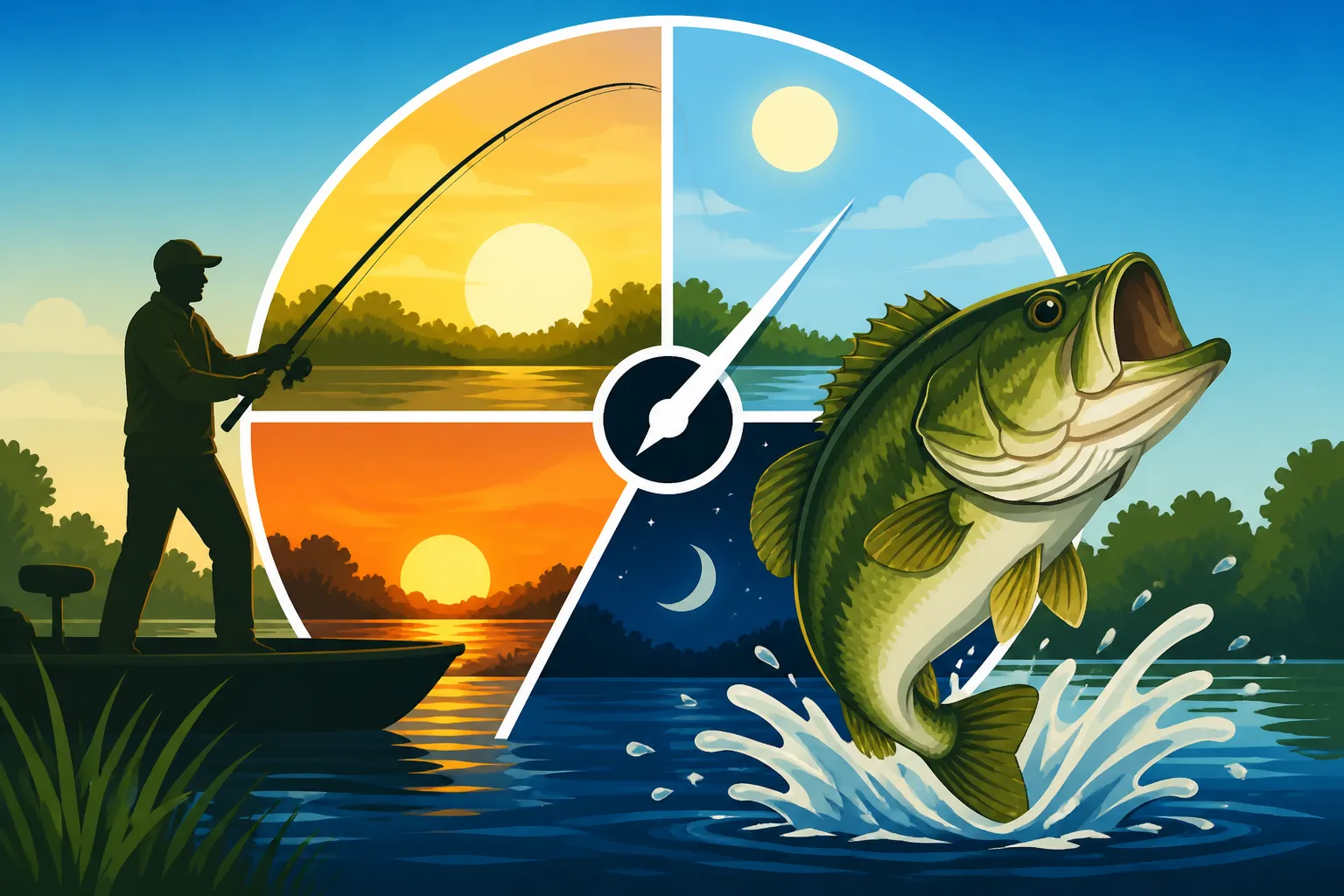
Generally speaking, bass are most active during periods of low light. This means sunrise and sunset are almost always your best bets. In Mississippi, this often means getting on the water well before the sun fully clears the horizon or staying out until the last rays of sunlight fade.
- Dawn and Dusk: As mentioned, these are prime feeding times. Bass are ambush predators, and the reduced visibility allows them to hunt more effectively without being easily seen by their prey. Topwater action can be incredible during these windows, but spinnerbaits, shallow crankbaits, and even weightless worms can also draw strikes. Many anglers will set their alarms early or plan their trips to maximize these crucial hours. A good headlamp from Amazon can be invaluable for setting up before sunrise!
- Overcast Days: Don't let a cloudy sky deter you. Overcast conditions can mimic low light throughout the day, often keeping bass active for longer periods and even pushing them into shallower water than they would be on a bright, sunny day. On these days, you might find success with a wider range of lures and techniques for longer durations.
- Night Fishing: While not for everyone, night fishing for bass can be incredibly productive, especially during the hot summer months. Bass use their lateral lines and keen senses to navigate in the dark, and they often hunt large baitfish and even frogs under the cover of night. Black spinnerbaits, buzzbaits, and large worms can be very effective after dark.
Conversely, the middle of a bright, sunny day, especially in summer, is often the toughest time. Bass will typically move to deep water or hide in the densest cover to escape the direct sunlight and heat. For more specific insights on daily patterns, a dedicated guide like Best Time of Day to Catch Bass can offer even deeper dives into hourly strategies.
Weather and Water Conditions: Reading Nature's Cues
Beyond the clock, Mother Nature has her own schedule that greatly impacts bass activity. Understanding how weather and water conditions affect bass is critical for consistent success.
- Fronts and Pressure Systems: Cold fronts, often preceded by warm, stable weather, can shut down a bass bite faster than almost anything else. Before a cold front arrives, the dropping barometric pressure can trigger an aggressive feeding spree. However, immediately after a cold front, when the pressure is high and skies are clear, bass tend to become lethargic and move deep or into very heavy cover. This can be one of the most frustrating times to fish. For survival, they become less active and more cautious. Check out Fishing After a Cold Front to understand how to adapt your strategy when these conditions hit.
- Rain and Runoff: Light rain can often improve bass fishing, especially in warmer months. The rain breaks up the surface, adds oxygen to the water, and can wash bait into the lake from feeder creeks. However, heavy, prolonged rain can cause muddy runoff, drastically reducing water clarity and potentially scattering fish. Bass rely heavily on sight, so extremely muddy water can make feeding difficult. However, some bass will congregate at the mouth of inflowing creeks, waiting for worms and other food to wash in.
- Water Clarity: Bass prefer a certain level of water clarity. In very clear water, they can be spooky, requiring longer casts and finesse presentations. In heavily stained or muddy water, they rely more on their lateral line, making noisy or vibratory baits like crankbaits and spinnerbaits more effective.
- Wind: A moderate chop on the water surface can be a good thing for bass fishing. It breaks up the light, makes it harder for fish to see you, and can position baitfish. Too much wind, however, can make boat control and casting difficult, and often makes the fish uncomfortable. When the wind picks up, focus on windblown banks or points where baitfish might be pushed.
Species-Specific Considerations for Bass in Mississippi
While much of the general advice applies to all bass species, Mississippi is home to several types of bass, each with slightly different preferences and behaviors. Knowing these nuances can help you tailor your approach.
Largemouth Bass: The Most Sought-After Game Fish
The largemouth bass is undeniably the king of freshwater fishing in Mississippi. They are found in virtually every lake, pond, and river system in the state. Largemouth Bass Fishing in Mississippi is a popular pursuit, and understanding their habits is key.
Largemouth bass are most associated with cover: submerged timber, lily pads, grass beds, docks, and brush piles. They are ambush predators and will lurk in these areas, waiting for an unsuspecting meal to swim by. Their prime activity periods often align with warmer water temperatures in spring and fall, and during low-light conditions in summer. Targeting How to Fish Grass Beds for Bass or concentrating on shoreline structure are classic strategies that work exceptionally well for largemouths. They respond well to a wide array of baits, from soft plastics like worms and creature baits to power fishing lures such as crankbaits, spinnerbaits, and topwaters. The sheer variety of habitats they occupy means you always have a place to find them, from the shallowest cypress knees to deeper hydrilla beds. Don't forget to review How Many Bass Can You Keep in Mississippi? to stay compliant with state regulations before heading out.
Spotted Bass and Smallmouth Bass: Clear Water and Current Lovers
While largemouths are ubiquitous, Mississippi also offers opportunities for spotted bass, and in certain northern river systems and reservoirs like Pickwick Lake, even smallmouth bass. These species often prefer different habitats and can present unique fishing challenges.
Spotted bass, or "spots," are common in many of Mississippi's reservoirs and rivers, particularly in areas with clearer water and rocky bottom composition. They tend to school up more than largemouths and often inhabit deeper water or areas with current, such as around river bends or tailraces. They're known for their hard fights despite often being smaller than largemouths. When targeting spotted bass, consider finesse techniques like shaky heads, drop shots, and small jigs, as well as crankbaits that mimic shad. Understanding Spotted Bass Identification and Range can help you differentiate them from their largemouth cousins and target them more effectively. They often bite well when largemouths are sluggish.
Smallmouth bass are less common in Mississippi but can be found in the extreme northeast, primarily in the Tennessee River system, particularly Pickwick Lake. Smallmouths are renowned for their incredible fighting ability and preference for cooler, clearer, rocky waters with plenty of current. Similar to spotted bass, they will school up and can be found around points, humps, and ledges. Smallmouths readily hit tubes, hair jigs, jerkbaits, and small crankbaits. Finding them often means exploring deeper water and areas with current, especially along bluff walls or rocky shorelines.
Before your next fishing adventure, a quick check on Amazon for specialized tackle or new fishing apparel might be a good idea, ensuring you're ready for whatever conditions Mississippi's bass waters throw at you.
Here’s a quick overview to help you plan your next bass fishing trip:
| Season | Prime Times of Day | Water Temperature Range (F) | Key Locations | Recommended Lures/Techniques |
|---|---|---|---|---|
| Spring | Morning, Late Afternoon | 50-70 | Shallow coves, spawning flats, points | Jigs, crankbaits, soft plastics, topwater (late spring) |
| Summer | Early Morning, Late Evening | 75-90+ | Deep structure, thermocline, shaded cover | Deep cranks, jigs, soft plastics, topwater (low light) |
| Fall | All Day (esp. overcast) | 60-75 | Main lake points, creek channels, baitfish schools | Spinnerbaits, crankbaits, jerkbaits, soft plastics |
| Winter | Midday (warmest part) | 45-55 | Deep structure, channel bends, steep drops | Jigs, shaky heads, slow-rolling crankbaits |
Regardless of the season or time of day, remember that bass are creatures of habit but can also be unpredictable. Always pay attention to your surroundings, the behavior of baitfish, and any changes in weather. Having a versatile tackle box, possibly stocked with some diverse options found on Amazon, will allow you to adapt to the conditions on the fly. Learning Best Lures for Largemouth Bass or researching Best Structure to Fish for Bass in a Reservoir can further enhance your strategic planning.
Ultimately, the "best time" to fish for bass in Mississippi is whenever you can get out on the water, but by understanding these seasonal, daily, and environmental patterns, you can stack the odds significantly in your favor.
Disclaimer
Fishing conditions and regulations in Mississippi can change. Always check the latest Mississippi Department of Wildlife, Fisheries, and Parks (MDWFP) regulations before heading out on any fishing trip. This guide provides general information and recommendations, not legal advice.