Fishing After a Cold Front
There’s nothing quite like planning a fantastic fishing trip, checking the weather, and seeing that dreaded cold front rolling in right when you were hoping for prime conditions. It feels like all your hard work and anticipation just evaporated, leaving you wondering if it’s even worth putting a line in the water. But don't despair! While cold fronts certainly throw a wrench in our fishing plans, they don't have to ruin them completely. This comprehensive guide will walk you through exactly what happens to Mississippi fish after a cold front and, more importantly, how to adjust your strategies to still find success on the water.
Understanding the Impact of a Cold Front on Fish Behavior
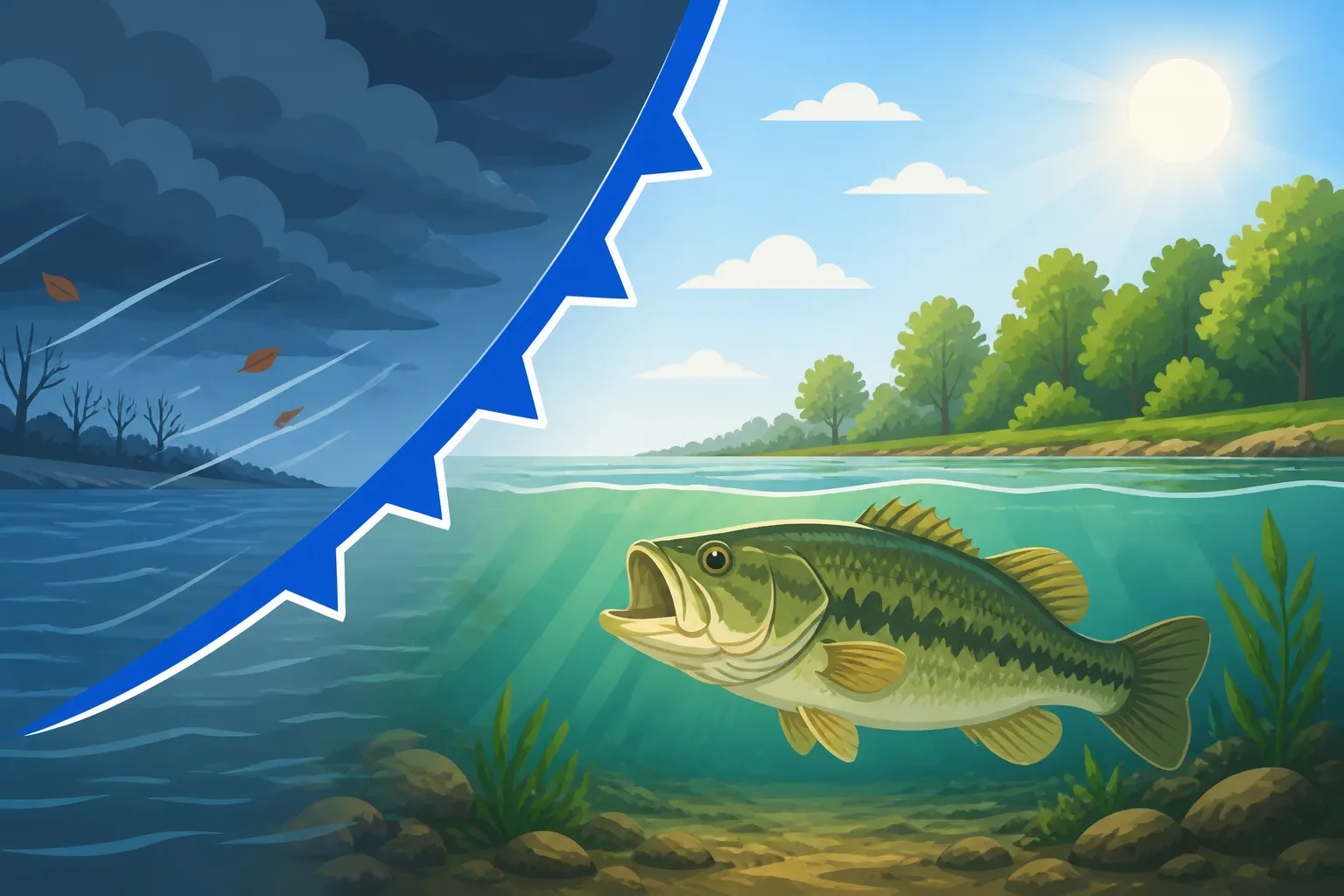
When a cold front sweeps through Mississippi, it's not just a drop in air temperature we're talking about. This atmospheric shift brings a cascade of changes that deeply affect how fish behave, where they hide, and even if they're willing to bite. Ignoring these changes is often the reason why many anglers struggle post-front. To truly adapt, we need to understand the science behind their sudden shyness.
The Sudden Drop in Water Temperature
One of the most immediate and impactful effects of a cold front is the rapid decrease in water temperature. Fish are cold-blooded creatures, meaning their body temperature is largely dictated by their surrounding environment. When that temperature drops, especially quickly, their metabolism slows down significantly. Think of it like trying to run a marathon in freezing weather – everything just moves slower, requires more effort, and you're not exactly thinking about a big meal.
For species like largemouth bass, this metabolic slowdown means they become less aggressive and less inclined to chase fast-moving baits. Crappie, too, will often become lethargic, suspending tighter in cover or dropping to deeper, more stable thermal zones. Catfish, while often more tolerant of temperature swings, will still feel the chill, often retreating to the deepest parts of their habitat where water temperatures are more consistent. This shift mandates a complete rethinking of your presentation, moving away from high-energy retrieves and towards subtle, slow-motion tactics.
Barometric Pressure Swings and Their Effect
Beyond temperature, cold fronts are synonymous with significant changes in barometric pressure. Before a front, the pressure often drops, creating an "active" period where fish might feed aggressively. However, after the front has passed, the barometric pressure typically rises sharply and stabilizes at a higher level. This high-pressure system has a profound physiological effect on fish.
Many scientists and seasoned anglers believe that increased barometric pressure causes discomfort to fish by pressing on their swim bladders, which are critical for buoyancy control. This can make them feel 'heavy' or uncomfortable, leading them to seek deeper water where the external pressure balances out. When fish are uncomfortable, their feeding drive diminishes considerably. They become less active, stick tight to structure, and are generally less willing to expend energy chasing food. This is why you often hear the adage, "fishing is tough after a front."
Clear Skies and Increased Light Penetration
Another hallmark of post-cold front weather in Mississippi is often bluebird skies – bright, clear days with very little cloud cover. While lovely for sunbathing, this can be a real challenge for fishing. The increased light penetration means that predators feel more exposed, and their prey (baitfish) also have fewer places to hide without shadows. This makes fish incredibly wary and spooky.
Instead of cruising open flats or suspended near the surface, fish will generally retreat to the darkest, deepest cover they can find. This could be thick brush piles, deep submerged timber, rock ledges, or the darkest recesses of creek channels. The bright light also changes how they perceive lures and baits; highly reflective or flashy presentations that worked pre-front might now scare them off. You'll need to focus on presenting natural-looking baits with minimal flash, often right in their face, to trigger a reaction strike or a passive bite.
Adjusting Your Strategy for Post-Front Bass Fishing
For many anglers in Mississippi, bass fishing is a passion, and a cold front can feel like a direct assault on that passion. But don't hang up your rod just yet! While the vibrant, aggressive bites of pre-front conditions might be gone, you can still catch bass by understanding their post-front hideouts and adopting a stealthier approach. It requires patience and a shift in mindset, but it's incredibly rewarding when you crack the code.
Locating Cold Front Bass
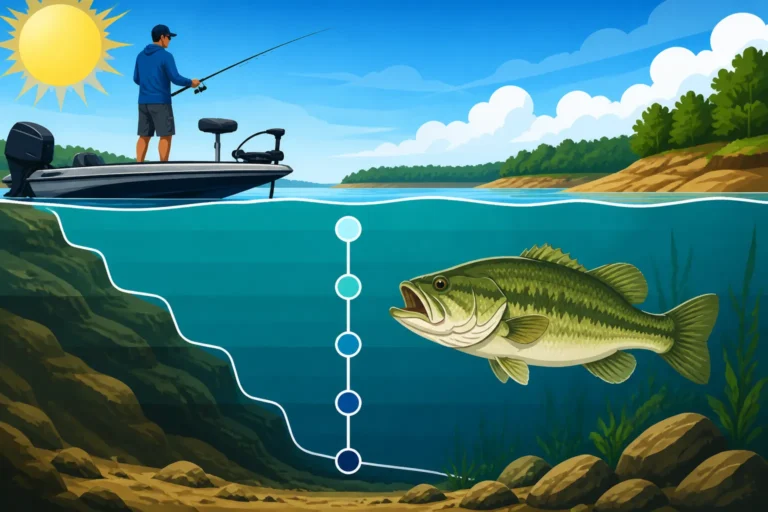
After a cold front, bass don't just disappear; they relocate to areas that offer them comfort and security. Their primary goal is to find stable water temperatures and cover from the bright, penetrating sunlight. This means abandoning shallow flats and moving towards deeper water. Look for structures like deep brush piles, submerged timber, rock ledges, and the edges of creek channels where they drop off into deeper basins. In large reservoirs like the famous Ross Barnett Reservoir near Jackson, or the sprawling Grenada Lake, these deep main-lake points and channel swings can be goldmines.
They'll often position themselves in or very tight to this cover, sometimes almost burrowing into it, barely moving. Your electronics become invaluable here. Use your depth finder, side imaging, and down imaging to meticulously scan for these subtle changes in depth and structure. Don't be afraid to focus on areas that are typically unproductive in stable weather; post-front conditions completely alter their preferences. The key is finding pockets of stable water where they can conserve energy and feel safe.
Slower Presentations and Downsized Baits
Forget about burning spinnerbaits or cranking fast-moving plugs. After a cold front, bass are in no mood to chase. Your presentation needs to be agonizingly slow, often involving dragging, crawling, or pausing your bait for extended periods. Finesse techniques become paramount. Think shaky heads with small worms, drop shots, Ned rigs, or Neko rigs. These baits offer a subtle, natural presentation that doesn't alarm lethargic fish.
When it comes to bait size, downsize considerably. A 4-inch worm on a shaky head might be more effective than a 7-inch lizard. The goal is to present an easy meal, something that requires minimal energy expenditure from the bass. Experiment with the retrieve; sometimes a long pause followed by a barely perceptible twitch is all it takes to trigger a bite. You might find a great selection of these finesse baits, like those made by Zoom, Strike King, or Berkley, readily available on Amazon, often with reviews to help you choose the best options for these challenging conditions. Don't be afraid to try a tiny jig with a small soft plastic trailer, working it painstakingly slowly along the bottom or through cover.
Color Choices and Water Clarity
The bright, clear skies and increased light penetration typical after a cold front directly influence your bait color choices. In clear water, natural, muted colors tend to perform best. Think green pumpkin, watermelon red, brown, or black and blue. These colors mimic the natural forage without appearing too flashy or unnatural, which can spook wary bass. Avoid loud, bright colors unless the water is heavily stained or muddy, which is less common immediately after a front.
If you encounter stained water, which can happen if heavy rains preceded the front, slightly darker, more opaque colors like black and blue, junebug, or even purple might be effective. The general rule of thumb is to err on the side of subtlety. The goal isn't to draw attention from a distance; it's to get a bait right in front of a bass's face that looks like an easy, non-threatening meal. Consider how the light will reflect off your lure – sometimes a matte finish is better than a glossy one. These detailed considerations fall under effective Bass Fishing Techniques for Mississippi Anglers.
Adapting Your Approach for Crappie After a Cold Front
Crappie are another beloved game fish in Mississippi, and they are incredibly sensitive to cold fronts. Just like bass, they become much more challenging to catch as water temperatures drop and barometric pressure rises. However, with the right adjustments, you can still fill your livewell. The key is understanding their post-front regrouping points and employing extremely patient and precise tactics. Mastering these techniques is crucial for success, especially after a meteorological shock.
Finding Post-Front Crappie Sanctuaries
When a cold front hits, crappie will instinctively move to the deepest, most stable water available that still offers adequate cover and potential food sources. This means they will often abandon shallow brush and docks, retreating to deep brush piles, submerged timber, creek channel drops, and old river runs. Look for these structures in 15-30 feet of water, or even deeper, depending on the lake's average depth. Lakes like Sardis Lake and Enid Lake, famous for their crappie populations, have extensive creek channels and deep timber where crappie will congregate.
Often, they will suspend tightly within these structures, almost glued to the wood or brush, or hold right on the bottom. Your fish finder is absolutely essential for locating these specific sanctuaries. You’ll be looking for tight groups of fish marks, often indistinguishable from the structure itself, indicating a school of crappie hunkering down. They won't be actively chasing, so you need to put the bait directly in their strike zone.
Vertical Jigging and Slow Trolling Tactics
Aggressive casting and retrieving are largely ineffective after a cold front for crappie. Instead, you need to employ ultra-slow and precise presentations. Vertical jigging is one of the most productive methods. Position your boat directly over the identified crappie school or brush pile and drop a small jig or live minnow straight down. The key is to keep the bait still or to use very minimal, subtle movements. Sometimes just holding it motionless in front of their face for an extended period is what it takes.
Slow trolling, often referred to as "spider rigging" when using multiple rods, is another excellent strategy for covering water slowly and presenting baits effectively. You can present live minnows, small jigs, or a combination of both at different depths until you find the fish. The retrieve speed should be incredibly slow – barely moving the boat. This allows the crappie ample time to decide if they want to bite, without having to chase. Experiment with different depths until you locate the precise level where the crappie are holding, as they often suspend at a very specific depth within the water column. You can find more specific guidance in our detailed guide on Crappie Fishing Techniques for Mississippi Lakes.
Minnow Rigs and Subtle Presentations
Live minnows are often the most effective bait for post-front crappie, especially when they are finicky. A simple minnow rig, often just a small hook with a split shot or a tiny jig head, presented under a slip bobber or tight-lined, can be deadly. The natural movement and scent of a live minnow are hard for even lethargic crappie to resist. For artificials, tiny jigs, typically 1/32 to 1/16 ounce, are your best bet. Stick to natural colors like white, chartreuse, black, or subtle combinations that mimic shad or other baitfish.
The presentation needs to be extremely subtle. If you're using a bobber, a very slow, almost imperceptible drift or a gentle twitch of the rod tip is all that's required. When tight-lining, feel for the slightest tap, or watch your rod tip for any unnatural movement. Crappie bites can be incredibly light and soft after a cold front. It’s not uncommon for them to just "mush" the bait, so pay close attention. For more insights on this, check out our guide on the Best Bait for Crappie in Mississippi.
Catfish Considerations in Cold Front Conditions
Catfish are known for their resilience, often biting when other species shut down. However, even these hardy bottom dwellers are affected by cold fronts, though perhaps not as drastically as bass or crappie. Their behavior changes, and understanding these shifts is key to consistent success. After a front, you'll need to adjust your expectations and techniques, but the reward can often be some of the biggest fish of the season.
Deep Holes and River Channels
Following a cold front, catfish, particularly larger blue and flathead catfish, will seek out the deepest, most stable parts of their environment. In river systems like the mighty Mississippi River or its tributaries, this means main river channels, deep holes, and the outside bends of major river turns. These areas offer consistent water temperatures and protection from rapid environmental changes. On lakes and reservoirs, they'll congregate in the deepest sections of old creek and river channels.
Using your sonar to identify these deep depressions and channels is crucial. Catfish often won't move far to feed during these conditions, so your bait needs to be presented directly in their preferred comfort zones. They'll also often relate to cover within these deep areas, such as log jams, rock piles, or sunken trees, which offer additional sanctuary. Understanding the nuances of Mississippi River Fishing Guide can greatly help in locating these hotspots.
Scented Baits and Stationary Rigs
When catfish are lethargic due to a cold front, they are less likely to actively pursue prey. This makes highly scented baits absolutely essential. You want something that will draw them in with smell, prompting a bite even when they're not in an aggressive feeding mood. Cut bait, such as shad, skipjack, or even potent store-bought concoctions like prepared "stink bait" or chicken livers, are excellent choices. The stronger the smell, the better.
Stationary rigs are the preferred method for presenting these baits. A classic Carolina rig, or a Santee Cooper rig (which helps keep your bait slightly off the bottom and above snags), is ideal for bottom fishing in these deep areas. Use heavy enough weights to keep your bait firmly in place, even in current. Leave your rod in a sturdy holder and be patient. Bites might be subtle at first, often feeling like a gentle tug or a gradual increase in pressure, rather than an aggressive strike. More insights into effective baits can be found in our guide on the Best Bait for Catfish in Mississippi.
Winter Catfish Behavior
It's worth noting that cold front fishing for catfish often mirrors winter catfishing behavior. While bites may be less frequent, the fish you do catch are often larger, trophy-sized specimens. Big blue and flathead catfish are efficient energy conservators and will hold tight to deep structure, only feeding when an easy, high-calorie meal presents itself. Therefore, even though the action might be slow, the potential for a personal best catch is very real.
This also means focusing on quality over quantity. Don't be discouraged by long periods without a bite. Persistence is key, and when that rod finally dips, it often means a significant fish has decided to partake in your offering. Understanding the general principles of Catfish Fishing Techniques will provide an excellent foundation for these challenging conditions.
Essential Gear and General Tips for Cold Front Fishing
Beyond specific techniques for each species, there are some overarching strategies and pieces of gear that can dramatically improve your success when fishing after a cold front. It's a different ballgame altogether, and being prepared with the right tools and mindset makes all the difference.
Electronics are Your Best Friend
We've mentioned it repeatedly, but it bears repeating: your boat's electronics are absolutely indispensable for cold front fishing. A reliable depth finder with good sonar capabilities (2D sonar, Down Imaging, and Side Imaging) allows you to meticulously scan the bottom and water column. You need to identify subtle contour changes, deep brush piles, submerged timber, and most importantly, the actual fish themselves, often huddled tightly within or around these structures.
Don't just motor around aimlessly; take the time to thoroughly idle over promising areas. Mark waypoints when you see something interesting, and then circle back to make precise casts or vertical drops. Learning to interpret what your screen is telling you, such as distinguishing fish from cover, is a skill that pays huge dividends in tough conditions. If you're not sure how to maximize your fish finder, a quick review of how to operate it, particularly for finding fish in deep cover, can make a huge difference. Our article on Reading a Fish Finder for Crappie provides excellent starting points.
Patience and Persistence Pay Off
Let's be realistic: fishing after a cold front is rarely a "hot bite." It's often a grind, requiring immense patience and persistence. Fish are lethargic, wary, and not actively feeding. You might go for long periods without a bite, which can be incredibly frustrating. However, the anglers who consistently succeed in these conditions are the ones who stick with it, meticulously working promising areas, and believing that a bite will eventually come.
Avoid the temptation to move constantly or switch baits every five minutes. Once you've located fish in a promising area, commit to thoroughly working that spot with slow, deliberate presentations. Sometimes, it takes multiple casts or presentations to entice a single bite. Embrace the slower pace, enjoy the quiet, and remind yourself that every fish caught in these conditions is a hard-earned trophy.
Safety and Comfort in Cooler Weather
Cold fronts often bring with them not just lower water temperatures but also colder air, brisk winds, and clear skies that can lead to significant temperature drops overnight. Your comfort and safety are paramount. Dress in layers to adapt to changing temperatures throughout the day. A good waterproof and windproof outer layer is essential. Don't forget warm gloves, a hat, and thermal socks, even if the daytime high seems reasonable. The chill can quickly set in, especially on the water.
Bring a thermos with a hot beverage like coffee or tea, and plenty of snacks to keep your energy up. Always check the updated weather forecast before heading out, paying attention to wind chill and potential for sudden drops. Hypothermia is a serious risk, so be prepared. Ensuring you're warm and comfortable allows you to focus on fishing and remain patient for those crucial bites, rather than being distracted by discomfort.
Summary of Cold Front Fishing Adjustments
To help consolidate these strategies, here's a quick reference table summarizing the key adjustments for popular Mississippi fish species after a cold front.
| Species | Relocation Strategy | Presentation Style | Recommended Baits/Lures | Key Takeaway |
|---|---|---|---|---|
| Largemouth Bass | Deeper water (15-30 ft), heavy cover, creek channels | Slow, dragging, pausing, finesse | Shaky heads, drop shots, Ned rigs, Neko rigs (natural colors) | Go deep, slow, and subtle. |
| Crappie | Deep brush piles, submerged timber, creek channel drops | Vertical jigging, ultra-slow trolling | Live minnows, tiny jigs (1/32-1/16 oz, natural colors) | Pinpoint their exact depth and stay there. |
| Catfish | Main river channels, deep holes, outside bends | Stationary, bottom-oriented | Cut bait, stink bait, chicken livers (strong scent) | Use strong scents and be incredibly patient. |
Fishing after a cold front might feel like a daunting challenge, but with the right knowledge and a willingness to adapt, you can still experience rewarding days on the water. The fish are there; you just have to meet them on their terms. Don't let a change in the weather deter you from enjoying the fantastic fishing opportunities Mississippi has to offer. In fact, understanding the Best Time of Year to Fish in Mississippi involves knowing how to handle these weather shifts!
Disclaimer
The information provided in this guide is for general informational purposes only. Fishing regulations, seasons, and local conditions in Mississippi can change. Always consult the latest regulations from the Mississippi Department of Wildlife, Fisheries, and Parks (MDWFP) before heading out. Safety should always be your top priority when on the water.