Best Time of Year to Fish in Mississippi
Have you ever meticulously planned a fishing trip, cleared your schedule, gathered all your gear, only to arrive at your favorite spot and find the fish just aren't biting? It's a common, utterly frustrating experience that many anglers face, often because the timing just wasn't right. Understanding the best time of year to fish in Mississippi can dramatically shift your success from hit-or-miss to consistently productive, helping you make the most of every precious moment on the water. This comprehensive guide will break down the seasonal nuances, species-specific patterns, and environmental factors that dictate when and where to cast your line for the best results across the Magnolia State.
Understanding Mississippi's Climate and Its Impact on Fishing
Mississippi is a state blessed with a long fishing season, thanks to its mild winters and abundant water resources. However, "year-round" doesn't mean "always good." The state's climate, characterized by significant temperature fluctuations between seasons and varying rainfall patterns, plays a huge role in fish behavior. Just like we change our habits with the weather, so do the fish. Their metabolism, feeding patterns, and where they choose to hang out are all heavily influenced by the water around them. Ignoring these fundamental environmental cues is like trying to navigate without a map – you might get somewhere, but it won't be efficient.
Seasonal Temperature Swings and Fish Behavior
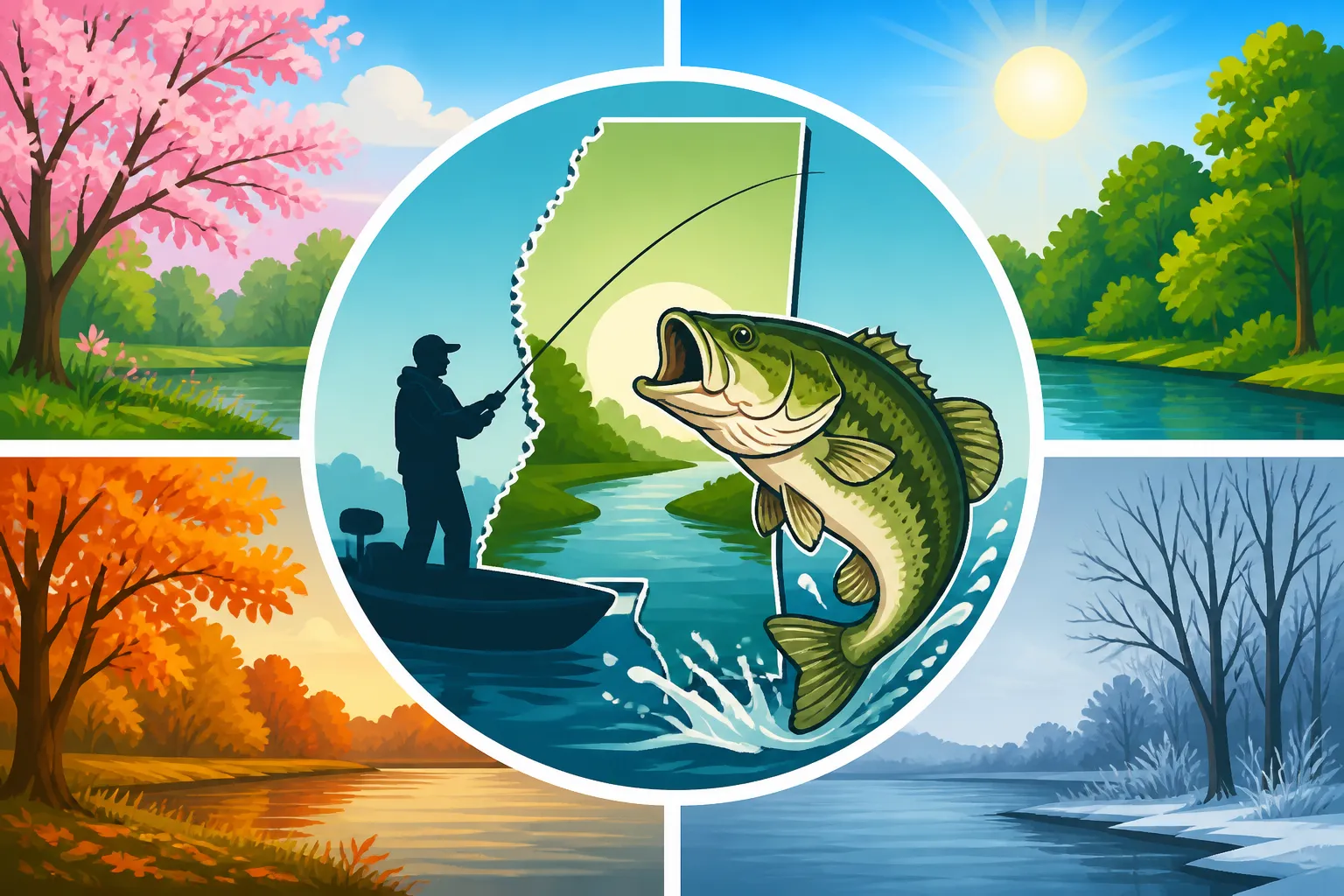
The most critical factor influencing fish activity is water temperature. Fish are cold-blooded, meaning their body temperature largely matches their surroundings. In Mississippi, you can expect distinct temperature swings from frigid winter lows to sweltering summer highs. In winter, cold water slows down a fish's metabolism, making them less active and less inclined to chase a meal. They'll seek deeper, more stable temperatures. Come spring, as waters warm, their metabolism kicks into high gear, triggering aggressive feeding and the urge to spawn. This is often when fish are most accessible and active. Summer's heat can again push fish deeper or into shaded areas, while fall sees another burst of feeding as they prepare for winter. Understanding these thermal preferences is paramount to locating and catching fish.
Think about a hot summer day in July on Ross Barnett Reservoir. The surface water might be in the high 80s or even 90s, driving bass and crappie to deeper, cooler zones where they can find some thermal relief. Conversely, in January, those same fish might be tucked away in creek channels or near deep structure, only moving to shallower flats for short feeding windows during the warmest part of a sunny afternoon. Each species has its comfort zone, and knowing that range is the first step to successful angling.
Rainfall, Water Levels, and Clarity
Beyond temperature, rainfall profoundly impacts fishing conditions. Heavy rains can lead to rising water levels, increased current, and most notably, stained or muddy water. While some species, like catfish, thrive in muddy conditions, many others, particularly sight-feeding fish like bass and crappie, can be negatively affected. Turbid water reduces visibility, making it harder for them to hunt and for you to present lures effectively. Conversely, prolonged droughts can lead to dangerously low water levels, concentrating fish but also stressing them, and making boat access difficult in some areas.
Take, for instance, a spring deluge that turns the Pearl River into a chocolate milk flow. While crappie might move to the banks to feed on displaced worms and insects, bass might retreat to clearer feeder creeks or simply shut down until the water settles. On the other hand, the stable, clear waters of a well-maintained private pond or one of the Mississippi State Fishing Lakes might offer more predictable fishing even after heavy rain, assuming good drainage. Always check local forecasts and recent conditions before heading out, as clear water often means better fishing, especially for species that rely on sight. Fluctuating water levels can also expose new cover or inundate old cover, constantly changing the underwater landscape the fish inhabit.
Spring Fishing: The Spawn Frenzy
Ah, spring in Mississippi! It's a magical time for anglers, often heralded as the "best time of year" by many, and for good reason. As the cold grip of winter loosens and daylight hours lengthen, water temperatures begin their steady climb, awakening the natural world – and the fish within it. This period, roughly from March through May, is dominated by the highly anticipated spawning rituals of many popular freshwater species. It's when fish are most concentrated, often in shallower, more accessible waters, and driven by instinct to feed aggressively before and after the spawn.
For a deeper dive into what to expect during this exciting season, you might want to check out our comprehensive Mississippi Spring Fishing Guide.
Targeting Crappie During the Prespawn and Spawn
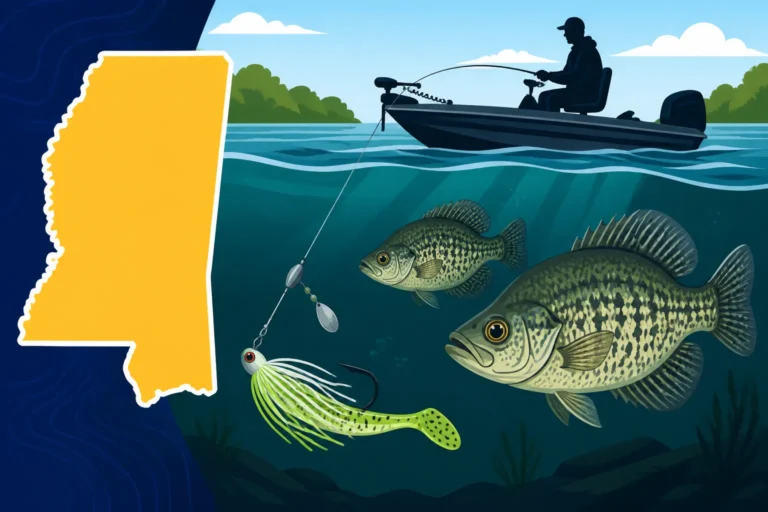
Crappie, both white and black, are arguably the darlings of Mississippi spring fishing. Their spawning cycle begins when water temperatures climb into the low 50s, reaching its peak when temperatures are consistently in the mid-60s. During the prespawn, crappie move from deeper wintering grounds towards shallower staging areas, typically congregating near creek channels, submerged timber, or brush piles adjacent to spawning flats. This is a fantastic time for active fishing, as they're feeding heavily to build energy for the spawn. Jigs tipped with minnows or small artificial baits worked slowly are deadly effective. Many anglers find excellent success with ultralight spinning gear, using a sensitive rod and reel combo that can detect the often subtle bite of a prespawn crappie. You can often find great deals on these types of combos on Amazon, making it easy to gear up for the season.
Once the water hits that sweet spot for spawning (usually 60-68 degrees Fahrenheit), crappie move into incredibly shallow water, sometimes just a foot or two deep, to fan out their nests around lily pads, reeds, or submerged wood. This is when sight fishing becomes a real possibility, especially for black crappie, which prefer clearer water. White crappie might be found in slightly murkier areas. While they're guarding nests, they can be aggressive and territorial, making them susceptible to small jigs, Bobby Garland's Itty Bitty Swim'Rs, or live minnows suspended under a bobber. This period is a prime opportunity for anglers of all skill levels, including families with children, to experience fast action. Knowing some key Crappie Fishing Techniques for Mississippi Lakes will definitely boost your spring success.
Largemouth Bass Action in Spring
Largemouth bass, the undisputed king of freshwater game fish for many, also enters its prime during spring. Similar to crappie, their activity peaks as water temperatures rise, with prespawn occurring when temps are in the high 50s to low 60s, and the spawn happening when the water reaches the mid-60s to low 70s. During the prespawn, big female bass are gorging themselves, trying to pack on weight before the rigorous process of spawning. This is arguably the best time to catch a trophy bass in Mississippi. They'll be found along transitional areas – points, submerged humps, and creek channel bends – where they can ambush baitfish. Larger crankbaits, spinnerbaits, and jigs are excellent choices for targeting these hungry fish.
As the spawn commences, bass move to shallow, protected coves and pockets, often near emergent vegetation, boat docks, or sandy bottoms. They guard their nests fiercely, making them vulnerable to sight fishing and specific presentations. Flipping and pitching soft plastics like creature baits or Senkos into cover near nests can provoke an aggressive strike from a protective male. After the spawn, bass will often linger in these areas for a short period, recuperating and feeding on easy meals before retreating to slightly deeper water for the summer. It's a dynamic period, and understanding the nuances of Bass Fishing Techniques for Mississippi Anglers can make all the difference.
Early Season Catfish and Panfish Opportunities
While crappie and bass often steal the spring spotlight, don't overlook the incredible opportunities for catfish and panfish. Channel catfish, blue catfish, and flathead catfish all become more active as water temperatures rise. In early spring, channel cats and blues will start moving into shallower areas, especially around inflows and creek mouths, to feed on runoff and emerging insect larvae. Cut bait, worms, and stink baits presented on the bottom are highly effective. Flatheads, which prefer live bait, will also become more active, often holding near submerged timber or rock piles.
Bream and bluegill, Mississippi's beloved panfish, also come alive in the spring. They are some of the most accessible fish, making them perfect for family outings. As water temperatures climb into the 70s, these feisty fighters will move into extremely shallow water to spawn, often in large "beds" that you can spot by the distinct circular depressions they create on the bottom. Redear sunfish (shellcrackers) will spawn a bit earlier than bluegill. Crickets, worms, and small jigs are irresistible to them. They offer consistent action throughout the spring and into early summer, providing endless fun from the bank or a small boat. Don't forget that a good pair of polarized sunglasses, available on Amazon, can make it much easier to spot these shallow spawning beds!
Summer Fishing: Beating the Heat
Summer in Mississippi, from June through August, brings long, hot days and often sweltering water temperatures. While many anglers might feel that fishing slows down, it's actually a season of specific strategies and opportunities. The fish don't disappear; they simply adapt to the heat, moving to deeper, cooler waters, or becoming more active during cooler parts of the day. Patience and understanding their summer patterns are key to success. Our Mississippi Summer Fishing Guide offers even more tactical advice for this season.
Deep Water Crappie Strategies
Once the spring spawn is over and water temperatures steadily climb into the 80s, crappie transition to deeper, more comfortable haunts. You'll find them congregating around main lake humps, deep timber, brush piles, and creek channels, often suspending at specific depths where the temperature and oxygen levels are optimal. This is where a good fish finder becomes an invaluable tool. Learning Reading a Fish Finder for Crappie can help you pinpoint these submerged structures and the schools of crappie holding to them. Vertical jigging or spider rigging with multiple poles, presenting jigs or live minnows at various depths, are highly effective techniques.
A common scenario might involve finding a school of crappie suspended 15 feet deep over a 30-foot creek channel. You'd then use your electronics to stay on top of the school, dropping small jigs or minnows directly into the strike zone. The bite can be subtle, so a sensitive rod is crucial. Early mornings and late evenings can also see crappie moving shallower to feed briefly, but the consistent summer pattern is often deep. Many serious crappie anglers invest in specialized spider rigging setups, and you can find a wide range of rod holders and electronics on Amazon to enhance your deep-water game.
Early Morning and Late Evening Bass Bites
For largemouth bass, summer often means adapting to low-light conditions. During the peak heat of the day, bass will retreat to deep cover – submerged brush, standing timber, ledges, or deep weed lines. However, the first few hours after sunrise and the last few hours before sunset offer prime opportunities. During these periods, water temperatures are slightly cooler, and bass are more willing to move into shallower areas to feed on baitfish. Topwater lures can be incredibly exciting at dawn or dusk, creating explosive strikes as bass ambush prey from below.
As the sun climbs, bass will move back to cover. This is when you'll need to slow down your presentation and get your bait right in front of them. Deep-diving crankbaits, heavy jigs, and Texas-rigged worms fished around submerged structure or along channel ledges are productive. Night fishing for bass can also be exceptionally good in summer, especially around lights that attract baitfish. The key is to find that cooler, darker zone or fish during those precious low-light windows when the bass feel more comfortable feeding actively.
Catfish and Bream Throughout the Day
Catfish are arguably the most reliable summer biters in Mississippi, often remaining active throughout the day, even in warm water. Channel and blue catfish will cruise river channels, lake bottoms, and creek mouths, often congregating in deeper holes. They're opportunistic feeders and will readily take a variety of baits. For channel cats, traditional baits like chicken livers, nightcrawlers, and prepared stink baits are perennial favorites. Blue cats, especially the bigger ones, respond well to fresh cut bait. Flatheads will continue to prefer live bait, often found nestled in log jams or under cut banks. Jug fishing and trotlines, when permitted, can be highly effective summer tactics for landing a cooler full of catfish. Don't forget to check Mississippi Fishing Regulations Explained for specific rules on these methods.
Bream and bluegill also offer consistent action through the summer, especially in shaded areas or during cooler parts of the day. While their main spawn is over, they often have secondary spawning cycles throughout the summer, making them accessible in shallow, weedy areas. Crickets and worms remain top baits, but small artificial lures like tiny spinners or poppers can also be productive. Look for them around lily pads, boat docks, and fallen trees. They provide a fantastic target for kids and adults alike, ensuring that even on the hottest days, you can usually find something willing to bite. A small cooler filled with ice and a couple of bags of worms or crickets, easily replenished at local bait shops, will ensure a fun and productive day on the water.
Fall Fishing: The Feeding Frenzy
Autumn in Mississippi, spanning roughly September through November, is another incredible time to be on the water. As the oppressive summer heat gives way to cooler temperatures, the waters begin to cool down, signaling a major shift in fish behavior. This season is often characterized by a "feeding frenzy" as fish instinctively begin to bulk up for the upcoming winter. Their metabolism increases, and they become more aggressive, making them more receptive to a wide range of presentations. Our dedicated Mississippi Fall Fishing Guide offers more detailed insights into this productive period.
The Fall Shad Run and Aggressive Bass
One of the most exciting phenomena in fall fishing is the "shad run." As water temperatures drop, baitfish like shad will school up in massive numbers and move into shallower waters, particularly creek arms and main lake points, seeking warmer temperatures and food. This triggers an aggressive feeding response from predatory fish, especially largemouth and spotted bass. Bass will relentlessly chase and ambush these baitfish, often revealing their locations through busting schools on the surface.
This is a prime time for power fishing techniques. Topwater lures like poppers and walking baits, lipless crankbaits, spinnerbaits, and swimbaits that imitate shad are incredibly effective. Look for birds diving, baitfish flickering on the surface, or bass actively crashing schools of shad – these are tell-tale signs of feeding activity. Anglers often find themselves in situations where bass are so focused on the shad that they'll hit almost anything thrown their way. It's a high-energy time, and you'll want a sturdy rod and reel to handle the aggressive strikes. You can find some excellent deals on fishing line and hooks suitable for this kind of action on Amazon.
Crappie Schooling and Transition Patterns
Crappie also undergo significant changes in the fall, moving away from their deep summer haunts and beginning to school up more tightly. As water temperatures continue to drop, they'll often be found transitioning to shallower depths than in summer, but still often relating to structure. They might congregate around standing timber in 10-20 feet of water, or along creek channel edges. Early fall might see them more scattered, but as it progresses, they become more concentrated.
This is a fantastic time for trolling jigs or live minnows, especially in large reservoirs like Grenada Lake or Sardis Lake. Spider rigging remains effective, but single pole jigging or casting small jigs to visible cover can also yield excellent results. Pay close attention to your electronics, as crappie schools can be dense. As winter approaches, they'll move deeper again, but the fall transition offers a great window of opportunity for consistent catches. Focusing on their schooling patterns is essential for locating them during this period.
Cooler Waters for Catfish and Other Species
Catfish continue to be a reliable target in the fall, with the cooler water often making them more active and distributed throughout the water column compared to the dog days of summer. Blue catfish and channel catfish will still be found in river channels and deep holes, but they might also move into shallower flats and creek mouths to feed on the abundant baitfish that are present. Fresh cut bait for blues, and a variety of stink baits or nightcrawlers for channels, remain effective. Flathead catfish, which prefer live bait, can also be caught, though their activity might start to slow as the water gets truly cold.
Beyond catfish, fall can offer renewed opportunities for other panfish and even some unique species. Bream and bluegill will remain active in shallower, weedier areas until the water gets quite cold, often providing consistent action for those seeking a relaxing day. Some anglers also find success targeting white bass and hybrid stripers, which often join the fall shad run, creating exciting opportunities for fast-paced action alongside the largemouth. Fall is truly a season of abundance, offering something for almost every type of angler.
Winter Fishing: The Patient Angler's Reward
Winter in Mississippi, typically from December through February, might not offer the same explosive action as spring or fall, but it can be an incredibly rewarding time for the patient and prepared angler. While temperatures are cooler and fish metabolism slows, fish still need to eat. The key to winter success lies in understanding where fish retreat to find stable temperatures and how to present baits slowly and subtly. For a complete tactical breakdown, refer to our Mississippi Winter Fishing Guide.
Locating Deep Water Crappie
Crappie in winter are all about deep, stable water. They'll typically move to the deepest parts of the lake or reservoir, often congregating in large, tight schools in river or creek channels, around deep structure like standing timber, or on the deep edges of ledges and humps. Water temperatures in these deeper zones tend to be more consistent than in the shallower areas, offering them refuge from harsh cold fronts. The bite can be very subtle, sometimes feeling like just a bit of added weight on your line.
Vertical jigging with tiny jigs (1/32 to 1/16 ounce) tipped with a minnow or a Crappie Magnet-style plastic is often the most effective method. You'll need sensitive gear to detect these light bites. A quality fish finder is absolutely essential for locating these deep, often suspended schools. Once you find them, stay directly above them and present your bait with minimal movement. On sunny, mild winter days, crappie might temporarily move shallower to absorb warmth, but their primary winter pattern is deep. You can even find specialized winter crappie jigs and soft plastics designed for cold water conditions available on Amazon.
Slow and Steady Bass Fishing
Winter bass fishing demands a slow, methodical approach. Largemouth bass will typically retreat to deeper structure, often holding tight to cover like brush piles, rock formations, or deep ledges. Their metabolism is at its lowest, so they won't chase fast-moving baits. The key is to present baits slowly, methodically, and precisely. Jigs, finesse worms, and blade baits are excellent choices.
Think about a small jig crawled painstakingly slowly along a rocky bottom or a shaky head worm gently hopped along the edge of a deep creek channel. On warmer, sunny afternoons, bass might briefly move onto shallower, sun-drenched flats to feed, offering a short window for a more aggressive bite with a crankbait or spinnerbait. But for consistent winter success, focus on deep, slow presentations. It's not about covering a lot of water; it's about thoroughly working small, high-percentage areas where you've located fish.
Cold Weather Catfish Techniques
Catfish, particularly blue and channel cats, remain catchable throughout the winter in Mississippi. While their activity levels drop, they often school up in large numbers in deep holes within river channels or main lake basins. Identifying these deep congregating spots is crucial. Once found, they can offer some fantastic winter action.
For blue cats, fresh cut bait (shad, skipjack herring) presented on the bottom in deep channels is hard to beat. For channel cats, traditional baits like nightcrawlers or chicken livers can still work, but you'll need to leave them in the strike zone longer. Patience is key. Winter catfishing can be incredibly productive, with the added benefit of often catching larger, healthier fish that have concentrated in prime wintering areas. Don't forget proper cold-weather gear – warm clothing, gloves, and a thermos of hot coffee make those chilly days much more enjoyable.
Year-Round Coastal Opportunities: Mississippi's Gulf Coast
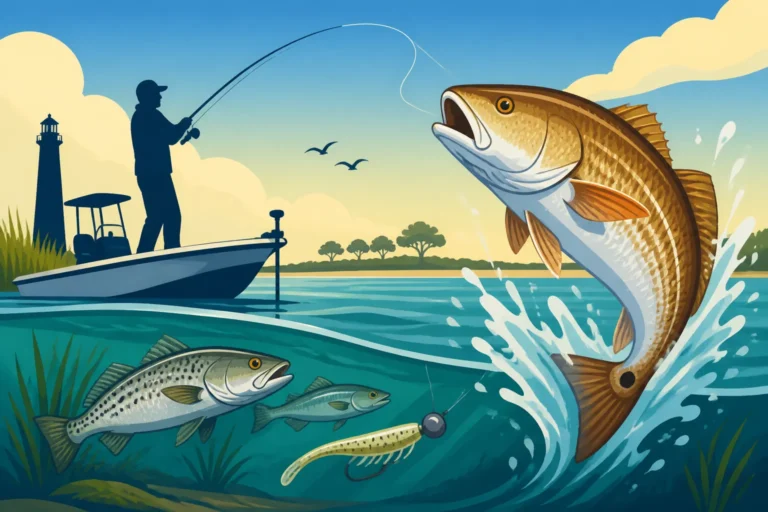
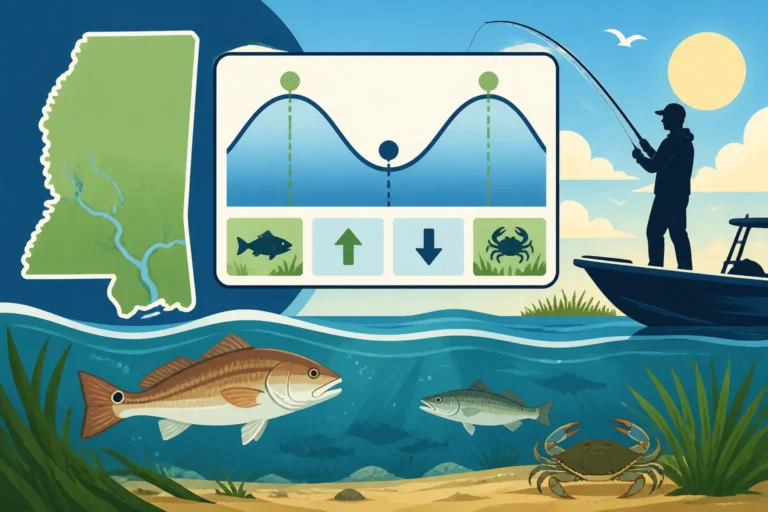
While much of Mississippi's fishing discussion often centers on its incredible freshwater lakes and rivers, the state's Gulf Coast offers a vibrant and diverse fishery that truly provides year-round action. From the calm inshore waters of the Mississippi Sound to the exciting offshore adventures, there's always something biting. The dynamics here are different, influenced by tides, salinity, and the migrations of various saltwater species. If you're looking to explore this side of the state's fishing, our Saltwater Fishing Techniques for the Mississippi Gulf Coast is a great place to start.
Seasonal Movements of Speckled Trout and Redfish
Speckled trout and redfish are the bread and butter of inshore fishing on the Mississippi Gulf Coast, and they offer excellent opportunities throughout the year, with seasonal variations in their patterns.
- Spring (March-May): As water temperatures rise, speckled trout move into shallower bays, estuaries, and along barrier islands, preparing for their spawn. They become more aggressive, feeding on shrimp and baitfish. Redfish also become very active in the marsh systems and shallow flats. Live shrimp under a popping cork, soft plastic jigs, and topwater lures are deadly.
- Summer (June-August): Both species can be found in a variety of depths. Speckled trout often move to deeper grass beds, around oyster reefs, and near passes, especially during early morning and late evening. Redfish remain strong, often found around deeper marsh drains, bridge pilings, and passes. The key is to find moving water and ambush points.
- Fall (September-November): This is often considered peak season for inshore fishing. As temperatures cool, both trout and redfish gorge themselves, anticipating winter. They school up more tightly and are often found along bayou entrances, major points, and near the mouths of rivers emptying into the Sound. The "fall run" can provide incredible action with large numbers of fish.
- Winter (December-February): While activity slows, excellent winter fishing can still be had in protected bayous, deep holes in the marsh, and near warmer outflows. Trout will often school tightly in deeper channels, and redfish will congregate in sunny, shallow mud flats where the water warms up slightly. Finesse presentations with soft plastics or live bait are often required.
Offshore Adventures: Red Snapper and Cobia Windows
For those seeking bigger game and willing to venture further into the Gulf of Mexico, offshore fishing from Mississippi's coast offers thrilling opportunities, though these are much more season-dependent due to regulations and migratory patterns.
- Red Snapper: This highly sought-after species has a notoriously short federal recreational season, typically opening in early summer (often June or July) and lasting only a few days or weeks. When the season is open, it's a frantic rush, and booking a charter well in advance is essential. These fish are found on offshore reefs, wrecks, and artificial structures, often in depths ranging from 50 to 300+ feet. Bottom fishing with cut bait or whole dead baits is the primary method. Always check the current year's regulations for specific opening and closing dates, as they can change annually.
- Cobia: Known for their distinctive look and powerful fight, cobia are a highly prized migratory species that pass through Mississippi's waters, primarily in spring (April-May) and again in fall (September-October). Anglers often spot them cruising near the surface around buoys, channel markers, or offshore rigs. Sight casting with live eels, large jigs, or swimming plugs is the preferred method. They offer an exciting challenge and are excellent table fare.
- Other Offshore Species: Beyond snapper and cobia, other species like king mackerel, Spanish mackerel, triggerfish, mangrove snapper, and various grouper species can be targeted throughout much of the year, with specific peaks depending on their migratory patterns and depths. Deep dropping for grouper and tilefish can be productive year-round in extreme depths.
Key Factors Beyond the Calendar: Maximizing Your Chances
While understanding the general seasonal patterns is incredibly helpful, truly successful fishing in Mississippi often comes down to paying attention to a few more granular factors. The calendar gives you a broad stroke, but conditions on any given day can dictate whether the fish are biting or not. Being adaptable and observant is what separates a good day from a great day, regardless of the month.
The Influence of Weather Patterns and Barometric Pressure
Weather is a huge, often underestimated, factor in fishing success.
- Cold Fronts: A sudden drop in temperature, especially after a warm spell, can shut fish down immediately. After a strong cold front passes, the fishing can be tough for a day or two as fish become lethargic and seek refuge in deeper, more stable water.
- Warm Fronts: Conversely, a warming trend, particularly in cooler months, can activate fish, encouraging them to move shallower and feed.
- Cloud Cover: Overcast days often provide better fishing than bright, sunny days, especially in warmer months, as it reduces light penetration and allows fish to move shallower more comfortably.
- Wind: A moderate chop on the water can break up the surface, making it harder for fish to see you and your line, and can also concentrate baitfish. Too much wind, however, makes boat control and casting difficult.
- Barometric Pressure: Often linked with weather fronts, changes in barometric pressure significantly affect fish. A rising barometer (associated with clearing skies and stable, fair weather after a front) often means tougher fishing as fish become less active. A falling barometer (indicating an approaching front) can trigger aggressive feeding as fish sense a change is coming and feed up. The period just before a major front can be fantastic.
Being aware of these meteorological shifts allows you to adjust your tactics. For example, knowing Fishing After a Cold Front requires patience and slow presentations in deep water, rather than expecting a shallow power bite.
Reading Water Conditions: Temperature, Clarity, and Flow
Beyond the broad strokes of the climate, specific water conditions on your chosen body of water are crucial.
- Water Temperature: We've discussed the general impact of temperature, but knowing the exact water temperature at your fishing spot can help you pinpoint the precise depth and areas where fish are most comfortable. Fish typically have preferred temperature ranges for feeding and spawning. A quality thermometer, often built into modern fish finders, is an invaluable tool.
- Water Clarity: Is the water gin-clear, stained, or muddy? This dictates your lure color, presentation speed, and even line choice. In clear water, natural colors and lighter lines are often best, with longer leaders. In stained or muddy water, brighter colors (chartreuse, orange) and baits with more vibration are often more effective. This is especially true for species like crappie, where their preferred conditions can vary dramatically between clear and murky environments, influencing their catchability in lakes like Grenada vs. Lake Washington.
- Water Flow/Current: In rivers and tailwaters below dams, current is a major factor. Fish will position themselves to expend minimal energy while having access to food brought by the current. Understanding current seams, eddies, and slack water areas is vital for targeting fish in moving water. Even in lakes, wind-driven currents can concentrate baitfish and create productive fishing lanes. Knowing how to adapt your Catfish Fishing Techniques to current is essential for river anglers.
Understanding Fish Behavior by Species
Ultimately, the best time to fish is when the fish you're targeting are most active and accessible. This means understanding the unique biology and behavioral patterns of each species.
| Species | Peak Activity Times | Preferred Water Temps | Key Seasonal Behaviors |
|---|---|---|---|
| Largemouth Bass | Spring (Prespawn/Spawn), Fall (Shad Run) | 60-75°F (Active), 50-80°F (Range) | Spawn in spring, deep in summer, aggressive feeding in fall, deep/slow in winter |
| Crappie | Spring (Prespawn/Spawn), Fall (Schooling) | 60-70°F (Spawn), 50-80°F (Range) | Shallow in spring, deep in summer, schooling in fall, deepest in winter |
| Catfish | Summer (Consistent), Fall (Active), Spring (Rising) | 70-85°F (Peak), 60-90°F (Range) | Active year-round, deeper in winter, spawn in summer, feed on available prey |
| Bream/Bluegill | Spring (Spawn), Summer (Consistent) | 70-80°F (Peak), 65-85°F (Range) | Shallow spawns in spring/summer, active in warmer months, less active in winter |
| Speckled Trout | Spring, Fall (Peak), Year-round (Coast) | 65-75°F (Peak), 60-80°F (Range) | Inshore spawning, move deeper in summer, active feeding fall, deep holes in winter |
| Redfish | Spring, Fall (Peak), Year-round (Coast) | 65-80°F (Peak), 60-85°F (Range) | Shallow marsh feeding, structure-oriented, active feeding in fall, sunny flats winter |
This table provides a snapshot, but each species has nuances. For example, while the table outlines general patterns, you might find specific populations of Mississippi Black Bass Regulations in certain lakes that behave slightly differently. Successful anglers continually learn and adapt to these specific behaviors. This knowledge, combined with an understanding of weather and water conditions, empowers you to make informed decisions, ensuring your time on the water is as productive as possible.
Disclaimer
Fishing conditions and regulations in Mississippi can change. Always consult the latest rules and guidelines from the Mississippi Department of Wildlife, Fisheries, and Parks (MDWFP) before heading out. This guide is for informational purposes only and should not be considered a substitute for official regulations or professional advice.