Mississippi Winter Fishing Guide
When the chill of winter truly sets in across Mississippi, many anglers mistakenly believe it's time to put away their rods and reels until spring. But nothing could be further from the truth! While the biting wind and colder water temperatures might deter fair-weather fishermen, winter actually offers some of the most rewarding and, dare I say, peaceful fishing experiences you can have in our state. This comprehensive guide is here to bust those myths and equip you with all the knowledge, tips, and tricks you need to brave the cold and find incredible success on Mississippi's winter waters, from the crappie holes to the catfish haunts.
Understanding Winter Fish Behavior in Mississippi
Fishing in winter isn't just about bundling up; it's about understanding how the cold affects our finned friends. Fish, being cold-blooded creatures, have their metabolism slow down dramatically when water temperatures drop. This fundamental shift dictates everything from their location to their feeding habits, and knowing this is your first step to becoming a successful winter angler.
The Impact of Cold Water on Fish Metabolism
As the water cools, a fish's body temperature lowers, making them less active. Think of it like us trying to run a marathon in freezing temperatures – we'd move slower, burn less energy, and probably eat less. Fish are similar; their digestion slows down, and they don't need to feed as frequently or as aggressively as they do in warmer months. This doesn't mean they stop eating entirely; it just means their feeding windows are shorter and their strikes can be much more subtle. You'll often find them conserving energy, preferring to ambush prey rather than actively chase it.
This metabolic slowdown also means fish become more lethargic. They're less likely to chase a fast-moving lure or travel long distances for a meal. Your presentation needs to be slower, more deliberate, and often smaller. It's a game of patience and finesse, a stark contrast to the aggressive power fishing often associated with spring or summer. Understanding this physiological change is paramount; it informs every tactical decision you'll make throughout your winter fishing adventure.
How Fish Locate and Hold in Winter Structure
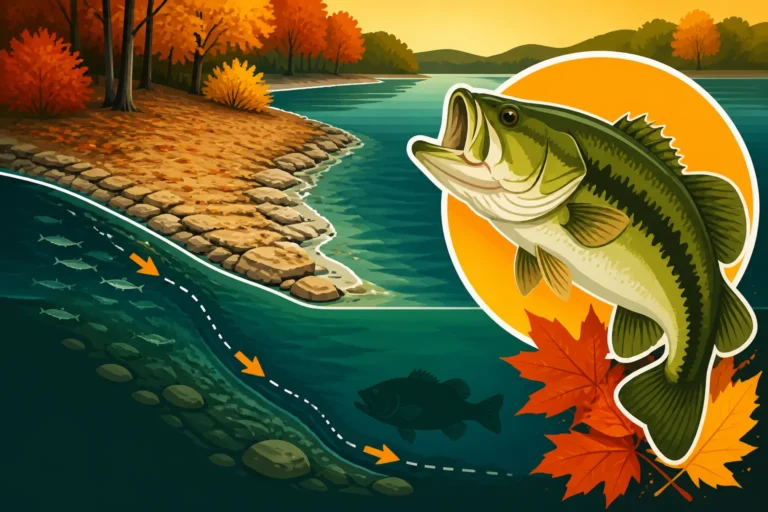
With colder water, fish seek out stability and warmth, even if it's just a degree or two difference. This often means they'll move from shallow feeding flats to deeper water where temperatures are more consistent. Look for areas with significant depth changes, like creek channels, river bends, and points that drop off sharply into deeper water. Structure becomes even more critical in winter. Submerged timber, brush piles, rock formations, and even old roadbeds provide essential cover and ambush points.
Fish will often "school up" more tightly in winter. Instead of being spread out, they'll congregate in dense balls, especially crappie and white bass. Finding one fish often means finding a whole school. This schooling behavior is a protective measure, but for anglers, it means that when you locate the sweet spot, the action can be fast and furious. However, missing that precise location by even a few feet can result in a completely barren fishing trip. This makes your electronics, like a good fish finder, absolutely indispensable during the colder months.
Prime Species for Winter Fishing in Mississippi
While many species are catchable year-round, some truly shine in the winter in Mississippi. These are the fish that either remain active enough to be targeted or become more concentrated, making them easier to locate for persistent anglers.
Crappie: The Winter King of Mississippi Lakes
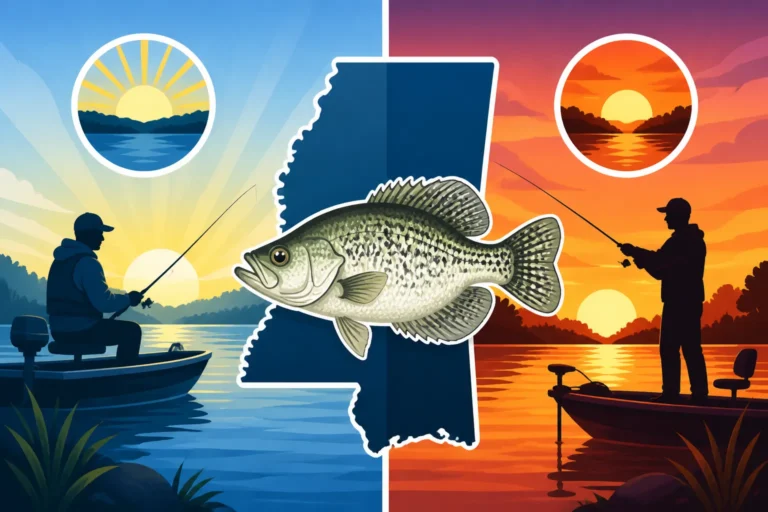
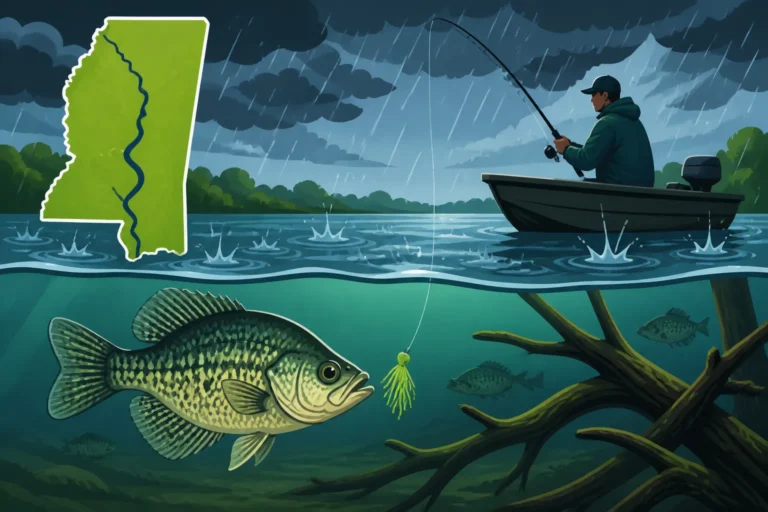
Without a doubt, crappie are the superstars of Mississippi winter fishing. As water temperatures plummet, these panfish move out of the shallows and congregate in massive schools in deeper water, often suspending over creek channels, along bluff walls, or within dense brush piles. Their metabolism slows, but they still need to feed, and their schooling tendency makes them highly targetable once you find them.
Many anglers flock to renowned crappie lakes like Grenada Lake, Sardis Lake, and Ross Barnett Reservoir for winter crappie. The key is to find those deep-water hideouts, typically in 15-35 feet of water, though this can vary by lake and specific conditions. Once located, a slow, methodical presentation is crucial. Jigs, often in dark or contrasting colors, tipped with a minnow or scent, are deadly. Techniques like spider rigging, where multiple rods are deployed from the front of the boat, allow you to cover different depths until you pinpoint the active feeding zone. For a deeper dive, check out our guide on Crappie Fishing Techniques for Mississippi Lakes.
Largemouth Bass: The Elusive Winter Prize
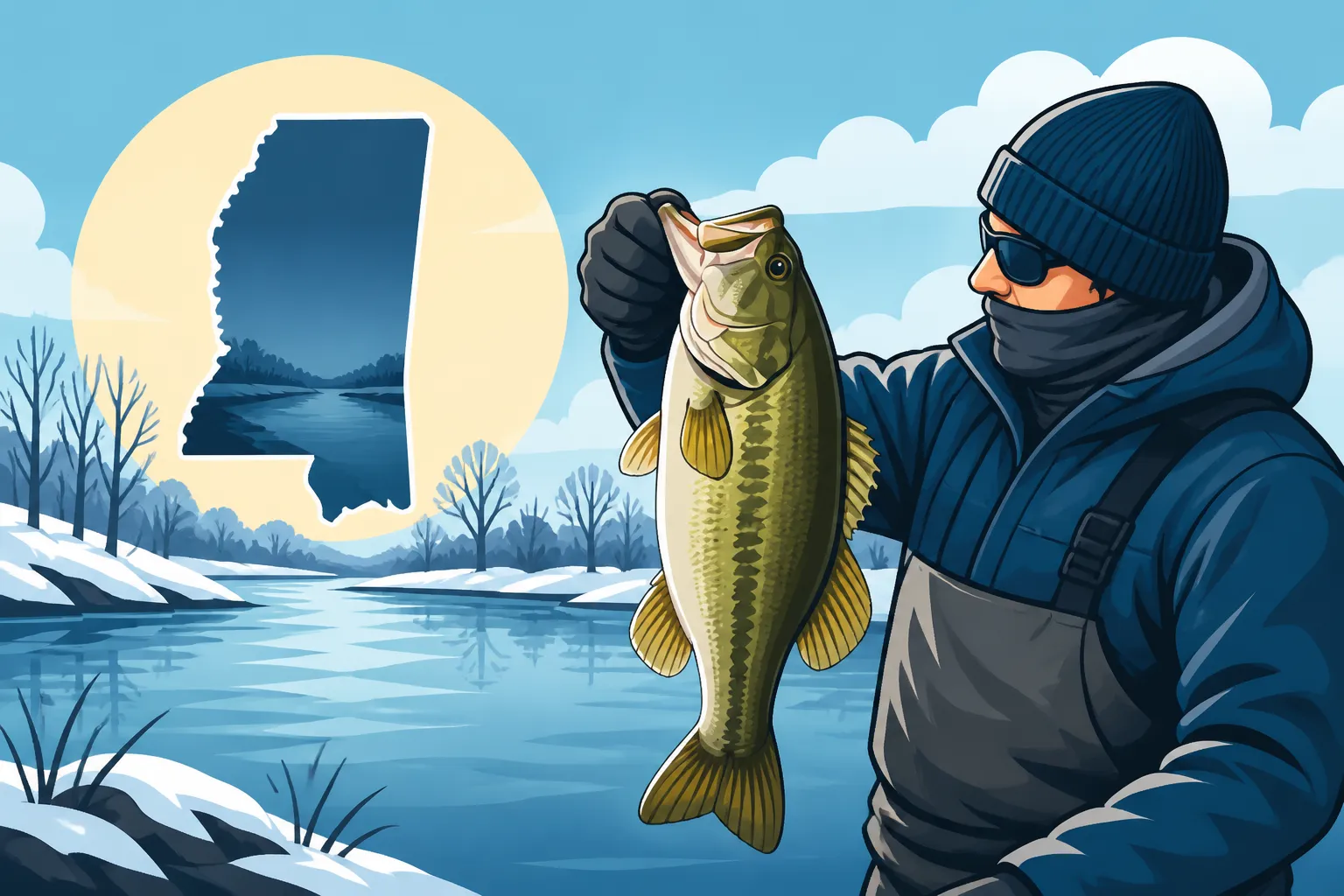
Catching largemouth bass in winter can be challenging, but the rewards are often worth the effort. Winter bass are typically less aggressive, but they're often bigger, conserving energy for their spring spawn. They tend to hold tight to deep structure, such as submerged timber, rock piles, and deep ledges. Finding subtle depth changes in main lake creeks or on main lake points is often the ticket.
Slow-moving baits are the name of the game for winter bass. Jig-and-pig combinations, slow-rolled spinnerbaits, and finesse techniques with shaky heads or drop shots can entice lethargic bass. Sometimes, vertical jigging spoons directly over schools of baitfish holding deep can trigger a reaction strike. The key is extreme patience and precise bait placement. Don't expect aggressive topwater blow-ups; instead, anticipate a subtle "thump" or simply feeling your line go heavy. Fishing for winter bass often requires covering a lot of water to find concentrated fish, but when you do, you might just hook into a true Mississippi lunker.
Catfish: Deep-Water Haunts
Catfish, especially the larger blue and flathead varieties, are another excellent target during the Mississippi winter. While their feeding slows down, they don't stop eating. They tend to move to the deepest parts of rivers and reservoirs, congregating in deep holes, along ledges, and in the slower currents of river bends. They're looking for stable temperatures and easy meals.
For winter catfishing, focus on deep channels in the Mississippi River or major reservoirs. Fresh cut bait, chicken liver, or even live minnows presented on a bottom rig are effective. Scent is incredibly important when their metabolism is slow, so don't be shy about using potent baits. Unlike the summer when they might roam, winter catfish will often stack up in specific areas. Once you find a productive hole, you can often catch several fish. Pay close attention to river junctions and areas where current slows down considerably, as these are natural holding areas for larger catfish seeking refuge from the cold. For those looking for more specific information on these whiskered giants, consider exploring our comprehensive guide to Catfish Fishing Techniques.
Other Potential Winter Catches
While crappie, bass, and catfish take center stage, other species can still be caught. White bass and hybrid striped bass will often school up and chase baitfish in open water, making them exciting targets for anglers with good electronics. Trolling spoons or lipless crankbaits through these bait balls can be very productive. Bream and bluegill will also move into deeper water and can be caught with small jigs or live worms, though their bites will be incredibly light. Remember that any catch in winter is a hard-earned one, so appreciate every tug on your line!
Essential Gear for Mississippi Winter Fishing
Don't let the cold catch you unprepared. Proper gear is not just about comfort; it's about safety and effectiveness. From staying warm to finding fish, having the right equipment makes all the difference when you're out on a frosty Mississippi lake or river.
Layering for Warmth and Protection
The Mississippi winter can be unpredictable, with temperatures fluctuating wildly from mild to truly frigid. Layering is your best friend. Start with a moisture-wicking base layer (like merino wool or synthetic materials) to keep sweat away from your body, preventing chilling. Add an insulating mid-layer, such as a fleece jacket or a down vest. Finally, a waterproof and windproof outer shell is crucial to protect against rain, sleet, or biting winds. Don't forget a warm hat that covers your ears, insulated gloves (some anglers prefer fingerless gloves for better dexterity with their fishing line), and waterproof, insulated boots.
A good pair of waterproof gloves, for instance, can be found readily on Amazon, offering both warmth and the necessary grip for handling rods and fish. Keeping your extremities warm is paramount to enjoying your day on the water and avoiding hypothermia. Remember, it's easier to shed layers if you get too warm than to add them when you're already shivering uncontrollably.
Rods, Reels, and Lines for Cold Conditions
For winter fishing, lighter rods with a sensitive tip are often preferred, especially for crappie and finesse bass techniques. A medium-light spinning rod with a fast action can detect those incredibly subtle winter bites. Paired with a small, smooth spinning reel spooled with light monofilament or fluorocarbon line, you'll feel everything. Fluorocarbon, in particular, has less stretch and is less visible underwater, which can be a huge advantage with wary winter fish.
When it comes to line, consider that braided line can sometimes absorb water and freeze on your reel in extremely cold conditions, although this is less common in Mississippi's milder winters compared to up north. For most winter situations, a good quality 6-10 lb fluorocarbon or monofilament will serve you well. For catfish, heavier conventional gear with braided line is still perfectly acceptable, as their bites are usually more pronounced. Just ensure your reel is properly maintained and lubricated for smooth operation in colder temperatures.
Electronics: Your Winter Fishing Advantage
In winter, fish are more concentrated, making electronics an absolute game-changer. A good fish finder with down imaging and side imaging capabilities allows you to scan wide areas and pinpoint those crucial deep-water schools or brush piles. Identifying baitfish schools is also key, as predators won't be far behind. Many modern units from brands like Humminbird or Garmin offer incredibly detailed views of the underwater world.
Learning to interpret your sonar effectively can cut down your search time dramatically. Look for tight clusters of arches (fish) or distinct blobs (brush piles/structure) at specific depths. Once you mark fish, you can then position your boat directly over them and make precise casts or drops. Some anglers even utilize forward-facing sonar to see fish and their reactions to baits in real-time, though this is a more advanced technique. Investing in quality electronics and taking the time to learn how to use them will pay dividends during winter.
Baits and Lures for Lethargic Fish
For crappie, small jigs (1/16 to 1/8 oz) in dark colors like black/chartreuse, blue/black, or natural shad patterns are staples. Tipping these jigs with a live minnow or a soft plastic crappie nibbler adds scent and a little extra bulk. For bass, football jigs, shaky heads with small worms, suspending jerkbaits, and blade baits are excellent choices. Live bait, such as shiners or large minnows, can also be irresistible to winter bass, especially when fished slowly.
For catfish, fresh cut bait (shad, skipjack) is often superior, but chicken liver or prepared stink baits can also work. Remember, the presentation must be slow. Instead of fast retrieves, think slow drags, lifts, and drops, or simply suspending your bait motionless in the strike zone. Sometimes, the fish only have to move a few inches to eat, and that's exactly what they prefer in the winter.
Top Mississippi Winter Fishing Locations
While almost any body of water can hold fish in the winter, some locations are particularly renowned for their cold-weather bite, offering consistent action for dedicated anglers.
Major Reservoirs: Crappie and Bass Hotbeds
Mississippi's large reservoirs are winter fishing paradises, especially for crappie.
- Grenada Lake: Often hailed as one of the best crappie lakes in the country, Grenada is a prime winter destination. Anglers will target creek channels and deep bluff walls, especially around the main lake and major creek arms. The "Grenada Lake Crappie Limit and Minimum Size" rules are strictly enforced, so be sure to check them before heading out. The deep timber and ledges here hold massive schools of crappie.
- Sardis Lake: Another crappie mecca, Sardis offers similar deep-water opportunities. Focus on the main lake channels, especially near the dam area and where major creek systems enter the lake. Don't forget to look for submerged timber and old roadbeds that provide crucial cover. Our guide on Sardis Lake Fishing Guide provides a wealth of information for planning a trip.
- Ross Barnett Reservoir: While known for its incredible bass fishing, Ross Barnett also produces fantastic crappie in winter. The main river channel and its numerous deep bends, along with the extensive cypress tree flats on the lower end, become key holding areas. Bass will often stack up on deep points and ledges here.
- Enid Lake: Rounding out the "Big 4" crappie lakes, Enid is another excellent choice for winter crappie. Like its counterparts, focus on the deeper sections, particularly where the old river channel winds through the lake. Its excellent population means that finding the right depth and structure can lead to a quick limit.
These reservoirs also offer opportunities for winter bass fishing, with largemouth hunkering down on deep ledges, brush piles, and points that drop into significant depth. For example, on Ross Barnett, spots near the spillway or the old river channel bends can be particularly productive for bass.
River Systems: Catfish and Striped Bass Opportunities
Mississippi's extensive river systems are fantastic for winter catfishing and offer unique challenges and rewards.
- Mississippi River: The mighty Mississippi is a world-class winter catfishing destination. The key here is to find deep scour holes, oxbow lakes, and areas where current is significantly reduced, offering refuge to blue and flathead catfish. The river's vastness can be daunting, but locating these calmer, deeper areas, often near wing dams or major bends, can concentrate fish. Knowing the Mississippi River Fishing Guide can certainly give you a head start.
- Pearl River: While smaller, the Pearl River still provides excellent winter catfishing, particularly in its deeper pools and bends. Look for snags and logjams that create current breaks.
- Tennessee-Tombigbee Waterway: The Tenn-Tom offers a variety of winter fishing, from crappie in its deeper sections to catfish in its riverine stretches. Its many locks and dams create deeper holes and current breaks that are magnets for winter fish.
Winter river fishing requires understanding current dynamics and finding slack water where fish can rest and feed without expending too much energy.
Gulf Coast: Still Active Saltwater Species
Don't forget about Mississippi's Gulf Coast, even in winter! While the bite might slow down, species like speckled trout, redfish, and even sheepshead can still be caught.
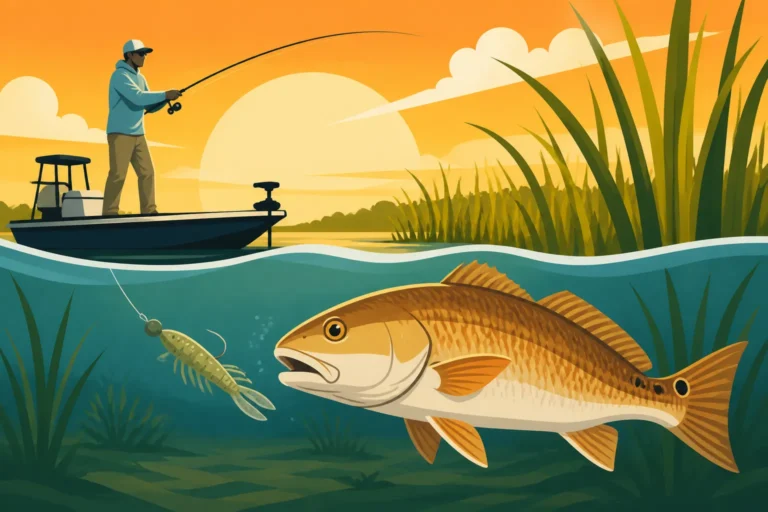
- Inshore Bays and Estuaries: Speckled trout and redfish will move into deeper bayous, canals, and river systems that feed into the Mississippi Sound. They seek warmer, more stable water. Look for deep holes, oyster beds, and structures like docks and bridges where they can ambush bait. Slow-moving soft plastics or live shrimp under a popping cork (or free-lined) can be effective. Our guide to Speckled Trout Fishing Techniques has more detailed information.
- Coastal Piers and Jetties: These structures can hold sheepshead, redfish, and even flounder during the cooler months. Sheepshead are particularly sought after, as they are often more active in cooler water. Shrimp or fiddler crabs are excellent baits for these "convict fish" around pilings.
Winter saltwater fishing can be surprisingly productive on the Gulf Coast, often offering calmer waters and fewer crowds, making for a truly enjoyable experience if you hit it on a mild day.
Mastering Winter Fishing Techniques
Successfully catching fish in Mississippi during winter requires a significant shift in strategy compared to warmer seasons. Patience, precision, and a slow approach are key.
Slowing Down Your Presentation
This is arguably the most critical piece of advice for winter fishing. Fish are sluggish; they won't chase. Your bait or lure needs to be presented directly to them, often right in their face, and it needs to move very slowly. For jigs, this means a subtle lift-and-drop, or just letting it sit motionless for extended periods. For crankbaits, slow-rolling them just above the bottom, ensuring they make contact with structure, can be effective.
Consider a jigging spoon for bass or crappie. Instead of aggressive rips, try a gentle lift of a few inches, followed by a controlled fall. Many strikes happen on the fall, so paying attention to slack line is crucial. If you're used to covering water quickly, winter forces you to adopt a more deliberate, thoughtful approach.
Vertical Jigging and Dropping
Given that fish are often holding deep and tight to structure, vertical presentations are incredibly effective.
- Crappie: Drop small jigs or minnows directly into brush piles or over schools of suspended crappie. A good fish finder will show you exactly where the fish are, and you can then lower your bait to that precise depth. Spider rigging is a popular technique for crappie, allowing anglers to present multiple baits at varying depths simultaneously while slowly drifting or trolling.
- Bass and Catfish: Vertical jigging spoons, blade baits, or heavy jigs can be dropped into deep holes or over ledges where bass and catfish are congregated. The idea is to keep the bait in the strike zone for as long as possible. A slow, rhythmic jigging motion can trigger a strike from a lethargic fish.
This technique is highly efficient because it minimizes the distance the fish has to travel, conserving their precious winter energy. It's a game of pinpoint accuracy.
Utilizing Electronics for Pinpoint Accuracy
We've touched on this, but it bears repeating: electronics are your eyes underwater in winter. Use your sonar to identify not just fish, but also the type of structure they're holding on (timber, rock, contour changes). Mark these spots with GPS waypoints so you can return to them. Pay attention to how the fish are positioned relative to the structure – are they on top, to the side, or suspended above it?
Side imaging can help you find brush piles or schools of baitfish off to the sides of your boat, allowing you to approach them quietly. Down imaging provides a clearer, photographic-like view of what's directly beneath you. Learning to interpret the thermocline (if one exists in deeper lakes) can also help, as fish often hold just above or below it in search of stable temperatures. The ability to "see" the fish is often the difference between a productive winter day and a frustrating one.
The Importance of Scent and Natural Baits
With slower metabolism, a fish's sense of smell can become a more important factor than sight or vibration. Adding scent to your artificial lures can make a huge difference. Many crappie jigs are designed with scent wells, and products like "crappie nibblers" or "power bait" are infused with fish-attracting aromas. For bass, adding a scent to your jigs or plastic worms can encourage them to hold on longer, giving you more time to detect the subtle bite.
Live bait, particularly minnows for crappie and bass, or cut bait for catfish, leverages natural scent and movement. A slowly presented minnow struggling on a hook is often too tempting for a cold-water predator to pass up, even if it's not actively feeding. Sometimes, the added movement of a live minnow can be the only thing that triggers a strike from a particularly inactive fish. You can find a wide variety of scented lures and baits online at retailers like Amazon, ensuring you're stocked for any condition.
Navigating Winter Weather and Safety
Winter fishing in Mississippi isn't just about fish behavior; it's also about preparing for and respecting the elements. Safety should always be your top priority.
Monitoring Weather Conditions Closely
Mississippi winters can deliver everything from crisp, sunny days to frigid, windy conditions with freezing rain. Always check the weather forecast before heading out, paying close attention to air temperature, wind chill, and precipitation chances. A seemingly mild 40-degree day can feel much colder with a brisk wind. Rapid temperature drops can also make fish more lethargic, so understanding recent weather patterns is beneficial.
Avoid going out during severe weather warnings, especially if heavy rain, ice, or high winds are predicted. If you're on a boat, strong winds can make navigating dangerous and uncomfortable. There's no fish worth risking your safety for, so err on the side of caution.
Hypothermia Awareness and Prevention
Hypothermia is a real danger in winter, especially if you get wet. Dress in layers, as previously discussed, and ensure your outermost layer is waterproof. Bring extra clothes stored in a dry bag, just in case. If you're on a boat, wear a personal flotation device (PFD) at all times; falling into cold water without one can quickly become a life-threatening situation.
Know the symptoms of hypothermia: shivering, confusion, slurred speech, drowsiness, and loss of coordination. If you or a fishing buddy exhibit these signs, seek warmth immediately, change into dry clothes, and get medical attention if symptoms are severe. Always inform someone of your fishing plans and expected return time.
Boat and Bank Fishing Considerations
For boat anglers, check your boat's battery and engine thoroughly before heading out. Cold weather can strain batteries. Ensure all safety equipment (PFDs, throw cushions, fire extinguisher, horn) is accessible and in working order. Be mindful of potential ice on boat ramps or docks during early morning hours after a freeze. Running water from a nearby faucet, if available, can help melt a thin layer of ice.
Bank anglers should be extra careful on slippery banks, especially those that might be muddy or icy. Wear appropriate footwear with good traction. Avoid fishing alone in remote areas, and be aware of your surroundings. A thermos of hot coffee or soup can make a world of difference in keeping spirits and body temperatures up. Remember to tread lightly near the water's edge, as winter fish can be easily spooked in clear, cold water.
Mississippi Fishing Regulations and Etiquette in Winter
While the spirit of winter fishing is often one of solitude, regulations and etiquette remain crucial, ensuring everyone has a safe and enjoyable experience.
Understanding Winter-Specific Regulations
Mississippi fishing regulations generally apply year-round, but it's always wise to double-check for any species-specific closures or changes, although these are less common for common game fish in winter. Pay close attention to creel limits and size restrictions, especially for popular species like crappie and bass. For example, specific lakes might have different crappie size limits or daily creel limits than the statewide general rule. Always consult the latest guide from the Mississippi Department of Wildlife, Fisheries, and Parks (MDWFP). You can also find comprehensive information in our guide to Mississippi Fishing Regulations Explained.
Remember that having a valid Mississippi Fishing License Guide is mandatory for most anglers, even in winter. Don't let the cold be an excuse for not having your license; the penalties for fishing without one are significant. Ensure you have the correct license for freshwater or saltwater, depending on where you're fishing.
Respecting Other Anglers
Winter fishing often means fewer people on the water, but it doesn't mean you can disregard common courtesy. If you find a productive spot, especially if someone else is already there, give them ample space. Don't crowd other boats or bank anglers. Use your fish finder discreetly and avoid blasting loud music or making excessive noise that could disturb fish or fellow fishermen.
When spider rigging or trolling, be mindful of your path and how it might impact others. A simple wave or nod can go a long way in fostering a friendly atmosphere on the water. We're all out there to enjoy the peace and thrill of the catch, and a little respect ensures everyone can do just that.
Catch and Release Best Practices in Cold Water
Cold water can be stressful for fish. If you practice catch and release, handle fish gently and quickly. Minimize their time out of the water. If the air temperature is significantly colder than the water, the fish's gills can freeze, so avoid exposing them to the air for too long. Always use wet hands to handle fish to protect their protective slime coat.
For deeply hooked fish, it might be better to cut the line as close to the hook as possible rather than trying to remove it, which can cause more damage. The goal is to maximize the fish's chances of survival. Being mindful of these practices ensures the health of Mississippi's fisheries for future generations.
The Unique Joys of Mississippi Winter Fishing
Beyond the challenges, winter fishing offers a truly unique and rewarding experience that many anglers come to cherish. It's not just about the fish; it's about the solitude, the scenery, and the satisfaction of mastering a different kind of angling.
Solitude and Serenity on the Water
One of the most appealing aspects of winter fishing is the peace and quiet. The summer crowds are gone, and you often have entire stretches of water to yourself. The tranquility of a winter morning on a Mississippi lake, with mist rising off the water and the sounds of nature uninterrupted, is an experience unlike any other. It’s a chance to truly connect with the outdoors, to clear your head, and to enjoy the simple act of fishing without distraction. This solitude fosters a deeper appreciation for the environment and the sport itself.
The Challenge and Reward of the Winter Bite
Winter fishing demands patience, skill, and a deep understanding of fish behavior. It's a test of your angling prowess, and because of this, every fish you catch feels like a hard-earned victory. There's a profound satisfaction in figuring out the winter bite, in precisely presenting your bait to a lethargic fish, and in feeling that subtle tug that signifies success. The fight of a cold-water fish, while perhaps less explosive, is often more deliberate and powerful, making each one a memorable battle. It hones your skills in ways that warmer-weather fishing sometimes doesn't.
Beautiful Winter Scenery
Mississippi's landscapes take on a different kind of beauty in winter. The bare trees, the crisp air, and the often dramatic skies create stunning backdrops. From the rolling hills surrounding our northern reservoirs to the quiet bayous of the Gulf Coast, the winter scenery offers a unique photographic opportunity and a different perspective on our familiar fishing grounds. Sometimes, the beauty of the surroundings is as much a part of the reward as the fish in the livewell. So bundle up, grab your gear, and discover the magic of winter fishing in Mississippi!
| Species | Preferred Winter Habitat | Key Techniques | Recommended Baits/Lures | Average Winter Depth Range |
|---|---|---|---|---|
| Crappie | Deep creek channels, brush piles, bluff walls | Vertical jigging, Spider rigging | Small jigs (1/16-1/8 oz), Live minnows, Crappie nibblers | 15-35 feet |
| Largemouth Bass | Deep ledges, submerged timber, rock piles, main lake points | Slow-rolling, Finesse rigs, Vertical jigging spoons | Jigs (jig-and-pig), Shaky heads, Drop shots, Suspending jerkbaits | 10-30 feet |
| Catfish | Deep river holes, current breaks, ledges in reservoirs | Bottom fishing | Fresh cut bait (shad, skipjack), Chicken liver, Prepared stink bait | 20-60+ feet |
| White Bass | Open water over baitfish schools, deep channels | Trolling, Casting | Spoons, Lipless crankbaits, Small jigs | 10-40 feet |
| Redfish | Deeper bayous, canals, oyster beds (inshore) | Slow retrieve, Bottom fishing | Soft plastics, Live shrimp, Cut bait | 3-10 feet |
| Speckled Trout | Deep bayous, canals, deeper grass flats (inshore) | Slow retrieve, Popping cork | Soft plastics, Live shrimp | 4-12 feet |
| Sheepshead | Piers, jetties, bridge pilings, oyster reefs | Bottom fishing | Fiddler crabs, Shrimp | 5-20 feet |
Disclaimer
The information provided in this guide is for general informational purposes only and is not intended as legal advice regarding fishing regulations. Fishing regulations, license requirements, and safety guidelines can change. Always consult the latest official resources from the Mississippi Department of Wildlife, Fisheries, and Parks (MDWFP) and the National Oceanic and Atmospheric Administration (NOAA) for the most current and accurate information before planning any fishing trip. Adhere to all local, state, and federal laws and exercise caution and good judgment when on the water.