Mississippi Fall Fishing Guide
The sweltering summer heat can make fishing a real test of endurance in Mississippi, often leaving anglers wondering if it's even worth the effort when the mercury climbs so high. But as soon as those first cool breezes whisper through the pines and the leaves start to hint at changing colors, a whole new world of opportunity opens up on our lakes, rivers, and coastal waters. If you've ever felt that late summer slump, this comprehensive guide is for you, offering a deep dive into exactly how to master fall fishing in Mississippi, turning those frustrations into fantastic catches.
Why Fall Fishing in Mississippi is a Game Changer
Fall in Mississippi isn't just about pumpkin spice lattes and football; it's arguably the best time of year to be out on the water, period. After enduring months of oppressive humidity and scorching sun, both anglers and fish seem to breathe a collective sigh of relief as autumn arrives. This seasonal shift triggers a cascade of biological changes that create prime conditions for fishing success across the entire state, from the northern reservoirs down to the Gulf Coast.
Cooler Temperatures and Comfortable Conditions
Let's be honest, trying to fish in July or August in Mississippi often feels less like a relaxing pastime and more like a battle against heatstroke. The sun beats down mercilessly, the air is thick with humidity, and even the fish seem sluggish, seeking the deepest, shadiest hideouts. But when fall truly sets in, usually from late September through November, those conditions rapidly improve. The air becomes crisp, especially in the mornings, and the midday sun, while still pleasant, no longer feels like an oven. This transformation makes a world of difference for your personal comfort on the boat or bank, allowing you to focus on the fishing instead of constantly wiping sweat from your brow or chugging water to avoid dehydration. You can finally enjoy those long hours on the water without feeling completely drained, making for a much more enjoyable and productive outing.
Active Fish and Feeding Frenzies
Beyond comfort, the cooler water temperatures are a powerful signal to fish that winter is coming. Just like we might start craving heartier meals as the weather cools, fish begin an intense period of feeding, trying to pack on as much weight and energy as possible to survive the leaner, colder months ahead. This pre-winter feeding binge is what anglers dream about. Largemouth bass, crappie, catfish, and even saltwater species like redfish and speckled trout become incredibly active and aggressive. They're no longer lethargic and hiding in the deepest holes; instead, they're chasing down baitfish with gusto, often herding them into easy-to-target schools. This increased activity means you'll find fish more willing to strike lures and baits, and when you find one, you're often likely to find many more. It's truly a "game on" scenario for almost every popular species in Mississippi.
Fewer Crowds on the Water
Another unsung hero of fall fishing is the noticeable drop in boat traffic and angling pressure. Throughout the summer, Mississippi's popular lakes and rivers are often bustling with recreational boaters, jet skiers, and fair-weather anglers. This constant activity can spook fish, make certain areas unfishable due to wakes, and simply detract from the serene experience many of us seek when we go fishing. However, as schools resume, football season kicks into high gear, and vacationers head home, the lakes and rivers become significantly quieter. You'll often find yourself with entire coves or stretches of river all to yourself, allowing you to fish your chosen spots without competition or interruption. This tranquility not only enhances the overall experience but also often leads to better fishing, as the fish are less pressured and more likely to bite.
Understanding Mississippi's Fall Fishing Calendar
Mississippi's fall isn't a single, uniform fishing season; it's a dynamic period that transitions through distinct phases, each offering unique opportunities and challenges. Understanding these subtle shifts, from the lingering warmth of early autumn to the crisp chill of late fall, is crucial for tailoring your approach and maximizing your success. Ignoring these nuances can lead to frustration, while embracing them allows you to stay ahead of the fish and consistently put them in the boat.
Early Fall (September) Strategies
As September arrives, it often feels like a gradual transition rather than an abrupt switch. The days might still be quite warm, even hot, but the nights begin to lengthen and bring with them a much-needed cooling effect. This initial drop in water temperature, even by a few degrees, starts to wake up the fish from their summer dormancy. Baitfish, like shad, which have been scattered, begin to congregate in larger schools, often moving from the deeper thermoclines towards more accessible areas like creek channels and the backs of coves. Largemouth bass, for instance, will follow these baitfish, often positioning themselves on points, ledges, and submerged timber where they can ambush their prey. Crappie, too, start to become more active, moving out of their deepest summer haunts but not yet fully committed to shallow water. They might be found suspending over creek channels or near the mouths of major feeder creeks, still somewhat spread out but starting to show signs of schooling. Your strategy during early fall should be a mix of summer and peak fall tactics: you might still need to fish deeper during the brightest parts of the day, but don't be afraid to explore shallower water, especially early in the morning or late in the afternoon, with fast-moving baits designed to cover water and locate those migrating schools.
Mid-Fall (October) Peak Action
October is often hailed as the absolute sweet spot for fall fishing in Mississippi, and for good reason. By this point, the cooler nights have had a significant impact on water temperatures, often leading to what's known as the "fall turnover" in some larger, deeper lakes. This process, where the cooler surface water sinks and mixes with the warmer, oxygen-depleted deeper water, can temporarily make fishing a bit challenging as fish scatter. However, once the lake stabilizes, it typically supercharges the bite. The real magic of October fishing revolves around the intense shad migration. Millions of baitfish, sensing the impending cold, move into shallower bays, creeks, and pockets, creating massive feeding opportunities. All game fish key in on this abundant food source. Bass will be aggressively busting schools of shad on the surface or ambushing them along channel swings and submerged roadbeds. Crappie will form massive schools, often congregating around brush piles, timber lines, and ledges at moderate depths (10-25 feet), gorging themselves. Catfish are also highly active, often found in deeper bends of rivers or along structure in lakes, eagerly snapping up any displaced or injured baitfish. This is the time to throw power fishing baits – crankbaits, jerkbaits, and spinnerbaits – to capitalize on the fish's aggressive feeding instincts. It's also an excellent time for spider rigging or trolling for crappie, allowing you to cover vast areas and intercept those large schools. You can find comprehensive details on how to maximize your autumn outings in our Mississippi Fall Fishing Guide.
Late Fall (November) Tactics
As November progresses and meteorological winter approaches, the fishing dynamics shift once more. Air and water temperatures continue to drop, sometimes significantly, especially after a strong cold front pushes through. The widespread, aggressive feeding frenzies of October start to wane, and fish transition into more stable, deeper winter patterns. Baitfish are less scattered and often seek out the warmest, most protected pockets of water, such as deep creek channels, main lake points with access to deep water, and pronounced ledges. Largemouth bass will often retreat to these deeper structures, becoming less active and requiring a slower presentation. Think jigs, slow-rolled spinnerbaits, or even vertical spoons fished precisely on structure. Crappie will consolidate into even tighter schools in deep brush piles or submerged timber, often requiring careful vertical jigging or slow trolling with live minnows. Catfish, particularly large blue and flathead catfish, will still be catchable, often found in deep holes in rivers or along the deepest ledges of reservoirs, requiring robust gear and hearty cut bait. Your approach in late fall needs to be patient and precise. Locating the fish with electronics becomes paramount, and once you find them, you'll need to employ subtle presentations to coax a bite. The fish are still there, they're just not as willing to chase, so it’s all about putting the bait right in front of them.
Top Fall Fishing Species and Where to Find Them
Fall in Mississippi transforms the behavior of almost every major game fish, prompting them to move and feed aggressively. Knowing which species are biting best and where to locate them is key to a successful autumn angling adventure. Forget those lazy summer patterns; fall demands a different approach, one that capitalizes on these fish's instinctual need to fatten up before winter's chill truly sets in.
Largemouth Bass: Chasing the Bait
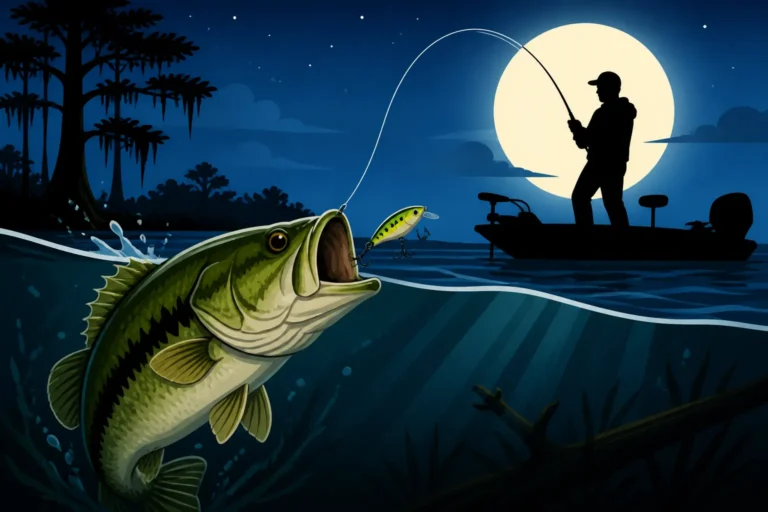
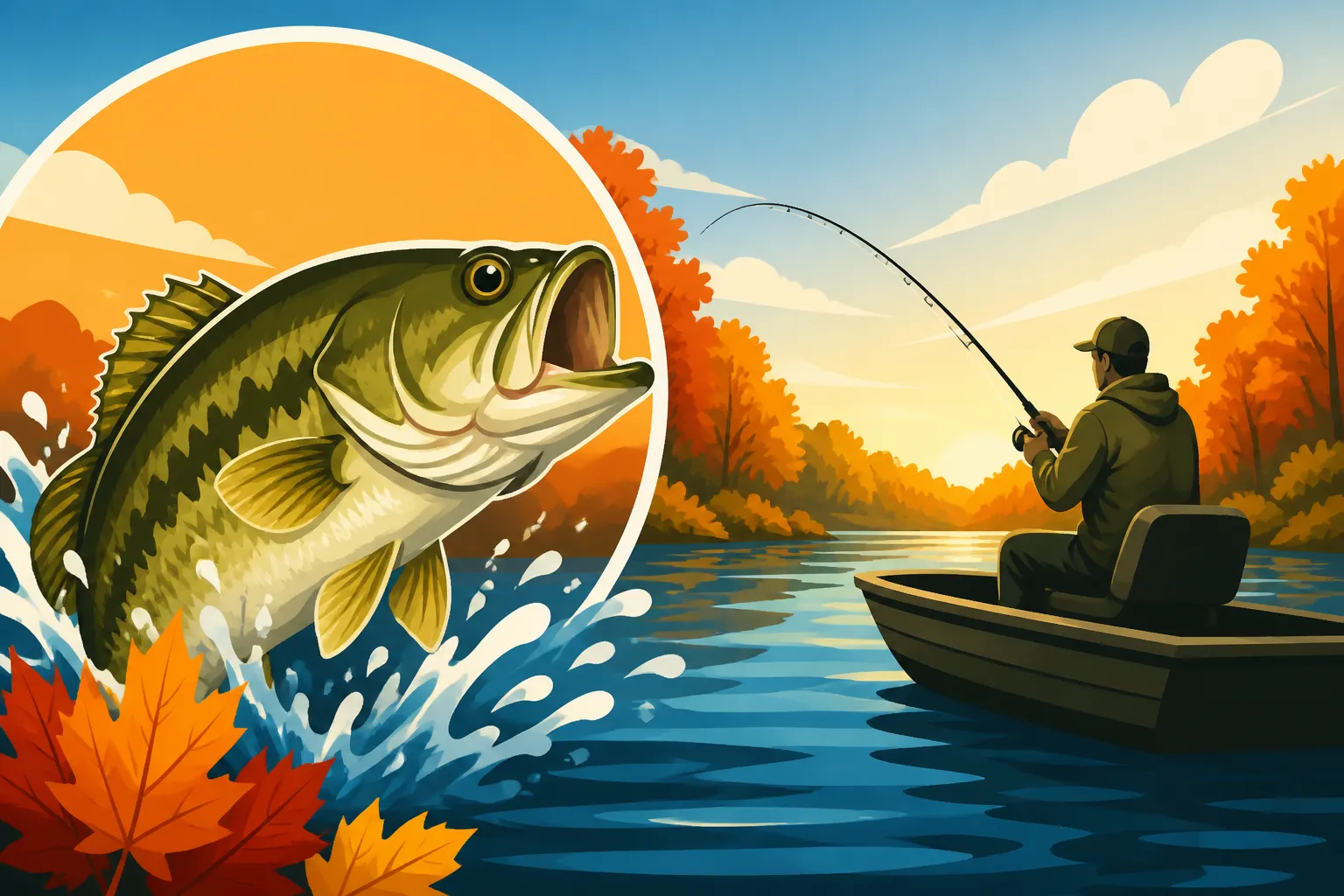
For many Mississippi anglers, fall is synonymous with incredible largemouth bass fishing. After the stressful summer, bass are invigorated by the cooler water and a renewed metabolism. Their primary focus shifts to chasing down schools of baitfish, particularly shad, which are abundant and congregating as temperatures drop. You'll find bass actively pursuing these baitfish in several key areas. Early in the fall, look for them along main lake points, especially those with access to deeper water, and inside creek channels. As the baitfish push further into creeks and shallow flats, the bass will follow, often ambushing them from cover like stumps, submerged logs, or weed lines. Later in the fall, as water temperatures continue to drop, bass will begin to relate more to deep ledges, channel swings, and brush piles, but they'll still be looking for those baitfish concentrations. Reservoirs like Ross Barnett Reservoir, Grenada Lake, and Sardis Lake are fantastic for fall bass, with anglers often reporting impressive catches by throwing crankbaits, spinnerbaits, and even topwater lures when bass are actively schooling on the surface. Getting familiar with Largemouth Bass Fishing in Mississippi strategies will definitely put you ahead of the game.
Crappie: Schooling Up for Winter
If there's one fish that truly shines in Mississippi's fall, it's the crappie. After spending their summer months scattered and often deep, the cooling water triggers a profound behavioral change: they begin to school up in massive numbers, preparing for their winter patterns. This schooling behavior makes them incredibly fun to target, because once you find one, you've likely found dozens, if not hundreds. During early to mid-fall, look for crappie to move out of the deepest summer haunts and start staging around creek channel bends, submerged timber, and brush piles at depths of 10 to 25 feet. As late fall sets in, they'll consolidate even further, often holding tightly to deep brush piles or pronounced ledges in the main lake or major creek arms. Lakes like Grenada, Sardis, Enid, and Arkabutla are legendary for their fall crappie fishing. Anglers often employ spider rigging, slow trolling jigs and minnows, or vertical jigging over specific submerged structures to catch these schooling fish. For the most up-to-date tactics and spots, check out our guide on Crappie Fishing in Mississippi.
Catfish: Still Hungry and Accessible
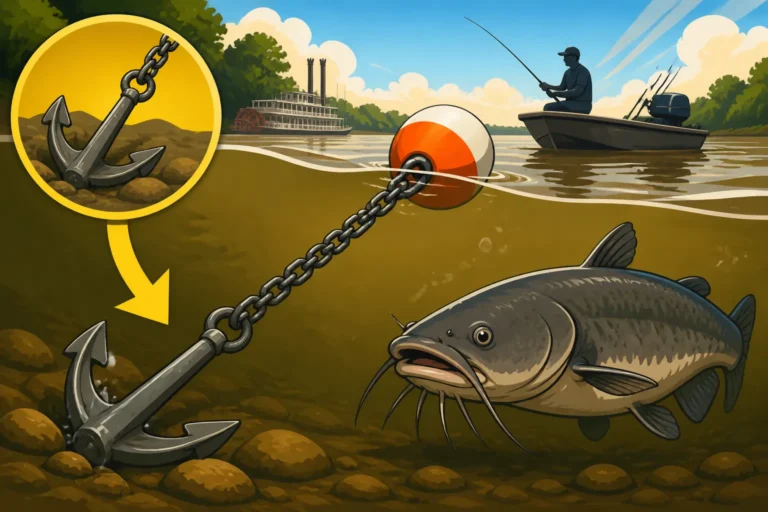
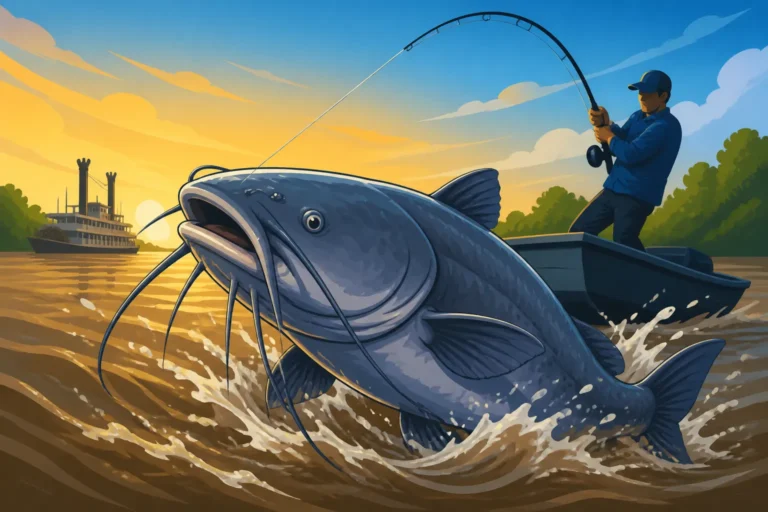
Catfish might not get as much "glamour" attention as bass or crappie in the fall, but don't underestimate their activity during this season. Channel, blue, and flathead catfish are all still actively feeding in the fall, taking advantage of the abundant baitfish and cooler, more comfortable water temperatures. In rivers like the Mississippi River or the Pearl River, look for catfish to congregate in deeper holes, around outside bends, and near significant current breaks where food washes past them. On reservoirs, they'll often be found along deeper ledges, old creek channels, and even around riprap areas, especially if baitfish are present. Fall is an excellent time to target trophy blue catfish, which are often looking for substantial meals. Cut bait, particularly shad or skipjack herring, fished on the bottom with heavy tackle, is a highly effective method. For channel cats, traditional baits like worms, stink baits, and chicken livers still work wonders. The slightly cooler weather also makes handling and cleaning these powerful fish a more pleasant experience. Learn all the best tips for Catfish Fishing in Mississippi to fill your cooler.
Bream and Panfish: Last Hurrahs
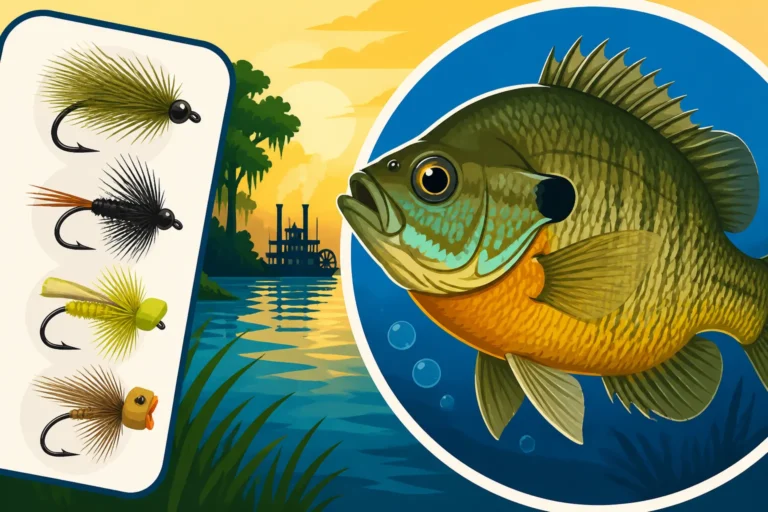
While the big three (bass, crappie, catfish) often grab the headlines, don't overlook the humble bream and other panfish during the fall. Bluegill, redear sunfish (shellcrackers), and other sunfish species can still provide fantastic action, especially on warmer, sunny days in early to mid-fall. These feisty fighters might not school up as dramatically as crappie, but they will still be found in predictable areas, often shallow to moderate depths, around submerged vegetation, docks, and brush piles, particularly in the backs of coves or protected pockets. They'll be feeding on insects, small crustaceans, and even tiny baitfish. Lightweight tackle, small jigs, crickets, or red worms are irresistible to them. As late fall approaches and water temperatures really drop, their activity will slow down significantly, and they'll move to deeper cover. However, early fall provides a wonderful opportunity for a relaxing day of catching these ubiquitous and delicious fish. If you're looking for consistent action, understanding Bream and Bluegill Fishing in Mississippi can lead to a surprisingly productive day.
| Species | Early Fall (Sept) Locations | Mid-Fall (Oct) Locations | Late Fall (Nov) Locations | Primary Fall Baits/Lures |
|---|---|---|---|---|
| Largemouth Bass | Main lake points, creek mouths, shallower flats | Creek channels, major points, shad schools, deep ledges | Deep ledges, channel bends, brush piles, slower presentations | Crankbaits, spinnerbaits, jerkbaits, jigs, soft plastics |
| Crappie | Suspending over creek channels, moderate brush piles | Tight schools on brush piles, timber, ledges (10-25 ft) | Deep brush piles, vertical timber, main lake structure | Live minnows, jigs (vertical), small crankbaits |
| Catfish | River bends, deeper holes, lake ledges, current breaks | Deep river holes, channels, prominent lake structure | Deepest holes, river scours, strong current breaks | Cut bait, worms, chicken liver, stink bait |
| Bream/Panfish | Submerged vegetation, docks, shallow brush in coves | Moderate depth brush, protected coves, docks | Deep cover, slower bite, concentrated schools | Crickets, worms, small jigs, tiny spinners |
Essential Fall Fishing Techniques and Lures
Fall fishing isn't just about finding the fish; it's about understanding what makes them bite when they're actively feeding but also preparing for those days when they're a bit more finicky. The aggressive nature of many species in the fall means you can often "power fish" with fast-moving baits, but there are also times when a slower, more methodical approach is necessary. Having a diverse arsenal of techniques and lures, and knowing when to deploy each, is the mark of a seasoned fall angler.
Mimicking Baitfish: Crankbaits and Jerkbaits
As mentioned, fall fishing is heavily influenced by the mass migration of baitfish, primarily shad. Game fish like bass, crappie, and even some catfish species will key in on these schools, actively pursuing them. This makes lures that realistically mimic baitfish incredibly effective. Crankbaits, especially those with a wide wobble and realistic shad patterns, are fantastic for covering water and triggering reaction strikes. You can find an incredible variety of diving depths and colors on platforms like Amazon, allowing you to match the hatch and reach fish at any level of the water column. Experiment with retrieve speeds – sometimes a fast, erratic retrieve mimicking a fleeing baitfish is best, while other times a slower, steady retrieve will draw more strikes. Jerkbaits are another stellar choice, particularly for bass and larger crappie. Their stop-and-go action perfectly imitates a wounded baitfish, which predators find irresistible. A twitch, twitch, pause retrieve is often deadly, allowing the lure to suspend tantalizingly in the fish's strike zone. Don't be afraid to try bright, flashy colors on sunny days, and more natural, subtle hues on overcast or darker days.
Soft Plastics and Jigs: Slow and Steady Wins the Race
While the fall feeding frenzies are exciting, there will always be days, especially after a cold front or as late fall progresses, when fish become less aggressive. This is when soft plastics and jigs really shine. These versatile lures allow for slower, more controlled presentations that can coax bites from hesitant fish. For bass, try a Texas rig or Carolina rig with creature baits, worms, or crawfish imitations fished slowly along ledges, brush piles, or channel swings. The subtle movement of the soft plastic can be just enough to trigger a strike when flashier baits are ignored. Jigs, whether skirted jigs for bass or small hair jigs and plastic tail jigs for crappie, are also incredibly effective. For crappie, vertical jigging over deep brush piles or submerged timber with a 1/16th or 1/8th ounce jig is a classic fall technique. The key is to present the lure directly in the fish's strike zone and impart very subtle action, letting the lure's natural undulation do the work. These slower presentations are about patience and precision, allowing you to thoroughly work an area where fish are concentrated but not actively chasing.
Live Bait: The Old Reliable for Picky Eaters
Sometimes, no matter how realistic your artificial lures are, fish just want the real thing. Live bait remains an incredibly effective option for fall fishing, especially for crappie and catfish. For crappie, live minnows are king. Whether fished under a bobber near cover, slow trolled, or tight-lined over deep brush piles, a frisky minnow is often irresistible to schooling crappie, especially when they're a bit lethargic. You can often purchase minnows at local bait shops across Mississippi or even catch your own. For catfish, live bait can range from earthworms for channel cats to larger live or cut baitfish like shad or sunfish for trophy blue and flathead catfish. The natural scent and movement of live bait can draw fish in from a distance and entice even the most wary predators. While some anglers prefer the challenge of artificials, there's no denying the consistent effectiveness of live bait, making it a staple in any fall angler's tackle box. For more specific insights, read our guide on the Best Bait for Crappie in Mississippi.
Trolling and Spider Rigging
When crappie really school up in the fall, especially in Mississippi's large reservoirs, covering water efficiently becomes paramount. This is where techniques like trolling and spider rigging truly excel. Trolling involves slowly moving your boat while dragging multiple lines with jigs or minnow rigs behind you at various depths. This allows you to explore vast expanses of water, particularly over creek channels, ledges, and flats, until you locate those concentrated schools of fish. Once you get a bite, you can then stop and focus on that specific area. Spider rigging takes this a step further, typically involving multiple long rods (sometimes 6-8 or more) extended from the front of the boat, each with a jig or minnow rig suspended at a precise depth. The boat is then moved very slowly, often with an electric trolling motor, allowing you to present a "wall" of baits through an area. This is particularly deadly for fall crappie that are schooling tightly to brush piles or channel edges. The ability to present so many baits at once, covering a wide swath and a range of depths, drastically increases your chances of intersecting a school and quickly putting many fish in the boat. Understanding Trolling for Crappie on Mississippi Reservoirs can significantly boost your fall crappie catch rates.
Navigating Mississippi's Premier Fall Fishing Destinations
Mississippi is blessed with a diverse array of waterways, each offering unique opportunities for fall fishing. From vast northern reservoirs renowned for crappie to the sprawling oxbows of the Mississippi River and the dynamic Gulf Coast, knowing where to go for your target species can make all the difference. Fall transforms these waters, often concentrating fish into predictable patterns, making it the ideal season for exploring new hotspots or revisiting old favorites.
North Mississippi Reservoirs: Grenada, Sardis, Enid, Arkabutla
The quartet of large Corps of Engineers reservoirs in North Mississippi – Grenada, Sardis, Enid, and Arkabutla – are nothing short of legendary for their fall crappie fishing. These lakes consistently produce high numbers of slab crappie, particularly from October through November. As water temperatures drop, crappie move from their summer deep-water haunts and begin to congregate in massive schools along creek channels, submerged timber, and brush piles, often at depths of 15-30 feet. Anglers flock to these lakes during the fall, primarily employing spider rigging, slow trolling, or vertical jigging techniques to intercept these dense schools. On Grenada Lake, look for crappie in the main lake creek channels and around the standing timber in the middle lake. Sardis Lake offers excellent crappie action in the lower lake creek channels and along deeper ledges. Enid Lake is known for its incredible size limits, and fall crappie can be found schooling up on its numerous submerged structures. Arkabutla Lake often heats up for crappie later in the fall, with fish relating to the main river channel. Each of these lakes has distinct characteristics, so diving into specific guides like the Grenada Lake Fishing Guide, the Sardis Lake Fishing Guide, the Enid Lake Fishing Guide, and the Arkabutla Lake Fishing Guide will provide invaluable detailed insights for your trip.
Central Mississippi Lakes: Ross Barnett Reservoir
Moving south, Ross Barnett Reservoir, often simply called "The Rez," stands as a central Mississippi powerhouse for diverse fall fishing. While it might not boast the sheer crappie numbers of the northern lakes, it offers fantastic opportunities for bass, crappie, and catfish throughout the autumn months. For bass anglers, fall at Ross Barnett means chasing shad. Look for bass pushing baitfish into the backs of coves, along main lake points, and within the extensive creek arms like Pelahatchie Creek. Crankbaits, spinnerbaits, and soft plastics are highly effective. Crappie fishing on The Rez also picks up considerably in the fall, with fish schooling around brush piles in the main lake and creek channels, particularly around the standing timber near the spillway or in areas like Pelahatchie Bay. Catfish, especially channel and blue cats, remain very active, congregating in the deeper sections of the old Pearl River channel and along prominent ledges. The accessible nature of Ross Barnett, being so close to Jackson, makes it a popular choice for a quick fall outing. Our dedicated Ross Barnett Reservoir Fishing Guide provides all the details you'll need to plan your attack.
Mississippi River and its Oxbows
The mighty Mississippi River, with its expansive main channel and countless oxbow lakes, presents a unique and often underutilized fall fishing experience. This vast waterway holds incredible potential for trophy catfish and excellent bass fishing. In the main river, fall is prime time for big blue and flathead catfish. Look for them in deep bends, around wing dams, and in scour holes where current breaks provide ambush points and collect abundant food. Heavy tackle and substantial cut bait are the keys to success here. The oxbow lakes, like Lake Washington or Eagle Lake, which are remnants of old river channels, truly come alive for bass in the fall. These lakes often warm up and cool down faster than the main river, triggering intense feeding binges. Bass will follow baitfish into shallower pockets and along prominent points, offering fantastic topwater and crankbait action in early to mid-fall, before retreating to deeper stumps and brush as temperatures drop further. Fishing the Mississippi River and its backwaters requires a sturdy boat and careful navigation, but the rewards can be truly exceptional, especially for those seeking giant catfish or big river bass. Delve deeper into the nuances with our comprehensive Mississippi River Fishing Guide.
Mississippi Gulf Coast: Transitioning to Cooler Waters
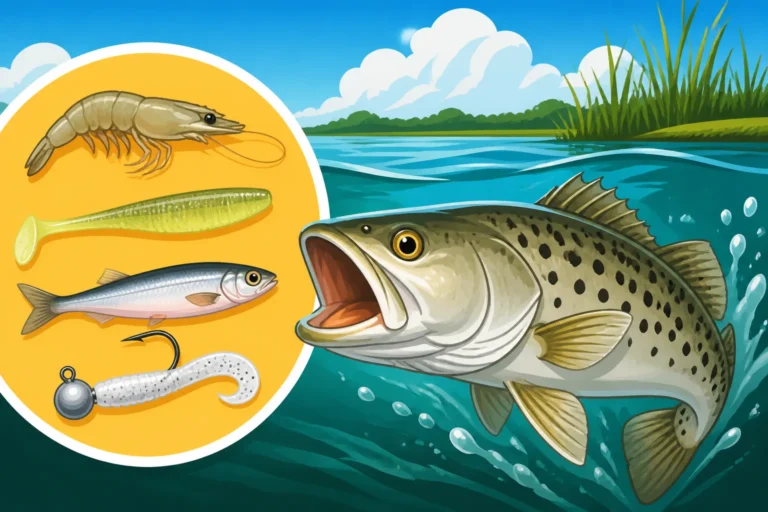
Don't forget the incredible saltwater opportunities when planning your Mississippi fall fishing trip! The Mississippi Gulf Coast, encompassing bays, bayous, and offshore waters, undergoes a significant transformation in the fall. As the oppressive summer heat gives way to cooler temperatures, species like speckled trout and redfish become incredibly active in the inshore waters. They move out of the deepest bay systems and into shallower marshes, bayous, and grass flats, following schools of shrimp and baitfish. Fall is often considered one of the best times for sight fishing redfish on the flats as they cruise for an easy meal. Speckled trout will school up in deeper bayou cuts, around oyster reefs, and near passes, eagerly hitting soft plastics, popping corks with live shrimp, or even topwater lures during low light. Offshore, the fall can still offer opportunities for species like red snapper (during specific seasons), triggerfish, and various pelagics as they migrate. The cooler, less humid air makes for a much more comfortable day on the water, whether you're wading the flats or venturing into the sound. Grabbing essentials like polarized sunglasses and wading boots from Amazon before your trip can significantly enhance your coastal experience. Explore the diverse opportunities with our Mississippi Gulf Coast Fishing Guide.
Fall Fishing Gear and Preparations
Successful fall fishing in Mississippi isn't just about knowing where to go and what baits to use; it's also about being properly equipped and prepared for the unique conditions of the season. The transition from summer to winter means variable weather, and often, colder water. Taking the time to properly gear up and check your equipment can be the difference between a memorable day on the water and a miserable one.
Layering Your Clothing for Variable Weather
One of the biggest mistakes anglers make in the fall is underestimating the temperature swings. A morning that starts crisp and cool, perhaps in the 40s or 50s, can quickly warm up to the 70s by midday, only to drop again rapidly as the sun begins to set. This variability makes layering your clothing absolutely essential. Start with a moisture-wicking base layer to manage sweat, add a fleece or insulating layer for warmth, and top it off with a waterproof and windproof outer shell. This allows you to easily add or shed layers throughout the day, maintaining a comfortable body temperature without overheating or getting chilled. Don't forget a warm hat and gloves for those chilly morning boat rides, especially if you're hitting the water before sunrise. Comfortable, waterproof boots are also a must, as damp feet can quickly ruin a day. Being able to adapt to changing conditions will keep you comfortable and focused on the fishing, not on shivering or sweating.
Essential Electronics: Fish Finders and GPS
In the fall, especially as fish move deeper and consolidate into schools, electronics become your best friend. A reliable fish finder with good down-imaging and side-imaging capabilities is invaluable for locating submerged brush piles, ledges, creek channels, and, most importantly, the schools of baitfish and game fish that relate to them. Being able to mark these structures and see the fish holding on or around them allows for precise bait presentation, saving you countless hours of blind casting. GPS functionality, often integrated into modern fish finders, is equally important. It allows you to mark successful spots, navigate safely, and return to productive areas with accuracy. For example, learning how to effectively use your electronics, as detailed in our guide on Reading a Fish Finder for Crappie, can dramatically increase your success rate in targeting fall crappie. You can find a wide range of these advanced devices and their accessories on online retailers like Amazon, making it easy to upgrade your setup before the prime fall bite.
Boat and Safety Checks
Fall often brings colder water temperatures, even if the air feels mild. This means that if you were to accidentally fall overboard, the risk of hypothermia becomes a serious concern. Before every fall fishing trip, it's crucial to conduct thorough boat and safety checks. Ensure your boat's motor is running smoothly and reliably, as breakdowns on cold water can be particularly dangerous. Check all navigation lights, bilge pump, and livewell systems. Most importantly, make sure you have enough personal flotation devices (PFDs) for everyone on board, and consider wearing one, especially if you're fishing alone or in adverse conditions. Understanding Mississippi Life Jacket Rules for Anglers is not just about compliance, but personal safety. Additionally, ensure your emergency kit is fully stocked with essentials like a first-aid kit, whistle, spare prop, and a fully charged cell phone. Filing a float plan with someone on shore is always a good idea, letting them know your intended destination and estimated return time. Being prepared for emergencies is a non-negotiable aspect of responsible fall fishing.
Important Regulations and Responsible Angling
Enjoying the bounty of Mississippi's fall fishing season comes with the responsibility of adhering to regulations and practicing ethical angling. These rules are in place to ensure the sustainability of our fisheries for future generations, and ignoring them can lead to serious penalties. Before heading out, a quick check of the current guidelines is a non-negotiable part of your preparation.
Staying Up-to-Date on Fall Limits
Fishing regulations in Mississippi, like anywhere else, can change seasonally or annually based on population assessments and conservation efforts. What was legal last spring might not be legal this fall, especially concerning specific species or bodies of water. The Mississippi Department of Wildlife, Fisheries, and Parks (MDWFP) is the authoritative source for all fishing regulations. It is your responsibility to know and understand the current rules regarding creel limits (how many fish you can keep), size limits (minimum or maximum lengths), and any specific seasonal closures or gear restrictions that might apply. For instance, crappie limits can vary significantly from one lake to another, and bass regulations might have special provisions on certain reservoirs. Always consult the latest MDWFP fishing guide, available online or at license vendors. This guide on Mississippi Fishing Regulations Explained can give you a solid overview, but always double-check the official MDWFP site. Paying close attention to Mississippi Fishing Creel and Size Limits for your target species and location will prevent any unintentional violations and contribute to healthy fish populations.
Catch and Release vs. Keeping Your Catch
Fall fishing can be incredibly productive, often leading to many bites and opportunities to fill a cooler. However, it's also a time to consider the impact of your angling. While keeping a legal limit of fish for a delicious meal is a cherished part of the fishing experience, practicing selective harvest and catch and release is vital for conservation, particularly for larger, older fish that are crucial for reproduction. Consider releasing those trophy-sized bass or crappie, especially if they are over the slot limit, allowing them to continue contributing to the fishery. If you do plan to release fish, handle them with care: minimize their time out of water, use wet hands when handling, and if possible, use barbless hooks or dehooking tools to reduce injury. For fish you intend to keep, dispatch them quickly and humanely, and get them on ice as soon as possible to preserve their quality.
Preserving Mississippi's Fisheries
Responsible angling goes beyond just legal compliance; it's about being a good steward of our natural resources. This means practicing "leave no trace" principles: take out everything you bring in, and ideally, pick up any trash you find, even if it's not yours. Avoid discarding monofilament line, which can entangle wildlife, and properly dispose of any leftover bait. Be mindful of fragile habitats, such as spawning beds (though less common in fall, they can still occur for some species) or sensitive aquatic vegetation. When launching or retrieving your boat, take precautions to prevent the spread of invasive species by cleaning your boat, trailer, and gear thoroughly. By actively participating in these conservation efforts, every angler plays a part in ensuring that Mississippi's rich fishing traditions and vibrant fish populations can be enjoyed by generations to come.
Disclaimer
The information provided in this guide is for general informational purposes only and is subject to change. Fishing regulations, seasons, and limits are determined by the Mississippi Department of Wildlife, Fisheries, and Parks (MDWFP) and can be updated without notice. Always consult the official MDWFP website or the current Mississippi Outdoor Digest for the most accurate and up-to-date regulations before engaging in any fishing activities. Adherence to all local, state, and federal laws is the responsibility of the individual angler.