Mississippi Life Jacket Rules for Anglers
It’s a common scenario: you’re excited about a day on the water, gear loaded, bait ready, and then you remember those pesky life jacket rules. No one wants to start their fishing trip feeling burdened by regulations or, worse, face a fine for something that feels like an afterthought. This guide is here to untangle the complexities of Mississippi life jacket rules for anglers, ensuring you stay safe, legal, and focused on landing that big catch without any unnecessary stress.
Beyond the Law: Why Life Jackets Are Your Best Fishing Buddy
Let's be real, many of us view life jackets as a necessary evil, something to tick off the compliance list rather than a piece of essential gear. We’re out there to relax, to cast a line, to feel the sun on our face – not to feel constricted or overheated. I totally get it. Sometimes, they feel bulky, uncomfortable, and like they just get in the way of a good cast. But honestly, thinking of them as merely a "rule" misses the bigger picture. In the blink of an eye, a calm day can turn windy, a small wake can capsize a kayak, or you could slip on a wet deck. That moment of unexpected immersion, especially in cold water or if you hit your head, can quickly turn disastrous.
The Unforeseen Dangers on the Water
Even the most experienced anglers can find themselves in a tough spot. Imagine you're on Ross Barnett Reservoir, focused on a schooling bass, and suddenly, a rogue wake from a passing boat sends you overboard. Or perhaps you're quietly paddle fishing in the backwaters of the Mississippi River, reach for a lure, lose your balance, and end up in murky water. These aren't just hypotheticals; they are real scenarios that happen regularly. A life jacket gives you those crucial extra minutes to collect yourself, signal for help, or simply stay afloat until you can get back to your vessel. It’s not just about surviving; it's about minimizing panic and providing vital buoyancy, especially if you're alone or fishing in remote areas.
Peace of Mind for Yourself and Loved Ones
Let’s face it, our families worry about us when we’re out on the water. Knowing you're wearing a life jacket, or at least have one readily accessible, offers a profound sense of peace. It's a small act that speaks volumes about your commitment to safety. For those of us with kids, it’s even more critical. You wouldn't let a child ride a bike without a helmet, and fishing without a life jacket is a similar risk. It sets a good example and ensures that everyone comes home safely after a day of making memories. Beyond the regulations, this personal responsibility is the true reason a life jacket should be as standard as your fishing rod.
Navigating the Waters: Mississippi's Official Life Jacket Requirements
Mississippi’s life jacket regulations are primarily aligned with federal guidelines set by the U.S. Coast Guard, which means they apply to almost all navigable waters in the state. Getting a clear understanding of these rules will help you avoid potential fines and, more importantly, stay safe. Breaking down these rules helps clarify what’s expected, whether you’re fishing from a bass boat, a kayak, or even a small john boat. You can find more comprehensive details on Mississippi Boat Fishing Regulations and other safety topics.
Mandatory Wear for Young Anglers and Specific Vessel Types
This is where the rules often get very specific and where many people might accidentally fall short. In Mississippi, any child under 13 years of age must wear a U.S. Coast Guard-approved life jacket whenever they are on a vessel that is underway. This isn't just about having it on board; it means actually having it donned and properly fastened. This applies to all types of vessels – from large fishing boats to kayaks and canoes. There are a few exceptions, like when the child is below deck in an enclosed cabin or actively participating in watersports while being towed, but for general fishing, it’s a non-negotiable requirement. As a parent or guardian, the responsibility falls on you to ensure your young companions are compliant.
For those venturing out on personal watercraft (PWCs) like jet skis, everyone on board, regardless of age, must wear a life jacket. This also often extends to individuals being towed by a boat, such as water skiers or tubers. While this might not directly apply to all anglers, if you're using a PWC to access a fishing spot or bringing friends who might want to try watersports, it's crucial to remember.
General Requirements for All Vessels
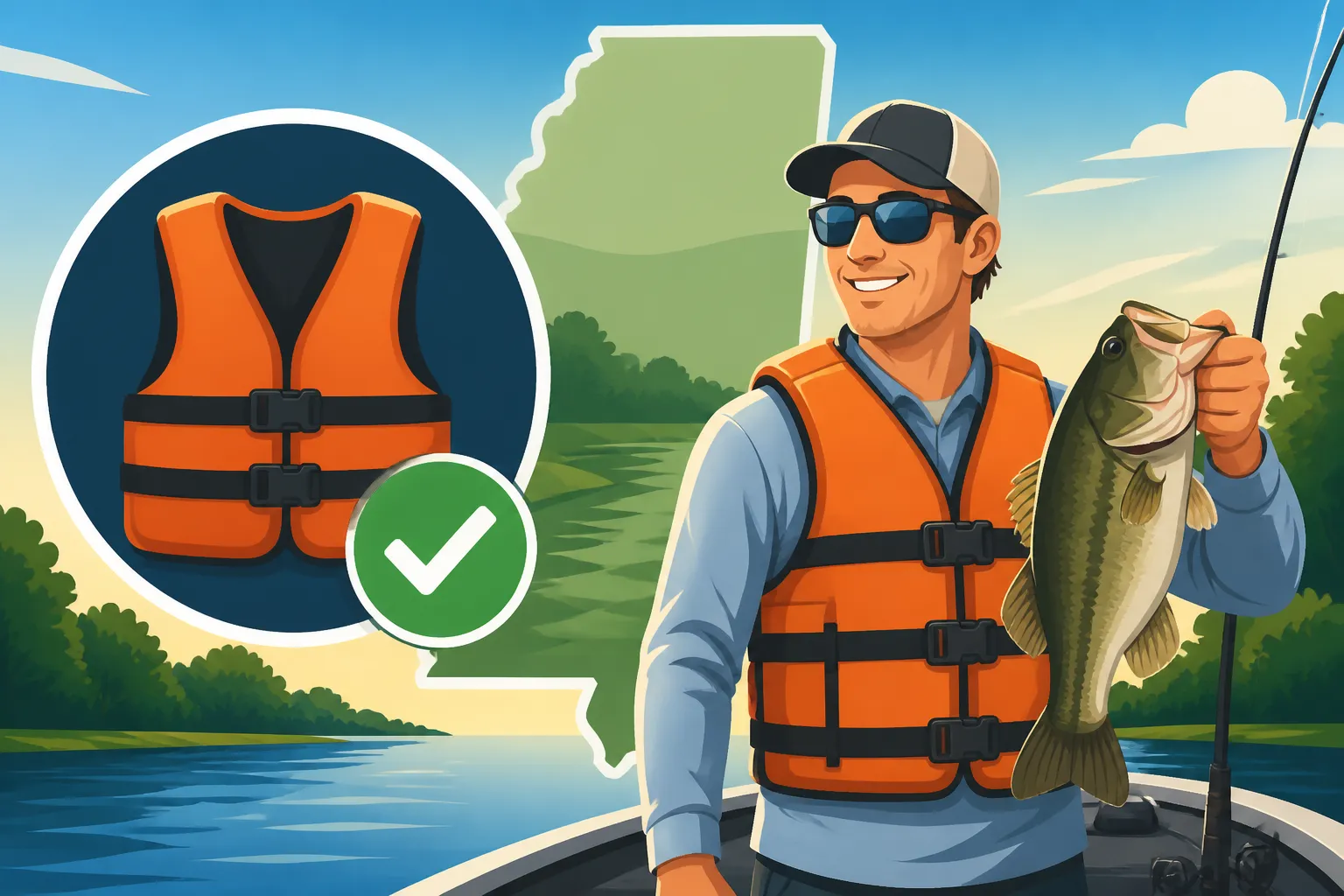
Beyond the mandatory wear rules for children, there are broader requirements for all vessels. Every boat, canoe, kayak, or paddleboard in Mississippi must have at least one wearable, U.S. Coast Guard-approved life jacket for each person on board. This means if you have three people in your boat, you need three life jackets. They must be in serviceable condition, meaning no rips, tears, or excessive sun damage that compromises their effectiveness. They also need to be the correct size for the intended wearer. A child's life jacket won't work for an adult, and vice-versa.
Furthermore, if your vessel is 16 feet or longer (excluding canoes and kayaks), you must also carry one throwable flotation device (Type IV PFD). This could be a ring buoy or a boat cushion, designed to be thrown to someone in the water for them to grab onto. This throwable device must also be readily accessible – not buried under gear or locked away. Think about an emergency: you need to grab that PFD and toss it to someone quickly.
Here's a quick reference table summarizing some key Mississippi life jacket requirements:
| Requirement Category | Details for Anglers in Mississippi |
|---|---|
| Children Under 13 | MUST wear a USCG-approved life jacket at all times while on a vessel that is underway, unless below deck in an enclosed cabin. |
| All Persons | One serviceable, USCG-approved wearable life jacket must be on board for each person. |
| Vessels 16 ft & Over | In addition to wearable PFDs, one USCG-approved throwable device (Type IV) must be on board and readily accessible. |
| Condition | All PFDs must be in good, serviceable condition, free from rips, tears, or significant damage. |
| Accessibility | All required PFDs must be readily accessible, not stowed in locked compartments or under heavy gear. |
| Personal Watercraft (PWC) | All operators and passengers MUST wear a USCG-approved life jacket. |
Failing to adhere to these rules can result in penalties and fines, similar to what you might encounter for other Mississippi Fishing License Penalties and Fines or What Happens If You Fish Without a License in Mississippi?. It’s much easier to be prepared than to deal with a citation.
Picking Your Perfect PFD: Types and Comfort for Mississippi Anglers
The days of bulky, uncomfortable, orange horse-collar life jackets being your only option are long gone. Today, there's a huge variety of life jackets, officially called Personal Flotation Devices (PFDs), designed with specific activities and comfort in mind. For anglers, this means you can actually find a PFD that enhances your fishing experience rather than hindering it. Understanding the different types is key to making an informed choice, especially when you're browsing through options on sites like Amazon or your local tackle shop.
Understanding the USCG PFD Types
The U.S. Coast Guard categorizes PFDs into different "Types" based on their design and buoyancy. While there are five main types (I, II, III, IV, and V), anglers will primarily focus on Type III and sometimes Type V.
- Type I (Offshore PFDs): These offer the most buoyancy and are designed for rough, open, or remote waters where rescue may be delayed. They’re bulky, often bright orange, and will turn most unconscious wearers face-up in the water. Not ideal for fishing due to their size and restriction.
- Type II (Near-Shore Vests): These are good for calmer, inland waters where a quick rescue is likely. They’re less bulky than Type I but may not turn an unconscious person face-up in all situations. Still a bit restrictive for active casting.
- Type III (Flotation Aids): This is the sweet spot for most anglers. Type III PFDs are designed for continuous wear, offering maximum comfort, freedom of movement, and are available in various styles like vests, jackets, and even fishing-specific designs with pockets. They won't guarantee turning an unconscious person face-up, but in Mississippi's inland lakes and coastal bays, they provide ample buoyancy and are perfect for fishing. You'll find a wide array of options, including those with tackle pockets and tool loops, making them incredibly practical.
- Type IV (Throwable Devices): As mentioned, these are cushions or ring buoys meant to be thrown, not worn. Essential for boats 16 feet or longer.
- Type V (Special Use Devices): These are PFDs approved for specific activities, like kayaking, whitewater rafting, or sailing, and often incorporate features unique to those sports. Some inflatable PFDs fall under Type V, provided they are worn as intended.
For fishing, a Type III is almost always the best choice due to its comfort and practicality. You can find excellent fishing vests with built-in flotation on Amazon that offer both safety and convenience.
Comfort and Features for the Dedicated Angler
When you're out there trying to catch largemouth bass or crappie, comfort is paramount. A bulky life jacket can limit your casting motion, make you overheat, and generally detract from the experience. This is why investing in a fishing-specific PFD is a game-changer. Look for features that cater to your angling style:
- Thin-Back Designs: Many fishing PFDs feature a thinner back panel, or even mesh, to prevent bunching up when sitting in a kayak seat or boat chair. This makes a huge difference in comfort for long hours on the water.
- Pockets and Attachment Points: Dedicated fishing PFDs often come with multiple pockets, D-rings, and attachment points for nippers, pliers, small tackle boxes, and even your phone. This can reduce the need for a separate tackle box or bag, keeping your essential tools close at hand.
- Ventilation: Look for PFDs with good ventilation, such as mesh panels, to help keep you cool during Mississippi's hot summers. Companies like Onyx and NRS offer great options designed for breathability.
- Inflatable PFDs: For ultimate freedom of movement, many anglers opt for inflatable PFDs (often Type V). These are compact and only inflate when activated, either manually or automatically upon immersion. They're incredibly comfortable and virtually unnoticeable until needed. However, they require maintenance (checking cartridges) and are generally only approved for adults (16+). Always check the specific USCG approval for inflatable PFDs, as some types require you to wear them at all times to count as carriage requirements. If you're serious about comfort, consider exploring inflatable models on Amazon.
Choosing a PFD that fits well, feels comfortable, and offers useful fishing-specific features will make you much more likely to wear it consistently, turning a "rule" into a habit that truly enhances your safety and enjoyment on the water.
Keeping It Safe: Proper Use, Fit, and Maintenance
Having the right life jacket is only half the battle; knowing how to use it properly, ensuring it fits, and maintaining it are equally crucial. A life jacket that doesn't fit correctly or is in poor condition is practically useless in an emergency. Many anglers overlook these aspects, assuming if it's in the boat, it's good enough. But an emergency is not the time to discover your PFD is faulty or too loose.
The Importance of a Proper Fit
A life jacket needs to fit snugly but comfortably. It shouldn't ride up around your ears when you lift your arms, nor should it feel so tight that it restricts breathing or movement. For children, this is especially critical. A PFD that is too large can slip off, and one that is too small won't provide adequate flotation.
To check the fit:
- Don the PFD: Put it on and fasten all zippers, buckles, and straps.
- Lift and Adjust: Have someone pull up on the shoulder straps. If the PFD slides up past your chin or ears, it’s too loose or too big. Adjust the straps until it fits securely.
- Test in Water (if possible): If you're buying a new type of PFD, especially for a child, a supervised shallow-water test can confirm it performs as expected and gives the wearer confidence.
Remember, a PFD that fits well is a PFD that will be worn. This applies whether you're fishing the expansive waters of Grenada Lake or the tighter confines of a backwater creek.
Regular Inspection and Maintenance
Life jackets, like any other piece of gear, degrade over time. Exposure to sunlight, saltwater, and general wear and tear can compromise their effectiveness. A regular inspection should be part of your routine before any fishing trip, much like checking your Mississippi Fishing Season Dates and Limits or bait supply.
Here's what to look for:
- Rips and Tears: Check the fabric shell for any tears that could compromise the flotation material inside.
- Strap and Buckle Condition: Ensure all straps are intact and adjustable, and all buckles and zippers are working correctly. Broken buckles or frayed straps can render a PFD ineffective.
- Fading and Mildew: While cosmetic, excessive fading can indicate UV damage to the fabric, and mildew can weaken stitching.
- Buoyancy Test: For older PFDs, a simple check can be done by pressing down on them in water to see if they still have good buoyancy. If it feels waterlogged or has lost its firmness, it’s time for a replacement.
Always rinse your PFDs with fresh water after use, especially if fishing in saltwater, and allow them to air dry completely out of direct sunlight before storing. Never use harsh chemicals or machine wash them, as this can damage the flotation material and fabric. Proper storage, typically in a cool, dry place, will extend the life of your PFD. Investing in quality PFDs, perhaps from a reputable brand you found on Amazon, and taking good care of them, ensures they'll be ready when you need them most.
Disclaimer
The information provided in this guide is for general informational purposes only and does not constitute legal advice. While we strive to provide accurate and up-to-date information, fishing regulations in Mississippi can change. Always consult the official Mississippi Department of Wildlife, Fisheries, and Parks (MDWFP) website or directly contact their offices for the most current and authoritative regulations before heading out on the water. Compliance with all federal, state, and local laws is the responsibility of each individual angler.