Ross Barnett Reservoir Fishing Guide
Embarking on a fishing adventure on a large, unfamiliar body of water can feel incredibly daunting. You might stare at maps, scroll through endless forum posts, and still feel lost about where to cast your line, what bait to use, or even what fish you're likely to find. But don't you worry, because this comprehensive guide to fishing Ross Barnett Reservoir is here to demystify "The Rez" and set you up for success.
Understanding Ross Barnett Reservoir: A Deep Dive
Ross Barnett Reservoir, affectionately known by locals as "The Rez," is more than just a massive lake; it's a dynamic ecosystem and a recreational hub for central Mississippi. Spanning approximately 33,000 acres, this colossal impoundment of the Pearl River near Jackson is a true jewel for anglers, offering a diverse array of fishing opportunities. Getting to know its ins and outs is the first step to unlocking its secrets.
Geographical Layout and Key Features
"The Rez" is a long, winding body of water, stretching roughly 20 miles north to south. Its intricate shoreline is a mosaic of different habitats, making it incredibly appealing to various fish species and, consequently, a wide range of fishing styles. You'll encounter everything from expansive, shallow flats perfect for sight fishing to deep river channels that hold big catfish and wintering crappie.
The reservoir's layout is characterized by numerous coves, bays, and feeder creeks, each offering unique structures. For instance, areas like Pelahatchie Bay are well-known for their extensive lily pad fields and submerged timber, providing fantastic cover for largemouth bass. Other sections feature riprap banks, brush piles, humps, and ledges that drop off into deeper water, creating ideal ambush points for predatory fish. The influence of the Pearl River is ever-present, particularly near the northern end and the main dam spillway, creating current flows that can dramatically affect where fish hold and feed. Understanding these subtle current changes is often the difference between a slow day and a banner day.
Species You'll Find Here
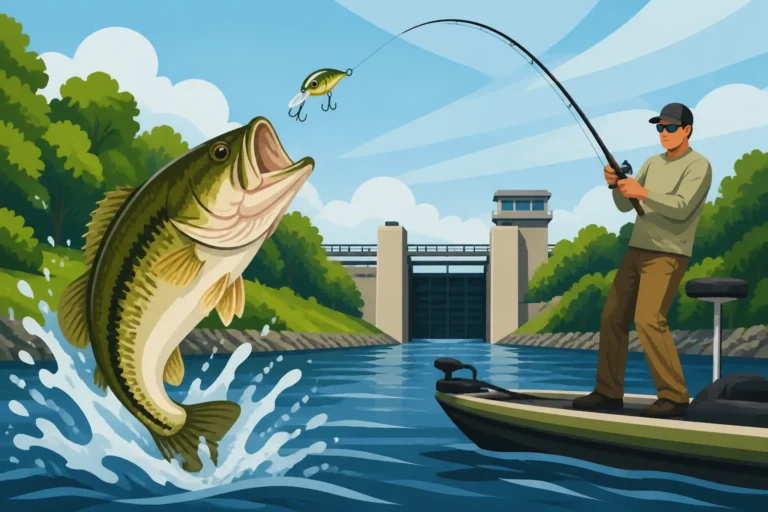
When you drop a line into Ross Barnett Reservoir, you're tapping into a vibrant aquatic community. The reservoir is primarily renowned as a premier largemouth bass fishery. Anglers from all over come seeking its trophy-sized bass, which thrive in the rich, diverse habitat. These fish grow big and strong, offering exhilarating fights and the chance for a personal best. You'll find them lurking in the shallow vegetation, cruising the edges of ledges, or hiding deep within submerged timber.
Beyond bass, crappie fishing is incredibly popular here. Both white and black crappie abound, often schooling around brush piles, standing timber, and creek channels, especially during the cooler months. Many local anglers have secret brush piles that consistently produce limits of slab-sized crappie, making it a favorite for those who enjoy a tasty fish fry. If you're looking to target crappie, "The Rez" offers some fantastic opportunities.
And let's not forget the catfish! Channel, blue, and flathead catfish all call Ross Barnett home. The main river channel and its deeper holes are prime territory for these whiskered giants, providing thrilling battles and excellent table fare. You'll also encounter a healthy population of panfish like bream and bluegill, particularly in the shallower, vegetated areas, making it a fantastic spot for a relaxing afternoon with a bobber and worms. Occasionally, white bass and hybrid stripers are also caught, adding to the reservoir's diverse appeal.
Water Levels and Conditions
One of the most crucial factors to consider when fishing Ross Barnett Reservoir is its ever-changing water levels and conditions. As an impoundment of the Pearl River, the reservoir's levels are directly influenced by rainfall and the management efforts of the Pearl River Valley Water Supply District (PRVWSD). Significant rainfall upstream can lead to rapidly rising water, pushing fish into newly flooded cover and creating new fishing opportunities around submerged vegetation or higher ground. Conversely, periods of drought or controlled releases can lower the water significantly, concentrating fish in main channels, deeper pockets, and along defined drops.
Understanding these fluctuations is key to adapting your fishing strategy. When the water is high, bass might be found far back in the flooded timber or brush, while low water can expose previously submerged structure, making it easier to pinpoint fish locations. Observing the water clarity is equally important. Some areas of the reservoir, particularly near the main lake and larger bays, can be quite clear, especially during stable weather. However, heavy rains can bring muddy runoff, especially in the northern reaches where the river enters, staining the water and requiring different lure colors and presentations. Even strong winds can stir up the shallows, affecting visibility and necessitating adjustments to your approach. Always check the current water conditions before heading out, as they will dictate much of your day's success.
The Best Seasons for Fishing Ross Barnett
Mississippi's distinct seasons each offer unique challenges and rewards for anglers on Ross Barnett Reservoir. Knowing what to expect and how the fish behave throughout the year is crucial for maximizing your catch. From the explosive action of spring to the patient pursuit of winter, "The Rez" has something to offer year-round.
Spring: Spawning Frenzy
Spring on Ross Barnett Reservoir is nothing short of magical for many anglers, especially those targeting bass and crappie. As water temperatures begin their gradual climb in late February and early March, fish start to shake off their winter lethargy and move towards shallower waters. This pre-spawn period sees them feeding aggressively, building up energy for the upcoming spawn. They'll often stage on points, creek channel bends, and submerged humps near their eventual spawning grounds.
By late March through May, the spawn is in full swing. For bass, this means they're on beds, visible in shallow, protected pockets and coves. This is when sight fishing becomes a popular and exhilarating technique, allowing anglers to pinpoint and present baits directly to actively spawning fish. Crappie also move into the shallows, congregating around submerged brush, cypress trees, and lily pad stems to lay their eggs. This can lead to incredible numbers of fish caught in relatively short periods. For more insights into this exciting period, check out our Mississippi Spring Fishing Guide.
During this prime time, lure choices are key. For bass, spinnerbaits, squarebill crankbaits, jigs, and soft plastics like plastic worms and creature baits are highly effective. For crappie, live minnows under a bobber or small, brightly colored jigs are irresistible. After the spawn, fish enter a post-spawn phase, recuperating and moving to slightly deeper cover adjacent to their spawning areas, still feeding actively but perhaps less aggressively.
Summer: Deep Water and Early Mornings
Mississippi summers are hot, and Ross Barnett is no exception. As temperatures soar, many fish species, particularly bass and crappie, will seek refuge in deeper, cooler waters where oxygen levels are more stable. This doesn't mean the fishing shuts down, but it does require a shift in strategy. The most productive times often become the early mornings and late evenings, or even night fishing, when the surface temperatures drop, and fish feel more comfortable moving shallow to feed.
During the scorching midday, focus your efforts on main lake points, ledges, submerged creek channels, deep brush piles, and humps that offer access to deeper water. Electronic fish finders become indispensable tools for locating schools of fish congregated around these structures. Crappie will suspend over deep brush or along river channel breaks, while bass often position themselves on ledges or around cover in 15-30 feet of water. For a detailed breakdown on prime times, consult our Best Time of Year to Fish Ross Barnett Reservoir guide.
Effective summer techniques include deep cranking with large-lipped crankbaits that dive to considerable depths, slow-rolling Carolina rigs along bottom contours, and using drop shot rigs for finesse presentations to suspended bass. For crappie, spider rigging with multiple poles, slow trolling, or vertical jigging over identified cover are highly productive. Night fishing with lights is a popular and very effective method for targeting catfish and crappie during the summer, as cooler temperatures bring them out to feed. Always prioritize hydration and sun protection during these long, hot days on the water.
Fall: Feeding Frenzy Before Winter
As the oppressive summer heat begins to recede and water temperatures gradually cool, Ross Barnett Reservoir comes alive with a renewed vigor in the fall. This is a transition period marked by fish becoming incredibly active, instinctively feeding heavily to build up reserves for the upcoming winter months. It’s often considered one of the most enjoyable seasons for fishing due to the comfortable weather and aggressive bites.
A key phenomenon in the fall is the "shad run." Baitfish, primarily gizzard and threadfin shad, begin to school up in massive numbers, moving out of the creeks and into the main lake. This creates a veritable buffet for predatory species. Bass and crappie will follow these schools, gorging themselves, and often creating exciting surface boils as they push baitfish against the surface. Focus on main lake humps, points, and creek channels where bait concentrations are highest.
Lures that mimic baitfish are exceptionally effective during the fall. Topwater lures can draw explosive strikes in the mornings and evenings, while spinnerbaits, chatterbaits, and various crankbaits (both lipless and diving) are excellent choices for covering water and triggering reaction bites. For crappie, small jigs and minnows fished around brush piles and standing timber, especially near creek mouths where baitfish are congregating, can yield impressive results. This season is often a favorite for many anglers who appreciate the combination of aggressive fishing action and the beautiful, cooler Mississippi weather.
Winter: Slow and Steady
Winter fishing on Ross Barnett Reservoir demands patience, precision, and a willingness to brave the colder temperatures. While the action slows down considerably compared to other seasons, it can still be incredibly rewarding, especially for those targeting larger, solitary fish. Fish become lethargic and conserve energy, meaning they don't chase baits aggressively. Instead, they tend to congregate in deep, stable areas where water temperatures are more consistent.
During the coldest months, look for fish concentrated in the main river channels, deep pockets, and areas with dense submerged timber. These stable environments offer shelter and slightly warmer water. Crappie will often suspend in tight schools over deep brush piles or along channel breaks, while bass will relate closely to deep structure like ledges or humps. For a full scope of year-round opportunities, consult our guide to Mississippi Fishing Season Dates and Limits.
Successful winter techniques require slow, deliberate presentations. Vertical jigging small spoons or jigs directly over fish marked on your electronics is highly effective. Suspending jerkbaits worked with long pauses can entice reluctant bass. For crappie, slow trolling or tight-lining minnows and small jigs directly into schools are proven methods. Electronics are absolutely essential in winter, as finding the fish is half the battle. While the bites may be fewer, the fish caught often tend to be larger and healthier, making the effort well worth it. The peaceful solitude of the reservoir during winter, with far less boat traffic, can also be a truly serene experience.
Top Fishing Spots and Access Points on the Reservoir
Navigating Ross Barnett Reservoir, with its sprawling waters and numerous nooks and crannies, can be an adventure in itself. Knowing where to launch your boat, where to fish from the bank, and even where to look for those less-frequented honey holes is key to a successful outing.
Popular Boat Launches and Marinas
For those with a boat, Ross Barnett Reservoir offers a variety of well-maintained public boat launches and private marinas, providing easy access to different sections of the lake. Each launch has its own advantages, depending on where you plan to fish and what amenities you require. Popular public ramps include Fannin Landing, Pelahatchie Bay, and the Ratliff Ferry launch, all offering ample parking and concrete ramps suitable for most boat types. For a comprehensive list and details, our Ross Barnett Reservoir Boat Ramp Locations guide is an excellent resource.
Main Harbor, located on the western side of the reservoir in Ridgeland, is arguably the most popular and comprehensive access point. It boasts multiple ramps, extensive parking, and a full-service marina that often includes fuel, a bait shop, and even a restaurant. From Main Harbor, you have relatively quick access to both the main lake body and numerous productive coves and channels. Before heading out, it's always wise to check the current water levels, as some ramps, particularly those less developed, can become difficult to use during extreme low water conditions. Launching from a reputable marina ensures you have support if any issues arise.
Excellent Bank Fishing Locations
You don't need a boat to enjoy fantastic fishing on Ross Barnett Reservoir. There are several highly productive bank fishing locations that cater to anglers looking for a more accessible experience. Perhaps the most famous and consistently productive spot is the spillway area below the main dam. This area is a magnet for various species, especially during periods of current flow. Catfish, white bass, and even some large stripers are frequently caught here, making it a bustling and exciting spot, particularly on weekends.
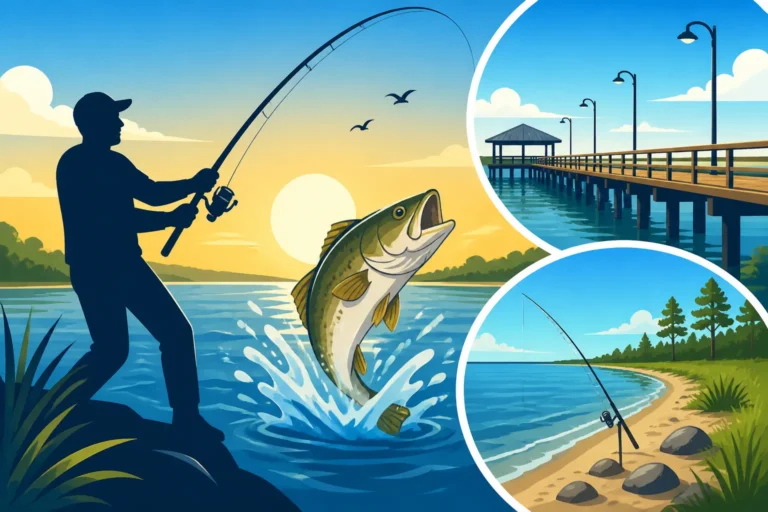
Beyond the spillway, many municipal parks and public access points along the reservoir offer excellent bank fishing opportunities. These often feature fishing piers or cleared bank areas, making them ideal for families or those with limited mobility. Sections of the Natchez Trace Parkway that run adjacent to the reservoir also provide convenient pull-offs and easy bank access in certain spots, perfect for targeting panfish and smaller bass in calmer waters.
When bank fishing, always pay attention to local signage, respect private property boundaries, and be mindful of your surroundings. While you might not have the mobility of a boat, strategic positioning and careful observation can lead to just as many exciting catches from the shore.
Hidden Gems and Productive Coves
The sheer size of Ross Barnett Reservoir means there are countless hidden gems and productive coves waiting to be discovered away from the main boat traffic. These quieter, often shallower areas can be fantastic for targeting bass and crappie, especially if you're willing to explore a bit. Look for backwater sections with extensive standing timber—these submerged forests provide incredible cover and forage for fish and are often overlooked by casual anglers.
Pelahatchie Bay, while not entirely "hidden," contains numerous secluded pockets and coves within its larger expanse that are absolute crappie and bass factories. Areas with dense lily pad fields, cypress trees, and submerged brush are prime targets. These spots offer a sense of solitude and the chance to fish undisturbed. Another strategy is to look for the mouths of feeder creeks, particularly after a rain shower. The influx of fresh water often draws baitfish, and in turn, predatory game fish will move in to feed on them. Finding these less-pressured areas often requires careful study of a detailed map, perhaps a bit of trial and error, or tapping into the knowledge of local anglers or guides. The reward for this exploration can be an unforgettable day on the water, with plenty of fish and peaceful surroundings.
Effective Techniques and Baits for Ross Barnett Reservoir
Success on Ross Barnett Reservoir hinges on understanding the specific behaviors of its target species and employing the right techniques and baits for the prevailing conditions. What works for bass in the spring might be entirely ineffective for crappie in the summer. Let's break down some of the most productive strategies for the reservoir's most sought-after fish.
Bass Fishing Strategies
Largemouth bass are the undisputed kings of Ross Barnett, and anglers employ a vast arsenal of techniques to entice them. In the spring, when bass are shallow, pitching jigs, Texas-rigged plastic worms, or creature baits into heavy cover like lily pads, submerged brush, or cypress trees is highly effective. As the water warms, crankbaits become deadly for covering water and targeting bass staging on points and ledges. For more in-depth strategies, refer to our guide on Bass Fishing Techniques for Mississippi Anglers.
During the warmer summer months, bass often retreat to deeper structures. This calls for tactics like Carolina rigging plastic lizards or worms along main lake points and ledges, or using deep-diving crankbaits to probe creek channels. Drop-shot rigs are excellent for finesse presentations to suspended bass. Don't overlook topwater action during low light conditions in the summer and fall, as bass will aggressively strike frogs over matted vegetation or poppers and walking baits in open water. Popular bait brands that consistently produce on Ross Barnett include Zoom, Senko, Strike King, Bandit, and Bomber, offering a wide range of colors and actions to match local forage and water clarity.
Crappie Fishing Tactics
Crappie are another major draw, and Ross Barnett is known for its slab-sized fish. The most consistent crappie baits are undoubtedly live minnows and small jigs. When fish are shallow, particularly during the spring spawn, a simple bobber and minnow rig fished around brush piles, stumps, or cypress trees can fill your livewell quickly. For more advanced tactics, our Crappie Fishing Techniques for Mississippi Lakes guide provides a wealth of information.
As crappie move deeper in summer and winter, tactics shift. Spider rigging, which involves deploying multiple long poles out from the boat with minnows or jigs at varying depths, allows you to cover a wide area and pinpoint schools. Slow trolling with jigs or minnows is also highly effective for suspended fish in open water or along channel breaks. Vertical jigging directly over brush piles or standing timber, using your fish finder to mark fish, is a precise method that often produces. Popular jig colors include chartreuse, black and chartreuse, white, and various glitter combinations, with bait choice often dictated by water clarity—brighter colors in stained water, more natural hues in clear. Many anglers swear by Bobby Garland, Crappie Magnet, and Strike King jigs for consistent success.
Catfish and Other Species Techniques
Ross Barnett Reservoir offers excellent catfishing, with channel, blue, and flathead catfish all present. For channel catfish, simple bottom fishing rigs with chicken livers, stink baits, nightcrawlers, or cut bait are highly effective, especially when fished in river channels, deeper holes, or along creek mouths. You can learn more about general catfishing approaches in our Catfish Fishing Techniques article.
Larger blue catfish and flathead catfish often require more robust tackle and larger baits. Cut bait from shad or carp is excellent for blues, while live bream or shad are irresistible to flatheads. Target deep logjams, main river channel bends with current, and undercut banks. For flatheads, patience is key, as they are solitary ambush predators.
For panfish like bream and bluegill, a simple approach is best. Crickets, redworms, or small pieces of a nightcrawler fished under a bobber in shallow, vegetated areas, particularly near docks, lily pads, or cypress trees, will almost always yield results. For white bass and hybrid stripers, look for schooling activity, especially during the fall. Casting chrome spoons, lipless crankbaits, or small jigs into these feeding frenzies can result in fast and furious action. Always remember to match your tackle to your target species to ensure a successful and enjoyable fight.
Essential Gear and Local Regulations
Before you even think about casting a line, it's crucial to ensure you're properly equipped and, more importantly, fully compliant with Mississippi's fishing laws. Being prepared not only enhances your fishing experience but also keeps you on the right side of regulations.
Recommended Rods, Reels, and Line
Having the right tackle can make a significant difference in your success and enjoyment on Ross Barnett. For targeting largemouth bass, a medium-heavy to heavy action casting rod, typically between 6'6" and 7'6" in length, paired with a reliable baitcasting reel, is ideal. This setup provides the power needed to set hooks effectively and pull big bass out of heavy cover. Line choice varies: 12-20 lb fluorocarbon or monofilament is common, while braided line (30-50 lb) with a fluorocarbon leader is popular for its sensitivity and strength in dense vegetation.
For crappie fishing, lighter tackle is the way to go. Ultralight to light action spinning rods, ranging from 5' to 7', coupled with small, sensitive spinning reels, are perfect for detecting subtle bites. Spool these with 4-6 lb monofilament or a thin braided line for maximum sensitivity. Many crappie anglers also utilize specialized spider rigging poles, which are much longer (10-16 feet) and designed to spread multiple lines away from the boat.
When chasing catfish, you'll need stout gear. Medium-heavy to heavy action rods, often 7 feet or longer, paired with durable spinning or baitcasting reels capable of handling larger fish, are essential. Load them with 20-50 lb monofilament or braided line, depending on the size of catfish you're targeting and the amount of snags in the area. Remember, bigger blue and flathead catfish can exert immense pressure, so don't skimp on your equipment.
Understanding License Requirements and Creel Limits
This is absolutely non-negotiable: anyone aged 16 through 64 planning to fish in Ross Barnett Reservoir must possess a valid Mississippi fishing license. There are different options available, including resident and non-resident licenses, annual passes, and shorter-term options for visitors. Failing to have a current license can result in significant fines and penalties, quickly turning an enjoyable day into a costly one. For a complete understanding of what you need, make sure to read our comprehensive Mississippi Fishing License Guide.
Beyond the license, it is imperative to be aware of the specific regulations for Ross Barnett Reservoir regarding daily creel limits and size limits for various species. While general statewide rules apply, some lakes, including "The Rez," may have special regulations for bass, crappie, or catfish that differ. For example, there might be specific slot limits for bass or reduced daily limits for crappie to help manage the fishery. It's not enough to know the general state rules; always check the latest Mississippi Department of Wildlife, Fisheries, and Parks (MDWFP) regulations booklet or their official website before each trip. This ensures you are compliant and helps protect the fishery for future generations. Our Mississippi Fishing Regulations Explained and Mississippi Freshwater Fishing Rules articles offer deeper dives into the state's rules.
Safety Considerations on the Water
Safety should always be your top priority when enjoying the waters of Ross Barnett Reservoir. Regardless of your experience level, ensuring the well-being of yourself and your passengers is paramount. Always ensure you have enough U.S. Coast Guard-approved life jackets (Personal Flotation Devices or PFDs) for everyone on board, and ensure children wear theirs at all times when the boat is underway. Mississippi law mandates that all vessels carry one wearable PFD for each person, and children 12 years of age and under must wear a PFD when underway on any vessel.
Mississippi weather can be notoriously unpredictable, with sudden thunderstorms capable of developing rapidly, especially during spring and summer. Always check the weather forecast before heading out, and be prepared to seek shelter if conditions deteriorate. Knowing your boat's capabilities in rough water is also vital.
Finally, Ross Barnett, like many large impoundments, has its share of submerged hazards, including stumps and shallow areas. Navigating with caution, especially in unfamiliar territory or at night, is crucial. Utilize GPS and up-to-date mapping software if available. It's also wise to carry a basic first-aid kit, a fully charged cell phone, a whistle or horn, and a fire extinguisher on board. These simple precautions can make a world of difference in an emergency.
Planning Your Trip: Accommodations and Guides
A successful fishing trip to Ross Barnett Reservoir often involves more than just showing up with a rod and reel. Thoughtful planning, from where you'll stay to whether you'll hire a guide, can significantly enhance your experience and increase your chances of reeling in some fantastic catches.
Nearby Lodging and Camping Options
Whether you're planning a quick weekend getaway or a longer fishing vacation, Ross Barnett Reservoir is surrounded by a variety of lodging options to suit every preference and budget. The nearby cities of Ridgeland and Flowood offer everything from budget-friendly motels to more upscale hotels, many of which are just a short drive from the reservoir's main access points. These towns also provide a plethora of dining options and convenience stores, ensuring you have all the amenities you need close at hand.
For those who prefer a more immersive outdoor experience, Ross Barnett Reservoir boasts excellent camping facilities. The Pearl River Valley Water Supply District (PRVWSD) manages several well-maintained campgrounds directly on the reservoir, offering both RV and tent sites. Popular options include Pelican Point, Coal Bluff, and Goshen Springs. These campgrounds often feature amenities such as electrical and water hookups, bathhouses, picnic areas, and even their own boat ramps, allowing you to launch directly from your campsite. Waking up to the sounds of nature and being just steps away from the water is an unbeatable experience for many anglers.
Hiring a Professional Fishing Guide
For first-time visitors to Ross Barnett Reservoir, or even experienced anglers looking to quickly learn the ropes and find the hottest bites, hiring a professional fishing guide can be an invaluable investment. A skilled local guide knows the reservoir like the back of their hand, possesses intimate knowledge of fish patterns, prime locations, and the most effective techniques for the current conditions. They can save you countless hours of searching and frustration, putting you directly on the fish.
Finding a reputable guide is easier than ever. You can often get recommendations from local bait shops, word-of-mouth from other anglers, or by checking online platforms. A great resource for this is FishingBooker, which allows you to browse local guides on Ross Barnett Reservoir, compare their prices and specialties, read reviews from other clients, and book your trip directly. Many guides provide all the necessary tackle, bait, and safety equipment, and some might even assist with understanding your Mississippi Fishing License Guide requirements, ensuring a hassle-free day. When booking, always ask what's included in the trip, confirm what you should bring (e.g., snacks, drinks, sunscreen), and remember that tipping your guide for a job well done is customary, often around 15-20% of the trip cost. For more on what to expect, consider our guide on Mississippi Fishing Charter Prices.
Local Bait Shops and Supplies
No fishing trip to Ross Barnett Reservoir is complete without a stop at a local bait shop. These aren't just places to pick up supplies; they are often community hubs and invaluable sources of real-time local intelligence. You'll find several excellent bait shops in the towns surrounding the reservoir, such as Ridgeland and Flowood.
These shops typically stock a comprehensive selection of live bait, including fresh minnows (crucial for crappie), crickets (a bream magnet), and various worms. They also carry an array of packaged baits, from catfish stink baits to local favorites for bass and crappie. Beyond bait, you can usually find essential tackle, terminal gear, and sometimes even local handmade lures designed specifically for Ross Barnett's conditions.
But the real treasure often lies in the advice freely offered by the folks behind the counter. Don't be shy about asking them what's biting, where, and what specific baits or techniques have been working lately. They hear reports daily from anglers just like you and can provide the freshest insights into current water conditions, fish patterns, and even a few tips for navigating the reservoir. Think of them as your first point of contact for local knowledge that can significantly improve your chances of a successful day on the water.
| Species | Best Season | Recommended Baits | Key Locations |
|---|---|---|---|
| Largemouth Bass | Spring, Fall, Early Summer | Plastic Worms, Jigs, Crankbaits, Spinnerbaits, Topwaters | Lily Pads, Standing Timber, Ledges, Points, Creek Mouths |
| Crappie | Spring, Winter, Fall | Live Minnows, Small Jigs (Chartreuse, White) | Brush Piles, Submerged Timber, Creek Channels, Docks |
| Catfish | Summer, Fall (Night) | Chicken Livers, Stink Baits, Cut Bait, Live Bait | River Channels, Deep Holes, Logjams, Spillway |
| Bream/Bluegill | Spring, Summer | Crickets, Worms, Small Jigs | Shallow Vegetation, Docks, Cypress Trees |
| White Bass/Hybrids | Fall, Spring | Spoons, Lipless Crankbaits, Small Jigs | Schooling Areas, Dam Spillway, Main Lake Humps |
Disclaimer
The information provided in this guide is for general informational purposes only and is subject to change. Fishing regulations, conditions, and fish populations can vary. Always consult the latest regulations from the Mississippi Department of Wildlife, Fisheries, and Parks (MDWFP) and check local conditions before your trip. Fishing inherently carries risks, and safety precautions should always be observed.