Tennessee-Tombigbee Waterway Fishing Guide
It’s easy to feel a little lost when planning a fishing trip in Mississippi, especially when you're looking for a destination that offers variety beyond the big, well-known reservoirs. Many anglers seek out places with unique charm and abundant fish, but often struggle to find comprehensive information on less-traveled gems. This guide is designed to cut through that confusion, offering a deep dive into the fantastic fishing opportunities awaiting you on the Tennessee-Tombigbee Waterway.
Discovering the Tennessee-Tombigbee Waterway for Anglers
The Tennessee-Tombigbee Waterway, affectionately known as the "Tenn-Tom," is much more than a navigation channel; it's an incredible fishing destination in its own right. This impressive system connects the Tennessee River with the Tombigbee River and, ultimately, the Gulf of Mexico, creating a diverse aquatic environment that supports a staggering array of fish species. If you haven't explored the Tenn-Tom for fishing yet, you're truly missing out on a unique blend of riverine and reservoir-style angling.
What Makes the Tenn-Tom Unique for Fishing?
What truly sets the Tenn-Tom apart is its incredible diversity. You're not just fishing a single lake or a solitary river stretch; you're exploring a complex network of man-made lakes, river segments, and connecting canals. This creates a mosaic of habitats, from deep, clear lake impoundments to shallow, current-driven river sections, and even expansive backwater areas filled with cypress trees and submerged timber. This variety means that no matter your preferred species or fishing style, you can likely find a productive spot somewhere along its expansive length.
The historical significance of the Tenn-Tom also adds to its allure. Completed in 1984, it was a massive engineering undertaking, transforming the landscape and creating new fishing grounds. Anglers here benefit from both the natural flow of the Tombigbee River system and the stable water levels and diverse structures introduced by the canal and locks. It's a place where you can switch from targeting largemouth bass in a calm lake to drifting for catfish in a flowing river channel, all within a relatively short distance, offering a dynamic experience you won't find everywhere.
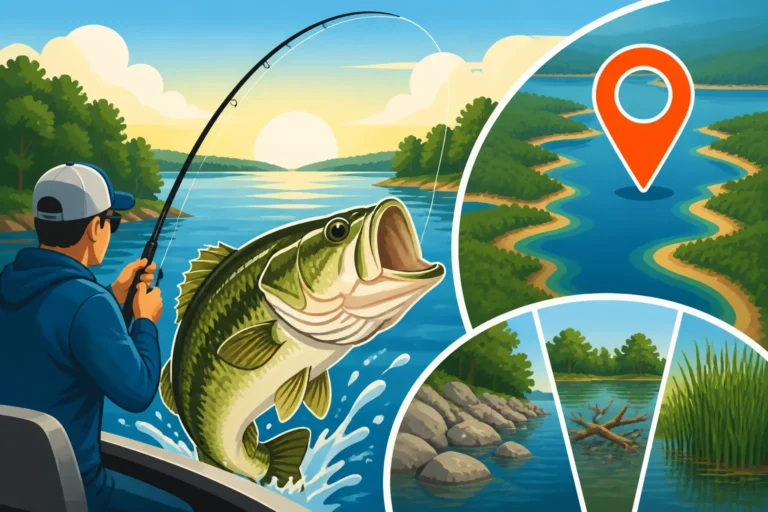
One of the often-understated benefits of fishing the Tenn-Tom is the sheer amount of cover and structure available. From rip-rap banks along the canals and standing timber in flood-prone areas to old creek channels winding through the lakes, fish have countless places to hide, feed, and spawn. This abundant structure means that fish populations tend to be healthy and robust, providing consistent action for those who know how to read the water. Plus, with various locks and dams separating segments, each pool often develops its own distinct character and fishing patterns, keeping things interesting for seasoned and novice anglers alike.
Key Sections and Major Impoundments
The Tenn-Tom Waterway spans over 234 miles, encompassing ten locks and dams that create a series of distinct pools and lakes. While the entire waterway offers fishing potential, several major impoundments and river sections are particularly renowned among anglers. Knowing these key areas can significantly help in planning your trip and targeting specific species.
Starting from the northern end in Mississippi, you'll encounter Bay Springs Lake, a deep, clear reservoir known for its excellent smallmouth and spotted bass fishing. Further south, the waterway transitions into riverine sections that eventually expand into larger pools like Columbus Lake and Aberdeen Lake. Bay Springs Lake Fishing Guide provides a much deeper look into one of these prime spots. These larger, more traditional reservoirs offer classic Southern fishing, with expansive flats, submerged humps, and plenty of cover.
As you continue downstream, the waterway includes the river sections of the Tombigbee, leading into pools like Aliceville Lake near the Alabama border. While technically shared with Alabama, the fishing principles and species remain consistent with the Mississippi stretches. Each of these impoundments, whether it’s a sprawling lake like Columbus or a more river-influenced pool, has its own unique characteristics regarding depth, water clarity, and predominant structures. Checking out a Columbus Lake Fishing Guide can give you a concentrated look at another fantastic Tenn-Tom opportunity, highlighting why understanding these distinct sections is crucial for a successful outing.
Prime Fishing Species and Their Habitats
The Tennessee-Tombigbee Waterway is a true angler's paradise, boasting a rich diversity of freshwater species. Whether you prefer the aggressive strike of a bass, the steady pull of a crappie, or the powerful fight of a catfish, the Tenn-Tom has something to offer. Understanding where these fish congregate and what their habits are will be your key to success on these waters.
Chasing Largemouth Bass and Spotted Bass
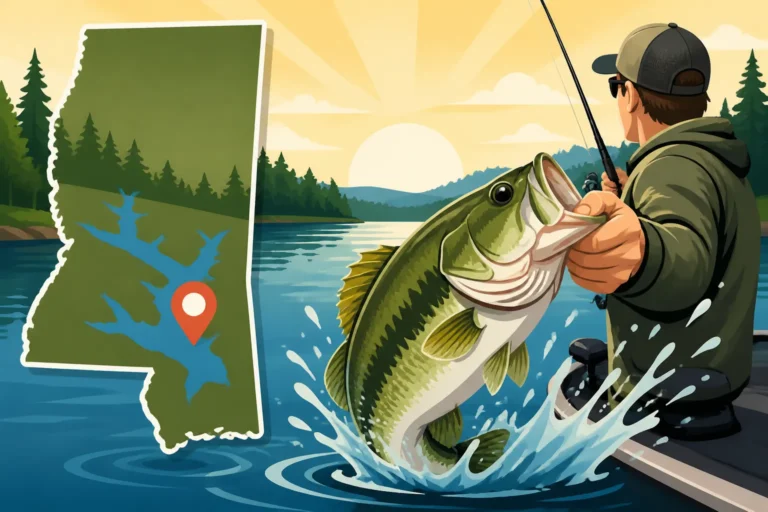
When it comes to bass fishing, the Tenn-Tom Waterway truly shines, offering both largemouth and spotted bass in abundance. Largemouth bass are typically found in the shallower, vegetation-rich areas, particularly in the sprawling coves and backwaters of the larger impoundments like Bay Springs Lake and Columbus Lake. They love to hide around submerged timber, lily pads, and brush piles, ambushing unsuspecting prey. Think about throwing spinnerbaits, crankbaits, or soft plastics into these areas, especially during the spring spawn when they move to beds in shallow protected pockets.
Spotted bass, on the other hand, often prefer the deeper, clearer water, and the more current-driven sections of the waterway. You'll find them holding near rip-rap banks, rocky points, and along drop-offs in the main river channel. Their aggressive nature makes them a blast to catch, and they're often willing to hit smaller crankbaits, jigs, and shaky head worms. Fishing these structures, especially where there's a good current break, can be incredibly productive for spots. Knowing the difference in their preferred habitats is crucial, and our Largemouth Bass Fishing in Mississippi guide offers even more insights into these exciting game fish.
Remember that bass fishing on the Tenn-Tom, like much of Mississippi, is heavily influenced by seasonal patterns. Spring sees them moving shallow for spawning, while summer often pushes them deeper to cooler, oxygen-rich waters or into shaded cover. Fall brings a feeding frenzy as they chase baitfish, and winter requires slower presentations in deeper holes. Always keep an eye on water temperature and clarity, as these factors play a huge role in bass behavior. Don't forget to check the Mississippi Black Bass Regulations before you head out, as limits and sizes can vary.
Crappie Hotspots and Seasonal Patterns
For many Mississippi anglers, crappie fishing is a year-round passion, and the Tenn-Tom Waterway delivers in spades. Both white and black crappie thrive in these waters, offering fantastic opportunities for anglers targeting these delicious panfish. During the spring, crappie move into shallow water to spawn, often congregating around submerged brush, fallen trees, and shallow timber in coves and protected bays. This is prime time for jigging with small plastics or fishing with live minnows under a bobber.
As the weather heats up in summer, crappie retreat to deeper, cooler water. Look for them suspending over old creek channels, around deep bridge pilings, or near artificial brush piles planted by local anglers. Trolling with multiple jigs at different depths, or spider rigging with live minnows, can be incredibly effective during these months. They’ll often school up in significant numbers, so once you find a slab, you can expect to find more. Our comprehensive Crappie Fishing in Mississippi guide provides even more detail on specific techniques and baits that work well here.
Fall sees crappie actively feeding, often moving shallower to chase baitfish, making them accessible to a variety of techniques. In winter, they'll typically hold in deeper holes and channels, often near the main river. Vertical jigging or slow-trolling can still be productive, though patience is key. The Tenn-Tom offers numerous crappie hotspots, particularly in the impoundments of Bay Springs, Columbus, and Aberdeen, which are famous for their consistent crappie populations. Always consult the Mississippi Crappie Regulations by Lake to ensure you're fishing legally.
Catfish Abundance: Channel, Blue, and Flathead
If you're looking for a strong fight and a delicious meal, the Tenn-Tom Waterway is a prime destination for catfish. This system is home to all three major species: channel, blue, and flathead catfish, each offering a distinct challenge and often found in different habitats. Channel catfish are perhaps the most common and widespread, inhabiting nearly every part of the waterway from the deeper pools to the flowing river sections. They're opportunistic feeders and can be caught using a wide variety of baits.
Blue catfish are known for their immense size and can be found in the deeper, swifter currents of the main river channel and below the locks and dams. These powerful fish love cut bait, whole shad, or other large dead baits presented on the bottom. Flathead catfish, the ambush predators of the catfishing world, prefer living in areas with heavy cover, like logjams, submerged trees, and rock piles, particularly in the flowing sections. They are often caught on live bait such as bream, sunfish, or large shiners, proving they are true hunters.
Night fishing is often incredibly productive for all species of catfish on the Tenn-Tom. As temperatures drop and boat traffic lessens, catfish become more active, moving into shallower areas to feed. Setting up trotlines or jug lines can be a highly effective way to target them in the deeper channels and backwater areas, but always be sure to check the Mississippi Fishing Regulations Explained for specific rules on these methods. Whether you're drift fishing in the main channel or setting baits in a quiet backwater, the sheer abundance of catfish on the Tenn-Tom makes it a must-visit for any catfishing enthusiast. For more specialized methods, our Catfish Fishing Techniques offers some excellent tips.
Essential Techniques and Gear for Tenn-Tom Success
Successfully navigating the diverse waters of the Tennessee-Tombigbee Waterway means adapting your techniques and bringing the right gear for the job. Because the Tenn-Tom offers everything from wide-open lake fishing to tighter riverine stretches, a versatile approach is often best. Let's break down some of the most effective strategies and the tackle you'll want to have on hand.
Freshwater Fishing Techniques Tailored for the Waterway
Given the Tenn-Tom's varied environment, a range of freshwater fishing techniques can be highly effective. For bass, methods like flipping and pitching jigs or soft plastics into heavy cover (like the abundant submerged timber or cypress knees) are often deadly. Crankbaits and spinnerbaits excel when bass are chasing baitfish in open water or along rip-rap banks. When the bite is tough, slowing down with a Texas rig or Carolina rig can tempt finicky fish. Understanding where different species prefer to hold is key; for example, bass will often stage on deeper ledges during hot summer months, requiring different presentations.
Crappie anglers will find success with single pole jigging around brush piles, especially during cooler months or when fish are concentrated. Spider rigging, where multiple rods are spread out to cover a wider area and different depths, is incredibly popular and effective on the larger impoundments like Columbus Lake. Trolling small crankbaits or jigs can also locate scattered schools of crappie. For catfish, bottom fishing with a Carolina rig or a three-way swivel rig is standard. Drifting cut bait in the main channel is fantastic for blue cats, while setting live bait near heavy cover works wonders for flatheads.
One thing to always consider on the Tenn-Tom is the influence of current. Even in the more lake-like sections, current can be present, especially below locks or during heavy water releases. Fish will often position themselves just out of the main flow, in current seams or behind structure, making these prime targets. Adjusting your weight to maintain bottom contact or to keep your lure in the strike zone for longer can make a huge difference. Don't be afraid to experiment with retrieve speeds and lure colors, as conditions can change rapidly on a dynamic waterway like this.
Recommended Rods, Reels, and Baits
When it comes to gear for the Tenn-Tom, versatility is your friend. For bass fishing, a medium-heavy baitcasting setup (7' to 7'6") with 15-20 lb fluorocarbon or braided line is a solid all-around choice, capable of handling various lures and pulling fish out of cover. A spinning rod (6'6" to 7', medium action) with 8-12 lb monofilament or fluorocarbon is great for lighter presentations like shaky heads or drop shots, especially for spotted bass in clearer water. Quality brands like Shimano, Daiwa, and Abu Garcia offer reliable options that stand up to the rigors of frequent use.
For crappie, a 6-foot to 8-foot light or ultralight spinning rod is ideal, paired with a small reel spooled with 4-6 lb monofilament or braid. If you're spider rigging, longer rods (10-16 feet) are necessary to spread out your lines. The most common baits are small jigs (1/16 oz to 1/8 oz) in various colors (chartreuse, black/chartreuse, white) and live minnows. When targeting catfish, heavy-duty baitcasting setups or large spinning reels spooled with 30-80 lb braided or monofilament line are essential. Rods should be stout, ranging from 7 to 10 feet, capable of handling heavy weights and powerful fish.
Bait selection for catfish is crucial: cut bait (shad, skipjack herring), chicken livers, and stink baits are excellent for channel and blue cats, while live sunfish or shiners are the go-to for flatheads. Always bring an assortment of tackle, including various hooks (circle hooks are great for catfish), weights, and swivels. Also, don't forget the essentials like pliers, line cutters, and a net, especially if you're targeting those trophy-sized catfish. Considering the wide array of fishing on the Tenn-Tom, you might also want to consult our guide on Choosing the Right Rod and Reel for Mississippi Fishing to help tailor your specific setup.
Navigating Regulations and Access Points
Before you cast a line on the Tennessee-Tombigbee Waterway, it's absolutely crucial to understand the rules and where you can actually get on the water. Fishing regulations are designed to protect fish populations and ensure fair sport for everyone, and having the right license is non-negotiable. Knowing the access points will save you precious fishing time and prevent any unnecessary headaches.
Understanding Mississippi Fishing Licenses and Rules
To fish anywhere in Mississippi, including the Tenn-Tom Waterway, you must possess a valid Mississippi fishing license if you are between the ages of 16 and 65. There are various options available, from annual resident and non-resident licenses to shorter-term permits, which can be particularly convenient for visitors. The Mississippi Department of Wildlife, Fisheries, and Parks (MDWFP) is the governing body, and their regulations cover everything from creel limits and size restrictions for different species to permissible fishing methods. Our comprehensive Mississippi Fishing Regulations Explained guide can help clarify many of these rules.
It's important to remember that while the Tenn-Tom is a contiguous system, specific regulations for certain lakes within it, such as Columbus Lake Fishing Guide or Bay Springs Lake Fishing Guide, might have slight variations, particularly concerning crappie or bass. Always check the current MDWFP fishing guide or their website for the most up-to-date information before your trip. Violating these regulations can result in fines and penalties, which nobody wants when they're out enjoying the water. It’s also wise to carry a physical or digital copy of your license and a form of identification whenever you’re fishing.
Beyond just the license, pay close attention to the general Mississippi Freshwater Fishing Rules. These cover basic conduct, restrictions on certain types of gear (like trotlines or jug lines and how they must be marked), and general conservation practices. For example, rules might dictate how many rods you can actively fish at once or specify whether certain non-game fish can be harvested. Being a responsible angler means not only catching fish but also understanding and respecting the environment and the laws put in place to protect it for future generations.
Public Access, Boat Ramps, and Marinas
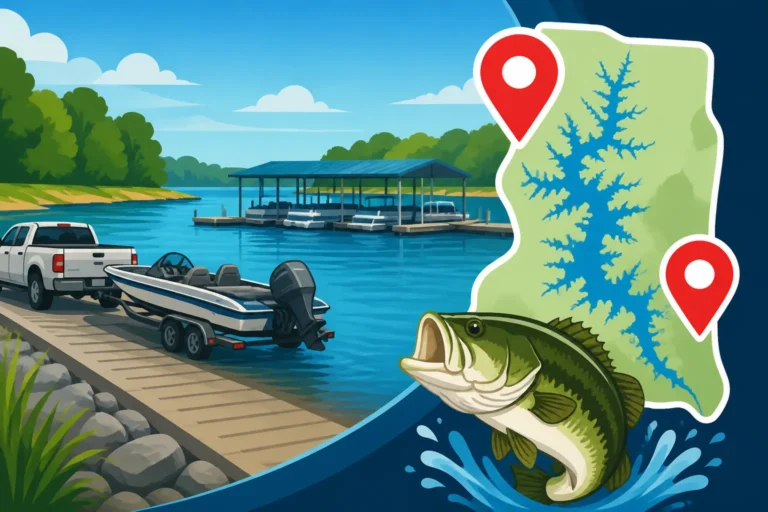
One of the great advantages of fishing the Tennessee-Tombigbee Waterway is the excellent public access infrastructure. The U.S. Army Corps of Engineers, along with state and local entities, maintains numerous boat ramps, recreation areas, and marinas along its length, making it relatively easy for anglers to launch boats or access shore fishing spots. Many of these ramps are well-maintained, offering ample parking, restrooms, and sometimes even fish cleaning stations.
For example, on Bay Springs Lake, you'll find multiple access points, including those within the Bay Springs Lake Recreation Area and other smaller launches. Similarly, around Columbus Lake, public ramps are readily available, often near towns or state parks. These facilities are usually clearly marked and provide a good starting point for exploring the surrounding waters. Many of these recreational sites are also part of the broader Mississippi State Fishing Lakes Overview, giving you a sense of the state's commitment to angler access.
If you don't have a boat, there are still opportunities for bank fishing, particularly at developed recreation areas, parks, and along some sections of the canal where public access is permitted. However, boat access definitely opens up the vast majority of prime fishing grounds on the Tenn-Tom. Before you go, it's a good idea to research specific ramp locations and check their condition, especially after heavy rains or during periods of fluctuating water levels. Online mapping tools and local bait shops are excellent resources for current information on access and ramp conditions.
Planning Your Tenn-Tom Fishing Adventure
Embarking on a fishing trip to the Tennessee-Tombigbee Waterway requires a bit of planning, but the rewards are well worth the effort. From choosing the best time of year to deciding whether to hire a guide, a little foresight can turn a good trip into an unforgettable one. The Tenn-Tom offers something for every season, and local expertise can drastically improve your chances of success.
Best Times of Year to Visit
The Tenn-Tom Waterway offers productive fishing year-round, but the "best" time depends largely on your target species and preferred weather conditions. Spring (March-May) is arguably the most popular season, as warming waters trigger major spawns for crappie and largemouth bass. Fish move into shallow waters, making them more accessible and aggressive. This is a fantastic time for both numbers and trophy-sized fish. The mild weather also makes for comfortable days on the water. You can find more details on general seasonal patterns in our Mississippi Fishing Seasons Calendar.
Summer (June-August) can be hot, but the fishing remains strong, especially for catfish and deep-water crappie and bass. Early mornings, late evenings, and night fishing are often the most productive during these months. Fish will seek cooler, deeper water or heavy shade. Fall (September-November) brings a welcome cool-down and another surge of activity as fish aggressively feed to prepare for winter. Bass and crappie can be found chasing baitfish in open water, and catfish remain active. The beautiful fall foliage also adds to the experience.
Winter (December-February) is often overlooked but can be excellent for crappie and catfish, particularly on warmer days. Fish will typically congregate in deeper channels, holes, and around vertical structures, offering opportunities for concentrated catches. While bass fishing can be slower, a patient angler using subtle techniques can still find success. Regardless of the season, checking local weather forecasts and water conditions is always recommended before heading out.
Finding Guides and Accommodations
For those new to the Tennessee-Tombigbee Waterway, or even seasoned anglers looking to maximize their time on unfamiliar waters, hiring a local fishing guide can be an invaluable investment. A good guide knows the nuances of the waterway, understands current fish patterns, and can quickly put you on productive spots, saving you hours of searching. They often provide all the necessary gear, bait, and local insight, teaching you techniques specific to the area. Platforms like FishingBooker are excellent resources for finding experienced, licensed fishing guides who specialize in the Tenn-Tom and its various impoundments. You can read reviews, compare prices, and book directly, ensuring you find a reputable captain for your adventure.
Beyond guides, the Tenn-Tom area offers a range of accommodations to suit different preferences and budgets. Many of the larger impoundments, like Bay Springs Lake and Columbus Lake, have state park facilities nearby that offer camping (tent and RV) and cabin rentals. Towns located along the waterway, such as Columbus, Amory, Fulton, and Dennis, provide hotels, motels, and charming bed-and-breakfasts. For those looking for a more secluded experience, private vacation rentals are also available, often with direct water access.
When booking accommodations, consider your primary fishing location to minimize travel time. If you're planning a trip focused on crappie on Columbus Lake, for instance, staying in or near Columbus makes the most sense. If you’re targeting smallmouth bass on Bay Springs Lake, look for options closer to the northern end of the waterway. Websites like FishingBooker, alongside general travel sites, can help you explore options and secure your stay, ensuring your fishing trip is as comfortable as it is productive. Don't forget to ask about early check-in or late check-out if your fishing schedule demands it!
Tenn-Tom Waterway Species & Season Overview
To help you quickly plan your trip, here's a table summarizing the prime species, best seasons, and common baits for fishing the Tennessee-Tombigbee Waterway.
| Species | Best Season(s) | Common Baits/Lures | Key Habitats |
|---|---|---|---|
| Largemouth Bass | Spring, Fall, Summer | Spinnerbaits, Crankbaits, Soft Plastics, Jigs | Submerged timber, lily pads, grass, creek channels |
| Spotted Bass | Spring, Fall, Summer | Small Crankbaits, Jigs, Shaky Heads, Swimbaits | Rip-rap banks, rocky points, deep ledges, current breaks |
| Crappie | Spring, Fall, Winter | Live Minnows, Small Jigs (1/16-1/8 oz) | Brush piles, fallen trees, bridge pilings, deep holes |
| Channel Catfish | Spring, Summer, Fall | Cut Bait, Chicken Liver, Stink Baits | River channels, creek mouths, deeper pools |
| Blue Catfish | Spring, Summer, Fall, Winter | Large Cut Bait (Shad), Whole Baitfish | Deep river channels, below locks/dams, current seams |
| Flathead Catfish | Spring, Summer, Fall | Live Bait (Bream, Shiners) | Logjams, heavy timber, rock piles, undercut banks |
Disclaimer
The information provided in this guide is for general informational purposes only and is not intended as legal advice regarding fishing regulations. Regulations can change frequently, and it is the angler's responsibility to consult the official Mississippi Department of Wildlife, Fisheries, and Parks (MDWFP) website or current regulations guide before fishing. Always prioritize safety and adhere to all local, state, and federal laws.