Largemouth Bass Fishing in Mississippi
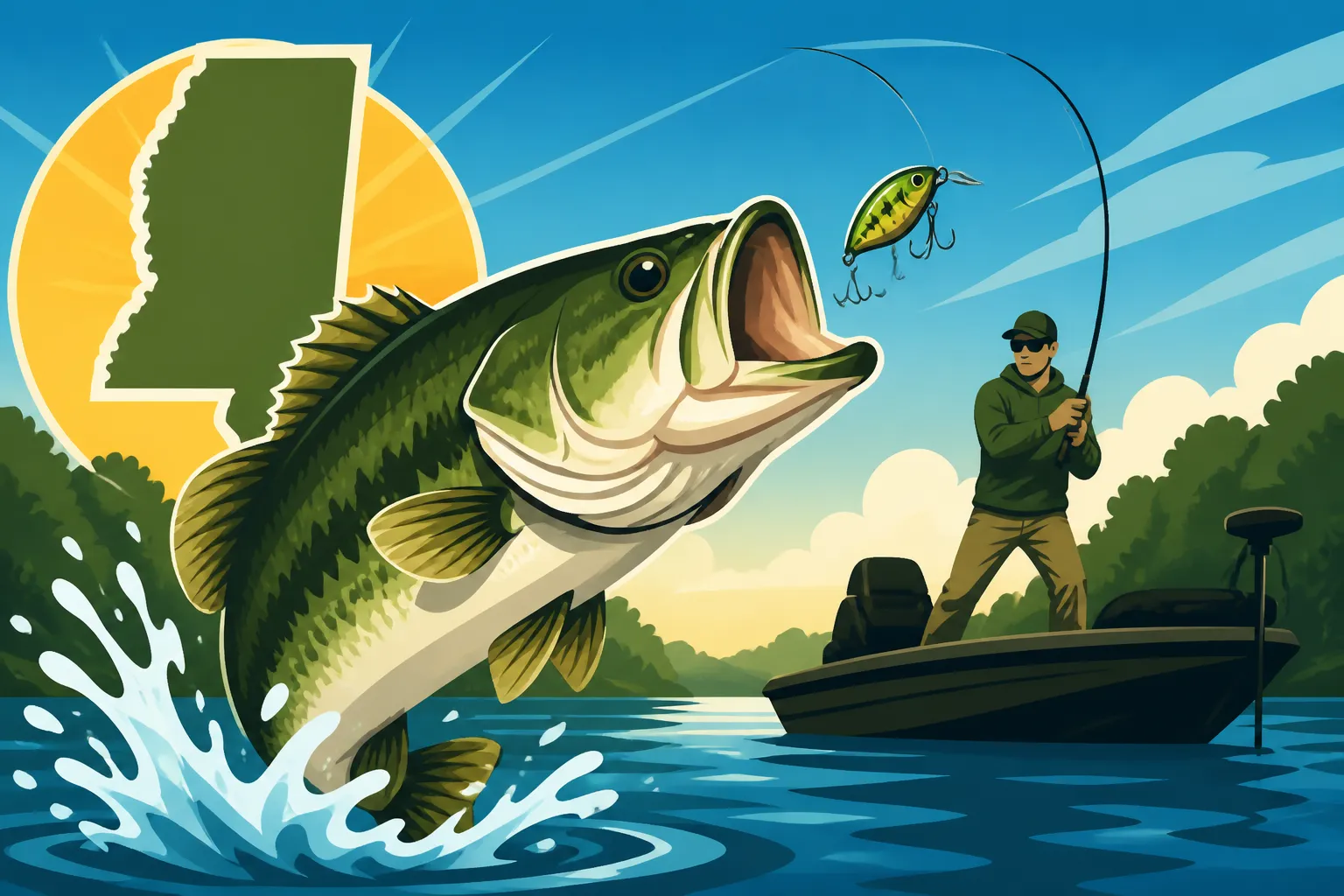
Oh, the elusive largemouth bass! If you've spent any time on a Mississippi lake or river, you know the thrill of feeling that solid thud on your line, followed by the powerful fight of a true bucketmouth. But let's be real, sometimes it feels like they're just laughing at us from beneath the lily pads, ignoring every lure we throw. It can be incredibly frustrating to hit the water with high hopes, only to come back empty-handed, wondering what you did wrong. This comprehensive guide is here to help you crack the code, offering insights into everything from understanding bass behavior to mastering the techniques and choosing the right gear, so you can increase your chances of landing that trophy largemouth right here in Mississippi.
Understanding Mississippi Largemouth Bass
Before you can consistently catch largemouth bass, you've got to understand them. They're not just any fish; they're intelligent predators with distinct habits, preferences, and an amazing ability to adapt to their environment. Knowing these fundamentals is like having a secret weapon in your tackle box, giving you the edge over simply casting and hoping for the best.
Identifying Largemouth Bass in Mississippi
In Mississippi, you're primarily after the largemouth, but sometimes anglers confuse them with spotted bass or, less commonly, smallmouth bass in certain areas. Knowing the difference can impact how you fish, as each species can have slightly different preferred habitats and feeding behaviors.
Largemouth bass are typically distinguished by a few key features. The most obvious is their mouth – when closed, the hinge of the jaw extends beyond the back of the eye. They also have a dark, horizontal stripe or a series of blotches along their sides, which can vary in intensity depending on water clarity and the bass's mood. Their dorsal fin also has a deep notch, almost separating it into two distinct fins. They tend to be a more olive green to nearly black on their backs, fading to a lighter green or white belly. They're built for ambush, with a powerful tail and a body shape that allows for explosive bursts of speed.
Spotted bass, on the other hand, have a smaller mouth, with the jaw hinge usually not extending past the eye. They also have rows of distinct spots below their lateral line, which is why they get their name. While they share some habitats with largemouth, spots often prefer clearer, rockier waters and can be found deeper. Smallmouth bass, though rare in most of Mississippi, are characterized by vertical bars on their sides and a smaller mouth like the spotted bass. For a deeper dive into distinguishing these fish, check out our guide on Bass Identification Guide for Mississippi Anglers.
Lifecycle and Habits of Mississippi Largemouth
The life of a largemouth bass in Mississippi is a fascinating cycle heavily influenced by water temperature and the availability of food and cover. Understanding this cycle is crucial for patterning fish throughout the year.
As spring arrives and water temperatures climb into the 50s and 60s Fahrenheit, bass begin their pre-spawn migration, moving from deeper winter haunts to shallower staging areas. They're often hungry and aggressive during this time, gorging on baitfish to build energy for the upcoming spawn. This is a fantastic time for anglers, as bass are actively feeding and can be found in predictable locations.
Once the water temperature consistently hits the mid-60s, the spawn truly begins. Male bass construct nests in shallow, protected areas, often near submerged cover like stumps, logs, or vegetation. The females then lay their eggs in these nests, which the males guard fiercely until the fry hatch and disperse. During the actual spawn, bass can be challenging to catch as their primary focus is reproduction, not feeding. After the spawn, often in late spring to early summer, bass enter a post-spawn recovery phase. Females are often lethargic and slow to feed, while males remain active, guarding fry.
As summer progresses and water temperatures rise into the 80s, bass often move to deeper, cooler water, or seek out dense overhead cover like hydrilla beds, lily pads, or thick brush piles to escape the scorching sun. They become more active during low-light conditions, such as early mornings, late evenings, or even at night. In the fall, as temperatures begin to drop and days shorten, bass experience a "feeding frenzy." They know winter is coming and will aggressively chase baitfish, trying to put on weight for the lean months ahead. This is another prime time for anglers to target active bass.
Winter sees bass retreat to deeper, more stable water, often suspending over structure or hunkering down near ledges and creek channels. Their metabolism slows, and they feed less frequently and less aggressively. Slow, subtle presentations are key during this dormant period. Recognizing these seasonal shifts is the foundation for successful Bass Fishing Techniques for Mississippi Anglers.
The Pursuit of Trophy Bass in Mississippi
Mississippi is home to some truly massive largemouth bass, and many anglers dedicate their lives to the pursuit of that once-in-a-lifetime monster. What defines a "trophy" can vary, but generally, anything over 8 pounds is considered a significant catch, with double-digit fish being the ultimate prize.
Catching a trophy largemouth isn't just about luck; it requires a strategic approach. These older, larger fish are often solitary and have learned to avoid common angling pressure. They tend to prefer larger, more substantial meals, meaning bigger baits and lures are often effective. Targeting areas with abundant forage, healthy aquatic vegetation, and plenty of deep-water access near shallow feeding flats can increase your odds. Lakes with strong management programs that introduce Florida-strain largemouth bass are also often excellent places to find larger fish, as these strains are known for their potential to grow to immense sizes.
Patience is perhaps the most important virtue when trophy hunting. You might spend hours or even days without a bite, but that single, violent strike from a lunker makes it all worthwhile. Understanding the specific habits of large bass – their preference for heavy cover, their tendency to feed at specific times, and their wariness – will significantly improve your chances. Always be prepared with the right heavy-duty gear to handle a true giant, because when it bites, you won't want to lose it due to inadequate tackle. For more on the potential giants, check out Mississippi State Record Largemouth Bass Weight.
Top Largemouth Bass Fishing Spots in Mississippi
Mississippi is a bass angler's paradise, boasting a diverse range of waters that consistently produce fantastic largemouth fishing. From sprawling reservoirs to winding river backwaters, there’s a hotspot for every angler, no matter their preference for boat or bank fishing. Knowing where to go is half the battle; the other half is understanding the nuances of each unique fishery.
Premier Reservoirs and Lakes
When most anglers think of Mississippi bass fishing, their minds immediately go to our big, beautiful reservoirs. These impoundments are managed by state and federal agencies, often stocked, and provide incredible opportunities for largemouth.
- Ross Barnett Reservoir: Often simply called "The Rez," Ross Barnett is arguably one of Mississippi's most popular fishing destinations. Located just north of Jackson, this 33,000-acre lake is renowned for its diverse habitat, including expansive hydrilla beds, cypress trees, submerged timber, and deep creek channels. Bass here can be found in various environments, from the shallow, stump-filled upper reaches to the deeper, more open lower end. It's a fantastic spot for both numbers of bass and the potential for a true trophy. Early spring and fall are particularly productive as bass move to and from their spawning grounds. If you're planning a trip there, our Ross Barnett Reservoir Fishing Guide is an essential read.
- Grenada Lake: While famous for its crappie, Grenada Lake also boasts a robust largemouth bass population. This U.S. Army Corps of Engineers lake in north-central Mississippi covers over 35,000 acres at pool stage and offers a different challenge. Bass here often relate to the abundant standing timber, submerged creek channels, and riprap. Fishing the points and submerged humps during transitional periods can be highly effective. The lake's fluctuating water levels can make for challenging but rewarding fishing, often concentrating fish in specific areas.
- Sardis Lake: Another north Mississippi jewel, Sardis Lake is another U.S. Army Corps of Engineers flood control reservoir. With its vast expanse of water, typically around 32,000 acres, it provides ample habitat for largemouth bass. Similar to Grenada, Sardis has a lot of standing timber and creek channels. The lake's significant amount of shallow, stump-laden water also provides excellent cover, especially during the spring spawn and fall migrations. Anglers often find success working spinnerbaits and crankbaits along the edges of timber and vegetation. Check out the Sardis Lake Fishing Guide for detailed tips.
- Pickwick Lake: Up in the northeast corner of the state, Pickwick Lake is part of the Tennessee River system and offers some of the most consistent and exciting bass fishing in Mississippi. Known for its strong currents, deep ledges, and rocky structure, Pickwick is a different beast entirely. Smallmouth bass are also present here, but largemouth thrive, particularly in the many bays and backwater areas that offer protection from the main river current. Deep-diving crankbaits and jigs are often the go-to baits for anglers targeting the ledges, while topwater lures can be explosive in the shallow pockets. The Pickwick Lake Fishing Guide covers this spot thoroughly.
- Enid Lake: Rounding out the "Big Four" crappie lakes in north Mississippi, Enid also holds a healthy population of largemouth bass. At over 28,000 acres, it offers similar challenges and opportunities to Sardis and Grenada, with plenty of submerged timber, brush piles, and creek channels that attract bass. Understanding the seasonal patterns here is crucial, as bass will move dramatically with water temperature and forage availability.
Each of these reservoirs presents its own unique set of conditions and requires a slightly different approach, making Mississippi a truly dynamic place to fish for largemouth.
River Systems and Smaller Waters
Beyond the major reservoirs, Mississippi's intricate network of river systems, oxbow lakes, and smaller state park lakes offers fantastic, often less-pressured, largemouth bass fishing opportunities. These waters provide a different kind of challenge and charm, often feeling more intimate and wild.
The Mississippi River itself, with its numerous oxbow lakes and backwater areas, is a goldmine for largemouth. These secluded pockets off the main river channel are often teeming with baitfish and offer ideal habitat for bass, especially during periods of stable water levels. Lakes like Lake Washington, Eagle Lake, and Albemarle Lake are famous oxbows that consistently produce big bass. Fishing the edges of vegetation, submerged logs, and any current breaks in these areas can be incredibly productive. The dynamic nature of the river means that conditions can change rapidly, but when you hit it right, the fishing can be phenomenal.
Smaller river systems like the Pearl River and the Pascagoula River also offer excellent opportunities. These rivers often have numerous sloughs, bayous, and feeder creeks that hold resident bass populations. The key here is often targeting areas with slower current, particularly around fallen trees, logjams, and lily pad fields. Bank access can be limited on some of these river stretches, making a kayak or small boat an invaluable tool for exploration.
Don't overlook the many Mississippi State Fishing Lakes. These smaller, intensively managed lakes are often stocked and provide excellent, family-friendly fishing. While they might not produce as many double-digit bass as the large reservoirs, they offer consistent action and are often perfect for introducing new anglers to the sport. Lakes like Lake Mary Crawford or Lake Columbia are examples where you can find healthy bass populations. Many state parks also have smaller ponds or lakes where you can fish for bass. Our Do You Need a License to Fish in Mississippi State Parks? article covers the specifics for these unique spots. For an overview of all these great places, check out our Best Fishing Spots in Mississippi guide.
Hidden Gems and Local Hotspots
Every seasoned angler has their secret spots, those little honey holes that aren't on the main map but consistently produce. In Mississippi, these hidden gems often come in the form of smaller, lesser-known public lakes, quiet sections of larger rivers, or even community ponds.
These locations might require a bit more legwork to discover – perhaps a conversation with a friendly local at a tackle shop, a careful study of satellite maps for uncharted ponds, or just a willingness to explore. They might not have concrete boat ramps or fancy amenities, but what they lack in convenience, they often make up for in peace and quiet, and, most importantly, unpressured fish.
Often, these hidden gems are smaller, clear-water lakes that might seem too small to hold significant bass, but can surprise you with a healthy population. Other times, they are remote stretches of major rivers that are difficult to access, meaning fewer anglers disturb the fish. Farm ponds, with permission from the landowner, can also be incredible local hotspots, often holding surprisingly large bass due to minimal fishing pressure and abundant food sources. Always respect private property and leave no trace when exploring these areas. Discovering your own hidden gem is one of the most rewarding aspects of bass fishing, offering a sense of adventure and the potential for unforgettable catches away from the crowds.
Essential Gear for Mississippi Largemouth Bass
Stepping out onto the water with the right gear can make all the difference between a frustrating day and a successful outing. While you don't need to break the bank to start, investing in quality, appropriate tackle for Mississippi largemouth bass fishing will pay dividends in performance and enjoyment.
Rods, Reels, and Lines
Choosing the right rod, reel, and line is fundamental to effective bass fishing. Different techniques call for different setups, but a versatile combination can get you started.
- Rods: For largemouth bass, you'll generally want rods in the medium-heavy to heavy power range, with a fast or extra-fast action. A medium-heavy power rod (around 6'6" to 7'3" in length) with a fast action is a great all-around choice. It has enough backbone to handle a good-sized bass and pull it out of cover, but enough tip sensitivity to detect subtle bites. This rod is ideal for Texas rigs, jigs, spinnerbaits, and medium crankbaits. For heavier cover, like punching through thick hydrilla or frog fishing over dense mats, a heavy power rod (7' to 7'6" or longer) with a fast action is more appropriate, giving you the leverage needed to move big fish quickly.
- Reels:
- Baitcasting Reels: These are preferred by many experienced bass anglers for their casting accuracy, power, and ability to handle heavier lines and lures. A gear ratio around 6.4:1 to 7.1:1 is a good starting point, offering versatility for various techniques. Higher ratios (8.1:1 and up) are great for quickly taking up slack or fishing fast-moving baits, while lower ratios (5.0:1 to 5.4:1) provide more cranking power for deep-diving crankbaits or big swimbaits.
- Spinning Reels: These are excellent for lighter lures, finesse techniques, and for beginners due to their ease of use and reduced backlash. A 2500-4000 series spinning reel paired with a medium-heavy rod is a fantastic setup for throwing wacky rigs, drop shots, or small crankbaits. Spinning reels also shine when skipping baits under docks or overhanging cover.
- Lines: The type of fishing line you choose heavily impacts your presentation and fighting ability.
- Monofilament (Mono): A good all-around choice, mono is affordable, has good knot strength, and offers stretch, which can be forgiving with aggressive strikes. It's often used for topwater lures or crankbaits where the stretch can help prevent hooks from tearing out.
- Fluorocarbon (Fluoro): Nearly invisible underwater, fluorocarbon is a favorite for its low stretch, high sensitivity, and abrasion resistance. It sinks, making it great for bottom-contact baits like jigs and Texas rigs. Its sensitivity helps you feel even the lightest bites.
- Braided Line (Braid): With virtually no stretch, incredible strength-to-diameter ratio, and superior abrasion resistance, braid is ideal for fishing heavy cover, punching mats, or throwing frogs. It's also excellent for long casts. Because of its visibility, many anglers use a fluorocarbon leader with braid in clearer water.
For more detailed advice on selecting your setup, check out Choosing the Right Rod and Reel for Mississippi Fishing. You can often find great deals on versatile rod and reel combos and various fishing lines on Amazon, making it easy to get started or upgrade your existing gear.
Lures and Baits
The world of bass lures is vast and sometimes overwhelming, but a few categories consistently produce in Mississippi waters. Having a diverse selection allows you to adapt to changing conditions and fish preferences.
- Soft Plastics: These are arguably the most versatile and effective bass lures.
- Worms (e.g., Texas-rigged, Carolina-rigged, wacky-rigged): Plastic worms, often in sizes from 5 to 10 inches, can mimic a variety of forage and are highly effective when fished around cover or on the bottom. Colors like green pumpkin, junebug, and black/blue are perennial favorites.
- Creature Baits & Jigs: Designed to imitate crawfish or other critters, creature baits and plastic trailers for jigs are excellent for targeting bass in heavy cover. A black and blue jig with a matching trailer is a classic for a reason.
- Flipping & Punching Baits: These are designed to penetrate dense mats of vegetation, getting your bait right into the bass's living room.
- Crankbaits: These hard-bodied lures dive to various depths depending on their lip size and retrieve speed.
- Shallow-diving (Squarebills): Great for bumping off wood and rocks in shallow water.
- Medium-diving: Versatile for targeting depths from 5-12 feet.
- Deep-diving: Essential for reaching bass on deep ledges and channels, especially in summer and winter.
- Spinnerbaits & Chatterbaits: These are "reaction strike" lures, designed to elicit an aggressive response from bass.
- Spinnerbaits: With their flashing blades and vibrating skirts, they're excellent for covering water, especially in stained or murky conditions.
- Chatterbaits (Bladed Jigs): Offer a unique vibrating action that bass often can't resist, especially around grass beds.
- Topwater Lures: Nothing beats the excitement of a bass exploding on a topwater bait.
- Frogs: Perfect for fishing over lily pads, thick grass, and matted vegetation.
- Poppers & Walkers: Excellent for open water or around sparse cover, mimicking injured baitfish or small critters on the surface.
- Swim Baits: From realistic soft plastic swimbaits to hard-bodied jointed versions, these mimic baitfish and can tempt larger, wary bass.
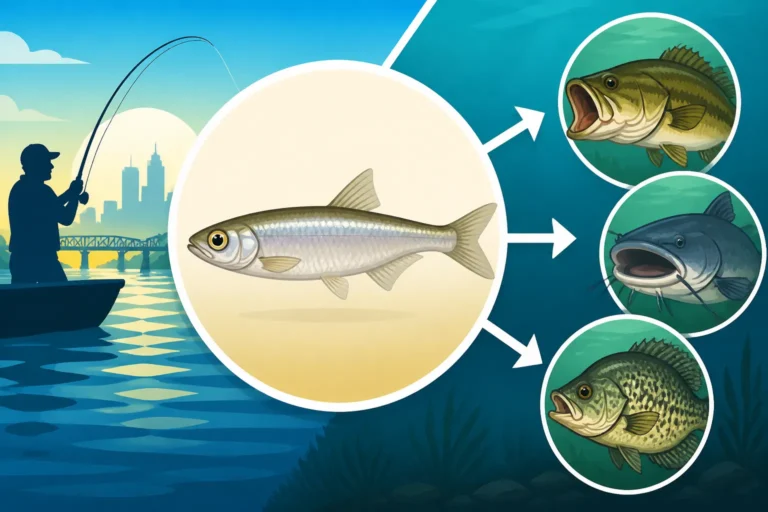
- Live Bait: While many bass anglers prefer artificials, shiners, minnows, or even local baitfish can be incredibly effective, especially for finicky bass or in certain conditions.
For those looking to stock up on a variety of lures without breaking the bank, Amazon offers convenient bundles and individual lures from all the top brands. This is especially helpful for beginners looking to build a versatile tackle box.
Electronics and Accessories
Modern bass fishing isn't just about rods and reels; technology plays a huge role. From finding fish to protecting yourself, the right accessories enhance your experience.
- Fish Finders/Sonar Units: A good fish finder is almost essential for serious bass anglers. These devices allow you to see underwater structure, changes in bottom contour, baitfish schools, and even individual fish. Modern units offer down imaging, side imaging, and even live sonar, providing an unprecedented view of the underwater world. These tools help you locate prime bass habitat like submerged timber, rock piles, or deep ledges that would be impossible to find otherwise.
- Trolling Motor: For precise boat control and stealthy approaches, an electric trolling motor is invaluable. Spot-lock features allow you to hold your boat in place even in wind or current, freeing you up to focus on fishing. This is particularly useful for working specific pieces of cover or maintaining a presentation over a deep structure.
- Tackle Management: Keeping your lures organized is critical. Tackle boxes, soft-sided bags, and specialized utility boxes help prevent tangles and make it easy to find what you need quickly. Different sized compartments for different lure types, and waterproof boxes for sensitive items, are always a good idea.
- Other Essentials: Don't forget the basics: a good pair of polarized sunglasses to cut glare and spot fish or cover, a quality pair of pliers for removing hooks, a sturdy net, a measuring board, and a reliable scale for documenting your catches. A comfortable PFD (personal flotation device) is non-negotiable for safety. Don't forget essentials like a good headlamp for early morning or late evening trips, or a durable waterproof bag to protect your phone and valuables – both easily found on Amazon.
Effective Largemouth Bass Fishing Techniques
Now that you know what to fish for and what to fish with, let's talk about how to fish. Largemouth bass fishing is an art form, constantly adapting to the environment, and mastering various techniques will make you a more versatile and successful angler.
Seasonal Strategies
Understanding how bass behave throughout the year is the most critical aspect of consistent success. Their metabolism, location, and feeding patterns are directly tied to water temperature and season.
-
Spring Fishing (Pre-spawn, Spawn, Post-spawn):
- Pre-spawn: As water temperatures rise into the 50s, bass move shallow. Target points, coves, and creek channel bends leading into spawning flats. Lipless crankbaits, spinnerbaits, and medium-diving crankbaits are excellent for covering water and finding active fish. Mississippi Spring Fishing Guide offers deeper insights into this exciting time.
- Spawn: When water temperatures are in the mid-60s, bass are on their beds. Males guard aggressively. Sight fishing with soft plastics (tubes, lizards, small worms) or jigs on visible beds can be effective, but remember to be ethical and gentle when catching spawning fish. Focus on protected shallow areas with hard bottoms.
- Post-spawn: After the spawn, bass move to slightly deeper water near the spawning areas to recover. They can be lethargic. Finesse techniques like wacky rigs, drop shots, or slow-moving topwater baits (poppers, walking baits) can trigger strikes from weary fish. Target docks, submerged brush, and isolated cover.
-
Summer Fishing: When the Mississippi heat sets in and water temperatures soar into the 80s, bass will seek cooler, oxygenated water.
- Look for them in deeper offshore structure like ledges, humps, and deep creek channels. Deep-diving crankbaits, heavy jigs, and Carolina rigs are ideal here.
- During low light conditions (early morning, late evening, or night), bass will move into shallow, dense cover such as lily pads, hydrilla mats, and heavy brush. Frogs, punching jigs, and buzzbaits can be explosive choices in these thick areas. Night fishing for bass can also be incredibly productive during summer.
- For more specific lure choices for the hottest months, check out How to Catch Bass in Hot Summer Weather.
-
Fall Fishing: As temperatures cool, bass become very active, chasing baitfish in preparation for winter. This is often referred to as the "fall feeding frenzy."
- Bass will follow baitfish into creeks, coves, and shallow flats. Crankbaits (especially lipless), spinnerbaits, jerkbaits, and topwater lures can be incredibly effective for covering water and targeting schooling fish.
- Look for schooling activity on the surface, which indicates baitfish being driven up by hungry bass. Fishing points and main lake humps where baitfish congregate can also be very productive.
-
Winter Fishing: During the coldest months, bass become lethargic and seek stability in deeper water.
- Slow presentations are key. Target deep ledges, creek channels, and vertical structure like bluff walls.
- Jigs, shaky heads, small spoons, and slow-rolling swimbaits are effective. Finesse techniques are often necessary to entice a bite from cold-water bass.
- Using your electronics to find schools of baitfish and bass grouped together in these deeper zones is crucial.
Structure Fishing
Bass are highly structure-oriented fish, meaning they relate to specific features in their environment that provide cover, ambush points, or access to food. Understanding these structures and how to fish them is paramount.
- Submerged Timber and Brush Piles: These are bass magnets. Fallen trees, standing timber, and intentionally placed brush piles provide shade, ambush points, and habitat for baitfish. Flipping or pitching jigs, Texas-rigged worms, or creature baits into these areas is a classic and highly effective technique. Be prepared to get snagged, but the biggest bass often hide in the thickest cover.
- Hydrilla and Other Aquatic Vegetation: Healthy grass beds are prime bass habitat, offering cover, oxygen, and a nursery for baitfish.
- Edges: Fish the outside and inside edges of grass lines with spinnerbaits, Chatterbaits, or shallow crankbaits.
- Pockets & Holes: Drop soft plastics or jigs into openings within the grass.
- Mats: For thick, matted hydrilla, "punching" with heavy weights and weedless jigs or creature baits is incredibly effective.
- Points and Ledges: These transitional areas, where shallow water drops off into deeper water, are natural travel routes and ambush points for bass.
- Points: Bass will often hold on points, especially those with rock, gravel, or submerged timber, waiting for baitfish to swim by. Crankbaits, jigs, and Carolina rigs are great for working points.
- Ledges: Deep-water ledges, often found in reservoirs, are critical in summer and winter. Bass will stack up on these contour changes. Deep-diving crankbaits, football jigs, and large spoons are staples for ledge fishing.
- Docks and Man-Made Structures: Boat docks, piers, and bridge pilings provide shade, cover, and hard structure that attracts bass. Skipping jigs or wacky rigs under docks is a deadly technique, while working crankbaits or spinnerbaits around bridge pilings can also be highly productive. These structures often hold bass year-round.
Topwater, Subsurface, and Bottom Fishing
Varying your presentation depth is key to appealing to bass in different moods and conditions.
-
Topwater Fishing: This is perhaps the most exciting way to catch bass. Topwater lures mimic injured baitfish, frogs, or small rodents on the surface.
- Frogs: Work these over dense mats or lily pads.
- Poppers & Chuggers: Create a commotion on the surface with short jerks and pauses.
- Walking Baits (e.g., "Walk-the-dog" lures): Create a distinctive side-to-side sashay that drives bass wild in open water or along sparse cover.
- Buzzbaits: Designed to make a sputtering, gurgling sound as they're retrieved across the surface. Topwater works best in low-light conditions (early morning, late evening) or on cloudy days, and generally in warmer water.
-
Subsurface Fishing (Mid-Column): This involves lures that run anywhere from just below the surface to several feet down.
- Spinnerbaits & Chatterbaits: Excellent for covering water and drawing reaction strikes in various depths, especially around grass or sparse cover.
- Crankbaits: Varying lip designs allow them to dive to specific depths, ideal for targeting bass holding at a certain level or bumping off submerged structure.
- Jerkbaits: Suspending jerkbaits can be incredibly effective, mimicking an injured baitfish with a darting, pausing action that often triggers strikes in cooler water.
-
Bottom Fishing: Many big bass spend a lot of their time near the bottom, especially when targeting crawfish or during inactive periods.
- Jigs: Whether a football jig for rocks or a pitching jig for heavy cover, jigs are versatile bottom-contact baits. Slow-dragging, hopping, or subtle shaking can all be effective.
- Texas Rig & Carolina Rig: These are classic soft plastic setups for fishing worms and creature baits on the bottom, allowing them to crawl over or through cover with minimal snagging. The Texas rig is fished directly, while the Carolina rig uses a leader to present the bait a distance behind a weight, offering a more natural presentation.
- Drop Shot: A finesse technique where the weight is below the hook, keeping the bait suspended off the bottom. Excellent for clear water and pressured fish, or when bass are holding tightly to structure.
Mastering these techniques and knowing when to apply them will significantly elevate your largemouth bass fishing game in Mississippi. Our guide Best Lures for Largemouth Bass offers even more specific recommendations.
Mississippi Largemouth Bass Regulations and Conservation
As anglers, we have a responsibility to not only enjoy the resource but also to protect it for future generations. Understanding and adhering to Mississippi's fishing regulations, particularly for black bass, is a crucial part of being a responsible sportsman. These rules are in place to ensure healthy fish populations and sustainable fishing.
Size and Creel Limits
The Mississippi Department of Wildlife, Fisheries, and Parks (MDWFP) sets specific regulations for largemouth bass (which fall under "black bass") to manage their populations across the state. These regulations can vary depending on the body of water, so it's absolutely vital to check the current rules for the specific lake or river you plan to fish.
Typically, there will be a statewide daily creel limit for black bass, which specifies the maximum number of fish you can keep in a single day. There might also be a size limit, often a minimum length, below which you cannot keep a fish. For example, some lakes might have a 16-inch minimum length limit for largemouth bass, meaning any bass caught under that size must be immediately released. Other lakes might implement slot limits, where fish within a certain size range must be released, while those below or above the slot can be kept. These varying regulations are often tailored to specific fisheries to address unique population dynamics, growth rates, and fishing pressure.
Always double-check the MDWFP's official regulations before heading out. A quick search online for the specific lake or waterway you're visiting will usually provide the most up-to-date information. Our Mississippi Black Bass Regulations article delves into these specifics, and for a broader overview of all fishing rules, consult Mississippi Fishing Regulations Explained.
License Requirements
Before you even think about casting a line for largemouth bass in Mississippi, you need to make sure you have the proper fishing license. It's not just a formality; it's a legal requirement, and the funds generated from license sales go directly back into conservation efforts, habitat restoration, and fisheries management in our state.
Generally, anyone aged 16 through 64 must possess a valid Mississippi fishing license to fish in public waters. There are different types of licenses available: resident annual licenses, nonresident annual licenses, and various short-term options like 1-day or 3-day licenses for visitors. There are also specific exemptions for certain groups, such as children under 16, Mississippi residents over 65 (though they may need an exempt license), and qualifying disabled veterans.
You can purchase a license online through the MDWFP website, at various sporting goods stores like those found at Amazon (though you won't buy the license itself there, you might find guides or information on vendors), bait and tackle shops, and other authorized agents across the state. It's your responsibility to carry proof of your license while fishing. Getting caught without one can result in fines and penalties, which nobody wants! For a full breakdown of requirements and how to get yours, our Mississippi Fishing License Guide is an invaluable resource.
Practicing Catch and Release for Bass
While it's perfectly legal to keep largemouth bass within the established creel and size limits, many anglers, particularly those targeting trophy fish or wishing to preserve local populations, practice catch and release. This is a vital conservation tool that ensures the health and longevity of our bass fisheries.
Proper catch and release techniques are essential to minimize harm to the fish. When you land a bass, try to handle it as little as possible. If possible, keep the fish in the water while unhooking it. If you need to bring it into the boat for a quick photo or measurement, use a rubberized net to protect its slime coat, and handle it with wet hands. Support the fish horizontally, especially larger bass, to avoid damaging its jaw or internal organs. Use needle-nose pliers or a hook remover to quickly and carefully extract the hook.
Avoid excessive time out of the water, especially in warm weather, as this can severely stress the fish. If a fish is deeply hooked, it's often best to cut the line as close to the hook as possible rather than trying to rip the hook out, which can cause irreparable internal damage. When releasing, gently place the fish back in the water and hold it upright until it regains its strength and swims away on its own. Seeing a healthy bass swim off to fight another day is a rewarding experience and contributes directly to the sustainable future of Mississippi's incredible largemouth bass fishing.
Planning Your Mississippi Bass Fishing Trip
Planning is half the fun of a fishing trip, and for targeting largemouth bass in Mississippi, a little forethought can significantly increase your chances of success and ensure a smooth, enjoyable outing. From picking the perfect time to knowing what to pack, preparation is key.
Timing Your Trip
The "best" time to fish for largemouth bass in Mississippi really depends on what you're hoping to achieve. Do you want to catch a lot of fish, or are you chasing that one monster?
- Spring (March – May): This is arguably the most popular time for bass fishing in Mississippi, and for good reason. During the pre-spawn and spawn phases, bass are highly active and often concentrated in predictable shallow areas. Numbers can be high, and trophy potential is excellent as females are at their heaviest. However, weather can be unpredictable, with fronts moving through, and fishing pressure can be intense on popular lakes.
- Summer (June – August): The heat of summer pushes bass deeper or into heavy cover during the day. This can mean tougher fishing during peak daylight hours but offers incredible opportunities for early morning topwater, late evening, or night fishing. If you're willing to adapt to the heat and target different patterns, summer can yield some very rewarding catches, especially for larger, more elusive fish.
- Fall (September – November): As temperatures cool, bass become incredibly aggressive, chasing baitfish in a feeding frenzy. This is another fantastic time for both numbers and size. Bass are often found shallower again, and many techniques work well. Fishing pressure tends to lighten up compared to spring, making for a more relaxed experience.
- Winter (December – February): This is often the most challenging time for bass fishing due to cold water and slower fish metabolism. However, for dedicated anglers, winter can be incredibly rewarding for catching large, quality bass that are grouped up in deep water. It requires patience and finesse, but the rewards can be substantial. The lack of crowds is also a huge bonus.
Consider factors like moon phases, barometric pressure, and recent weather patterns, as these can all influence bass behavior. For example, a stable period of warm weather in spring will be more productive than a sudden cold front. Researching local fishing reports or consulting with a local tackle shop can also provide invaluable, up-to-the-minute insights.
Hiring a Guide vs. DIY
Deciding whether to hire a professional fishing guide or embark on a do-it-yourself adventure is a common dilemma for anglers visiting a new area or looking to improve their skills. Both options have distinct advantages.
- Hiring a Professional Guide:
- Pros: A good guide brings local knowledge, years of experience on a specific body of water, and usually all the necessary gear (boat, rods, reels, tackle). They can quickly put you on fish, teach you effective techniques for the local conditions, and accelerate your learning curve. This is especially valuable if you have limited time or are unfamiliar with the fishery. It's a great way to guarantee a productive day and learn from the best. Many guides specialize in bass fishing and can offer insights you might not find elsewhere. Check out Mississippi Freshwater Fishing Guides if this sounds like the route for you.
- Cons: Guides come with a cost, which can be a significant investment, especially for full-day trips. You're also on their schedule and often fishing their preferred techniques, which might not always align with your personal fishing style.
- Do-It-Yourself (DIY):
- Pros: The freedom to explore, experiment, and fish at your own pace is a huge draw for DIY anglers. It's often more budget-friendly, and there's immense satisfaction in finding and catching fish entirely on your own terms. It also allows for more spontaneous trips and the opportunity to truly get to know a body of water over time.
- Cons: Without local knowledge, you might spend a lot of time searching for fish, potentially coming up empty-handed. There's a learning curve involved with new waters, and navigating unknown hazards can be a concern. You'll need all your own gear and a reliable boat (if not bank fishing).
Ultimately, the choice depends on your budget, experience level, and what you want to get out of the trip. Many anglers do a mix of both, hiring a guide for an initial learning experience and then applying that knowledge on subsequent DIY trips. Researching local guides or detailed lake maps on Amazon can be a great way to prepare, even if you plan to go it alone.
Safety and Preparation
Safety on the water should always be your top priority, especially when chasing aggressive largemouth bass in diverse Mississippi environments. A little preparation goes a long way.
- Weather Awareness: Mississippi weather can change quickly. Always check the forecast before you go and be prepared for sudden storms, heavy rain, or rapid temperature drops. Carry appropriate rain gear and layers of clothing, even if the day starts sunny.
- Boating Safety: If you're in a boat, ensure all required safety equipment is on board and in good working order (PFDs for everyone, fire extinguisher, horn/whistle, navigation lights). File a float plan with someone on shore, letting them know where you're going and when you expect to return. Be mindful of changing water levels and potential hazards like submerged timber, especially in reservoirs. For a detailed look at boat regulations, our Mississippi Boat Fishing Regulations is helpful.
- Personal Essentials:
- Sun Protection: Sunscreen, a wide-brimmed hat, and polarized sunglasses are non-negotiable, especially during the long Mississippi summers.
- Hydration & Snacks: Bring plenty of water to stay hydrated, and energy-boosting snacks to keep you going.
- First-Aid Kit: A basic first-aid kit for minor cuts, scrapes, and insect bites is always a good idea.
- Navigation: While smartphones are great, a physical map of the lake or a dedicated GPS unit is a reliable backup, especially if you venture into less-traveled areas.
- Tackle Preparation: Rig up several rods with different lures and techniques before you hit the water. This saves valuable fishing time. Check your knots, sharpen your hooks, and organize your tackle the night before.
- Communication: Ensure your cell phone is fully charged, and consider carrying a marine radio if you're venturing far offshore or into remote areas where cell service might be spotty.
Being prepared not only ensures your safety but also maximizes your time on the water, allowing you to focus on the thrill of the catch rather than worrying about unforeseen issues.
| Lure Type | Best Conditions / Habitat | Typical Depths | Ideal Season | Key Benefit |
|---|---|---|---|---|
| Soft Plastics | Heavy cover (grass, timber), bottom | Shallow to Deep | Year-round | Versatile, weedless, natural presentation |
| Crankbaits | Open water, ledges, points, covering water | Shallow to Deep | Spring, Fall, Summer | Mimics baitfish, draws reaction strikes |
| Spinnerbaits | Stained water, sparse cover, open water | Shallow to Mid | Spring, Fall | Vibration & flash, covers water quickly |
| Jigs | Heavy cover, bottom structure, cold water | Mid to Deep | Year-round | Mimics crawfish, precise presentation |
| Topwater Lures | Low light, calm water, over vegetation | Surface | Spring, Summer, Fall | Exciting strikes, draws fish from cover |
| Chatterbaits | Grass lines, wood, open water | Shallow to Mid | Year-round | Unique vibration, weedless, reaction strikes |
Disclaimer
This article is for general informational purposes only and does not constitute professional advice. Laws, prices and regulations vary by location and change over time. Consult a qualified professional for guidance on your specific situation.