Pickwick Lake Fishing Guide
Fishing on Pickwick Lake can feel like trying to solve a complex puzzle, especially for those new to its vast waters or seasoned anglers looking to refine their approach. This immense reservoir, straddling the borders of Mississippi, Alabama, and Tennessee, offers incredible angling opportunities but also presents challenges with its diverse habitats and ever-changing conditions. This comprehensive guide aims to demystify Pickwick Lake fishing, helping you understand its unique characteristics, target key species effectively, and navigate the nuances of this fantastic fishery.
Understanding Pickwick Lake's Unique Character
Pickwick Lake, a true gem in the heart of the Tennessee River system, isn't just another body of water; it's an intricate ecosystem with distinct features that dictate how and where fish thrive. Understanding these foundational elements is crucial before you even cast a line. It's the difference between a frustrating day on the water and one where you feel like you've truly cracked the code.
Geographical Layout and Key Features
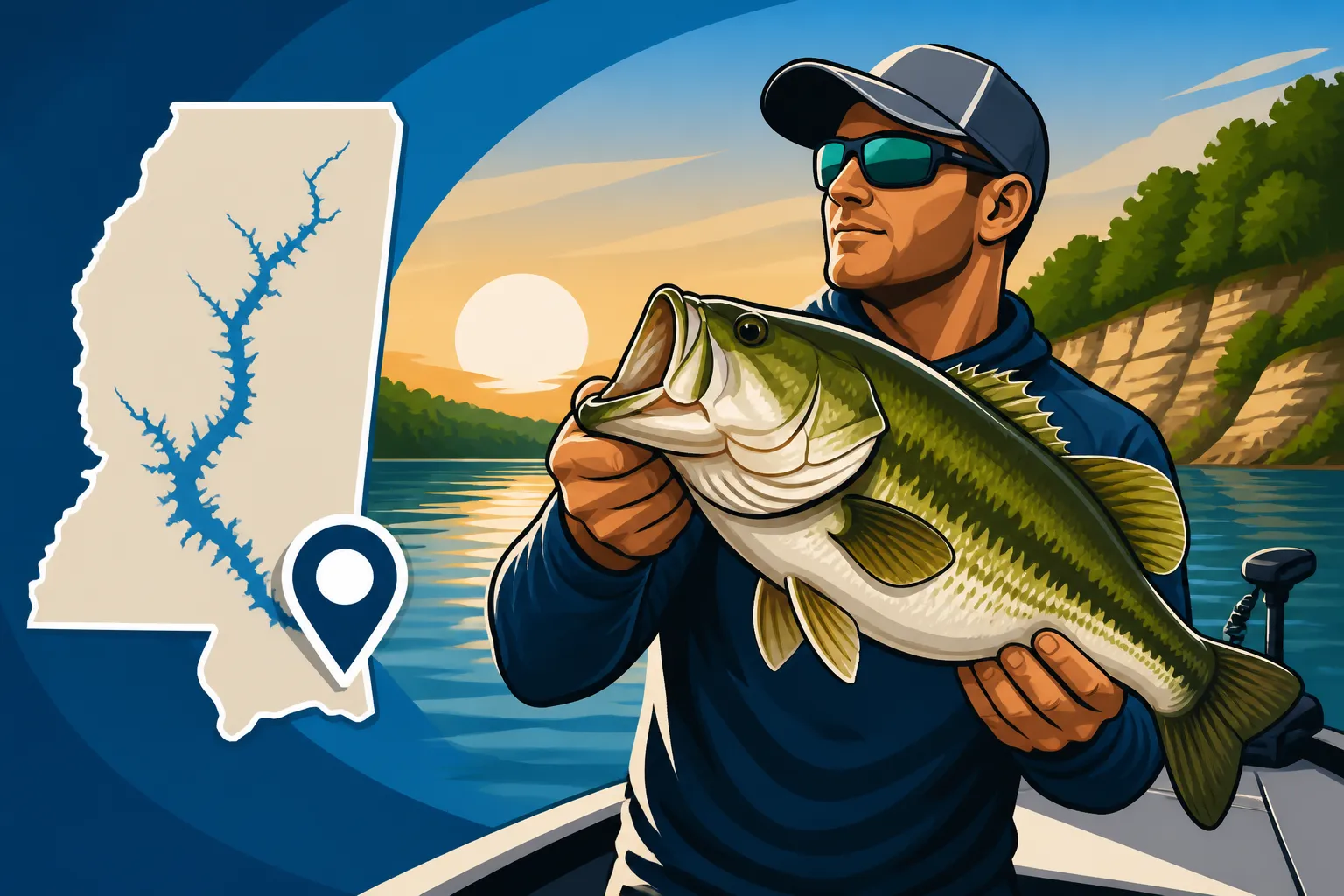
Pickwick Lake is a massive impoundment, stretching roughly 50 miles from Wilson Dam in Alabama to Pickwick Landing Dam near Counce, Tennessee. While a significant portion lies within Alabama and Tennessee, the Mississippi section, particularly around the Divide and beyond, offers some exceptional fishing. The lake is characterized by its expansive main lake body, numerous large feeder creeks like Yellow Creek, Indian Creek, and Bear Creek, and countless smaller pockets and coves. The Tennessee River channel, which runs through the entire lake, acts as a superhighway for fish, especially during seasonal migrations. Below the Pickwick Landing Dam, the tailwaters also provide a unique fishing experience, though that's a different beast entirely. You'll find a mix of rocky bluffs, shallow flats, submerged timber, and deep ledges, all contributing to a diverse aquatic landscape that caters to a wide array of fish species. Navigating this vastness without a plan can be overwhelming, but understanding these key features helps break it down into manageable sections.
The varying topography means that one area of Pickwick might feel completely different from another. For instance, the section closest to the dam often features deeper, clearer water with more current, favoring species like smallmouth bass and striped bass. As you move upstream into the major creeks, the water might become shallower, stained, and have more standing timber, making it prime largemouth bass and crappie habitat. The "Divide" area, where the Tennessee River channel narrows, is a famous choke point that concentrates fish, particularly during certain times of the year. This geographical diversity is what makes Pickwick so exciting – there's always a new challenge and a different type of water to explore, ensuring that you're never truly "done" learning this lake.
Water Conditions and Bottom Structure
Pickwick's water conditions are dynamic, heavily influenced by weather patterns, rainfall, and the Tennessee Valley Authority (TVA) dam operations. Water clarity can range from gin-clear in the main lake sections during dry spells to stained or muddy after heavy rains or significant current generation. The TVA plays a huge role here; they manage water levels and current flow for power generation and flood control, which directly impacts fish behavior. Strong current can position fish in predictable ambush points, while slack water might send them deeper or into cover. Temperature is another critical factor, swinging dramatically with the seasons. Understanding these fluctuations and checking the TVA lake information before your trip is essential for planning a successful outing.
The bottom structure of Pickwick Lake is incredibly varied, offering something for every species. You'll encounter extensive rock piles, shell beds, gravel bars, and rocky ledges, particularly in the lower lake and main river channel. These areas are magnets for smallmouth bass and offer excellent opportunities for finding catfish. In the creek arms and upper reaches, you'll find more mud flats, stumps, and submerged timber, which are classic largemouth bass and crappie hideouts. The presence of aquatic vegetation, though not as widespread as some other southern lakes, can also be a key factor in certain coves and shallow flats during warmer months. Mapping out these structural elements with your electronics is a game-changer, revealing the hidden highways and neighborhoods where fish congregate.
Prime Fishing Seasons on Pickwick
Pickwick Lake truly shines year-round, but each season offers unique opportunities and challenges. The spring, particularly from March to May, is arguably the most popular time, as fish move shallow for the spawn. This is prime time for catching big largemouth and smallmouth bass, as well as crappie, in relatively accessible water. Water temperatures dictate the progression of the spawn, and watching for those key temperature ranges is vital. As temperatures rise into summer (June to August), fish typically move deeper, relating to ledges, humps, and current breaks in the main lake. Early morning and late evening topwater action can still be fantastic, but the midday bite often requires deep-water finesse or heavy tackle.
Fall (September to November) brings a fantastic transition, as cooler temperatures revitalize both fish and anglers. The famous "fall shad run" draws all predatory species to the surface, offering incredible topwater and schooling action. This is a favorite time for many, with comfortable weather and aggressive fish. Winter (December to February) isn't to be overlooked either, especially for dedicated anglers. While the bite can be slower, concentrating fish in deep holes, creek channels, and around bait balls can lead to trophy catches, particularly for crappie and catfish. Understanding these seasonal shifts and adapting your tactics accordingly is the cornerstone of consistent success on Pickwick. Check out our Mississippi Fishing Seasons Calendar to get a broader perspective on the state's angling rhythms.
Dominant Fish Species and How to Find Them
Pickwick Lake is renowned for its incredible diversity of game fish. While some lakes might specialize in one or two species, Pickwick offers world-class opportunities for several, making it a dream destination for anglers who enjoy variety. Whether you're chasing the explosive fight of a bass or the delicate bite of a crappie, Pickwick has you covered.
Largemouth and Smallmouth Bass Tactics
Bass fishing on Pickwick Lake is nothing short of legendary. Both largemouth and smallmouth bass thrive here, offering distinct challenges and rewards. For largemouth bass, especially in the spring, focus on the shallow bays, backwater sloughs, and creek arms. Look for areas with submerged timber, lily pads (where present), or thick stands of bank grass. Spinnerbaits, chatterbaits, and squarebill crankbaits excel in these shallower, cover-rich environments. As the water warms, largemouth will transition to deeper structure like ledges, brush piles, and channel swings. Here, Carolina rigs, deep-diving crankbaits, and football jigs become key players. During the summer and fall, keep an eye out for schooling bass busting shad on the surface – a topwater bait or a lipless crankbait can lead to explosive action. Our guide on Largemouth Bass Fishing in Mississippi offers even more in-depth strategies.
Smallmouth bass, the "brown fish" of Pickwick, are a different beast entirely, preferring rockier, clearer, and often deeper water with current. The main river channel, especially from the dam downstream and around major points and humps, is prime smallmouth territory. They love current and will position themselves to ambush baitfish flowing by. Early spring and late fall are fantastic times for big smallmouth on jerkbaits, hair jigs, and A-rigs fished on main lake points and humps. During summer, they'll often be found deep on ledges, where dropshot rigs, Ned rigs, and shaky heads are highly effective. A good fish finder is invaluable for locating these subtle bottom transitions and the baitfish that draw smallmouth in. Remember, these fish fight hard, so be ready for a battle! For more general tips, consider reading our guide on Bass Fishing Techniques for Mississippi Anglers.
Crappie Hotspots and Seasonal Patterns
Crappie fishing on Pickwick is a year-round affair, with anglers consistently pulling in slabs of both white and black crappie. Just like bass, crappie follow distinct seasonal patterns. In early spring, as water temperatures nudge into the high 50s and low 60s, crappie move into shallow creek arms and bays to spawn. Look for them around submerged brush, cypress trees, and even shallow docks. Small jigs (1/16 to 1/8 oz) tipped with a soft plastic like a Bobby Garland Baby Shad or live minnows under a slip bobber are highly effective. The key is to fish slowly and thoroughly, often bumping structure. Once the spawn is over, crappie retreat to deeper water, often suspending over creek channels or relating to deep brush piles in 15-30 feet of water.
Summer crappie fishing often means targeting these deep, isolated brush piles and timber. Spider rigging, where multiple rods are deployed from the front of the boat with jigs or minnows at varying depths, is a popular and effective method. During fall, crappie will often move shallower again as baitfish are abundant, making them easier to locate, though not always in large concentrations. Winter crappie fishing is about finding tight schools in deep holes along creek channels or in the main lake basin. Vertical jigging or slow trolling small jigs and minnows directly over these schools can lead to heavy limits. Understanding these depth and location shifts is paramount. Don't forget to check out our Crappie Fishing Techniques for Mississippi Lakes for more in-depth knowledge.
Catfish Hunting Strategies
Pickwick Lake is a true catfish paradise, boasting healthy populations of channel catfish, blue catfish, and flathead catfish. Whether you're looking for a frying-sized channel cat or a monstrous blue cat that will test your tackle, Pickwick delivers. Channel cats are the most common and can be found almost everywhere, from shallow creek bends to the main river channel. They're opportunistic feeders, making them relatively easy to catch on traditional baits like chicken livers, stink baits, and cut bait. Fishing for them usually involves setting up on a bottom rig in areas with a moderate current or near structure.
For the true giants – blue catfish and flathead catfish – you'll need to focus your efforts and often step up your gear. Blue cats are primarily main-river fish, preferring deep holes, ledges, and current breaks in the Tennessee River channel. They are voracious eaters and respond best to fresh cut bait, like shad, skipjack herring, or even bluegill. Jug lining and trotlining are popular methods for targeting blues, but anchoring on a productive ledge and fan-casting multiple heavy rods with fresh bait can be incredibly effective. Flathead catfish, on the other hand, are ambush predators that prefer live bait. They often hide in heavy cover like log jams, submerged timber, or undercut banks, waiting for an unsuspecting meal to swim by. Live bluegill or shad are irresistible to a big flathead. Fishing at night is often the most productive time for both blue and flathead catfish. Our guide on Catfish Fishing Techniques provides a broader understanding of how to tackle these whiskered warriors.
Essential Gear and Bait for Pickwick's Waters
The right gear and bait can make or break a fishing trip on Pickwick Lake. Given the diversity of species and fishing styles, it's not a "one size fits all" situation. Investing in quality equipment and understanding what baits work best in different scenarios will significantly increase your success rate and enjoyment on the water.
Rods, Reels, and Lines for Different Species
For bass fishing on Pickwick, a versatile setup is key. For largemouth, especially when fishing shallow cover or heavy vegetation, a medium-heavy to heavy power casting rod (7' to 7'6") paired with a baitcasting reel spooled with 15-20 lb fluorocarbon or braided line is ideal. This gives you the backbone to pull fish out of cover. For smallmouth, particularly when fishing lighter baits like Ned rigs or dropshots on deep ledges, a medium power spinning rod (6'8" to 7'2") with a fast action, paired with a matching spinning reel, is preferred. Spool it with 10-15 lb braided main line and an 8-12 lb fluorocarbon leader for sensitivity and stealth.
Crappie anglers often opt for lighter tackle. A light to medium-light action spinning rod (5' to 7') with a sensitive tip is perfect for detecting subtle bites. Pair this with a small spinning reel spooled with 4-8 lb monofilament or fluorocarbon. If you're spider rigging, specialized crappie rods, often 10-16 feet long, are used to cover a wide area. For catfishing, especially when targeting larger blues or flatheads, heavy-duty gear is a must. A stout, moderate-fast action rod (7' to 9') with a powerful baitcasting or conventional reel capable of holding 50-80 lb braided line or 20-40 lb monofilament is essential. Ensure your drag system is robust; those big cats can peel line fast! Always prioritize reliable brands that can withstand the rigorous demands of fishing. For a deeper dive into choosing the right setup, check out Choosing the Right Rod and Reel for Mississippi Fishing.
Best Live Baits and Artificial Lures
The bait choice on Pickwick is just as crucial as your gear. For bass, the options are endless. Popular artificial lures include crankbaits (squarebills for shallow, deep divers for ledges), spinnerbaits, chatterbaits, jigs (football and flipping), plastic worms (Texas-rigged, Carolina-rigged, Neko-rigged), jerkbaits, and topwater lures (poppers, walking baits, frogs). The key is matching the hatch and adjusting to water conditions. Live bait isn't typically used for game bass, but occasionally a wild-caught shad or shiner can entice a big bite.
Crappie almost always respond well to live minnows, often fished under a bobber or on a jig head. Small artificial jigs, especially those with soft plastic bodies in chartreuse, white, or black/chartreuse combinations, are also highly effective. Trolling a small crankbait can also be deadly for active crappie. For catfish, live bait is king for flatheads (bluegill, shad) and fresh cut bait (shad, skipjack) for blue cats. Channel cats are less picky and will hit a variety of baits including chicken livers, nightcrawlers, and commercially prepared stink baits. Always check bait regulations, as some areas may have restrictions on certain live baits.
Electronics and Navigation Tools
In a lake as vast and complex as Pickwick, modern electronics are more than just a luxury; they're almost a necessity for serious anglers. A good fish finder with down imaging and side imaging capabilities can reveal hidden brush piles, ledges, rock transitions, and even schools of baitfish and game fish. Units from brands like Humminbird, Garmin, or Lowrance are popular choices among Pickwick regulars. GPS mapping integrated into your fish finder is invaluable for navigating the main channel, marking waypoints of productive spots, and avoiding hazards like shallow shoals or stumps. LakeMaster and Navionics are commonly used mapping chips that provide incredibly detailed contours and underwater features.
Beyond fish finders, a reliable trolling motor with GPS Spot-Lock technology (like those from Minn Kota or Rhodan) can dramatically improve your ability to stay on productive structure, especially in current or windy conditions. This frees you up to focus on fishing rather than constantly battling the elements. A good quality marine radio and even a simple weather app on your phone are also crucial safety tools, especially given how quickly conditions can change on such a large body of water. Don't venture out onto Pickwick without the ability to navigate effectively and understand what's beneath the surface.
Navigating Regulations and Licensing
Fishing on Pickwick Lake comes with a unique regulatory challenge due to its tri-state location. It's not as simple as just grabbing a Mississippi license; you need to understand the nuances of border water agreements and state-specific rules to avoid costly penalties. This section will help you navigate the legalities so you can focus on catching fish.
Mississippi Fishing License Requirements
First and foremost, if you're fishing exclusively within the Mississippi portion of Pickwick Lake, you'll need a valid Mississippi fishing license. This applies to residents and non-residents alike, with different options available. Mississippi offers various license types, including annual licenses, multi-year licenses, and even lifetime options. Non-residents have choices like annual, 7-day, or 3-day licenses, which can be convenient for shorter trips. Children under a certain age (currently under 16) and some seniors or disabled veterans may be exempt, but it's always best to verify the latest regulations directly with the Mississippi Department of Wildlife, Fisheries, and Parks (MDWFP). You can purchase your license online, at local retailers like Walmart or sporting goods stores, or through the MDWFP app. For a detailed breakdown of options, check out our Mississippi Fishing License Guide and our specific information on Where to Buy a Mississippi Fishing License.
However, the situation gets a bit more complex on Pickwick. Because the lake borders Alabama and Tennessee, specific reciprocal agreements are in place for certain portions of the lake. This means that under certain conditions, a valid fishing license from one of the bordering states might be recognized. It's absolutely crucial to understand these border water rules, as mistakenly crossing into a different state's jurisdiction without the proper license can lead to fines. Never assume; always verify the current regulations for border waters.
Pickwick-Specific Creel and Size Limits
While general statewide regulations apply, Pickwick Lake, as part of the Tennessee River system, sometimes has specific creel and size limits that differ from other bodies of water in Mississippi. These special regulations are often implemented to protect specific fish populations or enhance fishing quality in a unique fishery like Pickwick. For instance, bass limits (largemouth, smallmouth, spotted) might have different slot limits or daily creel limits compared to, say, Ross Barnett Reservoir. The same can apply to crappie or catfish. It's imperative that before you head out, you consult the latest MDWFP fishing regulations guide, specifically looking for the section pertaining to Pickwick Lake and the Tennessee River boundary waters.
These regulations are subject to change, so relying on old information is a recipe for trouble. Always have a current copy of the regulations, whether physical or digital, on hand while fishing. Pay close attention to minimum length limits, maximum length limits (slot limits), and daily creel limits for each species you plan to target. For example, some smallmouth bass might have a slot limit where fish within a certain size range must be immediately released, while fish outside that range can be kept. Violating these rules, even unknowingly, can result in significant fines and the confiscation of your catch and gear. Our Mississippi Fishing Regulations Explained article covers the general statewide rules, but always double-check Pickwick-specific details.
Border Water Considerations for Pickwick
The fact that Pickwick Lake is a border water shared by Mississippi, Alabama, and Tennessee is perhaps its most unique regulatory aspect. Anglers often fish across state lines without realizing it, or they might leverage reciprocal agreements. Mississippi has reciprocal agreements with both Alabama and Tennessee concerning fishing on shared waters like Pickwick. Generally, a resident of Mississippi, Alabama, or Tennessee can fish in any part of Pickwick Lake with a valid resident license from their home state. Non-residents, however, usually need a non-resident license from the state they are actively fishing in, unless there's a specific non-resident reciprocal agreement in place for that particular border water.
This can get confusing fast, especially if you're launching in one state but fishing predominantly in another. A key area to understand is the exact boundary lines. While a Mississippi resident license might cover you across the lake, it's essential to confirm this directly with the MDWFP and the wildlife agencies of Alabama and Tennessee (Alabama DCNR and Tennessee TWRA). The safest bet, especially for non-residents or those who frequently cross state lines, is often to purchase a non-resident license for each state you plan to fish in or ensure your home state's license is explicitly covered by a reciprocal agreement for all three states. Ignorance of the law is not an excuse, and game wardens from all three states patrol these waters regularly. It’s better to be safe than sorry and ensure you're fully compliant, enjoying your trip without the stress of potential fines.
Top Fishing Spots and Access Points
Pickwick Lake is huge, and knowing where to launch your boat and which areas historically hold fish can save you valuable time and fuel. From bustling marinas to quiet bank access, there's a spot for every type of angler. The trick is understanding what each area offers and when it's most productive.
Popular Ramps and Marina Services
Pickwick Lake boasts numerous excellent boat ramps and marina facilities that make accessing its waters convenient. On the Mississippi side, a key access point is the Yellow Creek Port area, which offers ramps, ample parking, and often nearby amenities. This area puts you right in the heart of some fantastic fishing, particularly in the Yellow Creek arm, known for its crappie and bass. Another popular option is Pickwick Landing State Park on the Tennessee side, right near the dam, which has multiple ramps, lodging, and a marina. While technically in Tennessee, it's a very common launching point for anglers who will then navigate into Mississippi waters. Many anglers also use ramps in Alabama, particularly near the Bear Creek area, which also provides access to the lower end of Pickwick.
These larger marinas often provide essential services like fuel, bait and tackle shops, restrooms, and sometimes even restaurants. They can be bustling, especially on weekends and during major tournaments. A busy ramp often means you're in a good area, but it also means you might need to arrive early or be patient. Make sure your boat and trailer are in good working order, as long waits at the ramp are no fun. For a comprehensive list and details, our Pickwick Lake Boat Ramp Locations guide provides specifics on where to launch.
Hidden Gems and Secluded Coves
While the major creeks and main river channel are always popular, Pickwick also holds numerous hidden gems and secluded coves that can offer fantastic fishing, especially for those seeking a bit more solitude. These spots often require a bit more navigation and exploration, but the reward can be a pristine fishing experience with less pressure. Look for smaller, unnamed feeder creeks or deeper pockets tucked away off the main lake, particularly those with standing timber, rock outcroppings, or sudden depth changes. These areas are often overlooked by casual anglers who stick to the more obvious spots.
These secluded coves can be goldmines for largemouth bass, especially during the prespawn and spawn, as they offer calmer, warmer water. Crappie can also stack up in these quiet areas, particularly if there's submerged brush or natural cover. While you might not find a major brush pile every time, the lack of boat traffic often makes the fish less wary. Utilizing your GPS to mark these promising areas for future trips is a smart strategy. Don't be afraid to venture off the beaten path – sometimes the best fishing is found where others aren't looking.
Bank Fishing and Kayak Launch Locations
For those without a large boat, Pickwick Lake still offers plenty of opportunities for bank fishing and kayak anglers. While shore access can be limited in some areas due to private property, public parks and wildlife management areas often provide designated bank fishing spots. The areas around Pickwick Landing State Park, even on the Tennessee side, offer some shore access to the main lake. Similarly, some of the smaller public access points along the Yellow Creek arm in Mississippi might have accessible banks. These areas are typically good for catching panfish, channel catfish, and occasionally bass. A simple setup with a worm or minnow under a bobber can yield a fun day.
Kayak fishing is becoming increasingly popular on Pickwick, offering a silent and stealthy way to access areas that larger boats can't reach. Kayaks can launch from almost any public boat ramp, but they excel in exploring the shallow backwaters, narrow creek mouths, and tight coves that are too small or too shallow for traditional bass boats. These smaller craft allow anglers to get right into the thick of the cover, where largemouth and crappie often hide. Many smaller, lesser-known boat ramps or even roadside pull-offs can serve as excellent kayak launch points, providing immediate access to less-pressured waters. Always prioritize safety in a kayak, especially on a large lake like Pickwick where boat traffic can be significant.
Local Insight and Pro Tips for Success
Beyond understanding the lake's structure and its fish, truly mastering Pickwick Lake fishing often comes down to local insights and adapting to conditions. Every seasoned angler has those little tricks up their sleeve, those nuances learned over countless hours on the water. Here's a look at some of those deeper tips that can elevate your game.
Adapting to Weather and Water Level Changes
Pickwick Lake's fishing conditions are heavily influenced by environmental factors, and truly successful anglers are masters of adaptation. Weather plays a huge role: a sudden cold front can shut down a bite, pushing fish deeper and making them lethargic, while stable, overcast conditions can turn them on. Wind direction and intensity also affect fish location and feeding patterns, often concentrating baitfish and predators on windy points or protected banks. Always check the forecast before you go and be prepared to change your tactics based on what Mother Nature throws at you. Don't be afraid to try different depths or baits if your primary plan isn't working; sometimes, a minor adjustment is all it takes.
Water levels and current flow, managed by the TVA, are perhaps the most critical variable on Pickwick. High current often positions fish on current breaks, ledges, and eddy lines, making them predictable ambush points. Conversely, low or slack current might cause fish to scatter or move into heavier cover. Pay close attention to the TVA's generation schedule for Pickwick Landing Dam and Wilson Dam (upstream) as this directly impacts current. Many local anglers consult TVA's publicly available water release schedules. A rising or falling lake level can also push fish around, sometimes into new feeding grounds, sometimes making them harder to locate. Being able to read the water, observe current seams, and understand how fish react to these changes is a skill developed over time, but it's one that consistently pays off on Pickwick.
Hiring a Local Fishing Guide
For those new to Pickwick Lake, or even experienced anglers looking to quickly learn the nuances of a particular season or species, hiring a local fishing guide can be an invaluable investment. A good guide isn't just someone who puts you on fish; they are a living encyclopedia of the lake. They know the current patterns, the hot baits, the secret spots, and how to adapt to changing conditions. This can dramatically shorten your learning curve and ensure you have a productive and enjoyable day. Many guides specialize in specific species, such as bass guides who focus on largemouth and smallmouth, or crappie guides who know every brush pile and school of slabs.
Before booking, do your research. Look for guides with strong reputations, good reviews (websites like FishingBooker are a great resource), and clear communication. Discuss your goals for the trip – are you looking for a trophy, numbers, or to learn new techniques? A good guide will tailor the experience to your preferences. Remember that tipping your guide is customary and appreciated for a job well done. While an upfront cost, the knowledge and experience gained from a guided trip can be priceless, teaching you lessons that would take years to learn on your own. For more general advice, see our Mississippi Freshwater Fishing Guides information.
Conservation and Responsible Angling Practices
As passionate anglers, we have a responsibility to protect the incredible fishery that is Pickwick Lake. Practicing conservation and responsible angling ensures that future generations can enjoy the same fantastic fishing opportunities we do today. This starts with understanding and adhering strictly to all creel and size limits. Don't be a "limit pusher" – take only what you need and release the rest. For trophy fish, consider catch-and-release, especially for large breeding females. If you do keep a fish, handle it carefully and dispatch it humanely.
Beyond catch limits, general good stewardship is vital. Dispose of all trash properly, never leave monofilament line or soft plastic baits littered around the lake; these are harmful to wildlife. Respect private property and always ask permission before accessing land. Be mindful of other anglers and boaters, practicing good etiquette on the water and at boat ramps. Consider joining local conservation groups or participating in lake clean-up efforts. By being responsible stewards, we can all contribute to the long-term health and vitality of Pickwick Lake, preserving it as a premier fishing destination for years to come.
Pickwick Lake Species at a Glance
To quickly summarize the primary targets and optimal conditions for fishing on Pickwick Lake, here's a helpful table:
| Species | Primary Locations | Best Time of Year | Recommended Baits/Lures | Notes |
|---|---|---|---|---|
| Largemouth Bass | Creek arms, shallow bays, submerged timber, ledges | Spring, Fall, Summer | Jigs, crankbaits, plastic worms, topwater | Shallow cover in spring, deep ledges in summer/fall. |
| Smallmouth Bass | Main river channel, rocky points, humps, current breaks | Spring, Fall, Winter | Jerkbaits, hair jigs, dropshots, A-rigs | Loves current and rock; fights hard. |
| Crappie | Creek channels, brush piles, submerged timber, shallow spawning flats | Year-round, especially Spring & Winter | Live minnows, small jigs, trolling crankbaits | Shallow in spring, deep brush/channels in summer/winter. |
| Channel Catfish | Creek bends, main river, anywhere with moderate current | Year-round, especially Summer & Fall | Chicken liver, stink baits, cut bait, worms | Widespread and opportunistic. |
| Blue Catfish | Deep holes, ledges, current breaks in main river | Year-round, especially Night | Fresh cut bait (shad, skipjack) | Target the river channel; can grow very large. |
| Flathead Catfish | Heavy cover (log jams, undercut banks) in deeper areas | Summer, Night | Live bluegill, live shad | Ambush predator, prefers live bait. |
Disclaimer
The information provided in this guide is for general informational purposes only and is subject to change. Fishing regulations, license requirements, and seasonal patterns can vary and are often updated by the Mississippi Department of Wildlife, Fisheries, and Parks (MDWFP) and associated state agencies for border waters (Alabama DCNR, Tennessee TWRA). Always consult the most current official regulations before planning any fishing trip to ensure compliance and safety. We are not responsible for any incidents, fines, or issues that may arise from outdated or misinterpreted information.