Tombigbee River Fishing Guide
The majestic Tombigbee River, flowing through the heart of Mississippi, can feel like a vast and mysterious maze to many anglers. It's easy to be overwhelmed by its expansive waters, wondering where the best spots are, what fish are biting, and how to even approach such a dynamic system. This comprehensive guide is designed to demystify the Tombigbee, providing you with the local insights and practical tips you need to confidently explore its rich fishing opportunities and reel in some incredible catches.
Understanding the Tombigbee River System
The Tombigbee River is much more than just a waterway; it's a vital artery in Mississippi's ecosystem, offering a diverse array of fishing experiences. From its northern reaches where it intertwines with the Tennessee-Tombigbee Waterway to its southern stretches before joining the Mobile River, this river system presents unique challenges and rewards. Understanding its character and geography is the first step to unlocking its fishing potential.
Its Unique Character and Geography
The Tombigbee River boasts a fascinating mix of natural riverine features and engineered elements from the Tennessee-Tombigbee Waterway (Tenn-Tom). This unique combination creates incredibly varied habitats for fish. You'll find everything from deep, slow-moving pools to faster currents, intricate oxbow lakes, backwater sloughs, and countless feeder creeks that dump into the main channel. The river's bottom composition can vary widely, too – from soft mud in slower areas to gravel and rock in faster sections, and plenty of submerged timber, stumps, and brush piles that offer prime cover for fish.
What really sets the Tombigbee apart is how the Tenn-Tom Waterway impacted it. This massive engineering project, completed in the early 1980s, connected the Tennessee River to the Tombigbee, creating a navigable channel that dramatically altered the natural flow and structure in many areas. While it introduced a more uniform channel in some parts, it also created numerous impoundments, locks, and dams, leading to diverse ecosystems that support different types of fish and fishing styles. This means you might find vastly different fishing conditions and target species just a few miles apart along its length. The history and ongoing management of the Tenn-Tom Waterway have shaped the fishing experience profoundly.
Main Segments and Notable Tributaries
The Tombigbee River can be broadly divided into several key segments, each with its own charm and fishing opportunities. In the northern part of Mississippi, it's largely influenced by the Tenn-Tom Waterway, forming long, lake-like pools separated by locks and dams. Areas around Bay Springs Lake and Columbus Lake are prime examples, offering excellent fishing for both river and lake species. These sections are known for their stable water levels and diverse structure, making them highly productive.
As you move south, the river begins to regain more of its natural, winding character, though still influenced by occasional dams. Tributaries like the Luxapalila Creek, Buttahatchie River, and Sipsey River feed into the Tombigbee, bringing in fresh water, nutrients, and additional fish populations. These tributaries often hold excellent populations of bass, crappie, and catfish, especially during spawning seasons or periods of high water. Anglers often find success by focusing on the confluence points where these smaller rivers meet the main stem, as these areas concentrate baitfish and predatory species alike. The areas around Demopolis, Alabama (just across the border) are also well-known for their fantastic fishing in the lower Tombigbee.
Prime Fishing Spots and Access Points
Knowing where to drop your line on a river as vast as the Tombigbee can be daunting. Thankfully, there are several established hotspots and public access points that make it easier for both seasoned pros and newcomers to get out on the water. Concentrating your efforts on these areas can significantly increase your chances of a successful outing.
Popular Areas Along the River
When you're looking for consistent action on the Tombigbee, several key areas consistently produce. One of the most talked-about sections is around Columbus, Mississippi. Here, the river offers a fantastic mix of main channel fishing, productive backwaters, and feeder creek mouths that are always worth exploring. Columbus Lake, a part of the Tenn-Tom Waterway, is particularly popular for its crappie and bass fishing, with numerous submerged structures and brush piles holding fish. The old river run, which parallels the main channel in some sections, can also be a hidden gem, offering quieter waters and good cover.
Further north, the Bay Springs Lake area, another impoundment of the Tenn-Tom, is celebrated for its clear water and excellent spotted bass fishery, along with healthy populations of crappie and various panfish. This section often feels more like a large lake than a river, making it comfortable for a variety of boating and fishing styles. If you're looking for more details on these specific areas, a deeper dive into a Columbus Lake Fishing Guide or a Bay Springs Lake Fishing Guide might be beneficial. Downstream, the stretches near Demopolis, Alabama, are renowned for their incredible catfish populations, especially monster blue cats. While technically just over the state line, the fishing characteristics are very similar to the lower Mississippi portions of the Tombigbee and are often fished by Mississippi anglers.
Boat Ramps and Bank Fishing Opportunities
Access is key on any large river system, and the Tombigbee has several well-maintained boat ramps and designated bank fishing spots. Around Columbus, you'll find excellent boat ramps at Stennis Lock and Dam and Columbus City Park, both offering easy access to the main lake-like section and the river. These ramps are typically paved, have ample parking, and make launching even larger boats a breeze. For those looking to explore the river’s tributaries or smaller backwaters, there are often smaller, less formal ramps available, though these might require a bit more navigation skill.
Bank fishing is also a viable option, especially in developed areas. Columbus City Park provides good shoreline access, along with fishing piers that can be productive, particularly during cooler months when fish might move shallower. Many of the lock and dam areas also offer public access for bank fishing below the dams, which can be fantastic for striped bass and catfish when water is flowing. Remember to always check local signage and regulations for specific access rules. For more general advice on Tombigbee River Fishing Access Near Columbus, this guide can help. Even if you don't have a boat, using resources like FishingBooker can help you find local guides who know all the best spots and have the vessels to get you there. They often have dedicated trips for bank fishing or offer specific insights into productive shoreline areas.
Targeting Key Fish Species
The Tombigbee River is a veritable smorgasbord for anglers, hosting a wide variety of freshwater game fish. Whether you're chasing the thrill of a hard-fighting bass, the delicious reward of a crappie dinner, or the brute strength of a massive catfish, the Tombigbee delivers. Understanding the habits and preferred habitats of these species is crucial for a successful trip.
Crappie and Bass Strategies
Crappie are a perennial favorite on the Tombigbee, especially in the lake-like sections and backwater sloughs. Both white and black crappie thrive here, often congregating around submerged timber, brush piles, and creek channel drop-offs. In the spring, during their spawn, they move into shallower water, making them accessible to bank anglers and those fishing from smaller boats. During this time, small jigs (1/16 to 1/8 ounce) in chartreuse, white, or black-and-chartreuse are deadly, especially when tipped with a minnow. As the water warms in summer, crappie retreat to deeper, cooler waters, often suspending over creek channels or near deep brush piles. Trolling with multiple rods at different depths, a technique often called "spider rigging," or slow-jigging around known structures becomes highly effective. For more specialized tips, check out our guide on Crappie Fishing in Mississippi.
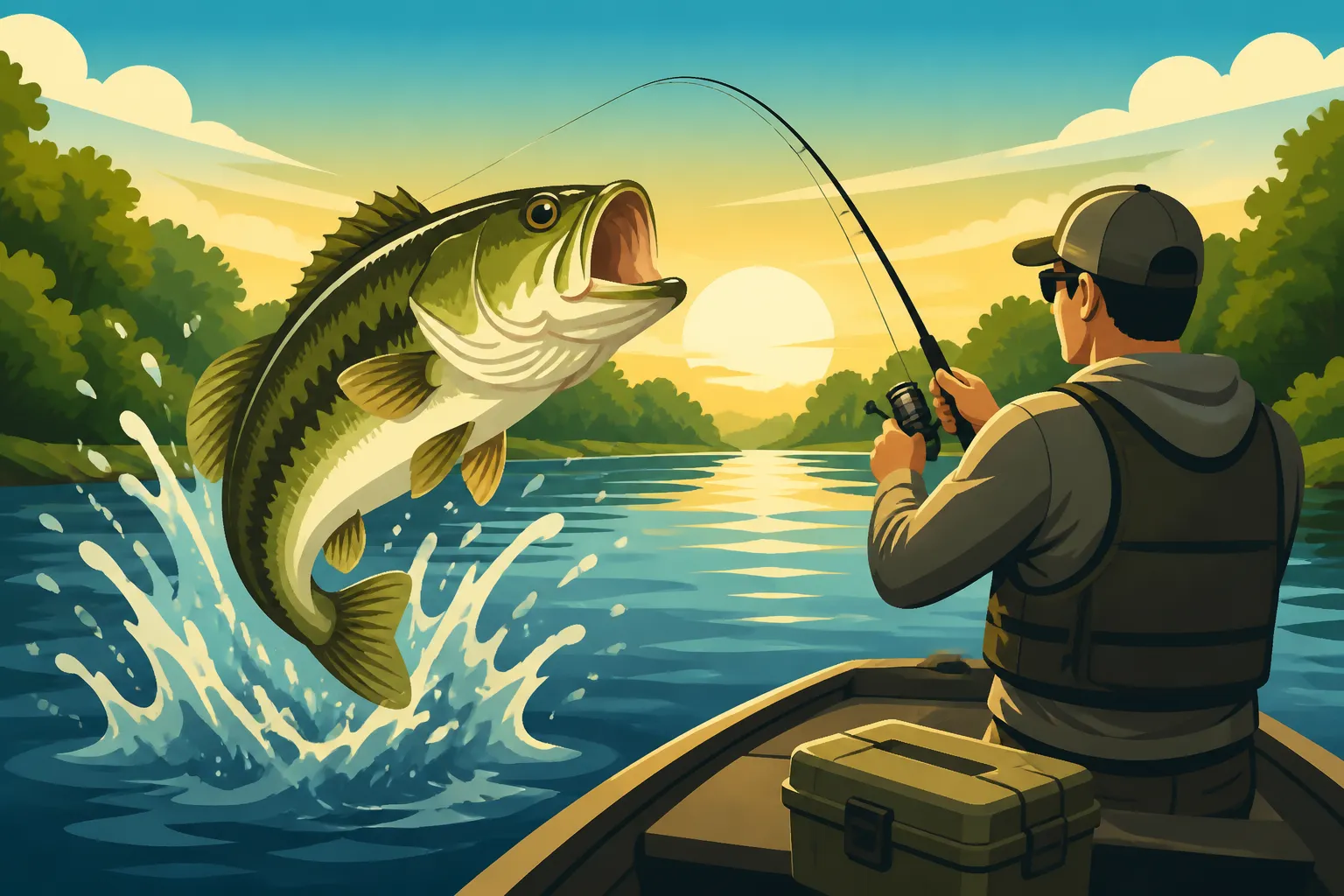
Largemouth Bass are also abundant throughout the Tombigbee system, especially in the backwater lakes, oxbows, and any area with good cover like lily pads, cypress trees, and submerged wood. The changing water levels and diverse structure of the river keep bass on the move, but they are almost always associated with some form of cover or current break. In spring, focus on shallow spawning flats and the mouths of creeks using spinnerbaits, crankbaits, or Texas-rigged worms. As summer sets in, bass will often seek deeper pockets, shaded areas, or current seams along the main river channel. Topwater baits can be exciting in low-light conditions, while deeper-diving crankbaits and jigs can pull fish from heavy cover. The Tombigbee's mix of natural river and impoundment structures provides endless opportunities for anglers practicing various Bass Fishing Techniques for Mississippi Anglers.
Catfish and Other Panfish Pursuits
The Tombigbee River is perhaps most famous for its incredible catfish fishery. Blues, channels, and flatheads all call these waters home, with the potential for truly massive specimens, particularly blue catfish in the deeper main channel areas. Catfish are opportunistic feeders and can be caught year-round, though action often heats up in warmer months. For channel and blue catfish, cut bait (like shad or skipjack herring), chicken livers, and prepared stink baits are perennial favorites. Fishing on the bottom in bends of the river, deep holes, or near submerged log jams can be very productive. Flathead catfish prefer live bait, such as bream or shad, and are often found in heavier cover, lying in wait to ambush prey. Many anglers target them at night. The sheer size and fighting power of a large Tombigbee blue cat are legendary. To refine your strategy, our dedicated Catfish Fishing Techniques guide offers a wealth of information.
Beyond the main game fish, the Tombigbee and its connected waters are teeming with various panfish, including bluegill, redear sunfish (shellcrackers), and various types of bream. These smaller, feisty fish are perfect for a relaxing day on the water, especially for families or beginners. They are often found in shallower, calmer waters, around docks, lily pads, and submerged vegetation. Crickets, worms, and small beetle spins or jigs are usually all you need to fill a cooler with these delicious fish. They bite readily and provide consistent action, making them a fantastic target when other species might be less active. The Mississippi Freshwater Fish Species Guide offers a broader look at all the aquatic life you might encounter.
Best Seasons, Techniques, and Baits
Successful fishing on the Tombigbee, like any dynamic river system, often comes down to understanding the seasonal patterns and adapting your techniques and bait choices accordingly. What works wonders in spring might be completely ineffective in the dead of winter. A little preparation and flexibility go a long way here.
Seasonal Fishing Patterns
Spring on the Tombigbee is a time of renewal and excitement. As water temperatures rise, fish become incredibly active, moving into shallower waters for their annual spawn. This is arguably the best time for crappie, as they push into the backwaters and shallow flats. Bass are also very active, often found guarding beds or cruising shallow cover. Catfish, while present year-round, begin to feed more aggressively as well. Focus on areas protected from strong currents and near cover.
Summer brings warmer water, which can push some fish to deeper, cooler haunts. Early mornings and late evenings are often the most productive times for bass, as they might be found chasing bait on the surface. Crappie will suspend in deeper water over creek channels or tightly to brush piles. Catfish, however, remain very active, especially at night when they venture into shallower areas to feed. Look for current breaks, deep bends, and the mouths of cooler creeks.
Fall is a fantastic time to fish the Tombigbee, as cooling water temperatures trigger a feeding frenzy. Fish start to school up and actively chase baitfish, preparing for winter. Bass and crappie will often move to main lake points and channel edges. This "fall turnover" can lead to some incredible action, particularly for predator species. Catfish remain a strong target, often found in deeper holes.
Winter, while challenging, can still offer excellent fishing, especially for crappie and catfish. Crappie will typically be found in very deep water, often tightly schooled over brush piles in the main river channel or deep pockets of the impoundments. Slow-jigging or vertical fishing with live minnows is key. Large blue catfish will also hold in deep holes, and if you can locate them, they can provide powerful fights even in cold weather. It's all about finding those thermal refuges. For a detailed breakdown of what to expect throughout the year, refer to the Mississippi Fishing Seasons Calendar.
Recommended Gear and Tackle
Having the right gear makes all the difference when tackling a diverse fishery like the Tombigbee. For crappie, light to medium-light spinning rods (5-7 feet) paired with small spinning reels spooled with 4-8 lb monofilament or fluorocarbon are ideal. This setup allows for delicate presentations of small jigs and minnows. For bass, you'll want a more robust setup, typically medium to medium-heavy casting or spinning rods (6.5-7.5 feet) with matching reels spooled with 10-17 lb monofilament or fluorocarbon, or even heavier braided line for punching through thick cover. A variety of lures, from crankbaits and spinnerbaits to soft plastics, are essential.
When targeting catfish, especially the bigger blue cats, heavy-duty gear is a must. Stout rods (7-9 feet) with heavy action, paired with large baitcasting or spinning reels capable of holding 20-50 lb monofilament or braided line, are recommended. Circle hooks (3/0 to 8/0, depending on bait and target size) and heavy sinkers (1-6 ounces) are standard for keeping bait on the bottom in current. Always carry a variety of hooks, sinkers, and leaders. Selecting the Choosing the Right Rod and Reel for Mississippi Fishing can often feel like a big decision, but matching your gear to your target species and fishing style will significantly improve your experience and success rate on the Tombigbee. Don't forget essentials like pliers, a net, and a cooler!
Navigating Regulations and Conservation
Fishing on the Tombigbee River means being a responsible angler, which includes understanding and adhering to Mississippi's fishing regulations. These rules are in place to protect the fishery, ensure sustainable populations, and maintain the quality of fishing for everyone. It’s not just about avoiding fines; it’s about preserving a treasured natural resource.
Essential Licensing and Rules
Before you even wet a line, the most critical step is to obtain a valid Mississippi fishing license. Whether you're a resident or a nonresident, almost everyone between certain ages needs a license to legally fish in public waters. There are different types of licenses available, from annual options to shorter-term permits, and specific licenses for freshwater versus saltwater (though the Tombigbee is entirely freshwater). For example, a Mississippi Fishing License Guide will explain the various options, costs, and where to purchase them, either online or from local vendors like sporting goods stores.
Beyond the general license, it's vital to be aware of species-specific regulations. This includes daily creel limits (how many fish you can keep) and size limits (minimum or maximum lengths for certain species). These limits vary by fish type and can sometimes even be specific to certain bodies of water within the state. For instance, the limits for black bass on the Tombigbee might differ from those on a smaller state lake. Always consult the latest Mississippi Department of Wildlife, Fisheries, and Parks (MDWFP) fishing regulations digest, which is updated annually. Understanding the Mississippi Freshwater Fishing Rules is not just good practice, it's mandatory. Ignorance of the law is never an excuse, and penalties for violations can range from fines to loss of fishing privileges.
Responsible Angling Practices
Conservation isn't just a buzzword; it's a critical component of enjoying the Tombigbee River fishery for years to come. One of the most important practices is catch and release, especially for larger, older fish that are vital for breeding. While keeping a legal limit of fish for dinner is perfectly fine, consider releasing trophy-sized bass or catfish. If you do practice catch and release, handle fish gently, minimize their time out of water, and use proper de-hooking tools.
Beyond fish handling, litter prevention is paramount. Pack out everything you pack in, and perhaps even pick up a piece of trash left by someone else. The health of the river depends on all of us. Additionally, be mindful of invasive species. Never transport live bait from one body of water to another, and always clean, drain, and dry your boat and gear to prevent the spread of unwanted plants and animals. Respecting private property when accessing the river and being considerate of other anglers and boaters also contributes to a positive experience for everyone. The collective effort of responsible anglers ensures that the Tombigbee River remains a thriving and productive fishing destination.
Disclaimer
Fishing inherently involves risks. Always prioritize safety, check weather conditions, and understand local boating and fishing regulations. This guide provides general information and recommendations; specific conditions and rules can change. It is your responsibility to stay informed and exercise caution while on the water.