Sardis Lake Tailwater Trout and Bass Fishing
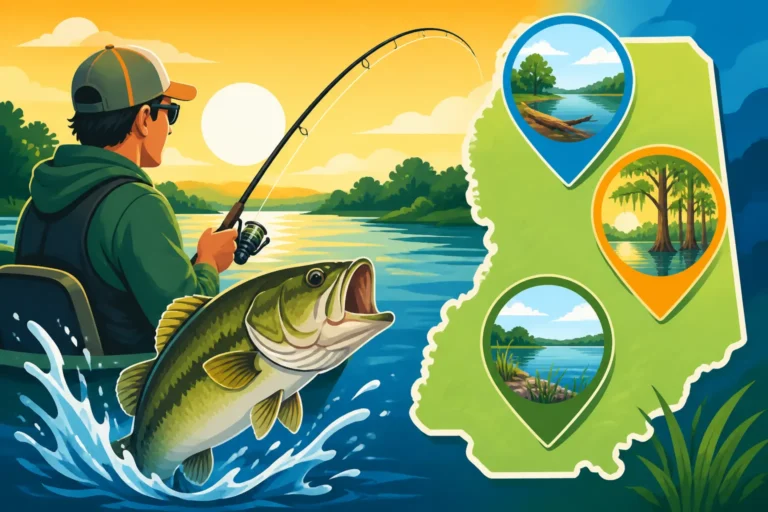
It’s a common misconception among anglers that fishing below a big dam, in what we call a tailwater, is just like fishing any other river. You might think the fish are the same, the techniques are the same, and the opportunities are similar to the main lake. But that couldn’t be further from the truth, and if you approach it that way, you’re likely to leave disappointed. The Sardis Lake tailwater in Mississippi, particularly for trout and bass, presents a unique challenge and a fantastic reward if you know how to navigate its distinct environment. This guide is here to shed light on those differences, helping you unlock the incredible fishing potential of this often-overlooked stretch of water.
Understanding the Sardis Lake Tailwater Environment
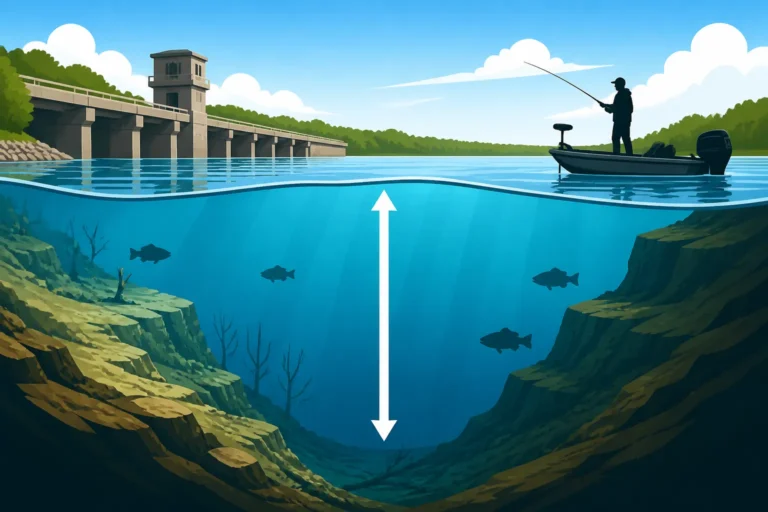
The Sardis Lake tailwater is the stretch of the Little Tallahatchie River directly downstream from the Sardis Lake dam. What makes this area so special – and often frustrating if you're unprepared – is the consistent discharge of colder, oxygenated water from the bottom of the reservoir. This creates an ecosystem that's dramatically different from the warmer, more stagnant waters of the lake itself or other Mississippi rivers. These unique conditions don't just affect the fish; they dictate everything from their behavior to the types of forage available, and, crucially, how you need to approach your fishing strategy.
The Unique Dynamics of a Tailwater Fishery
Unlike natural rivers where water temperature fluctuates with the seasons and rainfall, tailwaters tend to maintain a more stable, cooler temperature year-round due to the deep water release from the dam. This colder water is crucial for sustaining a thriving trout population, something you won't find in most other Mississippi waters. The constant flow, often regulated by the dam's power generation or flood control needs, means the river's character can change dramatically day by day, or even hour by hour. High flows can make wading treacherous and fishing difficult, while lower flows can expose more structure and create ideal conditions. Always check the U.S. Army Corps of Engineers water release schedules for Sardis Lake before heading out; this is a non-negotiable step for safety and success.
The riverbed itself is typically rocky and gravelly, a stark contrast to the muddy bottoms often found in the larger lake. This type of substrate, combined with the cooler water, supports different insect life and aquatic vegetation, forming the base of the food chain for both the stocked trout and native bass. Understanding these subtle environmental cues – the clarity of the water, the speed of the current, and the structure of the bottom – is paramount.
What Fish Species Thrive Here?
While the main Sardis Lake is renowned for its colossal crappie and robust bass, the tailwater paints a different picture, primarily because of the Mississippi Department of Wildlife, Fisheries, and Parks (MDWFP) trout stocking program.
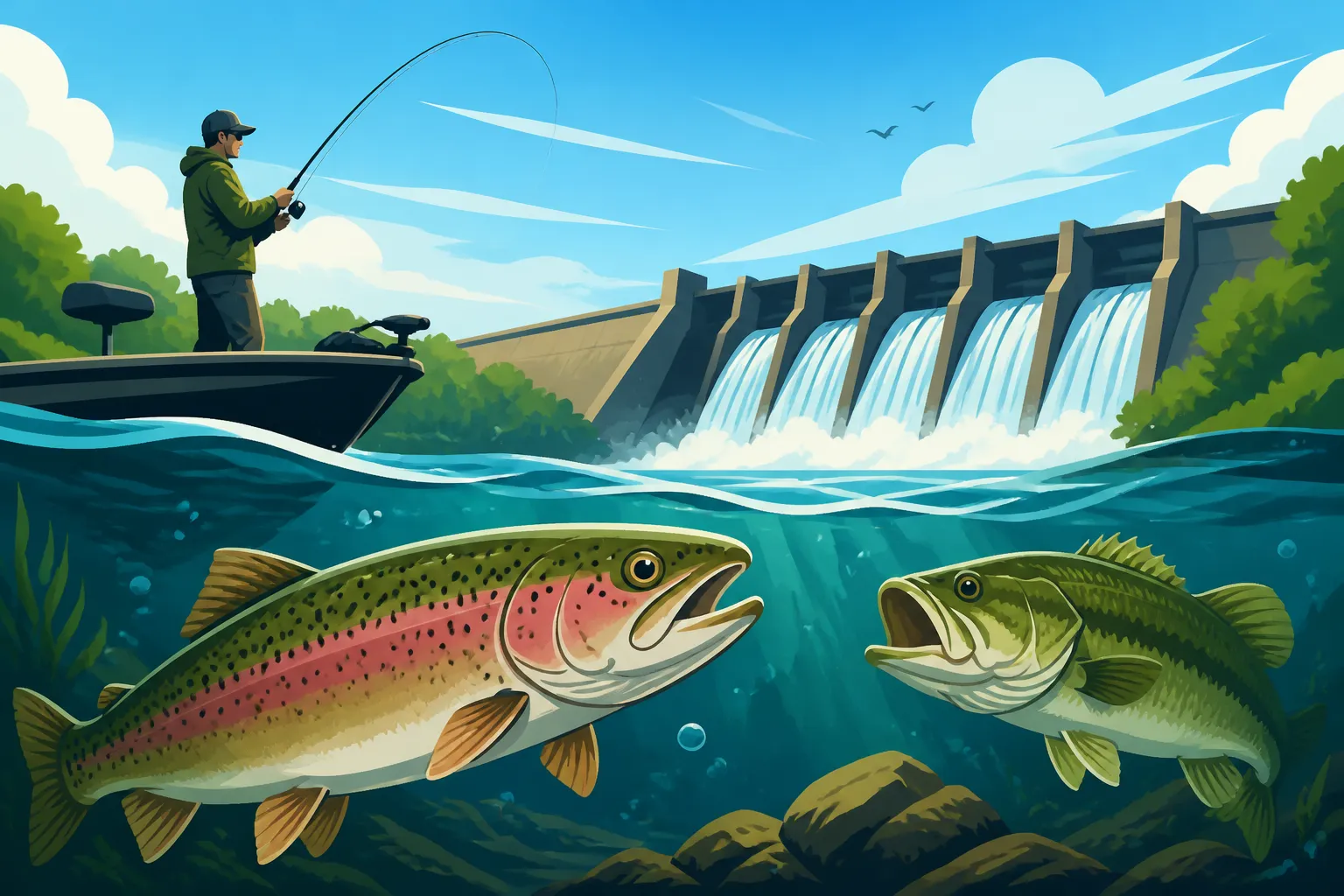
Rainbow trout are regularly stocked in the Sardis Lake tailwater, making it one of the few places in Mississippi where you can target these cold-water beauties. These trout are often hatchery-raised, meaning they might initially be less wary than wild trout, but they quickly adapt to their new environment. For dedicated trout anglers, this tailwater provides a fantastic opportunity right in the heart of Mississippi. You'll find detailed information on these stocking efforts and general fishing guidelines in our broader guide on Mississippi Fishing Regulations Explained.
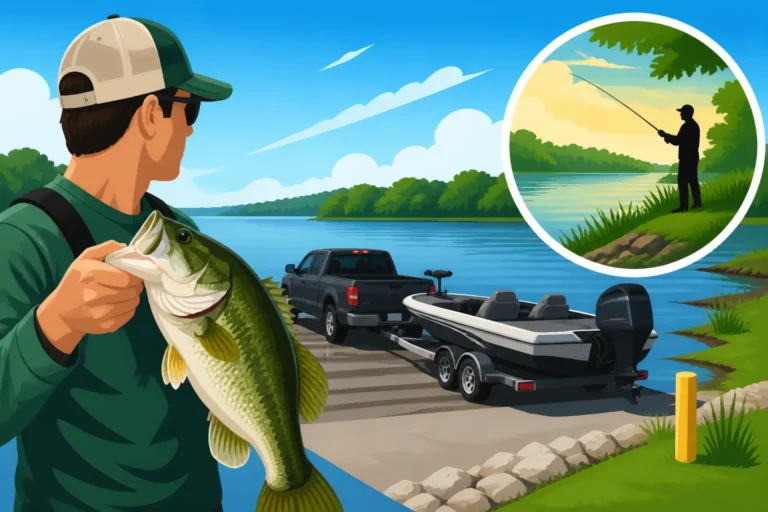
Alongside the stocked trout, the tailwater also supports a healthy population of largemouth and spotted bass. These bass are often larger and more aggressive than their lake counterparts, adapting to the current and feeding on a diet that includes baitfish, crayfish, and even smaller stocked trout. They've learned to position themselves in eddies, behind submerged rocks, and in slack water pockets, waiting to ambush prey. You might also encounter channel catfish, various sunfish, and the occasional hybrid striped bass, all drawn to the consistent flow and cooler temperatures.
Targeting Trout in the Sardis Lake Tailwater
Trout fishing in Mississippi is a rare treat, and the Sardis tailwater offers a unique opportunity. It’s not your typical mountain stream, but with the right approach, you can have a truly memorable day chasing rainbows. The key is understanding their preference for cold, oxygenated water and how that dictates their feeding habits and locations.
Prime Seasons and Optimal Fishing Times
While trout can be present year-round due to regular stocking, the cooler months are generally the most productive and comfortable for anglers. From late fall through early spring, when ambient air temperatures match the water temperatures more closely, the trout are typically more active and less stressed. During the warmer summer months, the trout tend to be sluggish during the heat of the day and seek out the coldest, most oxygen-rich pockets of water, often deeper or in faster currents.
The best time of day often mirrors typical trout behavior: early mornings and late afternoons are usually prime. However, on overcast or cooler days, fishing can be productive throughout the day. Pay close attention to dam discharge schedules; often, a consistent, moderate flow is ideal. A sudden surge in water release can disorient fish and make fishing difficult, while prolonged low water can make them wary. For a comprehensive look at the best times to fish generally, consult our Mississippi Fishing Seasons Calendar.
Effective Baits and Lures for Tailwater Trout
When it comes to baits and lures, tailoring your presentation to the current and the trout's likely diet is essential.
For Spin Fishermen:
- Small Inline Spinners: Brands like Mepps Aglia or Panther Martin in sizes #0 to #2 are classic trout getters. Gold, silver, or black blades with a bit of bright color work well. Cast upstream and retrieve just fast enough to get the blade spinning, letting the current carry it naturally.
- Small Spoons: Tiny Kastmasters or Little Cleos in silver or gold, 1/16 to 1/8 oz, are excellent. Their erratic wobble imitates injured baitfish.
- Soft Plastics: Small trout worms or powerbait nuggets in bright colors (chartreuse, orange, pink) fished on a light jig head or under a bobber are incredibly effective, especially for freshly stocked fish. PowerBait is often a go-to for many anglers, mimicking the hatchery food the trout are accustomed to.
- Live Bait: Garden worms, corn, or small minnows (where legal) drifted naturally with the current can be deadly. Use minimal weight to ensure a natural presentation.
For Fly Fishermen:
The Sardis tailwater offers some fantastic opportunities for fly anglers, though it requires a different approach than a pristine mountain stream.
- Nymphs: This is often the most consistent method. Patterns like Prince Nymphs, Hare's Ear Nymphs, Pheasant Tail Nymphs, and Caddis Larva imitations in sizes #12-18 are excellent choices. Fish them under a strike indicator with a small split shot to get them down to the fish.
- Streamers: For aggressive trout, especially larger ones, small streamers like Woolly Buggers (black, olive, brown) or small baitfish imitations can be very effective. Strip them through deeper runs and around structure.
- Dry Flies: While less common given the tailwater's often turbulent nature, during specific insect hatches (e.g., Caddis hatches), dry flies can provide thrilling action. Have some Elk Hair Caddis or Parachute Adams on hand in appropriate sizes.
Tactics for Success in Varying Conditions
Fishing the Sardis tailwater demands adaptability. Here’s how to adjust your approach:
- Reading the Water: Look for seams where faster water meets slower water, eddies behind rocks, deep pools, and current breaks. Trout will position themselves in these areas to conserve energy and ambush food.
- Wading Safely: The bottom can be slippery, and water levels can change. Always use a wading staff and felt-soled or studded wading boots. Never wade alone, and know your limits. Understanding the current and water depth is critical.
- Light Tackle is Key: Trout have excellent eyesight. Use light fluorocarbon leaders (4-6 lb test for spinning, 4x-6x tippet for fly fishing) to make your line less visible.
- Casting and Presentation: For both spin and fly fishing, casting upstream and allowing your bait or lure to drift downstream naturally with the current is often most effective. This "dead drift" presentation mimics natural forage. Avoid dragging your line against the current, which looks unnatural to wary trout. When researching guided trips for trout or bass, platforms like FishingBooker can often help you find local experts who know the tailwater's nuances intimately.
Pursuing Bass in the Sardis Lake Tailwater
While the trout get a lot of attention, the bass fishing in the Sardis Lake tailwater is equally thrilling and often overlooked. These aren't your typical pond bass; they're strong, current-adapted fighters that know how to use the river to their advantage. Both largemouth and spotted bass call this tailwater home, and they grow to impressive sizes by feeding on the abundant baitfish, crayfish, and even the occasional unsuspecting stocked trout.
Identifying Prime Bass Habitats in the Current
Unlike lake bass that might relate to sprawling hydrilla beds or submerged timber, tailwater bass are masters of current breaks and ambush points. They conserve energy by holding in slower water but remain close enough to dart into the current for a meal.
- Eddies and Slack Water: These are key. Look for areas where the main current sweeps past a rock, a log, or an irregularity in the bank, creating a calmer pocket of water. Bass will sit at the head or tail of these eddies, facing upstream.
- Seams and Current Breaks: Where fast water meets slow water, a distinct "seam" forms. Bass will often patrol these transition zones, waiting for baitfish or insects to be carried along.
- Submerged Structure: Any large rocks, fallen trees, log jams, or concrete structures provide cover and current breaks. Bass will tuck in tight to these features.
- Deep Pools and Runs: After a series of rapids or shallower runs, the river often settles into deeper pools. These provide sanctuary and foraging grounds, especially during periods of high sun or low water.
- Undercut Banks: Erosion from the current can create hollowed-out banks, offering perfect overhead cover and ambush points for bass.
Recommended Lures and Techniques for Tailwater Bass
Fishing for bass in a tailwater requires lures and techniques that can handle current and quickly get to the strike zone.
- Spinnerbaits and Bladed Jigs: These are excellent choices because they can be fished effectively in current. Their flash and vibration attract bass, and they are relatively weedless, making them good for navigating submerged structure. Chartreuse/white, black/blue, and shad patterns are reliable. Cast them upstream or across the current and retrieve.
- Crankbaits: Medium-diving crankbaits that mimic shad or crawfish can be incredibly effective when bounced off rocks and structure in deeper runs. Choose models with a tight wobble that can cut through the current.
- Jigs: Flipping and pitching jigs (1/4 to 1/2 oz) with creature bait trailers into current breaks, behind rocks, and under submerged logs can provoke aggressive strikes. Black and blue, green pumpkin, and brown are staple colors.
- Soft Plastics (Texas Rigs and Ned Rigs): For working specific structure or slower eddies, a Texas-rigged worm or creature bait can be dragged or hopped along the bottom. The Ned Rig, with its subtle action, can be surprisingly effective in clear, cooler water for wary bass. For more on specific techniques, you can explore our detailed guide on Bass Fishing Techniques for Mississippi Anglers.
- Topwater Lures: During low light conditions (early morning, late evening, or overcast days), topwater lures like poppers, walking baits, and buzzbaits can draw explosive strikes, especially from bass hiding in calmer pockets.
Seasonal Bass Behavior and Adjustments
Bass behavior in the tailwater, while always influenced by current, does shift with the seasons, especially concerning water temperature and dam discharge.
- Spring: As water temperatures begin to rise but remain cool, bass become very active. They'll push into shallower eddies and gravel bars to feed. Spinnerbaits, jigs, and small crankbaits are highly effective. This is an exciting time, but always be mindful of increased water flows from spring rains.
- Summer: The tailwater's cooler temperatures provide a refuge for bass during the hot Mississippi summer. They'll often move to deeper holes, faster current seams, and concentrate around strong oxygenated flows. Heavy jigs, deep-diving crankbaits, and even live bait can be productive. Early morning and late evening topwater action can still be fantastic in the calmer pockets.
- Fall: As lake temperatures drop, triggering shad migration, bass in the tailwater become incredibly aggressive, putting on weight for winter. This is a fantastic time for crankbaits, spinnerbaits, and soft plastic jerkin' baits mimicking baitfish. Look for schooling fish actively chasing bait.
- Winter: Bass activity slows, but they still feed. They'll congregate in deeper, slower pools and tight to submerged structure. Finesse techniques like Ned Rigs, slow-dragged jigs, and suspending jerkbaits fished patiently can yield big fish. Don't be afraid to fish small and slow.
Essential Gear and Safety Considerations for Tailwater Fishing
Fishing the Sardis Lake tailwater isn't just about the right lure; it's also about having the right gear to stay comfortable, effective, and most importantly, safe. The dynamic nature of the river current and potentially cold water demands a bit more preparation than your average pond trip.
Must-Have Equipment for a Successful Trip
Your gear choices should reflect the challenges and opportunities of the tailwater.
- Rods and Reels: For trout, a light to ultralight spinning rod (5'6" to 6'6") with a small spinning reel spooled with 4-6 lb fluorocarbon or monofilament is ideal. Fly anglers will want a 4-6 weight fly rod. For bass, a medium to medium-heavy spinning or baitcasting rod (6'6" to 7'2") with 10-15 lb fluorocarbon or braid is versatile enough for most techniques. Having a selection allows you to adapt. Our guide on Choosing the Right Rod and Reel for Mississippi Fishing can offer more tailored advice.
- Waders and Boots: Waders are almost essential for accessing many prime fishing spots and staying warm in the cold tailwater. Breathable chest waders are comfortable for warmer weather, while neoprene waders are better for true cold. Invest in good wading boots with felt soles or carbide studs for grip on slippery rocks. Always wear a wading belt to prevent your waders from filling with water in case of a fall.
- Landing Net: A rubberized landing net is crucial for both trout and bass. It protects the fish's slime coat, reduces injury, and makes unhooking much easier, especially if you plan on catch and release.
- Pliers/Forceps and Line Clippers: Essential for quickly and safely removing hooks, especially from toothy fish or those deeply hooked.
- Life Vest (PFD): If you're wading in swift current or using a boat, a PFD is non-negotiable. Even in seemingly calm areas, a sudden slip or surge of water can be dangerous.
- Sun Protection: Sunscreen, a wide-brimmed hat, and polarized sunglasses are important year-round. Polarized sunglasses are particularly helpful for seeing submerged structure and fish.
Navigating Tailwater Hazards and Staying Safe
The beauty of a tailwater comes with inherent risks that must be respected. Ignoring these can turn a great fishing day into a dangerous situation.
- Changing Water Levels and Current: The most significant hazard is the unpredictable nature of the water release from Sardis Dam. Always check the current and projected release schedule before you go, and keep an eye on river levels while you're fishing. Water can rise rapidly. If you see or hear a sudden increase in water flow, get to high ground immediately.
- Slippery Terrain: The rocks and gravel on the river bottom are often covered in slick algae. Wading slowly, deliberately, and using a wading staff for balance is critical. Never take your eyes off the water downstream.
- Cold Water Immersion: Even on a warm day, the water in the tailwater can be very cold. Falling in can lead to hypothermia, especially if you're not wearing appropriate layers or a PFD. Always dress in layers, and consider a dry bag for spare clothes and electronics.
- Snakes and Wildlife: Like any natural area, be aware of local wildlife, including snakes (cottonmouths are common near water in Mississippi). Watch where you step and reach.
Booking a trip through a service like FishingBooker can sometimes help you connect with local guides who are intimately familiar with the tailwater and its specific dangers, offering a safer and more productive experience. They can also advise on the most current regulations, which might occasionally include specific rules for this unique environment, beyond general Mississippi Freshwater Fishing Rules.
Conservation and Responsible Angling
The Sardis Lake tailwater is a precious resource for Mississippi anglers, offering a unique opportunity to catch trout and feisty river bass. To ensure this fishery remains vibrant for generations to come, responsible angling practices and adherence to regulations are absolutely critical.
Understanding and Following Mississippi Fishing Regulations
Before you even cast a line, make sure you're properly licensed. You'll need a valid Mississippi fishing license, and if you're a non-resident, there are specific options available for you. Penalties for fishing without a license can be steep, so it's simply not worth the risk. Our comprehensive Mississippi Fishing License Guide will walk you through everything you need to know about purchasing the correct license. Beyond licensing, always be aware of species-specific regulations. While trout are primarily "put-and-take" in the tailwater, there might be specific creel or size limits, especially for bass or other native species. Check the latest MDWFP regulations before each trip. These can sometimes be found on the MDWFP website or through fishing-related resources, including many charter and guide services listed on platforms like FishingBooker, which often provide quick links or summaries of local rules.
Practicing Catch and Release for a Sustainable Fishery
While it's always fun to bring home a meal, catch and release is highly encouraged, especially for bass and larger trout in the tailwater. Trout stocking programs are costly, and by releasing healthy fish, you contribute directly to the ongoing success and availability of this unique fishery.
Here are some tips for effective catch and release:
- Minimize Handling: Try to keep the fish in the water as much as possible. If you must handle it, do so with wet hands to protect its delicate slime coat.
- Barbless Hooks: Consider crimping down the barbs on your hooks. This makes removal much easier and less damaging to the fish's mouth.
- Quick Release: Have your camera ready, snap a quick photo if desired, and release the fish promptly. Prolonged exposure to air is stressful for fish.
- Proper Revitalization: If a fish seems sluggish, gently hold it upright in the water, facing into a mild current, until it can swim away on its own.
By being mindful of your impact, you help preserve the quality of the fishing experience for everyone who visits the Sardis Lake tailwater.
| Fish Species | Primary Tailwater Lures/Baits | Key Tactics | Peak Seasons | Handling Tips |
|---|---|---|---|---|
| Rainbow Trout | Small spinners, spoons, PowerBait, nymphs, streamers | Dead drift, cast upstream, target seams & pools | Fall, Winter, Early Spring | Wet hands, quick release, barbless hooks |
| Largemouth Bass | Spinnerbaits, jigs, crankbaits, soft plastics | Target eddies, current breaks, submerged structure | Spring, Fall, Summer (early/late) | Wet hands, support belly, minimize air time |
| Spotted Bass | Small crankbaits, Ned rigs, smaller jigs | Similar to largemouth, often prefer clearer water | All year, good fighters | Similar to largemouth, handle with care |
Disclaimer
The information provided in this guide is for general informational purposes only and is subject to change. Fishing regulations, water conditions, and fish populations can vary. Always consult the latest regulations from the Mississippi Department of Wildlife, Fisheries, and Parks (MDWFP) and check current water release schedules from the U.S. Army Corps of Engineers before planning any fishing trip to the Sardis Lake tailwater. Fishing in tailwaters can be inherently dangerous due to fluctuating water levels and strong currents; always prioritize safety.