Best Lures for Largemouth Bass
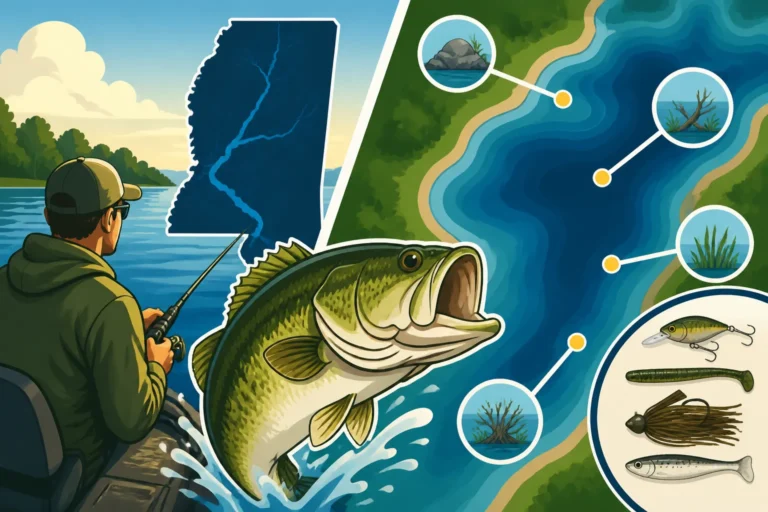
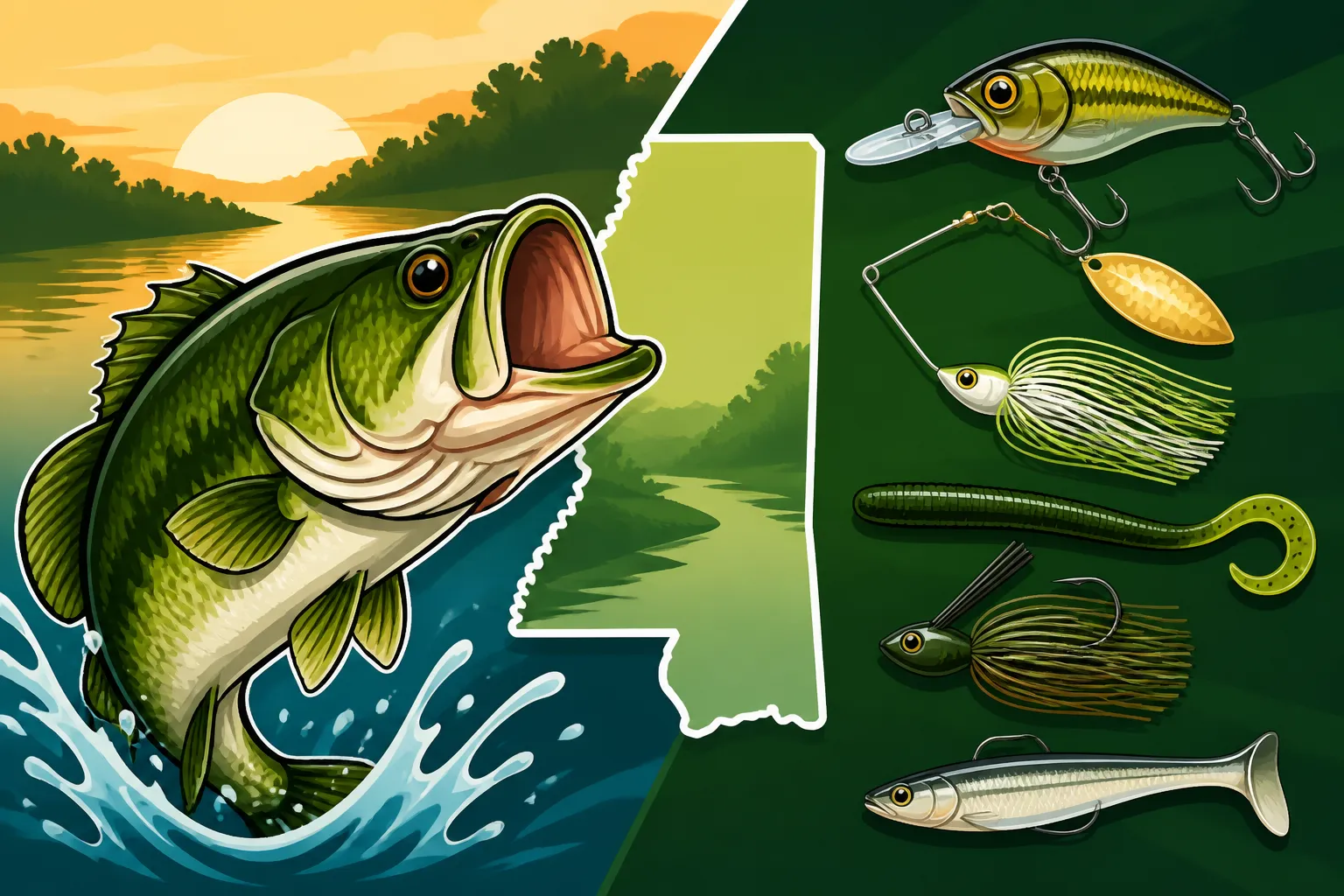
Navigating the overwhelming world of fishing lures for largemouth bass in Mississippi can feel like trying to solve a complex puzzle, especially when you're faced with an entire tackle shop aisle dedicated to them. It’s easy to get frustrated wondering which one will actually tempt those elusive big bass lurking in our reservoirs and oxbows. This comprehensive guide is here to cut through the confusion, helping you understand the best lures for different situations and how to effectively use them to land more largemouth bass across the Magnolia State.
Understanding Largemouth Bass Behavior in Mississippi
To truly master largemouth bass fishing in Mississippi, you first need to get inside the head of the fish. Their behavior isn't static; it shifts dramatically with the seasons, water conditions, and what they're hungry for. Ignoring these factors is like trying to use a winter coat in July – it just doesn't make sense. Understanding these nuances will be your secret weapon in selecting the perfect lure from your tackle box. For a broader overview, check out our guide on Largemouth Bass Fishing in Mississippi.
Seasonal Patterns and Bass Movement
Mississippi's bass are highly influenced by the calendar, which dictates their spawning cycles, feeding frenzies, and periods of lethargy. Each season presents unique challenges and opportunities for anglers.
During the chilly months of winter, largemouth bass typically retreat to deeper, more stable water. They become less active, conserving energy, and their metabolism slows down significantly. This often means they’re less willing to chase fast-moving baits. You’ll find them congregating in areas like deep creek channels, submerged timber, or around ledges in reservoirs such as Ross Barnett or Grenada Lake. Your approach here needs to be slow and precise, putting the lure right in front of their faces to trigger a strike. It's not about speed; it's about persistence and tempting a lethargic fish.
As spring arrives, the water gradually warms, signaling the bass to begin their migration towards shallower spawning grounds. This pre-spawn period is one of the most exciting times to fish, as bass are actively feeding to build up energy for spawning. They’ll move from deeper wintering holes to staging areas like points, secondary channels, and flats near cover. Once water temperatures hit the mid-60s, they’ll move onto beds to spawn. During this time, they become extremely protective of their nests. Post-spawn, they might be a bit lethargic before resuming their aggressive feeding patterns. Understanding the full Mississippi Fishing Seasons Calendar can further enhance your seasonal strategy.
Summer in Mississippi brings scorching temperatures, and bass will adjust their behavior accordingly. During the hottest parts of the day, they'll often seek refuge in deeper, cooler water, or burrow into dense, shady cover like lily pads, hydrilla mats, or beneath docks. Early mornings, late evenings, and even night fishing become incredibly productive as the surface water cools and bass move shallower to feed. They are still aggressive feeders but require you to present lures in specific, often hard-to-reach locations.
Finally, fall is another fantastic time to fish as water temperatures begin to drop and bass go on a feeding binge in preparation for winter. This is often referred to as the "fall turnover" or "fall shad run" when baitfish schools become highly active, and bass follow suit. They'll be found feeding aggressively on shallow flats, around points, and chasing bait in open water. This season often sees bass spreading out more, making them accessible in a wider range of depths and habitats.
Forage and Diet Preferences
Largemouth bass are opportunistic predators, and their diet can vary significantly based on what's available in a particular body of water. Knowing what they're naturally feeding on will give you a huge advantage in selecting the right lure.
In many Mississippi lakes and rivers, shad (both gizzard and threadfin) are a primary forage base. These silvery baitfish are abundant and form the core diet for many bass. When bass are actively feeding on shad, lures that mimic their size, color, and shimmering action – like crankbaits, spinnerbaits, and swimbaits – can be incredibly effective. Pay attention to any signs of baitfish schools on your fish finder or active busting on the surface, as this often indicates shad activity.
Beyond shad, bass also feast on a variety of other creatures. Bluegill and other sunfish are common prey, especially in areas with abundant panfish populations. Lures that imitate the rounder profile and blue/green/orange coloration of sunfish, such as bluegill-patterned crankbaits or jigs with sunfish-colored trailers, can be deadly. In some waters, crawfish are a significant part of the bass diet, particularly during certain times of the year when they are molting and more vulnerable. Jigs and creature baits in brown, red, or green pumpkin hues that mimic crawfish are essential for these situations.
Don't forget about larger prey items, especially for those trophy-sized bass. They aren't shy about eating frogs, snakes, small ducks, or even juvenile birds if the opportunity arises. This is where topwater lures, especially frog imitations, truly shine. The general rule of thumb is to "match the hatch" – observe what the bass are likely feeding on in your specific location and choose a lure that closely resembles that prey in size, shape, and color. A great way to start is by seeing what fish are available throughout the year by referring to our Best Time of Year to Fish in Mississippi guide.
Water Conditions and Habitat Influence
Water conditions play a monumental role in how bass see, react to, and locate lures. Factors like clarity, temperature, and current all dictate how you should present your bait.
In clear water, bass have excellent visibility and can be quite discerning. They'll often follow a lure for a long time before deciding to strike, and they can easily spot unnatural presentations or heavy line. In these conditions, finesse techniques, natural colors, and smaller profiles are often more effective. Think about lighter lines, more subtle retrieves, and baits that have realistic finishes. Locations like parts of Pickwick Lake, known for its clearer waters, might require this approach.
Conversely, in stained or muddy water, bass rely more on their lateral line to detect vibrations and their sense of smell. Visibility is limited, so bright colors and lures that create a lot of vibration and noise become paramount. Chartreuse, white, and dark colors like black and blue can stand out better. Spinnerbaits, chatterbaits, and crankbaits with rattles are excellent choices as they send out strong signals the bass can feel. Heavy rains can quickly turn Mississippi's waters muddy, making this type of lure selection critical. For these scenarios, specifically consider Best Lure Colors for Muddy Water Bass Fishing.
Habitat is where bass live, ambush prey, and seek shelter. Different types of cover and structure demand different lures and presentations. Grass beds (hydrilla, milfoil, lily pads) are prime ambush points. Lures that can be worked over or through the grass without snagging, such as weedless frogs, soft plastic toads, or punching jigs, are indispensable. For detailed tips on fishing this environment, check out our article on How to Fish Grass Beds for Bass. Wood cover (laydowns, stumps, brush piles) provides excellent shelter. Jigs, Texas-rigged worms, and spinnerbaits can be highly effective when worked precisely around these snags.
Rocky areas, points, and ledges offer distinct feeding zones. Crankbaits that deflect off rocks, football jigs, and shaky head worms can imitate crawfish or baitfish foraging in these areas. The contours of the bottom can hold fish at specific depths, and understanding your electronics becomes key here. Finally, docks and piers provide shade and structure, making them excellent targets. Skipping jigs or soft plastics under docks can reach bass that rarely see a lure. Every piece of structure tells a story about where a bass might be, and your lure choice should align with that narrative.
Topwater Lures for Explosive Strikes
There’s something undeniably thrilling about a largemouth bass exploding on a topwater lure. It’s a visual, heart-pounding strike that gets the adrenaline pumping like no other. Topwater fishing is not just about the excitement; it can be incredibly effective, especially in specific conditions. These lures are designed to create commotion and mimic distressed prey right on the surface, triggering an aggressive reaction strike from territorial or hungry bass.
Poppers and Walkers: Surface Commotion
When you want to call bass up from the depths or from heavy cover, poppers and walkers are your go-to topwater baits. They create distinct disturbances that mimic struggling baitfish or a frog splashing on the surface, often irresistible to a lurking largemouth.
Poppers are characterized by their cupped faces, designed to "spit" or "pop" water forward when retrieved. The key to fishing a popper effectively is a varied retrieve. Typically, you’ll cast it out, let it sit until the ripples disappear, then give it a sharp twitch to create a "pop" and splash. This mimics a struggling baitfish or an insect falling into the water. After the pop, let it sit again for a few seconds. Sometimes a long pause, sometimes a series of quick pops, is what it takes. Experiment with your retrieve speed and pause duration. Colors often mimic shad, bluegill, or frogs. Brands like Rebel Pop-R have been a classic choice for Mississippi anglers for decades, offering reliable action right out of the box.
Walking baits, often called "spooks" after the Heddon Zara Spook, are designed to glide side-to-side across the water's surface in a "walk-the-dog" retrieve. This action perfectly imitates a dying baitfish struggling on the surface. Mastering the walk-the-dog retrieve takes a little practice – it involves a series of subtle rod twitches while reeling in slack. The lure should dart left, then right, then left again. Unlike poppers, which are about short, sharp splashes, walking baits create a continuous, rhythmic commotion. They are fantastic for covering water, especially over shallow flats, points, or along grass lines when bass are actively feeding on shad. They come in various sizes, with larger ones often attracting bigger, more aggressive bass. You can find a huge selection of both poppers and walking baits on platforms like Amazon, offering a convenient way to try different styles and colors without visiting multiple stores.
Both poppers and walking baits are most effective in calm to slightly choppy water, typically during low-light conditions like early morning, late evening, or overcast days when bass are more willing to come to the surface. They also shine in areas with sparse cover or over submerged grass beds where bass can easily see and ambush them.
Frogs and Buzzbaits: Heavy Cover Masters
When the cover gets thick – think dense lily pads, matted hydrilla, or heavy emergent vegetation – traditional treble hook lures are a nightmare to fish. This is where weedless topwater frogs and buzzbaits become indispensable tools for drawing monster strikes out of seemingly impenetrable areas.
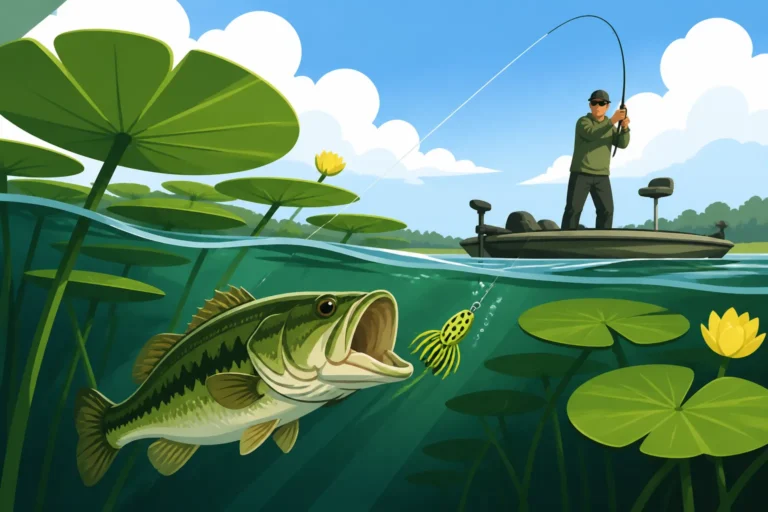
Hollow-body frogs are probably the most satisfying lures to fish in heavy cover. Designed with a soft, pliable body and upward-pointing double hooks, they are virtually weedless, allowing you to drag them directly over thick mats, through lily pads, and into gaps where bass love to hide. The retrieve is simple: cast it onto or near the cover, and then twitch and pause, twitch and pause, mimicking a frog or mouse moving across the surface. The key is to wait a second or two after the bass blows up on the frog before setting the hook, allowing the fish to fully inhale the bait. This technique requires patience but the explosive blow-up from a hidden bass is worth every second. Colors often mimic natural frogs or mice, but bright white or black can also be effective, especially on dark, overcast days or at night.
Buzzbaits are entirely different. They are designed for speed and noise, featuring a propeller blade that churns the water, creating a distinctive "buzzing" or "squeaking" sound as it moves across the surface. Buzzbaits are excellent for covering a lot of water quickly, particularly along weed lines, over submerged structure, or around standing timber. The retrieve is straightforward: cast and reel at a steady pace, fast enough to keep the blade turning and the lure on the surface. They are fantastic for triggering reaction strikes from aggressive bass, especially in low-light conditions or on overcast days. Their single, upturned hook typically makes them relatively weedless in moderately heavy cover, though they can still snag in dense vegetation. Different blade styles (clacker, counter-rotating, single, double) produce varying sounds and water displacement, so it's worth experimenting to see what the bass prefer on a given day. You can find many unique buzzbait designs and colors to experiment with on Amazon.
Both frogs and buzzbaits excel in drawing aggressive strikes from bass tucked away in hard-to-reach places. They require specific retrieves and understanding when and where to use them is crucial for maximizing their effectiveness.
Prop Baits and Wakebaits: Subtle Surface Disturbance
Sometimes, the bass aren't in the mood for an explosive commotion but still want to feed on the surface. This is where more subtle topwater options like prop baits and wakebaits truly shine, offering a different kind of surface presentation.
Prop baits are designed with one or two small propellers, usually at the front and/or back, that create a subtle splashing and gurgling sound as they're retrieved. Unlike the aggressive pop of a popper or the continuous buzz of a buzzbait, prop baits create a more understated disturbance that can be incredibly effective when bass are finicky or when fishing in clearer, calmer waters. Think of it as a struggling baitfish making minimal effort to escape, or a bug buzzing just on the surface. A common retrieve involves short twitches or a slow, steady retrieve with pauses. The tiny propellers create a shimmering bubble trail and a unique vibration that can draw curious bass to investigate. They are excellent for targeting bass around boat docks, submerged timber, or along seawalls where a more natural, less intrusive presentation is desired.
Wakebaits are a unique category of topwater lure that don't splash or buzz, but rather "wake" just under the surface, creating a V-shaped ripple trail. They typically have a wide, shallow lip or a jointed body that allows them to swim with a wobbling or slithering action barely below the surface. This action mimics a baitfish swimming just beneath the water or a small creature crossing the surface. Wakebaits are often retrieved slowly and steadily, allowing their natural swimming action to do the work. They are incredibly versatile and can be effective in both clear and stained water, especially when bass are looking for a bigger meal. Because they stay just under the surface, they're often retrieved over submerged grass, shallow points, or along rocky banks. The subtle, yet prominent, ripple they create can be an irresistible trigger for cautious bass that might be spooked by more aggressive topwater presentations. Brands like Berkley, through retailers like Amazon, offer wakebaits that excel in mimicking various forage species.
Both prop baits and wakebaits offer anglers a way to fish the surface without necessarily generating a massive splash or sound. They provide a more refined approach to topwater fishing, often proving to be the perfect choice when bass are actively feeding but need a more enticing or less aggressive presentation.
Subsurface Lures for Active Feeders
While topwater action is exhilarating, most of a bass’s feeding happens just below the surface or deeper in the water column. Subsurface lures are designed to target these active feeders, mimicking baitfish, crawfish, or other prey that bass are actively chasing. These lures often rely on flash, vibration, or erratic movement to trigger strikes from bass that are on the hunt. For general advice on your setup, consider our guide on Choosing the Right Rod and Reel for Mississippi Fishing.
Spinnerbaits and Chatterbaits: Vibration and Flash
When you need to cover water quickly, cut through moderate cover, or fish in stained conditions, spinnerbaits and chatterbaits are two of the most effective tools in your tackle box. They both rely on vibration and flash to attract bass, but each has its own unique presentation.
Spinnerbaits are a classic for a reason. Their design features one or more blades (willow, Colorado, or Indiana style) that rotate and flash, creating vibration and visual appeal, mimicking a school of baitfish or a single fleeing fish. The skirt, typically silicone or rubber, adds bulk and lifelike pulsating action. Spinnerbaits are incredibly versatile; you can burn them just under the surface, slow roll them along the bottom, or "thump" them through heavy cover. They excel in fishing around wood, rock, and sparse grass, as the single upturned hook and wire arm act as a weed guard, allowing them to deflect off snags. The combination of flash and vibration makes them deadly in stained or murky water where bass rely on their lateral line to detect prey. Different blade combinations (e.g., tandem willow blades for flash and speed, single Colorado for maximum thumping vibration) allow you to adapt to various water clarities and bass activity levels.
Chatterbaits, often called bladed jigs, have taken the bass fishing world by storm in recent years. They feature a unique hex-shaped blade attached to the jig head that creates an intense, erratic vibrating action, often described as a "wobble" or "shimmy," combined with a lot of water displacement. This unique vibration is incredibly effective at triggering strikes, especially from aggressive bass. The action of a chatterbait is somewhere between a spinnerbait and a crankbait, providing both flash and a distinct vibration that bass can feel from a distance. They are particularly effective when retrieved with a steady retrieve, but pauses and rips can also elicit vicious strikes. Chatterbaits excel in moderate cover like grass lines, around docks, or even open water. Adding a soft plastic trailer, such as a swimbait or grub, can enhance the action and profile, making it even more enticing to hungry bass. Z-Man, widely available through retailers like Amazon, is a prominent brand that popularized the chatterbait and offers many variations.
Both spinnerbaits and chatterbaits are excellent search baits, helping you locate active fish. They are power fishing tools that allow you to cover vast amounts of water quickly, making them indispensable for any Mississippi bass angler.
Lipless Crankbaits: Rapid Search and Reaction
When bass are active and scattered, or you need to quickly cover large areas of water, the lipless crankbait is a true workhorse. These lures are designed for rapid searching and eliciting powerful reaction strikes, making them a staple for anglers across Mississippi.
A lipless crankbait is exactly what it sounds like: a compact, often flat-sided lure that lacks a diving lip. Instead, it has a weighted nose that causes it to sink when you stop retrieving, and to vibrate intensely as you reel it in. Inside, most lipless crankbaits have rattles, creating a loud noise that calls bass from a distance, especially in stained water or windy conditions. Their profile typically mimics shad or other small baitfish, making them a prime choice when bass are keying in on these forage species. The beauty of a lipless crankbait is its versatility in depth control; you can let it sink to any desired depth before starting your retrieve, making it effective from shallow flats to deeper ledges.
The most common retrieve for a lipless crankbait is a steady, medium-to-fast retrieve, allowing the lure's inherent wobble and rattle to do the work. However, don't be afraid to experiment. A "yo-yo" retrieve, where you reel it up a few feet, then let it fall on a semi-slack line, can be incredibly effective when bass are less aggressive. This mimics a dying baitfish fluttering to the bottom. Another productive technique is to "rip" it through grass beds. The lure will pick up a bit of grass, and when you rip it free, it often triggers an immediate strike as the bass mistakes it for an escaping baitfish. Lipless crankbaits are particularly effective during the pre-spawn and fall periods when bass are actively chasing baitfish in schools. Brands like Rat-L-Trap have become synonymous with this lure style and are a common sight in tackle boxes.
The ability of lipless crankbaits to cast long distances, sink quickly, and create significant vibration and noise makes them an outstanding choice for covering extensive flats, targeting bass around scattered grass, or fishing along wind-blown banks. They are essential for quickly finding active bass in new or unfamiliar waters.
Jerkbaits: Erratic Action for Suspended Bass
When bass are suspended in the water column, perhaps holding over deeper structure or along ledges, or when they are finicky due to clear water or a cold front, a jerkbait can be the most effective tool in your arsenal. These lures are designed to mimic a wounded baitfish with an erratic, stop-and-go action.
A jerkbait is a slender, hard-bodied lure with a diving lip that varies in size, dictating its running depth. Most effective jerkbaits are "suspending" models, meaning they neither float nor sink when paused, but rather hold perfectly still in the water column. This "dead stick" pause is often when the bass decide to strike, as the motionless lure appears vulnerable and easy prey. The retrieve is key: a series of sharp jerks (or "twitches") of the rod tip, followed by pauses. The jerks make the lure dart erratically from side to side, mimicking a panicked or injured baitfish. The length of the pause can vary from a split second to several seconds, sometimes even up to 10-15 seconds in cold water.
Jerkbaits are especially deadly after a cold front passes through, when bass can become lethargic and less willing to chase fast-moving baits. The long pauses allow the bass to approach and inspect the lure without having to commit to a lengthy chase. They also excel in clear water, where their realistic finishes and erratic action can fool even the wariest bass. Popular colors include those mimicking shad, perch, or vibrant patterns for stained water. When considering your Best Time of Day to Catch Bass, remember that jerbaits can extend your productive hours beyond the prime dawn/dusk periods, especially for suspended fish.
Fishing jerkbaits effectively requires patience and a good feel for the lure's action. It's not about constant reeling; it's about making the lure dance and then letting it hang tantalizingly in the strike zone. This makes them a highly specialized but incredibly rewarding lure for targeting suspended and cold-water bass in Mississippi’s clearer reservoirs and rivers.
Diving Lures for Targeting Depth
When bass are hunkered down deeper, whether in the thermocline during summer, along creek channels in winter, or cruising ledges during the spring and fall, you need lures that can effectively reach those depths. Diving lures, primarily crankbaits, are designed for this very purpose, allowing you to present a tempting meal right in the bass's strike zone.
Crankbaits: Reaching Various Depths
Crankbaits are arguably one of the most versatile and productive categories of bass lures, designed to dive to specific depths and imitate baitfish or crawfish. Their diving depth is primarily determined by the size and angle of their front lip.
Standard diving crankbaits come in a myriad of shapes, sizes, and diving depths. From shallow runners that dive only a foot or two to medium runners that hit 5-10 feet, there’s a crankbait for almost every situation. The goal is often to "make contact" with the bottom or with submerged structure (like stumps, rocks, or ledges). When a crankbait deflects off an object, it often triggers a reaction strike from a bass that was previously uninterested. This is because the deflection mimics a fleeing baitfish or crawfish trying to escape. The retrieve is usually a steady reel, but varying your speed, throwing in a pause, or giving a quick rip can add to its effectiveness.
These lures are fantastic search baits, allowing you to cover water efficiently at specific depths. Their wide wobbling action and internal rattles (common in many models) create vibration and sound that can attract bass from a distance, especially in stained water. In clearer water, quieter, more natural-looking crankbaits with tighter wobbles tend to perform better. Popular brands like Rapala, Strike King, and Norman Lures offer a vast selection, and you can easily browse these options on Amazon to match the specific forage and conditions of your favorite Mississippi fishing spot.
The key to successful crankbait fishing is selecting the right lure for the right depth and retrieve speed. If you're fishing a 7-foot flat, you don't want a crankbait that only dives 3 feet, nor one that digs into the mud at 15 feet. Matching the depth of your lure to the depth of the fish or structure is paramount.
Squarebills: Bouncing Off Cover
When fishing in shallow, cover-laden areas, where conventional crankbaits would constantly snag, the squarebill crankbait becomes your best friend. These specialized diving lures are designed to be bounced and ripped through heavy cover without getting hung up, making them incredibly effective for triggering reaction strikes.
The defining feature of a squarebill crankbait is its short, wide, square-shaped lip. This unique lip design allows the lure to deflect off wood, rocks, and even light grass without burying its treble hooks into the snag. Instead of getting stuck, it "kicks out" and darts off to the side, mimicking a crawfish scurrying for cover or a baitfish fleeing danger. This erratic, unpredictable action is precisely what triggers aggressive strikes from bass lurking in the thick stuff. The depth range of most squarebills is relatively shallow, typically running from 1 to 5 feet, making them ideal for targeting bass in shallow timber, around stumps, over rocky points, or along rip-rap banks.
The retrieve for a squarebill is generally a steady reel, but the magic happens when it hits an obstruction. Maintain constant contact with the bottom or cover, letting the lure bounce and deflect. When it does, pause for a split second or speed up your retrieve slightly; this unpredictable movement often draws the strike. Colors vary from natural baitfish patterns to crawfish imitations and brighter options for stained water. Given their effectiveness in dense cover, choosing a durable squarebill is important, and many anglers stock up on various colors and sizes through online retailers. If you're new to fishing these, our guide on Best Baitcasting Reel for Bass Fishing could help you pair it with the right gear for optimal performance.
Squarebills are power fishing tools, perfect for covering shallow water quickly and generating explosive reaction strikes. They are particularly effective during the warmer months when bass are actively feeding in shallow cover and will chase anything that intrudes on their territory.
Deep-Diving Crankbaits: Ledge Fishing Expertise
When the bass retreat to deeper waters, especially during the summer heat or the transition periods of spring and fall, deep-diving crankbaits are the tools you need to reach them. These lures are specifically engineered to plumb the depths, often reaching 15, 20, or even 25 feet, making them indispensable for targeting bass on offshore ledges, humps, and deep points.
Deep-diving crankbaits are easily recognizable by their long, prominent lips, which allow them to quickly get down to their maximum running depth. Once they reach that depth, the goal is often similar to squarebills: to make contact with the bottom or structure. Scraping the bottom, deflecting off rocks, or bumping into submerged timber can trigger those coveted reaction strikes from deep-holding bass. The retrieve is typically a steady, often vigorous, crank, maintaining the lure's action and ensuring it stays at its target depth. However, incorporating pauses or speed changes can sometimes be beneficial, especially if the fish are finicky.
Ledge fishing with deep crankbaits is a highly popular and effective technique on large Mississippi reservoirs like Grenada Lake or Sardis Lake. Anglers use their electronics (fish finders) to locate contour lines, humps, and brush piles where bass are congregating in deeper water, then cast their deep divers to work those specific areas. The sheer amount of water you can cover and the potential to catch multiple large bass from a single school make this a thrilling technique. Colors usually mimic deep-water baitfish like shad, often in natural or chrome patterns.
Mastering deep-diving crankbaits requires patience, a good understanding of underwater topography, and a heavy-duty rod and reel setup. The long casts, powerful dives, and the fight of a deep-water bass demand robust tackle. For those looking to excel in summer fishing, combining these with techniques found in How to Catch Bass in Hot Summer Weather can be incredibly productive.
| Lure Type | Primary Target Depth | Key Action/Feature | Ideal Conditions | Mississippi Application |
|---|---|---|---|---|
| Popper | Surface | Splash, Pop, Pause | Calm water, low light, sparse cover | Morning/evening fishing on Ross Barnett Reservoir |
| Walking Bait | Surface | "Walk-the-dog" side-to-side glide | Calm to slight chop, open water, grass lines | Chasing schooling bass on Sardis Lake flats |
| Hollow-Body Frog | Surface | Weedless, walks over thick mats | Dense lily pads, matted grass, heavy vegetation | Punching through hydrilla on Lake Washington |
| Buzzbait | Surface | Propeller noise, fast retrieve | Low light, stained water, along weed lines | Covering water along Pearl River banks |
| Spinnerbait | Shallow-Medium | Flash, Vibration, Skirt pulsation | Stained water, wind, around wood/rock/sparse grass | Fishing laydowns on Okhissa Lake or creek mouths |
| Chatterbait | Shallow-Medium | Erratic wobble, intense vibration | Grass lines, docks, moderate cover | Ripping through emergent grass in Pelahatchie Bay |
| Lipless Crankbait | Variable | Rattle, tight wobble, fast retrieve | Covering open water, grass flats, reaction bites | Pre-spawn bass on Grenada Lake flats |
| Jerkbait | Suspended | Erratic dart, long pauses, suspending | Clear water, cold fronts, suspended bass | Targeting bass over deep structure on Pickwick Lake |
| Standard Crankbait | Shallow-Medium | Wobble, deflects off cover, dives to specific depth | Varying depths, bottom contact, structure | Bumping stumps on Ross Barnett, fishing creek bends |
| Squarebill Crankbait | Shallow | Wide wobble, deflects off heavy shallow cover | Shallow wood, rocks, rip-rap, thick cover | Around docks and cypress trees on Eagle Lake |
| Deep-Diving Crankbait | Deep | Long lip, deep dive, bottom contact | Offshore ledges, humps, deep points, thermocline | Summer ledge fishing on Grenada or Sardis Lake |
| Soft Plastic Worms | All | Versatile, natural action, weedless rigging | Finesse, heavy cover, pressured fish | Texas rigging in brush piles on Enid Lake |
| Jigs | Bottom | Imitates crawfish/baitfish, subtle | Heavy cover, docks, ledges, slow presentation | Flipping timber on Lake Washington, working deep ledges |
| Swimbaits | All | Realistic baitfish imitation, versatile | Open water, shallow, deep, reaction/finesse | Schooling bass, A-rigs, or solo around baitfish schools |
Soft Plastics for Finesse and Versatility
Soft plastic lures are the backbone of bass fishing for a good reason: their incredible versatility, realistic action, and ability to be rigged in countless ways make them effective in almost any situation. From subtle finesse presentations to heavy cover punching, soft plastics can imitate everything from worms and crawfish to baitfish and leeches, often fooling even the most pressured bass.
Worms and Senkos: Classic and Effective
The soft plastic worm is arguably the most iconic bass lure, responsible for countless catches over the decades. The Senko, a specific style of soft plastic stickbait, has become a modern classic known for its unique fall.
Soft plastic worms come in an astounding array of shapes, sizes, and colors. The most common rigging methods include the Texas rig (weedless, great for cover), Carolina rig (for covering open water at depth), and the shaky head (finesse, light tackle). Their appeal lies in their lifelike movement and subtle presentation. When fished slowly, a worm can mimic an injured or foraging creature, often prompting bass to pick it up and carry it off before they realize it's not real. Different tail designs, like curly tails, straight tails, or ribbon tails, create varying amounts of action and vibration in the water. Longer worms (7-10 inches) often target bigger fish, while shorter ones (4-6 inches) are excellent for numbers or when fish are finicky. Fishing a weighted Texas rig into thick brush piles on Enid Lake or working a shaky head on clear, rocky bottoms are prime examples of their effectiveness in Mississippi.
The Gary Yamamoto Senko, or "stick bait," revolutionized soft plastic fishing with its simple yet incredibly effective design. It’s a straight, cylindrical worm with no prominent tail or appendages. Its magic lies in its unique, undulating fall – a slow, seductive shimmy as it sinks, even with minimal weight. This subtle action often triggers strikes on the fall, making it a fantastic choice when bass are less aggressive or when fishing around sparse cover. The most popular way to rig a Senko is weightless, either wacky style (hooked through the middle) or Texas rigged. Wacky rigging gives it an irresistible side-to-side wobble on the fall, especially effective in open pockets or around docks. Texas rigging makes it more weedless for light cover. The beauty of the Senko is its simplicity; it looks like easy prey to a bass and requires little effort from the angler to generate strikes. You can find a huge variety of these soft plastics, including alternatives from Berkley, on Amazon.
Both traditional soft plastic worms and Senkos are indispensable tools for any bass angler, offering natural presentations that can entice even the most wary fish. Their versatility ensures they have a place in your tackle box year-round.
Jigs and Trailers: Bottom Bouncing Presentations
When you need to get down into heavy cover, scrape the bottom, or mimic a crawfish, a jig is often the undisputed champion. Jigs, paired with a soft plastic trailer, offer a bulky, lifelike presentation that can entice some of the biggest largemouth bass.
A bass jig typically consists of a lead head molded onto a hook, adorned with a skirt (often silicone or hair) that pulses and breathes in the water. The head shape is crucial: arkie-style heads are great for wood and skipping under docks, football heads excel on rocky bottoms, and grass jigs are designed to slide through vegetation. The appeal of a jig lies in its ability to imitate a crawfish scurrying along the bottom, or a baitfish digging for food. The retrieve is usually a "pitch and flip" motion into heavy cover, followed by subtle hops, drags, or shakes along the bottom. This slow, deliberate presentation often draws strikes from bass that are tucked away in thick cover or holding tight to structure.
The trailer you choose to pair with your jig is almost as important as the jig itself, as it adds bulk, action, and a specific profile. Common trailers include soft plastic crawfish imitations, creature baits with flapping appendages, or paddle-tail swimbaits. A crawfish trailer enhances the crawfish imitation, while a creature bait adds more erratic action. The color of the trailer should generally match or complement the jig skirt, but sometimes a contrasting color can provide an extra visual trigger. For example, a black and blue jig with a blue craw trailer is a classic combination for dark, murky water, mimicking a blue crawfish. Flipping a jig into cypress trees on Lake Washington or dragging a football jig along the ledges of Sardis Lake are highly effective tactics. For specific details on this, our Bass Fishing Techniques for Mississippi Anglers guide offers more insights.
Jigs and trailers offer a potent combination for targeting bottom-oriented bass, especially those hiding in heavy cover or feeding on crawfish. Their weedless nature and ability to get into tight spots make them an essential part of a power angler's arsenal.
Swimbaits and Grubs: Imitating Baitfish
When bass are actively feeding on schooling baitfish, or you need a versatile lure that can be fished at various depths with a realistic profile, soft plastic swimbaits and grubs are excellent choices. They excel at imitating the natural swimming motion of a wide array of forage.
Soft plastic swimbaits are designed to mimic baitfish with a lifelike appearance and action. They typically feature a paddle tail that kicks and vibrates as the lure is retrieved, creating a natural swimming motion. Swimbaits come in many sizes, from small 2-3 inch versions for finesse presentations to large 6-8 inch versions for targeting trophy bass. They can be rigged in numerous ways: on a simple jig head, Texas rigged for weedless applications, or as a trailer on a spinnerbait or A-rig. Their versatility allows them to be fished effectively from the surface down to deep ledges, making them a great "search bait" when bass are scattered. The retrieve is usually a steady reel, but varying the speed or adding pauses can make them even more enticing, especially when bass are sluggish. Think about mimicking a wounded baitfish with an erratic retrieve.
Grubs are simpler, usually featuring a single, curly tail that provides a lot of action with minimal movement. They are often smaller than swimbaits but equally versatile. Grubs are commonly rigged on small jig heads for crappie, but larger versions on heavier jig heads can be deadly for bass. They excel when slow-rolled along the bottom, hopped, or even retrieved steadily through the mid-water column. Their subtle vibration and realistic profile make them effective in both clear and stained water. They are particularly good for finesse presentations when bass are finicky, or when fishing around schooling baitfish that are smaller in size. The curly tail's continuous action makes it attractive even on a slow retrieve.
Both swimbaits and grubs are excellent for presenting a realistic baitfish imitation to bass. Their soft plastic bodies allow for a natural feel and flexibility, which can lead to more consistent hookups and a higher success rate when trying to entice wary fish. They are indispensable for mimicking shad, minnows, and other forage across Mississippi’s lakes and rivers.
Specialized Lures and Considerations
Beyond the core categories, there are several specialized lures and fundamental considerations that can significantly impact your success rate. These advanced tactics and insights allow you to fine-tune your approach for specific conditions and maximize your chances of landing that trophy bass.
Underspins and A-Rigs: Unique Presentations
Sometimes, standard lures just don't cut it, and you need a unique presentation to trigger bites. This is where underspins and A-rigs come into play, offering distinct advantages in specific scenarios.
The underspin is essentially a jig head with a small spinner blade (usually a willowleaf) attached to the underside, hence the name. The blade creates subtle flash and vibration, adding an extra layer of attraction to a soft plastic swimbait or grub trailer rigged on the jig head. Underspins are incredibly effective when bass are keying in on baitfish but are shy about committing to a full-blown spinnerbait. They offer a more subtle presentation with the flash of a blade. They excel in clear water, around schooling baitfish, or when bass are suspended over deeper water. The blade often turns even on a very slow retrieve or on the fall, making it versatile for different speeds and depths. Many anglers find them particularly useful in winter or during post-front conditions when bass are lethargic but still drawn to a bit of flash. They can be slow-rolled along the bottom, retrieved steadily through the mid-water column, or even yo-yoed like a jig.
The Alabama Rig, or A-rig, burst onto the bass fishing scene with a bang and has since become a controversial but undeniably effective lure. It consists of multiple wire arms radiating from a central point, designed to attach multiple swimbaits or other lures, mimicking a small school of baitfish. When bass are aggressively chasing schools of shad or other forage, an A-rig can be absolutely devastating. It presents a "school" of lures, making it irresistible to bass that are looking for an easy meal. While incredibly effective, there are often regulations on the number of hooks allowed on an A-rig, so always check the current Mississippi Fishing Regulations Explained before deploying one. On large open water reservoirs like Ross Barnett or Sardis Lake, where bass school up and chase bait, an A-rig can quickly put multiple fish in the boat.
Both underspins and A-rigs offer unique advantages for specific situations. The underspin is a finesse-power hybrid, providing subtle flash. The A-rig is a pure power fishing tool, designed to maximize your chances when bass are targeting schooling baitfish. Mastering when and where to deploy these specialized presentations can significantly elevate your bass fishing game.
Color Selection and Presentation Nuances
Choosing the right lure is only half the battle; selecting the appropriate color and presenting it effectively can make all the difference between a successful day and a frustrating one. These nuances are often overlooked but are critical for consistent success.
Color selection isn't just about personal preference; it's about matching the conditions. In clear water, natural colors that mimic real baitfish (shad, perch, bluegill patterns) or crawfish (green pumpkin, watermelon, browns) are usually best. Bass in clear water rely heavily on sight, and natural colors blend in better. In stained or muddy water, visibility is low, so brighter, more contrasting colors become more effective. Chartreuse, white, black and blue, or combinations with orange and red create a strong silhouette and are easier for bass to see and detect. On dark, overcast days, darker colors like black and blue can also create a better silhouette against the dim sky. Always consider what the bass are feeding on; if they’re eating bright-green frogs, a green frog lure makes sense. If they’re on shad, a silvery-white lure is key.
Presentation nuances refer to how you work the lure, and these subtle adjustments can be game-changers. For instance, with a Texas-rigged worm, sometimes a slow, subtle drag along the bottom is best. Other times, a series of aggressive hops and pauses is what triggers a bite. For a crankbait, a steady retrieve might be fine, but often, varying your speed, pausing briefly, or bumping it off structure will elicit more strikes. With topwater lures, the length of your pauses and the cadence of your twitches can be critical. A general rule of thumb: when the water is cold or bass are lethargic, a slower, more deliberate retrieve with longer pauses is often more effective. When the water is warm and bass are active, a faster, more aggressive retrieve can trigger reaction strikes. Experimentation is key; what worked yesterday might not work today, so constantly try different speeds, cadences, and pauses until you find what the bass are responding to.
Even minor adjustments in your presentation, like making an extra-long cast to avoid spooking shallow fish or pitching into tighter cover with precision, can significantly impact your catch rate. For more detailed insights, you can review our article on How to Find Bass Around Submerged Timber.
Matching the Hatch and Environmental Factors
The concept of "matching the hatch" is borrowed from fly fishing but is equally critical in bass fishing. It simply means selecting lures that closely imitate the natural prey that bass are feeding on at that specific time and location. This, combined with understanding broader environmental factors, completes your strategic approach.
Matching the hatch involves not just color, but also size, shape, and action. If bass are feeding on small 2-inch shad, throwing a giant 6-inch swimbait might not be the most effective strategy. Similarly, if crawfish are abundant, a jig or creature bait that mimics their profile and scurrying action will outperform a topwater popper. Pay attention to your surroundings: are there baitfish flickering on the surface? Are frogs active along the bank? Are there crawfish visible under rocks? Sometimes, checking the stomach contents of a previously caught bass can give you invaluable clues about their current diet. A realistic approach to lure selection based on available forage will always put you ahead.
Environmental factors encompass everything from water temperature and clarity (which we discussed earlier) to light conditions, wind, and barometric pressure. These elements dictate where bass will be, how active they are, and how they perceive your lure. Light conditions are paramount: bright sunny days often push bass into deeper water or heavy shade, making bottom presentations or weedless cover fishing more effective. Overcast days or low-light periods are prime for topwater and reaction baits. Wind can be a double-edged sword: a light chop can break up the surface, making bass less wary, and concentrating baitfish on wind-blown banks. Heavy winds, however, can make boat control difficult and scatter fish. Barometric pressure is another subtle factor; a steady or rising barometer generally means active fish, while a rapidly falling barometer (often associated with incoming storms) can make fish lethargic.
By integrating these specialized lure types, understanding the nuances of color and presentation, and constantly evaluating environmental factors, you'll be well-equipped to tackle the diverse challenges and opportunities that Mississippi bass fishing presents. Being a student of the game, always observing and adapting, is what separates consistent anglers from occasional lucky ones.
Disclaimer
Fishing involves inherent risks, and it's essential to prioritize safety. Always be aware of your surroundings, wear appropriate safety gear, and adhere to all local, state, and federal fishing regulations. The information provided in this guide is for educational and informational purposes only and should not be considered a substitute for professional guidance or official regulations. Fishing conditions can change rapidly, and responsible angling practices are paramount.