How to Pattern Bass on a New Lake
There's nothing quite like the excitement of exploring a brand-new lake, but let's be honest, that initial thrill can quickly turn into a daunting sense of "where do I even begin?" Staring out at miles of unfamiliar water, especially when you're after elusive bass, can feel overwhelming. This guide is here to cut through that initial confusion, giving you a comprehensive, step-by-step approach to effectively pattern bass on any new lake you encounter in Mississippi, helping you turn uncertainty into successful fishing trips.
The Initial Recon: Homework Before You Launch
Before you even think about putting a boat in the water or casting a line from the bank, the most productive thing you can do for a new lake is your homework. Seriously, this step is a game-changer and can save you hours of aimless searching. Think of yourself as a detective, gathering clues to solve the mystery of where the bass are hiding.
Diving into Maps and Satellite Imagery
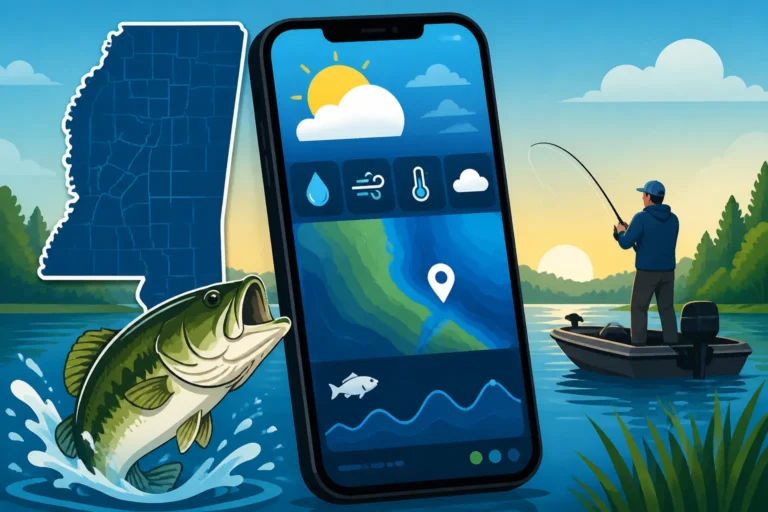
Modern technology has gifted us incredible tools, and neglecting them before a new trip is like going into a test without studying. Your first stop should always be detailed lake maps and satellite imagery.
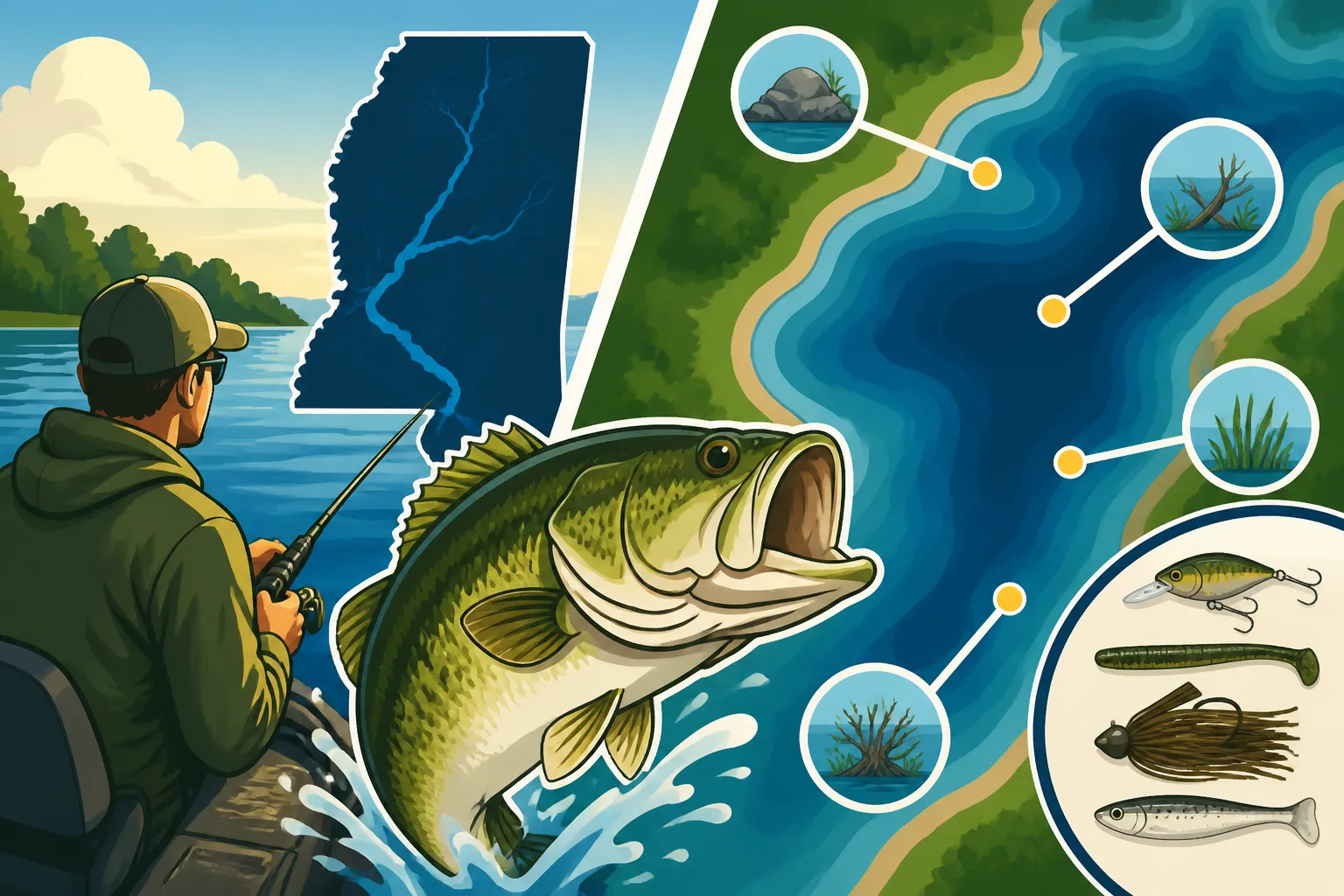
When you pull up a map, whether it's a traditional paper chart or a digital version on a mapping app, you're looking for geological features. Focus on contour lines, which reveal depth changes and potential drop-offs. Areas where contour lines are tightly packed together indicate a steep break, often a highway for bass moving between deep and shallow water. Conversely, spread-out lines mean flatter, shallower areas. Look for old creek channels winding through the lake, especially if it's a man-made reservoir. These channels, often forgotten beneath the surface, are prime travel routes and ambush points for bass. Points, humps, saddles, and coves should jump out at you. Each of these structural elements holds potential, but you need to note their relationship to deep water and cover.
Satellite imagery, like what you find on Google Earth, adds another layer of invaluable detail. It shows you what’s visible from above the water, which often correlates to what’s below. You can identify visible vegetation such as lily pads, reeds, or grass lines, which are obvious bass magnets. Look for docks, boat houses, standing timber (especially if the lake was flooded), rock piles, or even old roadbeds that might extend into the water. These are all high-percentage areas. Pay close attention to changes in bottom composition that might indicate rocky areas versus sandy flats. Sometimes, you can even spot distinct color changes in the water that might point to current breaks or different water clarity zones. Before you go, you can often find waterproof paper maps or specialized fishing maps on Amazon that highlight these features, giving you a tangible guide in your hands.
Understanding Local Reports and Conditions
Once you've poured over the maps, it's time to get a feel for the pulse of the lake. Local knowledge and current conditions are critical pieces of the puzzle.
Start by seeking out recent fishing reports. These can come from local bait shops, online fishing forums, social media groups dedicated to Mississippi fishing, or even directly from the Mississippi Department of Wildlife, Fisheries, and Parks (MDWFP) website. Anglers often share insights into what species are biting, what baits are working, and what parts of the lake are productive. While you shouldn't blindly follow every report, they provide excellent starting points and can clue you into trends. For instance, if everyone is talking about a topwater bite in the mornings, that's a pattern worth investigating. If you're targeting a specific lake, like Ross Barnett Reservoir, looking up specific guides like our Ross Barnett Reservoir Fishing Guide can give you an edge before you ever launch your boat.
Beyond fishing reports, you need to understand the current environmental conditions. Water temperature is perhaps the most crucial factor for bass. Bass are cold-blooded, and their metabolism and activity levels are directly tied to water temps. Knowing if the water is in the low 50s (pre-spawn), 60s (spawn), or 80s (summer) tells you what depths and types of cover they're likely to inhabit. Water clarity is another big one; clear water often means bass are sight feeders and wary, while stained or muddy water can make them more aggressive and rely on vibration. Recent weather patterns—cold fronts, warm spells, heavy rains, or prolonged drought—all impact how bass behave. A sudden cold front can shut down a bite, forcing fish to deeper, more stable water, while a few warm, sunny days might push them shallow. This information helps you choose the right baits and techniques, informing your overall Bass Fishing Techniques for Mississippi Anglers.
On-the-Water Strategies: Breaking Down the Lake
With your homework done, you're ready to hit the water. But don't just randomly start casting. Having a structured approach on the water is just as important as the pre-trip research. This is where you put your theories to the test and start building a real-time pattern.
Starting Broad and Narrowing Down
When you arrive at a new lake, it can be tempting to just hit the first promising-looking spot you see. Resist that urge. Your goal initially is to cover water and gather information, not necessarily to catch every fish.
Start by idling around the areas you identified during your map study – those creek channels, points, and coves. Use your depth finder to confirm what the maps showed, but also to discover nuances the maps might miss. Look for baitfish activity, which is a huge indicator of where predator fish like bass might be. Schools of shad dimpling the surface or showing up on your electronics are like a flashing neon sign. Pay attention to any visible cover like submerged brush piles, timber, or rock formations that weren't obvious from satellite imagery. On a big lake, breaking it down into manageable sections is key. Don't try to fish the entire lake at once. Pick a bay or a creek arm and really focus on understanding that specific area first. For example, if you're on Sardis Lake, you might spend a morning really dissecting one of its many coves. Understanding Sardis Lake Fishing Guide can help you focus on the most productive sections.
Once you have a general understanding of a section of the lake, start fishing systematically. Don't spend too long in one spot if you're not getting bites. Your initial casts should be with baits that allow you to cover water quickly and efficiently. Think crankbaits, spinnerbaits, or even a topwater lure if the conditions are right. These "search baits" help you eliminate unproductive water and zero in on areas where bass are actively feeding. If you get a bite, don't leave! That's your first clue. Instead, make multiple casts to that area, trying different angles and presentations. If you catch another fish or two, you're starting to develop a pattern. If you're wondering what to throw, our guide on Best Lures for Largemouth Bass offers some excellent starting points for various conditions.
Identifying Key Structures and Cover
Bass are creatures of habit, and their habits are almost always tied to structure and cover. The key to patterning them is figuring out which specific structures or cover they're utilizing at that moment.
Structure refers to changes in the lake bottom's topography – things like points, humps, ledges, creek channels, and deepwater transitions. Bass will often position themselves on these features, using them as travel corridors or ambush points. For example, a submerged hump in the middle of a flat might be a feeding station, or a sharp drop-off along a creek channel could be where they hold when inactive. Understanding Best Structure to Fish for Bass in a Reservoir is vital here. Cover refers to physical objects in the water, whether natural or man-made, that provide bass with protection, shade, or ambush opportunities. This includes standing timber, fallen trees, brush piles, rock beds, docks, boat lifts, and vegetation. Bass love to tuck into cover, feeling secure and waiting for unsuspecting prey to swim by. Identifying these elements and how bass relate to them is paramount.
To find these key areas, use a combination of your electronics and visual cues. Your sonar will reveal submerged timber, brush piles, and rock fields. Side imaging technology is particularly effective for scanning wide areas and pinpointing these hidden gems. Visually, look for darker patches in the water indicating grass beds, the tell-tale shimmer of baitfish near docks, or surface disturbances that hint at submerged logs. Once you locate a piece of promising cover or structure, approach it cautiously and fish it thoroughly. Make sure to present your lure from different angles, as bass often prefer to strike when a bait approaches from a particular direction. Sometimes, all it takes is a small tweak in your cast to get a bite.
Here's a quick reference for common bass holding spots:
| Structure/Cover Type | Bass Behavior/Location | Typical Baits to Try |
|---|---|---|
| Points (shallow) | Ambush, feeding lanes | Spinnerbaits, squarebill crankbaits, topwater |
| Points (deep) | Transition areas, staging | Deep diving crankbaits, football jigs, drop shot |
| Humps/Ridges | Feeding stations, holding | Carolina rigs, deep crankbaits, swimbaits |
| Creek Channels | Travel routes, deep access | Jigs, Texas rigs, deep crankbaits |
| Standing Timber | Cover, shade, ambush | Jigs, Texas rigs, swim jigs, worms |
| Laydowns/Brush Piles | Dense cover, ambush | Jigs, creature baits, worms (weedless) |
| Grass Beds | Oxygen, baitfish, ambush | Frogs, swim jigs, bladed jigs, Texas rigs |
| Docks/Piers | Shade, cover, ambush | Wacky worms, jigs, skipping presentations |
| Rock Piles | Crawfish habitat, warmth | Jig & pig, crankbaits, shaky heads |
Adapting and Adjusting: Fine-Tuning Your Pattern
Finding a bass pattern isn't a one-and-done deal. Lakes are dynamic, and conditions can change by the hour. The true art of patterning lies in your ability to adapt, observe, and adjust.
Paying Attention to What the Fish Tell You
Every fish you catch, or even every bite you miss, is a piece of the puzzle. You need to become a keen observer and mentally (or even physically, with notes!) log these details.
When you catch a bass, immediately note the depth it was at, the type of cover or structure it was holding to, and how it bit your lure. Was it on a shallow point with a spinnerbait, or was it tucked deep in a brush pile on a jig? Was the bite aggressive, or was it a subtle tap? Also, pay attention to the time of day and the prevailing weather conditions when you got that bite. Is the sun high, or is it overcast? Is there wind? All of these factors contribute to the "pattern." If you catch multiple fish under similar circumstances, you're on to something. But don't get too locked into one idea. Sometimes, a "pattern" might be very specific, like "bass are hitting a chartreuse spinnerbait on the shallow side of main lake points with wind blowing on them, between 8 and 10 AM." This level of detail helps you replicate success. Our guide on Best Time of Day to Catch Bass delves deeper into these hourly nuances.
Equally important is paying attention to what the fish don't tell you. If you've fished a dozen similar-looking spots with no success, it's time to re-evaluate. Maybe the bass aren't on those particular points today, or perhaps they've moved deeper. Don't be afraid to scrap a pattern that isn't producing. Sometimes, a pattern isn't about where the fish are, but how they're biting. Are they short-striking your bait? Are they only hitting on the fall? These clues suggest adjustments to your presentation speed, retrieve, or even bait size. It's an ongoing dialogue with the fish, and your willingness to listen and change is what separates a good day from a frustrating one.
Experimenting with Baits and Presentations
Once you've identified a promising area or type of cover, it's time to dial in the presentation. This is where experimentation with different baits, colors, and retrieve speeds comes into play.
Bass can be incredibly finicky. What worked yesterday might not work today, or what works on one side of the lake might not work on the other. If you're getting bites but not landing fish, or if the bites are soft, it's a sign to change things up. Start by altering your bait size or color. If they're hitting a red crankbait, try a brown one. If they're hitting a big worm, try a smaller one. Sometimes, a subtle change can make all the difference. The clarity of the water is a huge factor here; in clear water, natural colors often excel, while in stained or muddy water, brighter colors or those with more vibration can be more effective.
Then, play with your retrieve. Are you cranking too fast or too slow? Are you letting your jig sit long enough on the bottom, or twitching your soft plastic too aggressively? A slow, methodical retrieve might be key on a tough day, while a fast, erratic retrieve might trigger reaction strikes when fish are aggressive. Even simple things like letting your lure sink for an extra second can be the key. For specific techniques, consider exploring guides like How to Fish a Texas Rig for Bass or Jig Fishing for Crappie (yes, even crappie techniques can offer insights into lure presentation dynamics applicable to bass). Don't forget to check out the myriad of options available on Amazon for different lure types and presentations; a little variety in your tackle box goes a long way. Ultimately, developing a pattern is a continuous process of observation, hypothesis, testing, and adjustment. The more you pay attention and the more willing you are to adapt, the better you'll become at cracking the code on any new Mississippi lake.
Disclaimer
This article is for general informational purposes only and does not constitute professional advice. Laws, prices and regulations vary by location and change over time. Consult a qualified professional for guidance on your specific situation.