Is Ice Fishing Possible in Mississippi?
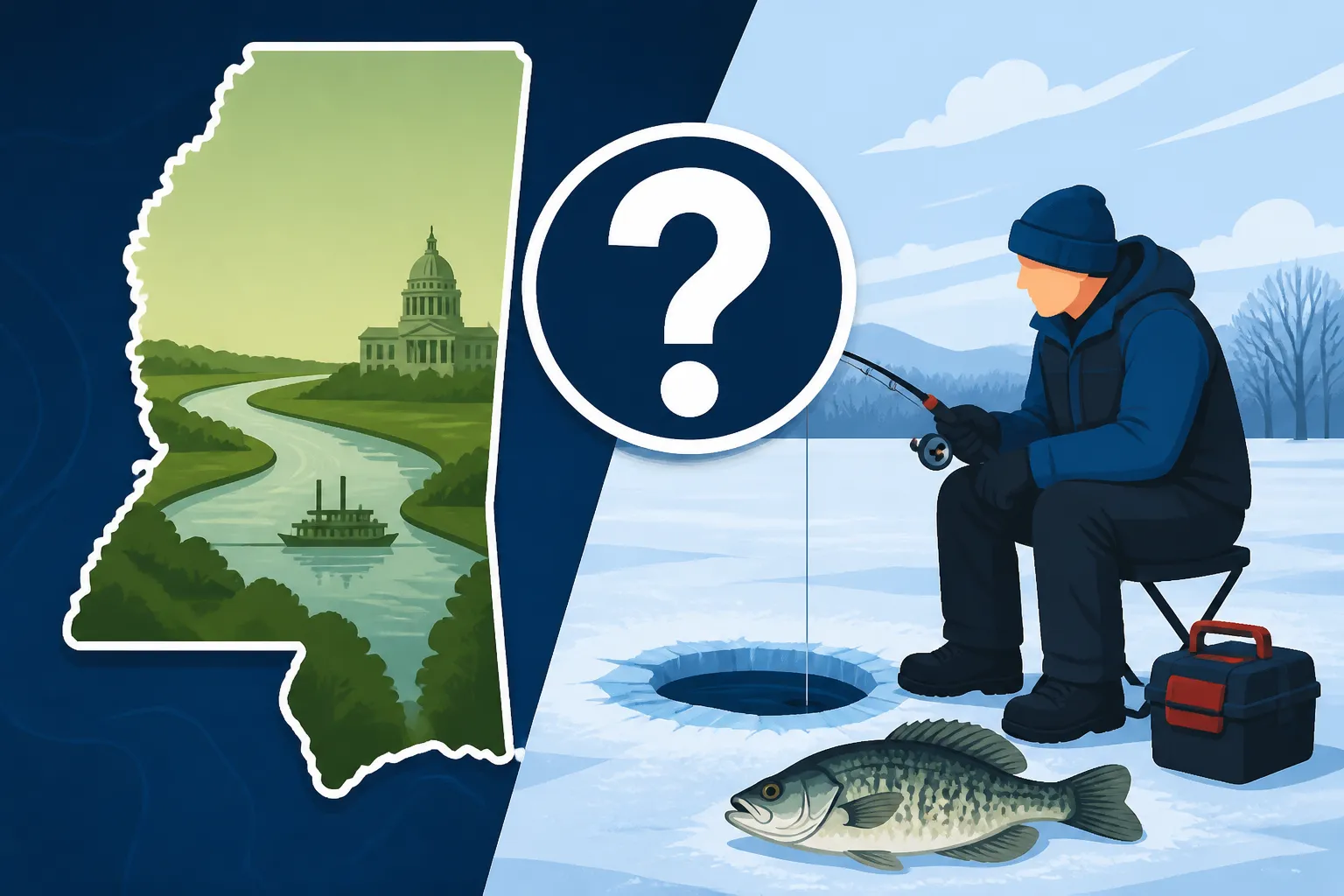
Oh, the romantic notion of drilling a hole in a sheet of ice, huddled over a bucket, waiting for a bite! It's a classic winter fishing scene, isn't it? But if you're an angler dreaming of ice fishing in Mississippi, I'm here to gently burst that particular bubble. The truth is, sustained ice thick enough for safe and productive ice fishing is an extreme rarity here in the Magnolia State, and this guide will explain why it's generally not a possibility, along with what you can do to enjoy winter fishing when the temperatures drop.
Understanding Mississippi's Climate: Why Ice Fishing Is a Rarity
Mississippi is known for its mild, often humid climate, even in the depths of winter. While we certainly get our share of chilly days, and even a few hard freezes now and then, the conditions simply don't align for the kind of consistent, thick ice cover required for ice fishing.
Lack of Sustained Freezing Temperatures
For ice fishing to be safe, you need at least four inches of clear, solid ice. To achieve that, temperatures typically need to stay below freezing for several consecutive days, often a week or more, with little to no warming trends during that period. In Mississippi, even when we get a cold snap, it's usually followed by a warm-up, sometimes within a day or two. This fluctuating weather means any ice that does form is thin, inconsistent, and incredibly dangerous. Our winters are just too unpredictable and, frankly, too warm for significant ice formation on our lakes and ponds. You might see a thin skim of ice on a bird bath or a very shallow, stagnant puddle on a particularly cold morning, but widespread, safe ice on our larger fishing bodies of water is practically unheard of.
Water Body Characteristics
Our lakes, reservoirs, and rivers also play a role. Many of Mississippi's larger bodies of water, like the Ross Barnett Reservoir Fishing Guide or Sardis Lake Fishing Guide, are quite deep, and even shallower areas often have currents or springs that prevent uniform ice formation. Running water, even slow-moving bayous, will almost never freeze solid enough for ice fishing. Smaller, private ponds might skim over in a prolonged cold spell, but even then, the ice thickness can vary wildly within a few feet, making any attempt at ice fishing incredibly risky. The heat capacity of water is immense, and it takes a lot of sustained cold to cool an entire lake to freezing, let alone to form a thick, stable ice sheet.
The Practicalities and Perils of Thin Ice
Even if you do encounter a rare, thin layer of ice on a smaller pond in Mississippi, attempting to ice fish on it is a recipe for disaster. It's not just about getting wet; it's about life-threatening situations.
The Dangers of Unpredictable Ice
The biggest danger, by far, is falling through. As I mentioned, any ice that forms in Mississippi is likely to be thin, unstable, and highly unpredictable. One spot might seem solid, while a foot away it's mere inches thick or has an air pocket underneath. Hidden springs, areas where vegetation is decomposing and releasing heat, or even variations in depth can create weak spots that are impossible to detect from above. Imagine stepping out onto what looks like a solid surface, only to find yourself plunging into frigid water. Hypothermia sets in quickly, and getting out of icy water, especially if you're alone, is incredibly difficult. It's simply not worth the risk. Always err on the side of extreme caution – if in doubt, stay off the ice. There's no such thing as "safe" ice fishing in Mississippi because there's rarely truly safe ice.
Why It's Not a Recommended Fishing Method Here
Beyond safety, even if by some miracle a small, private pond were to get a few inches of ice, the experience wouldn't be comparable to true ice fishing destinations. You'd likely be limited to a very small area, and the target species might not be as active as they are further north. Moreover, the lack of infrastructure—like ice hut rentals, bait shops catering to ice anglers, or even readily available ice augers—means you'd be attempting a niche activity in a place completely unequipped for it. It's like trying to surf in a bathtub; the conditions just aren't right, and the enjoyment factor would be minimal compared to the inherent risks. It's far better to embrace the excellent year-round fishing opportunities Mississippi does offer, rather than chasing an improbable dream.
Alternative Winter Fishing in Mississippi
Just because ice fishing isn't really an option doesn't mean winter puts a complete stop to your fishing adventures in Mississippi. Far from it! Our milder winters actually open up some fantastic opportunities for other types of angling.
Embracing Cold Water Techniques
When the water temperatures drop, fish often become less active, but they still need to eat. This means you might need to adjust your techniques and focus on different patterns. For instance, you'll want to slow down your retrieve significantly when you're Bass Fishing Techniques for Mississippi Anglers. Think about working jigs, slow-rolling spinnerbaits, or dragging soft plastics along the bottom. Fish tend to hold tighter to structure and concentrate in deeper pockets during colder weather. Look for channel swings, deep humps, or submerged timber where fish can find stable temperatures.
Crappie Fishing Techniques for Mississippi Lakes also change dramatically in winter. Instead of finding them shallow, they often suspend in deeper water over brush piles or along channel edges. Spider rigging with multiple rods, slowly trolling jigs or live minnows, can be incredibly effective. Consider using a good fish finder to locate those submerged structures where crappie are hiding out. You can find excellent advice on "How to Catch Crappie in Cold Winter Water" by adapting your approach to their winter habits.
Prime Winter Species Targets
Several species actually thrive in Mississippi's cooler winter waters, offering some of the best fishing of the year.
- Crappie: Winter is often considered prime crappie time in Mississippi. Big slabs are frequently caught in the major reservoirs like Grenada Lake Fishing Guide and Sardis Lake Fishing Guide. They school up tightly, making them easier to target once you find them.
- Largemouth Bass: While less aggressive, winter bass can still be caught, often presenting opportunities for trophy fish that are less pressured. They'll be sluggish, but a perfectly presented jig or slow-moving crankbait can entice a strike.
- Catfish: Catfish, particularly blue catfish and channel catfish, remain active throughout the winter, especially in rivers and deeper sections of reservoirs. They might not be as frantic as during warmer months, but a well-placed chunk of cut bait or a potent stinkbait can still bring in some monsters. Find out more about "Catfish Fishing Techniques" for colder temperatures.
- White Bass and Hybrid Stripers: These aggressive schooling fish can put on a fantastic show in winter, particularly in rivers and reservoir tailwaters, where current concentrates baitfish. They'll often feed actively, making for exciting light-tackle action.
Identifying the Best Spots
Winter fishing success often comes down to location. Instead of sprawling out across vast flats, fish will consolidate in areas offering warmth, cover, and food.
- Deep Water Structures: Look for ledges, creek channels, and humps that drop into deeper water. These areas offer more stable water temperatures.
- Brush Piles and Submerged Timber: Crappie and bass will often stack up in brush piles in deeper water during the colder months.
- Power Plant Discharges: If you're near a power plant that discharges warmer water, these areas can be magnets for fish in winter, as the slightly elevated temperatures keep them more active.
- Tailwaters: Below dams, the moving water can sometimes be slightly warmer and oxygenated, attracting various species.
- Private Ponds: Small, private ponds, while not suitable for ice fishing, can offer surprising winter action for bass and bream if they're deep enough and hold good populations.
Here's a quick look at how winter fishing compares to the elusive ice fishing dream:
| Feature | Ice Fishing (Northern States) | Winter Fishing (Mississippi) |
|---|---|---|
| Ice Thickness | 4+ inches for safety, often much thicker | Rarely stable or safe, usually thin/patchy |
| Primary Risk | Falling through thin ice, hypothermia | Cold weather exposure, boating accidents |
| Target Species | Perch, Walleye, Pike, Crappie | Crappie, Bass, Catfish, White Bass, Hybrids |
| Techniques | Jigging, tip-ups, sight fishing | Slow retrieves, deep jigging, trolling, live bait |
| Gear | Augers, ice shanties, ice rods | Standard rods/reels, warm clothing, electronics |
| Commonality | Seasonal staple | Year-round opportunity |
Preparing for Mississippi's Winter Waters
Since ice fishing isn't our jam, let's talk about what is relevant: preparing for comfortable and successful cold-weather fishing in Mississippi. Safety and comfort are paramount when the temperatures drop.
Essential Cold Weather Gear
You'll want to dress in layers, even if the day starts out mild. Mornings can be quite chilly, and even if it warms up, being able to shed layers is crucial.
- Layering System: Start with a moisture-wicking base layer (not cotton!), add an insulating mid-layer like fleece, and finish with a waterproof and windproof outer shell. Brands often offer excellent options on Amazon for all these layers, designed specifically for outdoor activities.
- Headwear: A warm beanie or a balaclava can make a huge difference, as a lot of body heat is lost through your head.
- Gloves: Neoprene or fleece-lined waterproof gloves will keep your hands warm and functional, especially if you're handling fish or bait.
- Footwear: Insulated, waterproof boots are a must to keep your feet dry and warm, especially if there's any dew, frost, or unexpected splashes.
- Life Vest: Even in winter, a life jacket is non-negotiable, especially if you're on the water in a boat. Cold water immersion is extremely dangerous, and a PFD can save your life. Make sure to review "Mississippi Life Jacket Rules for Anglers" before heading out.
Don't forget extras like hand warmers (you can find bulk packs on Amazon), a thermos of hot coffee or soup, and plenty of snacks to keep your energy up.
Adapting Your Fishing Approach
Winter fishing requires a more patient and nuanced approach.
- Slow Down: Fish metabolisms slow in cold water, making them less willing to chase fast-moving baits. Slow your retrieve to a crawl. Let your baits sit longer.
- Downsize Baits: Sometimes, smaller, more subtle presentations are key. Think smaller jigs, finesse worms, or tiny crankbaits.
- Focus on Depth and Structure: As mentioned before, fish often move deeper and relate tightly to cover. Use your electronics to find these hotspots.
- Time of Day: The warmest part of the day, often mid-afternoon, can be the most productive. The sun warming the water, even slightly, can spark a feeding window. This differs greatly from other seasons where early morning or late evening might be prime. For more detail, check out the "Mississippi Fishing Seasons Calendar" to understand these shifts.
- Bait Selection: Live bait, like minnows for crappie or worms for bream, can be exceptionally effective in cold water because it offers an easy meal for sluggish fish. You can even find specific winter baits and attractants on Amazon that are formulated for cold water effectiveness.
While the dream of ice fishing in Mississippi remains just that—a dream—our state offers incredible winter fishing opportunities for those willing to brave the chill and adapt their tactics. So bundle up, grab your gear, and enjoy the peace and quiet of Mississippi's winter waters.
Disclaimer
This article is for general informational purposes only and does not constitute professional advice. Laws, prices and regulations vary by location and change over time. Consult a qualified professional for guidance on your specific situation.