Is Flounder Gigging Legal in Mississippi?
There's often a lot of confusion and whispered questions among anglers, especially those new to the Mississippi Gulf Coast, about what's legal and what's not when it comes to unique fishing methods. One of the most common queries I hear is about flounder gigging. This guide is here to clear up that murky water, explaining definitively whether flounder gigging is legal in Mississippi, what the specific rules are, and how you can participate responsibly.
Is Flounder Gigging Legal in Mississippi? Absolutely!
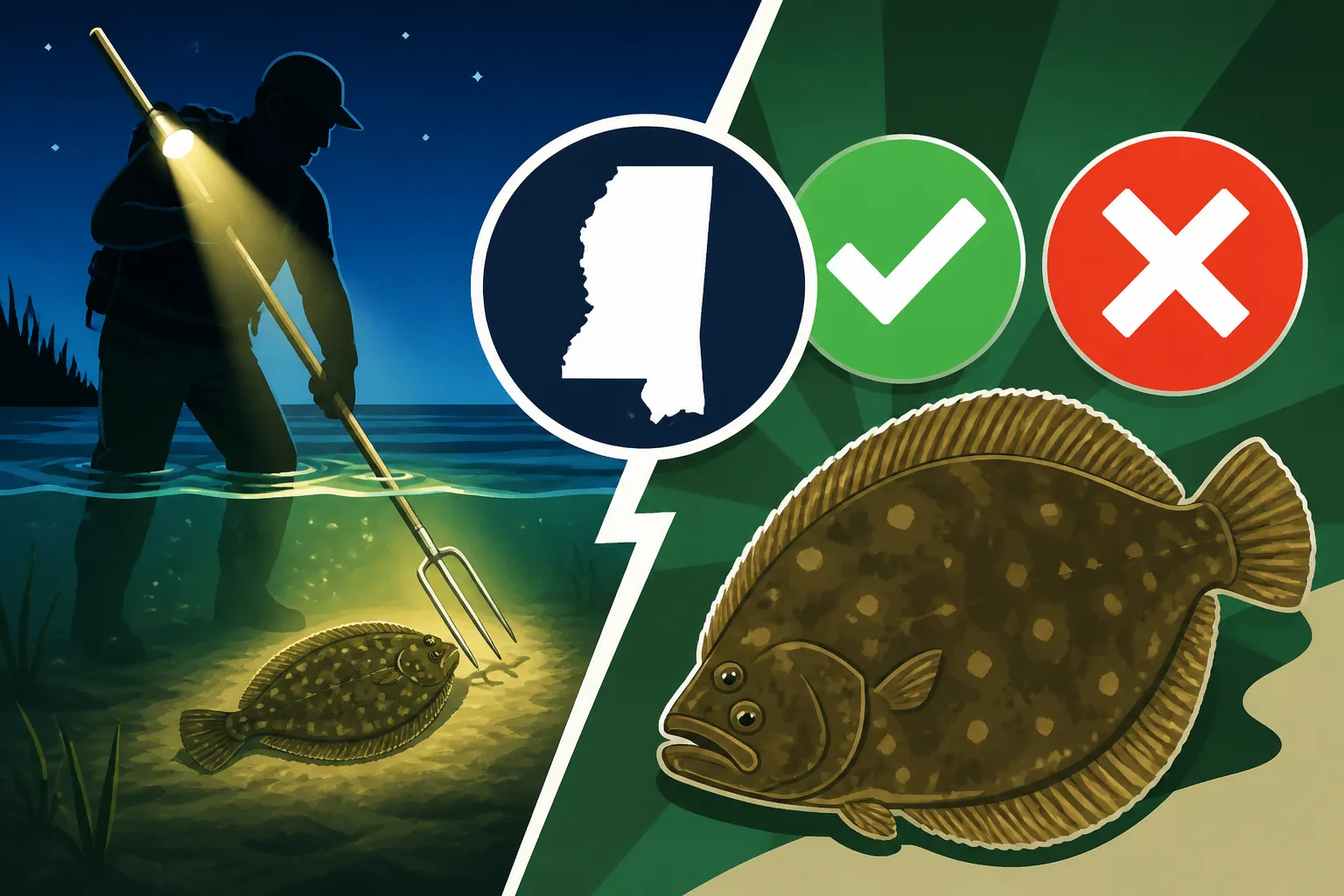
Let's get straight to it: yes, flounder gigging is absolutely legal in Mississippi! This isn't some backwoods, secret activity; it's a long-standing, cherished tradition for many coastal residents and visitors alike. There's something truly primal and satisfying about stalking the shallows at night, flashlight in hand, looking for that tell-tale outline of a flounder buried in the sand. Many states have strict regulations or even outright bans on gigging, which often leads to confusion for folks visiting our beautiful coast. But here in Mississippi, as long as you adhere to the specific guidelines set forth by the Mississippi Department of Marine Resources (MDMR), you're good to go. It’s a fantastic way to experience the Gulf Coast waters, offering a different kind of challenge and reward compared to traditional rod and reel fishing.
This activity connects you directly with the marine environment, requiring stealth, keen eyesight, and a good understanding of flounder behavior. It's not just about spearing a fish; it's about the hunt, the quiet immersion in the nocturnal coastal world, and the thrill of spotting your quarry. For many, it's a social activity too, with families and friends heading out together, creating lasting memories under the stars. So, if you've been wondering if you can try your hand at flounder gigging without breaking the law, rest assured, you can! Just be prepared to follow the rules, which we'll dive into next.
Understanding the Specific Regulations for Flounder Gigging
While flounder gigging is legal, it's not a free-for-all. Like any regulated fishing activity in Mississippi, there are specific rules you absolutely must follow to ensure you're gigging legally and sustainably. These regulations are in place to protect the flounder population, ensure fair chase, and maintain safety for everyone enjoying our coastal waters. Ignorance of the law is never an excuse, and trust me, the wardens are out there, ensuring everyone plays by the rules. It’s crucial to know these guidelines before you even think about stepping foot in the water with a gig.
License Requirements
First and foremost, you need a valid fishing license. Just because you're using a gig instead of a rod and reel doesn't exempt you from this fundamental requirement. If you're a resident, you'll need a Mississippi Saltwater Fishing License Guide. Non-residents will need a specific nonresident saltwater license. This is often one of the first things a game warden will ask for, so make sure it's current and easily accessible. There are different types, from annual passes to shorter-term options, so choose the one that fits your trip length. You can find details on various options and their associated costs in our guide on Mississippi Fishing License Costs. Remember, your license fee contributes directly to the conservation efforts that keep our fisheries healthy and thriving, so it's money well spent. Always double-check the current requirements directly with the MDMR before heading out, as regulations can sometimes be adjusted.
Legal Gear and Methods
When it comes to the "gig" itself, Mississippi regulations are generally pretty straightforward. You're typically allowed to use a handheld gig, which is essentially a pole with one or more sharp prongs at the end. The key here is "handheld." You can't use spears propelled by springs or explosives, or anything that would be considered an unfair or overly efficient method that could harm other marine life indiscriminately. The act of gigging is about carefully spotting the flounder and making a precise strike. It requires skill, not just brute force. Most gigs have two or three prongs, sometimes four, designed to hold the fish securely once gigged. You'll typically be wading in shallow water, using a powerful light to spot the flounder.
It’s about being deliberate and selective. The regulations focus on ensuring that gigging remains a method of harvesting individual fish rather than a net-like approach. Some states have restrictions on the number of prongs or the overall length of the gig, but Mississippi's focus is on the manual, handheld nature of the tool. If you're ever in doubt about a specific piece of gear, it's always best to err on the side of caution and consult with the MDMR or a local bait and tackle shop.
Size and Creel Limits
This is where many anglers can get into trouble if they're not careful. Just like with rod and reel fishing, flounder gigging is subject to strict Mississippi Fishing Creel and Size Limits. This means there's a minimum length a flounder must be for you to legally keep it, and there's a maximum number of flounder you can harvest in a single day. These limits are crucial for maintaining sustainable fish populations. For flounder, the specific size limit (measured from the tip of the snout to the tip of the tail) and daily creel limit can vary and are subject to change by the MDMR. It's your responsibility to know these numbers before you head out.
Imagine the frustration of spending hours gigging, only to find out you have to release half your catch because they're undersized. Always carry a measuring device with you and measure every fish immediately upon gigging it. If it's too small, release it gently and quickly. Keeping undersized fish, even accidentally, can result in penalties and fines. These limits are in place for a reason: to ensure that enough flounder reach maturity to reproduce and keep our waters full of fish for future generations. Check the most current Mississippi Fishing Season Dates and Limits published by the MDMR before every trip.
Time and Location Restrictions
While flounder gigging is often a nighttime activity, taking advantage of the flounder's tendency to lay still in shallow water under the cover of darkness, there aren't typically specific time-of-day restrictions for when you can gig, beyond general fishing hours. However, common sense and courtesy apply. Gigging often takes place in very shallow, nearshore waters, including bays, bayous, and around barrier islands. You need to be mindful of private property, navigational channels, and areas that might be sensitive ecological zones or protected habitats.
Certain areas, like specific state parks or wildlife refuges, might have their own local rules or restrictions on gigging or even general fishing. It's always a good idea to check local signage and regulations for any specific area you plan to visit. For instance, while you can find some fantastic areas for Flounder Fishing on the Mississippi Coast, some spots might be off-limits for gigging due to ecological concerns or heavy recreational use. Always be aware of your surroundings and respectful of other users of the waterways, whether they are other anglers, boaters, or residents.
Responsible Flounder Gigging Practices and Safety
Flounder gigging can be an incredibly rewarding experience, but it also carries responsibilities and potential hazards. Being prepared and practicing good judgment will ensure you have a safe and successful trip, and that you're contributing to the long-term health of our marine environment.
Minimizing Impact on the Environment
As stewards of our natural resources, we have a duty to minimize our impact. When flounder gigging, this means a few key things:
- Selective Harvesting: Only gig fish that meet the legal size and creel limits. Avoid gigging fish just for sport or if you don't intend to keep them. This is an ethical consideration, ensuring that every fish taken contributes to a meal or purposeful use. If you accidentally gig an undersized fish, try to release it with as little harm as possible, though the nature of gigging often makes survival difficult for gigged fish.
- Wade Carefully: When wading through the shallows, shuffle your feet. This isn't just to avoid startling flounder, but more importantly, to scare off stingrays that might be buried in the sand. A stingray barb can ruin your night and land you in the emergency room. Shuffling creates vibrations that alert them to your presence, giving them time to move away.
- Leave No Trace: Pack out everything you pack in. This includes trash, empty bait containers, and any other debris. Our beautiful coast thrives on cleanliness, and litter not only looks bad but can harm marine life. Even a stray fishing line can become a deadly trap for birds or other animals.
- Respect Habitat: Avoid disturbing seagrass beds or sensitive marsh areas unnecessarily. These are vital nurseries for countless marine species, including the very flounder you're hoping to catch. Stick to sandy bottoms where flounder are typically found.
By adhering to these practices, you help ensure that Mississippi's coastal waters remain healthy and productive for generations of anglers to come. It’s about more than just following the law; it’s about being a good conservationist.
Essential Safety Considerations
Gigging at night, often in unfamiliar waters, requires a strong focus on safety. Don't let the excitement overshadow common sense.
- Go with a Buddy: Never gig alone, especially at night. If you encounter an emergency, having another person there can be a lifesaver. This could be anything from a twisted ankle to a lost light or a more serious medical issue.
- Know Your Area: Before you go out at night, scout the area during the day. Familiarize yourself with the bottom contours, any submerged hazards like oyster beds or rocks, and entry/exit points. The last thing you want is to stumble into a deep hole or sharp oyster rake in the dark. Understanding How to Read Tide Charts for Gulf Coast Fishing can also help you anticipate water levels and currents.
- Weather Watch: Always check the weather forecast before heading out. High winds, thunderstorms, or sudden cold fronts can turn a pleasant evening into a dangerous situation. Being caught in a storm on the open flats at night is not an experience you want.
- Communication: Bring a fully charged cell phone in a waterproof bag. Let someone know where you're going and when you expect to return. Consider a marine radio if you're venturing further offshore or in an area with spotty cell service.
- First Aid Kit: A basic first aid kit should always be with you. Cuts from oyster shells, minor scrapes, or even a jellyfish sting can be easily treated if you're prepared. Ensure it includes bandages, antiseptic wipes, and pain relievers.
Taking these precautions seriously will allow you to enjoy the unique thrill of flounder gigging without unnecessary risks. Safety should always be your number one priority.
Essential Gear for a Successful Flounder Gigging Trip
Getting started with flounder gigging doesn't require a huge investment in gear, but having the right tools will make your trip much safer, more comfortable, and more successful. Think about the basics, and then consider some upgrades as you get more into it.
Lighting the Way: Your Most Important Tool
Without a good light, you're just wading in the dark. A powerful, waterproof light source is perhaps the most critical piece of equipment for flounder gigging. Flounder are masters of camouflage, blending perfectly with the sandy bottom. Your light needs to penetrate the water, illuminate the fish, and highlight its distinct outline or the characteristic eye spots that give it away.
- Headlamps: Many giggers prefer a high-powered, waterproof headlamp. This keeps your hands free for carrying your gig and any other gear, and it directs the light wherever you're looking. Look for models specifically designed for outdoor or marine use, with a strong beam and a long battery life. Brands like Coast or Fenix often have excellent options that you can find easily on Amazon.
- Handheld Spotlights: Some prefer a powerful handheld spotlight, especially if gigging from a boat or needing to scan wider areas. These can offer immense brightness but tie up one hand. Many modern LED spotlights are remarkably bright and efficient.
- Battery Life and Backup: Always, always bring extra batteries or a fully charged backup light source. Nothing ruins a gigging trip faster than your light dying miles from shore. Consider lights with rechargeable batteries for convenience and environmental friendliness.
The Right Gig for the Job
The gig itself is simple but essential. While you can find homemade versions, there are many excellent commercially available gigs that are durable and effective.
- Prong Count: Most gigs have 2-4 prongs. More prongs can increase your chances of a successful strike but can also cause more damage to the fish. Two or three prongs are a popular choice. Ensure the prongs are sharp and strong enough to penetrate a flounder quickly.
- Shaft Length: The shaft length depends on your height and the typical depth of water you'll be gigging in. A shaft that allows you to comfortably reach the bottom while wading chest-deep is ideal. Fiberglass or aluminum shafts are common for their strength and resistance to saltwater corrosion. You can often find a variety of shaft lengths and prong configurations on Amazon or at local sporting goods stores like Bass Pro Shops.
- Construction Material: Look for corrosion-resistant materials, especially if you're gigging in saltwater. Stainless steel prongs and aluminum or fiberglass shafts are durable choices. Rinse your gig thoroughly with fresh water after each use to prolong its life.
Footwear and Clothing for Comfort and Safety
Your personal attire plays a huge role in your comfort and safety during a gigging trip.
- Protective Footwear: This is non-negotiable. You need sturdy, closed-toe wading boots or old athletic shoes that you don't mind getting wet. Neoprene booties with thick soles are excellent as they protect against oyster shells, sharp debris, and stingrays. Avoid open-toed sandals or going barefoot at all costs. Shuffling your feet is your first line of defense against stingrays, but good footwear is your backup.
- Appropriate Clothing: Dress for the weather and water temperature. Even on a warm night, prolonged wading in water can make you feel cold. Waders (chest or waist-high) are ideal for cooler conditions, offering warmth and protection. In warmer months, quick-drying shorts and a long-sleeved shirt (for sun protection during the day's scouting, or insect protection at night) are suitable. Consider what to wear on a Gulf Coast fishing charter if you're looking for general advice on coastal attire.
- Gloves: A good pair of waterproof gloves can protect your hands from scrapes, cuts, and even the slime of a gigged fish. They also help with grip if your hands get wet.
Other Handy Accessories
A few other items can make your gigging experience even better:
- Stringer or Cooler: You'll need a way to keep your catch fresh. A sturdy stringer attached to your belt or a small cooler on a floating sled are good options.
- Measuring Device: A small, flexible measuring tape or a rigid fish ruler is essential for verifying Flounder Size on the Mississippi Coast against legal limits.
- Bug Spray: Mosquitoes and other biting insects can be relentless on the coast, especially at night. A good bug spray can save you a lot of discomfort.
- Floating Bag/Dry Bag: To keep your phone, keys, and any other valuables dry and secure.
- Backup Batteries/Power Bank: As mentioned for your light, but also useful for your phone.
By having the right gear, from your essential gigging light to protective footwear and a reliable gig, you'll be well-prepared to enjoy the unique adventure of flounder gigging on the Mississippi Gulf Coast. Many of these items are readily available and can be shipped directly to your door from online retailers like Amazon.
Table of Mississippi Flounder Gigging Regulations (General Guidelines)
It's always critical to consult the Mississippi Department of Marine Resources (MDMR) for the most current and precise regulations. This table provides general guidelines to help you understand what to expect.
| Regulation Category | General Guideline | Important Note |
|---|---|---|
| Fishing License | Required for all participants, resident or non-resident. | Must be a valid Mississippi Saltwater Fishing License. Check MDMR for current options. |
| Method/Gear | Handheld gig (pole with one or more sharp prongs). | No propelled spears (e.g., spring-loaded, explosive). Designed for manual, selective harvest. |
| Light Source | High-powered, waterproof light (headlamp or handheld spotlight) for spotting flounder. | Essential for visibility at night. Always carry a backup. |
| Size Limit | Flounder must meet a minimum length (e.g., typically 12 inches total length for Gulf Flounder). | Measure from snout to tip of tail. Release undersized fish immediately. Check MDMR for current length. |
| Creel Limit (Daily) | Limits the number of flounder an individual can harvest per day (e.g., typically 10 fish per person). | Applies to all flounder species combined. Check MDMR for current daily bag limits. |
| Time Restrictions | Generally no specific time-of-day restrictions for gigging (often done at night for best results). | Be mindful of local noise ordinances and private property. |
| Location | Allowed in most public shallow saltwater areas (bays, bayous, nearshore flats). | Avoid private property without permission. Check for any local closures or protected areas before gigging. |
This table is a quick reference, but remember, the MDMR website is your official source for all current Mississippi Fishing Regulations Explained.
The Flounder Species You'll Encounter and Why Gigging is Effective
Mississippi's Gulf Coast is home to several species of flounder, though the Gulf Flounder (Paralichthys albigutta) is the most commonly targeted by giggers. These flatfish are masters of disguise, burying themselves in the sandy or muddy bottom with only their eyes protruding, waiting to ambush unsuspecting prey. This unique behavior is precisely why gigging is such an effective, and traditional, method of catching them.
Gulf Flounder: The Gigger's Prize
The Gulf Flounder is highly prized for its delicious, flaky white meat. They're typically found in shallower waters, making them accessible to waders. Their coloration can change to match their surroundings, from sandy brown to mottled gray, making them incredibly difficult to spot during the day. However, at night, when illuminated by a strong light, their outline becomes more visible, especially against a contrasting bottom or when they shift slightly. This is when the thrill of the hunt truly begins. You'll often spot their eyes first, two small reflective bumps on one side of their head, or the distinct oval shape of their body subtly pressed into the sand.
Understanding the behavior of Flounder Fishing on the Mississippi Coast is key to successful gigging. They tend to move into shallower waters during incoming and high tides to feed, making these times prime for gigging. As the tide recedes, they may move back to slightly deeper channels or holes. Knowing when and where to look significantly increases your chances of success. They feed on small baitfish, shrimp, and crabs, and their ambush predator strategy means they hold very still, which is exactly what a gigger is looking for.
Why Gigging Works So Well
The effectiveness of gigging lies in exploiting the flounder's natural camouflage and nocturnal habits. Flounder are primarily visual predators but also rely on scent and vibration. At night, with a powerful light, their camouflage is compromised. When a gigger shines a bright light, the flounder often stays perfectly still, relying on its natural ability to blend in. This stillness, combined with the clear water often found in the shallows on calm nights, makes them vulnerable to a well-placed gig.
The art of gigging isn't just about walking around with a light; it's about learning to "read" the bottom, identifying the subtle shifts in texture or slight depressions that indicate a flounder is present. It’s about patience and a keen eye. Unlike angling with a rod and reel, where you're hoping a fish bites your bait, gigging is a more direct, active hunt. It's a skill that improves with practice, and many experienced giggers can spot flounder where a novice might see nothing but sand. Plus, there's the added bonus that Is Flounder Good to Eat? and the answer is a resounding yes, making your efforts well worth the reward.
Disclaimer
This article is for general informational purposes only and does not constitute professional advice. Laws, prices and regulations vary by location and change over time. Consult a qualified professional for guidance on your specific situation.