Is Flounder Good to Eat?
Many anglers, especially those new to saltwater fishing in Mississippi, often look at a flounder and wonder, "Is this strange, flat fish actually good to eat?" It's a completely valid question, given their unique appearance. But let me tell you, that humble flounder hiding on the sandy bottom is a true gem of the sea, offering a delicious and versatile meal. This guide is here to shed light on why flounder is not just edible, but highly prized by chefs and home cooks alike, and how you can best prepare and enjoy your catch.
The Verdict on Flounder: A Culinary Delight
For those unfamiliar with preparing flatfish, the thought of eating a flounder might seem a bit daunting. Its unusual shape and bottom-dwelling habits can sometimes lead to skepticism. However, once you get past its appearance, you'll discover why flounder is a beloved staple in seafood restaurants and a favorite among Mississippi anglers. It’s truly one of the coast's unsung heroes when it comes to table fare.
Why Flounder Stands Out Among Seafood
Flounder holds a special place in the culinary world, often sought after for its delicate texture and mild taste. Unlike some stronger-flavored fish, flounder offers a subtle sweetness that appeals to a wide range of palates, even those who might typically shy away from seafood. Its thin fillets cook quickly and absorb flavors beautifully, making it an incredibly versatile fish for various recipes. Whether you're a seasoned chef or a home cook looking for an easy, healthy meal, flounder delivers on taste and simplicity. It's a fantastic option for introducing children to fish, as its mildness is far less intimidating than some other species.
What makes it truly stand out is its consistent quality. When caught fresh, especially right here off the Mississippi Gulf Coast Fishing Guide, flounder provides a dining experience that's hard to beat. Its accessibility and relatively abundant presence in our coastal waters mean that securing a fresh catch is often within reach, adding to its appeal. Many local restaurants proudly feature flounder on their menus, testament to its popularity and deliciousness. This fish isn't just a byproduct of a day's fishing; for many, it's the primary target because of its culinary value.
A Look at the Flounder's Flesh and Flavor Profile
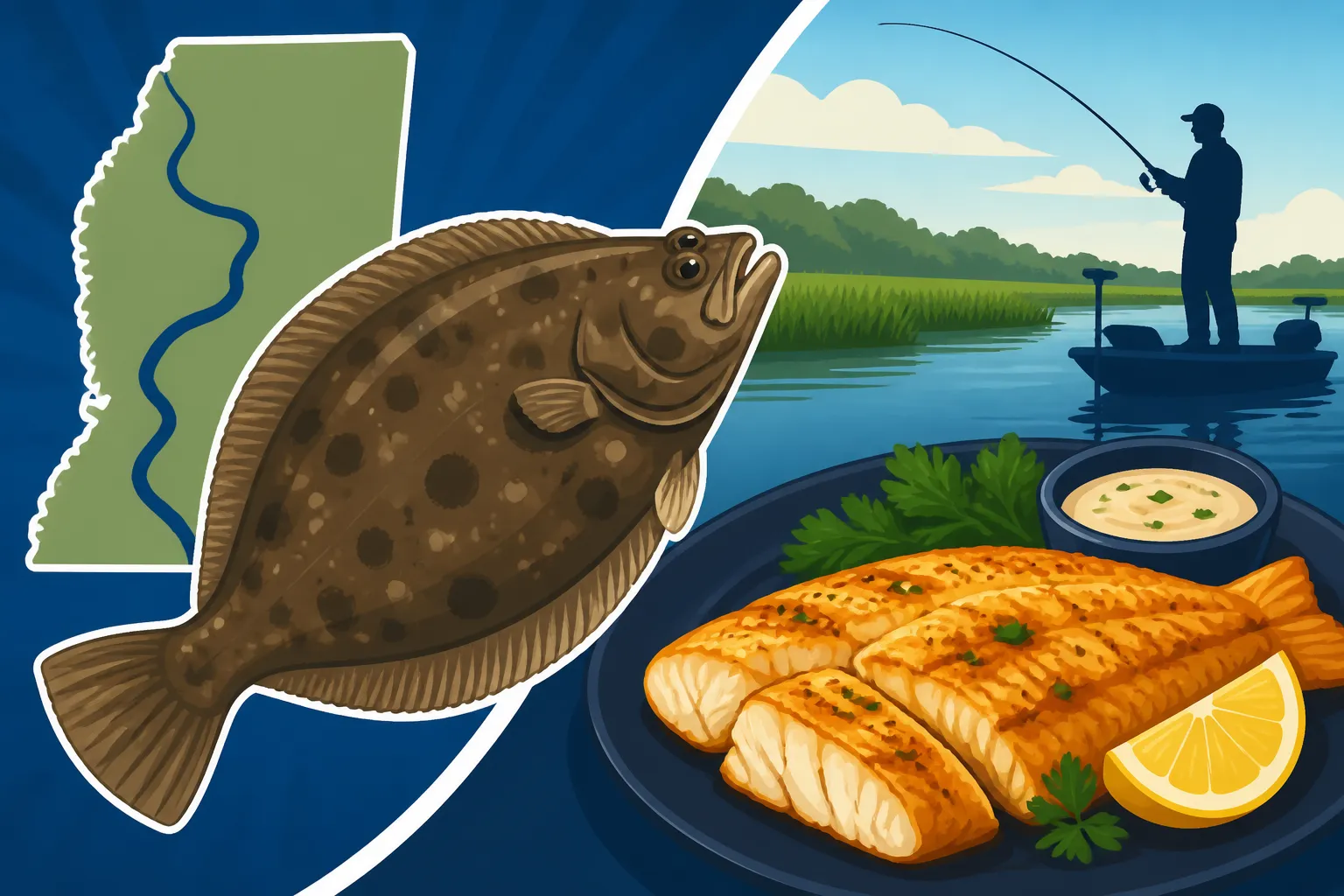
When you prepare a flounder, you'll immediately notice its beautiful, stark white flesh. This pristine appearance translates directly into its flavor: clean, sweet, and incredibly mild. The texture is delicate and flaky, almost melt-in-your-mouth, particularly when cooked correctly. There's no "fishy" aftertaste that some people associate with other seafood, which is a major reason why flounder is such a crowd-pleaser. It’s truly a blank canvas, ready to soak up whatever herbs, spices, or sauces you decide to pair with it.
Imagine a perfectly pan-seared fillet, golden brown on the outside, steaming white and tender on the inside. That's the essence of fresh flounder. This mildness means it pairs well with a variety of side dishes, from simple steamed vegetables to more complex rice pilafs or pasta. Because of its delicate nature, flounder doesn't require heavy seasoning; a squeeze of lemon, a sprinkle of salt and pepper, and a touch of butter or olive oil are often all it needs to shine. This simplicity makes it a fantastic choice for quick weeknight dinners or a more refined meal for guests. Understanding What a Gulf Flounder Is helps appreciate the journey from the sandy bottom to your plate.
Preparing Your Flounder for the Plate
Getting your flounder from the cooler to the cooking pan might seem like a chore, especially if you're new to filleting. But don't fret! With a good, sharp knife and a little practice, preparing a flounder for cooking is straightforward. The key is to handle your catch with care from the moment it comes out of the water to preserve its quality and flavor.
Cleaning and Filleting Flounder: A Step-by-Step Approach
Flounder, with its flat body and unique bone structure, requires a slightly different filleting technique than round fish. The goal is to get four clean fillets from each side, minimizing waste. First, lay the flounder flat on a clean cutting surface. Start by making an incision behind the head, cutting down to the backbone. Then, run your knife along the top of the backbone all the way to the tail. From this central cut, make shallow cuts that follow the bone structure, separating the flesh from the bones. You’ll typically get two fillets from the top side and two from the bottom side of the fish, thanks to its unique flat shape.
Once you have your fillets, you'll want to skin them. This is usually done by laying the fillet skin-side down, holding the tail end firmly, and running your knife between the flesh and the skin at a shallow angle. A good, flexible filleting knife, easily found on Amazon, will make this process much smoother and more efficient. Don't worry if your first few attempts aren't perfect; like anything, practice makes perfect. Many resources online show visual guides for filleting, which can be incredibly helpful. The clean fillets are then ready for rinsing and drying before cooking. If you've ever filleted other fish, you might find this process surprisingly similar in principle, just adapted for the flounder's distinct form. Need a refresher? Think about techniques for How to Fillet a Crappie – while different fish, the core principles of sharpness and precision apply.
Essential Cooking Methods for Flounder
Flounder's delicate flesh means it cooks quickly and benefits from methods that highlight its mild flavor without overpowering it. Here are some of the most popular and effective ways to turn your fresh flounder into a culinary masterpiece:
- Pan-Searing/Frying: This is arguably the most common and beloved method. Lightly dust the fillets in seasoned flour, cornmeal, or a simple breading, and pan-fry them in butter or oil until golden brown and flaky. It creates a delightful crispy exterior and a tender, moist interior. This method is quick, easy, and absolutely delicious.
- Baking/Broiling: For a healthier option, baking or broiling flounder fillets is fantastic. Place them on a baking sheet, drizzle with olive oil, season with salt, pepper, and lemon, and bake at a moderate temperature until cooked through, usually only 10-15 minutes depending on thickness. Broiling offers a quicker cooking time and a nice browned top.
- Grilling: If you're looking for that smoky flavor, grilling flounder is an excellent choice, though it requires a bit more care due to the delicate fillets. Using a fish basket or placing the fillets directly on a well-oiled, clean grill grate can prevent them from falling apart. Keep the cooking time short to avoid drying out the fish.
- Steaming/Poaching: These methods are perfect for preserving the absolute delicate nature of flounder. Steaming or poaching in a flavorful broth with herbs and white wine results in incredibly tender, moist fillets that are light and healthy.
Regardless of the method you choose, remember that flounder cooks fast. Overcooking will dry out the delicate flesh and diminish its appeal. Aim for just cooked through, where the flesh is opaque and flakes easily with a fork.
Health Benefits and Considerations When Eating Flounder
Beyond its delightful taste, flounder is also a fantastic choice for a healthy diet. It's packed with nutrients that are beneficial for your body, making it a guilt-free indulgence. Knowing where your fish comes from and understanding local regulations also plays a vital role in enjoying your catch responsibly.
Nutritional Value of Flounder
Flounder is a lean protein powerhouse, making it an excellent choice for anyone looking to maintain a healthy diet. It’s remarkably low in calories and fat, especially saturated fat, which is a big win for heart health. But don't let its leanness fool you; it's still rich in essential nutrients. You'll find a good dose of B vitamins, particularly B12, which is crucial for nerve function and red blood cell production. It also provides important minerals like phosphorus, selenium, and potassium.
While not as high in omega-3 fatty acids as some fattier fish like salmon, flounder still contributes to your intake of these beneficial fats, which are known for supporting heart and brain health. For individuals watching their cholesterol or calorie intake, flounder offers a satisfying and flavorful alternative to red meats. Including it as a regular part of your diet can help you meet your nutritional needs while enjoying delicious seafood. It truly is a healthful addition to any meal plan, offering a fantastic lean protein source that’s both tasty and beneficial.
Sourcing and Sustainability for Mississippi Anglers
When enjoying flounder, knowing its source and ensuring sustainable practices are key. Here in Mississippi, we are fortunate to have a healthy flounder population, especially along our coastal areas. However, adherence to local fishing regulations is paramount to maintaining this resource for future generations. Always be aware of the current Mississippi Fishing Creel and Size Limits for flounder, as well as the Mississippi Fishing Regulations Explained for our saltwater species. These rules are in place to prevent overfishing and protect spawning populations.
Responsible anglers also consider the origin of their seafood, whether they're catching it themselves or purchasing it from a local market. Choosing locally caught flounder supports our community and often means you're getting the freshest possible product. If you're buying, don't hesitate to ask your fishmonger about the source of their flounder. Many fish markets are transparent about their sourcing and can provide information about where and how the fish was caught. Being mindful of these details not only ensures you’re enjoying a quality product but also contributes to the health of our marine ecosystems.
Tips for Catching the Best Eating Flounder in Mississippi
The journey to a delicious flounder meal starts long before you step into the kitchen. It begins with the catch itself. Knowing how to target flounder, how to identify a healthy fish, and how to properly handle it immediately after catching are crucial steps to ensuring the best possible eating experience.
Identifying Prime Flounder for Eating
When you're out on the water, whether you're gigging at night or targeting them with a rod and reel during the day, it's helpful to know what makes a "prime" eating flounder. Generally, smaller to medium-sized flounder, often in the 12 to 18-inch range, tend to have the most tender and sweet flesh. Larger, older flounder can sometimes have a slightly tougher texture, though they are still perfectly edible. The key is to look for a healthy, active fish with clear eyes and firm flesh when you reel it in.
The condition of the fish matters. A flounder that has been fighting hard and is quickly dispatched will likely yield better-tasting meat than one that has been stressed for a long time. If you’re targeting flounder, consider the conditions. For instance, flounder caught during the cooler months might have firmer flesh due to lower water temperatures. Learning about Flounder Fishing on the Mississippi Coast and understanding the habits of these unique fish will greatly improve your chances of catching quality specimens for your dinner table. Don't forget that using appropriate gear and bait, often available at local tackle shops or online at Amazon, can also contribute to a successful outing.
Handling Your Catch for Optimal Flavor
The moment a flounder comes out of the water, its quality for the dinner table begins to change. Proper handling immediately after the catch is arguably one of the most important steps to ensure the best flavor and texture. The first thing you should do is bleed your flounder. A quick cut to the gills will allow the blood to drain, which significantly improves the taste by preventing any "gamey" flavors and results in whiter fillets.
After bleeding, immerse your flounder in a cooler full of ice slurry – a mix of ice and water. This rapid cooling stops bacterial growth and keeps the flesh firm and fresh. Avoid just tossing them on top of a pile of ice; the ice slurry chills them much faster and more evenly. Getting your fish on ice as quickly as possible, especially during the warmer fishing seasons in Mississippi, is crucial. The sooner you chill it, the better the quality of the meat will be when you get it home. Treat your flounder with care from the moment it's caught, and you'll be rewarded with an incredibly delicious meal. Considering Saltwater Fishing Techniques for the Mississippi Gulf Coast can give you further insight into best practices for handling various species.
Here’s a quick overview of flounder attributes for eating:
| Attribute | Description | Impact on Eating Experience |
|---|---|---|
| Flesh Color | White, almost translucent when raw | Indicates a clean, mild flavor; cooks up beautifully opaque. |
| Texture | Delicate, flaky, tender | Melts in your mouth; suitable for various cooking methods. |
| Flavor | Mild, sweet, non-fishy | Appeals to a wide audience; versatile for different seasonings. |
| Bone Structure | Flat, allows for four thin, boneless fillets | Easy to eat, minimal bone interference. |
| Nutritional Value | Lean protein, low fat, good source of B12, selenium | Healthy, guilt-free option for a balanced diet. |
| Size for Eating | 12-18 inches generally preferred | Smaller fish tend to be more tender; always follow Flounder Size on the Mississippi Coast limits. |
Disclaimer
This article is for general informational purposes only and does not constitute professional advice. Laws, prices and regulations vary by location and change over time. Consult a qualified professional for guidance on your specific situation.