Why Anglers Chase Cobia
For anglers along the Mississippi Gulf Coast, there's a certain fish that often becomes an obsession: the mighty cobia. Known for their powerful fights, elusive nature, and absolutely delicious meat, chasing these brown bombers can be one of the most exciting and rewarding experiences in saltwater fishing. If you've ever heard seasoned fishermen speak of cobia with a glint in their eye and wondered what all the fuss is about, you're in the right place. This guide will dive deep into why cobia are so highly sought after and what makes them such a fantastic target for Mississippi anglers.
The Unforgettable Fight: Why Cobia Are a Top Game Fish
Let's be honest, we fish for the thrill, right? And few fish deliver that heart-pounding excitement quite like a cobia. These aren't your average bottom feeders; they're strong, smart, and full of surprises, making every hook-up an epic battle.
Power and Stamina: A True Test of Skill
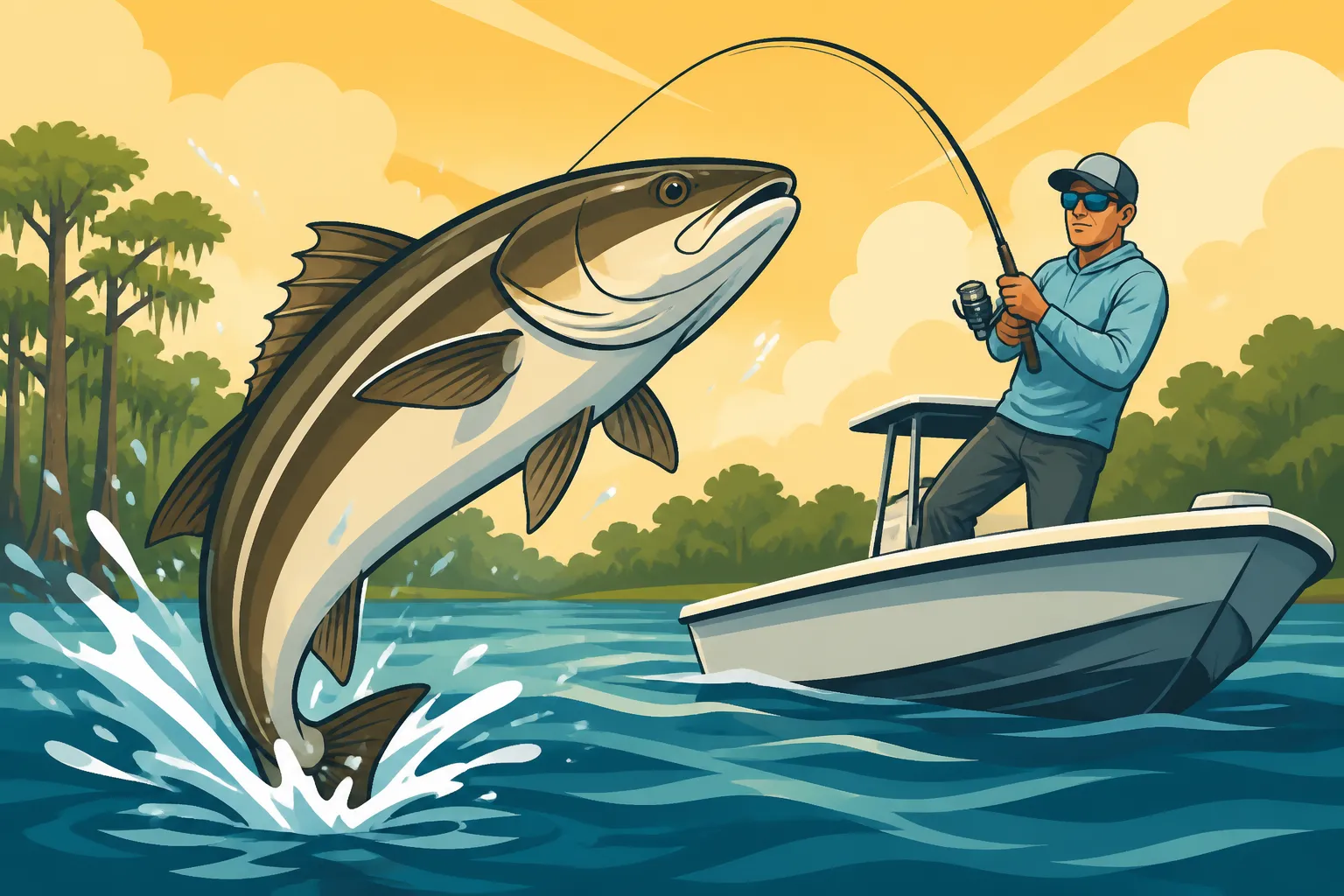
Cobia are built like torpedoes, and they fight like one too. When you hook into a decent-sized cobia, prepare for a serious tug-of-war. They'll make blistering runs, often stripping line off your reel with incredible speed. Unlike some fish that might give up quickly, cobia possess remarkable stamina. They'll fight you all the way to the boat, often circling, diving under, and even making last-ditch efforts to swim directly into the prop or anchor line. It’s a full-body workout and a true test of your angling prowess.
Many times, an angler will feel like they've got the fish beat, only for it to find a second or third wind right as it gets boat-side, leading to another intense run. This unpredictability keeps you on your toes and makes landing one a genuine accomplishment. It’s not just about brute strength, though; it’s about knowing how to work the fish, applying steady pressure, and adjusting your drag. This intense, drawn-out battle is exactly what so many experienced anglers crave, distinguishing cobia fishing from simply reeling in dinner. It's a dance, a test of wills, and when you finally get that fish in the net, the sense of victory is immense.
The Elusive Nature: The Challenge of the Chase
Cobia aren't always easy to find, and that's part of their appeal. They're opportunistic feeders, often cruising near structure like channel markers, buoys, wrecks, and even migrating along the beaches, especially during spring and fall. But they don't school up in predictable patterns like some other species. Sometimes you'll spot them "skipping" on the surface, moving quickly, or you might see a single, massive fish trailing a manta ray or a turtle. That moment of spotting a cobia, often from a distance, triggers an immediate adrenaline rush. It's a hunt, requiring sharp eyesight, quick reflexes, and often a perfect cast to intercept them.
The challenge of locating them, understanding their movements, and presenting the bait just right adds a layer of complexity that keeps anglers coming back for more. It's not uncommon to spend hours sight fishing, meticulously scanning the horizon, only to have a cobia suddenly appear out of nowhere. The successful pursuit of these often solitary fish feels less like luck and more like a hard-earned reward for patience and keen observation. Knowing that the next cast could be the one that connects with a true trophy makes every moment on the water exciting.
A Culinary Delight: Why Cobia Are So Prized for the Plate
Beyond the fight, the main reason anglers go to such great lengths to catch cobia is their incredible taste. Seriously, if you haven't tried cobia, you're missing out on one of the Gulf Coast's finest table fish.
Firm, Flaky, and Flavorful Meat
Cobia boast white, firm, and flaky meat with a rich, buttery flavor that stands up to various cooking methods. It's not overly "fishy," making it a favorite even among those who are sometimes hesitant about seafood. Whether you grill it, bake it, fry it, or sauté it, cobia consistently delivers a gourmet experience. Many compare it to swordfish or even mahi-mahi in terms of texture and versatility, but with its own distinct, delicious profile.
Imagine a fresh fillet, seasoned simply with a little salt, pepper, and a squeeze of lemon, then perfectly grilled. The natural oils in the fish keep it moist and tender, and the flavor is absolutely divine. It’s the kind of fish you look forward to eating all year long, and it makes the effort of catching it all the more worthwhile. Unlike some other species that can vary wildly in quality based on size or how they're handled, cobia seems to maintain its excellent flavor profile across the board, making even smaller ones a welcome addition to the cooler.
Versatility in the Kitchen
The firm texture of cobia allows for incredible culinary versatility. You can cut thick steaks for grilling, pan-sear fillets, or even cube it for ceviche or fish tacos. It holds together well, so it’s less likely to flake apart prematurely on the grill or in a stew. Its rich flavor pairs beautifully with a wide range of spices and sauces, from a simple lemon-butter drizzle to more elaborate Caribbean or Asian-inspired marinades.
This versatility means that a single cobia can provide several different meals throughout the week, ensuring that the bounty of your fishing trip is enjoyed in many delicious ways. It’s a fish that inspires creativity in the kitchen, allowing you to experiment with new recipes and cooking styles, always with the confidence that the main ingredient is top-notch. Many home cooks even rave about using cobia in smoked preparations, which really brings out its natural richness. It truly is a chef's dream.
Planning Your Cobia Hunt: Seasons, Spots, and Techniques in Mississippi
If you're ready to join the ranks of cobia chasers, understanding the prime times and places along the Mississippi Gulf Coast is crucial.
Peak Seasons for Cobia in Mississippi
Cobia are migratory fish, and their presence along the Mississippi Coast is highly seasonal. The spring migration is arguably the most anticipated time, typically starting in March and peaking in April and May. During this period, cobia move eastward along the coast, following warmer waters and baitfish. This is when sight fishing becomes incredibly popular, with anglers spending hours on the water looking for those distinctive brown shapes near the surface or around navigational aids.
Another fantastic window for cobia fishing is the fall, usually from September through November, as they make their way back westward. While perhaps not as concentrated as the spring run, the fall migration can offer excellent opportunities, especially as water temperatures begin to drop slightly, making the fish more active. Throughout the summer, you can still find them, often around deeper offshore structures, wrecks, and artificial reefs, but they tend to be a bit more scattered. Knowing When Cobia Migrate Past the Mississippi Coast is key to maximizing your chances.
Prime Mississippi Cobia Hotspots
When it comes to location, cobia are often found near structure, both natural and artificial. Along the Mississippi Gulf Coast, this includes:
- Nearshore Wrecks and Reefs: Any submerged structure that holds baitfish is a potential cobia magnet. These can be old wrecks, rubble piles, or artificial reef deployments.
- Navigational Aids: Channel markers, buoys, and other floating structures are favorite hangouts for cobia, who often use them as ambush points for passing bait. You might see a solitary cobia hovering directly under a buoy or swimming lazily around it.
- The Barrier Islands: Islands like Horn Island and Ship Island provide excellent foraging grounds and structure, particularly for larger fish. The passes and channels around these islands are also productive.
- The Coastline: During the spring and fall runs, cobia can be found cruising just off the beaches, especially near river mouths or areas with slight current breaks. This is where sight fishing from an elevated platform, like a tower boat, truly shines.
Many anglers choose to use a Mississippi Gulf Coast Fishing Charters to increase their chances, as experienced captains know the local hotspots and migration patterns inside and out. For those interested in a focused trip, booking Cobia Charter Trips on the Mississippi Coast can be a great way to learn the ropes and target these specific fish.
Effective Cobia Fishing Techniques
Cobia fishing involves a few primary techniques, often depending on whether you're sight fishing or blind casting to structure:
- Sight Fishing: This is arguably the most exciting method. With an elevated vantage point on a boat, anglers scan the water for cruising cobia. Once spotted, a quick, accurate cast with a live eel, large shrimp, or a bucktail jig is often all it takes to entice a strike. The key here is stealth and a perfect presentation.
- Structure Fishing: If cobia aren't visible on the surface, they're likely holding around submerged structure. Anglers will slow troll or drift live baits (like eels, pinfish, or croakers) or deploy heavy jigs and soft plastics near wrecks and reefs. Sometimes, a chum slick can draw them out from hiding.
- Artificial Lures: Heavy bucktail jigs, large soft plastic swimbaits, and even some topwater plugs can be incredibly effective, especially when sight fishing or working around structure. The retrieve needs to mimic fleeing baitfish or a curious bottom dweller.
Always remember that cobia have keen eyesight, so your leader material and presentation are crucial. These fish are smart, and getting them to commit can sometimes be a test of patience and persistence.
| Technique | Description | Best Conditions | Key Baits/Lures |
|---|---|---|---|
| Sight Fishing | Actively scanning for visible fish near surface or structure | Clear, calm water | Live eels, large shrimp, bucktail jigs |
| Structure Fishing | Targeting submerged wrecks, reefs, and channel markers | Any, but clearer is better | Live pinfish, croakers, heavy jigs |
| Drifting/Trolling | Covering water slowly with live or cut bait | Moving current, open water | Live eels, menhaden, large shrimp |
| Chumming | Attracting fish to the boat with cut bait or ground chum | Low current | Live bait, jigs, cut bait |
Equipping for the Hunt: Gear and Regulations for Cobia
To successfully land a cobia, you need the right tools for the job, and you also need to be aware of the rules.
Rods, Reels, and Lines for Cobia
Given the power and size of cobia, you'll want stout gear. A medium-heavy to heavy spinning or conventional rod, typically 7 to 8 feet long, paired with a matching reel capable of holding a good amount of strong line is essential. Your reel should have a smooth, reliable drag system, as cobia will test it repeatedly. For line, many anglers opt for braided line in the 40-60 pound test range, as it offers strength, sensitivity, and smaller diameter, which allows for longer casts. Top it off with a fluorocarbon leader of 60-80 pound test for abrasion resistance and invisibility in the water.
When it comes to specific brands, there are many excellent options available. Shimano and Penn are always popular choices for their robust saltwater reels, while brands like Ugly Stik and Star Rods offer durable rods that can handle the abuse. You can find a fantastic selection of these on Amazon, ensuring you have the right setup delivered right to your door. Remember, investing in quality gear upfront can save you a lot of heartache (and lost fish!) down the line. Check out our guide on Choosing the Right Rod and Reel for Mississippi Fishing for more in-depth advice.
Essential Terminal Tackle and Baits
Beyond your rod and reel, having the right terminal tackle and bait is crucial for cobia success.
- Hooks: Strong, sharp circle hooks (4/0 to 7/0) are preferred when fishing with live bait, as they are safer for the fish if you plan to release it and are incredibly effective at hooking fish in the corner of the mouth. J-hooks are also used, especially with artificials.
- Leaders: As mentioned, heavy fluorocarbon leader (60-80 lb) is key. Cobia have abrasive mouths, and they often try to rub off lines on structure.
- Weights: Depending on depth and current, you’ll need an assortment of lead weights, from egg sinkers for Carolina rigs to jig heads for artificials.
- Baits: Live eels are hands down one of the best cobia baits. Other effective live baits include pinfish, croakers, large shrimp, and menhaden. For artificials, bucktail jigs with soft plastic trailers (white, chartreuse, or dark colors) and large paddle-tail swimbaits are excellent choices. Many anglers stock up on their favorite soft plastics and jig heads via Amazon before a big trip.
Having a variety of options on board is always a good strategy, as cobia can be picky eaters some days and aggressive strikers on others.
Mississippi Cobia Regulations
Just like with any other species, it's absolutely vital to be aware of and abide by all current Mississippi fishing regulations when targeting cobia. These regulations are in place to protect the fishery and ensure healthy populations for future generations of anglers. Key regulations typically include:
- Size Limits: There is usually a minimum size limit for cobia to ensure that fish have a chance to mature and reproduce before being harvested. Always carry a measuring device on your boat.
- Daily Bag Limits: There will be a limit on the number of cobia an individual angler can keep per day.
- Season Dates: While cobia are often present year-round, there might be specific regulations or seasons that affect their harvest.
It’s your responsibility as an angler to check the latest Mississippi Department of Marine Resources (MDMR) regulations before every trip. These rules can change, so never assume that what was legal last year is legal today. You can find more specific details on Mississippi Fishing Regulations Explained and Mississippi Saltwater Sportfishing License. Also, always make sure you have your Mississippi Saltwater Fishing License Guide current and readily available. Failure to comply can result in significant fines and penalties.
Why the Obsession? It's More Than Just a Fish
For many, cobia fishing isn't just a hobby; it's a deep-seated passion. The entire experience, from the anticipation of the chase to the satisfaction of the catch and the enjoyment of the meal, creates an unforgettable connection to the marine environment.
The Thrill of the Visual Strike
There's something incredibly primal and exciting about sight fishing for cobia. Seeing that dark, torpedo-like shape emerge from the depths or cruise lazily near a buoy, presenting your bait, and then watching the fish react and inhale it is an experience unlike any other. It’s a direct, visual connection to the hunt, and it makes the ensuing battle even more personal and exhilarating. The sudden explosion of water as a cobia attacks a topwater plug is a sight that will be burned into your memory forever.
This visual aspect also adds an element of strategy. You're not just casting blindly; you're observing the fish's behavior, anticipating its movements, and trying to predict its next move. This mental engagement, combined with the physical demands of the fight, creates a truly immersive angling experience. It's the kind of fishing story you'll tell for years, recounting every detail of how you outsmarted that wily brown fish.
Contributing to the Experience
When anglers embark on a cobia hunt, they often come prepared with not just their fishing gear, but also essentials like sunscreen, appropriate clothing, and plenty of hydration. Many prefer to purchase these items beforehand, perhaps picking up a wide-brimmed hat or a quality pair of polarized sunglasses from Amazon to enhance their sight fishing capabilities. The right gear, from specialized rods to sun protection, all contributes to a more comfortable and ultimately, more successful day on the water. Every piece of equipment, every bit of preparation, adds to the anticipation and effectiveness of the chase.
Ultimately, anglers chase cobia for a combination of reasons: the formidable fight they put up, testing skill and endurance; the challenge of locating and enticing such an intelligent, often elusive species; and the exceptional reward of bringing home some of the finest eating fish the Gulf has to offer. It's a full package deal that keeps the boats heading out, day after day, year after year, in pursuit of that next magnificent brown bomber.
Disclaimer
This article is for general informational purposes only and does not constitute professional advice. Laws, prices and regulations vary by location and change over time. Consult a qualified professional for guidance on your specific situation.