Fish That Bite Best in Hot Water in Mississippi
Ah, Mississippi summers! There's nothing quite like the blazing sun beating down on a calm lake or the steamy air of the Gulf Coast marsh. Many anglers get discouraged during these hot months, thinking all the fish have shut down, hiding in the deepest holes or simply refusing to bite. But that's just not true! While some species definitely get a case of the summer slowdown, there are plenty of resilient and even aggressive fish in Mississippi waters that absolutely thrive when the mercury rises, offering fantastic opportunities for those who know where and how to find them. This guide is all about shining a light on those unsung heroes of the summer bite.
Understanding Mississippi's Summer Heat and Its Impact on Fish
When the Mississippi sun beats down, it doesn't just warm the air; it significantly heats the water, and this has a profound effect on the underwater world. Understanding these changes is the first step to knowing which fish are most likely to bite.
How Water Temperature Affects Fish Behavior
Think about how you feel on a sweltering summer day – you slow down, seek shade, and might not have much of an appetite. Fish are no different, but their reactions are tied directly to their biology and the environment around them. As water temperatures climb, several things happen:
- Oxygen Levels Drop: Warmer water holds less dissolved oxygen than cooler water. This is a critical factor for fish, as they need oxygen to "breathe" through their gills. When oxygen levels dip, many fish become lethargic and less active, conserving energy. They'll seek out areas with better oxygenation, like deeper waters, areas with current, or around vegetation that produces oxygen.
- Metabolism Increases: Counterintuitively, within their comfortable range, a fish's metabolism actually speeds up in warmer water. This means they need to eat more to sustain themselves. However, if it gets too hot, their systems can get stressed, and feeding might become sporadic or shut down entirely.
- Comfort Zones Shift: Every fish species has a preferred temperature range. When surface waters become too warm, many species, especially those known for their cold-water preference, will move to deeper, cooler sections of a lake or river, or find refuge in shaded areas. Knowing these thermal preferences helps us predict where fish will be.
The Challenge of Hot Water Fishing
It's easy to get frustrated when the fishing seems tough in summer. You might cast your favorite bass lure for hours without a nibble, or find that the crappie have completely disappeared from their usual spring haunts. This isn't just bad luck; it's a direct consequence of those changing water conditions. Fish are often slower, less willing to chase fast-moving baits, and tend to congregate in smaller, specific areas that offer them thermal relief or better oxygen. But don't despair! This just means you need to adjust your expectations and your tactics, focusing on the species that are built for the heat. For a general overview of seasonal patterns, you might want to read our Mississippi Summer Fishing Guide.
Top Freshwater Fish That Tolerate and Thrive in Hot Mississippi Waters
While largemouth bass might get a bit sluggish, many other freshwater species in Mississippi are perfectly happy, or even more active, in the high heat of summer. These are your go-to targets when the sun is blazing.
Catfish: The Undisputed Champions of Summer
If there's one family of fish that absolutely dominates the summer bite in Mississippi, it's catfish. Channel, Blue, and Flathead catfish are built for warm water and are often at their most active when other species are hiding.
- Channel Catfish: These are probably the most commonly caught catfish and are abundant throughout Mississippi's rivers, lakes, and ponds. They're opportunistic feeders and will readily bite in warm water. During the hottest parts of the day, you'll often find them cruising the bottom of deeper channels or congregating around submerged structure. As the sun sets and temperatures begin to cool even slightly, they'll often move into shallower areas to feed more aggressively. They love stinky baits – anything from cut bait and chicken livers to prepared "stink baits" you can find at stores or on Amazon.
- Blue Catfish: Known for their larger size and powerful fights, Blue Catfish are found in the larger rivers and reservoirs like the Mississippi River, Ross Barnett, and Pickwick Lake. They are also incredibly tolerant of warm water and will actively feed throughout the summer. Targeting them often involves fishing deeper holes, river bends, or current seams, often with larger cut baits from shad or other forage fish. They're strong fighters, especially big ones, so make sure your gear is up to the task!
- Flathead Catfish: These solitary predators prefer live bait and often hold tight to heavy cover like logjams or undercut banks in rivers and larger creeks. While they might be a bit more challenging to find, they remain active in hot water, especially during the low light hours of dawn, dusk, and even into the night. A lively bream or small carp can be irresistible to a hungry flathead. For more specific advice, check out our Catfish Fishing Techniques article.
Gar Species: Ancient Predators That Love the Warmth
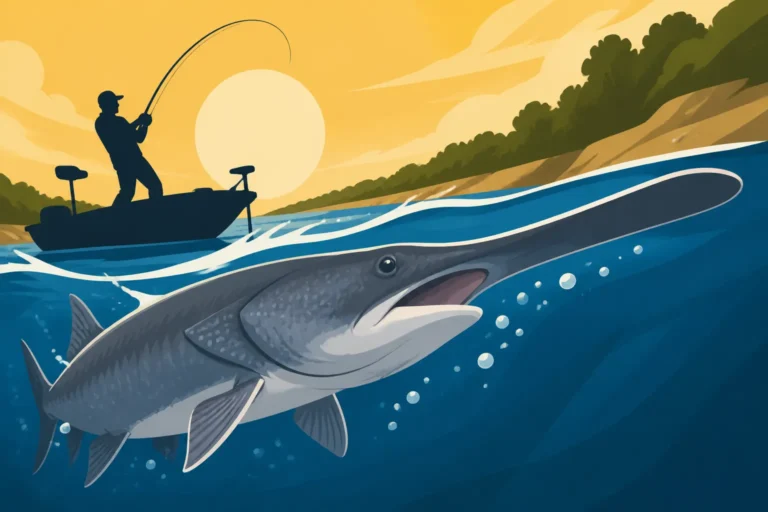
Mississippi is home to several species of gar, including Alligator, Longnose, and Spotted gar. These prehistoric-looking fish are not only fascinating to catch but are incredibly well-adapted to hot, low-oxygen water, making them prime summer targets.
- Air Breathers: One of the main reasons gar thrive in hot water is their ability to gulp air. They have a modified swim bladder that functions much like a lung, allowing them to supplement their gill respiration by surfacing for air. This gives them a huge advantage in oxygen-depleted warm waters where other fish struggle.
- Cruising and Feeding: You'll often see gar rolling on the surface in stagnant bays or slow-moving rivers during the heat of the day. They're not just breathing; they're also actively hunting. Their long, toothy snouts are perfect for ambushing baitfish. They can be tricky to hook due to their bony mouths, but using tough braided line and robust hooks (or even specialized gar ropes that entangle their teeth) can lead to success. They're a unique challenge and a powerful fight!
Bowfin (Grinnel): Aggressive Biters in Stagnant Heat
Often mistaken for a snakehead or mudfish, the Bowfin, locally known as "Grinnel," is another incredible warm-water warrior. These highly aggressive fish are found in sloughs, backwaters, slow-moving rivers, and shallow, vegetated areas throughout Mississippi.
- Heat Tolerance: Like gar, bowfin also possess a modified swim bladder that allows them to breathe air directly from the surface, making them incredibly resilient in warm, oxygen-poor environments where other game fish become sluggish.
- Voracious Eaters: They are powerful, predatory fish with a mouth full of sharp teeth and a nasty attitude. If you're looking for a consistent, aggressive bite when it's hot, bowfin can deliver. They'll strike at a variety of baits and lures, including live bait (shiners, worms), spinnerbaits, jigs, and even topwater lures. The fight is usually ferocious, often involving explosive runs and aerial acrobatics. Don't underestimate these tough customers – they're a blast on appropriate tackle!
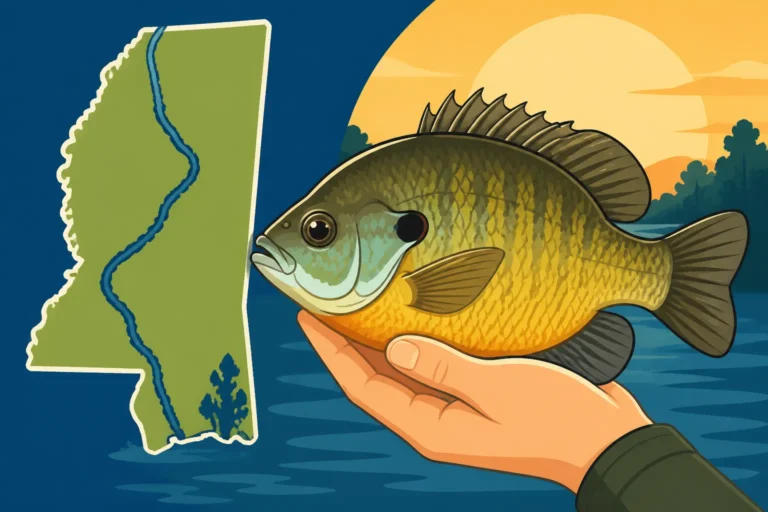
Bream and Bluegill: Panfish Perfection Even in the Dog Days
Don't overlook the humble panfish! Bream and bluegill, along with other sunfish species like redear sunfish (shellcrackers), remain active and catchable throughout the summer, especially if you know where to look.
- Consistent Activity: While they might not be in the shallowest spawning beds they occupied in spring, bream and bluegill will continue to feed in warmer months. Their smaller size means they don't require as much oxygen as larger predatory fish, and they can often be found in large schools.
- Seeking Relief: During the hottest parts of the day, look for them around shaded cover like lily pads, cypress trees, submerged brush piles, or in slightly deeper pockets of water near the bank. As evening approaches and the sun starts to dip, they'll often move back into shallower feeding areas. Live worms, crickets, and small artificial jigs are usually irresistible. It's a fantastic way to introduce kids to fishing, and they make for some excellent table fare! You can learn more about Bream and Bluegill Fishing in Mississippi.
Saltwater Species That Don't Mind the Mississippi Gulf Coast Heat
The Mississippi Gulf Coast can get incredibly hot and humid in summer, but the estuaries, bays, and nearshore waters still teem with active fish. The tides and currents help circulate water, often keeping oxygen levels more stable than in stagnant freshwater lakes.
Redfish: Bullish Fighters in the Warm Coastal Shallows
Redfish, also known as red drum, are one of the most popular sportfish on the Mississippi Gulf Coast, and for good reason: they are powerful fighters that are active all summer long.
- Heat Tolerance: Redfish are incredibly adaptable and can tolerate a wide range of salinities and temperatures, making them perfect targets for the hot coastal months. You'll find them cruising the shallow marsh flats, around oyster reefs, and near grass beds.
- Feeding Patterns: They are aggressive feeders and will readily take a variety of baits and lures. Live shrimp, mullet, or croaker are fantastic, as are artificial lures like soft plastic paddletails, spoons, and topwater plugs. Look for them tailing in shallow water as they feed on crabs and baitfish. Early mornings and late evenings are prime times, but strong tides can get them feeding throughout the day. For more on these incredible fish, read our Redfish Fishing on the Mississippi Coast guide.
Speckled Trout: Early Morning and Late Evening Bites
Speckled trout (spotted seatrout) are another highly sought-after species on the Gulf Coast. While they might slow down a bit during the absolute peak heat of midday, they remain very active during the cooler parts of hot summer days.
- Timing is Key: When fishing for speckled trout in summer, focus your efforts on the first few hours after sunrise and the last few hours before sunset. During these times, the water temperature is typically a bit lower, and trout are more likely to be actively feeding. Strong incoming or outgoing tides can also trigger a bite, even during midday.
- Location, Location, Location: Look for them around points, oyster reefs, grass lines, and drop-offs in the bays and estuaries. Live shrimp fished under a popping cork is a classic and highly effective method. Soft plastic jerkbaits and paddletails also produce excellent results. Check out our Speckled Trout Fishing Techniques article for more detailed strategies.
Flounder: Masters of Ambush in Warm Estuaries
The Gulf flounder is a delicious and fun-to-catch species that can be targeted successfully in Mississippi's warm coastal waters throughout the summer. These flatfish are masters of camouflage, burying themselves in the bottom and ambushing unsuspecting prey.
- Ambush Predators: Flounder prefer sandy or muddy bottoms where they can blend in perfectly. They are not chasing fish all over the place; rather, they wait for food to come to them. This makes them less susceptible to the heat-induced lethargy that affects more active predators.
- Where to Find Them: Look for flounder around jetties, bridge pilings, oyster reefs, and creek mouths where baitfish are funneled by currents. A live minnow, finger mullet, or shrimp fished slowly along the bottom is incredibly effective. Many anglers also use soft plastic grubs or scented baits like those found on Amazon fished on a jig head. They might not offer a spectacular fight, but their delicate bite and excellent taste make them a worthwhile summer target.
Strategies for Targeting Hot Water Fish Successfully
Knowing which fish bite in hot water is only half the battle. The other half is understanding how to adapt your techniques to increase your chances of success.
Timing Your Attack: Early Mornings and Late Evenings
This is perhaps the most crucial tip for summer fishing, regardless of the species. Just like us, fish seek relief from the midday sun.
- Sunrise and Sunset Bites: The hours around dawn and dusk offer the coolest water temperatures of the day, and often, the highest oxygen levels. This is when many fish, even those that tolerate heat, will be most active and willing to feed in shallower water. For saltwater anglers, this timing often coincides with favorable tides, creating a "perfect storm" for a great bite. You'll find that the bite can be incredibly intense during these windows, then slow considerably as the sun climbs high.
- Night Fishing: For species like catfish, night fishing can be incredibly productive. Not only is the water cooler, but many nocturnal predators are at their peak activity. Setting out jug lines or trotlines, or simply bank fishing with bait, can lead to some impressive catches after dark. We've got more tips in Night Fishing for Catfish.
Seeking Out Cooler Water: Depth, Shade, and Current
When the surface water feels like bathwater, you need to think about where fish go to find a bit of relief.
- Go Deep: In freshwater lakes and reservoirs, fish will often retreat to deeper water where temperatures are more stable and oxygen might be slightly better. Look for creek channels, submerged humps, deep points, or the main lake basin. A good fish finder can be your best friend here, helping you locate these cooler holding areas and any structure that might be attracting fish.
- Find the Shade: Any kind of shade can offer a temporary reprieve for fish. This includes overhanging trees, docks, bridge pilings, or even large floating mats of vegetation. Fish will often stack up under these shaded areas, waiting to ambush prey that passes by.
- Chase the Current: Moving water, whether in rivers, below dams (tailwaters), or along coastal channels, tends to be cooler and more oxygenated. Fish will congregate in eddies and seams where the current brings food but also allows them to conserve energy. For example, the tailwaters below Sardis Lake can hold excellent fishing opportunities.
Bait and Lure Selection for Lethargic Fish
Hot water can make even active fish a bit more finicky. You might need to adjust your bait and lure choices and how you present them.
- Scent is King: When fish are less active and relying more on their sense of smell, natural baits or scented artificial baits become extremely effective. For catfish, this means stinky cut baits, chicken livers, or commercial catfish baits. For redfish and trout, live shrimp, mullet, or Gulp! soft plastics are often hard to beat.
- Slower Presentations: Avoid fast, erratic retrieves that might be too much effort for a lethargic fish to chase. Instead, opt for slower, more deliberate presentations. Dragging jigs, slow-rolling spinnerbaits, or letting natural baits soak on the bottom are often more productive.
- High-Contrast Lures: In some cases, a high-contrast lure (like a black-and-chartreuse jig or a loud topwater plug in low light) can trigger a reaction strike, even if the fish isn't actively feeding. The idea is to irritate or provoke them into striking. You can find a huge variety of these options easily on Amazon, ready for your next trip.
- Live Bait Advantage: For many hot-weather species, especially catfish, gar, and redfish, live bait often outperforms artificial lures. A lively shiner, bream, or shrimp struggling in the water is often too tempting to resist.
Hot Water Fishing: Species & Strategies Summary
Here’s a quick overview to help you plan your next scorching summer fishing adventure in Mississippi:
| Fish Species | Preferred Hot Water Habitat | Best Time to Fish | Recommended Baits/Lures | Key Strategy Notes |
|---|---|---|---|---|
| Channel Catfish | Deep channels, submerged structure, river bends | All day, best at dusk/night | Cut bait, chicken liver, stink bait, worms | Fish bottom, use strong scent. |
| Blue Catfish | Large river channels, deep holes, current seams | All day, best at night | Large cut bait (shad, mullet) | Target deepest structure, use heavy gear. Best Bait for Catfish in the Mississippi River |
| Flathead Catfish | Heavy cover (logjams), undercut banks in rivers | Dusk, night | Live bait (bream, shiners) | Patiently fish heavy cover, strong tackle needed. |
| Alligator Gar | Stagnant bays, slow rivers, surface | Midday to late afternoon | Live bait (mullet), stout rope lures | Look for rolling on surface, tricky to hook. |
| Bowfin (Grinnel) | Vegetated backwaters, sloughs, slow-moving creeks | All day | Live worms/shiners, spinnerbaits, jigs, topwater | Aggressive fighters, focus on cover. |
| Bream & Bluegill | Shaded cover (docks, trees), lily pads, deeper pockets | Early morning, late evening | Worms, crickets, small jigs | Light tackle, focus on structure and shade. Best Bait for Crappie in Mississippi (often works for bream too) |
| Redfish | Shallow marsh flats, oyster reefs, grass beds (coast) | Early morning, late evening | Live shrimp/mullet, paddletails, spoons, topwater | Look for tailing, strong current, robust gear. |
| Speckled Trout | Points, oyster reefs, grass lines, drop-offs (coast) | Early morning, late evening | Live shrimp under cork, soft plastics | Focus on cooler parts of the day, tide strength. |
| Flounder | Sandy/muddy bottom near jetties, bridges, creek mouths | All day | Live minnows/shrimp, soft plastic grubs | Slow bottom retrieve, subtle bite detection. |
Remember, even in the hottest weather, Mississippi's waters are full of life and fishing opportunities. You just need to know which fish are up for the challenge and adjust your approach accordingly. Good luck out there, and stay cool!
Disclaimer
This article is for general informational purposes only and does not constitute professional advice. Laws, prices and regulations vary by location and change over time. Consult a qualified professional for guidance on your specific situation.