Best Bait for Catfish in the Mississippi River
Fishing for catfish in the mighty Mississippi River is an experience unlike any other, but if you've ever spent hours with your line in the water only to come up empty-handed, you know the frustration is real. The sheer size and ever-changing currents of the Mississippi can make choosing the right bait feel like a shot in the dark. This comprehensive guide is here to unravel the mystery, helping you understand precisely what catfish in the Mississippi River are looking for, so you can increase your chances of landing that trophy catch.
Understanding Mississippi River Catfish Species and Their Distinct Preferences
Before we even talk about specific baits, it's crucial to understand the main catfish species you'll encounter in the Mississippi River and what makes them tick. The river is a complex ecosystem, and each type of catfish has its own preferred dining habits. What works wonders for a Channel Cat might completely miss the mark for a Flathead. Knowing your target will save you a lot of time and heartache.
Blue Catfish: The River's Mighty Scavengers
Blue Catfish are the kings of the Mississippi, often growing to immense sizes. These powerful fish are primarily scavengers and opportunistic predators, with a strong preference for fresh cut bait. They have an incredible sense of smell, which they use to track down decaying organic matter and injured fish in the river's often murky waters. While they will sometimes hit live bait, their diet heavily skews towards what's readily available and easy to consume on the river bottom.
When targeting these giants, think about what they would naturally encounter flowing downstream or living in the river. They're not picky about the type of fish, as long as it's fresh and smelly. This makes locally sourced baitfish incredibly effective. Anglers often make the mistake of using old, freezer-burnt bait, which simply doesn't have the potent scent trail that fresh cut bait emits. The fresher, the better, for enticing a big blue cat that might be lurking in a deep hole or behind a log jam.
Channel Catfish: Versatile Eaters with a Keen Nose
Channel Catfish are perhaps the most widespread and commonly caught catfish in the Mississippi River, loved for their fight and their fantastic table fare. Unlike their blue cat cousins who often prefer larger, fishier meals, Channel Cats are true omnivores. Their diet includes everything from insects, crustaceans, and small fish to fruits, seeds, and even algae. What they lack in sheer size compared to blue cats, they make up for in their incredibly keen sense of smell, which is arguably even more developed than a blue cat's when it comes to pinpointing subtle odors.
Because of their varied diet and excellent olfactory senses, Channel Catfish are highly susceptible to a wide array of baits, especially those that are strong-smelling or incorporate different textures. This is where many of the "stink baits" and prepared baits really shine. They're also not as averse to slightly older bait as blue cats, though freshness is still always an advantage. Understanding this versatility is key to unlocking consistent success when pursuing Channel Catfish in the challenging currents of the Mississippi.
Flathead Catfish: The Live Bait Specialists
Flathead Catfish stand apart from their cousins as strict predators. These fish prefer to ambush live prey and are notoriously finicky about anything dead or processed. If you're targeting flatheads, you can pretty much forget about stink baits or cut baits – they want something wiggling and struggling. They are solitary creatures, often found tucked away in woody cover, submerged logs, or rock piles where they can lie in wait for an unsuspecting meal to swim by.
The challenge with Flathead Catfish is not just finding them, but presenting a bait that looks natural and alive enough to trigger their predatory instinct. This means using healthy, lively baitfish that can swim and attract attention in the current. Many anglers swear by specific local baitfish, knowing that a flathead will prefer what it naturally hunts in its environment. Choosing the right size of live bait is also critical; too small and it might be ignored, too large and it might be too much for the flathead to handle.
The Reigning Champions: Cut Baits and Live Baits for Mississippi Catfish
When it comes to consistently catching catfish in the Mississippi River, especially the bigger ones, two categories of bait stand head and shoulders above the rest: fresh cut baits and lively live baits. These options replicate the natural food sources available in the river, appealing directly to the catfish's instincts.
Fresh Cut Bait: The Scent Trail That Calls Them In
Fresh cut bait is arguably the most effective bait for Blue Catfish and is also highly productive for Channel Catfish in the Mississippi River. The beauty of cut bait lies in its ability to disperse a potent scent trail through the water, attracting catfish from a considerable distance. When currents are strong, this scent trail becomes an undeniable beacon.
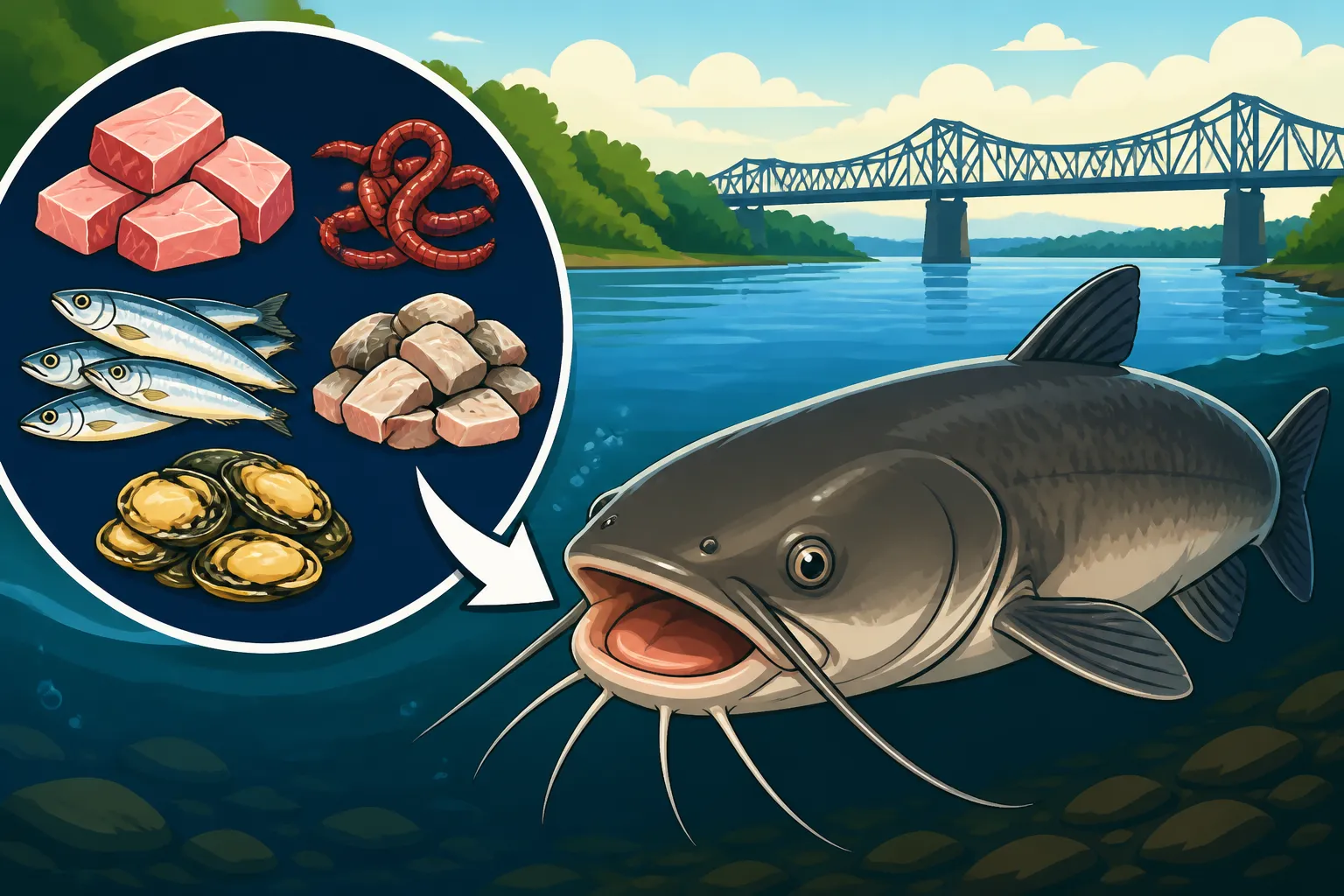
So, what makes for good cut bait? The key is freshness and oiliness. Skipjack herring, shad (gizzard shad or threadfin shad), carp, and drum are excellent choices because they are oily and native to the Mississippi River system. You can often catch your own baitfish with a cast net in shallower areas or below dams, or purchase them from local bait shops. The fresher the bait, the stronger its natural scent and blood trail, which are irresistible to blues and channels.
When preparing cut bait, don't just hack it up randomly. For larger blue cats, consider cutting fish into substantial chunks or strips, making sure to expose the flesh and bones to maximize scent release. For channel cats, smaller pieces or even finely diced bait can be more effective, allowing them to easily swallow the bait. A sharp bait knife is essential for clean cuts, and you might find a good, affordable one on Amazon. Remember, the goal is to create a vibrant, bloody, and oily plume in the water that catfish can't ignore. Keeping your bait on ice until you're ready to use it will maintain its freshness and potency throughout your fishing trip.
Live Baits: Irresistible Motion for Aggressive Predators
Live bait is the undisputed champion for targeting Flathead Catfish and is also incredibly effective for larger Blue Catfish. There's just something about a struggling, live baitfish that triggers a predatory response in these fish that no dead bait can replicate. The movement, vibrations, and natural appearance are what flatheads are searching for in their ambush points.
For Flatheads, healthy, lively baitfish are paramount. Common choices include small bluegill, sunfish, shiners, small carp, or even small drum. The size of your live bait should match the size of the flathead you're hoping to catch – typically 4-8 inches, but don't be afraid to go larger if you're targeting true monsters. Hooking the baitfish properly is crucial to keeping it alive and active. Many anglers prefer hooking them through the back, just above the lateral line, or through the lips, ensuring the hook doesn't damage vital organs and allows the fish to swim naturally.
Keeping your live bait healthy is just as important as choosing the right species. A good aerated bait bucket or livewell is indispensable, especially on hot Mississippi days. You can find excellent portable aerators and bait buckets on Amazon to keep your bait lively for hours. Remember, a sluggish or dying baitfish won't entice a flathead; they want a vibrant, struggling meal. When presenting live bait, position it near structure where flatheads are known to hide, allowing the current to make the bait look as natural as possible. For deeper insights, you might want to check out our guide on Flathead Catfish Habits and Habitat.
Prepared Baits and Secret Weapons for Mississippi Catfish
While fresh cut bait and live bait dominate for the biggest river cats, there's a whole world of other options that can be incredibly effective, especially for Channel Catfish. These prepared baits often leverage the catfish's incredible sense of smell and their willingness to sample a wide array of food sources.
Stink Baits and Punch Baits: Odor Overdrive for Channel Cats
If you've ever fished for Channel Catfish, you've probably encountered stink baits. These concoctions are specifically designed to emit powerful, often pungent, odors that Channel Cats find irresistible. Their effectiveness comes from their ability to create a long-lasting scent trail, even in moving water. Stink baits come in various forms:
- Dipping Baits: These are usually thick, gooey mixtures that you "dip" a special bait holder or piece of sponge into. Brands like Catfish Charlie, Sonny's Super Sticky, and Junnie's are popular choices known for their potent formulas. The trick is using a bait holder that allows the scent to leach out slowly without the bait washing away too quickly in the current.
- Dough Baits: Similar to dipping baits but often firmer, these can be molded around a hook. They're usually less messy than dipping baits but still carry a strong scent.
- Punch Baits: These are dough-like baits packed in tubs. The name comes from how you use them: you literally "punch" your treble hook into the bait, scoop some up, and the fibers in the bait help it adhere to the hook. They tend to stay on the hook better in strong currents than many dipping baits.
When using stink baits or punch baits, remember that a little goes a long way in attracting Channel Catfish. While they can be messy, the results often speak for themselves. You'll want to have a dedicated bait towel and perhaps even some gloves if you're sensitive to strong smells. You can easily find a wide selection of these specialized baits and bait holders on Amazon. For optimal results, consider setting up a Trotline and Jug Fishing Setup using these baits in slower moving sections of the river.
Natural Baits Beyond Fish: Earthy and Enticing Options
Beyond the realm of fish and manufactured stink bombs, several other natural baits prove highly effective for Mississippi River catfish, particularly Channel Cats and smaller Blues.
- Chicken Liver: This is a classic for a reason. Chicken livers are bloody, soft, and emit a strong, natural odor that catfish adore. The main challenge with chicken liver is keeping it on the hook, especially in strong currents. Many anglers will "toughen" them up by leaving them in the sun for a short period or mixing them with a little flour or cornstarch. Some even wrap them in a small piece of mesh or pantyhose to keep them secure. Always use fresh chicken liver, as rancid liver is far less effective.
- Nightcrawlers and Worms: The humble nightcrawler is a universal bait, and catfish are no exception. They're excellent for Channel Catfish and can sometimes tempt a smaller Blue Cat. Their wiggling action and earthy scent are very appealing. You can use them whole, in chunks, or even combine several on a hook for a larger presentation. They're easy to find and handle, making them a great choice for beginners or those seeking consistent action.
- Shrimp: Raw, peeled shrimp, especially those that have been allowed to thaw and "stink" a bit, can be surprisingly effective for Channel Cats and sometimes even smaller Blues. The natural smell and soft texture are attractive, and they stay on the hook fairly well. Many anglers keep a bag of frozen shrimp on hand for impromptu fishing trips.
Unconventional Baits: For the Adventurous Angler
While the tried-and-true methods generally yield the best results, some anglers experiment with less conventional baits, often with surprising, albeit inconsistent, success.
- Hot Dogs: Yes, plain old hot dogs. Some fishermen swear by them, especially for Channel Catfish. They're cheap, readily available, and absorb flavors well. Some anglers marinate them in garlic salt or Kool-Aid (grape is a popular choice) to add extra appeal.
- Soap: Believe it or not, some old-timers have used small chunks of pure Ivory soap to catch catfish. The theory is that the natural oils and scents attract them. This is certainly one to try if you're feeling experimental, but don't expect it to outperform cut bait!
These unconventional options are often more about fun and experimentation than guaranteed success, but they speak to the opportunistic nature of catfish.
Bait Comparison Table
To help you quickly decide which bait might be best for your next outing on the Mississippi River, here's a handy comparison:
| Bait Type | Target Species | Pros | Cons | Mississippi River Application |
|---|---|---|---|---|
| Fresh Cut Bait | Blue Catfish (primary), Channel Catfish | Strong scent trail, attracts large fish, natural food source | Can be messy, needs to be fresh, might require catching own bait | Excellent for deeper holes, main channels, and swift currents. |
| Live Baits | Flathead Catfish (primary), Large Blue Catfish | Irresistible natural movement, targets aggressive predators | Requires effort to keep alive, specific hooking methods | Best near woody cover, submerged logs, and rock piles for Flatheads. |
| Stink/Punch Baits | Channel Catfish (primary), smaller Blue Catfish | Powerful scent, easy to use (with holders), widely available | Can be very messy, less effective for Flatheads and giant Blues | Great for slower currents, bank fishing, and shallower areas. |
| Chicken Liver | Channel Catfish, smaller Blue Catfish | Natural, strong scent, affordable | Falls off hook easily, very messy, requires frequent re-baiting | Good for medium currents and targeting numbers of Channel Cats. |
| Nightcrawlers | Channel Catfish, smaller fish | Universal appeal, easy to find, clean to handle | Less effective for large trophy cats, can be picked off easily | Versatile for various conditions, good for family fishing. |
| Raw Shrimp | Channel Catfish, smaller Blue Catfish | Natural smell, decent hook retention, easy to store | Can be pricey, less potent than fresh cut bait | Good for targeting Channel Cats in mixed fishing environments. |
When you're out there, observing the water conditions and paying attention to what's biting (or not biting) will always be your best guide. Sometimes, a subtle change in bait presentation or choice can make all the difference. Knowing your Mississippi Fishing Regulations Explained is also vital to ensure you're compliant, especially when catching your own baitfish. For more on the specific species, read our guides on Blue Catfish Fishing in Mississippi and Channel Catfish Fishing in Mississippi. Don't forget to check out Mississippi River Catfish Hotspots to find prime locations!
Disclaimer
Fishing conditions and regulations in Mississippi can change. Always consult the latest guidelines from the Mississippi Department of Wildlife, Fisheries, and Parks (MDWFP) before heading out. This guide is for informational purposes only and does not constitute official advice.