Flathead Catfish Habits and Habitat
Many anglers across Mississippi dream of battling a true river monster, but often find themselves frustrated by the elusive nature of the flathead catfish. These powerful fish have very specific habits and preferred stomping grounds, making them a challenge for even seasoned fishermen. This guide aims to pull back the curtain on the flathead's mysterious world, detailing their unique characteristics, where they live, what they eat, and how understanding these aspects can significantly improve your chances of a successful catch.
Understanding the Flathead Catfish: A True River Monster
The flathead catfish, often lovingly referred to as "flatty" or "yellow cat" by those who pursue them, is a fascinating and formidable opponent in Mississippi waters. They're not just big; they have a distinct personality, a territorial nature, and hunting habits that set them apart from their whiskered cousins. Learning to identify them and understand their general disposition is the first step to becoming a more successful flathead angler.
Identifying the Flathead: What Makes Them Unique?
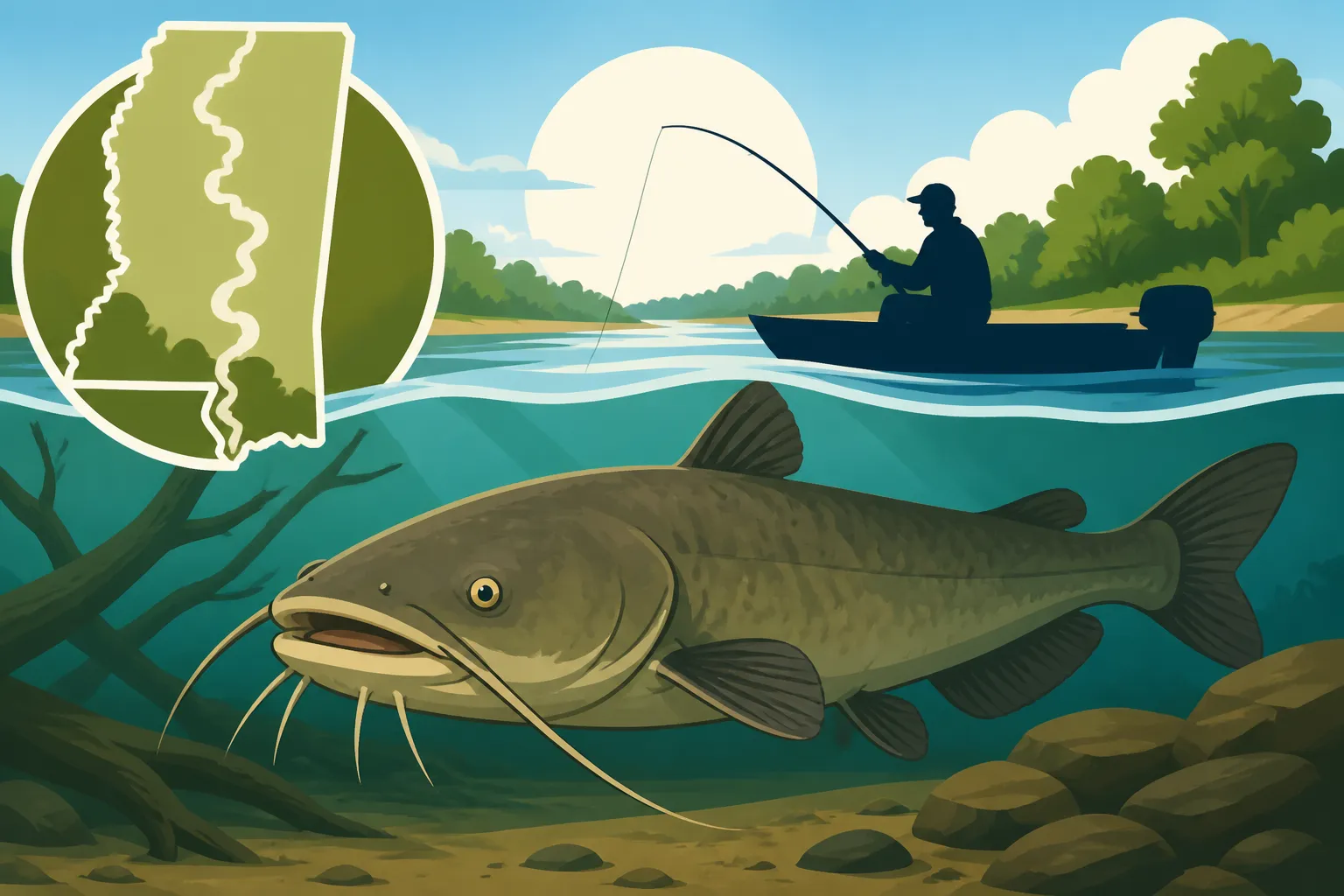
When you pull a flathead out of the water, you'll immediately notice some key features that distinguish it from other catfish. True to its name, the flathead has a noticeably flattened, broad head with small eyes, which are positioned more towards the top of its head. Unlike the deeply forked tail of a channel catfish or the somewhat forked tail of a blue catfish, the flathead's tail is either square or only slightly notched. Its lower jaw also protrudes past the upper jaw, giving it a somewhat grumpy, determined look.
Their coloration is another giveaway. Flatheads typically boast a mottled pattern of yellow, brown, and olive green, with darker spots and blotches over a lighter belly. This camouflage allows them to blend seamlessly with the bottom structure of rivers and lakes, making them masters of ambush. They can grow to impressive sizes, with some individuals tipping the scales at over 50 pounds, making them a highly sought-after trophy fish for many dedicated anglers.
Flathead vs. Other Catfish: Key Distinctions
While all catfish share some general characteristics, the flathead stands out dramatically from both channel catfish and blue catfish, especially in terms of behavior and diet. Channel catfish are often slender, with a deeply forked tail and scattered black spots on their sides. They are opportunistic feeders, readily taking prepared baits, stink baits, and various natural offerings. Blues, on the other hand, are typically silvery-blue to slate gray, with a more pronounced hump on their back and a moderately forked tail, growing even larger than flatheads in some cases. Blue catfish are often schooling fish and primarily feed on smaller fish, mussels, and crayfish, but can be caught on cut bait.
Flatheads, however, are almost exclusively piscivorous (fish-eating) and have a strong preference for live prey. They are solitary, territorial hunters that rarely school. This crucial difference in diet and social behavior dictates entirely different fishing strategies. You won't typically catch a flathead on the same punch bait or chicken livers that might entice a channel cat. Their unique morphology and predatory lifestyle truly set them apart as distinct and challenging adversaries. For more on identifying different species, check out Catfish Identification Chart.
Preferred Habitats of Mississippi Flatheads
Understanding where flatheads live is paramount to finding them. These fish aren't just swimming around aimlessly; they are creatures of habit with specific preferences for structure, depth, and current. Mississippi offers an abundance of prime flathead habitat, from massive river systems to large reservoirs, each demanding a slightly different approach.
River Systems and Main Channels
The mighty Mississippi River, with its vast network of deep channels, oxbow lakes, and tributary mouths, is a flathead paradise. These fish thrive in strong currents and prefer to ambush their prey rather than chase it down in open water. You'll often find them lurking along the main river channel, especially near sharp bends, deep drop-offs, and where tributaries meet the main flow. The Pearl River is another excellent locale where flatheads can be found. Rivers provide the consistent current and diverse structure that flatheads absolutely love.
In these river systems, flatheads will often position themselves in current breaks—areas where the water flow is disrupted, creating a calmer zone. This allows them to expend less energy while still having easy access to prey being swept downstream. Think about the downstream side of sandbars, the edges of deep holes, or behind large submerged obstacles. These are classic ambush points where a flathead can patiently wait for an unsuspecting meal to drift by. Exploring the deeper sections of these rivers, especially during cooler parts of the day or at night, is key to success. For a deeper dive into one of Mississippi's most iconic waterways, you might find Mississippi River Fishing Guide helpful.
Deep Holes, Structure, and Cover
Flatheads are notorious homebodies. They love structure, and the more gnarly and impenetrable, the better. Submerged timber, fallen trees, massive log jams, rock piles, and old bridge pilings are all prime real estate for a flathead. These structures provide cover from predators (though they don't have many), shelter from strong currents, and a perfect ambush point for unsuspecting baitfish. If you find a snag that looks like it could eat your boat, chances are a big flathead might be calling it home.
Locating these deep holes and significant structures is often the biggest challenge for flathead anglers. Many successful flathead fishermen rely heavily on electronics like fish finders to pinpoint these underwater havens. Once found, these spots might hold flatheads year after year, as these fish are very territorial and don't stray far from their preferred cover. They are masters of hiding, using the complexity of these structures to their advantage, which means you need to get your bait right into their living room.
Flatheads in Reservoirs and Large Lakes
While predominantly river dwellers, flatheads have also established strong populations in many of Mississippi's large reservoirs and lakes. Here, their habits adapt slightly. Instead of river current, they often relate to distinct depth changes, old creek channels, and significant submerged structure like flooded timber, old roadbeds, and bridge abutments. Lakes like Pickwick Lake, Ross Barnett Reservoir, and Grenada Lake can offer excellent flathead opportunities, particularly in their deeper, more riverine sections.
In these impoundments, flatheads will still seek out the deepest, darkest holes, especially those with heavy cover. Think about the main lake points that drop off into an old river channel, or massive fields of standing timber in the deeper parts of a lake. They still prefer to be out of the main "flow" of boat traffic and open water, sticking to areas that offer protection and a steady supply of live baitfish. While you might not find the same kind of strong current as in a river, the flathead's instinct for ambush and cover remains unchanged. This often means targeting them where the lake bottom is irregular and complex.
Flathead Catfish Behavior and Feeding Habits
If you want to catch flatheads, you have to think like a flathead. Their behavior is largely dictated by their predatory nature and their preference for specific types of food. They aren't scavengers in the same way some other catfish are; they are active, cunning hunters.
Nocturnal Hunters: When and How They Feed
One of the most defining characteristics of the flathead catfish is its predominantly nocturnal feeding behavior. While they can be caught during the day, especially in very deep, dark holes or during periods of low light, their prime hunting hours begin at dusk and continue through the night. As the sun sets, flatheads emerge from their daytime cover, moving into shallower areas, along channel edges, or around the perimeters of log jams to actively search for prey.
They are ambush predators, meaning they prefer to lie in wait for their food rather than engaging in long chases. They use their excellent sense of smell and lateral line system to detect vibrations from struggling baitfish. Once a meal is detected, they can move with surprising speed, engulfing their prey with their large, cavernous mouths. This nocturnal activity is why night fishing for flatheads is so popular and often so productive. Anglers targeting flatheads at night understand that this is when the big ones are most active and vulnerable. Consider reading Night Fishing for Catfish for more tips on this exciting pursuit.
Their Live Bait Preference
This is perhaps the most critical piece of information for any aspiring flathead angler: flatheads overwhelmingly prefer live bait. Unlike blue or channel catfish that readily take cut bait, stink bait, or even chicken livers, a flathead's diet consists almost entirely of live fish. They are not scavengers. This is why you'll rarely catch a flathead on a traditional catfish bait.
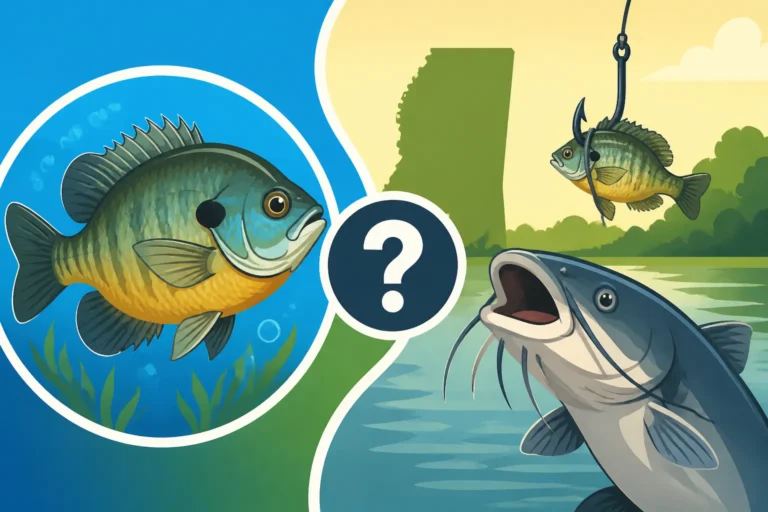
The best baits are typically lively, local species that flatheads naturally prey on. This includes various species of bream (like bluegill, sunfish, or even small shellcrackers), live shad, perch, bullheads, or small carp. The key is to use bait that is fresh, active, and can withstand the rigors of being on a hook in strong current or heavy cover. Many anglers swear by a frisky bluegill as the ultimate flathead snack. You can find excellent live bait hooks and heavy-duty tackle suitable for live bait fishing on platforms like Amazon. Remember, the livelier the bait, the more enticing it is to a flathead, so ensure your livewell is in top shape! For further bait insights, check out Best Bait for Catfish in Mississippi.
Seasonal Movements and Patterns
Flathead catfish, like most fish, exhibit seasonal movements tied to water temperature, spawning cycles, and feeding opportunities. In the spring, as water temperatures begin to rise, flatheads become more active after a period of winter dormancy. They will start to move out of their deepest wintering holes, often moving towards shallower areas and feeding more aggressively in preparation for the spawn.
During the late spring and early summer, typically when water temperatures are in the 70s, flatheads will begin their spawning ritual. After the spawn, they become incredibly active feeders throughout the summer, often returning to their favorite deep-water structures and feeding heavily during the cooler night hours. As fall arrives and water temperatures drop, their feeding frenzy continues, as they try to bulk up for the lean winter months. Once winter truly sets in, they'll retreat to their deepest, most stable holes, becoming less active and feeding less frequently. Understanding these seasonal shifts can help you predict where flatheads will be and what they'll be doing.
The Flathead Life Cycle and Reproduction
The life cycle of the flathead catfish is fascinating and plays a significant role in their habits and where they can be found throughout the year. Knowing about their spawning habits not only gives insight into conservation but also informs when and where you might encounter actively feeding fish.
Spawning Habits and Nest Protection
Flathead catfish typically spawn in late spring to early summer, when water temperatures consistently reach the low to mid-70s. Unlike many fish that broadcast their eggs, flatheads are cavity nesters. The male flathead takes on the primary responsibility of preparing and guarding the nest. He'll seek out dark, secluded cavities such as hollow logs, undercut banks, rock crevices, or even old tires and debris piles. These hidden spots provide protection for the eggs and fry from predators and strong currents.
Once a suitable nest site is selected, the female deposits her eggs, which are then fertilized by the male. After spawning, the male diligently guards the nest, fanning the eggs to keep them oxygenated and free of silt until they hatch. He'll also aggressively defend the fry for a period after hatching. This strong parental care contributes to the survival rate of young flatheads. Anglers should be mindful during the spawning season, as targeting fish on their beds can disrupt this crucial reproductive cycle.
Growth Rates and Longevity
Flathead catfish are slow-growing but long-lived fish, capable of reaching impressive sizes and old ages. Their growth rate depends heavily on food availability, water quality, and genetics, but they can easily live for 15-20 years, with some individuals exceeding 25 years. It takes many years for a flathead to reach trophy size, which is why catching a truly massive flathead is such a remarkable achievement.
A 20-pound flathead might be well over a decade old, and those truly giant specimens pushing 50+ pounds could be 20 years old or more. This slow growth rate underscores the importance of proper management and conservation efforts to protect these magnificent fish. Anglers who practice catch and release, especially for the larger, older breeding fish, help ensure healthy flathead populations for future generations. For an idea of the potential, you can look up Flathead Catfish Average and Maximum Size.
Targeting Flatheads: Applying This Knowledge
Now that we've delved into the flathead's world, it's time to translate that knowledge into actionable fishing strategies. Understanding their habits is one thing; putting yourself in a position to catch one is another.
Choosing the Right Gear and Bait
Given their size, strength, and preference for heavy cover, flathead fishing requires robust tackle. You'll need a heavy-action rod, a sturdy reel (baitcasting reels are preferred for their power and line capacity), and strong line, typically 50-80 pound test monofilament or braided line. Because you'll often be fishing in snaggy areas, heavy leaders are essential to prevent break-offs. Circle hooks, sized appropriately for your live bait (often 5/0 to 10/0), are highly recommended as they typically hook the fish in the corner of the mouth, reducing harm and making release easier.
As discussed, live bait is king. Freshly caught bream (like bluegill or sunfish), shad, or small perch are prime choices. Make sure your bait is lively. If you're buying bait, ensure it's healthy and active. You'll often use a stout Carolina rig or a three-way swivel rig to present your live bait near the bottom, allowing it to swim naturally without getting tangled in the heavy cover that flatheads call home. Stocking up on these essentials from a reliable source like Amazon can help ensure you're prepared for whatever a big flathead throws your way.
Best Times and Locations for Success
The best time to target flatheads is typically at night or during periods of low light, especially from late spring through early fall. As the sun sets, flatheads move from their deep-water sanctuaries to shallower feeding grounds, often along channel edges, log jams, and drop-offs. Focus your efforts on deep holes with significant structure – think fallen trees, submerged brush piles, old bridge pilings, or rocky outcrops in main river channels or large creek arms of reservoirs.
When you find a promising spot, anchor upcurrent and cast your live bait directly into or just upstream of the structure. Give your bait time to work, as flatheads are patient predators. Be prepared for a powerful fight once you get a bite; flatheads will often try to run back into the heaviest cover, so strong gear and quick reflexes are crucial. This kind of fishing can be slow, but the reward of a massive flathead makes the patience well worth it. Exploring locations such as Ross Barnett Reservoir Fishing Guide or Grenada Lake Fishing Guide could lead you to some excellent flathead spots.
Comparing Mississippi's Primary Catfish Species
To further illustrate the unique characteristics of the flathead catfish, here's a quick comparison with its two most common cousins found in Mississippi waters:
| Feature | Flathead Catfish | Blue Catfish | Channel Catfish |
|---|---|---|---|
| Head Shape | Broad, flattened, lower jaw protrudes | Moderately flattened, upper jaw slightly protrudes | Smaller, cone-shaped, upper jaw slightly protrudes |
| Tail Shape | Square or slightly notched (not deeply forked) | Moderately forked | Deeply forked |
| Coloration | Mottled yellow, brown, olive with dark spots/blotches | Silvery-blue to slate gray, often unspotted | Olive-brown to gray, scattered black spots (younger) |
| Typical Diet | Almost exclusively live fish | Omnivorous, prefers cut bait, mussels, fish, crayfish | Omnivorous, takes nearly anything; prepared baits, worms, cut bait |
| Social Behavior | Solitary, territorial | Often schools | Often schools |
| Preferred Habitat | Heavy cover (logs, rocks) in deep holes, strong current, rivers | Open channels, deep swift currents, main river flows | Moderate current, diverse habitats, rivers, lakes, ponds |
| Trophy Potential | Very high (50+ lbs) | Extremely high (100+ lbs) | Moderate (20-30 lbs) |
Remember, understanding these distinctions is key to successfully targeting each species. While a blue cat might readily hit a piece of cut shad in open water, a flathead needs a lively bream presented right in its log jam lair.
Anglers across Mississippi cherish the opportunity to hook into a monster flathead catfish. They are truly one of the most challenging and rewarding freshwater species to pursue. By respecting their habits, understanding their habitat preferences, and using the right techniques, you significantly increase your chances of bringing one of these formidable "river monsters" to the net. It's about patience, preparation, and appreciating the wild nature of these incredible fish. Don't be afraid to put in the time to scout those deep, gnarly spots and try different live baits; the reward is truly unforgettable.
Disclaimer
This article is for general informational purposes only and does not constitute professional advice. Laws, prices and regulations vary by location and change over time. Consult a qualified professional for guidance on your specific situation.