Are There Northern Pike in Mississippi?
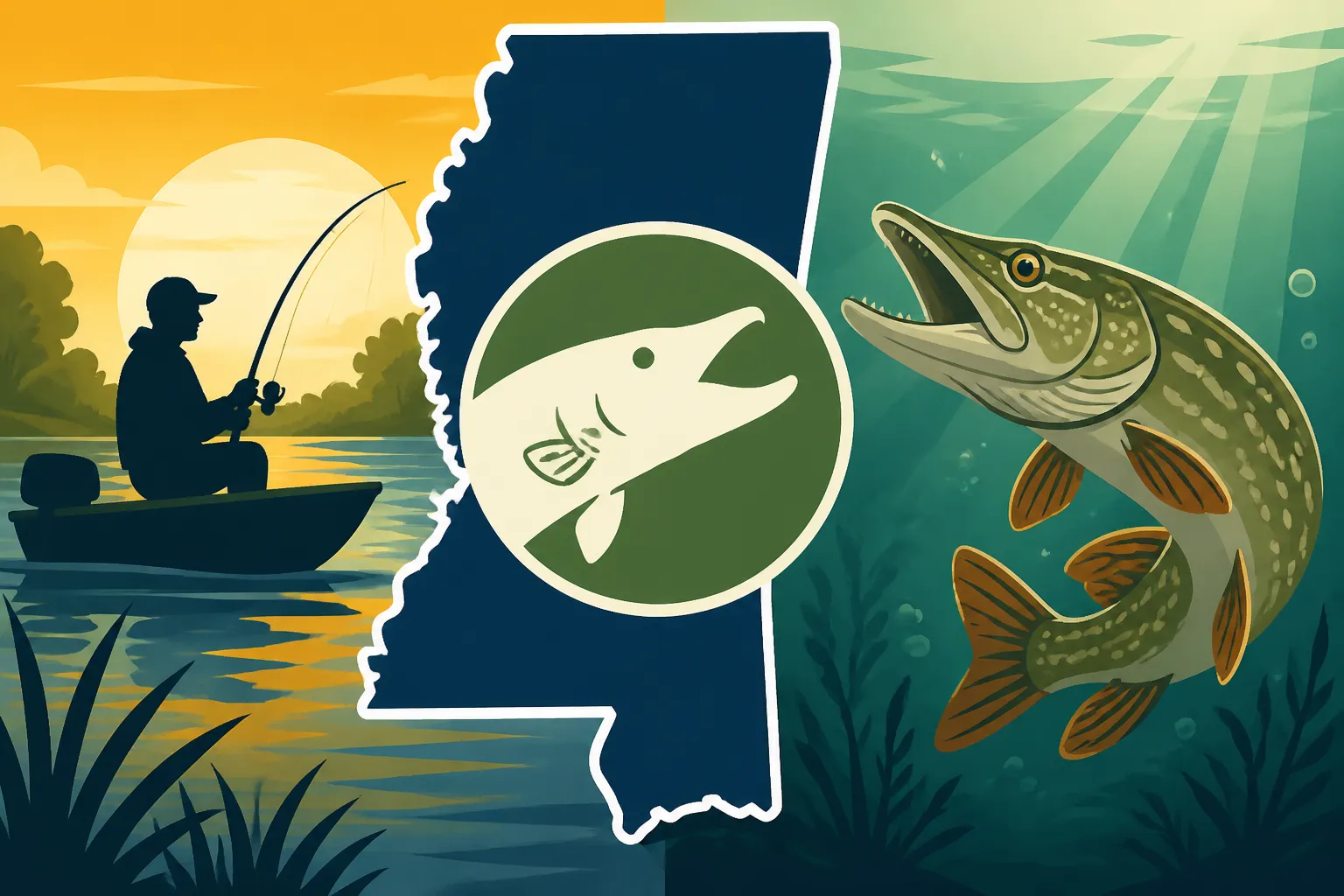
It’s a question many passionate anglers moving to or visiting Mississippi ask, especially if they hail from northern states or Canada where these toothy predators are a common target: "Are there Northern Pike in Mississippi?" It’s a completely fair question, as the thought of battling one of these fierce freshwater giants can get any angler excited. However, the short and simple answer is no, Northern Pike are not found in Mississippi's natural waters. This comprehensive guide will explain why our beautiful state, with its rich fishing opportunities, doesn't host these specific fish and what hard-fighting alternatives you can pursue instead.
Understanding Northern Pike and Their Native Habitat
Before we dive into why Northern Pike aren't a resident of Mississippi, it’s helpful to understand a bit about these fascinating fish. Knowing their preferences and biological needs helps clarify why certain regions are perfect for them and others simply aren't.
Key Characteristics of Northern Pike
Northern Pike ( Esox lucius) are unmistakable. They're famous for their elongated, torpedo-shaped bodies, a broad, duck-bill-like snout, and a mouth full of razor-sharp teeth. These fish are true apex predators in their ecosystems, known for their aggressive strikes and powerful fights. Their coloration is typically olive green, shading into white on the belly, with lighter spots or beanshaped markings along their sides. They can grow to impressive sizes, often exceeding 20 pounds, and their sheer power makes them a thrilling catch for sport fishermen.
Anglers often target them with a variety of methods, from casting large spoons and crankbaits to trolling with big artificials or live bait. Their predatory nature means they're constantly on the hunt, making them an exciting species to pursue. Many a fishing story from up north involves a monster pike snapping a line or putting up a spectacular aerial show.
Preferred Habitats and Climate
The name "Northern Pike" isn't just a catchy label; it's a key indicator of their preferred environment. These fish thrive in cooler, temperate waters across the northern hemisphere. You'll find them in abundance throughout Canada, Alaska, the Great Lakes region, and many states in the northern U.S., as well as parts of Europe and Asia. They prefer clear, cool to cold water, often with abundant vegetation for ambush points. Think vast, deep lakes, slow-moving rivers, and marshy backwaters where they can hide and dart out to strike unsuspecting prey.
Crucially, Northern Pike are particularly sensitive to warm water. Their metabolic rates are optimized for colder temperatures, and prolonged exposure to warm water (especially above the low 70s Fahrenheit) can be incredibly stressful, leading to reduced feeding, stunted growth, and even death. Spawning also requires specific cold-water conditions, typically occurring in early spring just after ice-out in shallow, vegetated areas. This biological requirement for cold water is the primary reason why their range doesn't extend south into states like Mississippi.
The Reality of Northern Pike in Mississippi Waters
It might be disappointing to hear, especially if you have fond memories of pike fishing, but Mississippi simply doesn't offer the environmental conditions Northern Pike need to survive and reproduce. Our climate and water temperatures are fundamentally different from their ideal habitat.
Mississippi's Warm Water Climate
Mississippi's climate is predominantly subtropical, characterized by hot, humid summers and mild winters. While we do get cooler temperatures in winter, our lakes, rivers, and reservoirs spend a significant portion of the year with water temperatures well above what Northern Pike can comfortably tolerate. From late spring through early fall, water temperatures across much of the state can easily soar into the 80s and even low 90s Fahrenheit. These extended periods of warm water create an inhospitable environment for a cold-water species like the Northern Pike.
Think about the difference between a brisk, northern autumn lake and a sprawling Mississippi reservoir in July. The thermal differences are stark, and these differences directly impact the dissolved oxygen levels and metabolic processes of fish. Attempting to introduce Northern Pike into such an environment would likely result in very poor survival rates, if not outright failure to establish a sustainable population. The ecosystem simply isn't built for them, and trying to force it could also negatively impact our native species.
Native Fish Species vs. Introduced Species
Mississippi's aquatic ecosystems are perfectly adapted to the warm water species that thrive here. Our lakes and rivers are teeming with bass, crappie, catfish, bream, and various species of gar, all of which are well-suited to the warmer temperatures and specific habitat types found across the state. These fish have evolved over millennia to flourish in Mississippi's unique environment.
Introducing a non-native species like the Northern Pike, even if it could somehow survive the warm waters, could have unforeseen ecological consequences. Non-native species can outcompete native fish for food and habitat, introduce diseases, or disrupt the delicate balance of the food chain. Wildlife management agencies, like the Mississippi Department of Wildlife, Fisheries, and Parks (MDWFP), are very careful about introducing non-native species for these very reasons. Their focus is rightly on managing and enhancing our already fantastic native fisheries, ensuring their health and sustainability for generations of anglers. You can learn more about the MDWFP's approach to local species in resources like Mississippi Freshwater Fish Species Guide.
What You Will Find: Similar-Looking Fish in Mississippi
It’s completely understandable why someone might ask about Northern Pike, especially if they’ve seen photos or caught them before. The good news is that Mississippi is home to several incredible, hard-fighting fish that share some visual characteristics with Northern Pike, often leading to mistaken identity. These "pike-like" fish provide incredible angling opportunities and are truly unique to our southern waters.
Alligator Gar
If you're looking for a large, toothy, prehistoric-looking predator, Mississippi has you covered with the magnificent Alligator Gar. These ancient fish are absolute giants, capable of reaching lengths over eight feet and weighing hundreds of pounds. They have an elongated body, similar to a pike, but their snout is much broader and flatter, resembling an alligator's jaw, hence the name. Like pike, they are ambush predators, often found lurking in still or slow-moving waters, ready to explode on prey. They possess incredibly strong, sharp teeth that are perfect for snaring fish and other small animals.
Catching an Alligator Gar is an experience unlike almost any other freshwater fishing. They are incredibly powerful, known for long runs and spectacular jumps. Many anglers specifically target these giants, using heavy tackle, large baits, and often employing specialized techniques like bow fishing. You can find Alligator Gar throughout many of Mississippi's larger river systems and oxbow lakes, offering a truly unique challenge. If you're looking for a truly epic battle, searching for information on Alligator Gar Fishing in Mississippi would be a fantastic start. You can even find specialized heavy-duty gar hooks and lines on Amazon if you're gearing up for such a challenge.
Longnose Gar
Another common gar species in Mississippi, and one that might also be mistaken for a pike due to its elongated body, is the Longnose Gar. As their name suggests, these fish have a much longer, narrower snout compared to the Alligator Gar, filled with needle-sharp teeth. They are also predatory, though typically smaller than their alligator cousins, usually ranging from 2 to 4 feet in length. You'll find them in a wide variety of habitats, from slow-moving rivers to large lakes and even brackish waters near the coast.
Longnose Gar are fantastic sport fish on appropriate tackle. They put up a spirited fight, often jumping and thrashing. They're frequently caught incidentally by anglers targeting other species, but many actively pursue them for their fighting prowess. While not as massive as a Northern Pike, they certainly offer a thrilling challenge with their aggressive strikes and acrobatic displays. Learning to handle their sharp teeth safely is key, and robust fishing gloves, easily found on Amazon, are a wise investment.
Chain Pickerel
Now, this is the closest relative to a Northern Pike that you will find in Mississippi, and it's quite common! The Chain Pickerel (Esox niger) belongs to the same Esox family as the Northern Pike. They have a similar elongated body shape and duck-bill mouth, but they are generally much smaller, typically topping out around 2 to 3 pounds, though larger specimens are occasionally caught. Their most distinguishing feature is the dark, chain-like pattern along their olive-green sides, which gives them their name.
Chain Pickerel are voracious predators, often found in heavily vegetated waters like shallow lakes, ponds, and slow-moving streams. They love to ambush prey from cover. While not as large or powerful as a Northern Pike, they are incredibly fun to catch on light tackle. They strike aggressively and put up a lively fight, making them a popular target, especially for younger anglers or those looking for fast action. Many of the same lures you'd use for bass, such as spinnerbaits, spoons, and jerkbaits, will entice a pickerel. If you're interested in learning more about this exciting native fish, you might search for Fish Native to Mississippi Rivers.
Here’s a quick comparison of these "pike-like" fish you'll find in Mississippi versus the Northern Pike:
| Feature | Northern Pike (Not in MS) | Alligator Gar (In MS) | Longnose Gar (In MS) | Chain Pickerel (In MS) |
|---|---|---|---|---|
| Typical Length | 20-40+ inches | 4-8+ feet | 2-4 feet | 12-24 inches |
| Typical Weight | 5-20+ lbs | 50-200+ lbs | 5-20 lbs | 1-3 lbs |
| Snout Shape | Broad, "duck-bill" | Broad, flattened, "alligator-like" | Long, narrow, needle-like | Broad, "duck-bill" |
| Body Shape | Torpedo-shaped | Cylindrical | Cylindrical | Torpedo-shaped |
| Teeth | Large, sharp, conical | Large, conical, very strong | Numerous, needle-sharp | Numerous, sharp |
| Coloration/Marks | Olive green with lighter spots | Mottled brown/green with dark blotches | Olive/brown back, white belly, spots on fins | Olive green with dark "chain" pattern |
| Preferred Water | Cool to Cold | Warm | Warm | Warm |
| Aggression | Very high | High | High | High |
Exploring Mississippi's True Predatory Fish Opportunities
Even without Northern Pike, Mississippi offers an astounding array of predatory fishing opportunities that will challenge and excite any angler. Our state is renowned for its diverse and abundant fisheries, providing endless possibilities for a thrilling day on the water.
Bass Fishing Beyond Compare
When you talk about predatory fishing in Mississippi, Largemouth Bass immediately come to mind. Our state is a true mecca for bass anglers, boasting numerous lakes and reservoirs that consistently produce trophy-sized fish. Places like the Ross Barnett Reservoir, Sardis Lake, and Grenada Lake are legendary for their incredible bass populations. These waters hold chunky Largemouth Bass that will test your tackle and your skills. Whether you prefer throwing big swimbaits, flipping jigs into thick cover, or working topwater lures at dawn, Mississippi's bass fishing is world-class. You can spend a lifetime mastering the art of Largemouth Bass Fishing in Mississippi.
Beyond the Largemouth, you'll also find healthy populations of Spotted Bass in many of our rivers and reservoirs. These feisty fish, while typically smaller than Largemouth, are known for their aggressive strikes and hard-fighting nature. They often prefer clearer, rockier areas and can provide fantastic action. For any serious bass angler, researching Best Bass Fishing Lakes in Mississippi is a must. You'll find endless resources, and a good waterproof map of your chosen lake, often available on Amazon, can be a game-changer.
Chasing Trophy Catfish
If brute strength and sheer size are what you're after, then Mississippi's catfish fishery is calling your name. Our rivers and reservoirs are home to monster Blue Catfish, Flathead Catfish, and abundant Channel Catfish. The Mississippi River itself is legendary for its colossal blues and flatheads, with fish easily breaking the 50-pound mark and occasionally pushing into triple digits. Imagine the struggle of hauling in a barn-door-sized Blue Catfish from the depths – that’s a fight as epic as any Northern Pike encounter!
Catfish angling in Mississippi can range from leisurely bank fishing for Channel Cats with simple bait to highly specialized trophy hunting for giant blues and flatheads using heavy conventional gear or even Noodling for Catfish for the truly adventurous. These fish are powerful, pull hard, and provide an immense sense of accomplishment when landed. Techniques vary, but whether you're using cut bait, live bait, or stink baits, the thrill of a big cat on the line is unforgettable. Finding the right heavy-duty rod and reel combo on Amazon for tackling these giants is a crucial step.
The Thrill of Gar Fishing
As we discussed, the various species of gar—Alligator, Longnose, Shortnose, and Spotted Gar—are truly unique and abundant predatory fish in Mississippi. They are an often-underappreciated sport fish, but they offer incredible action and a connection to ancient aquatic life. Targeting gar can be an exciting challenge, especially the massive Alligator Gar. They are not only powerful fighters but also intriguing creatures to observe.
Many anglers find themselves captivated by the pursuit of gar, developing specialized techniques and baits to trick these wary, toothy predators. From traditional rod and reel fishing with tough baits like cut mullet to the adrenaline rush of bowfishing, gar provide a distinct and memorable angling experience. These fish often inhabit the same warm, shallow, vegetated areas that Northern Pike would seek out in colder climates, proving that our southern waters have their own incredible, toothy predators. Don't overlook the opportunity to target Alligator Gar Fishing in Mississippi; it's a truly remarkable experience that will make you forget all about pike.
Conclusion
So, while the quest for Northern Pike in Mississippi will ultimately lead to a "no," don't let that dampen your spirits. The Magnolia State offers an incredible, diverse, and vibrant fishing scene that more than makes up for the absence of pike. From the explosive strikes of trophy Largemouth Bass to the Herculean battles with monster Catfish and the unique thrill of wrestling a prehistoric Gar, Mississippi's waters are brimming with predatory action. Instead of wishing for a fish that isn't here, embrace the fantastic opportunities our native species provide. Grab your gear, head to one of our beautiful lakes or rivers, and discover the true fishing treasures that Mississippi holds!
Disclaimer
This article is for general informational purposes only and does not constitute professional advice. Laws, prices and regulations vary by location and change over time. Consult a qualified professional for guidance on your specific situation.