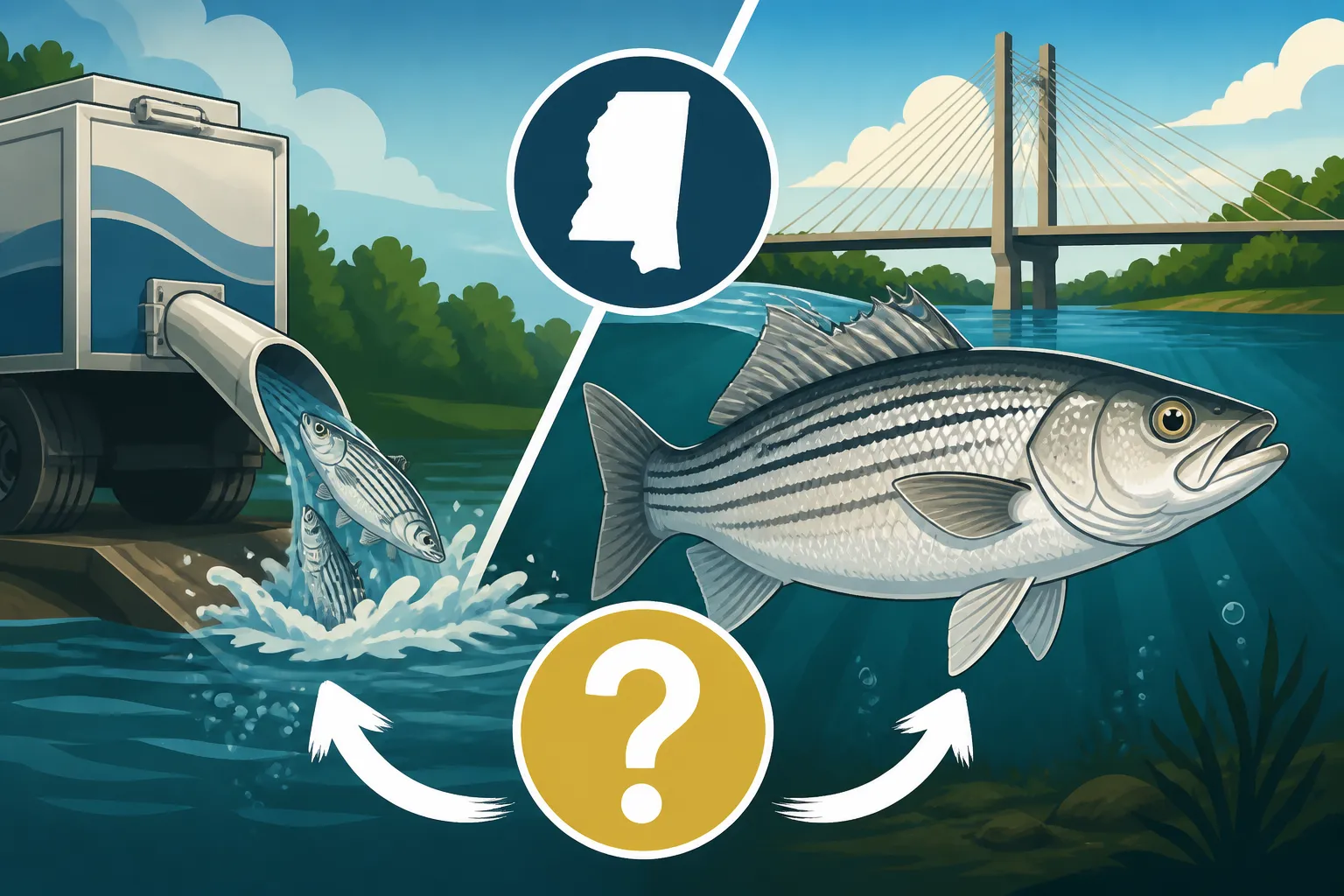
Does MDWFP Stock Striped Bass in the Pearl River?
It’s a common question among Mississippi anglers, especially those who love the powerful fight of a striped bass: does the Mississippi Department of Wildlife, Fisheries, and Parks (MDWFP) stock these impressive fish in the Pearl River? The answer isn't always straightforward, and it touches on the complex efforts of fisheries management across our beautiful state. Many of us dream of hooking into a trophy striper in our local waters, and understanding MDWFP’s role helps manage those expectations and point us towards the best opportunities. This guide will dive deep into the world of striped bass in Mississippi, the MDWFP's stocking strategies, and what you can realistically expect when targeting stripers in the Pearl River and beyond.
Understanding Striped Bass in Mississippi
Striped bass, often called "stripers," are incredible game fish known for their strength and size. They can be found in both freshwater and saltwater environments, making them unique. In Mississippi, we have both true striped bass and their close cousins, hybrid striped bass, which are a cross between striped bass and white bass. Knowing the difference and where they reside is key to a successful fishing trip.
Native vs. Stocked Populations
Mississippi is fortunate to have native populations of striped bass, particularly in our coastal rivers and the lower reaches of major river systems that flow into the Gulf of Mexico. These are true sea-run stripers that migrate upstream to spawn in freshwater during the spring, then typically return to brackish or saltwater environments. They're a testament to the natural health of our river ecosystems.
However, the MDWFP also plays a crucial role in enhancing striped bass fishing opportunities through stocking programs. These efforts often focus on creating self-sustaining populations in landlocked reservoirs or supplementing natural runs where habitat might be limited. For anglers, this means some of our best striper fishing comes from these managed, stocked fisheries, offering a more consistent experience than relying solely on the migratory patterns of native fish. Understanding this distinction is vital, as it often dictates where the biggest concentrations of stripers can be found and what regulations apply.
Where Striped Bass Thrive in Mississippi
While native stripers might make an appearance in many coastal-influenced rivers, the most consistent and popular places to target these fish, especially the hybrids, are our large reservoirs. Lakes like Ross Barnett Reservoir, Pickwick Lake, and certain areas of the Tennessee-Tombigbee Waterway are well-known for their thriving populations of hybrid striped bass. These reservoirs offer the expansive open water and abundant forage fish that stripers need to grow large and provide exciting fishing.
True striped bass, while less common in completely landlocked waters, can still be found in areas where they have access to larger river systems that connect to the Gulf. They prefer cooler, well-oxygenated water and areas with strong current or abundant schooling baitfish. Identifying these prime habitats is half the battle when you're seeking to hook into one of these hard-fighting fish. Often, anglers will focus their efforts around river bends, deep holes, or dam outflows where baitfish are concentrated and currents provide oxygen. If you’re planning a trip, consider looking up a Mississippi Fishing Seasons Calendar to see the general best times for targeting various species.
The Role of MDWFP in Fisheries Management
The Mississippi Department of Wildlife, Fisheries, and Parks (MDWFP) is the backbone of our state's angling opportunities. They manage fish populations, habitats, and access for anglers, all while working to ensure the long-term health of our aquatic resources. Their decisions on stocking, regulations, and conservation are based on scientific data, ecological needs, and, of course, the desires of the angling public.
MDWFP's Stocking Programs and Priorities
When it comes to stocking, MDWFP has a strategic approach. They don't just dump fish anywhere; they evaluate water bodies based on habitat suitability, existing fish populations, disease risks, and the potential for a fishery to develop or be improved. Their priority is often to create or enhance recreational fishing opportunities where natural reproduction isn't sufficient or where a particular species, like the hybrid striped bass, thrives in an otherwise unsuitable environment for its true striped bass parent. Stocking programs are incredibly expensive and labor-intensive, so every decision is made with careful consideration to maximize angler benefit and ecological sustainability.
For species like hybrid striped bass, which are sterile and cannot reproduce naturally, stocking is the only way to maintain a fishery. This is a common practice in many of our large reservoirs, ensuring a continuous supply of hard-fighting game fish for us to enjoy. You can often find great deals on the necessary gear, from rods to reels and tackle, by checking online retailers like Amazon, making it easier for anglers to get out on the water.
Specific Waters MDWFP Stocks with Striped Bass
So, where does the MDWFP focus its striped bass stocking efforts? Generally, they prioritize our major reservoirs. These are environments that can support the high energy demands of striped bass and hybrids, with ample forage bases like shad. You'll find active stocking programs for hybrid striped bass in places like:
- Ross Barnett Reservoir: A prime example, offering excellent hybrid striped bass fishing.
- Pickwick Lake: Part of the Tennessee River system, it's known for its robust striper population.
- Grenada Lake and Sardis Lake: While primarily crappie lakes, these also receive hybrid stockings to provide diverse fishing opportunities.
- Tennessee-Tombigbee Waterway: Various sections benefit from stocking to maintain healthy populations.
These waters offer the best chance for anglers to connect with stocked stripers. They are actively managed to ensure a productive fishery, often yielding impressive catches. For more information on fishing for these exciting fish, check out our guide on Striped Bass Fishing in Mississippi.
The Pearl River and Striped Bass
Now, let's get to the heart of the matter: the Pearl River. This iconic river system, winding through the heart of Mississippi, holds a special place in many anglers' hearts. Its diverse habitats, from sluggish oxbows to swift main channel flows, support a wide array of fish species.
Current Status of Striped Bass in the Pearl River
While the Pearl River supports a fantastic array of freshwater fish, the MDWFP does not typically stock striped bass or hybrid striped bass directly into the Pearl River system in the same way they do our large reservoirs. The Pearl River, especially its lower reaches, historically supports native populations of Gulf-strain striped bass. These are natural-run fish that migrate from the brackish waters of the Mississippi Sound upstream to spawn.
These native populations are influenced by a myriad of factors, including water flow, salinity levels, and habitat connectivity. Therefore, while you can catch striped bass in the Pearl River, especially closer to the coast and during their spawning migrations, they are generally not present due to direct stocking efforts. Instead, any striped bass you encounter are likely part of these wild, naturally occurring populations, making them a special catch indeed. If you're looking to learn more about the river itself, check out our Pearl River Fishing Guide.
Factors Affecting Stocking Decisions for the Pearl River
The decision not to routinely stock striped bass in the Pearl River is a complex one, based on several key factors:
- Presence of Native Fish: The MDWFP generally avoids stocking fish into systems where healthy native populations of the same species or genetically similar strains already exist. The concern is that introducing hatchery-raised fish could dilute the genetic integrity of the wild population or introduce diseases.
- Habitat Suitability: While the Pearl River is vast, certain sections might not have the consistent conditions that MDWFP targets for stocking large numbers of striped bass. Reservoirs offer more controlled environments with predictable forage and water quality.
- Cost and Logistics: Stocking operations are expensive and require significant resources. Directing these resources to areas where they will yield the greatest, most consistent recreational benefit, such as large reservoirs for hybrid stripers, is often the most efficient use of funds.
- Flow Dynamics: Rivers like the Pearl are dynamic systems with fluctuating water levels and currents. This can make establishing and monitoring a stocked population more challenging compared to a relatively stable reservoir.
- Focus on Other Species: MDWFP manages for a diverse range of species in the Pearl River, including Catfish Fishing in Mississippi and Largemouth Bass Fishing in Mississippi, which may take priority in certain areas or budget allocations.
So, while the idea of a stocked striper fishery in the Pearl River is appealing, the current ecological and management considerations lean towards supporting native populations and focusing stocking efforts elsewhere.
How Anglers Can Find Striped Bass in Mississippi (and the Pearl River)
Even if the Pearl River isn't routinely stocked with striped bass, there are still fantastic opportunities to catch these formidable fish in Mississippi. Knowing where to look and what techniques to use will significantly increase your chances.
Best Times and Techniques for Pearl River Stripers
If your heart is set on catching a striped bass in the Pearl River, your best bet will be in the lower to mid-reaches of the river, especially during the spring spawning run. This is when the anadromous (sea-run) stripers move upstream from the Gulf.
- Timing: Look for these fish from late winter through spring, typically March to May, depending on water temperature and flow. They'll be moving upstream to find suitable spawning grounds.
- Locations: Focus on areas with good current, deeper holes, and where tributaries meet the main river. Bridges, log jams, and pronounced bends in the river can also hold fish. The lower Pearl River, closer to where it meets the Mississippi Sound, is a prime area.
- Techniques:
- Live Bait: Large live baits like shad, mullet, or menhaden are incredibly effective. You can fish them on a Carolina rig or under a float in current.
- Artificial Lures: Sinking or suspending swimbaits, large crankbaits, bucktail jigs, and topwater lures (especially at dawn or dusk) can all entice a strike. Colors that mimic local baitfish, like white, silver, or chartreuse, are often productive.
- Heavy Gear: Stripers are powerful! Make sure you have a sturdy rod and reel combo, a strong braided line (you can find excellent options on Amazon), and a smooth drag system. This isn't the time for ultralight tackle. For some tips on appropriate gear, check out Choosing the Right Rod and Reel for Mississippi Fishing.
Remember, catching a native Pearl River striper is a special experience, often requiring patience and persistence.
Alternative Locations for Striped Bass Action
If you're looking for more consistent or larger numbers of striped bass and hybrid striped bass, turning your attention to the reservoirs that the MDWFP actively stocks is your best bet.
- Ross Barnett Reservoir: This reservoir near Jackson is a powerhouse for hybrid stripers. Anglers often find success by trolling crankbaits or casting bucktail jigs near the main lake points, ledges, and the spillway area, especially when the current is running. Look for schooling baitfish on your Reading a Fish Finder for Crappie (which also applies to stripers) or birds diving, which often indicates stripers pushing bait to the surface.
- Pickwick Lake: Located in Northeast Mississippi, Pickwick is renowned for its large stripers, both true stripers and hybrids. The tailwaters below Pickwick Dam are particularly famous, as are the main lake channels and creek mouths. Live bait, large swimbaits, and umbrella rigs are popular choices here.
- Tennessee-Tombigbee Waterway (Tenn-Tom): Various sections of the Tenn-Tom offer excellent opportunities for hybrid striped bass. Look for areas with current, especially around locks and dams, or where creek channels meet the main waterway. Trolling or casting lipless crankbaits and spoons can be very effective.
When fishing these stocked lakes, it's also a good idea to check the specific regulations, as Mississippi Hybrid Striped Bass Limit and other rules can vary slightly between water bodies. Always consult the latest MDWFP regulations before heading out.
| Water Body | Primary Striper Type | MDWFP Stocking Status | General Location | Key Fishing Technique |
|---|---|---|---|---|
| Pearl River | Native Striped Bass | Not routinely stocked | Central/Southern MS | Live bait, large lures in current |
| Ross Barnett Reservoir | Hybrid Striped Bass | Actively stocked | Central MS (near Jackson) | Trolling, jigs, topwater |
| Pickwick Lake | Striped & Hybrid Bass | Actively stocked | Northeast MS | Live bait, umbrella rigs, swimbaits |
| Grenada Lake | Hybrid Striped Bass | Actively stocked | North Central MS | Trolling, jigs |
| Sardis Lake | Hybrid Striped Bass | Actively stocked | North Central MS | Trolling, jigs |
| Tenn-Tom Waterway | Hybrid Striped Bass | Actively stocked | Eastern MS | Trolling, crankbaits, spoons |
Ultimately, while the MDWFP doesn't actively stock the Pearl River with striped bass, the river still holds the potential for exciting encounters with native fish. For more consistent action with hybrids, however, your best bet lies in our actively managed reservoirs. Whichever you choose, be prepared for a fight, as these fish are one of Mississippi's most thrilling angling challenges!
Disclaimer
This article is for general informational purposes only and does not constitute professional advice. Laws, prices and regulations vary by location and change over time. Consult a qualified professional for guidance on your specific situation.