Where Striped Bass Are Stocked in Mississippi
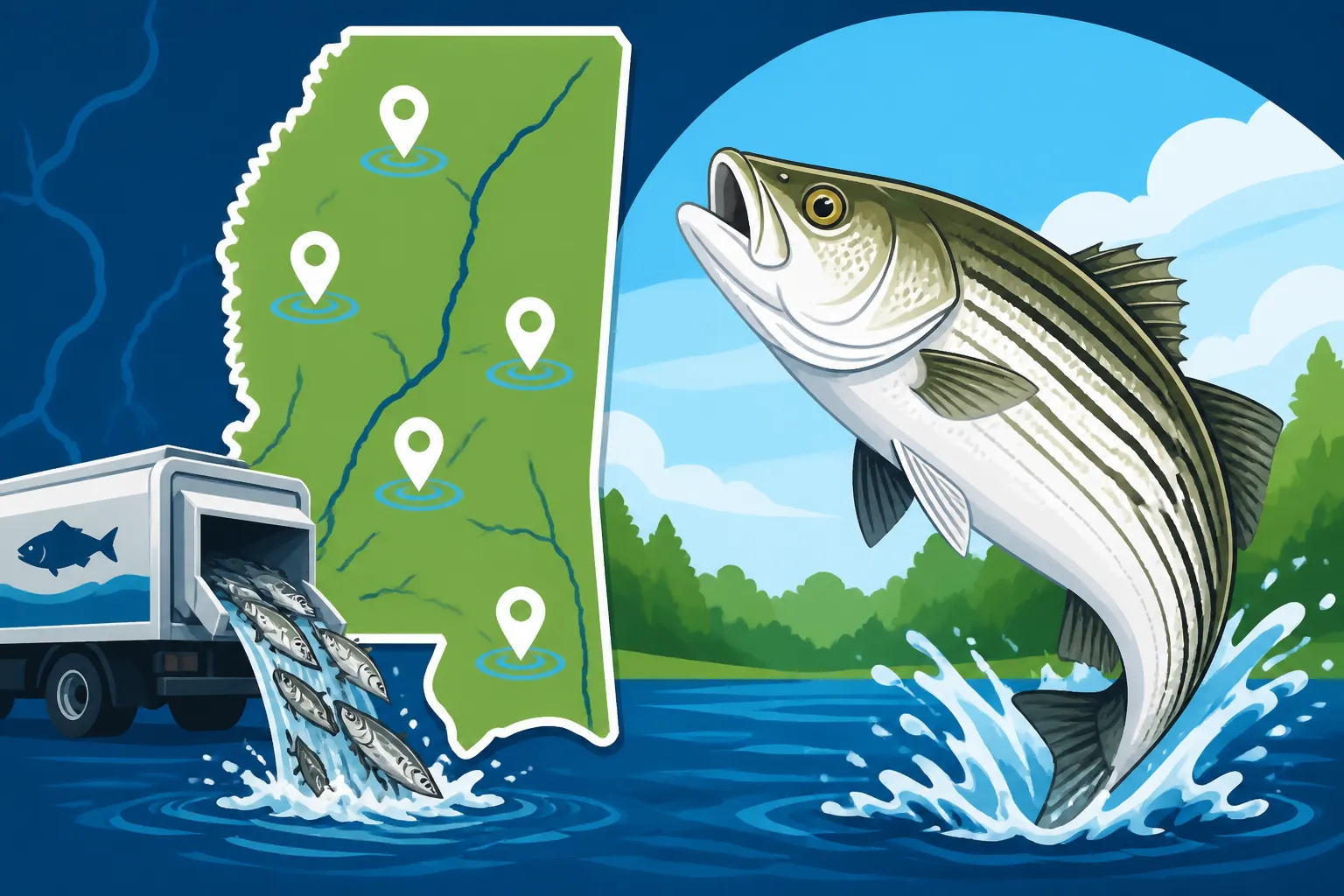
It can be incredibly frustrating to know that powerful, hard-fighting striped bass are swimming in Mississippi's waters, but feel completely in the dark about where to even begin your search. You hear the whispers of incredible catches, but pinpointing the exact locations where these magnificent fish are stocked and thrive can feel like a secret handshake only a few truly know. This guide is here to cut through that confusion, giving you the insider knowledge on exactly where the Mississippi Department of Wildlife, Fisheries, and Parks (MDWFP) focuses its stocking efforts for striped bass, helping you plan your next successful fishing adventure.
The Allure of Striped Bass in Mississippi Waters
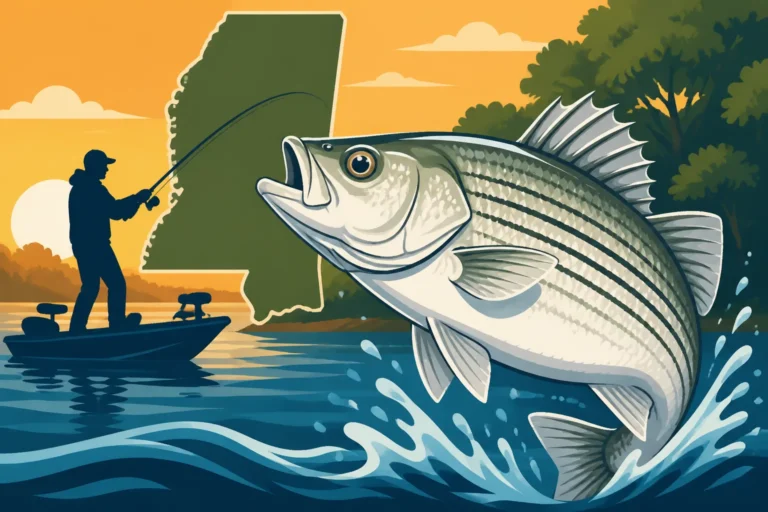
Striped bass, often simply called "stripers" or "rockfish" in some regions, are a truly iconic game fish. Their sheer power, aggressive feeding habits, and impressive size make them a bucket-list catch for many anglers across the country, and Mississippi is no exception. While native to saltwater, some strains, and particularly their hybrids, have adapted remarkably well to large freshwater systems. Understanding their presence in our state begins with recognizing the dedicated efforts to introduce and sustain these populations for recreational fishing.
Why Striped Bass are a Favorite Among Anglers
There's something uniquely exhilarating about hooking into a striped bass. They don't just nibble; they strike with conviction, often putting up a long, drag-screaming fight that tests both your gear and your resolve. For many, the thrill isn't just in the catch, but in the chase itself – these are intelligent fish that often require strategic thinking to locate and entice. They grow to substantial sizes, providing not only an incredible fight but also a rewarding photo opportunity and, for those who choose to keep them within regulations, a delicious meal. The challenge of mastering striper fishing keeps anglers coming back, always learning new tactics and chasing that next big catch.
Understanding Pure vs. Hybrid Striped Bass Stocking
In Mississippi, when we talk about striped bass, we're often talking about both pure striped bass and their close cousins, the hybrid striped bass. Pure stripers are, as the name suggests, the direct descendants of saltwater striped bass. Hybrid striped bass, on the other hand, are a cross between a striped bass and a white bass. These hybrids are particularly popular for stocking in landlocked reservoirs because they exhibit a fantastic growth rate, tolerate warmer water temperatures better than pure stripers, and are known for their incredibly aggressive feeding behavior. The MDWFP strategically stocks both, though hybrids often make up a significant portion of the freshwater stocking program due to these advantages, providing robust populations that thrive and offer excellent fishing opportunities. You'll want to check out our article on Hybrid Striped Bass Fishing in Mississippi for more details on these feisty fish.
Primary Stocking Locations for Striped Bass
The MDWFP carefully selects specific bodies of water for its striped bass stocking programs, focusing on large reservoirs and interconnected river systems that can sustain these active, predatory fish. These locations offer the expansive habitat, baitfish populations, and water quality necessary for striped bass to not just survive, but to truly thrive and provide exceptional angling experiences.
Mississippi's Premier Reservoirs for Striped Bass
When it comes to finding stocked striped bass, Mississippi's major reservoirs are your best bet. These vast impoundments provide the perfect environment for stripers to grow large and healthy.
- Ross Barnett Reservoir: Often simply called "the Rez," this massive body of water near Jackson is arguably the most well-known and consistent striped bass fishery in the state. The MDWFP regularly stocks both pure and hybrid striped bass here, recognizing its capacity to support a thriving population. Anglers often find success targeting the main lake channels, the cooler waters near the dam and spillway, or the vast open-water flats where schools of baitfish congregate. The sheer size of Ross Barnett means there's always new water to explore, and the structure, from submerged timber to ledges and humps, provides ample ambush points for hungry stripers. If you're planning a trip, be sure to read our Ross Barnett Reservoir Fishing Guide.
- Pickwick Lake: Located in the northeastern corner of Mississippi, sharing its waters with Alabama and Tennessee, Pickwick Lake is another phenomenal destination for striped bass. The Tennessee River system, of which Pickwick is a part, has a long history of supporting robust striper populations. The deep, clear waters and abundant forage in Pickwick make it a prime location. Anglers often focus on areas below the Pickwick Dam, where current concentrates bait and stripers, or in the main river channel and tributary mouths throughout the lake. The cooler, oxygen-rich water flowing through this system creates an ideal habitat for stripers, leading to some truly impressive catches each year. For more on this gem, check out the Pickwick Lake Fishing Guide.
While these two are perhaps the most prominent, other large river systems might see occasional stocking or have populations that have migrated and established themselves. Always check the latest MDWFP stocking reports and Mississippi Fishing Regulations Explained to stay current.
Understanding River Systems and Connectivity
While direct stocking primarily occurs in major reservoirs, the interconnectedness of Mississippi's river systems plays a crucial role in the distribution of striped bass. Fish stocked in reservoirs can migrate into feeder rivers and downstream sections, creating fishing opportunities in areas not directly stocked. This is particularly true for rivers flowing into or out of the main reservoirs. For instance, fish from Ross Barnett can move into the Pearl River system. These river stretches, especially those with good current and deep pools, can hold transient or even resident populations of striped bass, offering a different kind of challenge for anglers. It highlights the dynamic nature of these fisheries and the importance of understanding the larger watershed.
The Science Behind Mississippi's Stocking Programs
Stocking programs aren't just about dumping fish into a lake; they are a carefully planned, science-driven endeavor. The MDWFP's fisheries biologists work tirelessly to assess water quality, forage availability, and existing fish populations to determine the best locations and species for stocking. Their goal is to enhance fishing opportunities while maintaining a healthy, balanced ecosystem.
MDWFP's Role in Sustainable Fishery Management
The Mississippi Department of Wildlife, Fisheries, and Parks plays a pivotal role in managing the state's aquatic resources. For striped bass, this involves more than just stocking. Biologists conduct regular surveys to monitor fish populations, growth rates, and angler harvest. They analyze environmental factors like water temperature, dissolved oxygen, and baitfish availability to make informed decisions about stocking densities and timing. This scientific approach ensures that the stocked fish have the best chance of survival and growth, ultimately contributing to a sustainable and exciting fishery for years to come. Their efforts are crucial in keeping species like striped bass thriving in waters where they might not naturally reproduce effectively.
Benefits of Stocking for Anglers and Ecosystems
The benefits of striped bass stocking programs extend far beyond just providing more fish to catch. For anglers, it translates directly into more opportunities for thrilling encounters with a prized game fish. This, in turn, boosts local economies through tackle sales (you can find a great selection of striper lures and rods on Amazon), guide services, and tourism.
From an ecological perspective, stocking can help control populations of prolific baitfish, creating a healthier balance within the aquatic food web. While striped bass generally don't reproduce successfully in most of Mississippi's landlocked reservoirs, these stocked populations provide a predatory component that can mimic natural ecological processes, enhancing biodiversity and overall ecosystem health. It's a win-win, offering fantastic recreational value while contributing to a robust aquatic environment.
Strategies for Targeting Stocked Striped Bass
Knowing where striped bass are stocked is only half the battle; the other half is knowing how to catch them. These powerful fish require specific tactics, gear, and an understanding of their behavior to consistently land them.
Essential Gear and Baits for Stripers
Striped bass are strong, so your gear needs to be up to the task. A medium-heavy to heavy action spinning or baitcasting rod, paired with a reel spooled with at least 15-20 lb monofilament or braided line, is a good starting point. Braided line, in particular, offers superior strength and sensitivity. You'll also want to carry a variety of lures and baits.
- Live Bait: Gizzard shad, threadfin shad, or even large shiners are often irresistible to stripers. Presenting them on a Carolina rig, free-lined, or under a float are all effective methods. A good baitwell to keep your live bait fresh is essential, and you can find excellent portable options on Amazon.
- Artificial Lures:
- Swimbaits: Large, realistic swimbaits, both hard-bodied and soft plastic, imitate the natural forage of stripers.
- Spoons: Heavy jigging spoons are deadly when stripers are holding deep, especially around schooling bait.
- Topwater Plugs: Early mornings and late evenings can see explosive topwater action, making large poppers and walking baits incredibly exciting.
- Bucktail Jigs: A classic for a reason, bucktail jigs in various weights can be worked along ledges and drop-offs.
- Crankbaits: Deep-diving crankbaits that mimic shad or other baitfish are effective for covering water and finding active fish.
Always have a sturdy net or a lip gripper for safely landing and handling these powerful fish, and consider a pair of pliers for easy hook removal. Having the right tools, like a multi-tool or a good pair of fishing scissors, readily available can make all the difference, and Amazon is a great resource for stocking up on these essentials before your trip. For more general advice on what gear to use, check out Choosing the Right Rod and Reel for Mississippi Fishing.
Seasonal Movements and Best Practices
Striped bass are highly migratory and their behavior changes significantly with the seasons and water temperatures.
- Spring: As water temperatures rise, stripers become incredibly active. They'll often move into shallower water and creek arms to feed aggressively, following baitfish that are also moving shallow to spawn. This is a prime time for casting swimbaits, crankbaits, and even topwater lures. The pre-spawn period can be particularly productive.
- Summer: During the heat of summer, stripers will seek out cooler, deeper, more oxygenated water. They'll often congregate around thermoclines, dam outflows, or the coolest sections of the main lake channel. Trolling deep-diving crankbaits or presenting live bait on downriggers or Carolina rigs in these deeper zones can be very effective. Night fishing can also be highly productive as stripers move shallower under the cover of darkness.
- Fall: As water temperatures begin to drop, stripers will once again become extremely active, often engaging in aggressive feeding frenzies known as "shad runs." They'll chase schools of baitfish into the backs of major creeks and along main lake points. This is an incredible time for topwater action, as well as casting swimbaits, spoons, and jigging.
- Winter: In the coldest months, stripers typically hold in deep water, often near the bottom in the main lake basin or deep river channels. Vertical jigging with heavy spoons or fishing large live baits slowly on the bottom can yield results, though the bite will generally be slower.
Paying attention to water temperature, current, and baitfish presence is key year-round. Using a good fish finder to locate schools of bait and individual fish can dramatically increase your success. Don't forget to consult the Mississippi Fishing Season Dates and Limits to ensure you're compliant with current regulations.
Disclaimer
This article is for general informational purposes only and does not constitute professional advice. Laws, prices and regulations vary by location and change over time. Consult a qualified professional for guidance on your specific situation.