White Bass Fishing in Mississippi
Many anglers in Mississippi yearn for a consistent fight, the kind that makes your reel sing and your arms ache, and often, they overlook one of the state's most abundant and spirited game fish: the white bass. If you've ever felt the frustration of a slow day on the water, or simply want to discover a new, exciting species to target, then understanding white bass and how to catch them in Mississippi is going to be a game-changer for your fishing adventures. This guide will take you through everything you need to know, from identifying these energetic fish to finding their prime locations and mastering the techniques that guarantee a successful outing.
Understanding White Bass in Mississippi
White bass are truly one of Mississippi's unsung heroes of the freshwater fishing scene. They're often overshadowed by their larger cousins, the largemouth bass, or the ever-popular crappie, but make no mistake: these fish offer incredible action and can fill a cooler faster than almost anything else when they're on the bite. Knowing a little about their biology and behavior can give you a massive edge on the water.
White Bass Identification and Characteristics
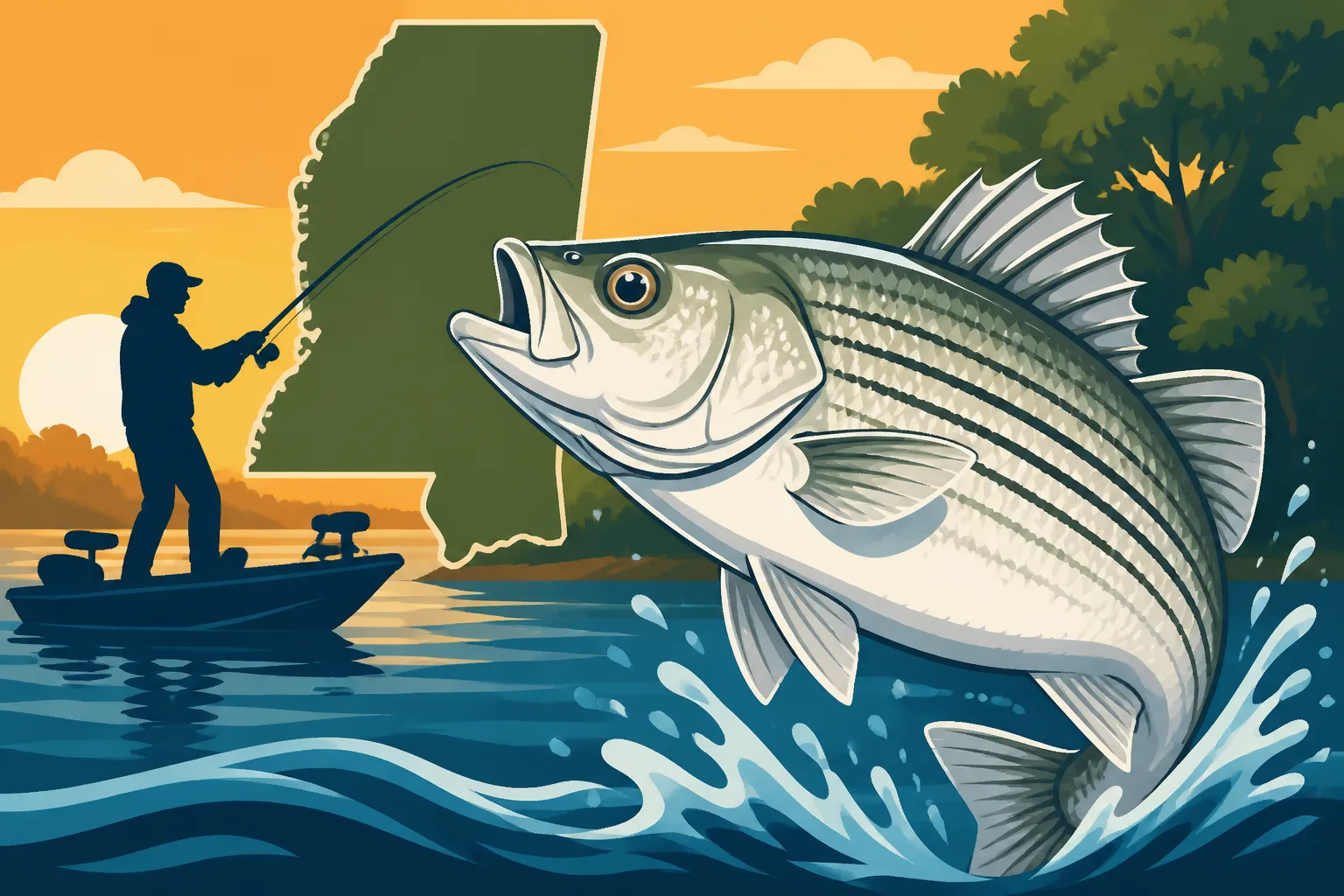
Identifying white bass is usually pretty straightforward, but it's important to distinguish them from similar species, especially hybrid striped bass, which are often stocked in the same waters. White bass generally have a silvery-white body, as their name suggests, with several distinct dark stripes running horizontally from their gill plates to their tail. The key difference from a hybrid striper or even a true striped bass is that on a white bass, only one of these stripes, typically the one running along the lateral line, is unbroken all the way to the tail. The other stripes tend to be somewhat faded or broken towards the tail end. They're also generally smaller, rarely exceeding 3 pounds in Mississippi, with the state record being a truly impressive specimen pushing 5 pounds. Their body shape is deeper and more compressed laterally compared to the more torpedo-like profile of a striped bass.
When you hook into one, you'll immediately feel their aggressive nature. They're powerful fighters for their size, pulling hard and making strong runs. This makes them incredibly fun to catch, especially on light tackle. Don't be surprised if you catch several in a short amount of time; they often travel in large schools, which means where there's one, there are usually many more.
Native Habitat and Preferred Waters
In Mississippi, white bass thrive in a variety of freshwater environments, but they particularly favor large reservoirs, significant river systems, and their associated tributary streams. They prefer open water areas, often congregating around submerged structure like humps, points, and old creek channels in the main lake basins. During their spawning runs, however, they'll push far up into smaller creeks and rivers. These are not typically fish you'll find in small farm ponds or stagnant backwaters; they need moving water or at least a large body of water with ample oxygen and baitfish.
Think about our major impoundments like Ross Barnett Reservoir Fishing Guide, Grenada Lake Fishing Guide, and Sardis Lake Fishing Guide. These vast bodies of water provide the perfect blend of open water foraging grounds, deep channels, and upstream spawning opportunities. You'll also find healthy populations in major river systems like the Mississippi River Fishing Guide and its larger tributaries, particularly where there are significant current breaks or deeper pools. They are migratory fish within these systems, constantly moving in search of food and suitable conditions.
White Bass Diet and Behavior
White bass are voracious predators, and their diet consists almost exclusively of smaller baitfish. Shad, particularly gizzard and threadfin shad, are their primary food source in Mississippi's reservoirs and rivers. They are opportunistic feeders and will also prey on minnows, small sunfish, and even insects when the opportunity arises. This reliance on baitfish is a crucial clue for anglers, as "matching the hatch" with lures that imitate these forage species is often the key to success.
Their behavior is highly schooling and nomadic. White bass will roam large areas, often suspended in the water column, hunting in packs. When they find a school of baitfish, they'll drive them to the surface, creating what we call "jumps" or "boils," where the water erupts with feeding fish. This is the ultimate jackpot for white bass anglers, as you can cast into the frenzy and catch fish after fish. They are also highly sensitive to water temperature, barometric pressure, and current, which influences their movement and feeding patterns. Understanding these environmental factors will help you predict their location and activity.
Prime White Bass Fishing Seasons and Times
Timing is everything when it comes to white bass fishing in Mississippi. While you can catch them year-round, there are definitely periods when the action is hotter and more predictable. Knowing these peak seasons and the best times of day can turn a decent trip into an unforgettable one.
The Famed White Bass Spawning Run
Without a doubt, the most anticipated and often most productive time to target white bass in Mississippi is during their annual spawning run. This typically occurs in late winter and early spring, usually from February through April, depending on water temperatures. As the water warms into the 50-60 degree Fahrenheit range, white bass migrate en masse from the main lake bodies up into tributary creeks and rivers. They're looking for rocky bottoms and current to lay and fertilize their eggs.
During this run, the fish are concentrated and incredibly aggressive, making them relatively easy to locate and catch. Anglers flock to these upstream areas, often wading or fishing from small boats, casting into pockets of current and deeper holes. This is a time when you can catch dozens, sometimes even hundreds, of white bass in a single outing. It's a truly exhilarating experience, often referred to as a "white bass run," and it's a phenomenon every Mississippi angler should experience. The exact timing can vary year to year, so keeping an eye on local reports and water temperatures is vital. Checking the Mississippi Fishing Season Dates and Limits can give you a general idea, but local knowledge is king for this specific event.
Summer and Fall Fishing Tactics
Once the spring spawn is over, white bass scatter and move back into the main lake bodies for the summer months. This doesn't mean the fishing stops; it just changes. In summer, white bass will often go deep during the day, seeking cooler water and congregating around offshore structures like submerged humps, points, and channel edges. Early mornings and late evenings can still produce surface activity, but often you'll need to use electronics to find them and present lures deeper. Trolling with small crankbaits or spoons can be very effective during this time, especially over open water where schools of baitfish are present.
As fall approaches and water temperatures begin to cool, white bass activity picks up significantly. They become incredibly aggressive as they fatten up for winter, often schooling tightly and feeding heavily on shad. This is when you'll see those exciting surface "jumps" more frequently. These feeding frenzies can occur at any time of day but are often most common during low-light conditions. Focus on main lake points, coves, and areas where baitfish are abundant. The fall can be just as productive as the spring run, sometimes even more so, especially if you can find those active feeding schools.
Best Time of Day for White Bass Action
White bass are generally most active during low-light conditions. This means early morning, from first light until an hour or two after sunrise, and late evening, from an hour or two before sunset until dark, are often the most productive times. During these periods, white bass feel more comfortable feeding in shallower water and are more likely to push bait to the surface. On cloudy days or immediately after a rain shower, this low-light window can extend throughout the day.
During bright, sunny days, especially in summer, white bass will often retreat to deeper, cooler waters. You can still catch them, but you'll need to adapt your techniques. Look for them holding close to structure or suspended in the water column over deep channels. The midday lull can be a good time to explore new areas with your electronics to mark potential schools. However, if you hit a surface feeding frenzy, it doesn't matter what time of day it is – drop everything and cast into the action! They're called "striper on the fly" for a reason; they just can't resist a well-placed lure during a feeding spree. For a broader overview, check out Best Time of Year to Fish in Mississippi.
Top Mississippi Spots for White Bass
Mississippi is blessed with incredible white bass fisheries, offering diverse environments from vast reservoirs to meandering rivers. Knowing where to go is just as important as knowing how to fish for them. These prime locations consistently produce excellent white bass catches throughout the year.
Major Reservoirs and River Systems
Our large reservoirs are truly white bass factories. Lakes like Ross Barnett, Grenada, Sardis, Enid, and Arkabutla all boast healthy populations.
- Ross Barnett Reservoir: Near Jackson, this sprawling reservoir is famous for its white bass. During the spring run, the Pearl River tributaries flowing into the reservoir, especially above the Spillway, become hotspots. Throughout the rest of the year, focus on the main lake points, humps, and the river channel itself. You'll often find schools of white bass suspended over baitfish in the deeper sections.
- Grenada Lake: A powerhouse for all kinds of fish, Grenada Lake's tributaries, like the Skuna and Yocona Rivers, are prime targets during the spring spawn. Post-spawn, the main lake offers vast open waters where white bass chase shad. Look for them congregating on ledges and humps, especially in the central and lower portions of the lake.
- Sardis Lake: Similar to Grenada, Sardis has a strong white bass presence. Its feeder creeks and the Little Tallahatchie River get packed during the spring run. In summer and fall, search for active schools in the main lake, particularly around the many points and submerged timber.
- Enid Lake and Arkabutla Lake: These two northern Mississippi flood control reservoirs also have excellent white bass fishing, with similar patterns to Grenada and Sardis. Their tributary systems are key during the spring migration.
Beyond the reservoirs, the Mississippi River itself, and its larger tributaries like the Pearl River and the Pascagoula River, hold good numbers of white bass, especially in areas with current breaks, wing dams, and deeper holes. These river systems offer a different kind of challenge but can be incredibly rewarding. For more general advice on fishing our rivers, explore Mississippi Freshwater Fishing Rules.
Tailraces and Spillways: Hotbeds for White Bass
One of the absolute best, and often overlooked, spots for white bass fishing in Mississippi are the tailwaters below major dam spillways. When water is being released, the rushing current disorients baitfish and creates an oxygen-rich feeding frenzy for white bass and other predatory fish. These areas act like giant conveyor belts of food, attracting huge schools of white bass.
Consider the spillway below Ross Barnett Reservoir or the tailraces of Grenada, Sardis, and Enid Lakes. These locations can be phenomenal, especially during periods of generation or heavy rainfall. The concentrated fish make for fast action, often allowing anglers to fill their limits quickly. Be sure to check local regulations for fishing within spillway areas, as some have specific rules or closures. Safety is also paramount due to strong currents. Always wear a life jacket and be aware of your surroundings when fishing these dynamic environments. A good cast with a jig or a small crankbait into the turbulent water is often all it takes to hook up.
Lesser-Known Gems for Consistent Catches
While the major lakes and rivers get most of the attention, Mississippi has numerous smaller lakes and bodies of water that can offer consistent white bass action, especially if you prefer a less crowded experience. Many of the state fishing lakes managed by the MDWFP occasionally hold white bass populations, though they might not reach the trophy sizes seen in the big reservoirs.
Additionally, certain medium-sized rivers and larger creeks that feed into the main systems can be fantastic, particularly during the spring run when they become highways for spawning white bass. These areas might require a bit more exploration but can yield incredible results for those willing to venture off the beaten path. Always consult local regulations for Mississippi Statewide Creel Limits and Mississippi Fishing Regulations Explained for any specific water body you plan to visit, as rules can vary. Sometimes, these smaller waters are where you'll discover your next secret honey hole.
Essential Gear and Techniques for White Bass
Having the right gear and knowing how to use it effectively is crucial for consistent success with white bass. These fish are aggressive, but they can also be picky, so a versatile setup and a few key techniques will serve you well.
Recommended Rods, Reels, and Lines
For white bass fishing, you generally want a lightweight, sensitive setup that allows you to feel subtle bites and enjoy the fight of these spirited fish.
- Rods: A light to medium-light action spinning rod, typically 6 to 7 feet long, is ideal. Look for a rod with a fast or extra-fast tip for sensitivity, but enough backbone to handle a strong fighting fish and cast smaller lures a good distance. Fiberglass rods can be more forgiving, while graphite rods offer superior sensitivity. Brands like Ugly Stik or St. Croix offer great options for different budgets.
- Reels: Pair your rod with a small spinning reel in the 1000 to 2500 size range. This provides a good balance, smooth drag, and sufficient line capacity for typical white bass encounters. Make sure the reel has a smooth drag system, as white bass can make powerful runs. If you're looking for a new setup, a quick search on Amazon can show you a wide array of reliable spinning combos.
- Line: For main line, 6 to 10-pound monofilament or fluorocarbon is a solid choice, offering a good balance of strength and castability. Many anglers prefer 8-pound test. For increased sensitivity and strength, some will opt for 10 to 15-pound braided line, often with a 6 to 8-pound fluorocarbon leader. Braided line has no stretch, which is excellent for feeling light bites, especially when fishing deeper. When choosing line, consider the water clarity and cover you'll be fishing around; clear water often calls for fluorocarbon. For more details on selecting the right gear, check out Choosing the Right Rod and Reel for Mississippi Fishing.
Effective Lures and Baits
White bass are primarily attracted to lures that imitate shad or provide a lot of flash and vibration. Keeping a selection of these in your tackle box will cover most situations.
- Jigs: Small grub jigs (1/8 to 1/4 ounce) with soft plastic bodies are incredibly effective. White, chartreuse, and pearl are classic colors. Marabou jigs also work wonders, especially during the spring run. Tipping these jigs with a small piece of minnow can sometimes entice less aggressive fish.
- Spoons: Casting spoons and jigging spoons are white bass magnets, especially when they are schooling deep or chasing bait on the surface. Silver, gold, and white spoons that flash and flutter mimic dying baitfish perfectly. Popular choices include Kastmasters and Hopkins Shortys.
- Spinnerbaits & In-line Spinners: Small spinnerbaits (1/8 to 1/4 ounce) with single or double Colorado or Willow blades, dressed with a curly tail grub, are fantastic for covering water. In-line spinners like Mepps or Rooster Tails in silver, gold, or brass are also highly effective, especially when white bass are actively feeding. You can find a vast selection of these lures on Amazon, often in multi-packs, making it easy to stock up.
- Crankbaits: Small, shallow-diving crankbaits in shad patterns are great for trolling or casting when white bass are chasing bait in open water. Lipless crankbaits, especially those that can be ripped through grass or retrieved quickly, are also excellent for provoking strikes.
- Live Bait: While artificials are often preferred for active white bass, live minnows fished under a bobber or on a drop shot rig can be deadly, especially for finicky fish or when fishing a specific school you've located on electronics.
Mastering White Bass Fishing Techniques
White bass fishing isn't overly complicated, but a few key techniques will significantly boost your success rate.
- Cast and Retrieve: This is the most common technique. Cast your lure out and retrieve it steadily, varying your speed until you find what the fish prefer. White bass often hit lures on a faster retrieve. For jigs, a "lift and fall" or "snap jigging" action can be very effective, mimicking a fleeing baitfish.
- Trolling: When fish are scattered or suspended in open water, trolling with small crankbaits or spoons at various depths can help you locate schools. Once you get a bite, you can often turn around and hit that school again.
- Watching for Jumps: Always keep an eye out for surface activity. If you see birds diving or fish breaking the surface, speed over there immediately and cast into the commotion. These "jumps" are short-lived, so quick action is crucial. These are often the most exciting moments in white bass fishing.
- Using Electronics: A good fish finder is invaluable for white bass fishing, especially on large reservoirs. It allows you to locate schools of baitfish and the white bass feeding below or around them. Look for "arches" or "blobs" on your screen, often suspended in the water column or tightly grouped around structure. Once you mark fish, drop a jig or a spoon right down to them. Investing in a quality unit, perhaps found during a sale on Amazon, will pay dividends in fish.
- "Following the Birds": Terns and gulls often feed on the same baitfish that white bass chase. If you see birds diving and feeding, especially over open water, there's a good chance white bass are below them, driving the bait to the surface. It's like having a natural fish finder in the sky!
| Lure Type | Best Use Case | Retrieve Style | Mimics |
|---|---|---|---|
| Grub Jigs | Spawning runs, general versatile bait | Steady retrieve, lift-and-fall, snap jigging | Minnows, insects |
| Casting Spoons | Surface boils, deep schooling fish, tailraces | Fast retrieve, vertical jigging | Dying baitfish |
| In-Line Spinners | Covering water, active schools | Steady retrieve, varying speed | Fleeing minnows |
| Small Crankbaits | Trolling, searching open water, active surface feeds | Steady retrieve, stop-and-go | Shad, minnows |
| Lipless Crankbaits | Ripping through cover, rapid retrieves | Rapid retrieve, yo-yo retrieve | Shad, stressed bait |
| Live Minnows | Finicky fish, slow periods, specific targets | Under a bobber, slow troll, drop shot | Live baitfish |
Regulations and Conservation for White Bass
As with any popular game fish, respecting the regulations and practicing conservation are vital to ensure healthy white bass populations for future generations of Mississippi anglers. The Mississippi Department of Wildlife, Fisheries, and Parks (MDWFP) sets specific rules to manage these fisheries.
Understanding Creel and Size Limits
White bass are generally abundant and reproduce quickly, which means they often have generous creel (daily bag) limits. However, it is absolutely essential to check the most current Mississippi Fishing Regulations Explained before you head out, as limits can change, and specific lakes or rivers might have their own unique rules. Generally, white bass often have a daily creel limit that allows anglers to keep a substantial number of fish, reflecting their robust populations. There typically isn't a size limit on white bass, but again, always verify.
These limits are in place to prevent overharvesting and ensure the sustainability of the fishery. Even if you can keep a large number, consider practicing selective harvest. Keep enough for a good meal, but release the larger, healthier spawners to help maintain the population. White bass are excellent table fare, with firm, flaky white meat, especially when cleaned quickly and kept cold.
Promoting Sustainable White Bass Fisheries
Conservation goes beyond just following the rules; it's about being a responsible angler.
- Catch and Release: While white bass are often kept, consider releasing a portion of your catch, especially if you're hitting a particularly good school. Handle released fish carefully, minimizing their time out of water and supporting them gently until they swim away.
- Respect the Resource: Don't leave trash or discarded fishing line at your fishing spots. Keep our beautiful Mississippi waters clean.
- Report Violations: If you witness someone violating fishing regulations, report it to the MDWFP. This helps protect the resource for everyone.
- Support Fisheries Management: A portion of the funds from your Mississippi Fishing License Guide goes directly to fisheries management and conservation efforts. By purchasing your license, you're directly contributing to maintaining healthy fish populations. These efforts include habitat improvement, stocking programs, and scientific research that ensures we continue to have amazing white bass fishing for years to come.
By understanding the white bass's habits, knowing where and when to find them, employing effective techniques, and fishing responsibly, you can enjoy some of the most exciting and productive fishing Mississippi has to offer. So grab your light tackle, keep an eye on those water temperatures, and get ready for some serious white bass action!
Disclaimer
This article is for general informational purposes only and does not constitute professional advice. Laws, prices and regulations vary by location and change over time. Consult a qualified professional for guidance on your specific situation.