Channel Catfish Fishing in Mississippi
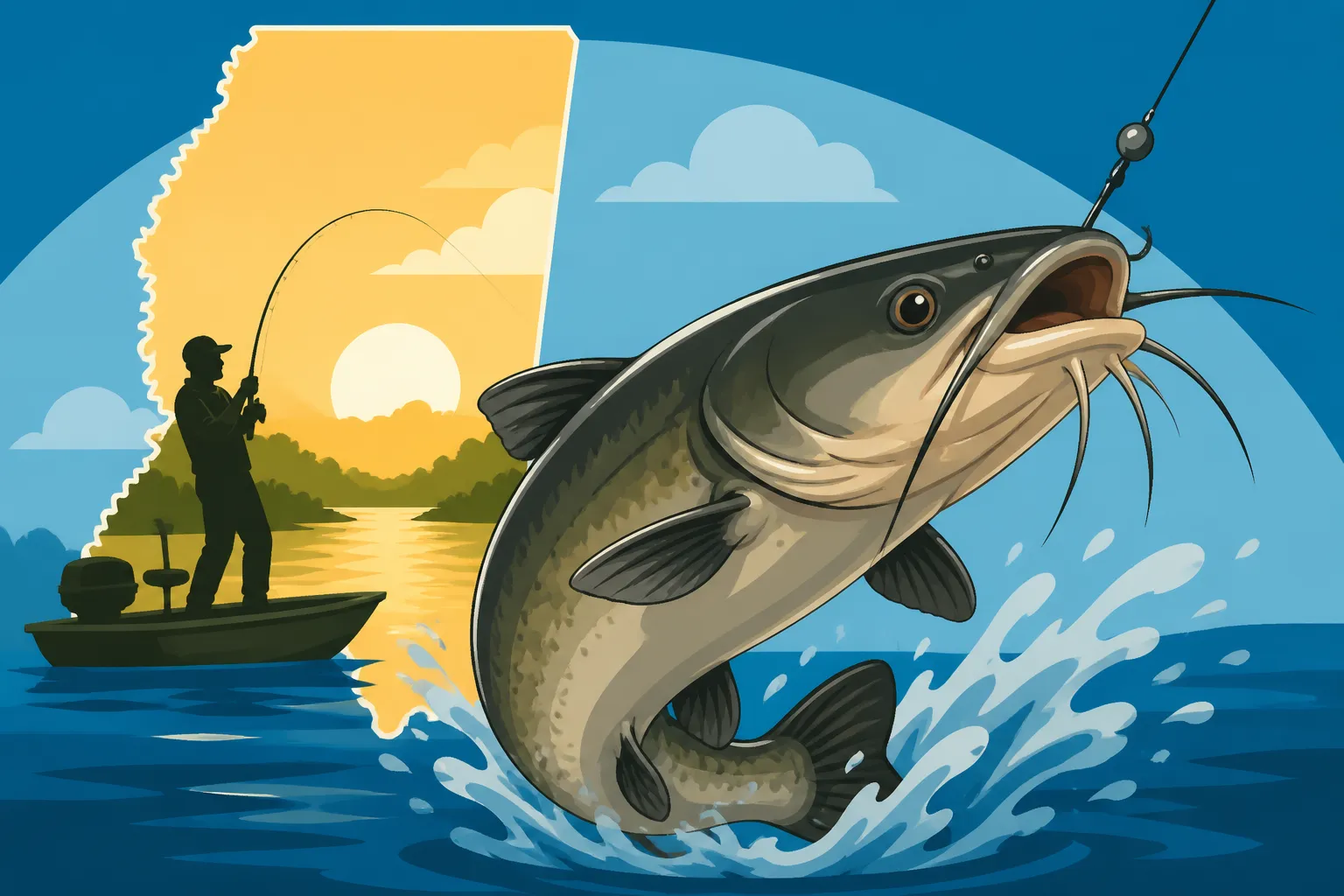
There's nothing quite like the thrill of feeling that distinct tug on your line, the unmistakable fight of a powerful channel catfish, especially here in Mississippi. While many anglers chase bass and crappie, the humble channel cat often gets overlooked, yet it offers some of the most consistent action and delicious table fare our waters have to offer. This comprehensive guide will walk you through everything you need to know to successfully target and reel in channel catfish across the Magnolia State, from understanding their habits to mastering the best techniques.
Understanding the Channel Catfish in Mississippi
Channel catfish (Ictalurus punctatus) are truly the workhorses of Mississippi's freshwater fishing scene. They're widespread, abundant, and willing biters, making them an excellent target for anglers of all skill levels. But to consistently catch them, it helps to know a bit about their preferred hangouts and habits.
Identifying Channel Catfish
You might think all catfish look the same, but once you know what to look for, distinguishing a channel cat from its flathead or blue catfish cousins is pretty straightforward. Channel cats typically have a slender body, a deeply forked tail, and a small, somewhat rounded head. Their color can vary greatly depending on their habitat and diet, ranging from olive green to blue-gray on their backs, fading to silvery-white on their bellies. A key identifying feature, especially on younger fish, is the presence of small, dark spots along their sides – though these spots can fade or disappear as the fish ages. They also have barbels (whiskers) around their mouths, which they use to taste and feel in murky water.
What makes them so successful in Mississippi is their adaptability. You’ll find them thriving in everything from slow-moving rivers and large reservoirs to smaller ponds and state fishing lakes. They're omnivores, meaning they'll eat just about anything, which plays a big role in why so many different baits work for them. They're truly built for the diverse environments we have here in Mississippi.
Channel Catfish Habitat and Behavior
Channel catfish are generally bottom dwellers, preferring areas with slower currents, deeper holes, and plenty of cover. Think about places where they can hide and ambush prey, or simply feel secure. This includes submerged logs, brush piles, rock formations, bridge pilings, and even muddy banks with overhanging vegetation. In reservoirs like Ross Barnett or Grenada Lake, you’ll often find them congregating in creek channels, old riverbeds, and around points that drop off into deeper water. They love structure, and if you can locate cover, you're likely to find catfish.
Their feeding behavior is largely scent-driven. Those barbels are incredibly sensitive, allowing them to detect food even in low visibility. They're most active during low-light conditions, such as dawn, dusk, and throughout the night, but they'll absolutely bite during the day, especially if a good meal drifts by. During colder months, they tend to move into deeper, more stable water, while in warmer periods, they might spread out more, even moving into shallower areas during feeding sprees. Understanding this movement is crucial for consistent success.
Best Times and Seasons for Channel Catfish
Timing your fishing trips can make a huge difference, and channel catfish are no exception. While they can be caught year-round, certain seasons and times of day offer much better odds for consistent action.
Seasonal Patterns for Channel Catfish
Mississippi’s distinct seasons each offer unique opportunities for channel catfish.
- Spring (March – May): This is arguably one of the best times to target channel catfish. As water temperatures rise, the fish become much more active after their winter slowdown. They start moving from deeper wintering holes into shallower, warmer areas, often following baitfish migration. The pre-spawn period, especially, is fantastic as they feed aggressively to build energy. They’ll be found in creek channels, secondary points, and flats adjacent to deeper water. Don't be surprised to find them concentrated in areas with emergent vegetation or newly flooded timber as the water warms.
- Summer (June – August): While the heat can be intense, summer still provides excellent catfishing, especially if you adjust your timing. The fish will often move to deeper, cooler water during the day, or seek out shade and oxygenated areas like the base of dams or aeration systems. Night fishing truly shines in summer, as the cooler temperatures and reduced boat traffic encourage catfish to move into shallower feeding grounds. Early mornings and late evenings are also productive. Target river bends, deep holes, and the cooler areas of large reservoirs during the day.
- Fall (September – November): As temperatures begin to drop, channel catfish ramp up their feeding once again, preparing for winter. They can be found in a variety of depths, often following schools of baitfish. This can be a fantastic time for both numbers and size. Look for them in transition areas, like the edges of creek channels and deeper flats. They often gorge themselves on whatever they can find, making them less picky about baits.
- Winter (December – February): Catfishing slows down considerably in winter, but it's not impossible. Channel cats become lethargic and seek out the deepest, most stable water they can find. Think main lake basins, deep river bends, and protected channels. You'll need to fish slowly and precisely, often presenting bait right on their nose. While action might be slower, winter can sometimes produce some of the largest, most inactive fish if you hit the right spot with patience.
Time of Day and Weather Considerations
Just like any other fish, channel catfish are influenced by the clock and the sky. Generally, low light conditions are your friend. Early morning and late evening bites can be spectacular, and as mentioned, night fishing for catfish in Mississippi is legendary. Many anglers swear by the hours between sunset and midnight, or the two hours leading up to sunrise.
Weather also plays a role. Overcast days can extend the daytime feeding window, making catfish more active for longer. A steady, light rain can also be beneficial, washing nutrients and food into the water, and often increasing oxygen levels near the surface. Conversely, sudden cold fronts can shut down the bite for a day or two, making the fish less aggressive as they adjust to the temperature drop. Barometric pressure changes, especially falling pressure before a storm, can sometimes trigger a feeding spree, while high, stable pressure often leads to a more moderate bite. Always check the forecast and consider how Does a Full Moon Affect Fishing? or Best Barometric Pressure for Fishing might impact your strategy.
Essential Gear for Channel Catfish Fishing
Having the right equipment won't guarantee a trophy catch every time, but it certainly improves your odds and makes the experience much more enjoyable. Channel catfish aren't typically tackle shy, but their strength and potential size mean you need gear that can handle a fight.
Rods, Reels, and Line Choices
When it comes to rods, you'll want something with a medium-heavy to heavy action, usually between 7 and 9 feet long. This length gives you good casting distance from the bank and enough leverage to control a strong fish from a boat. Look for a rod with a sensitive tip to detect subtle bites, but plenty of backbone to muscle a big cat. A good catfish rod will be sturdy, capable of handling heavy weights and powerful runs.
For reels, a robust spinning reel or a baitcasting reel is appropriate. Spinning reels are often easier for beginners and excel at casting lighter baits, while baitcasting reels offer more power and control, especially for heavier setups and larger fish. Make sure your reel has a smooth, strong drag system – this is crucial for fighting big cats without breaking your line. You can find excellent options for both rod and reel on sites like Amazon, often bundled together for convenience.
Line choice is critical. Monofilament line in the 15-25 lb test range is a popular choice for channel cats due to its stretch (which acts as a shock absorber) and abrasion resistance. Braided line, in similar or slightly lighter test strengths (e.g., 20-40 lb test), offers superior strength-to-diameter ratio, zero stretch for incredible sensitivity, and excellent abrasion resistance. Some anglers prefer a braided main line with a monofilament or fluorocarbon leader for a bit of stealth and stretch. The main takeaway is to use line strong enough to handle potential snags and the powerful surges of a decent-sized channel catfish. Consider referring to Best Fishing Line for Catfish for more specific recommendations.
Hooks, Weights, and Terminal Tackle
Your terminal tackle needs to be sturdy. For hooks, circle hooks are highly recommended for catfishing. They are designed to hook fish in the corner of the mouth, which is much safer for the fish if you plan to release it, and it significantly reduces gut-hooking. Sizes typically range from 2/0 to 6/0, depending on your bait size and target fish. J-hooks can also be used, but require more precise hook-setting timing.
Weights (sinkers) are essential for getting your bait to the bottom and keeping it there, especially in current. Egg sinkers, pyramid sinkers, and no-roll sinkers are all good choices. The weight size will depend on the current and depth you're fishing – anywhere from 1/2 ounce to several ounces. A Carolina rig is a very common and effective setup for channel cats, allowing your bait to move naturally while the weight holds the bottom. This setup typically involves an egg sinker, a bead, and a barrel swivel tied to a leader with your hook.
Don't forget sturdy swivels and snaps for quick rig changes and to prevent line twist. A good pair of pliers, line cutters, and a strong stringer or cooler for your catch are also indispensable. Keep a well-stocked tackle box – many of these smaller items, from hooks to weights, are readily available on Amazon with various kit options.
Top Baits and Lures for Channel Catfish
Channel catfish are not picky eaters, which is fantastic news for anglers. Their keen sense of smell means pungent, natural, and prepared baits are often the most effective. While they primarily feed by scent, they are also opportunistic predators, so occasionally, an artificial lure can surprise you.
Natural and Prepared Baits
When it comes to baits, remember that channel cats are scavengers with an incredible sense of smell. The stinkier, the better!
- Cut Bait: This is a perennial favorite. Pieces of fresh shad, skipjack herring, or even bluegill cut into chunks release a strong scent that catfish can't resist. The oilier the fish, the better. You can use sections of the body or the head. Best Cut Bait for Blue Catfish can offer some good insights here, as many blue catfish baits work equally well for channels.
- Chicken Liver: A classic for a reason. Chicken liver is incredibly bloody and soft, releasing a potent scent trail. The challenge can be keeping it on the hook, but clever rigging (like using a small piece of nylon stocking or thread to secure it) can help. Many anglers find the mess worth the reward.
- Worms: Nightcrawlers and other large earthworms are a universal bait that channel cats will readily take. They're easy to find and use, making them great for family fishing trips or when you're just looking for consistent action.
- Shrimp: Fresh or frozen shrimp, especially those that have been allowed to thaw and "stink up" a bit, can be highly effective. The natural scent is a major draw.
- Dough Balls/Sausage: Homemade dough balls with special scents or commercially available sausage-based baits can work well. The key is their strong odor and ability to stay on the hook.
- Prepared Stink Baits: These are a category all their own. Ranging from cheese-based concoctions to blood baits and liver pastes, commercially prepared "stink baits" are designed specifically to attract catfish. They come in various forms, from dips to punch baits, and often require special bait holders (like a sponge or tube) to keep them on the hook. Brands like Berkley PowerBait for Catfish or other local favorites are widely available and can be a fantastic option, particularly when purchased conveniently from Amazon.
The table below provides a quick comparison of some popular baits for channel catfish:
| Bait Type | Scent Level | Durability on Hook | Ease of Use | Best Uses |
|---|---|---|---|---|
| Cut Bait | High | Medium | Medium | Rivers, large reservoirs, targeting bigger fish |
| Chicken Liver | Very High | Low | Medium | Still water, light current, fast scent dispersal |
| Nightcrawlers | Medium | Medium-High | High | All waters, general purpose, easy for beginners |
| Prepared Baits | Very High | Varies (Low-High) | Medium | All waters, scent trail, specific catfish attractant |
| Shrimp | High | Medium | High | Rivers, estuaries, general purpose |
Artificial Lures and Other Options
While channel catfish primarily respond to scent, they are opportunistic and will sometimes strike at artificial lures, especially if they are actively feeding or defending a territory. This isn't their primary target, but it's worth noting.
- Jigs and Soft Plastics: Small jigs tipped with a grub or a worm imitation, fished slowly along the bottom, can sometimes entice a bite. The vibration and profile can trigger a strike, especially if the lure passes close to a resting fish.
- Spinnerbaits/Inline Spinners: While less common, these can be effective in areas where channel cats are actively chasing baitfish. The flash and vibration can mimic a struggling baitfish, drawing a reaction strike.
- Crankbaits: Deep-diving crankbaits can occasionally provoke a strike if fished through deep creek channels or near submerged structure where channel cats are holding. Again, this is more of an incidental catch while targeting other species, but it happens.
For dedicated channel catfishing, natural and prepared baits are almost always your best bet. Artificials are more of a fun experiment or a pleasant surprise.
Effective Techniques for Landing Channel Catfish
No matter how great your bait or how perfect your gear, knowing how to present it effectively is key. Channel catfishing offers a variety of techniques that cater to different preferences and fishing environments.
Bank Fishing and Still Water Tactics
Bank fishing for channel catfish is incredibly popular and accessible. The key is finding a good spot that offers depth and structure near the bank. Look for areas with a sharp drop-off, submerged logs, rock piles, or bridge pilings accessible from shore. Best Bank Fishing Spots on Ross Barnett Reservoir is a great resource if you're hitting that particular waterway.
For still water or slow currents, a simple bottom rig works wonders. The Carolina rig, as mentioned earlier, is excellent. Cast your bait out, let it sink to the bottom, and then reel in the slack until your line is taut. Place your rod in a sturdy rod holder – a bank rod holder is essential to prevent your rod from being pulled into the water by a strong fish. You can use multiple rods (check Mississippi Fishing Rules for Multiple Rods for regulations) spaced out along the bank to cover more area. Be patient; sometimes it takes a while for the scent to spread and for a catfish to find your bait. Once you get a bite, wait for the fish to commit before setting the hook, especially with circle hooks, where a steady reel-in often does the job.
Another effective technique for bank anglers is fishing under a slip bobber in slightly deeper water. This allows you to suspend your bait at a specific depth just off the bottom, or over submerged structure, keeping it out of snags but still within the catfish's strike zone. This can be particularly useful when fishing near heavy cover that might snag a traditional bottom rig.
Boat Fishing and River Tactics
Fishing from a boat opens up a whole new world of possibilities, allowing you to access deeper water, vast river channels, and otherwise unreachable structures.
- Anchor and Fan Cast: Find a promising area – maybe a deep bend in the Pearl River, an old creek channel in Lake Washington, or a significant drop-off in the Mississippi River. Anchor upwind or upstream from your target spot and fan cast multiple lines with bottom rigs, spreading your baits across the area. This allows you to test different depths and structures from a single position. Use your fish finder to identify promising humps, depressions, or schools of baitfish.
- Drifting: In rivers or large reservoirs with a gentle current or wind, drifting can be highly effective. Use a three-way swivel rig or a Santee Cooper rig (a modified Carolina rig with a float near the hook) to keep your bait just off the bottom as you drift. This technique allows you to cover a lot of water and present your bait to numerous catfish without having to constantly cast.
- Trolling: While more common for crappie or bass, slow trolling with cut bait or large worms can also pick up channel catfish, especially along creek channels or drop-offs in large reservoirs. Use a heavy bottom-bouncing rig or a three-way swivel to keep your bait near the bottom at a slow boat speed. This method is fantastic for locating active fish over large areas.
Alternative Techniques: Jugging and Trotlines
For those looking for a more passive, yet incredibly effective, way to catch a lot of catfish, jug fishing and trotlines are popular in Mississippi where legal.
- Jug Fishing: This involves setting multiple lines with baited hooks attached to individual floats (jugs) that drift freely. Each jug typically has one or more lines attached, weighted to keep the bait at a desired depth. You simply set them out, and then follow them in your boat, collecting any jugs that have a fish on. It's a fun, active way to cover a large area and can be very productive. Always check Mississippi Trotline and Jug Fishing Rules before you go, as there are specific regulations regarding the number of jugs, hook limits, and identification requirements.
- Trotlines: A trotline is a long main line anchored at both ends, with multiple baited hooks attached to leaders at regular intervals. These are typically set and left overnight, then checked in the morning. Trotlines can be incredibly effective for harvesting a large number of catfish, especially larger ones. Like jugging, trotlines are heavily regulated, so understanding How to Set Up a Trotline for Catfish and the local rules is paramount to avoid fines. Always set them safely and clearly mark them as required by law.
Where to Find Channel Catfish in Mississippi
Mississippi is blessed with an abundance of water bodies, and channel catfish call many of them home. Whether you prefer big reservoirs, winding rivers, or quiet state parks, there's a spot for you.
Major Reservoirs and River Systems
Our large reservoirs are prime destinations for channel catfishing, offering vast expanses of water and diverse habitats.
- Ross Barnett Reservoir: Often simply called "The Rez," this massive body of water near Jackson is a powerhouse for all types of fishing, including channel catfish. Look for them in the old Pearl River channel, around major points, and in the Pelahatchie Bay area. The spillway below the dam can also be a hot spot, especially during periods of increased water flow. Ross Barnett Reservoir Fishing Guide provides a wealth of information for planning a trip here.
- Grenada Lake: Known globally for its crappie, Grenada Lake also holds a robust population of channel catfish. Target the deep creek channels, submerged timber, and the main lake basin. The tailwater area below the dam can also be very productive, especially for larger fish. Grenada Lake Fishing Guide offers more details on this fantastic fishery.
- Sardis Lake: Another North Mississippi gem, Sardis offers similar opportunities to Grenada. Focus on the main lake channels, the mouths of creeks, and areas with standing timber. The shallower flats can also hold feeding channel cats during warmer months and evenings. Explore Sardis Lake Fishing Guide for detailed insights.
- Mississippi River: The "Big Muddy" is a legendary catfish fishery. The sheer size and power of the river mean it holds an incredible number of channel, blue, and flathead catfish. Look for them in the scour holes, wing dams, oxbow lakes, and tributary mouths. Current breaks and deeper eddies are always good bets. Be aware of the strong currents and debris; fishing the Mississippi requires a robust boat and careful navigation. Mississippi River Fishing Guide can help you prepare.
- Pearl River: Flowing through the heart of the state, the Pearl River offers excellent channel catfishing opportunities, both above and below Ross Barnett. Target deeper bends, log jams, and areas where smaller creeks feed into the main river. Bank access points along the river can be productive.
- Tennessee-Tombigbee Waterway (Tenn-Tom): This massive waterway system in northeast Mississippi is another fantastic option. Its various pools, locks, and dams create diverse habitats where channel catfish thrive. Focus on the main channel, feeder creeks, and any areas with good structure. Tennessee-Tombigbee Waterway Fishing Guide will give you a detailed breakdown.
State Parks and Smaller Lakes
Don't overlook Mississippi's state parks and smaller public lakes for fantastic channel catfishing, especially if you're looking for a more relaxed experience or fishing with family. These lakes are often well-managed and regularly stocked.
- Mississippi State Fishing Lakes: The MDWFP manages several state fishing lakes across Mississippi, such as Lake Columbia, Lake Mary Crawford, and Lake Mike Conner. These lakes are often intensively managed for angler success and frequently stocked with channel catfish. They usually offer good bank access, boat ramps, and sometimes even piers. While you might need a separate permit in addition to your state fishing license, the consistent action often makes it worthwhile. Mississippi State Park Lake Fishing Permits will have the specifics on what you need.
- County Lakes and Ponds: Beyond the state-run lakes, many counties have smaller public lakes that can be absolute honey holes for channel catfish. These are often less pressured and can offer phenomenal fishing, particularly for bank anglers. Ask around at local bait shops for recommendations in your area.
- Private Ponds: If you have access to a well-maintained private pond, you're in for a treat. Many private ponds are stocked with channel catfish and can offer some of the easiest and most consistent fishing you'll ever find. Just make sure you have permission from the landowner! Do I Need a License to Fish on Private Ponds in Mississippi? explains the regulations regarding private waters.
Always remember that regulations, creel limits, and size limits can vary by specific water body, so it’s always a good idea to check the current Mississippi Fishing Regulations Explained or consult the Mississippi Department of Wildlife, Fisheries, and Parks (MDWFP) website before heading out.
Disclaimer
This article is for general informational purposes only and does not constitute professional advice. Laws, prices and regulations vary by location and change over time. Consult a qualified professional for guidance on your specific situation.