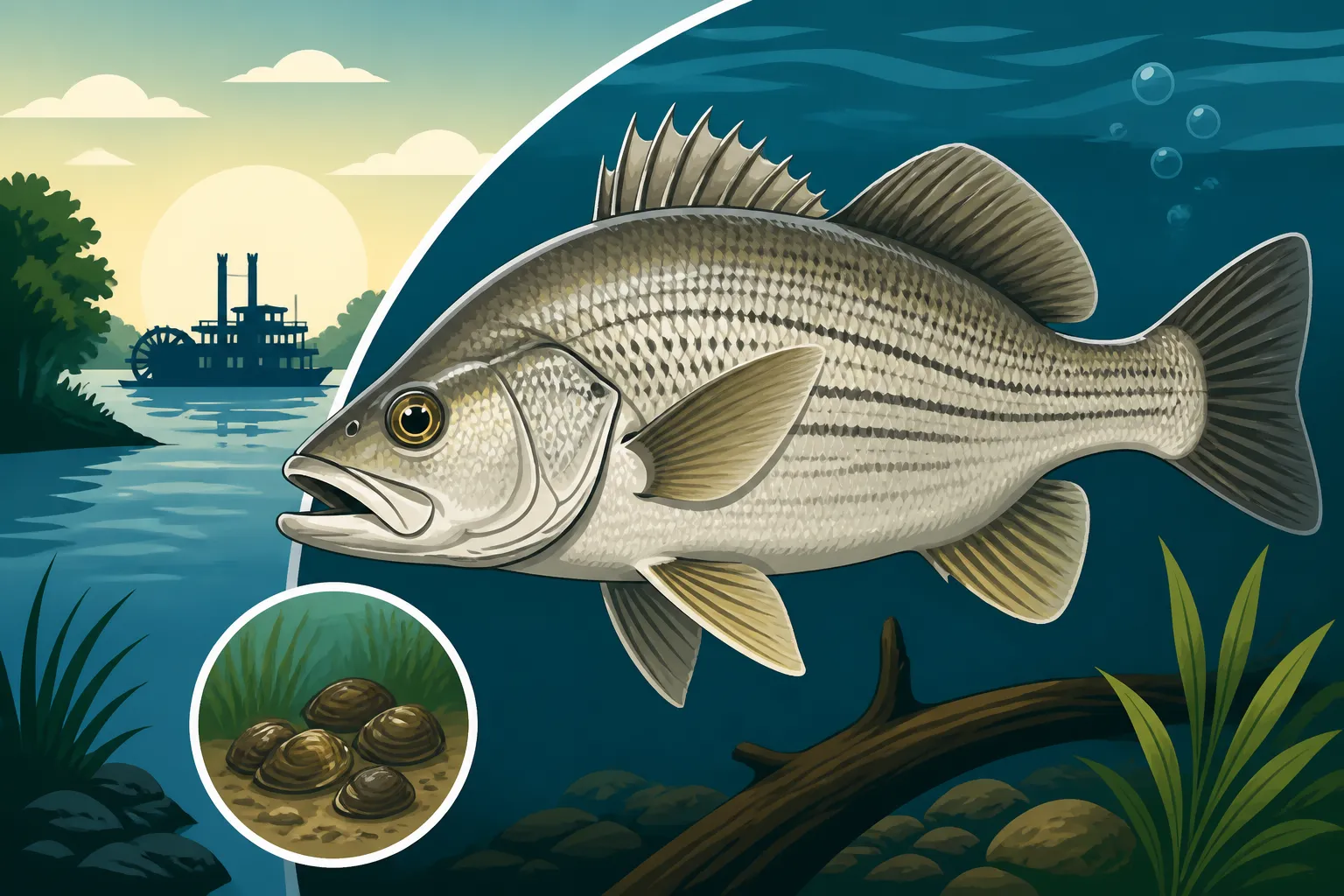
Freshwater Drum Identification and Habits
It's easy to dismiss a fish you're not entirely familiar with, or worse, to misidentify it and miss out on a truly unique angling experience. Many folks fishing the expansive waters of Mississippi have likely crossed paths with the freshwater drum, perhaps mistaking it for a carp or even a small catfish. But trust me, this fish has its own distinct charm and can offer a surprisingly good fight. This guide will help you confidently identify the freshwater drum, understand its fascinating habits, and even give you tips on how to target this often-overlooked species.
What Exactly is a Freshwater Drum?
The freshwater drum, often affectionately called "gaspergou" or just "gou" by local anglers, is a fascinating and often underestimated resident of many Mississippi waterways. Unlike its saltwater cousins, this species is entirely at home in freshwater and is the only North American member of the Sciaenidae (drum and croaker) family to make freshwater its permanent residence. It might not be as glamorous as a largemouth bass or as sought-after as a crappie, but it plays a significant role in the aquatic ecosystem and can be a lot of fun to catch.
The Uncommon Name, Common Fish
The name "drum" comes from the unique drumming or grunting sound these fish produce, especially during spawning season. They do this by vibrating a specialized set of muscles against their swim bladder, creating a rhythmic thumping noise that can actually be heard above water, particularly on calm evenings. While the sound itself is a bit of a mystery in terms of its exact purpose (courtship, territorial defense?), it’s certainly one of the most distinctive traits of this fish. You'll find freshwater drum throughout the Mississippi River basin and many other major rivers and reservoirs across the state, making them a very common encounter for most anglers.
Not to be Confused with Other "Drum" Species
It’s important to distinguish the freshwater drum from its saltwater relatives like red drum or black drum, which are found along the Mississippi Gulf Coast. While they share the "drum" moniker and some superficial similarities, they are distinct species with different habitats and behaviors. The freshwater drum is a true inland dweller, perfectly adapted to the varied conditions of rivers and lakes. Moreover, it's not a carp, despite sometimes being mistaken for one due to its bottom-feeding habits and somewhat similar shape. Carps, like common carp or grass carp, have barbels around their mouths and different fin structures. Understanding these distinctions is crucial, not just for identification, but also for appreciating the unique niche the freshwater drum occupies.
Key Identification Features of the Freshwater Drum
Successfully identifying a freshwater drum means paying attention to a few key physical traits. Once you know what to look for, you'll find them much easier to spot, whether you're pulling them from the water or just observing them. They have a certain charm to them, even if they aren't the prettiest fish in the lake.
Distinctive Physical Characteristics
Freshwater drum typically have a deep, somewhat compressed body, often with an arched back. Their color can vary, usually a silvery-gray or brassy color on their sides, fading to a white belly, and sometimes a darker, olive-brown back. What really sets them apart, though, are their fins. They possess two dorsal fins, one spiny and one soft-rayed, that are distinctly separated or only slightly joined. The spiny dorsal fin usually has 8-10 spines, while the soft-rayed fin is much longer, extending almost to the tail, and contains 29-32 rays. Their tail fin is unique, often described as rounded or bluntly pointed, and it’s not forked like many other fish. Look for their mouth, which is relatively small and downturned, ideal for rooting around the bottom for food. They also have a lateral line that extends all the way into the tail, which is a key identifying feature.
| Feature | Freshwater Drum | Channel Catfish | Common Carp |
|---|---|---|---|
| Body Shape | Deep, compressed, arched back | Elongated, cylindrical, smooth | Robust, deep-bodied, slightly humped back |
| Coloration | Silvery-gray, brassy, darker back, white belly | Olive-brown to blue-gray, often with spots | Yellowish-gold to olive-brown |
| Mouth | Small, downturned, subterminal | Terminal, with prominent barbels | Small, protrusible, with 2 pairs of barbels |
| Dorsal Fins | Two, distinctly separated (spiny and soft-rayed) | Single, short, spiny | Single, long, soft-rayed with serrated spine |
| Tail Fin | Rounded or bluntly pointed, not forked | Deeply forked | Moderately forked |
| Scales | Large, distinct | Absent (smooth skin) | Large, often visible |
| Other Features | Lateral line extends to tail | Long whiskers (barbels) | Large, rough scales, often a pronounced "hump" |
Size, Weight, and Lifespan
Freshwater drum aren't typically monsters, but they can certainly grow to a respectable size. Most commonly, anglers will encounter them in the 1 to 5-pound range, often measuring between 10 to 20 inches. However, don't be surprised if you hook into a much larger specimen. It's not uncommon for them to reach weights of 10 to 15 pounds, and trophy-sized drum can exceed 20 pounds, particularly in large river systems like the Mississippi River. These larger fish are often very old, as freshwater drum are known for their longevity, with some individuals living well over a decade, and in prime conditions, possibly up to 15-20 years. Their growth rate depends heavily on food availability and water conditions, but they are generally slow growers compared to some other game fish.
Unique Sensory Organs and Their Function
One of the most intriguing aspects of the freshwater drum is its advanced sensory system. Beyond their distinctive drumming ability, they possess an incredibly sensitive lateral line system that runs along their sides, extending all the way to the tip of their rounded tail. This lateral line is crucial for detecting subtle vibrations and pressure changes in the water, helping them locate prey in murky conditions or low light. They also have a keen sense of smell, aiding their bottom-feeding habits. Perhaps most remarkably, their large ear bones, called otoliths or "lucky stones," are unique. These otoliths are used for balance and hearing, and their distinct L-shape is often collected by anglers as a souvenir. The growth rings on these otoliths can even be used by biologists to accurately determine the fish's age, much like tree rings. Their ability to navigate and hunt using these combined senses makes them highly efficient foragers in diverse aquatic environments.
Where to Find Freshwater Drum in Mississippi
If you're looking to target freshwater drum, understanding their preferred haunts in Mississippi is key. They aren't picky, but they do have their favorite spots, especially when it comes to finding food and shelter. You can often find them in places you might not expect.
Preferred Habitats and Bottom Structure
Freshwater drum are true generalists when it comes to habitat, but they certainly have preferences. They thrive in large rivers, major tributaries, and expansive reservoirs with a variety of bottom compositions. They particularly love areas with soft bottoms – think mud, sand, or gravel – where they can root around for invertebrates. You'll often find them congregating around structural elements like submerged logs, rock piles, brush, and bridge pilings. They also favor deeper pools, eddies, and the deeper channels of rivers, especially during colder months. In reservoirs like the Ross Barnett Reservoir or Grenada Lake, look for them along channel edges, humps, and points that drop off into deeper water. They aren't usually found in fast-moving rapids or small, clear streams.
When you're out on the water, scanning with your fish finder can reveal large schools of drum suspended over deeper structure or hugging the bottom. These fish aren't shy about living in bustling river environments, so don't overlook busy stretches of water.
Distribution Across Mississippi's Waters
The freshwater drum is widely distributed throughout Mississippi, especially in its larger river systems and major reservoirs. They are incredibly abundant in the Mississippi River Fishing Guide itself, from the northern border down to the Gulf of Mexico. Beyond the mighty river, you'll find them in significant numbers in the Pearl River Fishing Guide, the Tombigbee River Fishing Guide, and the Pascagoula River. Many of the large flood control reservoirs in northern Mississippi – places like Pickwick Lake, Grenada Lake, Sardis Lake, and Arkabutla Lake – also hold robust populations of freshwater drum.
They adapt well to impoundments, making them a common catch in many state fishing lakes too. Essentially, if a body of water is large enough, has a decent flow or circulation, and offers suitable bottom habitat, there's a good chance you'll find freshwater drum there. This widespread presence is a testament to their adaptability and hardy nature.
Seasonal Movements and Aggregations
Like many fish species, freshwater drum exhibit seasonal movements tied primarily to water temperature and spawning cycles. In the warmer months of spring and summer, you'll find them more spread out, often moving into shallower flats, bays, and feeder creeks in search of food. This is particularly true during their spawning season, which typically occurs from late spring to early summer when water temperatures reach the upper 60s to low 70s Fahrenheit. During this time, they will aggregate in shallower areas over gravel or sandy bottoms.
As fall approaches and water temperatures begin to drop, drum will start to move back towards deeper holes and channels. In winter, they become more lethargic and tend to school tightly in the deepest parts of rivers and reservoirs, often near submerged structure or thermoclines, where water temperatures are most stable. Anglers who understand these patterns can often find great success by adjusting their focus from shallower, spread-out fish to deeper, more concentrated schools.
Habits and Behavior of the Freshwater Drum
Understanding the daily lives and routines of freshwater drum is key to appreciating them and, of course, to catching them! They have some interesting habits that set them apart from other species.
Diet and Feeding Strategies
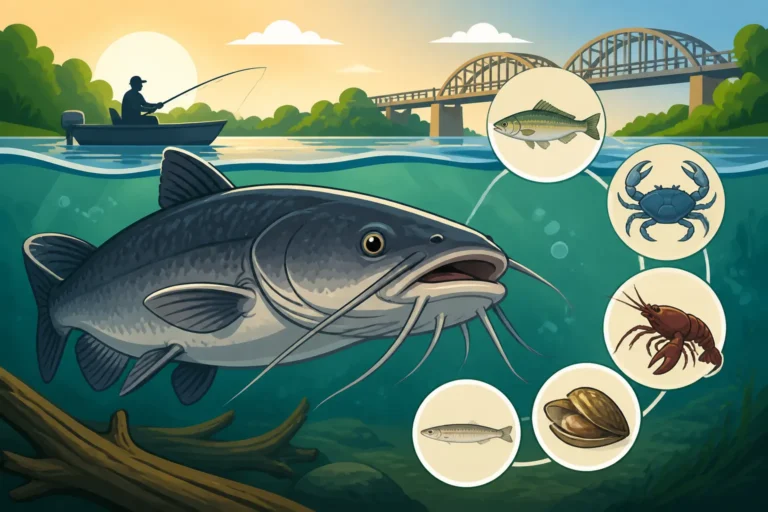
Freshwater drum are primarily bottom feeders, and they are not particularly picky eaters. Their diet consists largely of benthic invertebrates, meaning creatures that live on or in the bottom substrate. This includes a wide array of insects, insect larvae (like those of midges and caddisflies), crayfish, mussels, snails, and other small crustaceans. They have powerful pharyngeal teeth (throat teeth) that allow them to crush the shells of mollusks and crustaceans, making them highly effective at exploiting these food sources.
They use their downturned mouths and keen senses of smell and lateral line detection to root through mud, sand, and gravel. You’ll often find them feeding actively during periods of low light, such as dawn, dusk, or even throughout the night, though they can be caught at any time of day. Their opportunistic nature means they'll readily take a variety of baits, which is great news for anglers. You can often predict their feeding areas by looking for mussel shells or disturbed bottom sediments. For more on what bottom dwellers eat, you might be interested in What Catfish Eat in Mississippi Rivers, as there's a lot of overlap.
Spawning and Reproductive Behavior
The spawning season for freshwater drum in Mississippi typically occurs from late spring into early summer, usually between May and July, when water temperatures warm up significantly, often reaching between 68-75°F. Unlike many fish that build nests or exhibit extensive parental care, freshwater drum are broadcast spawners. This means the females release their eggs into the water column, and the males then fertilize them externally.
A single large female can produce hundreds of thousands of eggs, which are then buoyant and float in the water column for several days before hatching. This pelagic (open water) egg stage is somewhat unusual for a freshwater fish. The fry are planktonic, drifting with the currents, and feed on tiny zooplankton until they grow large enough to settle to the bottom and begin their diet of small invertebrates. This reproductive strategy allows them to populate large river systems effectively, as their eggs and larvae can disperse over wide areas.
Social Structure and Interaction
While specific detailed studies on the social structure of freshwater drum are somewhat limited compared to more popular game species, observations suggest they are generally schooling fish, especially when young and during feeding or overwintering periods. You'll often find multiple drum caught from the same area, indicating they travel and feed in groups. This schooling behavior offers protection from predators and increases feeding efficiency.
They are not known to be territorial or aggressive towards other fish species, generally coexisting peacefully in shared habitats. Their diet of bottom-dwelling invertebrates means they don't directly compete for food with many pelagic (open water) predators like bass, though they might be prey for larger fish like alligator gar or even some large catfish species. Their unique drumming sounds are believed to play a role in communication, particularly during courtship, helping individuals locate each other in murky waters or at night.
Fishing for Freshwater Drum in Mississippi
Catching freshwater drum can be a lot of fun, offering a strong fight on appropriate tackle. They're often an accidental catch when targeting catfish or even bass, but once you learn their ways, you might find yourself intentionally seeking them out.
Common Gear and Baits for Drum
You don't need highly specialized gear to catch freshwater drum, which is one of their appeals. A medium-action spinning or baitcasting rod and reel combo, spooled with 8-15 pound test monofilament or braided line, is perfectly adequate. The key is to use tackle that's sensitive enough to detect subtle bites but robust enough to handle their surprisingly powerful runs.
When it comes to bait, remember their bottom-feeding habits. Natural baits are usually the most effective. Earthworms, nightcrawlers, and redworms are absolute drum magnets. Many anglers have success with cut bait, especially pieces of shad or other oily fish, which also work great for species like channel catfish. Small crayfish, mussels, or even shrimp (especially on the Gulf Coast's brackish areas) can also be highly effective. For those who prefer artificials, small jigs tipped with soft plastics (especially grub tails in natural colors like brown or green pumpkin) fished slowly along the bottom can entice a bite. You can find a wide array of suitable baits and tackle on platforms like Amazon, offering convenient delivery right to your door before your next fishing trip. If you're looking for Best Bait for Catfish in Mississippi, many of those suggestions will cross over nicely for drum.
Techniques for Targeting Drum
Since freshwater drum are bottom feeders, your techniques should focus on presenting bait close to or on the bottom. The most common and effective method is simple bottom fishing. This involves using a weight (sinker) to keep your bait stationary on the bottom. A basic Carolina rig or a three-way swivel rig works wonders. With a Carolina rig, a sliding egg sinker is above a swivel, then a leader (18-36 inches) is tied to a hook. This allows the fish to pick up the bait without immediately feeling the weight of the sinker.
Another effective technique, especially in rivers with current, is drift fishing. Allow your weighted bait to slowly drift along the bottom with the current, covering more ground and naturally presenting your offering. If you're using artificials, slow jigging or dragging small jigs and soft plastics right on the bottom, mimicking a crayfish or worm, can also be productive. Pay close attention to your line; drum bites can sometimes be subtle taps before they commit to taking the bait.
Best Times and Conditions
Freshwater drum are active throughout the year, but they tend to be most aggressively feeding in spring, summer, and fall. During the warmer months, early mornings, late evenings, and even night fishing can be incredibly productive, as they utilize the low light to feed more actively. When targeting them during the day, focus on slightly deeper, shadier areas.
After a rain, when the water might be a bit murky and the current picks up, can also be a prime time, as the stirred-up bottom can dislodge their food sources. They generally prefer stable weather conditions, but a light chop on the water can actually help, as it breaks up the surface and makes them feel more secure while feeding. Avoid fishing for them in extremely cold water during deep winter, as they become quite lethargic, or during periods of extreme heat in shallow, stagnant waters where oxygen levels might be low. Always be mindful of Mississippi Fishing Season Dates and Limits and any general statewide regulations that apply.
Freshwater Drum: An Angler's Perspective and Table Fare
Despite being a common species, freshwater drum sometimes get a bad rap. But for those willing to give them a fair shake, they offer some unique qualities, both on the line and on the dinner plate.
The Fight and Fun Factor
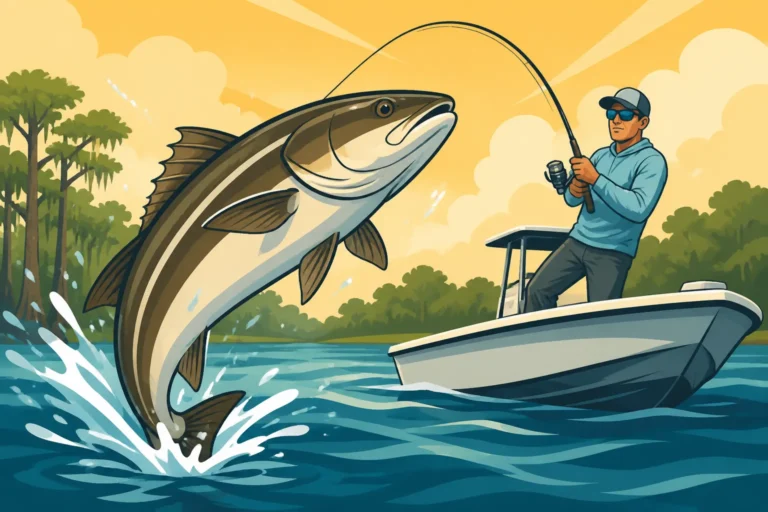
Anyone who has hooked into a decent-sized freshwater drum will tell you that these fish put up a surprisingly strong fight. They have broad, muscular bodies and, when hooked, often make powerful, head-shaking runs. They tend to stay deep, digging for the bottom, which can make for a challenging and exhilarating battle, especially on lighter tackle. You'll feel every head shake and surge! For their size, they are certainly one of the strongest fighting freshwater fish in Mississippi.
This fighting spirit is why many anglers, once they get past any initial misgivings, really enjoy targeting them. They provide consistent action, and catching a handful of hard-fighting drum can be just as satisfying as catching other more "prestigious" species. They're a great option for a day when other fish aren't biting, or for introducing new anglers, especially kids, to the thrill of a strong fish on the end of the line.
Culinary Qualities and Preparation Tips
Here's where the freshwater drum often gets unfairly judged. Many people dismiss them as "trash fish" or believe they're not good to eat. This couldn't be further from the truth! Properly handled and prepared, freshwater drum can be excellent table fare, often compared to red snapper or cod. The key is fresh fish and proper cleaning.
The flesh is white, flaky, and has a mild flavor, especially if taken from clean, cool waters. Immediately bleeding and icing your catch is crucial. Fillet the fish and remove the skin, as the skin can sometimes impart a stronger, "fishier" flavor. Some people also recommend trimming away any reddish meat along the lateral line. Freshwater drum fillets are versatile: they can be fried, baked, grilled, or even smoked. Frying them up with a cornmeal crust, similar to how you might prepare crappie or catfish, is a popular choice across Mississippi. Don't let old wives' tales deter you; give the freshwater drum a try, and you might just find a new favorite for the dinner table! For more detailed advice, you can check out Freshwater Drum Uses and Table Quality.
Conservation Status and Management
Fortunately, the freshwater drum is a robust and widely distributed species, and its populations in Mississippi are generally considered healthy and stable. They are not typically a species of conservation concern. The Mississippi Department of Wildlife, Fisheries, and Parks (MDWFP) manages freshwater drum populations as part of their broader freshwater fisheries management efforts. This usually involves monitoring populations through surveys and creel limits, ensuring sustainable angling opportunities.
Because they are so common and prolific, there are generally very liberal or often no specific harvest limits on freshwater drum, unlike more sensitive game species. This means anglers can usually keep a good number of fish for the table without impacting the overall population. Their adaptability to various habitats and their broad diet contribute to their success and stability, making them a consistently available resource for anglers throughout the state. It's a testament to the resilience of this species that it thrives across so many different water bodies in Mississippi.
Disclaimer
This article is for general informational purposes only and does not constitute professional advice. Laws, prices and regulations vary by location and change over time. Consult a qualified professional for guidance on your specific situation.