Catfish Fishing in Mississippi
There's nothing quite like the thrill of a catfish tugging at your line, especially when you're fishing the bountiful waters of Mississippi. Many anglers, myself included, have spent countless hours by the riverbank or out on a reservoir, sometimes feeling frustrated by the elusive nature of these whiskered giants, or simply wondering if they're using the right bait or technique. If you've ever felt that mix of anticipation and occasional head-scratching when chasing catfish here in the Magnolia State, then you've come to the right place. This guide is designed to cut through the guesswork and provide a comprehensive look at everything you need to know to successfully catch catfish in Mississippi, from identifying the best spots and gear to understanding the seasons and regulations.
The Enduring Appeal of Catfish Fishing in Mississippi
Catfish are more than just a fish in Mississippi; they're a cultural icon, a culinary delight, and a challenging sportfish that draws anglers of all skill levels. Their widespread presence, combined with their strong fighting spirit and excellent table fare, makes them a perennial favorite across the state's diverse waterways.
Why Catfish Hold a Special Place in Anglers' Hearts
For many, catfish fishing isn't just about the catch; it's about the experience. There's a certain magic to sitting by a tranquil river or a vast reservoir, waiting for that tell-tale tug on the line, often under the vast Mississippi sky, as the sun dips below the horizon. Catfish are incredibly resilient and can be found in almost every type of freshwater environment, from muddy river bottoms to clear lake depths. This accessibility means that whether you're a seasoned pro with a fully equipped boat or a beginner with a simple rod and reel fishing from the bank, a successful catfish outing is always within reach. Plus, who can argue with a platter of fresh, fried catfish after a long day on the water? It's a tradition deeply woven into the fabric of Southern living.
Beyond the dinner plate, the fight a large catfish puts up is legendary. Blue cats, especially, are known for their powerful runs and dogged determination, turning a quiet evening into an adrenaline-pumping battle. Even a modest channel catfish can put a respectable bend in a rod, making every hookset an exciting moment. This combination of availability, fighting prowess, and deliciousness solidifies the catfish's esteemed position in Mississippi's angling community.
Understanding the Main Catfish Species in Mississippi
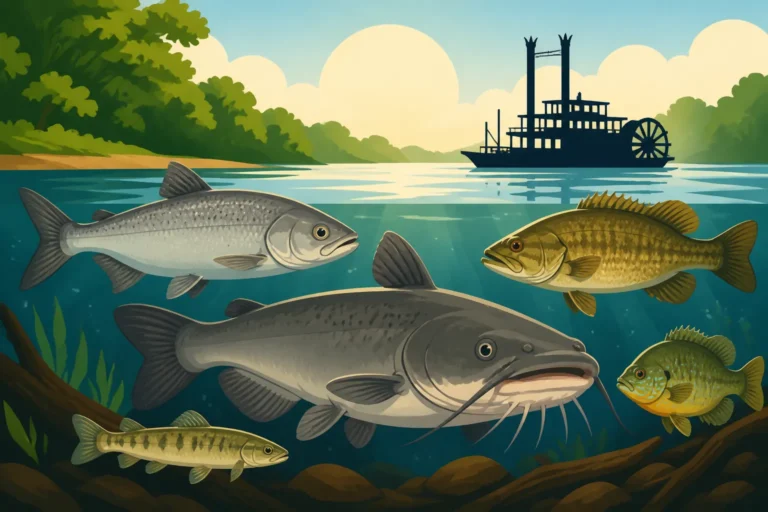
Mississippi is home to a fantastic variety of catfish, each with its own characteristics, preferred habitats, and fighting styles. Knowing which species you're targeting can greatly influence your strategy, from bait choice to fishing location. The "big three" you'll most commonly encounter are the Channel Catfish, Blue Catfish, and Flathead Catfish. There are also bullheads and other smaller species, but these three are the main game changers. For a more detailed look, check out our Catfish Identification Chart.
-
Channel Catfish: These are arguably the most ubiquitous catfish in Mississippi, found in almost every river, lake, pond, and reservoir. They are easily identified by their distinct forked tail, often scattered black spots (especially when younger), and a relatively sleek body. Channel cats are typically smaller than blues or flatheads, often ranging from 1 to 5 pounds, though larger ones are certainly caught. They're opportunistic feeders, readily biting on a wide variety of natural and prepared baits, making them a great target for anglers of all ages and skill levels. They’re fantastic eating and put up a spirited fight on light to medium tackle.
-
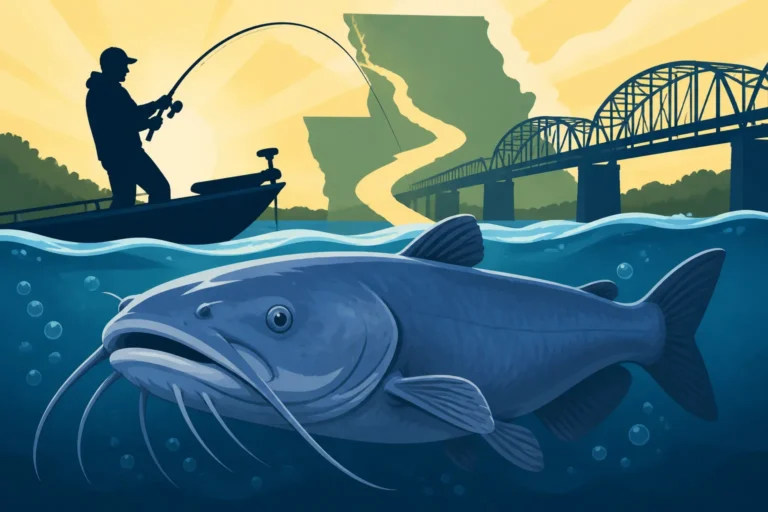
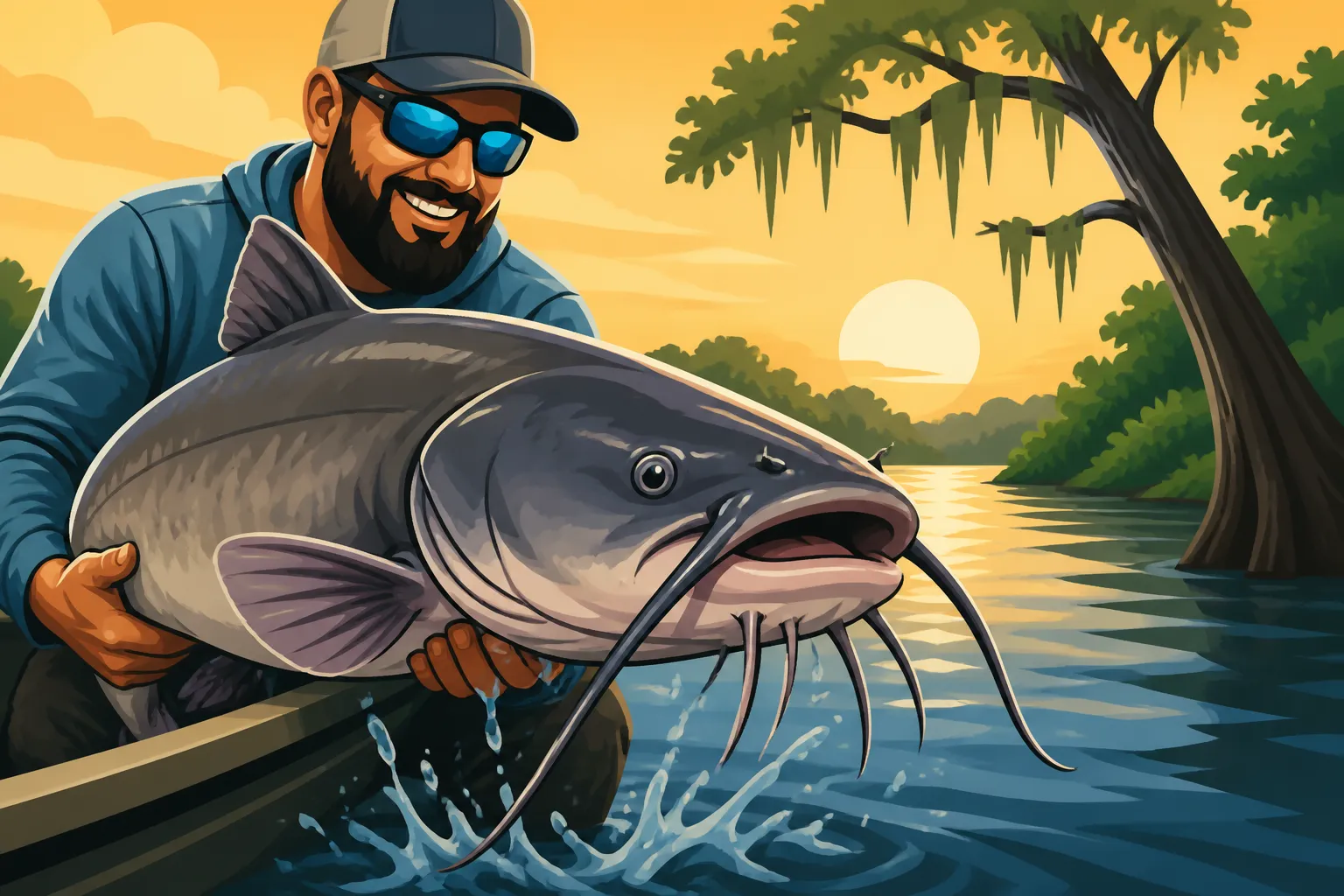
Blue Catfish: The true giants of the Mississippi catfish world, blue catfish are renowned for their immense size and incredible strength. While a typical keeper might be in the 5-20 pound range, blues regularly exceed 50 pounds, with state records pushing well over 100! You'll recognize them by their deeply forked tail, a noticeably humped back, and a generally uniform blue-gray color without spots. Blues prefer large river systems and deep, expansive reservoirs, often congregating in strong currents or deep holes. Targeting them usually requires heavier tackle and a preference for fresh cut bait or live bait. If you're looking for a truly epic battle, the blue cat is your adversary. Learn more about pursuing these giants in Blue Catfish Fishing in Mississippi.
-
Flathead Catfish: These distinctive catfish have a broad, flattened head (hence the name), a protruding lower jaw, and a rounded or slightly notched tail, unlike the forked tails of channel and blue cats. Their coloration is usually a mottled yellow and brown, providing excellent camouflage in their preferred ambush habitats. Flatheads are solitary predators that primarily feed on live fish, making them a challenging but rewarding target. They tend to inhabit slower-moving rivers, deep logjams, and heavy cover, and are less likely to fall for prepared or stink baits. Anglers specifically targeting flatheads often use stout gear and live bait. Discover more about their unique habits in Flathead Catfish Habits and Habitat.
| Catfish Species | Average Size | Key Identification | Typical Habitat | Preferred Bait |
|---|---|---|---|---|
| Channel Catfish | 1-5 lbs | Forked tail, often dark spots (especially when young), sleek body | Rivers, lakes, ponds, reservoirs | Worms, cut bait, stink bait, shrimp |
| Blue Catfish | 5-50 lbs (trophy potential over 100 lbs) | Deeply forked tail, humped back, uniform blue-gray color | Large rivers, deep reservoirs, strong currents | Fresh cut bait (shad, skipjack), live bait |
| Flathead Catfish | 5-40 lbs (trophy potential over 80 lbs) | Flat, broad head; protruding lower jaw; rounded or slightly notched tail; mottled brown/yellow | Slow-moving rivers, logjams, deep cover | Live bait (sunfish, minnows, small perch) |
Top Catfish Hotspots Across the Magnolia State
Mississippi boasts an incredible array of fishing environments, and thankfully, catfish thrive in many of them. Whether you prefer the vastness of a major reservoir, the winding currents of a river, or even the brackish transition zones near the coast, there’s a prime catfish spot waiting for you. Knowing where to focus your efforts is half the battle won.
Major Reservoirs and State Park Lakes
When you think of big catfish, the large reservoirs of Mississippi often come to mind first, and for good reason. These expansive bodies of water, often created by damming major rivers, provide vast habitats for blue, channel, and even some flathead catfish, along with ample forage. Places like Ross Barnett Reservoir near Jackson are legendary for their channel cat populations, with anglers often pulling limits of 1-3 pound fish, perfect for a fish fry. The lake's many creek channels, flats, and even the main lake basin provide endless opportunities.
Further north, the "Big Four" flood control reservoirs – Sardis, Grenada, Enid, and Arkabutla – are powerhouse fisheries, particularly for blue and channel catfish. Grenada Lake, for example, is famous not just for its crappie but also for its monster blue cats. Anglers regularly target the deep channels, humps, and ledges, especially in the main river channels that snake through these impoundments. These lakes also have numerous public access points, boat ramps, and even dedicated state parks like Grenada Lake State Park, making them easy to visit for a weekend of fishing. Remember to scout depths and structure using your electronics to locate concentrations of fish, especially during warmer months.
Productive Rivers and Smaller Waterways
While reservoirs get a lot of attention, Mississippi's extensive river systems are absolute goldmines for catfish, particularly for trophy-sized blue and flathead cats. The mighty Mississippi River itself is, of course, a premier destination. Its vastness, strong currents, and numerous backwater lakes and oxbows create ideal conditions for colossal blue and flathead catfish. Fishing the main channel, around wing dams, sandbars, and deep scour holes, can yield truly incredible catches. Anglers often employ heavy-duty equipment here, as the current and the size of the fish demand it. Our Mississippi River Fishing Guide has even more insights into fishing this iconic waterway.
Beyond the Mississippi River, other major river systems like the Pearl River, Pascagoula River, and Tennessee-Tombigbee Waterway offer fantastic catfishing. These rivers feature deep bends, logjams, submerged timber, and swift currents that blue and flathead catfish adore. Even smaller tributaries and creeks can hold surprising numbers of channel catfish, especially after rains when they move upstream to feed. Bank fishing along these rivers is very popular, with many public access points and bridge crossings providing convenient spots. Don't overlook the potential of these flowing waters; the continuous current brings food and oxygen, keeping catfish active and hungry.
Unique Opportunities in Coastal Mississippi's Brackish Waters
While often associated with freshwater, catfishing in Mississippi extends all the way to the Gulf Coast. The coastal rivers, bayous, and estuaries where freshwater slowly mixes with saltwater create a unique brackish environment that channel catfish, in particular, absolutely love. You might be surprised to find robust populations of channel catfish in the lower reaches of rivers like the Pascagoula or Biloxi River systems, sometimes even caught alongside redfish or speckled trout!
These areas offer a different kind of catfishing experience, often with a scenic backdrop of marsh grass and coastal wildlife. Anglers can target channel catfish from piers, bulkheads, or small boats in the bayous and creeks. The salinity levels here can fluctuate, but catfish are remarkably adaptable. The same baits that work in freshwater, like cut bait, shrimp, or even small pieces of fresh crab, can be highly effective here. It's a great way to combine a bit of freshwater fishing with a coastal trip, providing a diverse angling adventure.
Essential Gear for Your Mississippi Catfish Adventures
Getting set up with the right gear is crucial for success, especially when you're targeting fish that can range from a feisty one-pound channel cat to a monstrous hundred-pound blue cat. While you don't need to break the bank, having reliable equipment will make your experience more enjoyable and increase your chances of landing that trophy.
Rods, Reels, and Line: Building a Robust Setup
For most Mississippi catfishing, you'll want a medium-heavy to heavy action rod. This isn't just for handling big fish; it's also necessary for casting heavy weights and baits, especially in current. A rod length of 7 to 9 feet is a good all-around choice, offering enough leverage for fighting fish from a boat or the bank. For channel cats, a medium-heavy spinning rod can be sufficient, but for the serious blue and flathead angler, a stout casting rod (often called a "catfish rod") paired with a baitcasting reel is preferred. These rods are designed for power and durability.
When it comes to reels, you have a couple of options. Spinning reels, particularly larger models, are excellent for channel catfish and offer ease of use, making them a popular choice for beginners or those fishing lighter setups. However, for targeting truly large blue and flathead catfish, a heavy-duty baitcasting reel is often the superior choice. These reels, like those from popular brands such as Penn or Abu Garcia, offer greater line capacity, stronger drags, and more cranking power to muscle in big fish. You can find a fantastic selection of both rods and reels suitable for catfishing on Amazon, making it easy to compare features and find the perfect match for your budget and target species.
For line, monofilament in the 15-30 pound test range is a good all-purpose choice for channel cats. It offers good abrasion resistance and stretch, which can be forgiving. However, for serious big-cat pursuits, braided line is the way to go. Its minimal stretch provides incredible sensitivity, allowing you to feel even the lightest bites, and its thinner diameter for the same breaking strength means you can spool more heavy line onto your reel. Many anglers will use 50-80 pound braided line for blue and flathead fishing, sometimes adding a heavy monofilament or fluorocarbon leader for abrasion resistance.
Terminal Tackle: Hooks, Weights, and Rigs
Your terminal tackle—the business end of your fishing line—is where the magic happens. The right hook size and style are paramount. For channel cats, a wide-gap circle hook or J-hook in sizes 2/0 to 5/0 is common. Circle hooks are excellent because they typically hook fish in the corner of the mouth, making for easier release and reducing gut-hooking. For larger blue and flathead catfish, you'll want to beef up your hooks considerably, often using 7/0 to 10/0 circle hooks. Brands like Gamakatsu and Mustad make excellent, strong hooks suitable for trophy catfish.
Weights are equally important for getting your bait down to where the catfish are, especially in current. Egg sinkers, flat pyramid weights, or no-roll sinkers are all popular choices, with weights ranging from 1 ounce up to 8 ounces or even more, depending on the current and depth. Carry a variety to adapt to different conditions.
As for rigs, the classic slip-sinker rig (also known as a Carolina rig) is a workhorse for catfishing. It consists of an egg sinker or no-roll sinker threaded onto your main line, followed by a bead (to protect the knot), a swivel, and then a leader (often 12-24 inches) tied to your hook. This setup allows the fish to pick up the bait and run without feeling the resistance of the weight immediately, leading to more confident bites. Another popular rig, especially for channel catfish in still water, is the three-way swivel rig, which allows you to fish multiple baits at different depths. For more specific setups, you can refer to our guide on Jug Fishing and Trotline Setup.
Auxiliary Gear for Comfort and Convenience
Beyond the rod, reel, and tackle, a few other items can significantly enhance your catfishing experience. A sturdy rod holder is almost essential, especially if you're bank fishing or still fishing from a boat with multiple rods. These prevent your rod from being pulled into the water by a hard-striking cat. A quality landing net with a wide mouth and strong handle is critical for safely landing larger fish, as trying to hand-land a big, active catfish can be tricky and potentially dangerous due to their sharp fins.
Other useful items include a good headlamp or flashlight for night fishing (a favorite time for many catfish anglers), a comfortable chair for bank fishing, a cooler for drinks and bait (and your catch!), a first-aid kit, and of course, a valid Mississippi Fishing License Guide. Don't forget bug spray, especially during warmer months, and appropriate rain gear – Mississippi weather can change in an instant! Many of these convenient items, from rod holders to headlamps, can be easily found and purchased through online retailers like Amazon, ensuring you have everything you need before your next trip.
Deciphering the Best Baits and Lures for Mississippi Catfish
Catfish are notoriously opportunistic eaters, which means they can be caught on an incredibly wide array of baits. However, some baits are definitely more effective than others, depending on the species you’re targeting and the conditions you’re fishing in. Experimentation is key, but starting with proven choices will give you a significant advantage.
Natural and Live Baits: The Ol' Standbys
When it comes to catfish, nothing beats natural baits. These are often the most effective because they mimic the catfish’s natural diet and appeal to their powerful sense of smell.
-
Cut Bait: This is probably the number one bait for large blue catfish and flatheads. Freshly cut pieces of oily fish like shad, skipjack herring, mullet, or even bream (if legal to use as bait) are incredibly effective. The scent trail they put out in the water is irresistible to hungry cats. For blue cats, larger chunks or strips of cut bait are excellent. For flatheads, a whole live fish is often preferred, but fresh cut bait will still draw their attention. The key is freshness; frozen bait loses much of its effectiveness.
-
Live Bait: For trophy flathead catfish, live bait is almost always the preferred choice. Flatheads are predators and prefer to ambush live prey. Small live bream, sunfish, minnows, or even small perch are excellent options. Make sure your live bait is healthy and active on the hook, as its struggles will attract the flathead's attention. For really big blue cats, a lively 6-8 inch shad or small carp can also be deadly. When using live bait, check local regulations regarding the use of game fish as bait.
-
Worms: Good old earthworms, nightcrawlers, and red wigglers are classic channel catfish baits. They're easy to get, simple to rig, and channel cats absolutely love them. While they might not be the top choice for monster blues, they're fantastic for pan-sized channel cats in ponds and smaller lakes. A wad of several nightcrawlers on a hook can be particularly enticing.
-
Shrimp: Both fresh and slightly aged (but not rotten) shrimp can be highly effective for channel catfish, especially in brackish waters or even freshwater impoundments. Peeled shrimp will release more scent, but whole shrimp can also work. It's a convenient bait to carry and often readily available.
Prepared and Commercial Baits: Unleashing the Scent
Sometimes, you want a bait that offers maximum scent or convenience, and that's where prepared and commercial baits shine. These are typically most effective for channel catfish, though some can tempt blues.
-
Stink Baits: These are a catfish angler's staple, specifically designed to appeal to the channel catfish’s keen sense of smell. Made from various concoctions of cheese, blood, fish guts, and other strong-smelling ingredients, stink baits come in many forms: dip baits (for sponges or worms), punch baits (for bare treble hooks), and pre-molded nuggets. While the smell can be off-putting to humans, channel cats find it irresistible. Brands like Catfish Charlie, Sonny's, or Secret 7 are popular in Mississippi. You can often find a good variety of these prepared baits on Amazon, which can be convenient for stocking up before a fishing trip.
-
Chicken Liver: A time-tested favorite for channel catfish, chicken liver is readily available and relatively inexpensive. Its soft texture means it needs to be carefully hooked (sometimes wrapped with thread or a small piece of nylon stocking) to stay on during a cast, but its potent scent is hard for channel cats to ignore.
-
Hot Dogs/Sausage: Believe it or not, pieces of hot dog, especially those soaked in garlic or other scents, can be surprisingly effective for channel catfish. This is a great, easy-to-use bait for kids or casual outings. Similarly, small pieces of cheap, oily sausage can also be productive.
Artificial Lures and Their Role
While not as common for catfishing as natural baits, artificial lures do have a place, particularly for species like channel catfish and sometimes even smaller blues, especially when they are actively feeding or schooling.
-
Jigs with Scent: Soft plastic jigs, especially those designed for crappie or bass, can be effective if tipped with a small piece of shrimp, a worm, or saturated with a strong catfish attractant scent. The movement of the jig combined with the scent can entice curious catfish. This method is more active than traditional bottom fishing and can be productive when fish are scattered.
-
Spinnerbaits/Inline Spinners (tipped): Occasionally, a channel catfish will strike a spinnerbait or inline spinner, particularly in clear water or when they are actively chasing baitfish. Tipping the hook with a small piece of worm or shrimp can increase its appeal dramatically. This is more of a "bonus catch" scenario rather than a targeted catfishing technique, but it happens!
-
Crankbaits (rarely): While very uncommon, there have been instances of catfish, usually channel or small blues, striking crankbaits, especially those that mimic baitfish. This is often an accidental catch while bass fishing, but it speaks to the opportunistic nature of these fish.
The key takeaway for baits is to always prioritize freshness for cut and live baits, and don't be afraid to experiment with prepared baits until you find what the fish are biting on that particular day. Our guide Best Bait for Catfish in Mississippi offers even more specific recommendations.
Proven Techniques to Hook More Catfish
Having the right gear and bait is a fantastic start, but knowing how to present them to the catfish is what truly makes a difference. Catfishing techniques range from passive, stationary setups to active, boat-based methods, and even traditional, hands-on approaches.
Stationary Fishing: Anchoring Down for the Bite
This is perhaps the most common and often most relaxing way to fish for catfish, whether you're on the bank or anchored in a boat. The core idea is to get your bait down to the bottom, or just above it, and wait for the fish to come to you.
-
Bottom Fishing with a Slip-Sinker Rig: As mentioned earlier, the slip-sinker rig is a staple for stationary catfishing. Cast your bait out, let the weight settle to the bottom, and then reel in just enough slack to feel the weight without moving it. Place your rod in a sturdy holder and watch the tip for bites. This is incredibly effective in rivers, lakes, and reservoirs. The beauty of this rig is that the line can pass freely through the sinker, allowing a catfish to pick up the bait and swim off without feeling immediate resistance, which can spook them. This often leads to more solid hookups.
-
Using Bank or Boat Rod Holders: When stationary fishing, especially with multiple rods, sturdy rod holders are invaluable. For bank fishing, spike-style rod holders that push into the ground are perfect. For boat fishing, adjustable rod holders mounted to your boat allow you to position your rods strategically. These holders ensure your rods stay put, even when a big catfish hits hard, and keep your bait presentation consistent. Always ensure your drag is set appropriately – not too tight, or a big fish could snap your line or pull your rod in; not too loose, or you might not get a solid hookset.
-
Targeting Structure: When stationary, it's not enough to just cast anywhere. Look for prime catfish habitat. In rivers, this means fishing near deep holes, logjams, undercut banks, and the seams of current where slack water meets faster flow. In lakes and reservoirs, target old creek channels, humps, points, brush piles, and any significant drop-offs. Catfish love to relate to structure, using it for cover, ambush points, and protection from current. Using a fish finder from a boat can help you pinpoint these hidden gems.
Drifting and Trolling: Covering Expansive Waters
When catfish are spread out or you're trying to locate schools of fish in a large body of water, drifting or slow trolling can be incredibly effective. These methods allow you to cover much more water than stationary fishing.
-
Controlled Drifting: This technique involves letting your boat drift with the wind or current, dragging your baits along the bottom. This is particularly popular on large reservoirs for blue catfish. Use a drift sock or sea anchor to control your speed, aiming for a slow drift that allows your weights to occasionally tap the bottom. Spread out several rods with different baits and weights to cover varying depths and presentations. As you drift, your baits cover a wide swath of water, increasing your chances of encountering active fish. Pay close attention to your rod tips; sometimes a bite will be a subtle "thump" as the fish picks up the bait.
-
Power Drifting: Similar to controlled drifting, but you're using your boat's trolling motor to precisely control your drift path and speed, often following contours or river channels. This is a favorite method for targeting big blue cats in major river systems or the main lake basins of reservoirs. Anglers will often use heavy weights (up to 8 ounces or more) to keep their baits on the bottom in strong currents, letting out long lines to keep their boat from spooking fish. This method requires a good understanding of boat control and river dynamics but can be incredibly productive for trophy fish.
-
Slow Trolling (often with planer boards): While less common for the biggest cats, slow trolling can be effective for channel catfish and smaller blues, especially in lakes. Using an electric trolling motor, you slowly pull your baits, often suspended under floats or on a three-way swivel rig, along submerged structures or contours. Some anglers even use planer boards to spread lines out away from the boat, covering an even wider area. This method is particularly useful when catfish are suspended rather than strictly on the bottom.
Traditional and Active Methods: Jugs, Trotlines, and Noodling
Mississippi has a rich tradition of catfishing, and some of the most effective methods aren't always with a rod and reel. These traditional approaches are highly regulated but can be incredibly productive for harvesting large numbers of catfish.
-
Jug Fishing: This active method involves setting out multiple baited lines attached to floating jugs or bottles. The jugs act as visual strike indicators, dancing and moving when a catfish takes the bait. Anglers motor around, setting and retrieving jugs, and often have multiple jugs deployed simultaneously. It's a highly social and exciting way to fish, often done with friends and family. However, jug fishing is subject to strict regulations regarding the number of jugs, identification requirements, and specific waters where it's allowed. Always consult the Mississippi Fishing Regulations Explained before setting out your jugs. Our detailed guide on Jug Fishing and Trotline Setup has even more information.
-
Trotlining: A more passive but highly effective method, trotlining involves setting a long main line with multiple baited hooks attached at intervals, typically anchored between two points or tied to bankside objects. Trotlines are usually set overnight or for several hours, allowing catfish to find the baits. This method can catch a large number of fish, especially in rivers and large lakes. Like jug fishing, trotlining is heavily regulated in Mississippi, with rules concerning line length, number of hooks, identification, and placement. It’s crucial to understand and adhere to these rules to avoid penalties.
-
Noodling (Hand Fishing): Perhaps the most primal form of catfishing, noodling involves catching catfish by hand, typically by reaching into submerged holes, logs, or rock crevices where flatheads often hide. It’s a very physical and potentially dangerous method, requiring skill and courage. Noodling is legal in Mississippi, but like all specialized methods, it has specific regulations. It's truly an experience like no other, but not for the faint of heart! If you’re curious about this unique practice, read our specific guide on Noodling for Catfish.
Remember, regardless of the technique you choose, always prioritize safety, respect the resource, and adhere to all local and state fishing laws.
Navigating Mississippi's Catfish Regulations
Before you even think about casting a line for catfish in Mississippi, it's absolutely crucial to understand and abide by the state's fishing regulations. These rules are put in place to ensure sustainable fish populations for future generations and to maintain fair chase for all anglers. Ignorance of the law is no excuse, and penalties can be steep.
Statewide Creel Limits and Size Restrictions
One of the most important aspects of catfish regulations involves creel (daily bag) limits and size restrictions. These vary by species and sometimes by specific bodies of water. The Mississippi Department of Wildlife, Fisheries, and Parks (MDWFP) sets these limits, and they are subject to change, so always check the most current regulations before you head out. Our Mississippi Fishing Creel and Size Limits guide can give you a general overview.
-
Channel Catfish: Generally, channel catfish have a fairly generous daily creel limit across most public waters in Mississippi. There might be specific regulations for certain state fishing lakes or community ponds, so always verify for your exact location. Often, there is no minimum size limit, allowing anglers to keep fish of all sizes up to their daily limit.
-
Blue Catfish: Given their potential for immense size, blue catfish sometimes have slightly different regulations. While a daily creel limit still applies, some waters might implement slot limits or restrictions on the number of fish over a certain size that can be kept. This is to protect the larger, breeding-stock fish that are vital for the population. For example, you might be able to keep a certain number of blue cats under a specific length, but only one fish over a certain trophy size per day.
-
Flathead Catfish: Flatheads, being apex predators and slower growing, can also have specific limits. Their daily creel limit is typically more conservative than channel catfish, and there may be minimum size limits to allow them to reach reproductive maturity. Because flatheads primarily eat live bait, they are also less frequently caught in large numbers by rod and reel anglers compared to channel and blue cats.
It is paramount that you know the specific limits for the species you are targeting and the water body you are fishing. These limits help prevent overfishing and maintain healthy ecosystems.
Licensing Requirements and Exceptions
Almost everyone who fishes in Mississippi public waters needs a fishing license. This revenue directly supports the conservation and management efforts of the MDWFP, ensuring quality fishing opportunities for everyone. Failing to have a valid license can result in significant fines and confiscation of your catch and gear.
-
Who Needs a License: Generally, all resident and nonresident anglers aged 16 to 64 inclusive must possess a valid Mississippi fishing license to fish in public fresh or saltwater. There are various license types available, from annual resident licenses to nonresident options and even short-term licenses for visitors. You can find detailed information in our Mississippi Fishing License Guide.
-
Exemptions: There are specific exemptions to the licensing requirement. For instance, Mississippi residents under the age of 16 and over the age of 65 are typically exempt, though they may need to carry proof of age or residency. Disabled veterans also have specific provisions, as detailed in Mississippi Disabled Veteran Fishing License. Fishing on private, wholly-owned property (like a farm pond that doesn't share water with public systems) usually doesn't require a state license. Additionally, Mississippi sometimes offers "Free Fishing Days in Mississippi" where no license is required for a specified period, often to encourage new anglers.
-
Where to Buy: Getting a license is easy. You can purchase them online through the MDWFP website, over the phone, or in person at various authorized vendors like tackle shops, sporting goods stores, and sometimes even local hardware stores. Remember to carry your license with you while fishing, either a physical copy or an electronic version on your phone, as game wardens frequently check.
Specific Rules for Specialized Catfishing Methods
Beyond general rod and reel fishing, specialized catfishing methods like jug fishing, trotlining, and noodling have their own distinct sets of regulations due to their nature and potential impact.
-
Jug Fishing Rules: If you plan to go jug fishing, you'll need to know the specifics. Regulations often dictate the maximum number of jugs an individual can deploy, the type of material allowed for the jugs (e.g., solid, non-transparent material), and strict requirements for identification – each jug usually needs to be clearly marked with the angler's name and license number. Certain water bodies might prohibit jug fishing altogether.
-
Trotline Rules: Trotlining is also subject to specific rules. These often include limitations on the total length of the trotline, the maximum number of hooks allowed, the spacing between hooks, and again, mandatory identification of the line with the angler's name and license. There might also be restrictions on where trotlines can be set, often prohibiting them in high-traffic areas or near public boat ramps.
-
Noodling Rules: For those adventurous enough to try noodling, specific rules apply as well. While generally permitted for certain species of catfish, there may be restrictions on taking fish from private land without permission, or specific safety guidelines. Knowing the ins and outs is crucial for both legality and personal safety. Our Noodling for Catfish guide delves deeper into these specific rules.
Always consult the official MDWFP Outdoor Annual or their website for the most up-to-date and comprehensive Mississippi Freshwater Fishing Rules before embarking on any catfishing trip, especially when employing these specialized techniques.
Seasonal Strategies for Year-Round Catfish Success
Catfish can be caught year-round in Mississippi, but their behavior and preferred locations change dramatically with the seasons. Understanding these shifts is key to consistent success, allowing you to adapt your techniques and find where the fish are active.
Spring: Spawning Season Excitement
Spring is arguably one of the most exciting times for catfishing in Mississippi. As water temperatures rise, catfish become increasingly active, feeding heavily to prepare for the spawn. This pre-spawn period (typically April to early June, depending on the region and specific water body) often brings some of the year's best fishing.
-
Pre-Spawn Feast: As waters warm into the 60s Fahrenheit, catfish, especially channel and blue cats, go on a feeding frenzy. They're looking to bulk up before the energy-intensive spawning process. Focus your efforts on shallower flats adjacent to deeper channels, points, and coves where they will eventually spawn. They’ll be aggressive, and cut bait, live bait, and even stink baits can be incredibly effective. Look for areas with incoming warmer water, as these can concentrate baitfish and, consequently, hungry cats.
-
The Spawn Itself: Catfish spawn when water temperatures reach the upper 70s, often seeking out dark, secluded areas like hollow logs, rock crevices, or undercut banks to lay their eggs. During the actual spawn, fishing can be a bit tougher as fish are focused on reproduction and guarding their nests. However, male flatheads, in particular, will aggressively protect their eggs and may strike at anything perceived as a threat. Target these protected areas with live bait for flatheads. After the spawn, catfish will again become hungry, recovering from the energy expenditure.
-
Current and Rain: Spring rains often lead to increased current in rivers and cause water levels to rise in reservoirs. This influx of fresh, cooler water and new food sources can trigger strong feeding responses. Fish the edges of these currents, where newly washed-in food settles, or the mouths of feeder creeks.
Summer: Deep Water Dwellers and Night Bites
Mississippi summers are hot, and while it might seem challenging, catfishing can still be excellent if you adjust your tactics to beat the heat.
-
Seeking Deeper, Cooler Water: As surface waters heat up, catfish, especially larger blues and flatheads, will retreat to deeper, cooler, more oxygenated areas. In reservoirs, this means targeting the main river channels, deep holes, thermoclines, and around dam structures. In rivers, look for deep scour holes, channel bends, and shaded logjams. Heavy weights and precise boat positioning (often using GPS and fish finders) are crucial to present baits effectively in these depths.
-
Night Fishing for Cats: Summer nights offer a fantastic reprieve from the heat, and catfish become much more active after dark. As temperatures drop and baitfish become more vulnerable, catfish will move into shallower waters, flats, and even on top of humps to feed. This is prime time for big blue and channel cats. Many anglers specifically target Night Fishing for Catfish during the summer, using light sticks on jugs or headlamps for visibility. The lack of boat traffic and cooler air can make for a very peaceful and productive experience.
-
Heavy Structure: Flatheads, in particular, will remain tightly associated with heavy cover like submerged timber, logjams, and rock piles during the summer heat. Presenting live bait directly into or alongside this structure is key. Be prepared for aggressive strikes and the need to quickly pull fish out of cover before they can snag your line.
Fall: The Pre-Winter Feeding Frenzy
Fall is another fantastic time for catfishing, as dropping water temperatures signal an intense feeding period. Catfish need to pack on weight before the lean winter months, leading to aggressive bites.
-
The Shad Run: As temperatures cool, baitfish like shad will often school up and move into shallower areas, especially creek channels and main lake points. Catfish follow these schools, creating excellent opportunities for anglers. Look for baitfish activity on your sonar, or even visual signs of baitfish breaking the surface. Cut bait or live bait presented near these schools can be deadly.
-
Transition Zones: During the fall, catfish will often be found transitioning between their deep summer haunts and shallower wintering areas. Fish areas where deep water is easily accessible from shallower flats or humps. Points, humps, and submerged creek channels where catfish can move up and down the water column are prime targets.
-
Aggressive Bites: Catfish in the fall are typically very active and less finicky than in other seasons. They're trying to put on weight, so they're often willing to chase down a bait or hit it hard. This can be a great time to experiment with different baits and techniques.
Winter: Slow and Steady Tactics
While winter fishing can be slower, it's certainly not impossible to catch catfish in Mississippi, especially on milder days. The key is to slow down your presentation and fish deeper.
-
Deep and Slow: Catfish metabolism slows down in cold water, meaning they’re less active and less likely to chase a bait. Focus on fishing the deepest parts of reservoirs, the main river channels, and deep holes where water temperatures are most stable. Your bait presentation needs to be slow and subtle. Leave your bait in one spot longer, as it might take a while for a sluggish cat to find it and decide to bite.
-
Concentrated Schools: During winter, catfish, particularly blue cats, will often school up in large numbers in deep holes or channels. If you can locate one of these schools with your fish finder, you can experience incredible fishing, sometimes catching multiple fish from the same spot. Once you find them, mark the spot and keep working it.
-
Milder Days: Take advantage of warmer winter days or periods of stable weather. A few consecutive sunny days can warm surface waters enough to stimulate some feeding activity, even in deeper areas. Focus on the afternoon hours when water temperatures are at their warmest. While not as action-packed as spring or fall, winter catfishing can still yield impressive catches for dedicated anglers.
Landing, Handling, and Preparing Your Catfish Catch
Successfully hooking a catfish is just the beginning; knowing how to properly land, handle, and prepare your catch ensures both safety for you and the fish, and a delicious meal.
Fighting and Landing Large Catfish
When you hook into a substantial catfish, whether it's a hard-fighting channel cat or a behemoth blue cat, the battle can be intense. Staying calm and applying proper technique will increase your chances of landing it.
-
Set the Hook Firmly: Catfish often have tough, bony mouths. When you feel a solid bite, reel down to take up slack and set the hook with a strong, sweeping motion. If you're using circle hooks, a steady, firm pull is usually all that's needed – the hook is designed to find the corner of the fish's mouth as it pulls away.
-
Fight the Fish, Not the Gear: Keep constant pressure on the fish. Pumping the rod (lifting and reeling down) helps gain line. Avoid "horsing" the fish, especially larger ones, as this can break your line or pull the hook. Let the rod and reel's drag do their job. If a fish makes a strong run, let it take line, but maintain pressure. Once it slows, start gaining line back. This is particularly important with the powerful runs of blue catfish in strong currents.
-
Use a Net for Landing: For any catfish you intend to keep or if it’s a larger fish you want to photograph before releasing, use a large, sturdy landing net. Trying to hoist a big catfish into a boat by the line can lead to broken lines or lost fish. For bank anglers, wading out into shallow water to net the fish or carefully sliding it onto the bank can be effective. Avoid dragging fish up steep banks, as this can injure them.
Safe Handling and Responsible Release
Catfish have sharp pectoral and dorsal fins (often called "spines" or "horns") that can inflict painful punctures. Knowing how to handle them safely is crucial.
-
Avoid the Spines: The most important rule is to stay clear of the pectoral and dorsal fins. These can lock into an upright position when the fish is stressed and easily poke or cut you. For smaller channel catfish, many anglers will grip them firmly behind the head, placing their hand over the top of the dorsal fin and below the pectoral fins.
-
Use Gloves or a Rag: For larger catfish, especially flatheads and big blues, consider using thick gloves or a wet rag to get a firm grip. Some anglers use lip grippers (like a BogaGrip) to control large fish, especially when unhooking or weighing them, but use these with caution, as improper use can injure the fish's jaw.
-
Unhooking and Release: If you're releasing the fish, try to unhook it quickly while it's still in the water or held gently just above the surface. Pliers or a de-hooking tool are invaluable for removing hooks cleanly. If the hook is deeply swallowed, cut the line as close to the hook as possible rather than trying to tear it out, which can fatally injure the fish. Support the fish horizontally and allow it time to regain its strength before releasing it back into the water, especially larger fish that have fought hard.
Cleaning and Cooking for a Delicious Meal
One of the greatest rewards of catfishing is the delicious meal that follows! Catfish, especially channel cats, are renowned for their mild, flaky white meat.
-
Cleaning Your Catch: The most common method for cleaning catfish is to fillet them. Start by cutting behind the head, down to the backbone, but not through it. Then, turn your knife parallel to the backbone and slice down the length of the fish to remove the fillet. You can then skin the fillet by laying it skin-side down, gripping the skin with pliers, and sliding your knife between the meat and the skin. For really large catfish, many anglers prefer to "steak" them, cutting cross-sections similar to how you would prepare a large salmon. If you're new to cleaning fish, there are countless tutorials online and on platforms like YouTube that demonstrate the process. You can find excellent, sharp filleting knives specifically designed for this task on Amazon.
-
Cooking Catfish: Fried catfish is a Southern classic for a reason! Dredging the fillets in seasoned cornmeal or a cornmeal/flour mixture and frying them until golden brown and flaky is simply divine. Serve with hushpuppies, coleslaw, and tartar sauce for a complete meal. However, catfish is incredibly versatile. It can also be baked, grilled, blackened, or used in stews and gumbos. Experiment with different recipes to find your favorite way to enjoy your fresh Mississippi catfish.
-
Storage: If you catch more fish than you can eat fresh, properly store them. Clean and dry the fillets thoroughly, then vacuum seal them or wrap them tightly in freezer paper before freezing. This will help prevent freezer burn and keep your catfish tasting fresh for months.
Remember, the entire process, from the first bite to the final meal, is part of the angling experience. Enjoy the bounty that Mississippi's waters provide!
Disclaimer
This article is for general informational purposes only and does not constitute professional advice. Laws, prices and regulations vary by location and change over time. Consult a qualified professional for guidance on your specific situation.