Sunfish Species Found in Mississippi Lakes
If you've spent any time fishing the local lakes and ponds here in Mississippi, you've probably heard folks talk about "bream," and maybe even "panfish." But have you ever wondered what exactly falls under that umbrella, or how to tell all those different sunfish apart? It can feel a bit overwhelming with so many similar-looking species swimming around! This guide is here to clear up the confusion, helping you identify the most common sunfish species in our beautiful state's waters and giving you tips to catch more of them.
The Widespread World of Mississippi Sunfish (Panfish)
Here in Mississippi, when we talk about "bream" or "panfish," we're generally referring to a wonderful group of fish that are part of the sunfish family, scientifically known as Centrarchidae. These fish are beloved by anglers of all ages because they're abundant, relatively easy to catch, and absolutely delicious on the dinner table. But "sunfish" isn't just one type of fish; it's a whole family with several distinct members, each with its own quirks and preferred hangouts.
What Exactly is a "Sunfish" Anyway?
At its core, a sunfish is a freshwater fish native to North America, characterized by a generally deep, compressed body, a spiny dorsal fin followed by a soft-rayed dorsal fin, and usually some vibrant coloring, especially during spawning season. They're often smaller, making them perfect for light tackle and a lot of fun for kids and seasoned anglers alike. The term "bream" is often used interchangeably with "sunfish" in the South, primarily referring to bluegill, but it can encompass several other sunfish species too. It's a bit of a local dialect thing, but it all points back to these fantastic, feisty little fish.
Many anglers might just see a small, colorful fish and call it a "bream," but taking a moment to identify the specific species can greatly enhance your fishing experience. Knowing what you've hooked can tell you a lot about its behavior, what it's likely to bite next, and even whether it’s a good keeper for the frying pan. They are an integral part of our freshwater ecosystems, providing sport and food throughout the year across countless Mississippi lakes, rivers, and ponds.
Why Understanding Species Matters for Anglers
You might think, "A fish is a fish, right? If it bites, I catch it!" And while that's certainly part of the fun, knowing your sunfish species goes beyond just a bragging point. Different species have different preferences for habitat, bait, and even how they bite. For example, a redear sunfish, often called a "shellcracker," earned its nickname because it primarily dines on snails and mussels, using specialized crushing plates in its throat. Knowing this tells you that targeting them might involve different baits or locations than you'd use for a bluegill that prefers insects.
Beyond just catching more fish, understanding species is crucial for adhering to Mississippi Fishing Regulations Explained and Mississippi Freshwater Fishing Rules. While many sunfish have generous limits, some species or certain water bodies might have specific size or creel limits that you need to be aware of. Misidentifying a fish could lead to unintentional violations. Plus, it just adds another layer of appreciation for the diversity of our aquatic environments. You become a more knowledgeable and respectful angler, which is something we all strive for.
The Joy of Panfishing in Mississippi
There’s a reason panfishing holds such a special place in the hearts of Mississippi anglers: it’s incredibly accessible and provides endless opportunities for enjoyment. You don't need a fancy boat or expensive gear to catch a mess of sunfish. A simple cane pole, a hook, a bobber, and some worms are often all it takes to have a fantastic day on the water. This accessibility makes it a perfect gateway for introducing children to the sport, fostering a love for the outdoors from an early age.
There's a unique satisfaction that comes from pulling in a feisty bluegill or a plump shellcracker. The fight, though brief, is spirited on light tackle, and the promise of a delicious meal often follows. Many of our local lakes and state parks are teeming with these species, offering easy bank access or opportunities for kayak and small boat fishing. It’s a wonderful way to unwind, connect with nature, and create lasting memories with family and friends without the pressure of chasing trophy-sized game fish.
Common Sunfish Species You'll Encounter
Mississippi's waters are truly a paradise for panfish enthusiasts, boasting a rich variety of sunfish species. While many are commonly lumped under the generic "bream" label, taking a closer look reveals their individual characteristics, making each catch a little more interesting. Let's dive into some of the most frequently encountered sunfish in our lakes, ponds, and slow-moving rivers.
The Beloved Bluegill (Lepomis macrochirus)
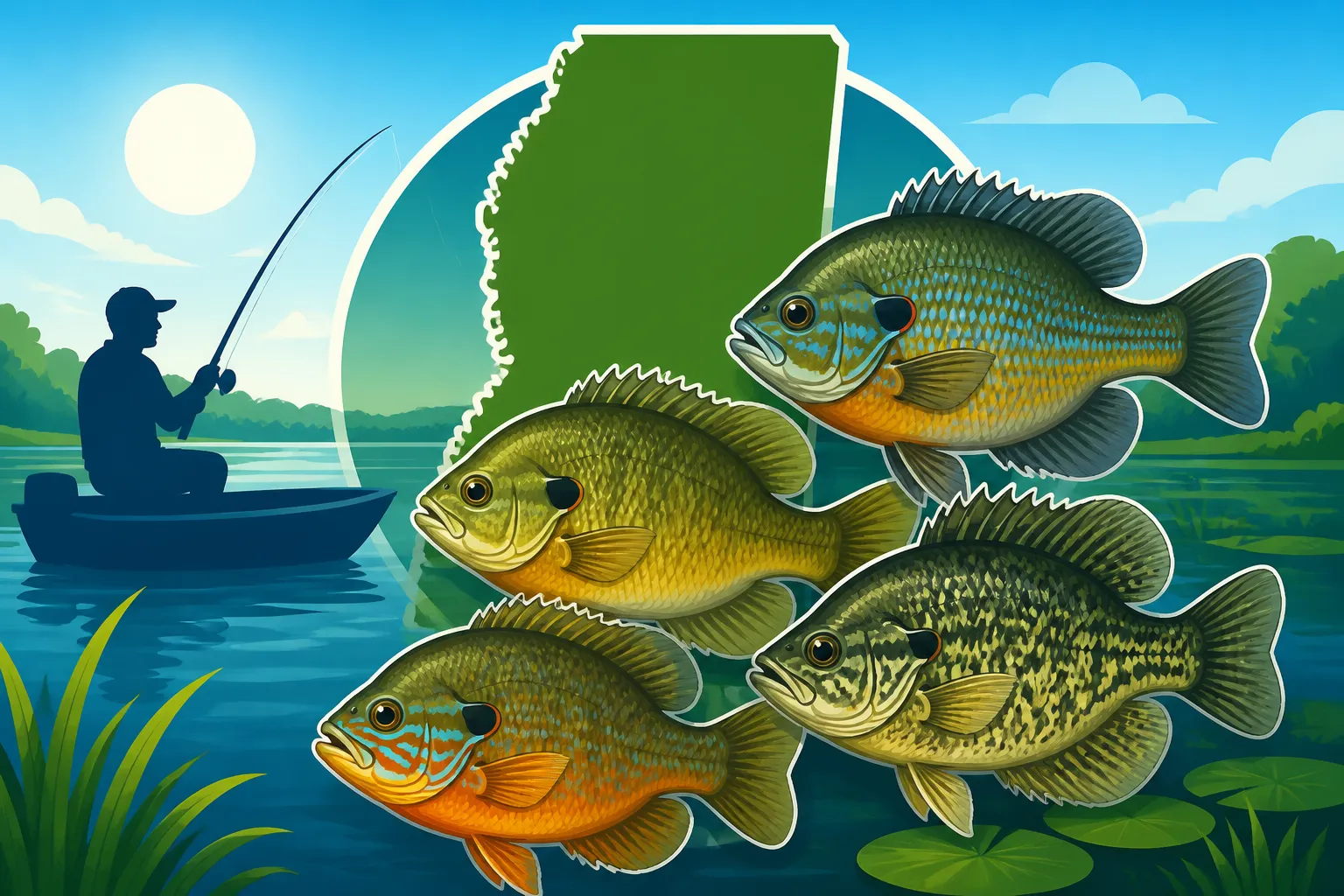
Ah, the bluegill! If there's one fish that epitomizes "bream" in the South, it's this little warrior. Bluegill are instantly recognizable by their small mouths, dark spot on the posterior of the dorsal fin, and a distinctive black "ear flap" on the operculum (gill cover) which usually has a lighter blue or white margin. Their bodies are typically deep and slab-sided, with colorations ranging from olive-green to dark blue on the back, fading to yellowish sides and a bright orange-yellow belly, especially in spawning males. You might even notice vertical bars on their sides. They rarely grow very large, with a pounder being considered a trophy, but what they lack in size, they make up for in fight and abundance.
Bluegill thrive in warm, clear, shallow waters with plenty of aquatic vegetation, submerged timber, or docks to offer cover. You'll find them schooling around brush piles, lily pads, cattails, and along drop-offs. They're primarily insectivores, gobbling up aquatic insects, larvae, and small crustaceans. Their consistent presence and willingness to bite make them a perennial favorite for both novice and experienced anglers. When you're out there, just imagine the excitement of a child pulling in their first bluegill – it's a core memory for so many of us! For more specific tactics, check out Bream and Bluegill Fishing in Mississippi.
When targeting bluegill, simple approaches are often the most effective. A small hook (size 8-12) with a piece of red wiggler worm, a cricket, or even a tiny piece of bread under a bobber is usually all it takes. They’re not picky! For those who enjoy a bit more finesse, small jigs (1/32 to 1/16 oz) tipped with a grub tail or a tiny spinnerbait can be incredibly productive, especially when cast near cover. Many anglers even have success with fly fishing for bluegill, using small poppers or wet flies.
Redear Sunfish, the "Shellcracker" (Lepomis microlophus)
If you're looking for a bream that puts up a surprisingly strong fight and offers a unique culinary experience, the redear sunfish, affectionately known as the "shellcracker," is your target. Their name comes from the bright red or orange margin around the black "ear flap" (opercular tab) — a distinct feature that sets them apart from bluegill. They also tend to have a slightly more muted, brassy green or olive coloration with fewer distinct vertical bars, and their body shape can be a bit more elongated than a bluegill's. Their most remarkable feature, though, is internal: specialized pharyngeal teeth designed to crush snail shells.
Shellcrackers are true bottom feeders, using those powerful crushing plates to feast on snails, mussels, and other bottom-dwelling invertebrates. This dietary preference means you often won't find them suspended in the water column like bluegill; instead, they'll be grubbing around on the lake or pond floor. They prefer cleaner, clearer waters with firm bottoms and abundant aquatic vegetation where snails are plentiful. Locating shellcrackers often means finding these specific areas, typically in slightly deeper water than where bluegill might be schooling.
Fishing for shellcrackers usually involves getting your bait down to the bottom. Small pieces of nightcrawler, red wigglers, or even shelled freshwater mussels are fantastic baits. You can fish them on a Carolina rig, a simple bottom rig with a small weight, or even a drop shot rig, ensuring your bait is right where they feed. Knowing their preferred food source gives you a distinct advantage. While not as aggressive as bluegill, their bite is distinctive, often a steady pull, and once hooked, they'll put up a dogged fight. For more detailed tips on finding these hard-fighting sunfish, explore Redear Sunfish (Shellcracker) Fishing in Mississippi.
Green Sunfish (Lepomis cyanellus)
The green sunfish is often described as the "bully" of the sunfish family, known for its aggressive nature and larger mouth compared to its bream cousins. You can typically identify a green sunfish by its robust, stocky body, a large mouth that extends back to below the middle of the eye (unlike the bluegill's small mouth), and a prominent dark spot on the rear of both the dorsal and anal fins. Their coloration is usually a brassy green or olive, often with iridescent blue-green spots on their body and horizontal rows of small, dark spots. The "ear flap" is usually black with a light margin, but it lacks the distinct blue or red of other species.
Green sunfish are incredibly adaptable and can be found in a wide variety of habitats, from clear, rocky streams to muddy farm ponds and even brackish water. They're particularly fond of areas with submerged logs, rock piles, and undercut banks. Their aggressive nature makes them a lot of fun to catch, as they're often the first to attack a lure or bait. While they don't typically grow very large, they are strong fighters for their size, providing plenty of excitement on light tackle.
Given their aggressive nature and larger mouths, green sunfish aren't shy about hitting a variety of baits and lures. Worms, crickets, and grasshoppers are all excellent live bait choices. They'll also readily strike small spinnerbaits, tiny crankbaits, and even topwater poppers meant for bass. If you're fishing a pond or creek and repeatedly catching smaller, feisty fish with a surprisingly wide grin, chances are you've found a school of green sunfish. They're a blast for kids because they bite so readily!
Warmouth (Lepomis gulosus)
The warmouth is another distinctive sunfish species that adds to the rich tapestry of Mississippi's panfish scene. These fish have a somewhat bass-like appearance due to their stockier body and slightly larger mouth than bluegill or redear. Key identification features include a robust, chunky body, typically mottled brown or olive coloration (giving them great camouflage), three or four dark bars radiating back from the eye, and often a reddish-orange eye. Their opercular (ear) flap is generally dark without a distinct colored margin.
Warmouth prefer warm, often murky waters with heavy vegetation and soft, muddy bottoms. You’ll frequently find them lurking in slow-moving streams, oxbow lakes, and the weed-choked backwaters of larger reservoirs. They are ambush predators, using their camouflage and preferred cover to lie in wait for unsuspecting prey. Their diet consists of small fish, crayfish, and large aquatic insects, reflecting their more predatory lifestyle compared to other sunfish.
Fishing for warmouth often involves targeting these heavy cover areas. A live minnow, a small crawfish imitation, or a worm fished on or near the bottom will typically entice a strike. Small jigs and spinnerbaits worked slowly through submerged brush or lily pads can also be very effective. Because they often inhabit areas with lots of snags, using slightly heavier line or a weedless presentation can be beneficial. They put up a decent fight for their size and are another excellent table fare fish, making them a worthy target for any Mississippi angler.
Longear Sunfish (Lepomis megalotis)
Perhaps the most visually stunning of our sunfish species, the longear sunfish is a true gem of Mississippi's clear water streams and lakes. Its most striking feature, as its name suggests, is the elongated, flexible black opercular (ear) flap, which is often edged with a vibrant red or orange margin. The body itself is a kaleidoscope of colors, with iridescent blue and green stripes and spots on an olive or orange background, especially on the cheeks and operculum. They generally have a more slender body profile than a bluegill and a smaller mouth.
Longear sunfish typically prefer clear, flowing waters of streams and small to medium rivers, but they can also be found in clear lakes and ponds, particularly those with gravel or rocky bottoms. They are often found in areas with moderate current, around rocky structures or submerged logs, and are less tolerant of murky or stagnant water than green sunfish. While they don't grow to a large size, their incredible beauty makes them a highly prized catch for sight-fishing enthusiasts and those who appreciate the aesthetic appeal of our native fish.
Given their smaller size and preference for clear water, light tackle is the way to go for longear sunfish. Tiny jigs, small dry flies, or a piece of a worm on a very small hook are usually effective. Fly fishing can be particularly rewarding when targeting these colorful fish, as their vibrant patterns are best appreciated up close. They are a joy to catch, not just for their beauty but for the delicate fight they offer on ultra-light gear.
Other Notable Sunfish and Panfish Relatives
While bluegill, redear, green sunfish, and warmouth are among the most common true sunfish you’ll encounter, the Centrarchidae family is quite diverse. It also includes some of Mississippi's most popular game fish, which, though often thought of as distinct, are technically part of the larger sunfish group. Understanding these relationships can give you a deeper appreciation for the variety of fishing opportunities our state offers.
Crappie: The Sunfish Family's Crown Jewel
It might surprise some, but both white crappie and black crappie are indeed members of the sunfish family. Often called "sac-au-lait" in parts of the South, these highly sought-after fish are easily distinguished from other sunfish by their more elongated, silvery bodies and larger overall size. They are perhaps the most popular panfish in Mississippi, prized for their delicious fillets and aggressive biting habits, especially during the spring spawn. While they share the sunfish family tree, their fishing techniques and preferred habitats often differ significantly from their smaller "bream" cousins.
Crappie are masters of schooling, often found congregating around submerged brush piles, standing timber, and creek channels in deeper water during colder months, moving shallower during the spawn. You can learn more about how to pursue these popular fish in Crappie Fishing in Mississippi. The key difference between the two species lies in their markings and dorsal fin spines. White crappie typically have vertical bars and 5-6 dorsal spines, while black crappie are more speckled and have 7-8 dorsal spines. Understanding White Crappie vs Black Crappie: How to Tell Them Apart can help you refine your approach, as black crappie tend to prefer clearer water and more vegetation, while white crappie are more tolerant of turbid conditions.
Bass: The Larger Sunfish Cousins
Yes, even the mighty largemouth bass, the undisputed king of freshwater game fish in Mississippi, belongs to the sunfish family! Along with spotted bass and the less common smallmouth bass in our state, these larger predators represent the apex of the sunfish lineage. While they share the same family, their size, predatory nature, and sporting appeal place them in a different category for most anglers than the smaller "bream." However, understanding this connection reinforces the diversity and adaptability of the Centrarchidae family.
Bass are characterized by their elongated bodies, large mouths (especially the largemouth), and generally more solitary or smaller schooling behaviors compared to crappie or bluegill. They are highly aggressive predators, feeding on smaller fish, frogs, crawfish, and anything else they can fit into their mouths. Targeting Largemouth Bass Fishing in Mississippi requires different tackle and techniques than panfishing, often involving heavier rods, stronger lines, and a wide array of specialized lures designed to mimic their prey. It's fascinating to think that the same family can produce both a tiny bluegill and a hard-fighting, trophy-sized bass!
Rock Bass and Flier
While less common or widely distributed in Mississippi compared to the species mentioned above, rock bass (Ambloplites rupestris) and flier (Centrarchus macropterus) are also members of the sunfish family that might occasionally turn up in your catch, especially in specific habitats. Rock bass, sometimes called "goggle-eye," are often found in cooler, rocky streams and rivers, preferring clear water and rocky cover. They have a more perch-like appearance, with reddish eyes and mottled brown/olive bodies. They can be quite aggressive and will readily strike small baits.
Fliers, on the other hand, are a smaller, rounder sunfish species, characterized by a prominent dark spot on their dorsal fin and often a pattern of spots or bars on their body. They prefer heavily vegetated, often acidic waters, and are more common in the southern parts of the state. While not typically targeted by many anglers, they add to the fascinating biodiversity of Mississippi's aquatic environments. Catching one of these rarer sunfish can be a special treat, reminding us of the hidden gems our waters hold.
Gear Up for Sunfish Success
Getting ready to hit the water for some sunfish action doesn't have to be complicated or expensive. In fact, that's one of the greatest appeals of panfishing! With a few key pieces of tackle and an understanding of where these fish like to hide, you'll be well on your way to a cooler full of delicious fillets.
Essential Tackle for Panfishing
For sunfish, "less is more" often applies to your tackle. You're not trying to reel in a monster, so delicate, sensitive gear works best. An ultralight spinning rod (4.5 to 6 feet long) paired with a small spinning reel (size 500-1000) is a perfect combo. This setup allows for light lines, sensitive bites, and makes even a small bluegill feel like a trophy. For line, 4-6 pound test monofilament is ideal; it's strong enough to handle a feisty panfish but thin enough to be less visible and allow for better casting of light baits. Many anglers, myself included, will often pick up a good quality ultralight combo from retailers, and Amazon has a fantastic selection of reliable brands that won't break the bank.
Don't forget the small but mighty accessories:
- Hooks: Sizes 6-12, Aberdeen or baitholder styles work well for most live baits.
- Bobbers: Small clip-on bobbers or slip bobbers are great for presenting bait at the right depth. A variety pack from Amazon can be very useful.
- Split Shot Weights: Small sizes (BB, 1/0, 3/0) to get your bait down.
- Pliers/Forceps: Essential for removing hooks, especially from smaller fish.
- Fillet Knife: For preparing your catch, though you can get specialized How to Fillet a Crappie guides later.
Remember, the goal is stealth and finesse. Overpowering tackle will reduce the fun and can make detecting those subtle sunfish bites much harder. Choosing the right gear is key to maximizing your enjoyment and success on the water. For a more general guide, consider checking out Choosing the Right Rod and Reel for Mississippi Fishing.
Baits and Lures That Sunfish Can't Resist
When it comes to tempting sunfish, nature provides some of the best options. Live bait is almost always a winner, but don't underestimate the effectiveness of artificial lures, especially if you enjoy an active fishing style.
- Live Bait:
- Worms: Red wigglers, nightcrawlers (cut into smaller pieces) are universally effective. They're irresistible to bluegill and shellcrackers alike.
- Crickets: A top choice for bluegill, often found at bait shops or even caught yourself.
- Grasshoppers: Similar to crickets, great for warmer months.
- Small Minnows: While more commonly associated with crappie, a tiny minnow can tempt larger sunfish like warmouth or green sunfish.
- Artificial Lures:
- Jigs: Small marabou jigs, grub jigs, or hair jigs (1/32 to 1/16 ounce) in colors like white, chartreuse, or black. Tip them with a small piece of worm for added appeal. Amazon offers a huge assortment of these tiny jigs in various colors and styles.
- Spinnerbaits: Micro-spinnerbaits with small blades can be deadly for aggressive green sunfish and larger bluegill.
- Tiny Crankbaits/Poppers: For surface action, especially early morning or late evening, small topwater lures can be a blast for green sunfish and bluegill.
Experimentation is key! What works one day might not work the next, and preferences can vary between lakes and even different spots on the same lake. Always have a few options available, and don't be afraid to try something new. You can find a huge variety of these options, from different lure kits to live bait containers, easily on Amazon. For a comparative look at bait choices for other panfish, check out Live Bait vs Artificial Lures for Mississippi Crappie.
Locating Sunfish in Mississippi Lakes
Finding sunfish in Mississippi lakes and ponds is often about identifying key structures and understanding their seasonal movements. These fish are highly social and tend to congregate, so once you find one, you're likely to find many more!
- Structure is Key: Sunfish love cover and structure. Look for:
- Docks and Piers: The shaded areas and submerged pilings provide excellent cover.
- Brush Piles and Submerged Timber: These are fish magnets, offering protection and ambush points.
- Lily Pads and Aquatic Vegetation: These areas hold insects and provide shade.
- Drop-offs: Where shallow water meets deeper water, fish often stage here.
- Seawalls and Rocky Banks: Especially for green sunfish.
- Depth and Seasonal Movements:
- Spring: During the spawn, sunfish move into very shallow water (1-3 feet) to build nests. This is often the easiest time to locate and catch them.
- Summer: As waters warm, they might move slightly deeper (3-8 feet) to find cooler water and more oxygen, often relating to submerged brush or shaded areas. Early mornings and late evenings can still find them shallow.
- Fall: As water temperatures drop, they may return to shallower feeding areas before retreating to deeper water for winter.
- Winter: They typically move to deeper, more stable water, often around creek channels or deep brush piles. While slower, they can still be caught.
Using a portable fish finder, readily available on platforms like Amazon, can greatly assist in identifying submerged structure and depth changes, giving you a distinct advantage. Remember, the Best Spots for Bream and Bluegill in Mississippi will often be those with a combination of cover, food sources, and suitable water depth. Patience and observation are your best tools when searching for these rewarding catches. And always be sure you have a valid Mississippi Fishing License Guide before you cast a line!
Disclaimer
This article is for general informational purposes only and does not constitute professional advice. Laws, prices and regulations vary by location and change over time. Consult a qualified professional for guidance on your specific situation.