Black Drum Fishing on the Mississippi Coast
There's nothing quite like the subtle tug on your line, the bend in your rod, and the sheer power of a black drum as it fights back. For many anglers on the Mississippi Coast, catching one of these robust bottom-dwellers is a bucket list item, but it can be frustrating if you're not sure where to start, what bait to use, or even how to tell them apart from their red drum cousins. This guide is here to unravel the mysteries of black drum fishing along our beautiful coastline, offering clear, actionable advice so you can increase your chances of landing one of these fantastic fish.
Understanding the Black Drum: The Ultimate Bottom Feeder
Before you can catch 'em, you've got to understand 'em! Black drum are a truly unique fish species, often overlooked in favor of flashier game fish, but they offer an incredible fight and can grow to impressive sizes. Knowing a bit about their biology and behavior will give you a significant edge when you’re out on the water.
Key Identification Features
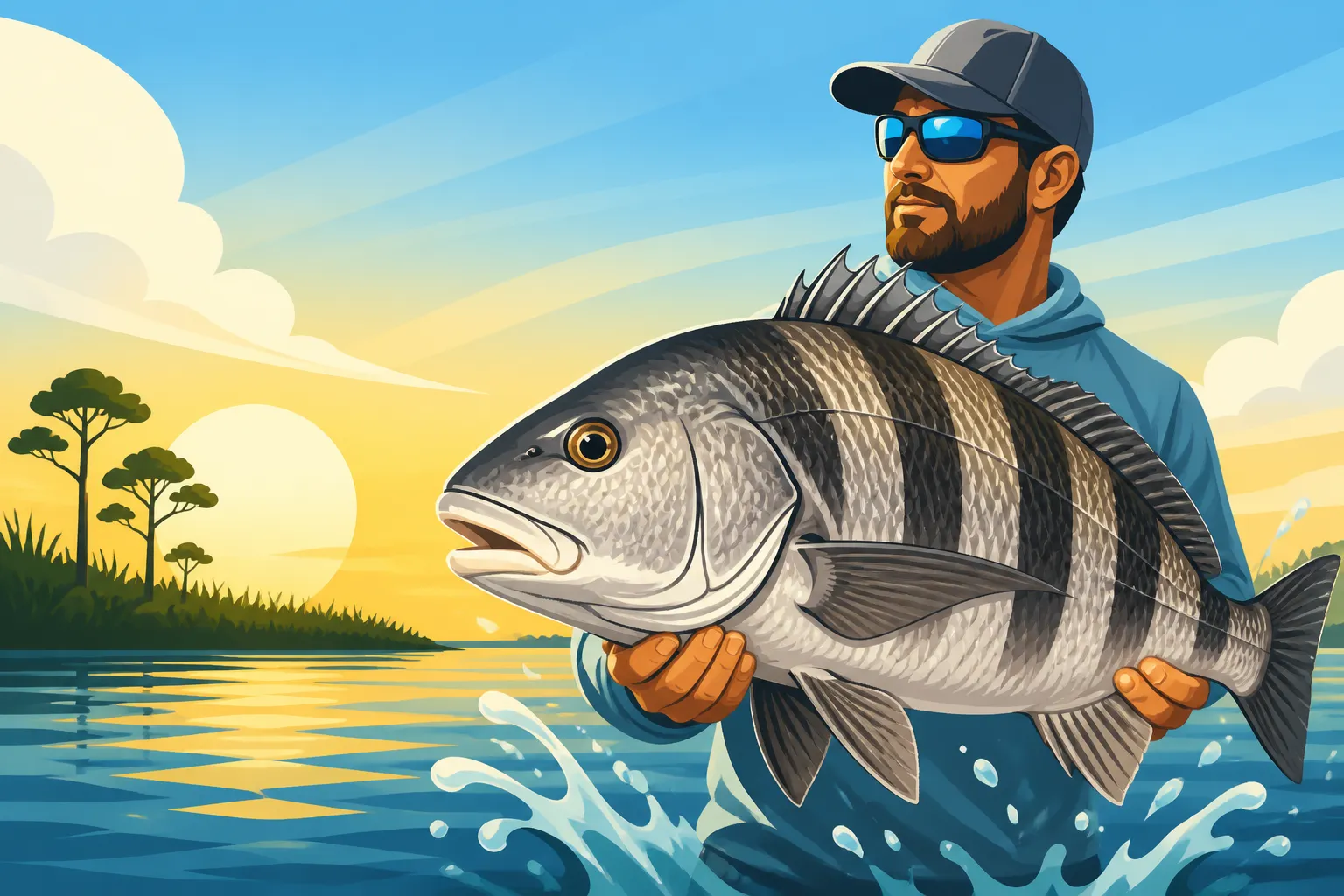
It’s easy to confuse a black drum with a red drum, especially when they're smaller. However, there are some pretty clear giveaways once you know what to look for. Black drum typically have a higher, more humped back and a distinctive row of barbels (whiskers) under their chin, which they use to root around on the bottom for food. Their coloration can vary, from solid gray to a silvery bronze, often with several vertical dark bands, particularly noticeable in younger fish. As they get older, these bands tend to fade, and the fish becomes more uniformly dark. Their tails are usually squared off, unlike the red drum’s more forked tail. If you're ever in doubt, just check for those chin whiskers – that's the tell-tale sign! Understanding these visual cues is critical, especially when adhering to regulations that might differ slightly between species. If you want to dive deeper into distinguishing between these two species, you might find our guide on Redfish vs Black Drum Identification helpful.
Black drum also possess a set of crushing, pavement-like teeth in the back of their throats, which is perfectly designed for cracking open the shells of oysters, crabs, and clams. This unique dental structure is why they’re so good at foraging on the bottom and why they’re often found in areas with hard shell beds. Their scientific name, Pogonias cromis, even hints at their bearded appearance, referring to those barbels.
Typical Habitat Preferences
Black drum are quite the homebodies when it comes to their preferred environment. They love brackish and saltwater, thriving in estuaries, bays, bayous, and even nearshore Gulf waters along the Mississippi Coast. You'll often find them congregating around various types of structure that offer both food and shelter. Think about oyster reefs, bridge pilings, jetties, rock formations, and even sunken debris. They're not particularly shy about shallow water, especially when the tide is high and they can sneak into grass flats or along shorelines to feed.
These fish are highly adaptable and can tolerate a wide range of salinities, which means you might find them pretty far up some of our coastal rivers and bayous, as well as right out in the open Gulf. This versatility makes them a fantastic target for anglers, whether you prefer to fish from a boat, pier, or the bank. The key is finding those areas where they can easily access their favorite meals. They are masters of using current and structure to their advantage, often tucking themselves into eddies or behind pilings to ambush passing food or simply rest from strong flows.
Black Drum Behavior and Feeding Habits
Black drum are primarily bottom feeders, and they have a unique way of going about it. Those barbels under their chin aren't just for show; they're packed with sensory receptors that help them locate food buried in the mud or sand. They'll root around, stirring up the bottom, much like a pig snuffling for truffles, to uncover tasty morsels like crabs, shrimp, clams, and small fish. This behavior is often why you’ll feel a series of subtle bumps or taps on your line before a solid bite – they’re testing the bait with their barbels.
They tend to be less aggressive than red drum, often preferring a slow, deliberate approach to feeding. While you might occasionally catch a smaller drum on an artificial lure, the vast majority are caught using natural bait presented right on the bottom. Larger drum, often referred to as "bull drum," can be found in deeper channels or near major structures, while smaller "puppy drum" will frequent shallower areas. Understanding these habits is key to selecting the right location and presentation. They're not usually solitary creatures; if you catch one black drum, there's a good chance there are more in the vicinity.
Where to Find Black Drum on the Mississippi Coast
The Mississippi Coast offers a fantastic array of fishing opportunities, and black drum are no exception. Knowing the specific types of locations and structures they prefer can save you a lot of time and frustration, directing you to where these fish are most likely to be holding.
Coastal Inshore Waters
Our inshore waters, including the vast Mississippi Sound, are prime habitats for black drum. These areas provide the perfect blend of brackish water, food sources, and protective structures. Bays like Biloxi Bay, Bay St. Louis, and Pascagoula Bay are excellent starting points. They are essentially nutrient-rich cafeterias for bottom feeders. Within these bays, look for areas where freshwater mixes with saltwater, creating a fertile environment for baitfish and crustaceans.
The shallower bayous and tidal creeks that feed into these larger bays are also worth exploring, especially during high tide. Black drum will often move into these skinny waters to feed, particularly after a good rain has washed nutrients into the system. Fishing these tidal creeks can be a surprisingly productive way to target smaller to medium-sized drum, offering a different kind of experience than fishing the deeper bay channels. A good strategy is to work along the edges of oyster reefs and muddy bottoms where they root for food. For a broader overview of the fishing opportunities in our coastal waters, check out our Mississippi Gulf Coast Fishing Guide.
Structure and Bottom Types
Black drum are structure-oriented fish, meaning they like to hang out around anything that breaks up the current or offers a hiding spot and a food source. On the Mississippi Coast, this includes:
- Oyster Reefs: These are black drum magnets. The reefs provide both food (oysters and the critters that live among them) and structure. You’ll often find drum rooting around these beds, so presenting your bait right on the edge or within a natural depression can be very effective.
- Bridge Pilings and Piers: The concrete and wood pilings of bridges and piers create eddies and attract bait, making them excellent ambush points for drum. These structures also become encrusted with barnacles and other marine life, which black drum love to munch on. Consider places like the Biloxi Bay Bridge or the Bay St. Louis Bridge. If you're interested in shore-based opportunities, our Pier Fishing Tips for Beginners might give you more ideas for these spots.
- Jetties and Rock Walls: These man-made structures provide similar benefits to natural reefs and pilings. The rocks harbor crabs and other crustaceans, and the structure itself breaks the current. You'll find these along many areas of the coast, providing accessible fishing from land or boat.
- Deep Holes and Channels: In bays and rivers, black drum will often hold in deeper holes or along the edges of navigation channels, especially during colder months or when seeking refuge from heavy boat traffic. These spots can concentrate fish, making them prime targets.
When fishing these areas, it’s crucial to present your bait as close to the structure as possible without getting snagged. Sometimes, casting slightly upstream and letting the current carry your bait naturally along the structure can entice a bite.
Specific Mississippi Coast Hotspots
While black drum can be found almost anywhere along the coast, some areas are historically more productive than others.
- Biloxi Bay: This expansive bay is a fantastic fishery. Target the pilings of the bridges connecting Biloxi and Ocean Springs, as well as the numerous oyster reefs scattered throughout the bay. The deeper channels near the Biloxi Small Craft Harbor can also hold larger fish. You can find more specific details in our Biloxi Bay Fishing Guide.
- Bay St. Louis: Another excellent spot, particularly around the U.S. 90 bridge and the deeper channels leading into the Jourdan River and Wolf River. The oyster reefs and marsh edges here are very productive. Our Bay St. Louis Fishing Guide provides a deeper look into this area.
- Pascagoula Bay: This eastern part of the coast offers plenty of opportunities, especially in the Pascagoula River estuary and around Horn Island. The industrial structures and deeper waters near the shipyards can hold significant numbers of black drum. Our Pascagoula Bay Fishing Guide can help you explore this area.
- Mississippi Sound Barrier Islands: Fishing around the passes and sheltered sides of our barrier islands like Horn Island and Ship Island can also be productive, particularly for larger "bull" drum. These areas have strong currents and rich food sources.
Always remember that local knowledge is gold. Chatting with bait shop owners or fellow anglers can often provide real-time insights into where the fish are biting best.
Best Baits and Rigs for Black Drum
When it comes to black drum, the old adage "match the hatch" is incredibly relevant, but with a twist: they’re usually looking for something stinky, crunchy, or both, right on the bottom. Success often hinges on choosing the right bait and presenting it effectively.
Natural Baits That Work
Black drum are not generally picky eaters, but they definitely have their favorites, and they're almost always natural baits.
- Shrimp: This is arguably the king of black drum baits. Live shrimp are fantastic, but dead or peeled shrimp can be just as effective, sometimes even better due to the scent trail they release. The key is to make sure your shrimp is fresh. If you’re using dead shrimp, cut it into pieces to maximize scent.
- Crabs: Fiddler crabs, blue crabs (cut into pieces), or even small stone crabs are irresistible to black drum. Their hard shells are no match for a drum’s crushing teeth. A quartered blue crab or a whole fiddler crab rigged on a hook will often draw a strike from larger fish.
- Clams and Oysters: Since these are a natural part of their diet, clams and oysters (shucked and placed on a hook) are extremely effective, especially when fishing near oyster reefs. They can be a bit messier to handle, but the scent they put out is incredible.
- Cut Bait: Fresh cut bait, such as mullet, croaker, or spot, can also be productive, particularly for larger drum. A strip of fish belly or a chunk of oily fish will emit a strong scent that can attract drum from a distance.
When using any of these baits, ensure your hook is fully exposed to ensure a good hook set. Don't be afraid to try a variety of baits until you find what the fish are keying in on that day. Sometimes, one bait will outperform all others, and it can change from tide to tide.
The Anatomy of a Carolina Rig
The Carolina rig is hands-down one of the most effective and popular rigs for black drum fishing on the Mississippi Coast. It's simple, allows your bait to move naturally on the bottom, and gives the fish a chance to pick up the bait without immediately feeling the weight of your sinker.
Here’s how to set it up:
- Main Line: Start with your main fishing line coming from your reel.
- Sinker: Slide an egg sinker (or a pyramid sinker if you're in heavy current) onto your main line. The weight will depend on the current and depth, but typically 1/2 oz to 2 oz is a good range.
- Bead: After the sinker, thread a small plastic or glass bead onto your main line. This protects your knot from the sinker constantly banging against it during casts and retrieves.
- Swivel: Tie a strong barrel swivel to the end of your main line, securing it firmly with a reliable knot like a Palomar knot or an improved clinch knot.
- Leader: To the other end of the swivel, tie a length of fluorocarbon or monofilament leader. The leader should be about 18-36 inches long, depending on how shy the fish are and how much natural movement you want your bait to have. Fluorocarbon is often preferred due to its abrasion resistance and low visibility in water.
- Hook: Finally, tie your hook to the end of your leader. A circle hook is highly recommended for black drum, as they tend to swallow bait. Circle hooks typically hook the fish in the corner of the mouth, reducing gut-hooking and making for easier, healthier releases, which is important for conservation. Hook sizes can range from 2/0 to 6/0, depending on your bait size and target drum size.
The beauty of the Carolina rig is that the sinker sits on the bottom while the bait floats or drifts just above it on the leader, making it look very natural. When a drum takes the bait, it feels very little resistance until you reel down to set the circle hook. For a more general guide on various saltwater techniques, our Saltwater Fishing Techniques for the Mississippi Gulf Coast provides broader context.
Other Effective Rigs and Presentations
While the Carolina rig is a staple, having other options in your tackle box can prove beneficial, especially when conditions change.
- Fish Finder Rig: Very similar to a Carolina rig, but instead of an egg sinker threaded directly on the line, it uses a clip that allows you to quickly change sinker weights. This is particularly useful when you need to adjust to varying currents or depths without retying your entire rig. The sinker still slides freely on the main line, allowing the fish to take the bait with minimal resistance. This rig is great for fishing from a boat or stationary position where you want your bait to stay put on the bottom.
- Drop Shot Rig (Modified): While typically associated with bass fishing, a modified drop shot can work for black drum in specific scenarios, especially when they are suspended slightly off the bottom or you want to keep your bait elevated from a mucky bottom. Instead of a sinker at the very bottom, you can use a small weight a foot or two below your hook, allowing your bait to flutter enticingly in the current above the seabed. This requires a bit more finesse but can be very effective.
- Knocker Rig: This rig features a weight, typically an egg sinker, sliding freely down to rest directly on the eye of the hook. It's a very direct presentation, excellent for fishing tight to structure where you want minimal hang-ups. The direct contact with the sinker makes it easy to feel subtle bites.
No matter the rig, the goal is often the same: present natural bait convincingly on or very near the bottom where black drum are foraging. Experimentation is key; what works one day might not work the next, so be prepared to adapt!
Essential Gear for Black Drum Fishing
Having the right equipment can make all the difference between a frustrating outing and a successful day on the water. Black drum are strong fish, and while they might not make blistering runs like a redfish, they put up a powerful, stubborn fight on the bottom. Your gear needs to be up to the task.
Rod and Reel Combinations
For black drum fishing on the Mississippi Coast, you'll want a rod and reel combo that offers a good balance of power, sensitivity, and durability.
-
Rods: A medium-heavy to heavy action spinning or conventional rod, typically 7 to 8 feet in length, is ideal.
- Spinning Rods: These are generally easier for beginners and offer good casting distance with lighter baits. A sturdy 7-foot medium-heavy spinning rod with a fast tip will give you the sensitivity to feel the subtle bites and the backbone to handle larger drum.
- Conventional Rods: For those who prefer baitcasters, a conventional setup in the same power and length is also excellent, especially for managing heavy baits and fighting larger fish in stronger currents.
- Look for rods with a strong backbone to horse those larger drum away from structure, but also a relatively sensitive tip to detect those light nibbles that characterize a drum bite.
-
Reels: Pair your rod with a durable reel that has a smooth drag system and good line capacity.
- Spinning Reels: A 4000 to 6000 size spinning reel is a good starting point. Brands like Penn, Shimano, or Daiwa offer reliable options. Ensure it's rated for saltwater use to prevent corrosion.
- Conventional Reels: A reel with a strong gear ratio and ample torque is preferable for pulling big drum. Look for models in the 15 to 25 size range.
- A reliable drag system is crucial because even though black drum aren't known for screaming runs, they will make powerful surges when hooked. You need a drag that can handle that pressure without seizing or becoming inconsistent.
When considering your setup, remember that you don't necessarily need the most expensive gear. There are many robust and affordable options that are perfectly capable of landing big black drum. Sometimes, finding the right balance of price and performance is key. For example, if you're looking for durable and cost-effective options, online retailers like Amazon offer a wide selection of saltwater rods and reels that can get you started.
Line Choices and Leader Material
Your choice of fishing line is just as important as your rod and reel, influencing your casting distance, sensitivity, and ability to withstand a fish's fight and abrasive structures.
-
Main Line:
- Braided Line: Many experienced anglers prefer braided line for black drum. Its thin diameter means you can spool more line onto your reel, and its minimal stretch provides incredible sensitivity, allowing you to feel even the faintest taps. It’s also very strong for its diameter. A 30 to 50 lb test braided line is a solid choice. However, braid is highly visible and can be prone to wind knots if not managed properly.
- Monofilament Line: If you prefer the forgiving stretch and lower visibility of monofilament, a 15 to 25 lb test monofilament line can work well. It’s also generally more abrasion-resistant than braid when rubbing against pilings or oysters. It's often a more budget-friendly option too.
-
Leader Material:
- Regardless of your main line, always use a fluorocarbon or heavy monofilament leader. This serves several purposes: it's less visible to the fish, more abrasion-resistant against sharp shells and teeth, and acts as a shock absorber.
- A 30 to 50 lb test fluorocarbon leader is highly recommended. The length can vary, but generally 18 to 36 inches is a good starting point. Fluorocarbon is nearly invisible underwater and has excellent knot strength. When selecting leader material, quality matters. Don't skimp on this crucial connection between your main line and your hook.
Must-Have Accessories
Beyond the core rod and reel setup, a few essential accessories will make your black drum fishing experience safer, more efficient, and more enjoyable.
- Tackle Box: A well-organized tackle box is invaluable. Keep a variety of sinker weights, hooks (especially circle hooks), swivels, and beads. Having a separate compartment for leader material is also smart.
- Pliers/Forceps: Essential for removing hooks, especially when practicing catch and release. Long-nose pliers or specialized fishing forceps will protect your fingers and help you quickly unhook a fish.
- Net or Lip Grips: A sturdy landing net with a rubberized mesh is excellent for landing larger drum, reducing stress on the fish and making it easier to handle. Lip grips can also be helpful for controlling a fish at boat side or on the pier.
- Cut Bait Knife and Cutting Board: If you're using cut bait, a sharp knife and a small cutting board are necessary for preparing your offerings.
- Cooler with Ice: Not just for drinks, but also for keeping your bait fresh, especially shrimp, and for storing any fish you plan to keep.
- Sun Protection: Don't forget sunscreen, a wide-brimmed hat, and polarized sunglasses. The Mississippi sun can be intense, and polarized lenses help you spot subtle movements in the water.
- First Aid Kit: Always a good idea to have one on hand for minor cuts or scrapes, especially when dealing with hooks and potentially sharp fish fins.
- Fishing License: Make sure you have your current Mississippi fishing license! You can find out more about what you need in our Mississippi Fishing License Guide.
When stocking up on these accessories, remember that many useful items can be conveniently purchased online from retailers like Amazon, ensuring you're fully equipped before your next trip. Having everything neatly arranged and readily accessible means you can focus on the fishing, not fumbling for gear.
Optimal Times and Conditions for Black Drum
Just like any fish, black drum are more active and cooperative under certain conditions. Understanding these factors can significantly boost your success rate and ensure you're fishing when the odds are most in your favor.
Tidal Influence
Tides play a huge role in black drum activity, especially in our coastal bays and estuaries. While they can be caught on any tide, specific phases tend to be more productive.
- Moving Water: Black drum generally prefer moving water, as it stirs up the bottom, dislodges bait, and carries scent. Both incoming and outgoing tides can be good, but the periods of strongest current are often the best. This is when bait is most active, and drum are actively feeding.
- Slack Tide: The periods of slack high or slack low tide, when the water isn't moving much, can sometimes be slower. The fish might hunker down and be less inclined to feed aggressively. However, some anglers report success during slack tide in deeper holes where fish congregate.
- Incoming Tide: As the tide comes in, it pushes baitfish and crustaceans into shallower areas and onto oyster reefs. Drum will often follow this food source, making shallow flats and marsh edges productive.
- Outgoing Tide: As the tide recedes, it pulls water and bait out of the creeks and flats, concentrating fish in deeper channels and around structures. Fishing the mouths of bayous or cuts during an outgoing tide can be very effective.
Checking tide charts before your trip is essential. Look for periods of strong tidal flow on the specific location you plan to fish. Understanding How to Read Tide Charts for Gulf Coast Fishing can be a game-changer for any coastal angler.
Seasonal Patterns
Black drum fishing in Mississippi can be good year-round, but there are definitely peak seasons when the action heats up.
- Spring (March-May): This is often considered prime time for black drum. As water temperatures rise, the fish become very active and move into shallower areas to feed and spawn. Larger "bull" drum can be caught during this period, especially in the deeper channels and near passes. This is a fantastic time for both boat and pier anglers.
- Summer (June-August): Black drum are still present and can be caught throughout the summer. However, they might move to deeper, cooler waters during the hottest parts of the day. Early mornings, late evenings, and even night fishing can be very productive during summer. Look for them around structure that provides shade or deeper pockets.
- Fall (September-November): Another excellent season, as water temperatures begin to cool, and fish start to feed aggressively in preparation for winter. Similar to spring, drum will be active in bays and estuaries, often schooling up.
- Winter (December-February): While fishing can slow down, black drum are still catchable. They tend to congregate in deeper, protected areas, such as dredged channels, deep holes in rivers, and protected bayous. Fishing during warmer spells after a cold front can yield good results. Patience is key during the colder months.
Keep an eye on local fishing reports and water temperature data, as these can give you valuable clues about where the fish are holding throughout the year.
Weather and Water Conditions
Beyond tides and seasons, daily weather and water conditions also impact black drum behavior.
- Stable Weather: Generally, stable weather patterns with consistent barometric pressure are best. Fish tend to be more comfortable and actively feeding.
- Pre-Frontal Conditions: Just before a cold front moves in, fish can often go on a feeding spree. The hours leading up to a significant weather change can be very productive.
- Post-Frontal Conditions: After a strong cold front passes, especially in winter, fishing can be tough. The water cools rapidly, and fish often become lethargic. It might take a day or two for them to resume normal feeding patterns.
- Water Clarity: Black drum are not overly sensitive to water clarity, given their bottom-feeding nature. They can be caught in clear, murky, or even muddy water. In fact, slightly stained water can sometimes be beneficial as it makes your line less visible to the fish and can activate their scent-based feeding instincts.
- Wind: Moderate wind can be a friend or foe. A light chop on the water can break up the surface, making fish feel more secure, and can help distribute scent from your bait. However, very strong winds can make casting difficult and make it hard to feel subtle bites. It can also create strong currents that require heavier weights to keep your bait in place.
Observing these conditions and adjusting your approach accordingly will increase your chances of success. Sometimes the best fishing comes when others are staying home!
Techniques for Catching Black Drum
Once you know where to find them and what baits to use, the next step is mastering the techniques for actually getting them to bite and then successfully bringing them to the boat or shore.
Bottom Fishing Strategies
Since black drum are primarily bottom feeders, presenting your bait effectively on the bottom is paramount. This isn't a game of fast retrieves or flashy lures; it's about patience and subtle finesse.
- Fan Casting: If you're fishing from a stationary position (like a pier or anchored boat), try fan casting around your spot. Cast to different areas around the boat or pier, from left to right, covering as much bottom as possible. This helps you locate active fish without having to move.
- "Soak" Your Bait: Once your bait is on the bottom, let it sit for a while. Black drum are not known for chasing bait, so they need time to find it using their sense of smell and those barbels. Give it 10-15 minutes in a spot before reeling in to check your bait or reposition. Sometimes, a slow, gentle retrieve of a few feet can stir up the bottom and attract attention.
- Feeling the Bite: Black drum bites can be notoriously subtle, especially for larger fish. You might feel a series of light taps or bumps as they "mouth" the bait with their barbels. It's crucial not to set the hook too early. Wait for a steady pull or the rod tip to bend consistently. With circle hooks, you don't need a hard "hook set" anyway; just reel steadily into the fish. If you feel a continuous weight or a steady pull, slowly reel down until the rod loads up, and the circle hook will do its job.
- Multiple Rods: When permitted by local regulations, using multiple rods can increase your chances. Rig them with different baits or slightly varied leader lengths to see what the fish prefer on that particular day. Just make sure you can manage all your lines to avoid tangles!
Patience truly is a virtue when bottom fishing for black drum. It's a game of waiting for the right moment and knowing how to interpret what your line is telling you.
Fishing around Structure
Black drum love structure, so learning how to effectively fish these spots is key. Whether it's bridge pilings, jetties, or oyster reefs, these areas present unique challenges and opportunities.
- Proximity is Key: You need to get your bait as close to the structure as possible. Black drum will often be tucked right against pilings or in the crevices of a reef. However, this also means a higher risk of snags.
- Casting Accuracy: Practice your casting to land your bait precisely where you want it. If fishing near a bridge piling, cast slightly upstream and let the current carry your bait down to the target area.
- Heavy Gear for Heavy Cover: When fishing around oyster reefs or barnacle-encrusted pilings, consider bumping up your leader strength. You'll need the extra abrasion resistance to prevent your line from getting cut on the sharp shells. A 50-60 lb fluorocarbon leader isn't overkill in these situations.
- Current Awareness: Understand how the current is flowing around the structure. Fish will often position themselves on the "down-current" side of a piling or rock to ambush food that's being swept past. Your bait presentation should mimic this natural drift.
- Adjusting Weight: You may need heavier sinkers when fishing in strong currents around structure to keep your bait from being swept away. This is where a fish finder rig, which allows for quick weight changes, can be very useful.
Remember that structure fishing comes with a risk of snagging. It's part of the game. Be prepared to lose some tackle, but the rewards of hooking into a big drum around these spots are well worth it.
Handling and Releasing Black Drum
Black drum are a great eating fish, especially the smaller "puppy drum." However, larger "bull drum" (typically over 30 inches) are often considered less palatable due to their coarser meat and are usually released by ethical anglers. Regardless of size, proper handling ensures the health of the fish and the sustainability of the fishery.
-
Landing the Fish:
- Net: Use a rubberized landing net to bring the fish into the boat or onto the pier. This minimizes stress on the fish and protects its slime coat, which is vital for its health. Avoid dragging large fish up onto sharp surfaces.
- Lip Grips: For smaller to medium-sized fish, lip grips can provide a secure way to handle them, keeping your hands away from the hook. Always support the fish's body horizontally if lifting it with lip grips, especially larger ones, to avoid damaging its jaw or internal organs.
-
Hook Removal:
- With circle hooks, the hook is usually in the corner of the mouth, making removal relatively easy. Use pliers or forceps to gently back out the hook.
- If the fish is deeply hooked (which is less common with circle hooks), it's often best to cut the line as close to the hook as possible, rather than trying to rip it out. The hook will often corrode and fall out over time.
-
Minimizing Out-of-Water Time:
- Black drum can be quite large and heavy. The longer they are out of water, the more stressed they become. Try to unhook them quickly.
- If you plan to take a photo, do so swiftly and support the fish horizontally with both hands, especially if it’s a big one. Avoid holding large drum vertically by the jaw or tail alone, as this can cause internal damage.
-
Release:
- When releasing, gently place the fish back into the water headfirst. If it's lethargic, hold it upright by the tail and gently move it back and forth to force water over its gills until it regains its strength and swims away on its own.
- Some larger drum, especially from deeper water, might suffer from barotrauma (swim bladder expansion). If you notice this, you might need to use a venting tool or descending device, though this is less common with black drum caught in shallower inshore waters.
By practicing responsible catch and release, especially for the larger breeding females, we ensure that black drum populations remain healthy for future generations of anglers to enjoy. If you're interested in more details about specific limits, our Mississippi Fishing Creel and Size Limits guide can provide important regulatory information.
| Feature | Black Drum | Red Drum (Redfish) |
|---|---|---|
| Body Shape | High-arched back, deeper body | More streamlined, cigar-shaped |
| Coloration | Gray, silvery-bronze, often with vertical bars (young) | Copper, bronze, reddish, often with a distinct spot near tail |
| Mouth/Snout | Downward-pointing mouth, blunt snout | Forward-pointing mouth, pointed snout |
| Barbels (Whiskers) | Prominent barbels under the chin (key identifier) | No barbels |
| Tail Shape | Square or slightly rounded | Slightly forked |
| Feeding Style | Bottom feeder, uses barbels to root | Predator, often chases baitfish, bottom feeds |
| Size | Can grow very large, over 50 lbs | Large, but generally not as heavy as bull drum |
| Habitat | Oyster reefs, mud bottoms, deeper channels, structure | Grass flats, marsh edges, open bays, structure |
Disclaimer
This article is for general informational purposes only and does not constitute professional advice. Laws, prices and regulations vary by location and change over time. Consult a qualified professional for guidance on your specific situation.